Agenda-setting intelligence, analysis and advice for the global fashion community.
Agenda-setting intelligence, analysis and advice for the global fashion community.

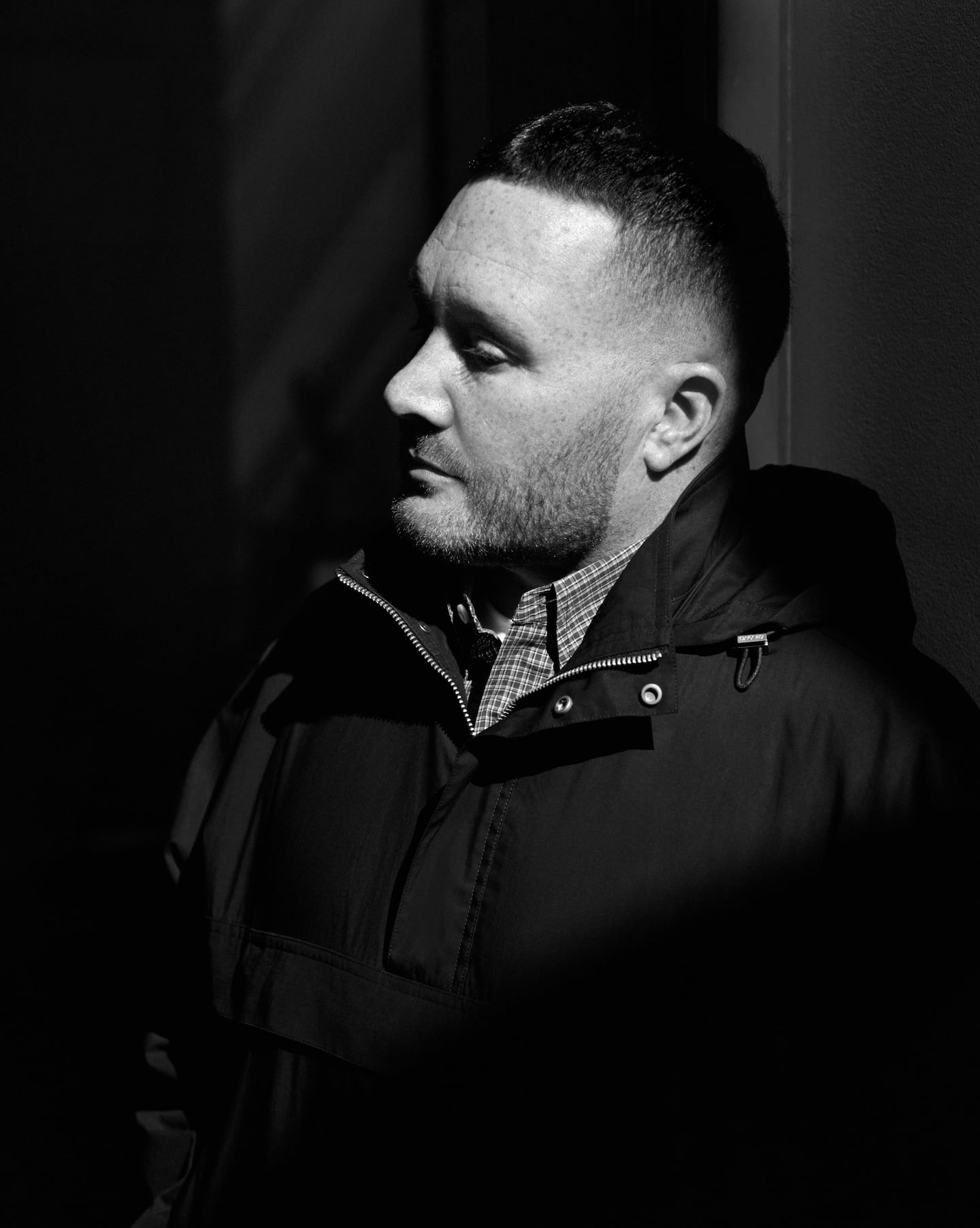
Since his last runway show for Dior in January 2025, Kim Jones has spent as much time as he can on safari. He’s returned three times to Kenya, where he spent part of his childhood. “Being out in nature is really important to me. I’ve got a bucket list of things I want to see in the wild, ones where you ask ‘How long will they be around?’” the designer says.
Jones brings fashion with him to the bush: He’s seen the gorillas with Kate Moss, trekked the Amazon with Lily Allen. Jones is such a lover of travel — and top-class lodging — that after 14 years designing for LVMH’s biggest brands, one of the first projects he took on was creating a line of resortwear “essentials” for luxury hotel chain Aman.
Then there’s his deal with Chinese fashion giant Bosideng: a consulting role as creative director of its Areal line that keeps him in the spotlight in the world’s second-biggest economy. “There’s posters of me all over China 10 meters tall,” he says. “It’s good people don’t forget who you are.”
That visibility will come in handy for Jones’ next venture: nearly two decades after shelving his eponymous menswear brand, the star designer is reviving the Kim Jones label. He’s joined in the venture by his longtime deputy, design director Lucy Beeden.
ADVERTISEMENT
Launching online in mid-2027 with a direct-to-consumer model, the brand will be rooted in menswear and tailoring, with a focus on genderless, versatile designs “unrestricted by traditional categories,” Jones says. He also plans to extend his signature into categories such as interiors. “A fully formed wardrobing and lifestyle product for people,” Jones says, speaking over video from his London studio.
He’s revived a handful of designs from his early days, such as a reversible smoking jacket — tuxedo one way, deconstructed sportswear the other — and a two-toned patchwork shirt. “It’s just a handful of things that I love from that archive, which were probably ahead of their time. But also a sort of fusion of all the things I’ve done with tailoring throughout my career,” Jones says.
Most of the pieces are made in Japan, with leather goods made in Italy.
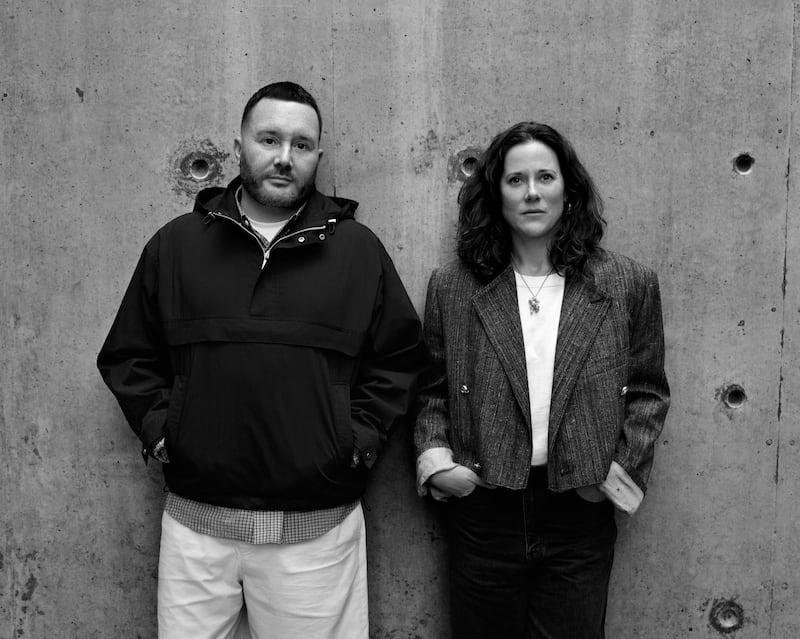
While Jones and Beeden are maintaining a majority stake in the venture, they’ve attracted support from an undisclosed investor with an eye to quickly scaling the brand. The brand plans to open its first flagship store as early as October 2027: a two-level, 4,000-square-foot space in Hong Kong’s forthcoming Central Yards shopping centre, where 4 to 8 million people are projected to walk by each month.
The brand will release two collections a year through monthly drops, alongside bread-and-butter items aimed at capturing that foot traffic. “You have to think about the passers-by, whether it’s people headed to the Star Ferries, or a businessman who wants to buy a new suit. So it needs to be merchandised really well,” Jones says.
Jones says Ralph Lauren’s personal world-building approach is a “beacon” for him as he opens a store under his own name for the first time. The flagship is being designed to look like Jones’ own house, decorated with artworks from the designer’s own considerable collection. “Some large Lalannes, some Francis Bacon paintings, things like that.”
Jones shelved his namesake brand in 2008, when he was named creative director of Richemont’s Dunhill label. Jones then moved to LVMH, where he was named Louis Vuitton’s artistic director for menswear. In 2018, he moved over to the group’s Dior label as menswear artistic director, where CEO Pietro Beccari was revving up the iconic couture house’s commercial engine. Sales of the brand’s menswear offer are estimated to have grown more than fourfold during Jones’ tenure, becoming a billion-plus business even as he juggled his mandate at Dior with designing Fendi’s womenswear from 2020 to 2024.
Once heralded as the Karl Lagerfeld of his generation — able to delve into the archives and channel the spirit of seemingly any brand — Jones isn’t sure he’ll ever return to a big luxury house. Between Dior menswear and Fendi’s women’s ready-to-wear and haute couture, he was putting on as many as eight fashion shows per year by the end of his time at LVMH. Behind the scenes, pre-fall and resort turned into nesting dolls for various commercial capsules. His studio once signed 32 collections in a single year, by Jones’ and Beeden’s count. “It gets a bit silly,” Jones says. “We had a really great time doing it all, but I never intended to do it forever.”
ADVERTISEMENT
With his new venture, Jones joins a cohort of former LVMH stalwarts — including Stella McCartney, Marc Jacobs and Phoebe Philo — who are carving paths outside luxury’s biggest group (although Philo maintains closer ties to LVMH, which owns a minority stake in her label).
The Hong Kong launch is set to be followed by further store openings across Asia — a region where the designer has maintained a high profile going back to the days of his namesake menswear brand, which was a cult success in Japan. “I’m not scared of scaling because that’s all I know how to do now. All I’ve done for the last 18 years of my life was, ‘Make it bigger, make it bigger,’” Jones says.
Asia powered luxury brands’ growth for a generation, but momentum has slowed in recent years amid weaker economic growth and as customers increasingly question the value of luxury products.
By the time Jones left Dior, “the pricing in luxury was really getting too expensive. It didn’t make sense,” he says. On the other side of the value equation, “what I’ve learned is that people really care about the quality,” he adds. “Chanel’s working very well in Asia. It’s Hermès, Chanel and then it’s things like Alo, local brands, contemporary.”
Jones’ strategy in Asia is to “offer a sense of reality at a good price point,” the designer says. He and Beeden have aimed for an accessible luxury price point they describe as “considered.” The most expensive piece in the debut collection will be a €1,300 ($1,456) tailored coat. A pair of orange utility trousers will be priced €380.
“People are not believing the dream,” Jones says. “People want reality, but in a cool way, and that’s what I’m selling here.”
Loading recommended reads…
Join us on Thursday, October 22, at 16:00 BST / 11:00 EDT for our next #BoFLIVE.
Join us for our next BoF Professional Masterclass on Wednesday, October 21, at 16:00 BST / 11:00 EDT as BoF’s Priya Rao and Liz Flora unpack how to successfully launch a new beauty segment with fast growth as well as longevity.
Successfully launching a new beauty segment can bring brands fast growth as well as longevity. But in an era of chasing viral trends and hype, companies need to balance quick product development with a coherent point of view, or risk losing their identity entirely.
The former Dior and Fendi creative director is reviving his namesake label as a DTC lifestyle brand, anchored by a 4,000-square-foot flagship store in Hong Kong.