Agenda-setting intelligence, analysis and advice for the global fashion community.
Agenda-setting intelligence, analysis and advice for the global fashion community.

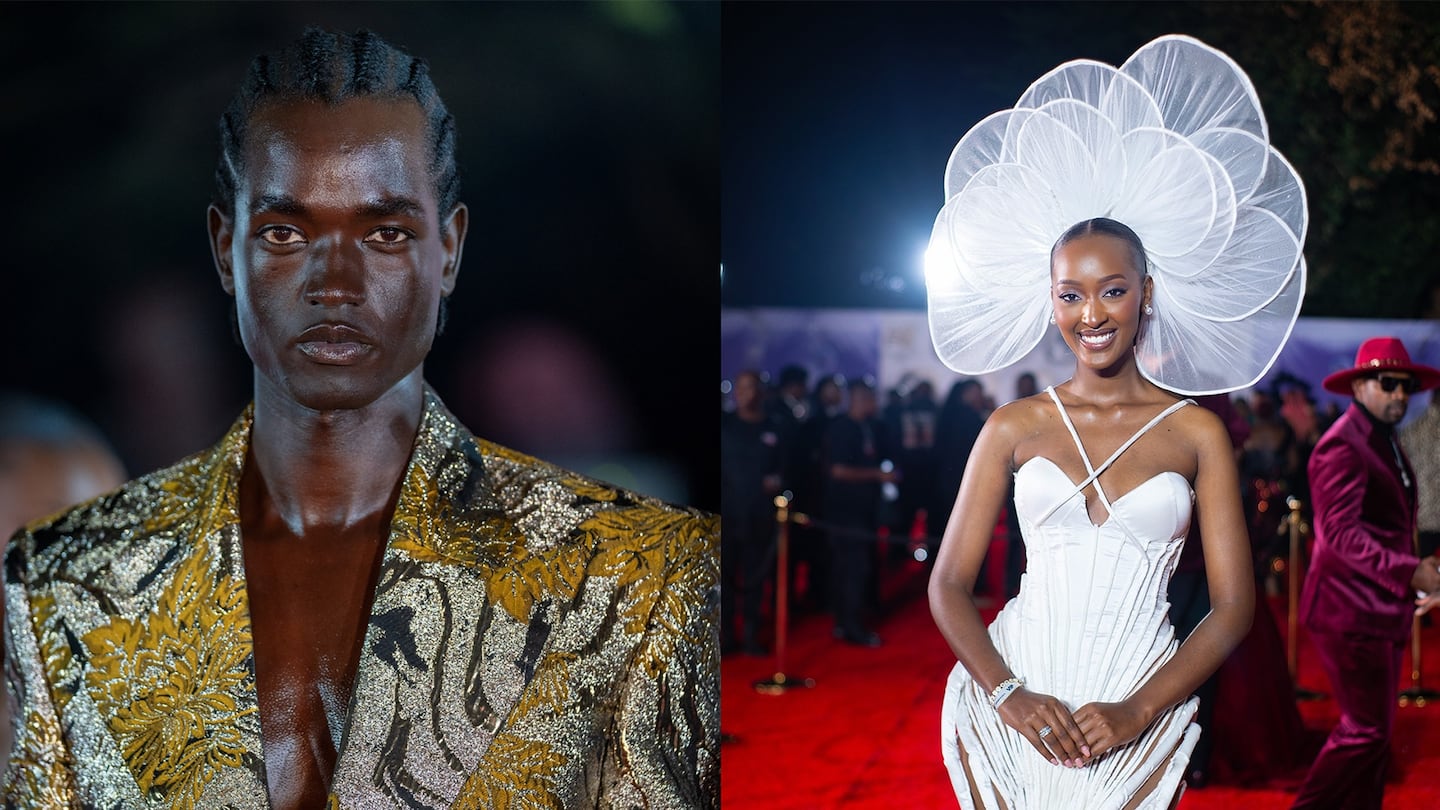
Uganda is ripe for investment but is often overshadowed by its larger neighbour, retail leaders in Kampala say. While Kenya’s status as East Africa’s shopping hub is not disputed, they add that Uganda has the potential to narrow the gap, especially in the mass market.
“Uganda presents a unique opportunity for foreign fashion brands because the market is still largely untapped. Unlike South Africa, Nigeria or Kenya, where international labels already have a strong presence, Uganda is open territory,” said Gloria Haguma, a fashion journalist with Kampala-based Daily Monitor.
“This creates room for brands to enter without the pressure of heavy competition or an oversaturated retail space. Foreign brands that establish themselves early have the chance to shape consumer taste, build strong brand loyalty and grow alongside the market.”
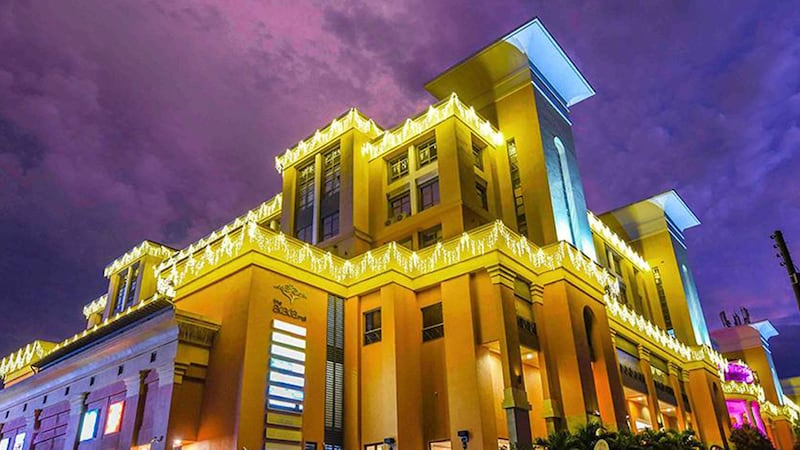
Uganda’s shopping mall offering is limited but improving. The opening of the US Polo Assn fashion brand store in Acacia Mall last year led to a “notable spike in visitors” to the Kampala mall, according to a recent Knight Frank report. The real estate consultancy said that infrastructure enhancements have eliminated bottlenecks elsewhere in the city, resulting in the Arena Mall recording over a 200 percent year-on-year increase in footfall last March.
ADVERTISEMENT
Occupancy levels in Kampala’s prime malls remained robust last year, consistently staying between 85 and 92 percent. Properties in the pipeline for locations outside the capital include Savanna Mall in Mbarara City in the west of the country.
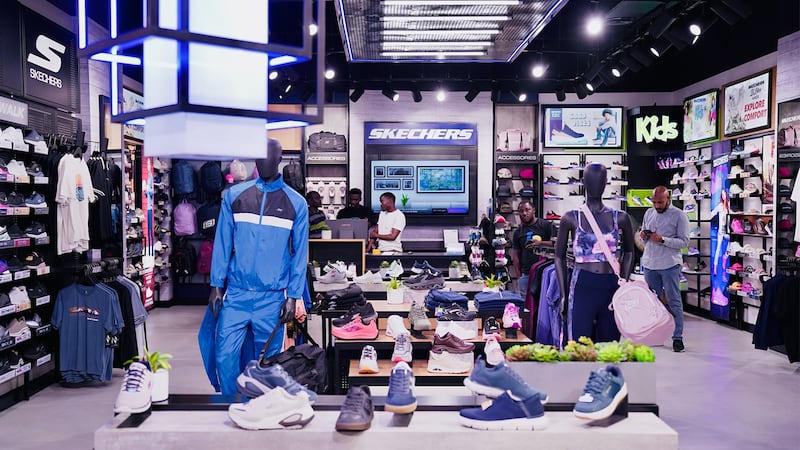
But apart from footwear-focused brands like Adidas, Puma and Skechers, few Western retailers have made the leap to Uganda. This has led locals to warn that while American and European brands hesitate, competitors from Asia and the Middle East are gaining first-mover advantage in a high-growth market.
Chinese online retailer Kikuu has been seeding the market for over a decade, amassing 200,000 active Ugandan shoppers on its mobile app. Founded in Hangzhou in 2015, the cross-border app operates like Shein and Temu but caters to consumers in frontier markets, exporting fashion and other goods to more than 20 African countries.
Other non-Western players are following suit. Kuwaiti e-tailer Ubuy began operations in Uganda in 2020, using a drop-shipping model for most of its products, which include fashion and jewellery. The lion’s share is imported from China, South Korea and Japan, but some merchandise also comes from the UK, US and Turkey.
Turkey’s high-street brands have been especially proactive in the region, with the likes of LC Waikiki widening its footprint across Africa. In 2020, the Istanbul-based retailer opened in Kampala’s Acacia Mall. It was the brand’s first Ugandan shop and its second in East Africa after Kenya. It now runs two other outlets in the country, at Arena Mall and Victoria Mall Entebbe. Brands from India are also understood to be eyeing Uganda.
At the same time, major labels from neighbouring African countries have also put down roots. Wandia Gichuru, founder of Nairobi-based womenswear chain Vivo, chose Uganda for her first store outside Kenya in 2023. The Kenyan label has since expanded its retail footprint to Rwanda and the US. Several South African brands, including Woolworths, have also rolled out stores in Uganda.
Insiders say that regional brands often respond better to Ugandan consumer trends and preferences than global prestige brands. “Vivo caters for the need of the local woman. Its products are designed to fit our natural shape, and they use local textiles and materials, unlike most non-Ugandan brands,” said Cecilia Kizito, a fashion entrepreneur in Kampala, noting the brand’s versatility “for the office, market, street and church.”
A handful of Ugandan retailers are scaling up too. Baggi Men, which offers affordable fashion for men and children, now runs four shops in Kampala, at Acacia Mall, Arena Mall, Village Mall Bugolobi and Majestic Plaza on Luwum Street. It also expanded to Kenya, where it now has three locations.
ADVERTISEMENT
However, with shopping mall rents out of reach for most Ugandan brands, homegrown online platforms are on the rise. “We source our products from Europe and the USA, and deliver beyond Uganda to Kenya, Rwanda, Zambia and Tanzania,” says Jay R Mulungi, owner of menswear e-tailer Fashion Clinik (no relation to the Portuguese retailer with a similar name).
“We don’t compete with the top tier e-commerce companies in the country [like Jumia]. We have our own special niche.”

Ugandans take a dim view of the limited exposure given to local fashion brands, in contrast to Kenya where fashion weeks are held somewhat regularly. Kampala Fashion Week was once the premier fashion showcase in Uganda but has been on hiatus since 2019.
“I was able to launch Kampala Fashion Week and kept it going for several editions, but support dried up and so my team, who are also designers and brand owners like me, decided to take a break to reboot and reset,” says Gloria Wavamuno. The event founder and chief executive claims that gender discrimination played a part in her inability to secure sponsorship in Uganda where the local industry is “dominated by men.”
“Kampala Fashion Week will see the light of day again but, for now, we need to take care of our health and plan for the future,” Wavamuno says.
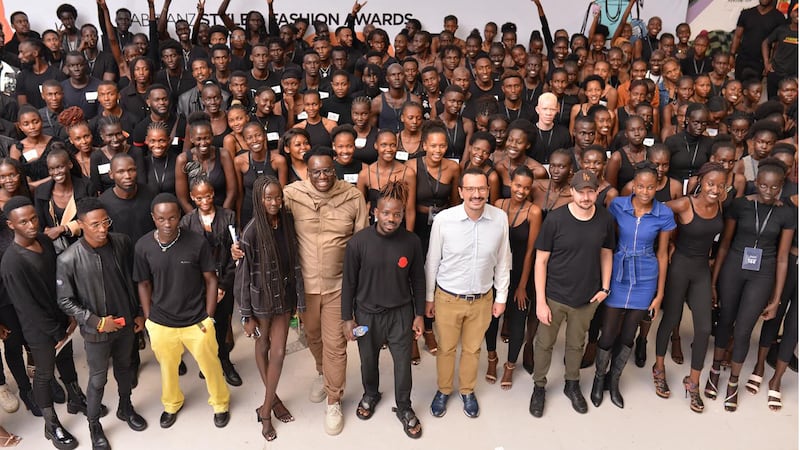
That leaves the Abryanz Style and Fashion Awards (ASFAs) as the only major fashion event remaining, apart from a few minor shows taking place on an ad hoc basis.
Founded in 2013 by Brian Ahumuza, who also owns local ready-to-wear brand Abryanz, the event aims to recognise industry talent. “The awards we give have also helped professionalise the sector. When you win an award, people trust your work. It encourages high standards and hard work,” Ahumuza says.
Ugandan designers face many barriers, including access to materials and quality local manufacturing. “It makes life more difficult for local designers, because almost everything is imported, from fabrics to machines, even needles and threads,” says Mushra Rabaab, founder and chief executive of Keesha Creations.
ADVERTISEMENT
Ahumuza underscores the legal challenges. “We must not forget the issue of counterfeiting, which is rampant in Uganda. Intellectual [property] laws are not implemented. Imagine, people are even making replicas of my brand and selling them cheaper.”
Unreliable power supplies, inflation and currency fluctuations are some of the other challenges brands face in the country. While the Ugandan shilling came under pressure in 2024 and parts of 2025, the International Monetary Fund now characterises Uganda’s macroeconomic environment as relatively stable compared with many regional peers.
It is often the right move for brands entering East Africa to prioritise Kenya, Ugandan business leaders concede, but they warn that the regional powerhouse can also be a distraction when considering subsequent market moves. Investors must assess Uganda — and even larger economies in the subregion like Ethiopia and Tanzania — on their own merits.
Still, the comparison between the two neighbours offers valuable insight. While their populations are not far off, with Kenya at 57 million and Uganda at 51 million, the economy of the former is about twice the size of the latter.
Income and living standards play a part too. Uganda’s GDP per capita (at purchasing power parity) is around $2,100, according to the latest available data from the World Bank, whereas Kenya’s reaches around $3,900.
Ranked fifth on the African continent, Kenya is home to around four times as many US-dollar millionaires (6,800) as Uganda (1,600), according to a 2025 Henley & Partners report. However, it’s worth noting that Uganda’s millionaire population has been growing twice as fast as Kenya’s, albeit from a lower baseline, surging 33 percent over the past decade, compared with Kenya’s 14 percent.
Most of Uganda’s luxury consumers continue to shop overseas to ensure product authenticity. “To be honest, [the vast majority of] luxury designer brand goods you might find around Kampala are…counterfeit,” says Haguma. “Even something as basic as a designer perfume will most times be a counterfeit but still priced ridiculously high. The only option remains shopping out of the country.” Europe, Dubai and the US are top destinations.
One social media vendor admits that most products on offer on TikTok and Instagram are fake but claims it is possible to find genuine luxury goods in Uganda from Louis Vuitton, Gucci, Prada and the like. “Some Ugandans returning from foreign trips with designer brands in their luggage sell to us. Some of those products were bought on promotional prices, so we get them cheaper than full prices and we subsequently advertise them on social media,” explains online marketer Esther Lwa.
“Even when you think people don’t have money for such items, you would be surprised by the number of calls you receive. Lovers of luxury brands in Kampala know where to get what they want. And as a connoisseur of luxury brands, I can tell the original from the fake even in the dark,” she quips.
But the real opportunity for international fashion brands in Uganda is in the mass-market segment — not luxury.
Despite high levels of poverty across much of the country, there has been rapid growth in the middle-class cohort in recent years. By 2020, around 15.6 million Ugandans were in that income bracket, an increase of around 10 percent in just three years, according to a finance ministry report. In Kampala, over 40 percent of its population are classified as middle class citizens.
This shift has helped to attract the attention of overseas investors, with Uganda rising up Africa’s FDI league table to the top five. Uganda’s economic growth remains strong, with real GDP reaching 6.3 percent in 2025, up from 6.1 percent a year earlier.
However, the Uganda market presents significant risks to international brands navigating the country’s complex political and regulatory environment. The country ranks as one of the poorest performers on Transparency International’s Corruption Perceptions Index, in 148th place out of 181 countries in 2025.
Uganda also ranks poorly in terms of ease of doing business, according to the World Bank, which placed it in 116th place out of 190 countries in 2019. According to this year’s Fragile States Index, an assessment of countries across 12 risk and vulnerability indicators, it ranks as the 28th most fragile out of 179 nations.
Another challenge facing both local and global brands is mivumba, a Luganda-language term commonly used in Uganda for imported second-hand clothes. In other East African countries including Kenya, the Swahili term mitumba is more widely used.
“Brands [selling new clothes] lack the quantity to meet demand [and] are always out of stock, whereas used clothes are as abundantly available as air is for breath,” says Rabaab. “However, as a designer, I would admit that used clothes are a problem to the growth of Ugandan fashion because they greatly reduce the number of potential clients for new clothes.”
One in three Ugandans — around 17 million people — currently wear mivumba, according to the Uganda Dealers in Used Clothing and Shoes Association (UDUCSA).
“A ban would give room for ready-to-wear brands to really take off, especially for everyday wear. The market would find a big void without used clothes and fill it. Retail stores are also bound to expand,” says Lyn Atwiine, fashion editor at Kampala-based media group SatisfashionUg.com.
However, banning the trade, which would be difficult to enforce, raises a host of complex issues. According to UDUCSA estimates, there are hundreds of thousands of jobs directly linked to Uganda’s second-hand clothing supply chain, and several million indirectly linked to it. What’s more, second-hand clothes are a lifeline for many who can’t afford new clothes.
“Used clothing is a big business in the country and supports many families. Many Ugandans opt for used clothes because they are relatively cheaper, but there are other factors too,” says Sebastian Mato, researcher at the business and management college of Makerere University in Kampala. “Second-hand clothes [from largely European and North American brands] still seem to possess better quality than a lot of locally designed products or Asian imports.”
Domestic producers would particularly struggle to compete with low-cost imports from China. Industry leaders say that while mivumba will continue to have a place in the wardrobes of many Ugandans, there is a growing preference for new ready-to-wear and traditional clothing among upwardly mobile consumers.
“What makes Uganda especially attractive is its young, style-conscious population and a growing appetite for [new products from] global fashion brands,” says Haguma. “People, especially in Kampala, are increasingly exposed to them through social media, travel and online shopping. But local access remains limited.”
Despite its challenges, the Uganda market represents a clear opportunity. As demand grows for value, high-street and mid-market labels, a growing number of global fashion players are likely to move in. The only question is whether they will get there before or after competitors from other regions have already locked in their early mover advantage.
Ivory Coast is home to fashion businesses focused on international investment and regional trade that one might expect to find in larger countries on the continent.
As Nigeria and Angola dazzle the luxury sector, Kenya seems focused on building a fashion market for everyone.
Ethiopian manufacturers are becoming increasingly competitive and ambitious, but can East Africa really provide an affordable sourcing alternative to Asia?
Kingsley Kobo is a contributing writer at The Business of Fashion. Kobo is a writer based in Côte d’Ivoire who covers African fashion, business, environment, and culture.
Loading recommended reads…
Beiersdorf trimmed its full-year guidance on Monday on slower-than-expected recovery at its core brand Nivea and other economic headwinds.
Luxury clients reveal what makes them buy, brands share the sports marketing strategies that work and shoppers reject synthetics. Keep reading for your analysis of July’s top news.
Livestream shopping has evolved beyond a marketing experiment, prompting beauty brands to rethink the intersection of content, community and commerce.
The refillable clean makeup brand will enter the complexion category as it makes its debut across over 700 Ulta Beauty doors.