Agenda-setting intelligence, analysis and advice for the global fashion community.
Agenda-setting intelligence, analysis and advice for the global fashion community.

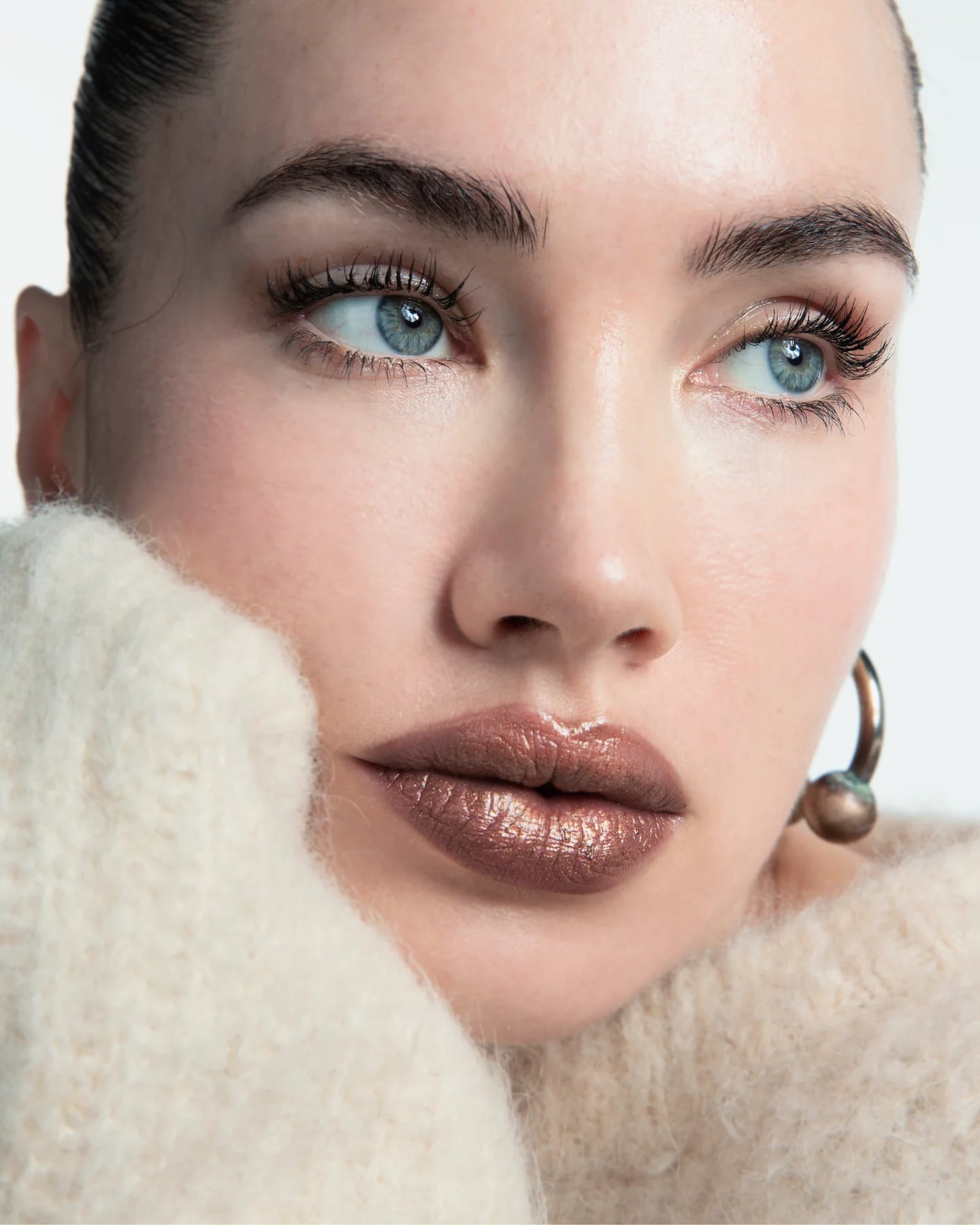

The Business of Beauty's executive editor unpacks how shifting ideals, new players and cultural movements are transforming the global beauty and wellness industries.
Welcome back to Full Coverage. I’ve missed you!
I’m back in the office this week and recovering from walking pneumonia, which is why you didn’t get your regularly scheduled email last Thursday. Apologies for the unexpected silence, but I couldn’t get out of bed. As a result I’ve been spending way too much time on social media and been enraptured by Ben Affleck’s Spanish skills on his “Animals” press tour and the Kelly Clarkson vs. Art of Play drama. Thank you to one of my favourite sports journalists Pablo Torre for doing the Lord’s work obtaining the security footage.
At the very least, you got my take on Victoria Beckham Beauty last Monday. I’m consistently impressed by the line, chief executive Lauren Edelman and Beckham herself; it’s a case study in how to build a better luxury beauty brand.
Speaking of luxury, I was honoured to appear in L’Oréal’s new docuseries “La Culture de l’Écart.” We wrestle with the multi-billion-dollar question of “Is luxury dead?” and have some pretty interesting answers (mine are naturally contrarian). Thank you to Cyril Chapuy, David Iop, Christine Burke, Stephanie Kozinski and the rest of the L’Oréal team for including me. Be sure to watch the doc here.
ADVERTISEMENT
Let’s get into the news of the week...
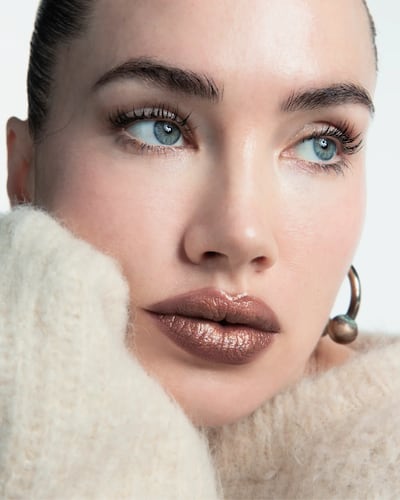
On Monday, my colleague Brennan Kilbane broke the news that Isamaya Ffrench had left her namesake label, which she started in 2022. The beloved makeup artist later confirmed the news on social media, leaving fans and beauty insiders, like Vyrao’s Yasmin Sewell and Poppy King, sad and bewildered.
Makeup artist-backed brands are beauty’s most coveted commodity. All you have to do is look at a Sephora gondola or watch a GRWM tutorial to know that’s true. It begs the question: How did Ffrench lose a handle on her business?
Her rise to beauty’s top ranks was one rooted in creativity. Before launching her own label, she wowed fashion lovers with her use of prosthetics and Saran wrap on the Vivienne Westwood runway or cellotaped lips at Junya Watanabe. She went on to work with some of beauty’s most influential brands including YSL Beauté, Tom Ford and Byredo. Ffrench’s love of makeup came from one of the most authentic places: her early days painting children’s faces at birthday parties.
When Ffrench launched her label just four years ago, she was one of the most talked-about voices in beauty. Her line was bold — think red lipsticks encased in platinum penises and soft glittery shadows adorned in rhinestone embellished palettes — but refreshing. The packaging may sound gimmicky, but the formulas weren’t: Her lipsticks had an easy, long wear, and her Five Point Lift concealer pen had a small but mighty cult following from Touche Éclat graduates. In many ways, Ffrench was styled after the great Pat McGrath, one of the few who has been able to straddle the fashion and beauty industries with their singular artistry. After years of working with big brands, she was going to do her own line her own way.
Founded with Italian incubator Flash Beauty Holdings, known for producing beauty lines for Off-White and Simi Haze, Isamaya’s first chief executive Federica Nicolao was also the company’s CEO. While it isn’t unusual for incubators or even venture or private equity firms to temporarily act as leadership during times of transition, Ffrench and Flash Beauty had decidedly different interests. For Flash, Isamaya was just one of many companies in its portfolio, and it is still proving its track record in beauty; as Brennan reported, it no longer owns either Off-White Beauty or Simi Haze. Given the stiff competition in beauty right now, it is critical to have investors and operators that are aligned on a long-term vision.
Some have argued that perhaps Ffrench had just moved on — she does have varied interests and recently opened the gallery (and future retail concept) Studio Iron in a permanent space in London’s Soho. But I have a sense that is not the case. Ffrench did not respond to requests for comment.
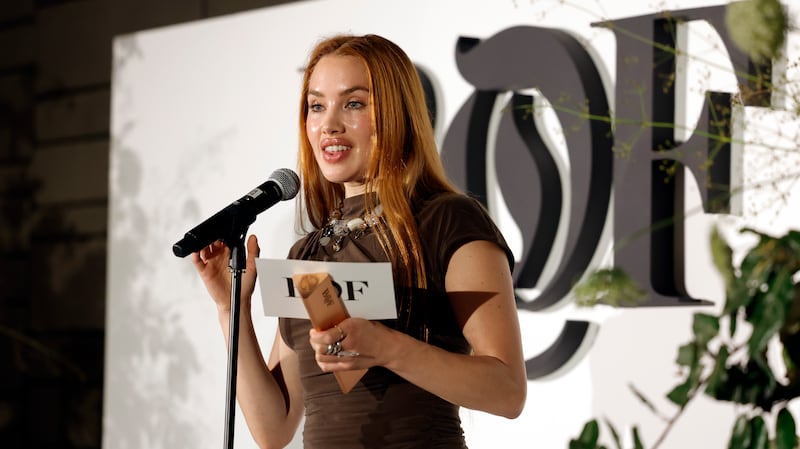
McGrath’s brand was able to secure new investors (GDA Luma, the Miami-based investment firm founded by entrepreneur Gabriel de Alba) after a drawn out bankruptcy saga for its second act, but the artist herself no longer acts as its central leader. She assumed the role of chief creative officer in the business, but besides an autumn collection with a pink brow gel, we have yet to see any new innovations. For now, McGrath is back to her runway work; we saw her drawn-up faces at Vogue World and Louis Vuitton, where she serves as cosmetics creative director. She seemingly continues to distance herself from the brand as evidenced by her posting her recent happenings on her personal Instagram @damepat instead of @patmcgrathreal (GDA Luma owns the latter).
ADVERTISEMENT
Ffrench may not have had the necessary operators that made Charlotte Tilbury a mega-success, but she did not live in a wanderlusty silo. She was active in her label beyond product; she encouraged the use of AI in creative and marketing and also starred in a slew of authentic partnerships with Lashify and Facegym that ultimately gave Isamaya more visibility. Maybe Ffrench wasn’t headed for a billion-dollar exit, but do all commercial endeavors have to be that big?
Isamaya’s troubles don’t stem from a lack of innovation, especially in a world where fellow artist Mary Phillips’ M.ph has found a hero product in an underpainting palette. Danessa Myricks and Violette Serrat have managed to launch colour brands with a clear point of differentiation, namely with glittery shadows and bright blue eyeliner, and also seen sizable growth with small teams.
But makeup labels of all kinds have a high bar to climb. I frequently hear from investors or strategists that cosmetics execs and founders are supposed to look well into the future to ensure that their label isn’t another boom-and-bust story like Too Faced or Anastasia Beverly Hills, but how can the colour market build those kind of labels when it is so beholden to TikTok trends? Even legacy brands like Lancôme or Estée Lauder have their fair share of issues; is Gen Z really going to end up using Double Wear?
Beauty’s best resources are its professionals like Ffrench. This generation of MBA grads should be thinking hard about how best to partner with them to conquer the industry’s vanishing white spaces.
Ahead of her book launch, makeup artist Lucy Bridge told us why it’s time beauty gets its colour back. [The Business of Beauty]
More on the MUA beat: It looks like Nina Park is launching her own brand. [Beauty Independent]
Today’s singles are flexing their resting heart rate on their dating profiles. [GQ]
I don’t think this is a good call, but Gap has parted ways with John Demsey. [WWD]
ADVERTISEMENT
Category expansion is high risk, high reward. Liz Flora’s latest case study investigates how today’s beauty brands can do it right. [The Business of Beauty]
“Girls” is back. [HBO]
Thanks y’all,
Priya
Loading recommended reads…
The American brand has replaced sustainability targets with AI goals, among a series of other factors including sales growth, as a metric for executives’ annual incentive payouts.
The move follows CFO Philippe Blondiaux’s decision to retire at the end of this year after more than 15 years at Chanel.
Pontegadea Inversiones SL acquired the 51-story One North Wacker in the city’s business district in one of the biggest US office deals this year.
The designer struggled to find his footing at Alexander McQueen after a weak response to his early designs for the brand.