Audemars Piguet to Certify Its Pre-Owned Watches Following Rolex
Whereas Rolex is both a buyer and seller of its second-hand watches through official retail partners, Audemars is setting up a marketplace where sellers set prices.

From Seoul to Melbourne, new cities are emerging as frontrunners in the beauty start-up space. The independent brands created in these hubs are fast becoming hot acquisition targets, but understanding the limits of their global appeal is key.

Back under the ownership of founder Gregg Renfrew, the beauty label will relaunch on June 25 as Counter, keeping its clean formulations and giving up its MLM-style compensation model in favor of “community commerce.” Renfrew talks exclusively to The Business of Beauty about her vision for the new brand.
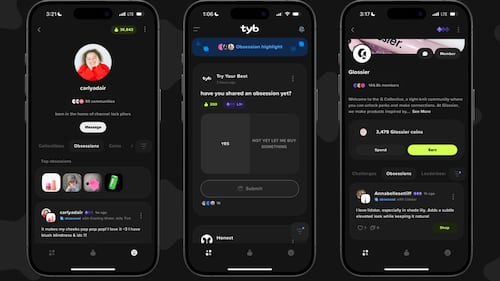
Ty Haney’s social shopping platform Try Your Best, which counts Rare Beauty and Glossier as clients, raised an $11 million Series A as brands rev up their community building strategies.

The DTC e-tailer announced The Beauty Atelier by Quince, which will sell skincare products from brands like Augustinus Bader and 111Skin, and reflects an industry-wide effort for beauty stores to open marketplaces of their own.

Hannah Neeleman is the farmfluencer who broke the internet thanks to the public’s obsession with her picturesque life, career choices and family dynamics. Now, she is taking her burgeoning lifestyle empire global.

While tariff uncertainty threatens to roil the global fashion industry, brands that already produce their goods in the US have an opportunity to shine if they’re able to communicate the value of American manufacturing to cautious consumers.

Ralph Lauren, American Eagle Outfitters and Banana Republic are among the retailers that briefly experimented with the concept. The implosion of CaaStle, which provided logistics for many of these services, is the clearest sign yet that rental’s future lies elsewhere.

The men’s T-shirt maker’s funding from 1686 Partners, a private equity firm founded by David Wertheimer, will help the brand invest in supply chain, retail and international expansion as it aims to reach upwards of $1 billion in annual sales in the next 10 years.

Tourists have their pick of suitcases at every price point, thanks to low barriers to entry and a travel boom that’s inflated the category’s sales year after year. But amid signs demand has peaked, it’ll take more than a Shopify storefront and slick branding to succeed.

The 11 year-old beauty brand has seen success with its fragrance franchise — which adds a new scent, Fleur, this month — but is focused on building multiple categories to broaden its appeal.

Dianna Cohen and Elaine Choi have built an insider favourite haircare label with signature products like the hair towel and brush-applied dry shampoo. Armed with a new funding round, they want to bring the brand to the masses.

TikTok helped bolster the adoption of live shopping outside of China, but brands and experts say the concept will only get bigger in the US even amid uncertainty about the future of the ByteDance-owned app.
Whereas Rolex is both a buyer and seller of its second-hand watches through official retail partners, Audemars is setting up a marketplace where sellers set prices.
The British retail group has pushed its stake in the German apparel brand above 50 percent in a move that will turn Hugo Boss into a subsidiary of Frasers.
The settlement, equivalent to 44 percent of the ultra fast-fashion company’s second-quarter profit, is the latest blow amid regulatory and tax crackdowns in Europe and the US that have hampered Shein’s growth.
The recovery long promised by luxury brands seems nowhere in sight, as the expansion of war in the Middle East, along with China’s tax crackdown on the wealthy, piled further pressure on the world’s biggest luxury conglomerates in the third quarter, and executives buckled in for a tough winter.
Sales fell in September as above-average temperatures hit demand for autumn clothing.
Hitting newsstands in October, the magazine marks Elle’s 51st international edition, published under licence by the Geomedia group.
Pearl, a subsidiary of David’s Bridal, will own David’s Bridal and license its intellectual property back to the bridalwear brand. David’s Bridal CEO Kelly Cook will serve as Pearl’s CEO.
The French giant handily beat expectations on strong demand for hair products at salons and premium skincare from its dermatological division.