Audemars Piguet to Certify Its Pre-Owned Watches Following Rolex
Whereas Rolex is both a buyer and seller of its second-hand watches through official retail partners, Audemars is setting up a marketplace where sellers set prices.


Beneath luxury’s glamorous surface lies a network of supply chains tangled with the same labour abuses as fast fashion. Brands can, and should, do better, argues Caterina Occhio.

With Elle Macpherson on its board, Conserving Beauty has brought sheet masks and zit stickers into the push to combat beauty product waste.

Halara has amassed a large audience online with its ultra-affordable athleisure. Now, the brand is pursuing a brick-and-mortar strategy to prove it’s more than its rock-bottom prices.

A study published this week found traces of cotton from Xinjiang in nearly a fifth of the products it examined, highlighting the challenges brands face in policing their supply chains even as requirements to do so spread to raw materials from diamonds to leather and palm oil.

Overconsumption and fast fashion have become easy targets for brands flexing their climate-friendly attributes. Consumers may agree with the message — but take issue with a self-righteous tone.

Brands including LVMH’s Fred, TAG Heuer and Prada, whose lab-grown diamond supplier Snow speaks for the first time, have all unveiled products with man-made stones as they look to technology for new creative possibilities.
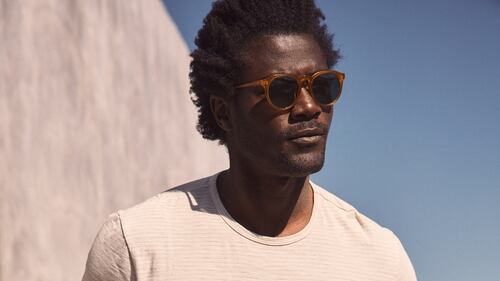
Apparel start-ups founded on the promise of offering men the perfect T-shirt are proving resilient in an otherwise dreary DTC sector rampant with fire sales, bankruptcies and steep revenue declines.

Cotton linked to environmental and human rights abuses in Brazil is leaking into the supply chains of major fashion brands, a new investigation has found, prompting Zara-owner Inditex to send a scathing rebuke to the industry’s biggest sustainable cotton certifier.

Brands selling synthetic stones should make their provenance clear in marketing, according to the UK’s Advertising Standards Authority.

An executive shakeup at the embattled sneaker seller adds a new layer of complexity as sales and profit continue to decline.

After reaching $300 million in sales last year, the 10-year-old DTC accessories brand is banking on a new line of higher-priced bags to increase customer loyalty and reposition the company as a destination for fashion-minded consumers.

The fast-fashion giant has joined Vargas and TPG to back a new polyester recycling venture following its failed bet on Renewcell.
Whereas Rolex is both a buyer and seller of its second-hand watches through official retail partners, Audemars is setting up a marketplace where sellers set prices.
The British retail group has pushed its stake in the German apparel brand above 50 percent in a move that will turn Hugo Boss into a subsidiary of Frasers.
The settlement, equivalent to 44 percent of the ultra fast-fashion company’s second-quarter profit, is the latest blow amid regulatory and tax crackdowns in Europe and the US that have hampered Shein’s growth.
The recovery long promised by luxury brands seems nowhere in sight, as the expansion of war in the Middle East, along with China’s tax crackdown on the wealthy, piled further pressure on the world’s biggest luxury conglomerates in the third quarter, and executives buckled in for a tough winter.
Sales fell in September as above-average temperatures hit demand for autumn clothing.
Hitting newsstands in October, the magazine marks Elle’s 51st international edition, published under licence by the Geomedia group.
Pearl, a subsidiary of David’s Bridal, will own David’s Bridal and license its intellectual property back to the bridalwear brand. David’s Bridal CEO Kelly Cook will serve as Pearl’s CEO.
The French giant handily beat expectations on strong demand for hair products at salons and premium skincare from its dermatological division.