Estée Lauder Raises Outlook, Buoyed by Perfume Demand
Demand for the US conglomerate’s luxury fragrance brands like Le Labo, Tom Ford and By Kilian offset weaker performance from its makeup and haircare divisions.
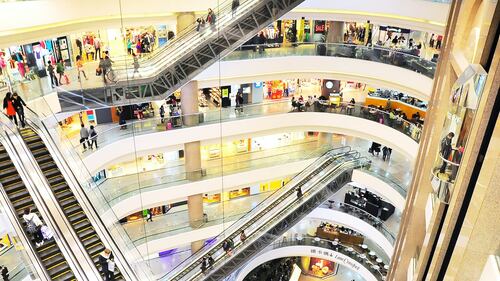
Sales dropped to HK$23 billion in March — the 14th consecutive month of decline.
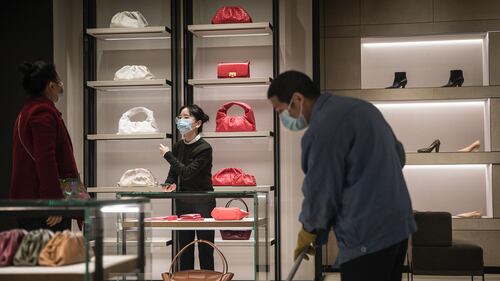
When the coronavirus crisis subsides, the luxury sector will eventually bounce back, but the market will have changed, write Jean-Noël Kapferer and Jean Revis.

How can the recent performance of giants like Hermès, LVMH, Kering, Li-Ning and L'Oréal help other brands prepare for the next phase of China’s post-pandemic recovery?

Global giants like Zara, H&M and Nike are experimenting with virtual vouchers to get people spending again in China. Should other brands follow suit to avoid the potentially harmful practice of deep discounting?

As nationalism grows in post-pandemic China, global brands must work hard to compete against popular local players and tread even more carefully in the world’s largest fashion market.

Some believe coronavirus will prompt fashion consumers to reassess their values and shift spending away from fast fashion and luxury megabrands. They are wrong, argues Eugene Rabkin.

Economic recovery will be slow, forcing fashion players to ramp up resilience planning and adapt their operating models in order to survive, says The Business of Fashion and McKinsey’s Coronavirus Update to The State of Fashion 2020.

While other countries have experienced panic buying of essentials during lockdown, China has been debating whether a decadent shopping spree known as 'revenge buying' will be unleashed after the pandemic.

Despite an overall drop in apparel sales, young consumers stuck on social media — and fortunate enough to have a steady income — are buying clothes as the Covid-19 crisis continues to unfold.

Green shoots of recovery emerge in China after more than 780 million people endured some level of quarantine for two months. But how long will it take for pre-pandemic levels of spending to return?

Consumers are feeling denial, anxiety, dread and hope. But even if they aren’t in the buying mood, brands can use this time to build deeper relationships.

Luxury brands are pinning their hopes on e-commerce to recoup some of the losses caused by China’s dismal retail environment. But will consumers switch to online in sufficient numbers to make up for the massive coronavirus shortfall?
Demand for the US conglomerate’s luxury fragrance brands like Le Labo, Tom Ford and By Kilian offset weaker performance from its makeup and haircare divisions.
Violent protests over pay levels forced the closure of more than 500 factories over the weekend.
Former Kiehl’s general manager John Reed will lead the label, which was acquired by Roundtable Healthcare Partners earlier this year.
The Chinese beauty conglomerate’s revenue grew 29.8 percent in the latest quarter, but its profit decreased by double digits due to increased promotional expenses as it expands overseas.
Shares jumped after the group raised its annual revenue and profit forecasts and said it expected sales to return to growth.
The German sportswear business is attempting to reboot its brand appeal to better compete with larger rivals Adidas and Nike.
The Tata Group-owned business beat expectations, shoring up confidence in its fashion business after a period of sluggish performance.
Chasity Monroe has been appointed as the label’s chief executive as it undergoes a wider brand refresh.