Agenda-setting intelligence, analysis and advice for the global fashion community.
Agenda-setting intelligence, analysis and advice for the global fashion community.

There are few sectors of the economy that offer as wide and interesting a range of career opportunities as fashion. Role Call highlights some of the industry’s most interesting jobs and the talented people who do them. For more information about fashion industry roles like this and others, visit BoF Careers.
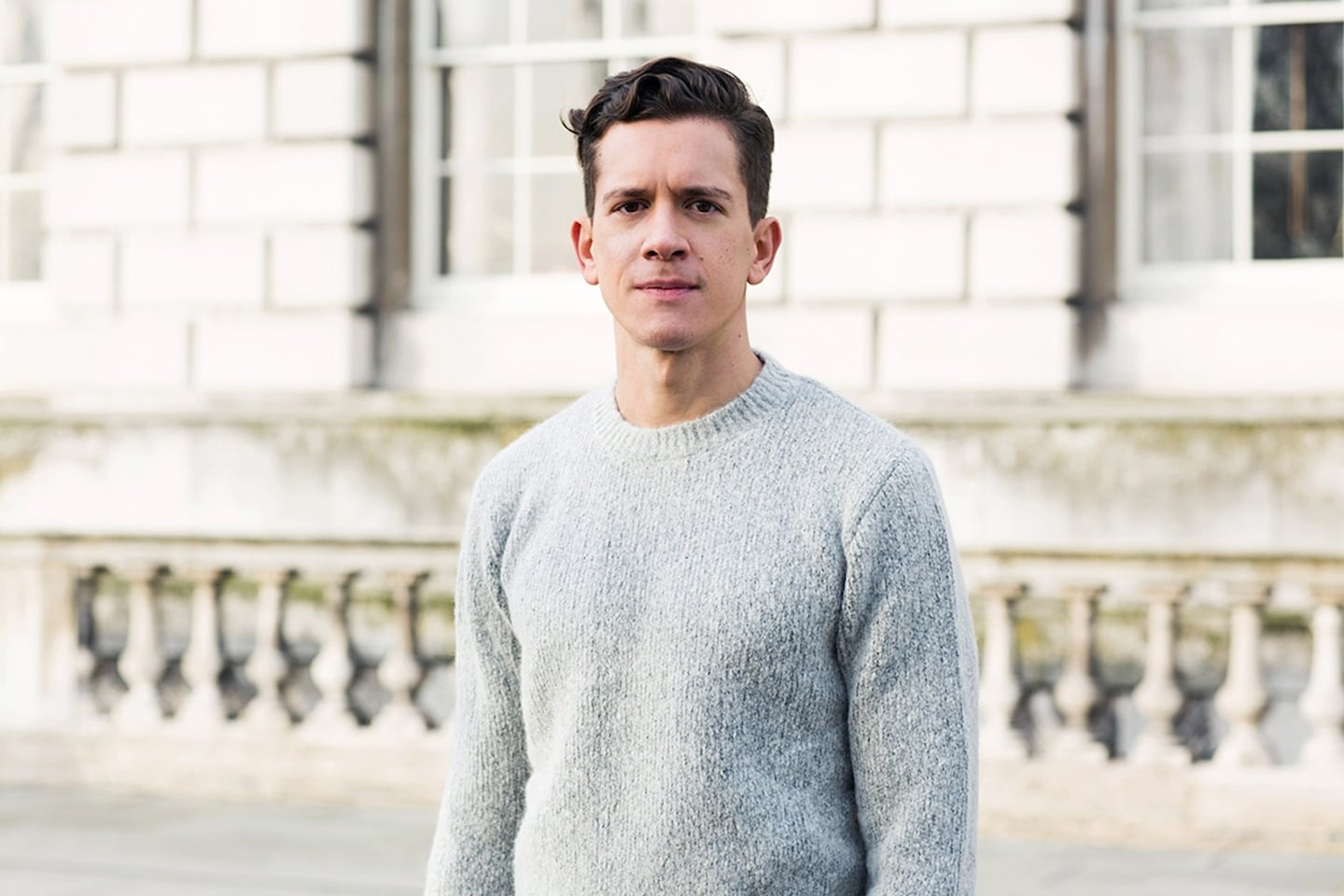
LONDON, United Kingdom — Antonio Felizardo is a digital designer at London-based creative agencyAssembly, where his responsibilities include designing e-commerce sites for fashion brands, creating digital content for catwalk shows and developing experimental online projects for fledgeling labels. Felizardo studied graphic design in Porto, Portugal and then began work for clients on editorial, branding and digital projects. In 2011, Felizardo moved to London to refine his craft by studying for a two-year masters degree in communication design at Central St Martins, and then did freelance design work in the fashion and luxury industry. He started at Assembly in his role as digital designer in early 2014.
BoF: Please describe your current role.
I am a digital designer at Assembly, a creative agency based in London, working with clients in the fashion and luxury industries. At any time I can be working on the design for a new e-commerce flagship, programming smaller scale experimental online projects for young brands, exploring best practices in user experience design or creating digital content for fashion shows. Above all, the role is fluid and multidisciplinary, qualities that suit me as I like to be constantly challenged and see where that might lead.
ADVERTISEMENT
BoF: What attracted you to the role?
I wanted to transition from print to digital design and to work with talented people in an industry that champions creativity and innovation. My initial attraction to Assembly was very much based on instinct and intuition. There are numerous creative agencies out there working in the fashion and luxury markets, but when the role came up and I did some research, and found out that we shared a similar attitude and vision in the way we both approach a brief: a will to push the envelope and create relevant, distinctive work. So I went for it.
While I have a passion for print and initially started out as what one may regard as a 'traditional' graphic designer — I’m still a big collector of magazines and art books and a full-on vinyl records enthusiast — I have always been excited by the possibilities offered by digital platforms. It’s a fascination with the algorithms behind the screen, that ghost in the machine and its endless possibilities.
BoF: What is the most exciting project or initiative you have worked on?
There are two recent projects that stand out. I have just finished working on the website for Finery London, a new online only womenswear brand that aims to fill the gap between the high street and the mid-market. I worked closely with the team at Assembly who, through a collaborative effort with Finery, developed the brand's positioning, tone of voice, art direction and identity. The final stage of this process was the creation of their digital flagship store by bringing it all together, and the result is an impactful and, we think, unique e-commerce experience.
I recently completed a masters degree in communication design at Central St. Martins. My two year research project involved studying the classical mathematical formulas for beauty and perfection and experimenting with their relevance in a digital design context. This allowed me to break away from the day to day preoccupations of viability and commerciality and to explore a more personal side of my work that I often don't get to do with clients.
BoF: How is your role changing? What are the forces driving this change?
The fashion industry is developing fast and has really embraced technology, as shown through developments in wearable technology, the use of innovative fabrics and the fact that now, the consumer can have access to clothes 24 hours after they appear on the catwalk. This reality, combined with the fact that digital advances happen at the speed of light, mean that as a digital designer working in the fashion industry I need to be open to change, flexible and adaptable to new mediums, languages and processes. This often translates into a fine balance between method and madness, which I greatly enjoy.
ADVERTISEMENT
BoF: Tell us about a time you failed and how you learned from it.
As a digital designer, I spend a lot of time working in the design and development of e-commerce platforms. This sometimes means working in the unknown, especially in the case of young brands. While defining a profile of the online consumer is becoming an easier task through the development of user tracking technology, it is still difficult to accurately predict user behaviour, as we are still competing with the physicality of the high street and the easy persuasion of its colours, sounds, and the tactile experience. This is one of the hardest tasks for the digital designer: translating that experience to the screen in an exciting way, and ultimately making it commercially viable. Failing becomes less likely with experience, but it's one of those things that nobody's ever immune to.
Whenever I’ve failed I have always tried to step back, gain perspective, understand what went wrong, and have researched, learned and tried to do better the second time around. Like Daniel in The Karate Kid.
BoF: What advice do you have for people who are interested in doing what you do?
As clichéed as it may sound, my first year graphic design teacher taught me something that has stood as one of the most important mottos of my career as a designer: look at everything. Research, every time. Find out what’s out there, learn from the best. But don't just look at what your peers are doing. Look at art, listen to music, read a book or go out to a party because they all contribute to and inform your work as a designer.
Finally, and perhaps most importantly, learn how to code. More often than not I see digital designers struggling in endless ego battles with developers because they haven’t learned the foundations of their own language. Only by learning how to code can one understand the full scope of the possibilities and responsibilities of the role of the digital designer. And ultimately, become a better one.
This interview has been edited and condensed.
To explore exciting fashion industry roles like this and others, visit BoF Careers, the global marketplace for fashion talent.
Loading recommended reads…
The Franco-Italian eyewear maker reported a 15% rise in first-half profit, beating expectations, while revenue growth was driven by strong demand for AI-enabled glasses myopia products.
Leahy joins the wearables brand from Glossier, where she was chief executive for three years.
Kering’s reported organic growth for the first time in three years. Gucci’s second-quarter sales remained in negative territory, but declined less than expected.
This week’s round-up of global markets fashion business news also features the Ghanaian textile sector, Russian e-tailer Wildberries and the record fine incurred by Chinese marketplace AliExpress.