Agenda-setting intelligence, analysis and advice for the global fashion community.
Agenda-setting intelligence, analysis and advice for the global fashion community.

Against a backdrop of economic volatility and inflation, fashion consumers are placing greater emphasis on value and quality, while growing increasingly wary of sustainability claims. Indeed, more than 80 percent of consumers say good value for money is a top purchasing factor, according to The Business of Fashion and McKinsey & Company’s The State of Fashion 2026 report.
At the same time, the “resale sprint” is in full effect: the global secondhand apparel market is expected to reach $317 billion by 2027, growing two to three times faster than the primary market. Almost 60 percent of global consumers say they are likely to shop resale in 2026.
Sustainable fashion brands are also increasingly evolving their marketing away from technical environmental metrics like carbon emissions toward a focus on personal wellness and product longevity. By highlighting immediate consumer benefits such as chemical-free materials and durability, brands aim to make sustainability tangible to consumers rather than emphasising abstract climate claims.
When asked “What do you think will be the single biggest opportunity for the fashion industry in 2026?” executive leaders interviewed for The State of Fashion 2026 saw strengthening sustainability credentials through circular business models and broader environmental initiatives as the third-biggest opportunity this year, behind AI deployment and differentiation through product newness.
Within this shift, the cleaning and product care category is emerging as an important vertical as consumers look to protect their investments — whether for prolonged personal use or to maintain resale value.
Long before sustainability entered the industry mainstream, Jo Farah identified an overlooked opportunity in sneaker care. In 2012, he launched Sneaker Lab in Cape Town, South Africa, betting that consumers would eventually demand products that delivered both performance and sustainability.At the time, the category was largely defined by DIY cleaning methods and low-quality alternatives. Farah’s probiotic-based solution offered a premium alternative tailored to the needs of an increasingly engaged sneaker community.
The entirely biodegradable formula harnesses the power of living microorganisms to clean footwear at a microscopic level for up to 72 hours after application.
Today, the company sells to more than 65 countries, and intentionally keeps 90 percent of its manufacturing in South Africa to support job creation in the region. Having secured collaborations with Dior, Karl Lagerfeld and Lids to release exclusive cleaning kits, and secured listings in Nike and New Balance stores across multiple territories, Farah is now executing a product diversification strategy.
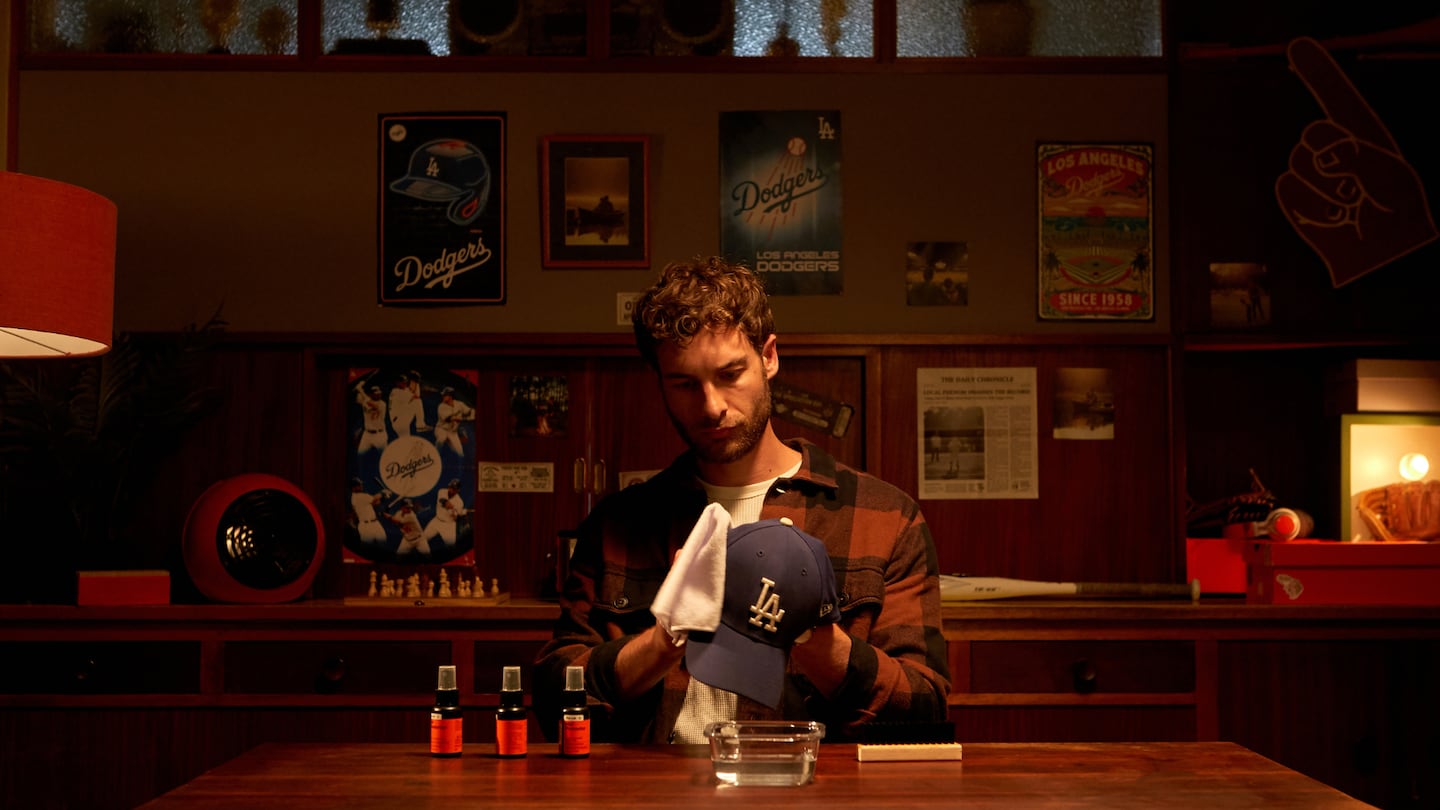
In 2025, by evolving from “Sneaker Lab” into “The Lab,” the brand expanded its biotech offering into garment care, spanning cleaning products for hats, denim and general apparel. The Lab’s apparel refresh spray, described as a “portable laundromat in a bottle,” utilises probiotics and enzymes to break down body grime and remove sweat stains.
Now, BoF sits down with Farah to discuss scaling a purpose-driven brand globally, identifying new market opportunities and navigating strategic expansion beyond sneaker care.
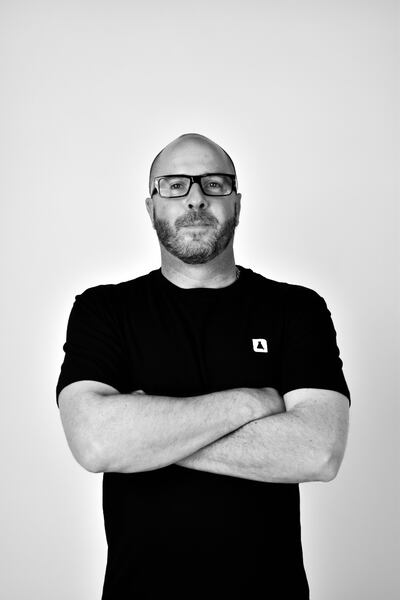
How has the core proposition of The Lab evolved since its inception?
I’ve always thought of our business as somewhat recession-proof. When people have disposable income, they purchase products to care for the things they value, and when they don’t, they still want to maintain what they have.
Many brands are focused on telling the latest sustainable story from a materials perspective. But that kind of innovation is costly — even producing sustainable materials is expensive and makes for a great story. The reality is that focusing on care, on actually looking after things, often gets overlooked.
I’ve always had a strong interest in fashion, so it felt like the logical entry point, but I always knew the technology — specifically the use of bacteria in cleaning — could go much further. The next natural step was looking at how we care for the spaces we live in. Post-Covid-19, there’s been a huge wellness movement and people care a lot more about their environment. People understand that exposure to harsh chemicals at home incurs negative side effects — and that not all bacteria around us need to be exterminated.
Where does this commitment to sustainability come from and how is it reflected internally?
We learned from the sneaker culture space that people have an emotional attachment to the things they own and value, whether they’re inherited or saved up for. Because of that emotional attachment, it was a logical progression to expand across verticals including shoes, denim, hats and apparel.
Internally and externally, our mantra and vision have always been centred around “clean, care, protect.” We’ve evolved from a very product-focused message to a broader, more emotive one. It’s about looking after things in the right way, using intelligent cleaning rather than harsh chemicals. It’s also about care from a personal perspective: the environment you’re in, people, products and the planet.
Then there’s the protection aspect. How do we protect the longevity of the things we own, as well as the wellbeing and future of people and the environment we live in? That’s what we live by, both internally and externally. Everything we do in the business is viewed through that lens.
Which consumer segments are resonating most with your products?
Our typical customer tends to have more discretionary spend and is generally quite wellness-focused, with a growing awareness of what they put into their bodies and how they clean their environments.
Our goal is to make probiotic cleaning more mainstream, but there is still a significant amount of consumer education required. We’re not just encouraging people to move away from chemical cleaners — we’re also introducing them to an entirely new approach to cleaning. Microbial cleaning can last up to 10 days, effectively creating an indoor microbiome.
How do you reconcile global growth with local manufacturing commitments?
As we’ve grown, we’re very conscious of working towards a circular economy. We’re already exploring how we can manufacture closer to the point of purchase. Sustainability is an evolving process — there’s no way to be perfect from the outset.
We take a holistic approach: if we can manufacture locally, create jobs, maintain sustainability and keep shipping to a minimum, then we’re also educating people to care for what they have and reducing the overall carbon footprint.
Our core team here in South Africa is about 25 people, mainly in the creative department at the head office. The broader R&D, product development and manufacturing side of the business includes up to 60 people. Globally, we have staff and offices in the US, Mauritius and we’re in the process of setting up in India.
With new EU regulations — such as the Ecodesign for Sustainable Products Regulation — forcing brands to account for their environmental footprint, is sustainability becoming a core financial liability?
There’s a big shift underway where brands will increasingly have to account for what they put into the world. I think it will start as a line item on the balance sheet — a cost that companies need to consider.
That’s why we’re working on the notion of product longevity, which can ultimately become a positive on a company’s balance sheet. It’s about changing the way we think about value.
Consumers are already moving in this direction — driving a shift towards pre-loved and vintage.
It’s going to be interesting to see how brands navigate this transition, as I believe that launching new products with materials such as pineapple leather isn’t going to cut it.
As consumer values evolve, how do you see The Lab’s role expanding over the next five years?
The focus for The Lab is the evolution into a broader care platform. Consumers are increasingly thinking about what they buy, how long they keep it and the impact of these purchases on the environment. We can’t continue to produce and consume at the pace we have in the past.
This is a sponsored feature paid for by The Lab as part of a BoF partnership.
Loading recommended reads…
The move, which was facilitated by Jean Arnault, comes as Hublot undergoes a repositioning in a bid to reignite sales.
LVMH’s sales dropped in China while Luca de Meo clears out Kering’s creative ranks. Plus, Kim Jones' new venture.
In the third instalment of The BoF Podcast’s Ask Me Anything series, Imran Amed takes on listener questions about Gucci’s unresolved turnaround, why brand-measurement metrics deserve more scrutiny, and what AI can — and can’t — replace in fashion.
Vuori’s new womenswear edit features vintage denim, cashmere sweater tops and suave outerwear pieces, moving the brand beyond its activewear roots. We’re seeing this trend more and more across the fashion spectrum.