Agenda-setting intelligence, analysis and advice for the global fashion community.
Agenda-setting intelligence, analysis and advice for the global fashion community.

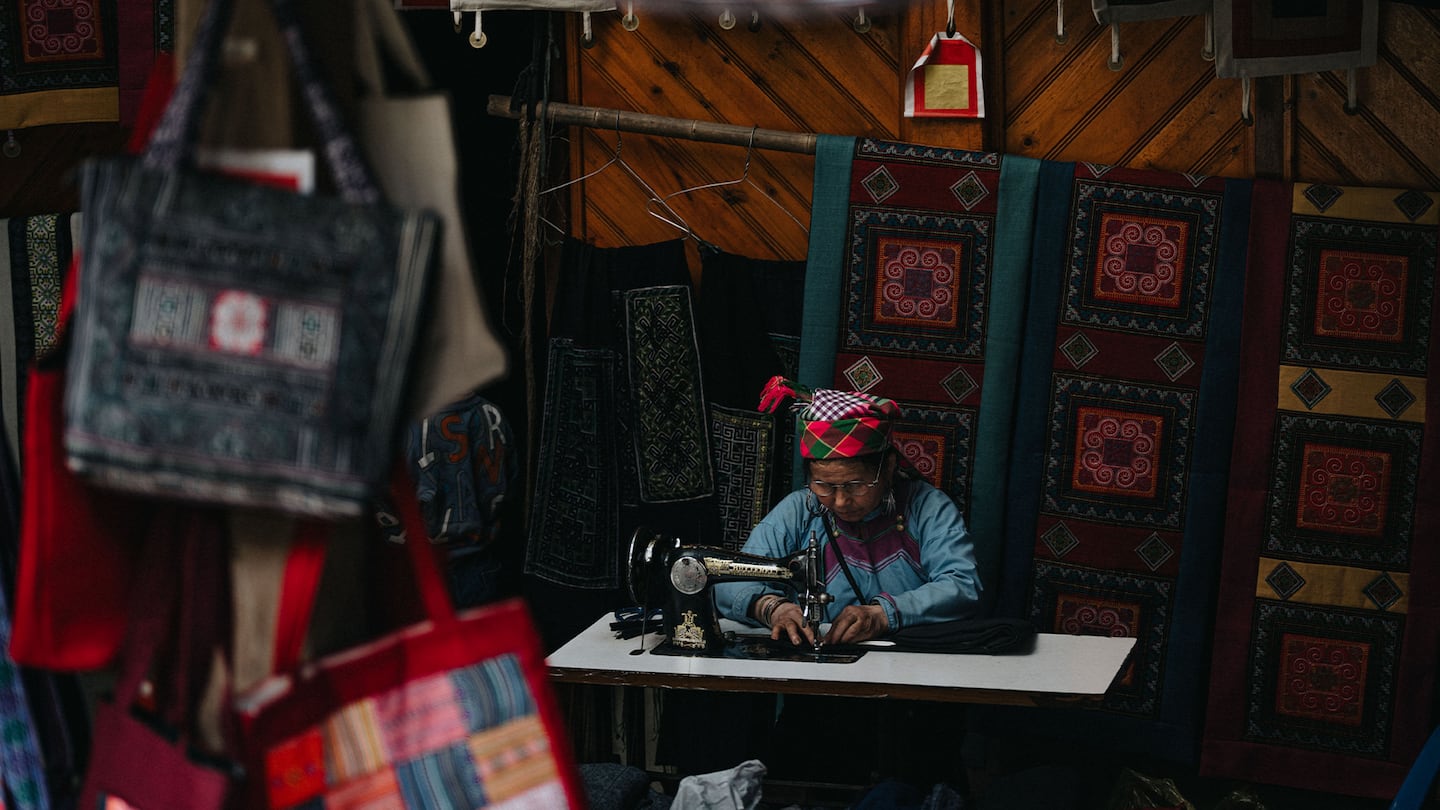
🇻🇳 Vietnam faces a critical textile test, as 2026 growth pivots towards market share over expansion. Combined textile, garment and yarn exports reached approximately $15.1 billion in the period from January to May this year, representing a nearly flat trend for garments, while yarn shipments rose 3.4 percent to $1.75 billion. The performance indicates that Vietnam is gaining market share in major destinations like the US due to manufacturing reliability, rather than riding a broader global export boom. For the sector to achieve its full-year target of $44 billion, compared to a $40 billion baseline, manufacturers will need a significantly stronger second half. Current context demands deeper supply chain localisation to reduce dependence on imported raw inputs. [Fibre2Fashion]
🇬🇹 Guatemala’s apparel exports reached $385 million in the first quarter of 2026, anchored by strong US demand. Data from sourcing intelligence tool TexPro reveals that knitwear dominated shipments, outperforming woven garment alternatives. Cotton apparel served as a secondary core driver, while synthetic-fibre garments captured the remaining market share. On a product basis, shirts emerged as the leading export category, followed by T-shirts and jerseys. The US cemented its position as Guatemala’s primary trading partner, absorbing nearly the entire export volume. This performance underscores the Central American nation’s deep economic reliance on North American fashion retail consumption amidst shifting global supply chain dynamics. [Fibre2Fashion]
🇮🇳 India’s organised jewellery sector is sustaining healthy growth momentum, despite a massive 80 percent year-on-year surge in gold prices. A report by Nuvama Research noted that consumer demand remained highly resilient during the fourth quarter of fiscal year 2026. Strong wedding seasonality and key cultural festivals — including Akshaya Tritiya, Gudi Padwa and Poila Boishakh — have driven continuous market traction. To manage tighter budgets, buyers are shifting towards lightweight designs, lower caratage options and old-gold exchange programmes. Although the government’s recent hike on gold import duties from 6 percent to 15 percent poses short-term volume headwinds, organised retailers are aggressively expanding into Tier-II and Tier-III cities to secure long-term market share. [The Economic Times]
🇮🇳 North India’s cotton-yarn market has stabilised as manufacturers closely monitor a proposed US-Iran ceasefire deal. The Ludhiana market recorded flat pricing across major counts, despite an easing of localised labor shortages, with 30-count combed yarn holding steady at ₹262 to ₹267 ($2.77 to $2.82) per kg. Buyers remain highly cautious, keeping domestic demand weak, while the recycled yarn and raw cotton segments show subdued sentiment. However, market participants anticipate a geopolitical resolution between Washington and Tehran could soon rejuvenate global textile trade by driving down crude oil and polyester feedstock costs. Spinning mills are delaying price adjustments until the macroeconomic impact of the deal materialises. [Fibre2Fashion]
Loading recommended reads…
This week, Europe’s leading luxury groups LVMH, Kering, Hermès and Prada will show who’s pulling ahead in the stubbornly choppy environment.
Sales of gems, precious metals and artwork at Japan’s department stores climbed 19 percent in the first half of 2026 from a year earlier to $2 billion.
Though Adidas dressed both teams in the World Cup finals, the global football tournament still presented some bright spots for Nike, writes Bloomberg’s Andrea Felsted.
From our archive, the creator and host of award-winning podcast “Articles of Interest” joins BoF founder, CEO and editor-in-chief Imran Amed to explore what clothing can reveal about identity, culture, labour and the world around us.