Aritzia Seeks to More Than Double Sales by 2032
New categories and brick-and-mortar expansion beyond North America are set to drive Aritzia’s quest to hit $10.5 billion CAD ($7.5 billion).

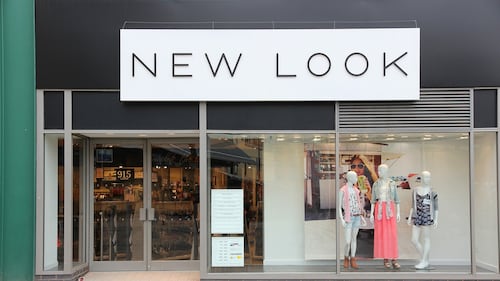
The plan is to make most of the clothes in China to ensure they cater to local tastes and can get to stores quickly - a strategy similar to the one successfully pursued in Europe by Zara-owner Inditex.

Catering to the fashion hipster — whose purchases are driven by irony, camp and insider humour — risks making promising brands the flavour of the day, argues Eugene Rabkin.

As concert ‘merch’ becomes a more important part of their business models, pop stars like Justin Bieber, Kanye West and Rihanna are upping their game.
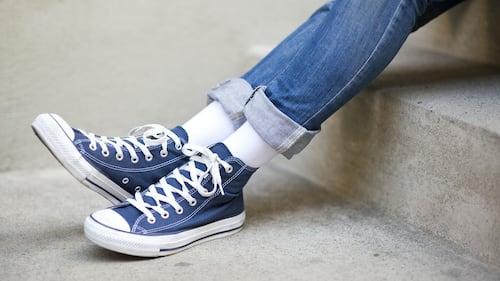
Leg-hugging denim remains the most popular style, and it's not going anywhere soon.

Slowly, sporty garments crept onto men's and women's ready-to-wear runway shows, a trend powerful enough to go upstream rather than trickle down.
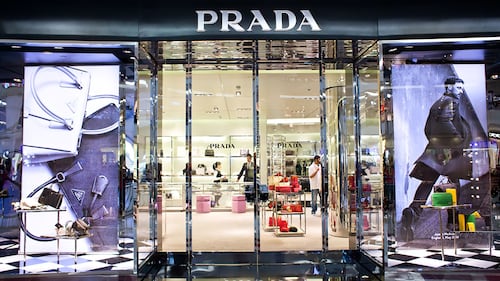
Collapsing demand in China, the strong dollar and the Paris terror attacks made 2015 a year to forget for the likes of Prada, Burberry and Cartier owner Richemont.
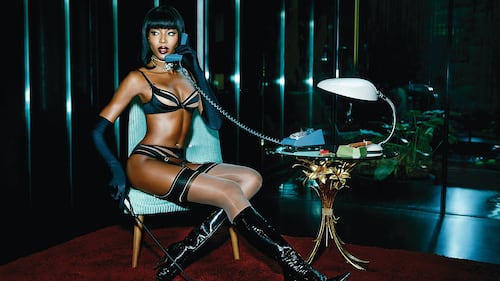
Underwear is a $110 billion market. Which companies are most successfully getting into our bras and briefs?

Feeding off the rise of workout gear that can be worn in or out of the gym, activewear labels have become status symbols, much like any other pricey designer clothes.
In the Internet era, designers can be the architects of the conversation with the customer, putting them in control and freeing them from fashion’s closed loop of sameness, argues Lawrence Lenihan.

Bits & Bytes is a weekly roundup of the most important news in the fast evolving fashion-tech space.
Bits & Bytes is a weekly roundup of the most important news in the fast evolving fashion-tech space.
New categories and brick-and-mortar expansion beyond North America are set to drive Aritzia’s quest to hit $10.5 billion CAD ($7.5 billion).
Sales in the Americas fell 70 to 75 percent.
The Italian label has continued to enjoy solid growth in China, defying a wider downturn in demand for European luxury. The June 11 presentation of its summer collection will be the latest in a series of travelling shows.
The German consumer goods maker marginally missed market expectations for third-quarter sales growth on Tuesday, with its key Nivea brand posting a third straight quarterly sales decline.
Whereas Rolex is both a buyer and seller of its second-hand watches through official retail partners, Audemars is setting up a marketplace where sellers set prices.
The British retail group has pushed its stake in the German apparel brand above 50 percent in a move that will turn Hugo Boss into a subsidiary of Frasers.
The settlement, equivalent to 44 percent of the ultra fast-fashion company’s second-quarter profit, is the latest blow amid regulatory and tax crackdowns in Europe and the US that have hampered Shein’s growth.
The recovery long promised by luxury brands seems nowhere in sight, as the expansion of war in the Middle East, along with China’s tax crackdown on the wealthy, piled further pressure on the world’s biggest luxury conglomerates in the third quarter, and executives buckled in for a tough winter.