Next Supplier Hit by Cyberattack
The breach allowed unauthorised access to certain data relating to the retailer. It’s the latest in a string of UK companies to be caught in cyberattacks.


Fashion brands need to urgently clean up their supply chains as the US and Europe move to legislate against the alleged use of forced Uighur labour in China. Yet some players are still burying their heads in the sand.

With retailers looking to sell old inventory and seasonless basics, new orders for factories in garment hubs like Bangladesh are down by as much as 45 percent compared to last year.

Disruptions caused by Covid-19 have redoubled concerns about vulnerabilities in fashion’s manufacturing base, accelerating efforts to build more resilient and efficient operations.
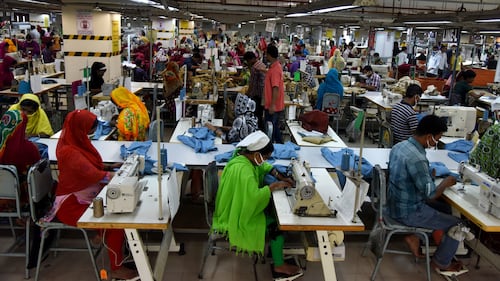
As retailers around the world cancel orders, factory owners in Myanmar, Bangladesh and Cambodia shut down thousands of factories and sent home workers with little or no pay.

Covid-19 has put a spotlight on the costly inefficiencies and inflexibilities of the apparel supply chain. A global sourcing platform could help to address these issues, argue Maxine Lim and Becca O'Leary.

A European business group warned shutdowns in the rest of the world are threatening the supply of key parts and demand.

Economic recovery will be slow, forcing fashion players to ramp up resilience planning and adapt their operating models in order to survive, says The Business of Fashion and McKinsey’s Coronavirus Update to The State of Fashion 2020.
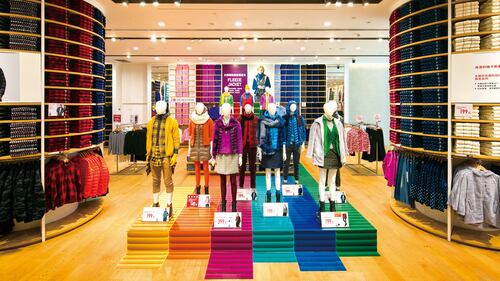
The brand’s parent company Fast Retailing announced that it has reopened more than 100 stores in the country, while 125 remain closed.

The deadly outbreak is taking a toll on China's economy, which produces one-third of the world's apparel. Brands need to prepare for shipping and manufacturing delays.

Brands like Everlane, Reformation and Veja have grabbed the attention of coveted Millennial and Gen-Z consumers with promises of radical transparency on company ethics, sustainability and pricing. But following through is a delicate balancing act. Our latest in-depth case study investigates.

With the rise of rental and resale, wardrobes of the future are primed to be smaller, more temporary and filled with pieces designed to last longer.

The parent company of Michael Kors, Versace and Jimmy Choo is bringing some of its footwear production in house with the addition of an Italian manufacturing facility.
The breach allowed unauthorised access to certain data relating to the retailer. It’s the latest in a string of UK companies to be caught in cyberattacks.
The US’ largest niche fragrance retailer has appointed a veteran executive to develop its omnichannel strategy while retaining its co-founding team.
The Italian jeweller helped boost the international profile of his family’s business with bold use of colourful gemstones, attracting celebrity clients including Sophia Loren and Elizabeth Taylor.
The failed talks reflect the struggle to muster ambitious action needed to address climate change.
The off-price retailer’s quarterly sales topped estimates, but it expects higher costs to continue eating into its corporate profits.
The company has now posted two straight quarters marred by inventory missteps.
Major brand-backed organisations condemned reports of violent retaliation against workers and voiced support for higher pay as wage protests continue to disrupt production in the country.
The personal care company, whose first-quarter sales were driven by resilient demand for beauty and home-care products, will also be trimming its workforce.