Pop Mart Quarterly Sales Fall Up to 50% as Labubu Fad Cools
Sales in the Americas fell 70 to 75 percent.


Around a fifth of the Danish brand’s sales came from handbags, shoes and other leather pieces last year, but it’s on a mission to stop using virgin leather by 2023.

The sixth annual State of Fashion report by The Business of Fashion and McKinsey & Company forecasts that the global fashion industry will find its feet again after nearly two years of disruption, though supply chain headwinds will threaten growth prospects. Download the full report to understand the 10 themes that will define the industry in the year ahead and how to navigate the currents they create.

Can a business based on changing our clothes change its ways?
Denim maker Levi Strauss & Co is standing down from the Better Cotton Initiative’s leadership, the Wall Street Journal reported on Friday, citing

Apparel prices are rising at their fastest pace in years, as the cost of everything from cotton to container shipping soars. BoF lays out how to seize the opportunity to break a decade-long cycle of discounting.
The American department store group will stop selling products containing animal fur on its Neiman Marcus and Bergdorf Goodman stores and websites by

Mejuri founder Noura Sakkijha explains why jewellery brands should look beyond existing frameworks to build a more sustainable future for a sector that has faced scrutiny over its impact on the environment and the welfare of its workers.

Leaders in the slow-to-act fine jewellery industry must look beyond sustainability as risk mitigation and embrace the branding opportunity it presents.

The new leadership and cash infusion are intended to help bring the company’s “biofabrication” technology, which can replace fossil fuel-based textile coatings and enhance the performance of natural materials, to commercial scale for the first time.
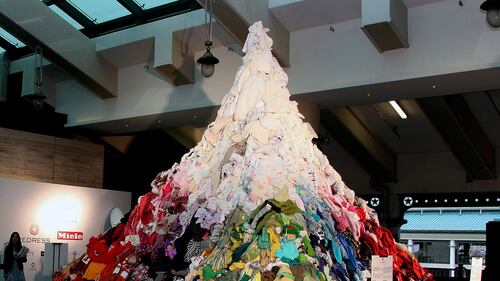
China is the world’s largest consumer of fashion and a major production hub. How it tackles its mountain of annual waste will impact global brands’ ability to embrace a more circular supply chain.

The fashion industry relies on an extractive business model. BoF assesses companies’ efforts to establish raw material supply chains with a positive impact on people and planet in the latest in a series of articles examining the findings of The BoF Sustainability Index.
Zara’s parent company, Inditex, has joined forces with Asia-based bank, DBS, to supply finance to more than 2,000 Indian organic cotton farmers in the fashion retail giant’s supply chain.
Sales in the Americas fell 70 to 75 percent.
The Italian label has continued to enjoy solid growth in China, defying a wider downturn in demand for European luxury. The June 11 presentation of its summer collection will be the latest in a series of travelling shows.
The German consumer goods maker marginally missed market expectations for third-quarter sales growth on Tuesday, with its key Nivea brand posting a third straight quarterly sales decline.
Whereas Rolex is both a buyer and seller of its second-hand watches through official retail partners, Audemars is setting up a marketplace where sellers set prices.
The British retail group has pushed its stake in the German apparel brand above 50 percent in a move that will turn Hugo Boss into a subsidiary of Frasers.
The settlement, equivalent to 44 percent of the ultra fast-fashion company’s second-quarter profit, is the latest blow amid regulatory and tax crackdowns in Europe and the US that have hampered Shein’s growth.
The recovery long promised by luxury brands seems nowhere in sight, as the expansion of war in the Middle East, along with China’s tax crackdown on the wealthy, piled further pressure on the world’s biggest luxury conglomerates in the third quarter, and executives buckled in for a tough winter.
Sales fell in September as above-average temperatures hit demand for autumn clothing.