Aritzia Seeks to More Than Double Sales by 2032
New categories and brick-and-mortar expansion beyond North America are set to drive Aritzia’s quest to hit $10.5 billion CAD ($7.5 billion).

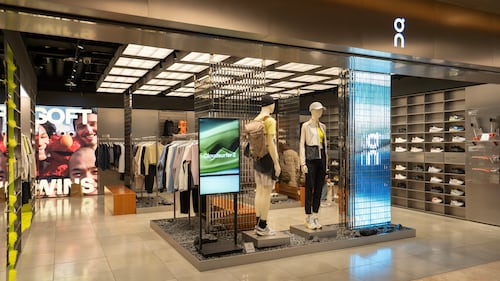
Several fashion and sportswear companies have seen their share prices rise or fall dramatically in recent weeks — sometimes their most on record — despite relatively minor deviations from investors’ expectations. The volatility could stick around.

The American retailer has effectively closed the door on the take-private offer from real estate firms Arkhouse Management and Brigade Capital. The company’s stock plunged on the news.
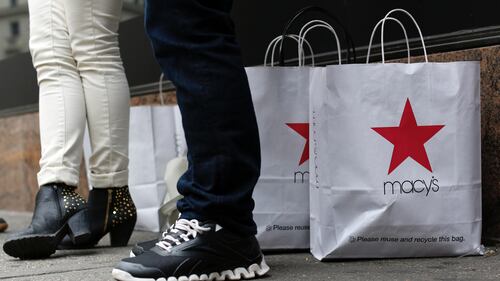
Wall Street says the $5.8 billion bid for the American department store chain comes below even the most conservative estimates for the value of Macy’s real estate properties alone.
ADVERTISEMENT
ADVERTISEMENT
New categories and brick-and-mortar expansion beyond North America are set to drive Aritzia’s quest to hit $10.5 billion CAD ($7.5 billion).
Sales in the Americas fell 70 to 75 percent.
The Italian label has continued to enjoy solid growth in China, defying a wider downturn in demand for European luxury. The June 11 presentation of its summer collection will be the latest in a series of travelling shows.
The German consumer goods maker marginally missed market expectations for third-quarter sales growth on Tuesday, with its key Nivea brand posting a third straight quarterly sales decline.
Whereas Rolex is both a buyer and seller of its second-hand watches through official retail partners, Audemars is setting up a marketplace where sellers set prices.
The British retail group has pushed its stake in the German apparel brand above 50 percent in a move that will turn Hugo Boss into a subsidiary of Frasers.
The settlement, equivalent to 44 percent of the ultra fast-fashion company’s second-quarter profit, is the latest blow amid regulatory and tax crackdowns in Europe and the US that have hampered Shein’s growth.
The recovery long promised by luxury brands seems nowhere in sight, as the expansion of war in the Middle East, along with China’s tax crackdown on the wealthy, piled further pressure on the world’s biggest luxury conglomerates in the third quarter, and executives buckled in for a tough winter.