Pop Mart Quarterly Sales Fall Up to 50% as Labubu Fad Cools
Sales in the Americas fell 70 to 75 percent.

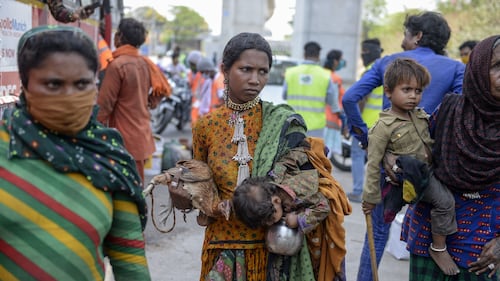
By cancelling orders with Indian suppliers during the country’s chaotic lockdown, global brands are making impoverished workers even more vulnerable in a market where 60 million people depend on the fashion industry for their livelihood.

When fashion weeks in Asia were called off, designers and organisers had to think on their feet and turned to livestreams to engage with their communities digitally. Here’s what worked and what didn’t.
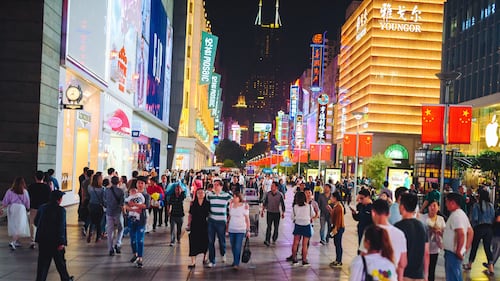
While other countries have experienced panic buying of essentials during lockdown, China has been debating whether a decadent shopping spree known as 'revenge buying' will be unleashed after the pandemic.

BoF’s Imran Amed and the Bernstein analyst discuss what the sector should expect as coronavirus threatens sales and supply chains.
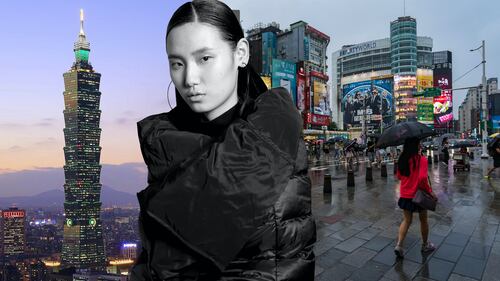
Tensions with Beijing have come into sharp focus ahead of Taiwan’s presidential election which takes place tomorrow. And there is a lot more at stake than first meets the eye.
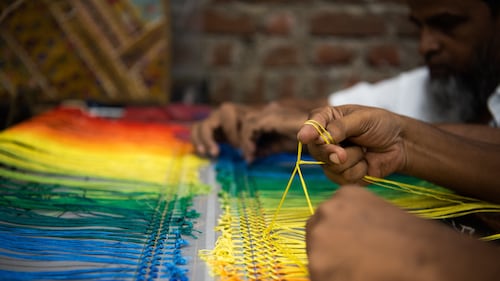
Hermès, Gucci, Prada and Christian Dior have all tapped ateliers in India to do exquisite handwork for the catwalk, but other luxury brands shroud their Indian connections in secrecy. Why?
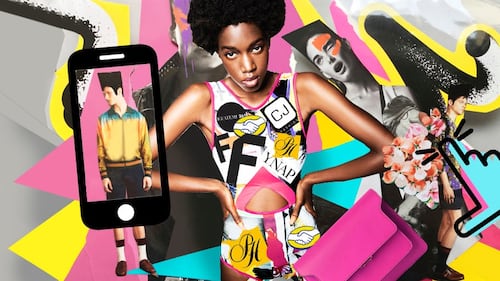
Despite social unrest and a sluggish economy, Latin America’s fashion e-commerce sector is forecast to grow by more than 20 percent each year from 2019 to 2021. Here’s how to get in on the action.
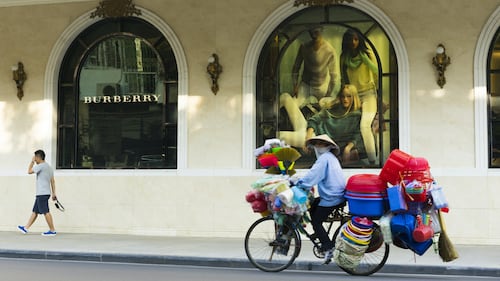
On the back of a deal with the EU, luxury goods will become more affordable in Vietnam. Are brands investing heavily enough in what is one of the fastest-growing economies in the world?
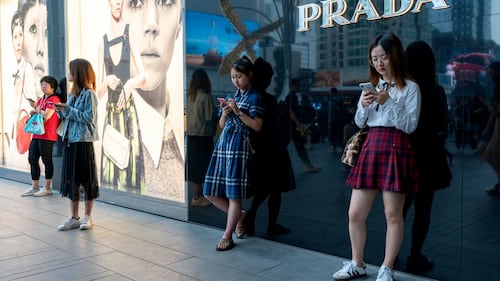
'Influencer cities' from Chongqing to Wuhan are favourites for content creators and their followers, but there’s more at play beyond the geotags.
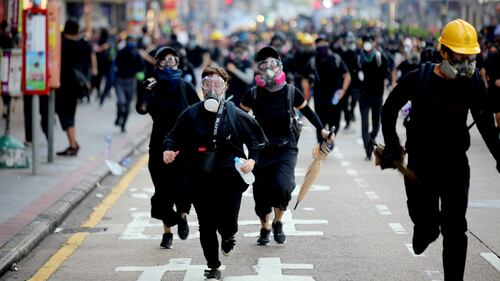
In the wake of the city’s ongoing pro-democracy protests, an all-black look has become a polarising statement with wider repercussions in politics and retail.
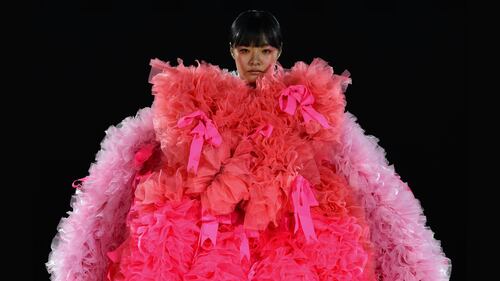
After a transitional season with a new title sponsor, Japan’s biggest fashion event is gearing up for a revamp. Will it be enough?

Beyond Shanghai’s downtown shopping meccas, suburban malls and mixed-use developments on the outskirts of the city present an exciting opportunity for brands like Calvin Klein, Nike and Sephora who have begun to put down roots here.
Sales in the Americas fell 70 to 75 percent.
The Italian label has continued to enjoy solid growth in China, defying a wider downturn in demand for European luxury. The June 11 presentation of its summer collection will be the latest in a series of travelling shows.
The German consumer goods maker marginally missed market expectations for third-quarter sales growth on Tuesday, with its key Nivea brand posting a third straight quarterly sales decline.
Whereas Rolex is both a buyer and seller of its second-hand watches through official retail partners, Audemars is setting up a marketplace where sellers set prices.
The British retail group has pushed its stake in the German apparel brand above 50 percent in a move that will turn Hugo Boss into a subsidiary of Frasers.
The settlement, equivalent to 44 percent of the ultra fast-fashion company’s second-quarter profit, is the latest blow amid regulatory and tax crackdowns in Europe and the US that have hampered Shein’s growth.
The recovery long promised by luxury brands seems nowhere in sight, as the expansion of war in the Middle East, along with China’s tax crackdown on the wealthy, piled further pressure on the world’s biggest luxury conglomerates in the third quarter, and executives buckled in for a tough winter.
Sales fell in September as above-average temperatures hit demand for autumn clothing.