Puma Sales Slow Less Than Expected as Anta Partnership Advances
The German sportswear business is attempting to reboot its brand appeal to better compete with larger rivals Adidas and Nike.


The educator and advocate speaks to Imran Amed about her ongoing quest to make fashion more inclusive, as featured in the third episode of The BoF Show, now streaming on Bloomberg Quicktake.
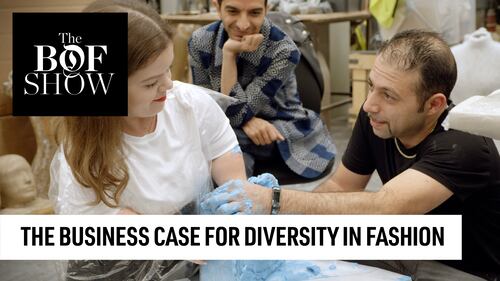
How can an exclusive business built on keeping people out let more people in?

More Black hair and makeup artists are getting plum high fashion gigs that once eluded them, writes Jason Campbell.

Black-owned brands are in the spotlight, but some entrepreneurs worry that aligning their own racial identities with those of their brands will alienate some customers — and not all retailers are coming to them with mutually beneficial offers.
ADVERTISEMENT

A segregated fashion industry has pushed workers to go freelance to avoid discrimination in the workplace, according to a research paper published by industry advocacy group Fashion Roundtable in partnership with the All-Party Parliamentary Group for Fashion and Textiles.

As Nordstrom announces a 10-year partnership with the organisation launched on Instagram after George Floyd’s death to call on retailers to spend more money on Black-owned brands, founder Aurora James and board member Emma Grede tell BoF about keeping up the momentum and supporting entrepreneurs.

The Diné designer Amy Denet Deal has both levied and been on the receiving end of charges of cultural appropriation in the last year, even as her business soared to new heights. The controversy highlights the challenge of bringing personal identity into a brand’s narrative.

The backlash to McCammond’s racist tweets, which surfaced amid a wave of anti-Asian violence, has only worsened in the two weeks since Condé Nast hired the Axios reporter to head its youth publication.
ADVERTISEMENT

On Wednesday, the sportswear company announced that for the first time it will tie executive compensation to progress in diversity and sustainability targets.

Public pressure, especially from the 15 Percent Pledge, pushed many US-focused businesses to disclose information and promise progress, but the industry is still largely in a planning and promises stage.

The group, which also owns Versace and Jimmy Choo, has pledged $20 million to fund the newly formed Capri Holdings Foundation for the Advancement of Diversity in Fashion.

The American department store aims to sell $500 million worth of products from Black and Latino brands and diversify its management. Executives tell BoF how they plan to stay on track.
The German sportswear business is attempting to reboot its brand appeal to better compete with larger rivals Adidas and Nike.
The Tata Group-owned business beat expectations, shoring up confidence in its fashion business after a period of sluggish performance.
Chasity Monroe has been appointed as the label’s chief executive as it undergoes a wider brand refresh.
The Korean firm and Medicube owner reported third quarter revenue growth of over 100 percent, mostly attributed to the expansion of its skincare range into new markets, channels and product categories.
Celebrity-makeup artist Ash K. Holm will join the “smart” mirror brand for a year-long partnership focusing on guidance and education.
Revenue growth outpaced the previous quarter in the Korean conglomerate’s domestic market, but slowed internationally.
Current president Debi Chirichella will be Hearst Magazine’s next chair.
Eli Lilly & Co. raised its full-year sales forecast as demand for its blockbuster obesity and diabetes drugs continues to surge, giving the drugmaker more momentum as it expands into pills and develops even more powerful weight-loss treatments.