
Kering
Luxury group Kering owns fashion, leather goods and jewelry Houses, including Gucci, Saint Laurent, Bottega Veneta, Balenciaga, McQueen, and Boucheron, among others. Founded in 1962, Kering is headquartered in Paris.


Power Moves | Cartier Chairman Retires, Cohen Leaves Donna Karan, Rag & Bone MD
BoF compiles the most important professional moves of the week.
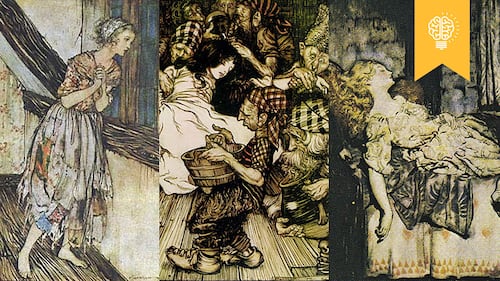
Cinderellas, Snow Whites or Sleeping Beauties?
Luxury groups need to tap their smaller labels as the growth of their megabrands slows. But are these smaller brands blossoming, shifting gear or still waiting for Prince Charming?

A Pricing Conundrum
The Savigny Luxury Index (“SLI”) fell sharply this month, losing more than two percent, driven by disappointing first quarter results.
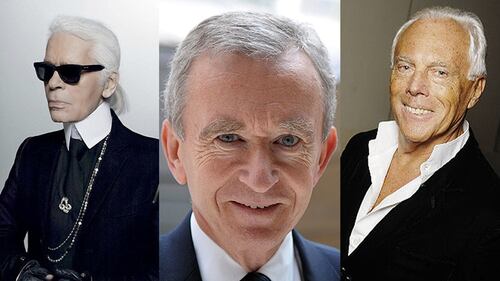
Fashion's Old Fogies Create Succession Conundrum
Long-time bosses at Armani, Chanel, Cavalli and LVMH will soon shuffle off the catwalk.

Kering Reports Gucci Q1 Sales Slump Amid Asia Slowdown
Kering SA reported a worse-than-expected slump in sales at the Gucci luxury-goods brand amid a slowdown in Asia, a setback to efforts to revive its biggest brand.

BoF Exclusive | New Gucci Ads Point to Step-by-Step Re-Positioning
In a global exclusive, BoF can reveal the first Gucci advertising campaign by new creative director Alessandro Michele, the latest step in the brand’s ambitious repositioning efforts.

Power Moves | Sotheby's CEO, Vedovotto at Kering, Refinery29's Fashion Director
BoF compiles the most important professional moves of the week.

The Trouble With Ready-to-Wear
The designer ready-to-wear category faces serious structural problems. Luca Solca, head of luxury goods at Exane BNP Paribas, does the analysis.

What Russia’s Meltdown Means for Luxury
Facing sanctions, plunging oil prices and a falling rouble, the Russian economy is in crisis. How can luxury goods companies offset the impact? Luca Solca, head of luxury goods at Exane BNP Paribas, reports.
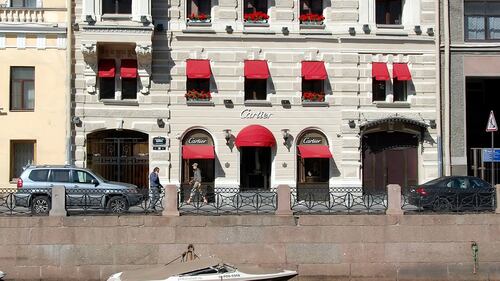
Luxury Firms Count Cost of Russia's Recession
Russia's lurch into recession has hit many tourism and luxury goods companies hard, forcing them to cut prices — and in turn costs — in an attempt to limit the damage.