Nike Vows Return to Growth by 2029 Driven by Performance Sports
The sneaker giant unveiled an ambitious plan to restore growth and add $5 billion in incremental revenue by 2031 during its first investor day in nearly a decade.

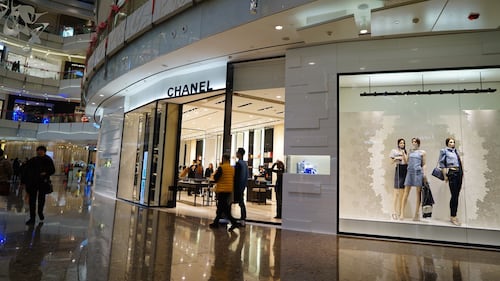
Chanel’s move to unify its global pricing is a step forwards, but it doesn’t tackle the real reasons many Chinese shoppers prefer to buy overseas, says Avery Booker.

Adding clothing in a size 16 and above has boosted my business and is now its fastest growing category — other fashion brands should follow suit, advises Susan Koger. co-founder of ModCloth.
More mainstream retailers are selling clothes in a wide range of sizes, but plus-size fashion remains an under-serviced sector with huge opportunities for growth, says Tamara Sender of market research firm Mintel.

In the crowded and volatile market for handbags, not even Chanel and Hermès are safe, says Luca Solca, head of luxury goods at Exane BNP Paribas.

The fashion world is late to the tech revolution, but there are seven ways in which fashion and luxury brands can aggressively exploit digital to boost their businesses, says Frederic Court.
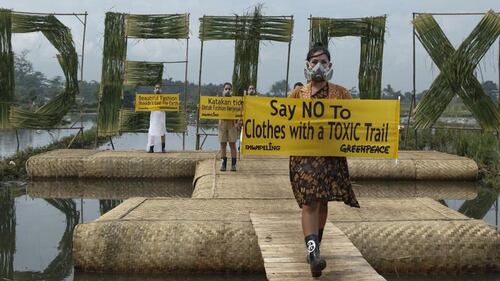
In order to reduce fashion’s environmental impact, people must pressure the suppliers to fashion’s biggest brands to publicly disclose their pollution, says Tristan Tremschnig of Greenpeace.

Fashion has the potential to leapfrog the gadget-focused consumer electronics industry and tap the growing wearables market with fashionable high-tech textiles, advises Amanda Parkes.

From 13th-century eyeglasses to modern-day yoga pants, fashion and technology have always been inextricably linked. But to tap the promise of wearable tech, we need to foster a new ecosystem of players, argues Ayse Ildeniz of Intel’s New Devices Group.
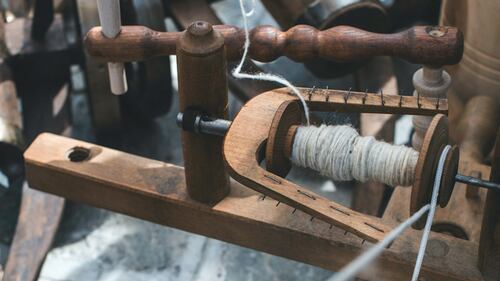
The fashion industry is entranced by front-end, consumer-facing innovation. But technology has tremendous power to transform the back-end of the fashion business, driving efficiency across the value chain, says Eddie Mullon, founder and CEO of Fashion GPS.
Why are a handful of top fashion brands ignoring the Internet? Because the market hasn’t yet forced them to take action, argues Chris Morton, CEO and founder of Lyst.

Fashion businesses should pool their resources and industry leaders must learn from their peers. Only then will the fashion industry achieve lasting, sustainable change, says Jonas Eder-Hansen.

The same-sex wedding market is worth $1.04 billion in the US and $192 million in the UK alone. Why have fashion companies been so slow to tap the opportunity it presents?
The sneaker giant unveiled an ambitious plan to restore growth and add $5 billion in incremental revenue by 2031 during its first investor day in nearly a decade.
The Japanese beauty giant has agreed to sell the Chinese subsidiary that manufactures and markets the label to an investor consortium led by IDG Capital.
Australia’s oldest department store collapsed earlier this month.
Four women who said they were diagnosed with cancer as a result of chemical hair straightening products reached a settlement on Monday with L’Oréal’s US subsidiary and other companies during a trial in Chicago.
DB Ventures is seeking $41 million in damages from fragrance partner Coty, alleging David Beckham-branded scents were sold at UK budget chain Poundland and a petrol station without approval.
The acquisition comes nearly two decades after Minkoff launched her self-named label, which has been finding new growth opportunities through a licensing model it began exploring in 2025.
Kering’s flagship brand will host its next Cruise show on May 17 in the key China market, as it works to re-ignite sales.
The pharmacy chain is launching its SureLeaf service alongside the University of Nottingham, which will be offered to patients aged 25 and older who have an eligible condition such as chronic pain, anxiety or insomnia.