Agenda-setting intelligence, analysis and advice for the global fashion community.
Agenda-setting intelligence, analysis and advice for the global fashion community.

PARIS — Away with heavy concepts and political punditry. Designers are getting back to making clothes and that was particularly evident at the Paris shows today.
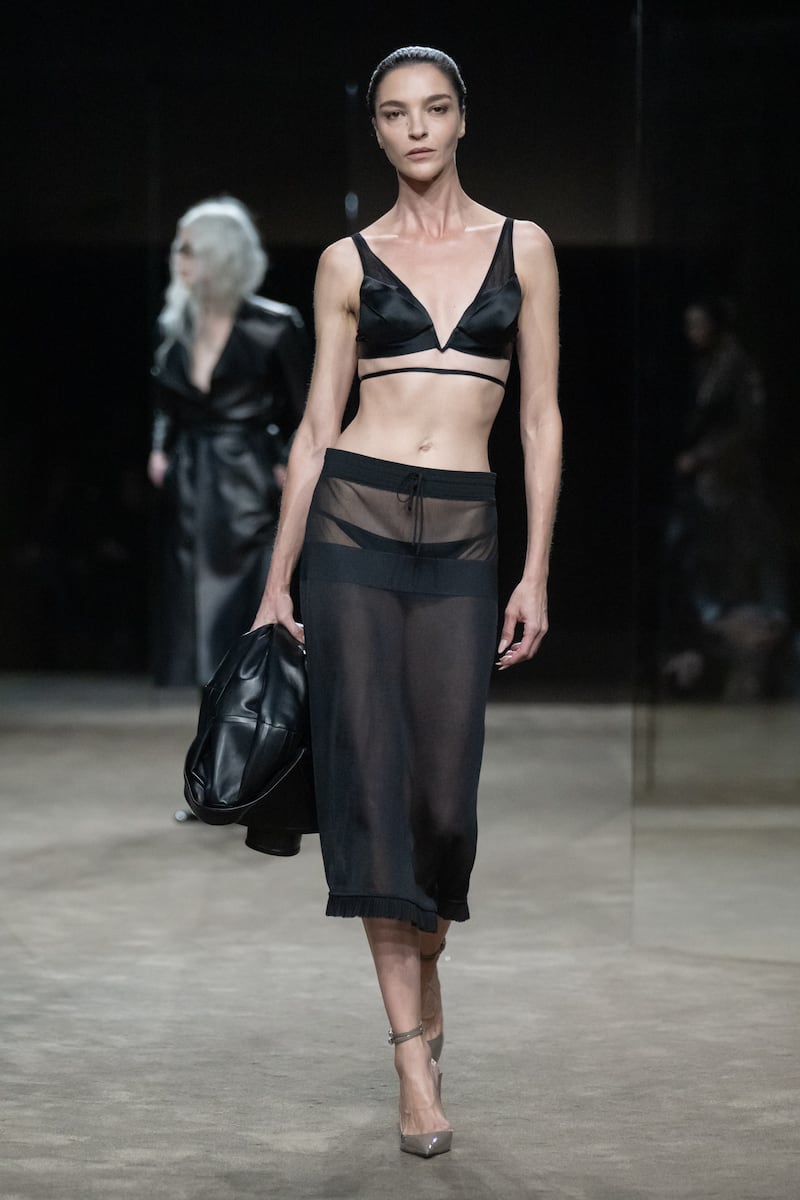
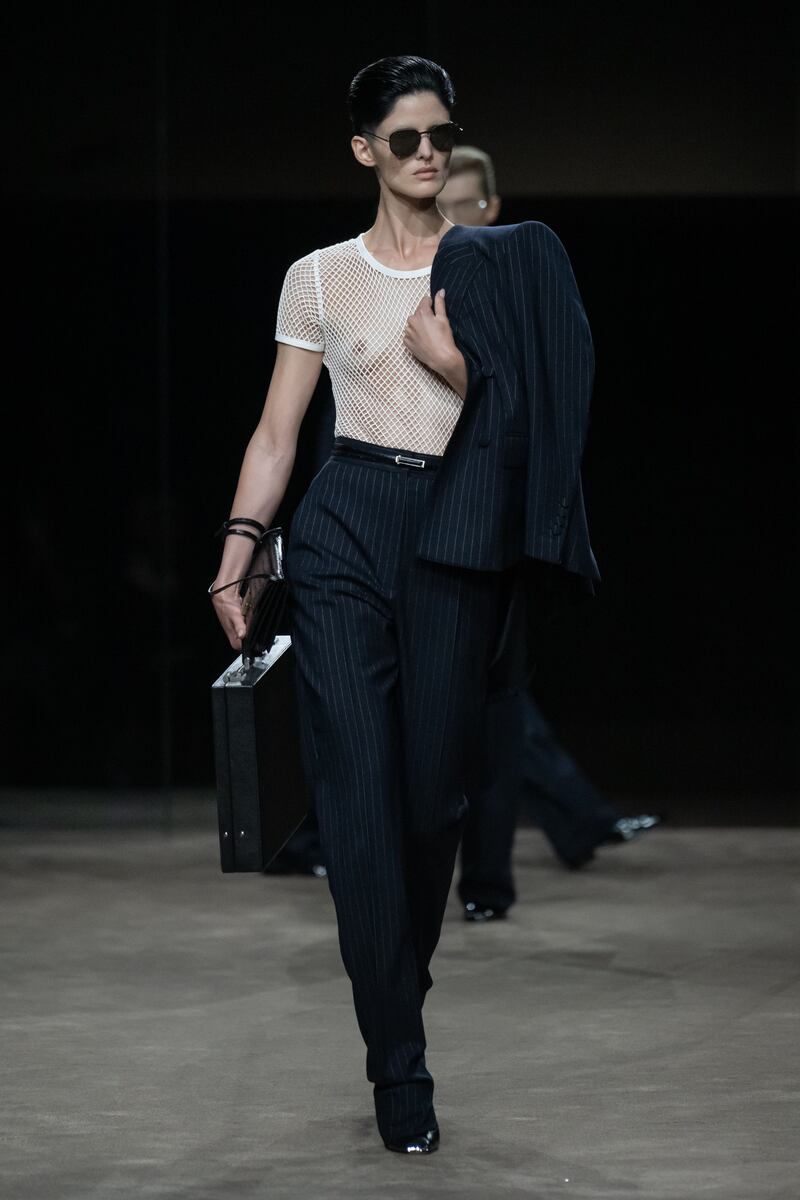
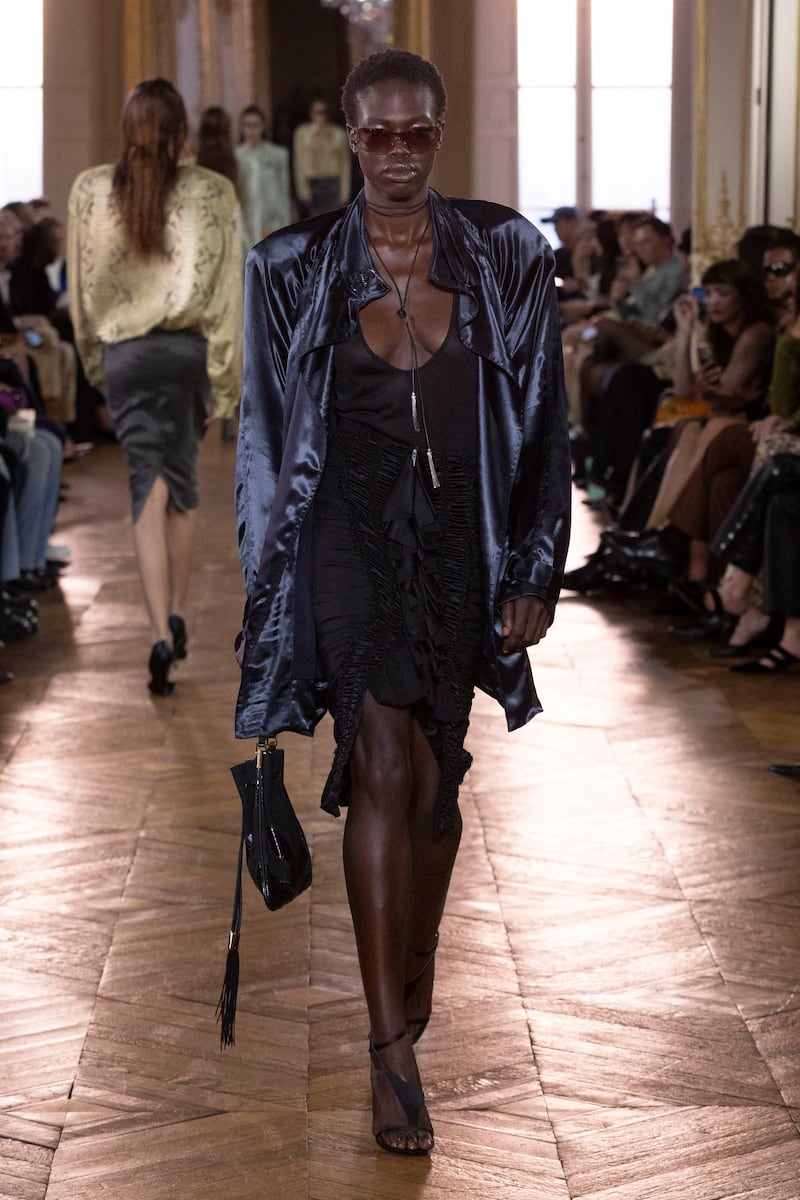
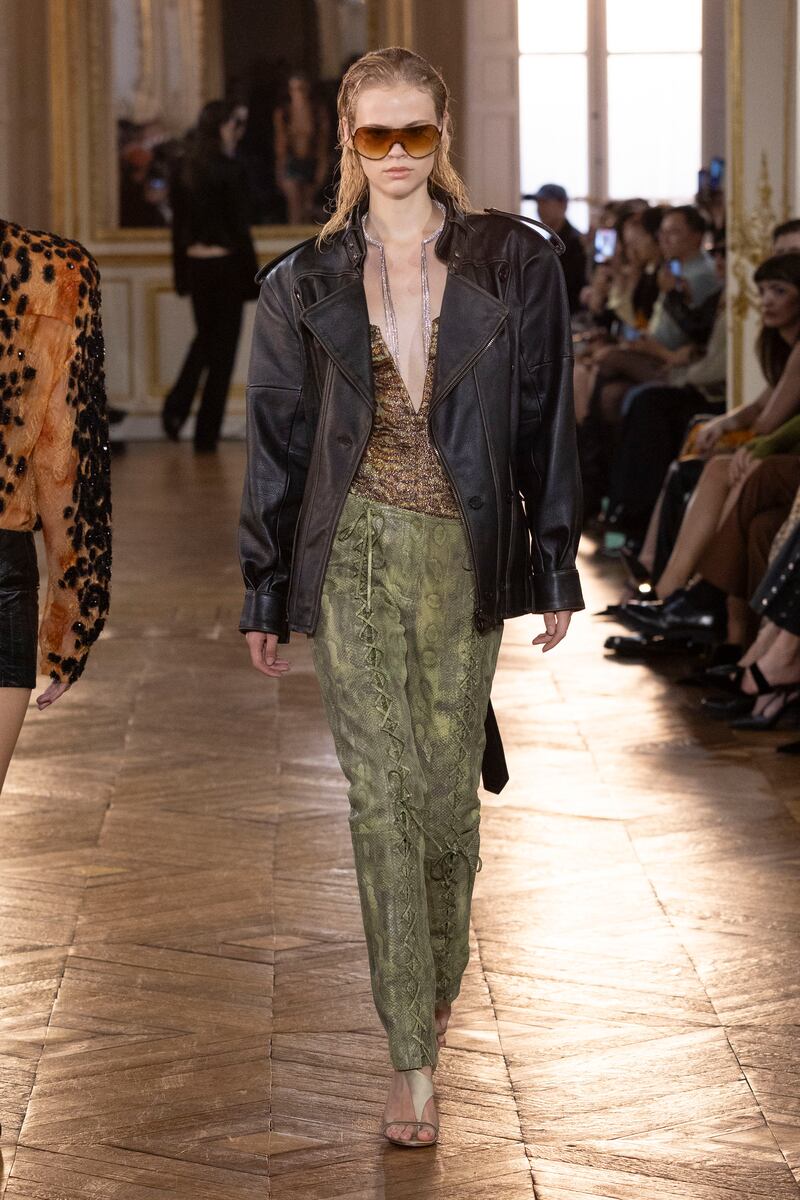
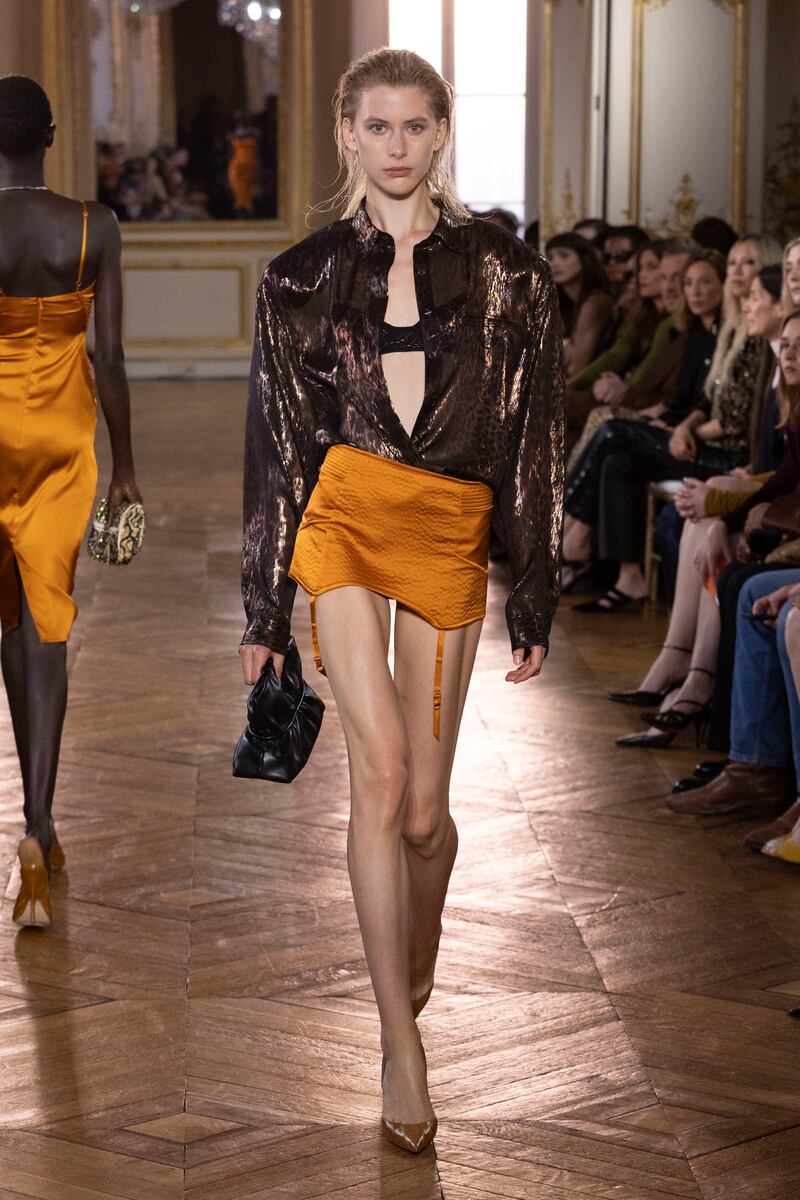
At Tom Ford, Haider Ackermann dove into what has always been the house’s founding principle: desire. It’s territory he’s explored right from his very first collection for the brand, but this time he took greater risks, going straight for sex and embedding it directly into the clothes — not just the way they were worn, but the way they were cut.
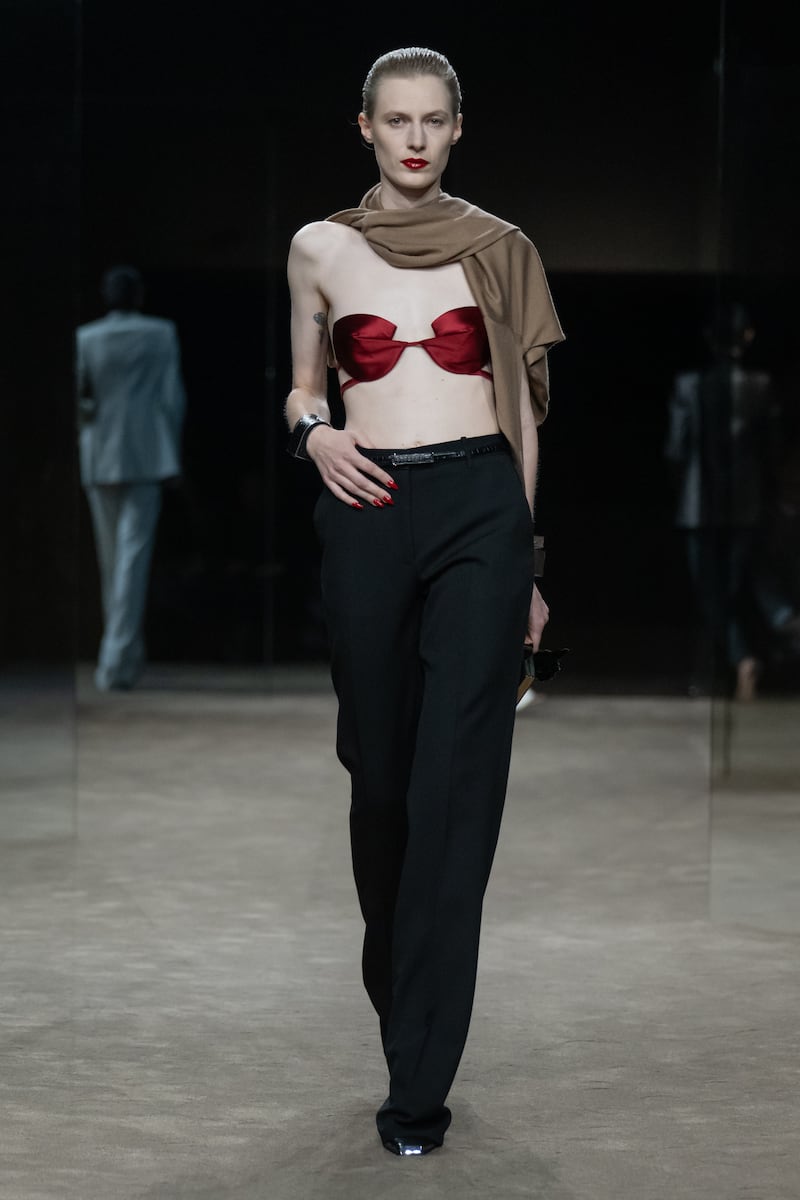
Prudishness is more prevalent than it was 30 years ago, when founder Tom Ford was at his peak, rewriting the rules of seduction with an assist from Halston. Ackermann evoked that moment without replicating it, playing with cut, material and colour — and the tension between control and abandon just waiting to be activated on real bodies. The result was taut and dramatic.
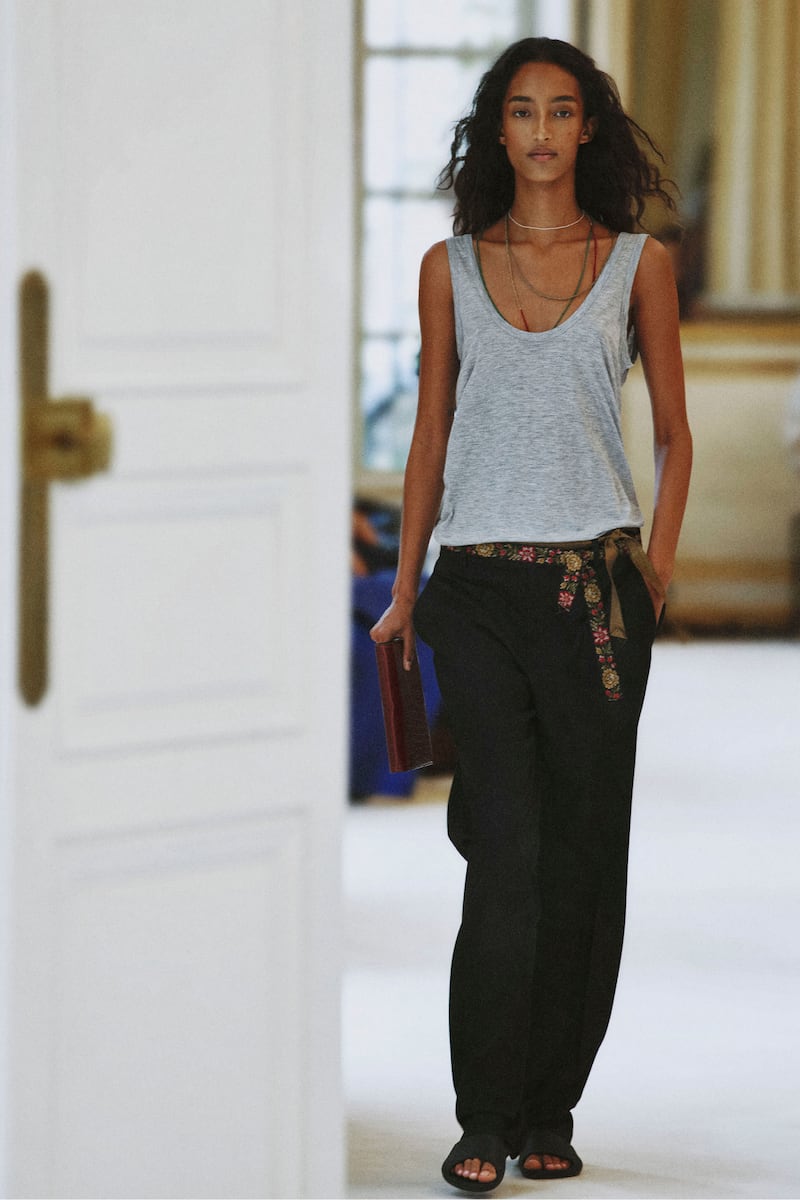
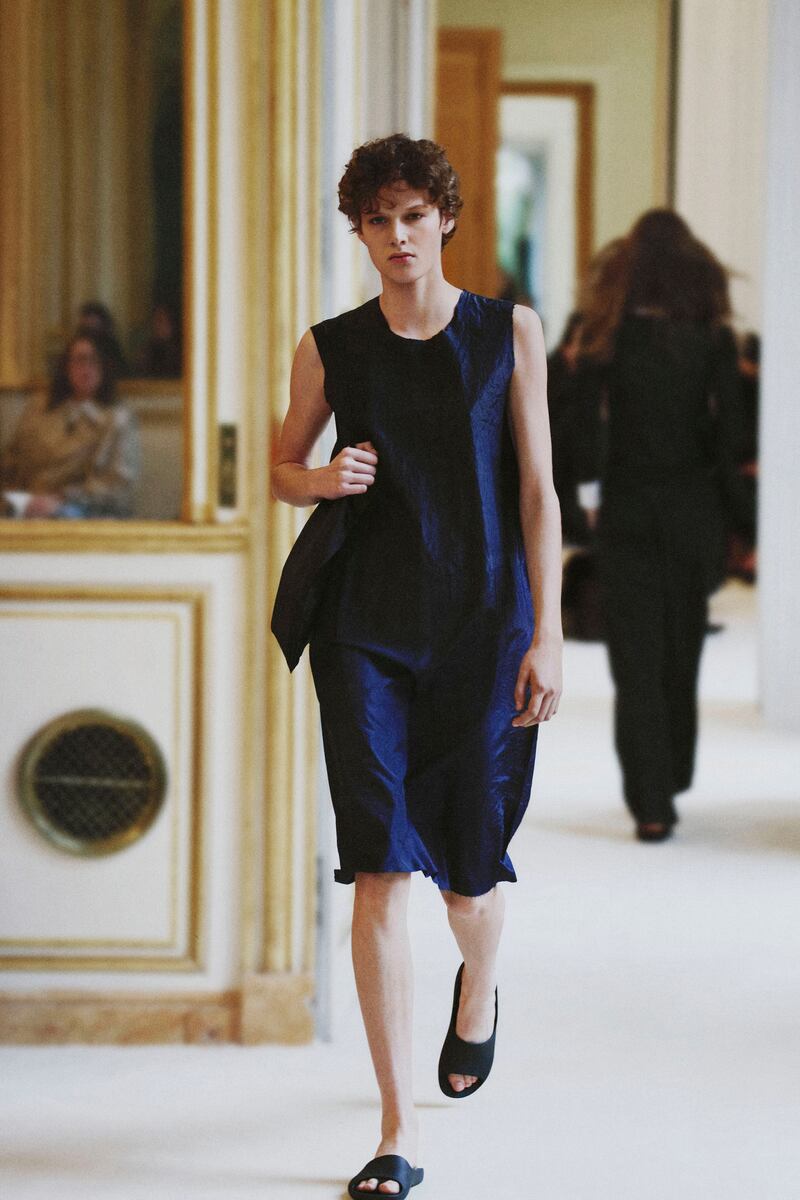
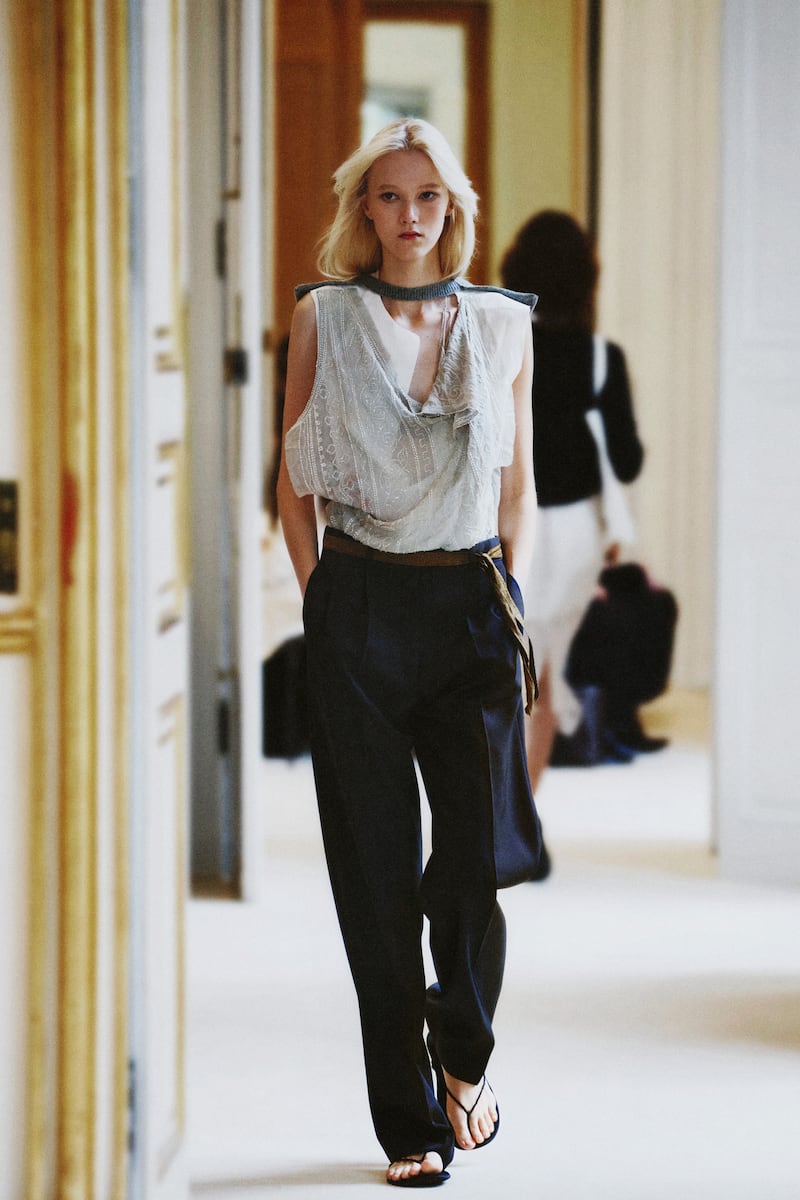
After years of monastic volumes, ascetic abstractions and plenty of nods to the Japanese, Ashley and Mary-Kate Olsen stripped things back even further this season. What they sent down the runway on makeup-free models at the patrician Paris mansion that serves as their headquarters felt like a vibe shift, as if the designers were letting their hair down a little. These were clothes The Row’s customers already have in their wardrobes: trench coats and tank tops for expeditions into town, as well as minimal pieces for — or acquired on — holidays around the world, but everything felt perfect and staggeringly precious.
ADVERTISEMENT
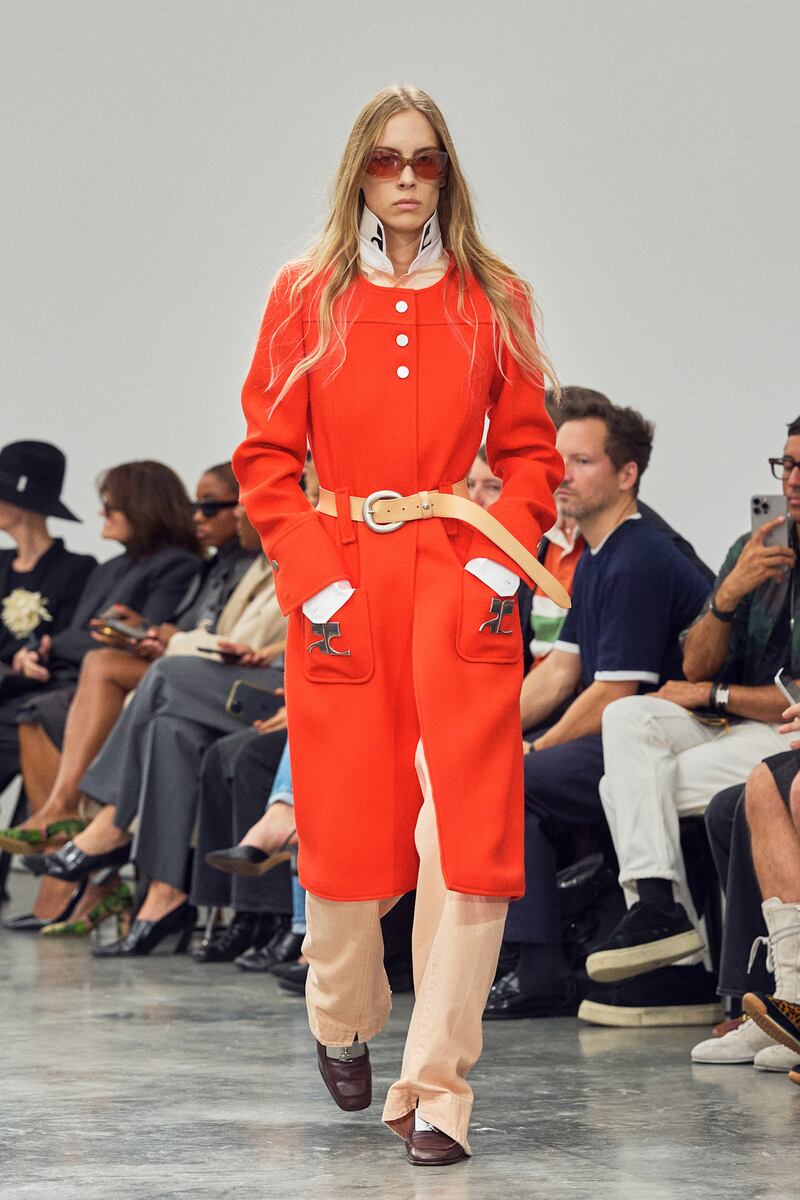
At Courrèges, Drew Henry’s debut as creative director was a genuine reset at a house so closely linked to the Space Age. Gone were the 1960s, intergalactic overtones, the sharp lines and the plastics. In their place came an abstract chaos of shapes and colours that somehow felt realistic, save for colourful headpieces pulled from the archive. Clothes appeared to have been thrown together almost at random, playfully, without the need for explanation or justification. It was sprezzatura by way of Phoebe Philo — fairy godmother to an entire generation of designers — with whom Henry worked both at Celine and her namesake label. And therein lay the problem.
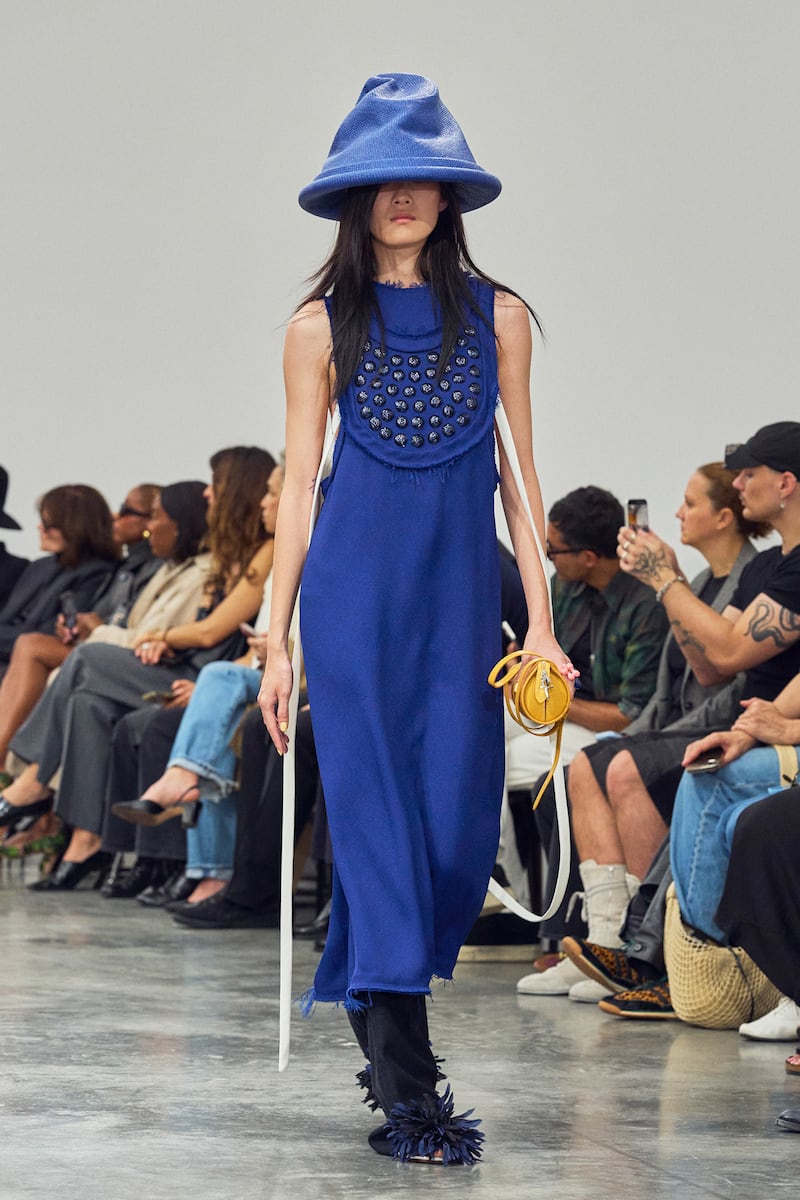
Henry said he wanted to capture André Courrèges’ disruptive energy and eye for new generations — the intention rather than the codes, which is all well and good — but what ultimately emerged on the runway was a strangely familiar language.
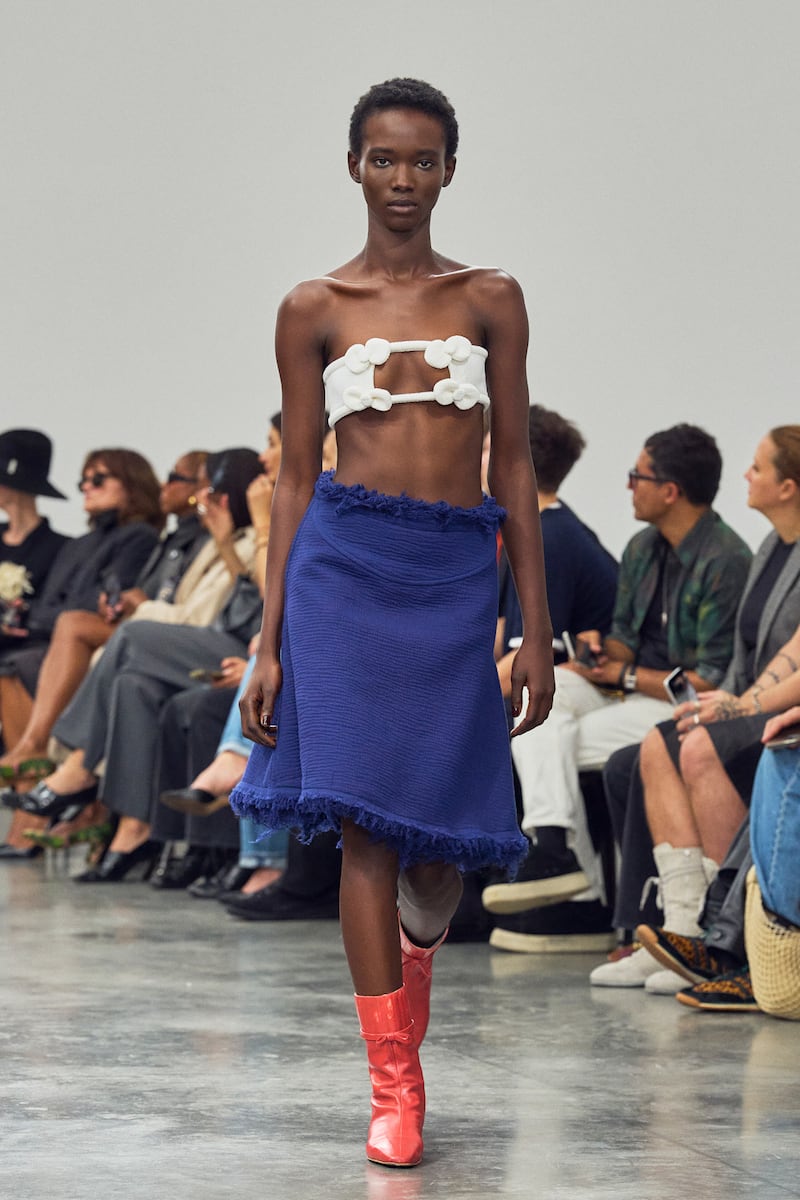
Still, this was a debut, and it can take time for designers to develop and articulate their visions. For next time: less Phoebe, more play.
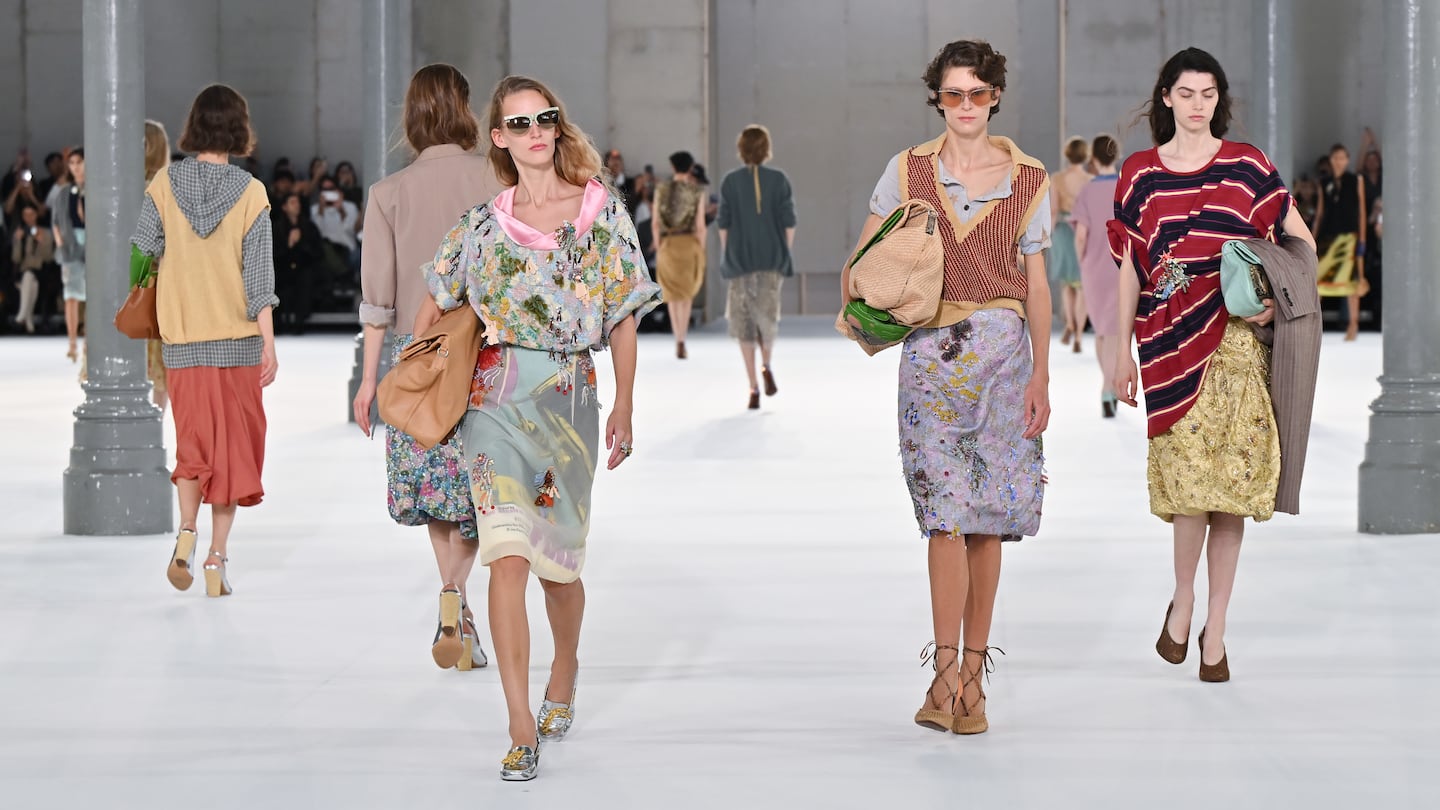
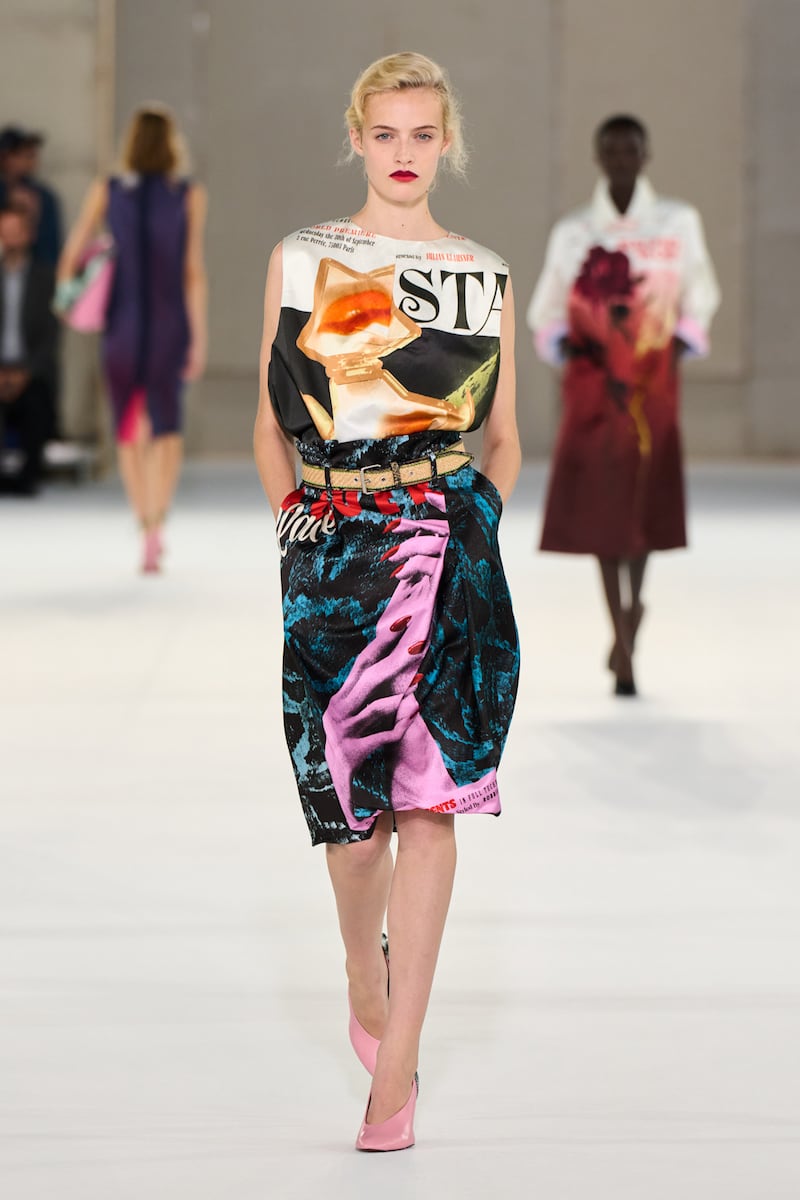
At Dries Van Noten, reality is always dusted with magic, coated in sparkle and steeped in painterly colour, but grounded in a Belgian sensibility that shatters any sugary glaze and turns the whole thing into real clothes, just a few crucial millimetres off-kilter.
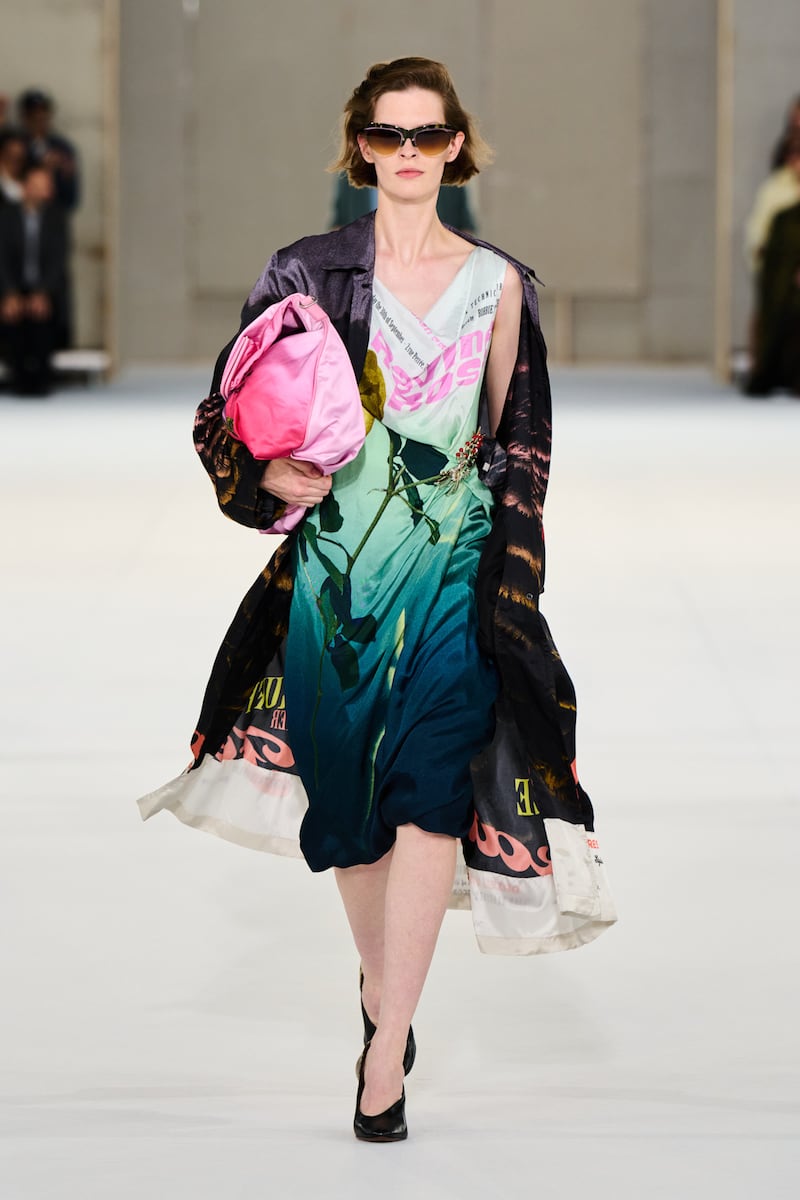
This season, the sparkle was everywhere. Julian Klausner, the house’s capable creative director, tackled cinematic glamour, presenting what appeared to be a charming kaleidoscope of off-duty stars returning to reality after a day on set.
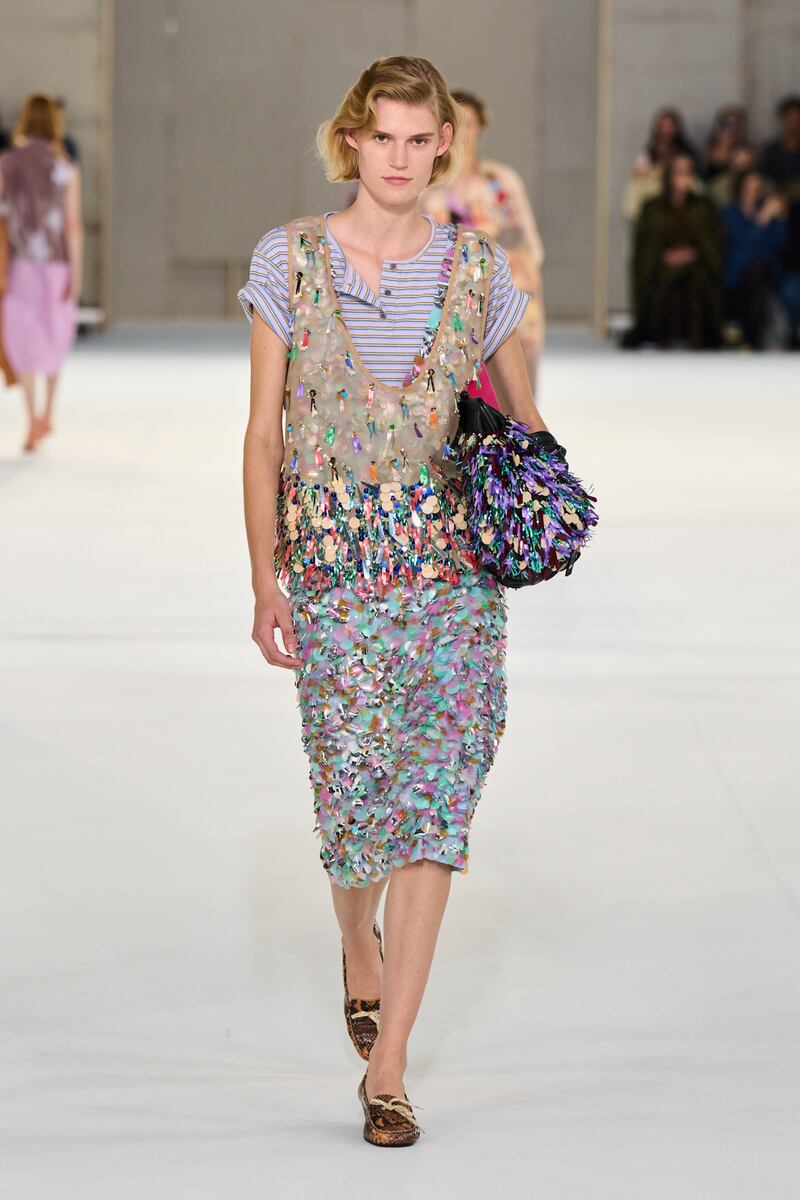
That transitional state, combined with an innocent, instinctive approach to putting clothes together, made for a vision of glamour that was just a little undone, not quite perfectly held together — much like life itself. With imaginary movie poster prints, glittering brooches and cocktail motifs, this was paradigmatic Dries: fresh and real.
At Balmain, Antonin Tron returned to the paradigm of Christophe Decarnin, architect of the house’s first revival in the 2000s: plenty of sex appeal, but without artifice or the obligatory superstructures of seduction. Tron’s hand is more angular, at times heavier, yet paradoxically less conspicuous. His work, so far, is commendable, but it does not lean decisively in one direction or another. Still, the designer deserves credit for resisting the temptation to turn seduction into camp or sex-club theatrics, keeping it instead — at least as far as runway fashion fantasies go — more grounded in reality.
Loading recommended reads…
Opening in Q4 2026 on Saadiyat Island — at the heart of Abu Dhabi’s cultural district — Saadiyat Grove brings together luxury retail, hospitality, residential living and culture in one of the emirate’s most ambitious new developments. BoF speaks to Jonathan Emery, chief executive officer of Aldar Development, about the strategic vision behind the project.
The designer leaned into the glamour and sex appeal of the storied Parisian fashion house. Sales nearly tripled during his tenure before sliding in recent years.
BoF’s editors pick the best shows from the Spring/Summer 2027 fashion season.
Brands may be racing to invest in new technology, but the biggest barrier to online sales is far more basic, finds BoF Insights and Amazon Fashion & Sports’ latest report ‘Inside Fashion & Sports E-Commerce.’