FLORENCE — If change is the driving force of fashion, as both a symbolic system and an industry, the Pitti Uomo tradefair is about the seasonal tweak: refinement not rupture. In the stands in Fortezza da Basso, the latest offer is always both different and the same: It’s soft tailoring at Brunello Cucinelli, for instance, and a perfect mix of edgy and relaxed at Rag & Bone; it’s a supple take on outdoorsy for Woolrich and bags so soft and well thought through they look like an extension of personality at Bonastre (a quiet force that’s being more widely recognised, founder Fernando Bonastre having been shortlisted for this year’s Andam Prize).
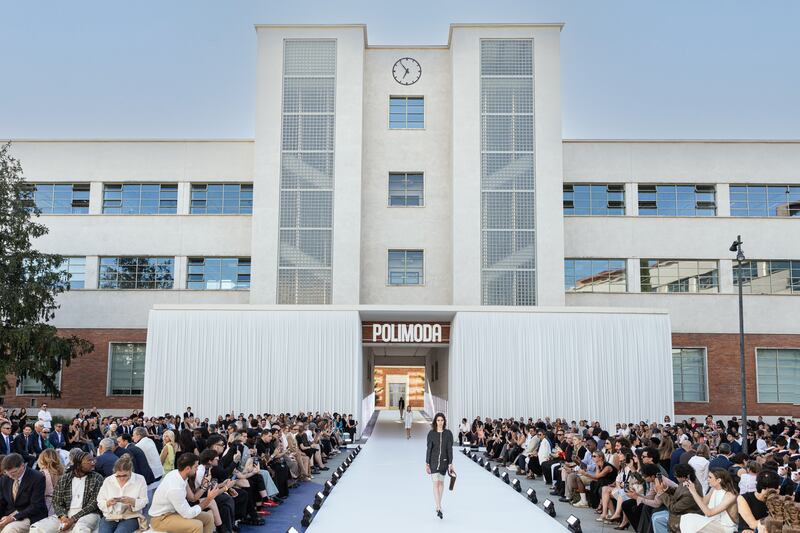
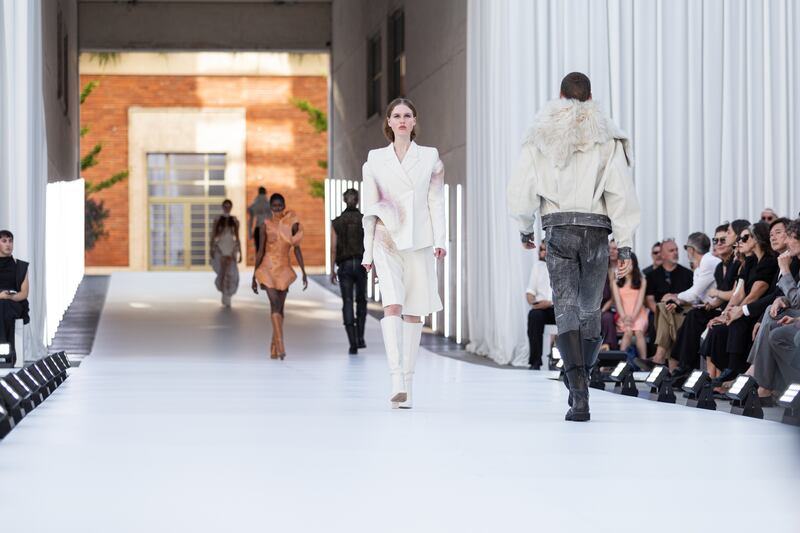
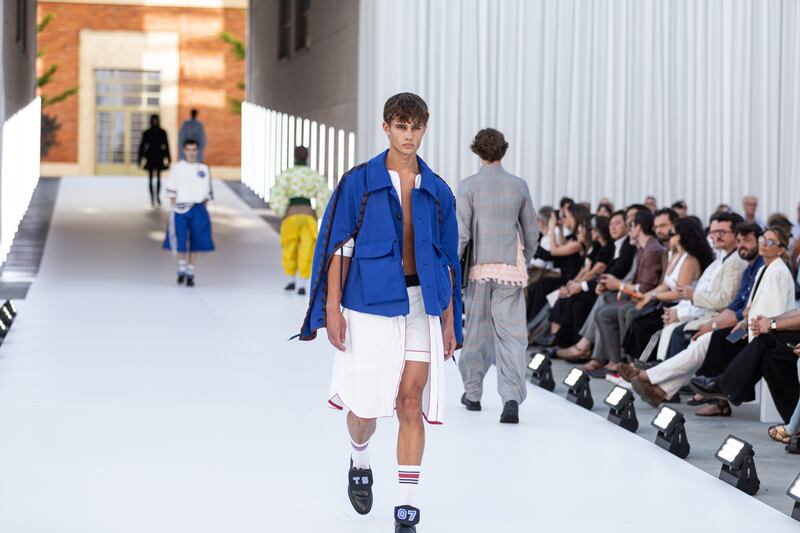
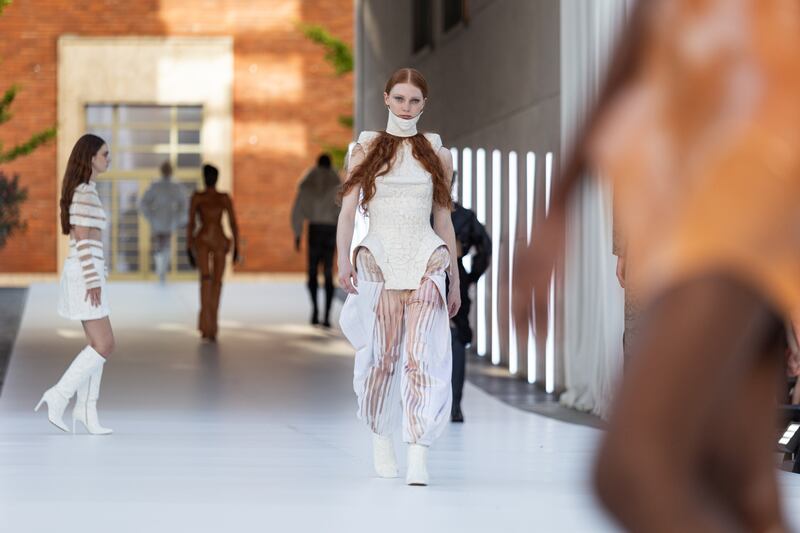
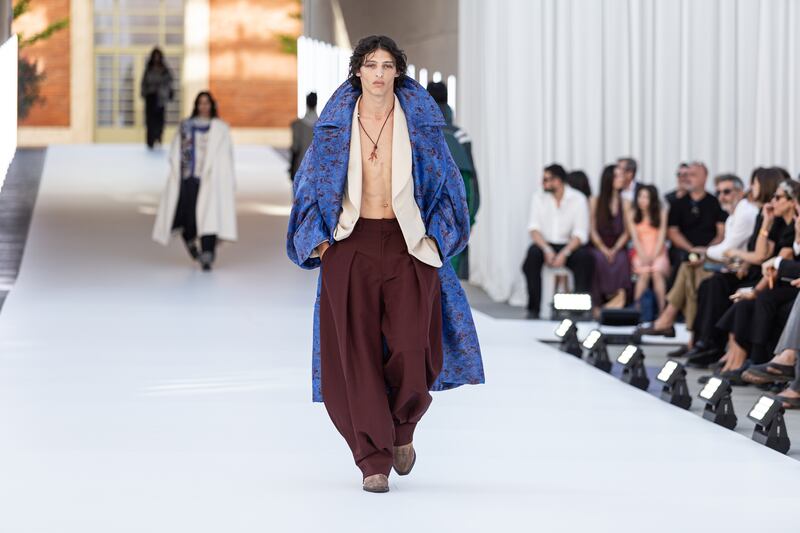
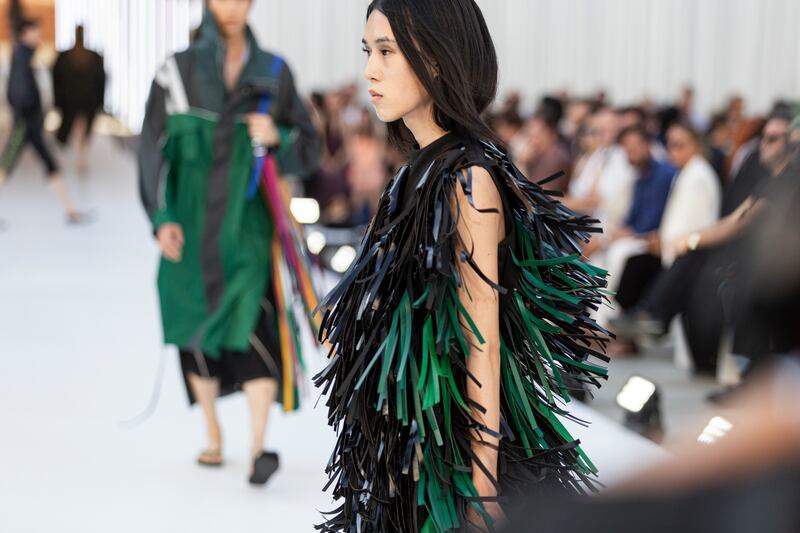
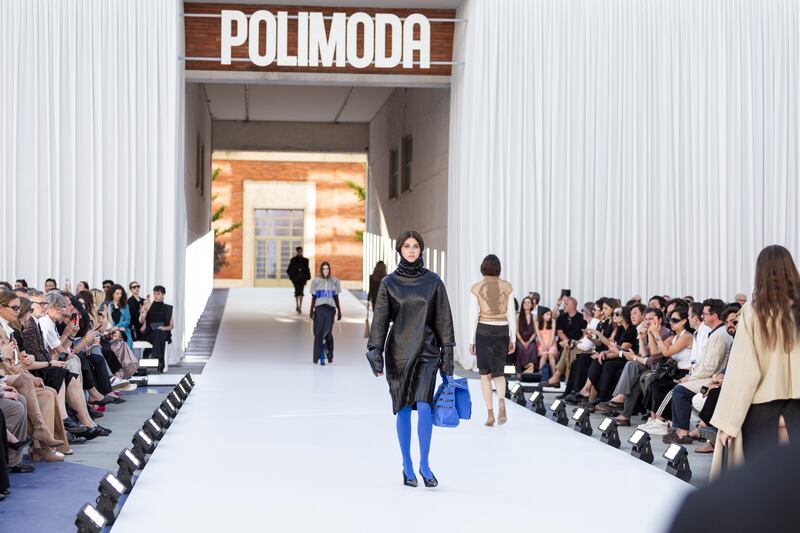
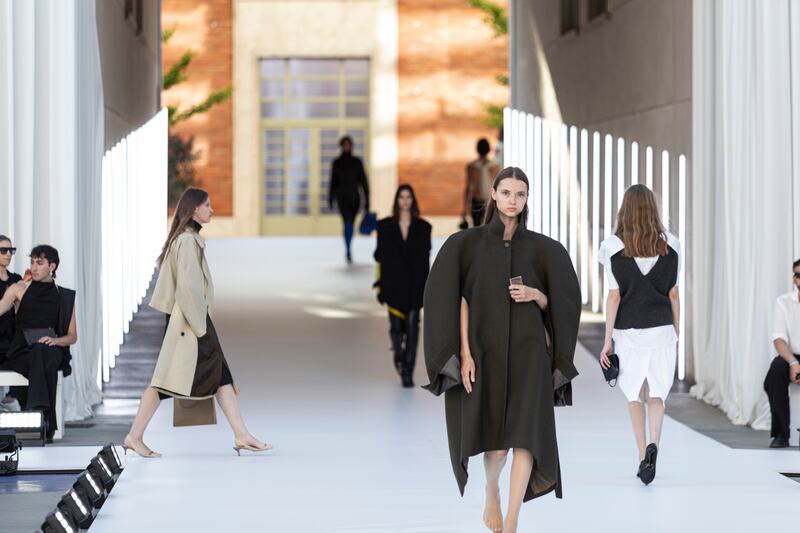
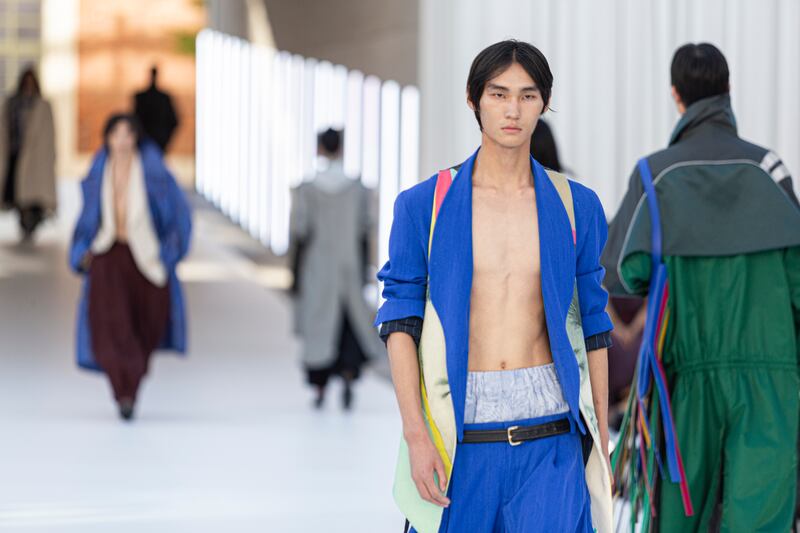
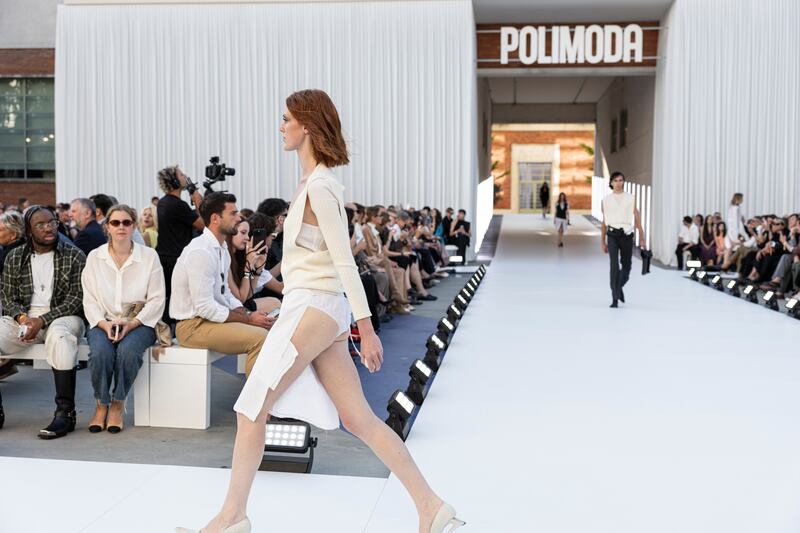
It’s what happens at the edges of the fair itself that offers real food for thought. This season, the programme kicked off Monday evening with Polimoda’s graduate show. It can be thrilling, especially in a country so inherently resistant to generational turnover as Italy, to see what the kids are concocting — and yet the outing seemed symptomatic of a stale moment in culture. There was a wide range on offer: brutalist, baroque, body modification… but very little of what came down the runway had the raw energy one expects from students. Instead, we got Margiela tropes, nods to Miu Miu and Prada, Rick Owens-y leanings, Jonathan Anderson homages. Please, give us something we’ve never seen! Make us uncomfortable!
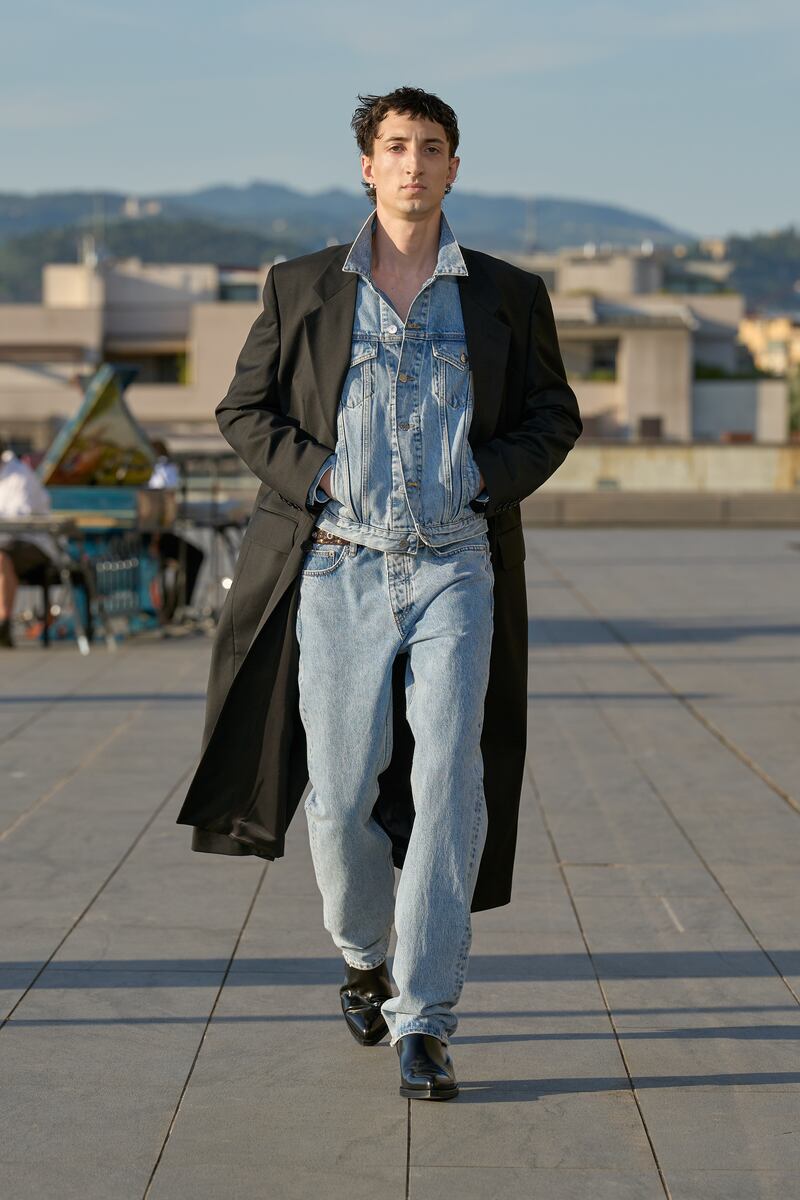
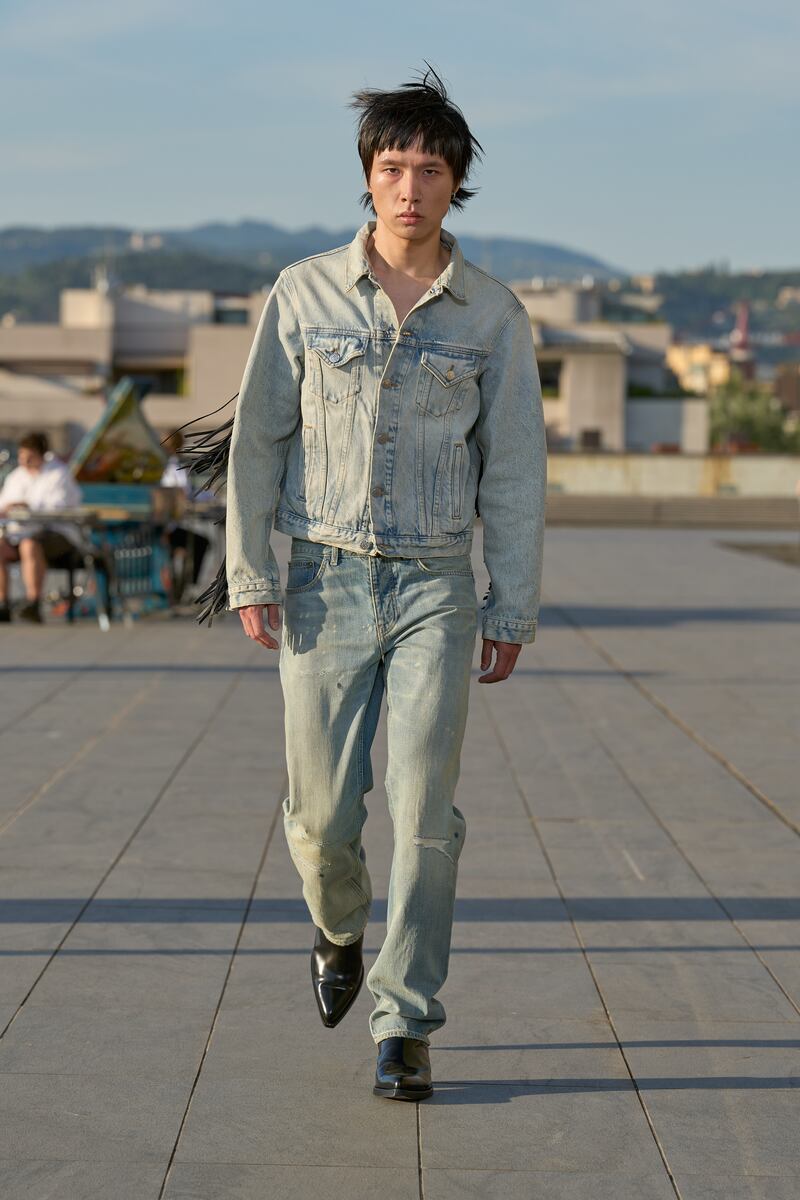
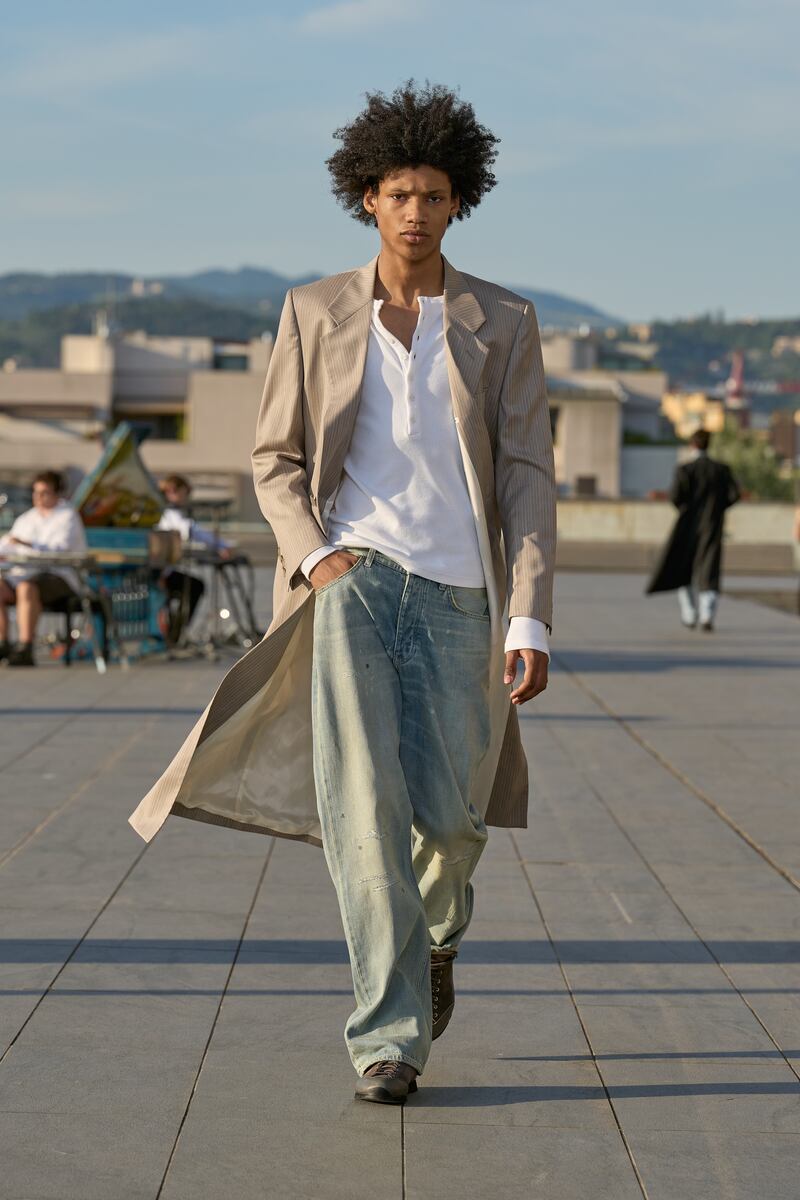
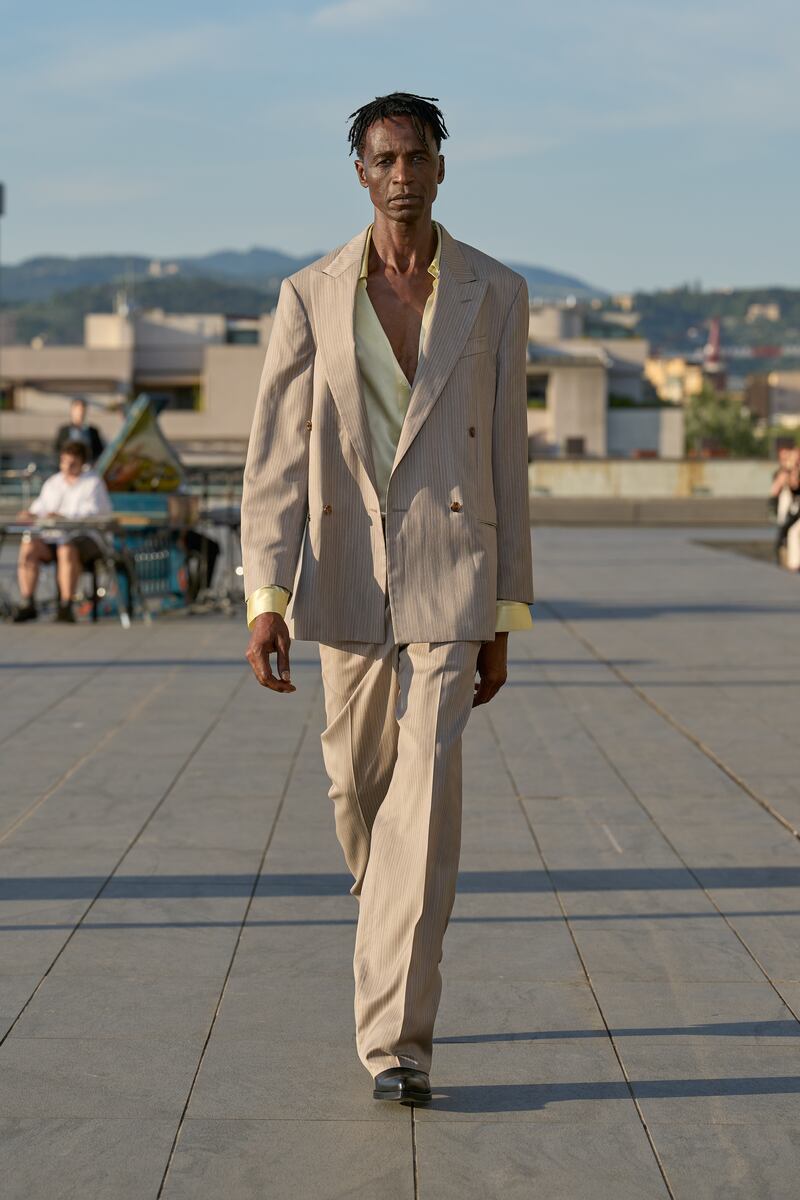
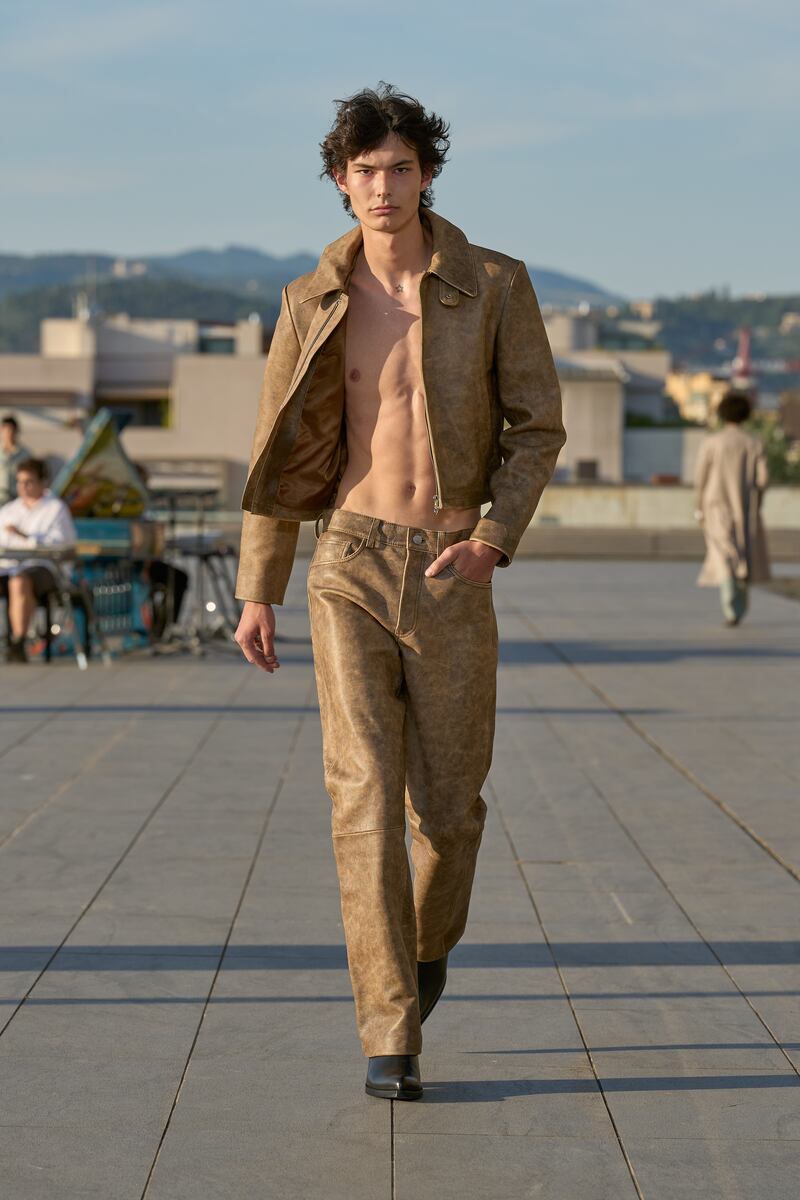
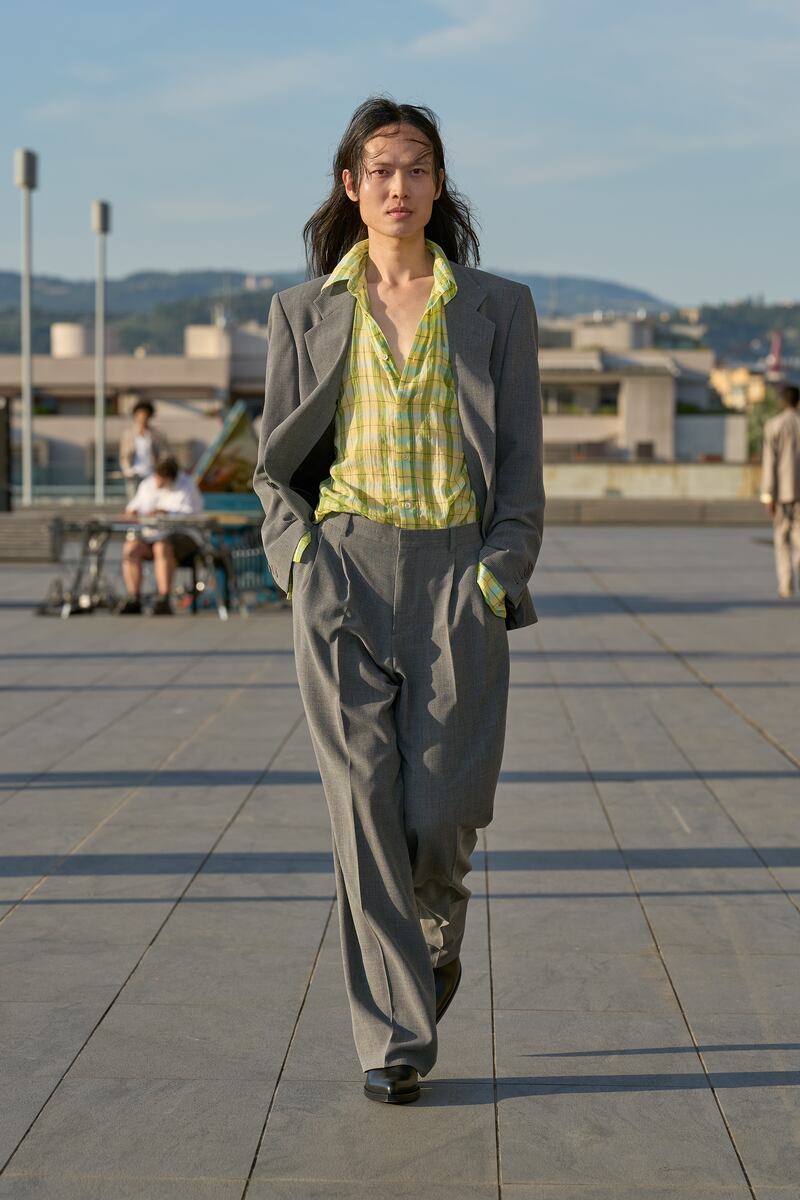
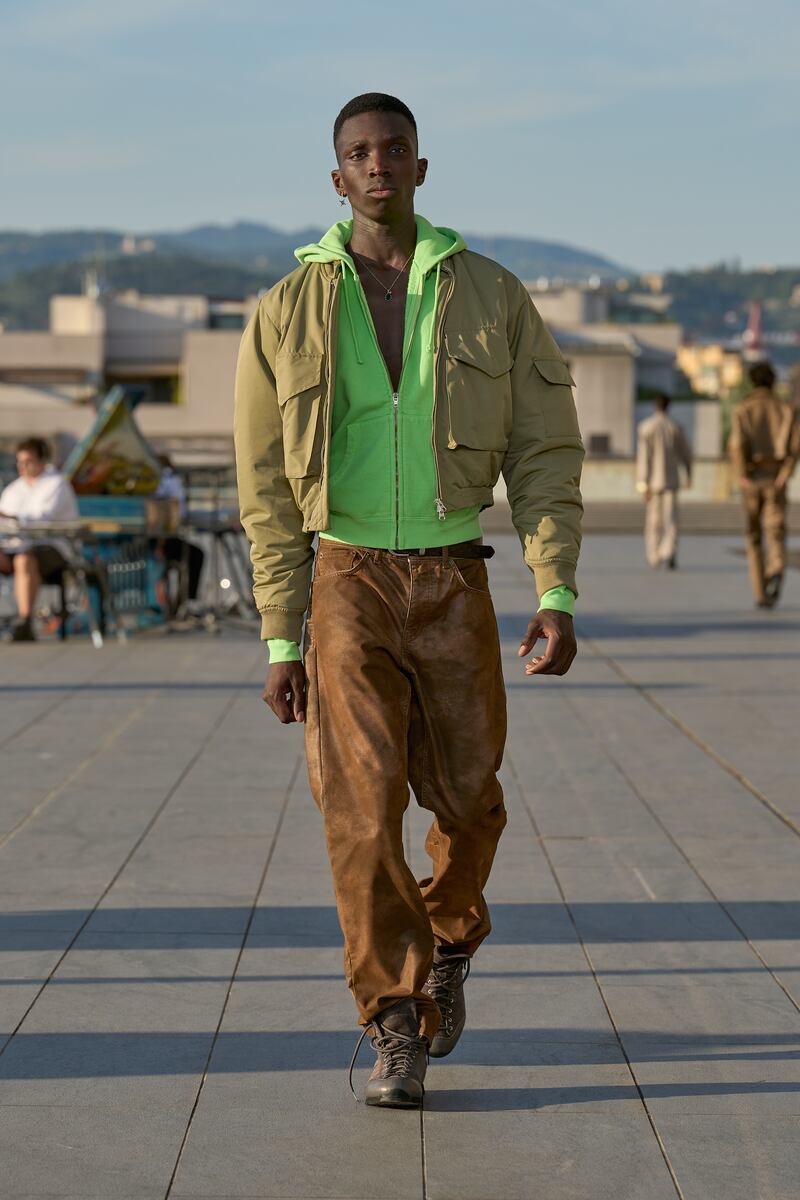
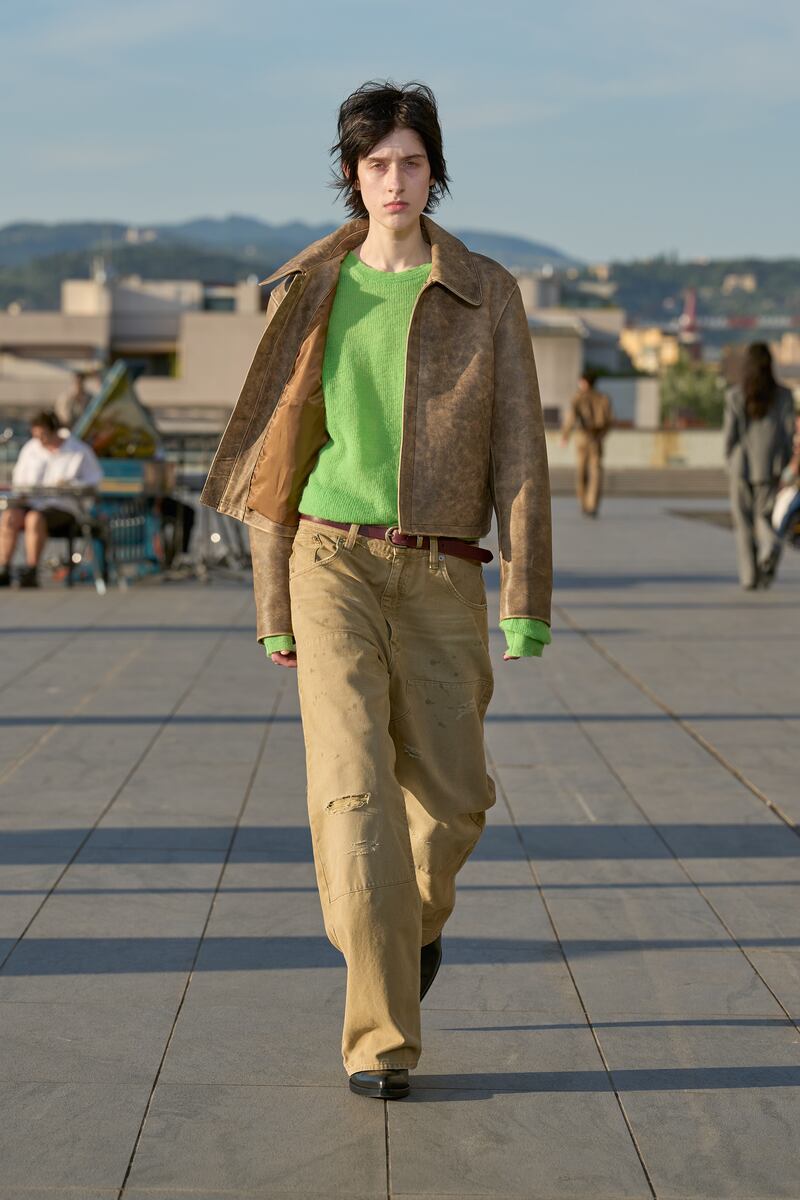
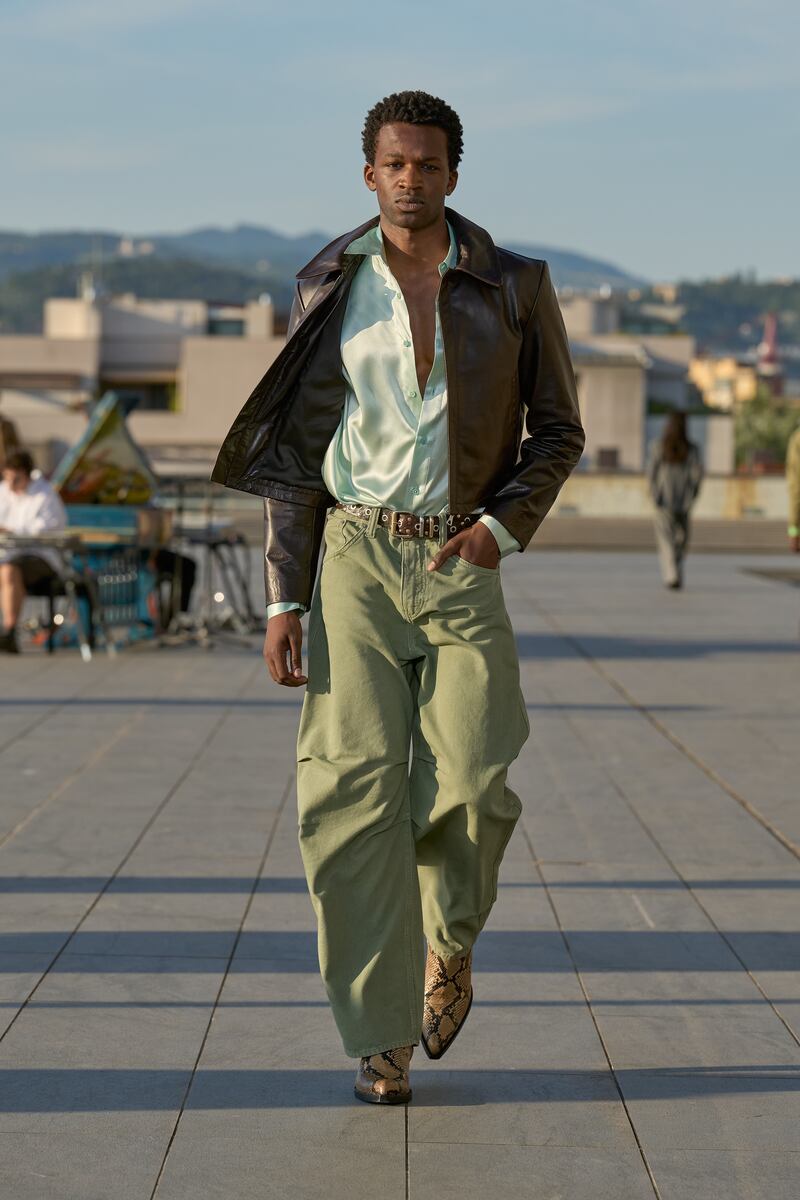
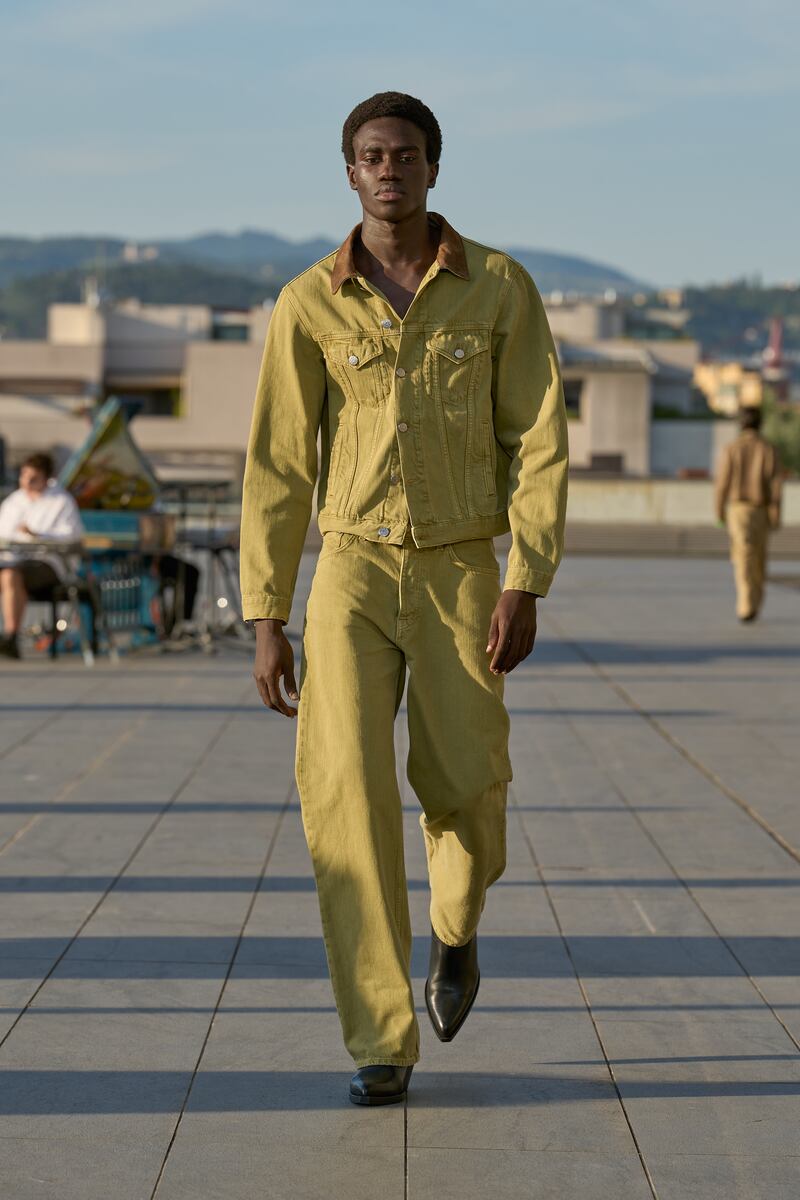
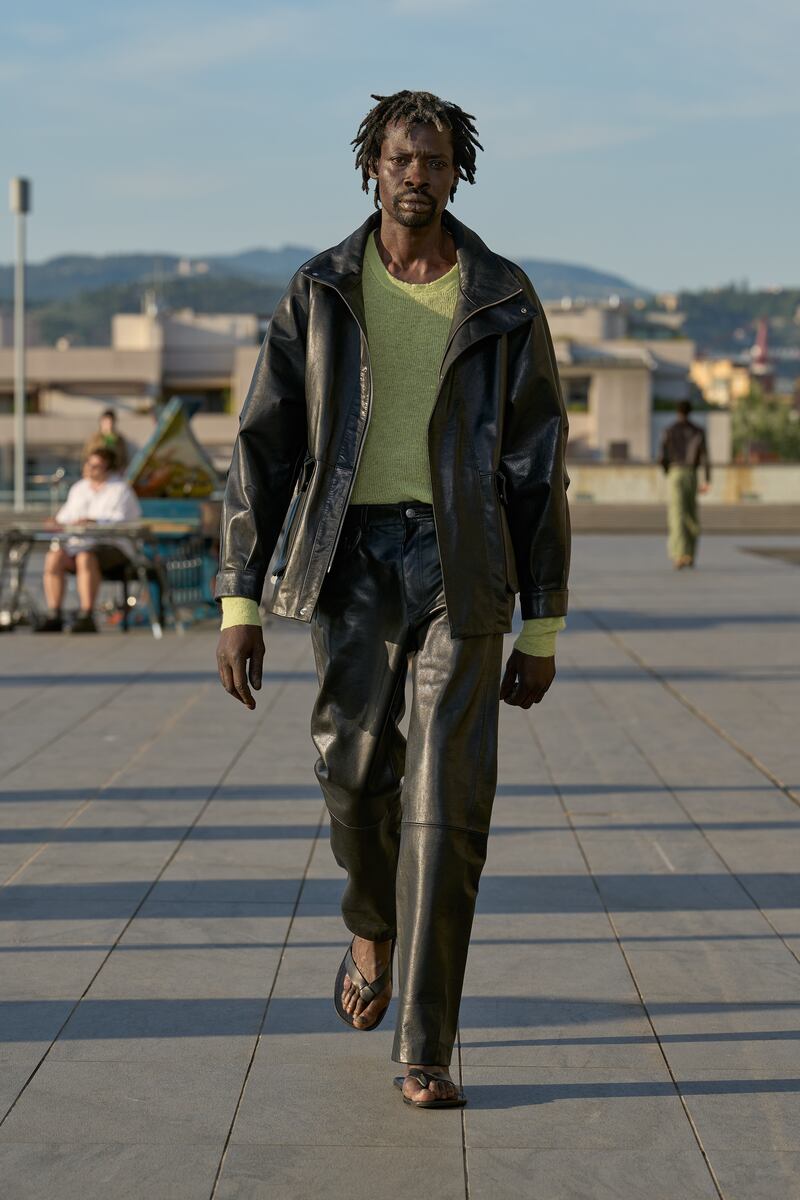
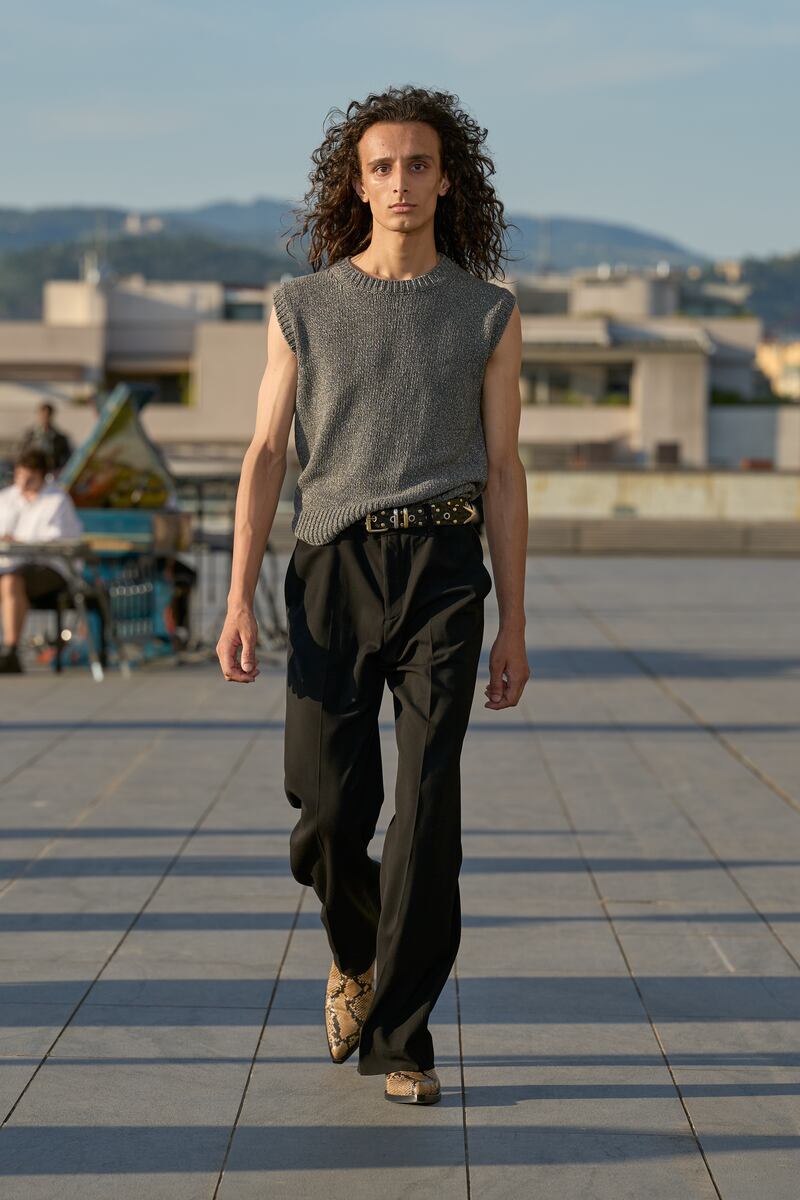
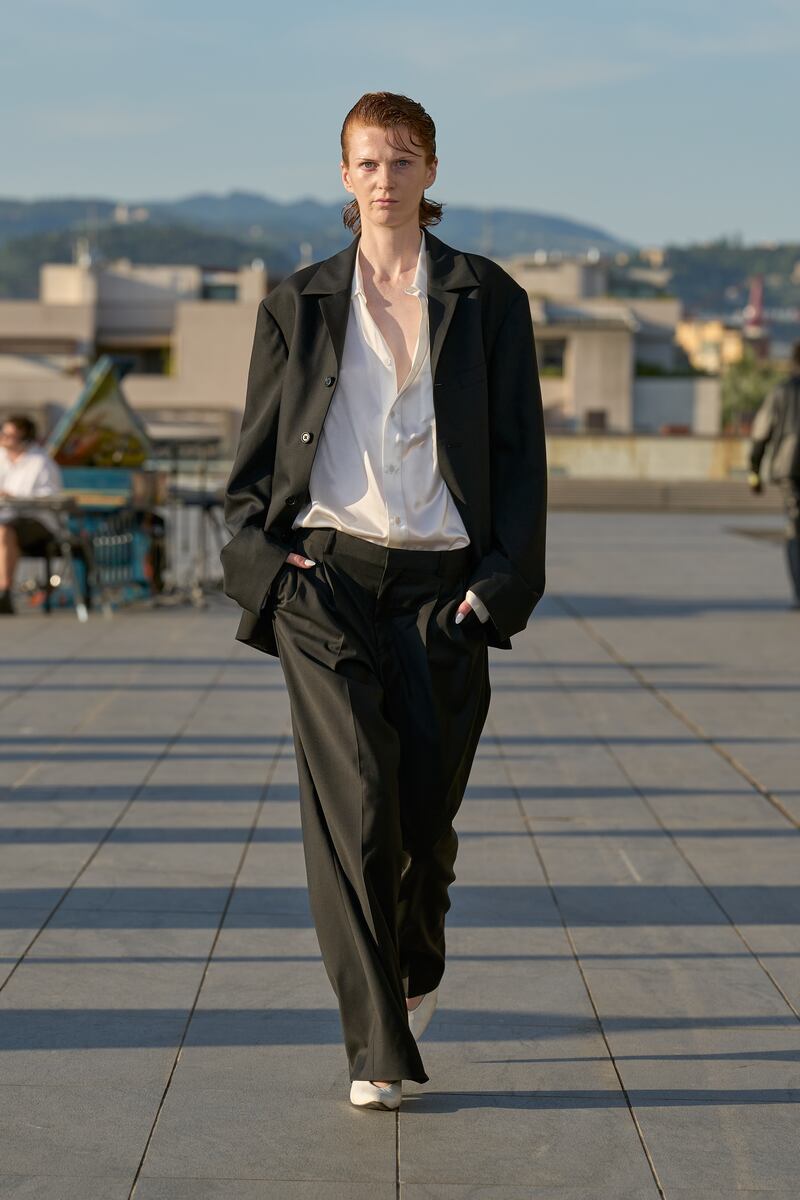
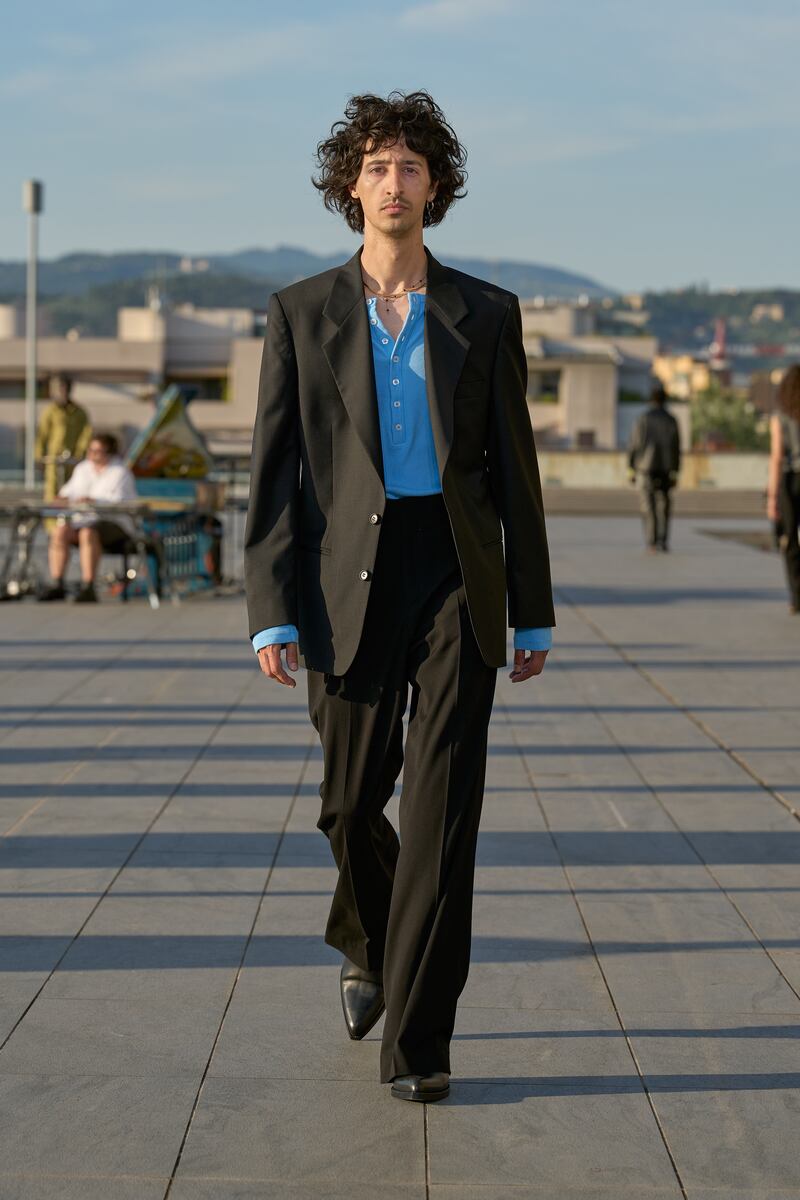
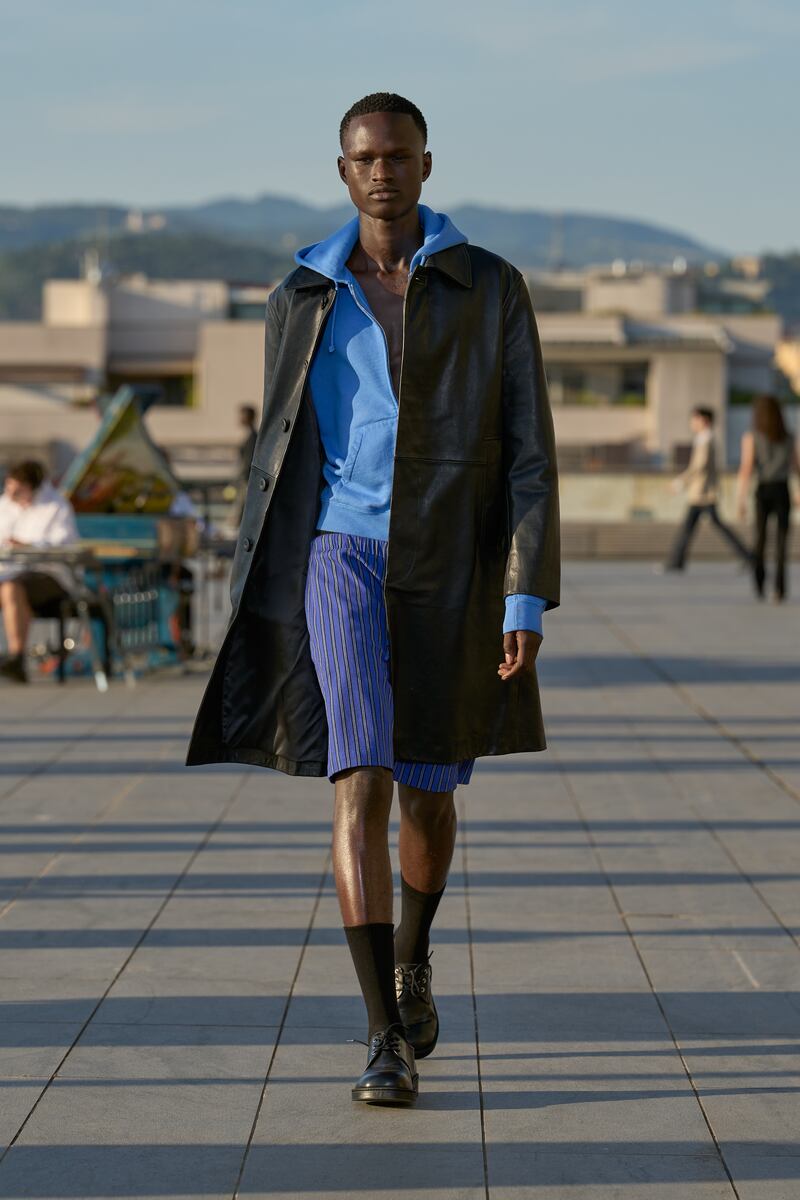
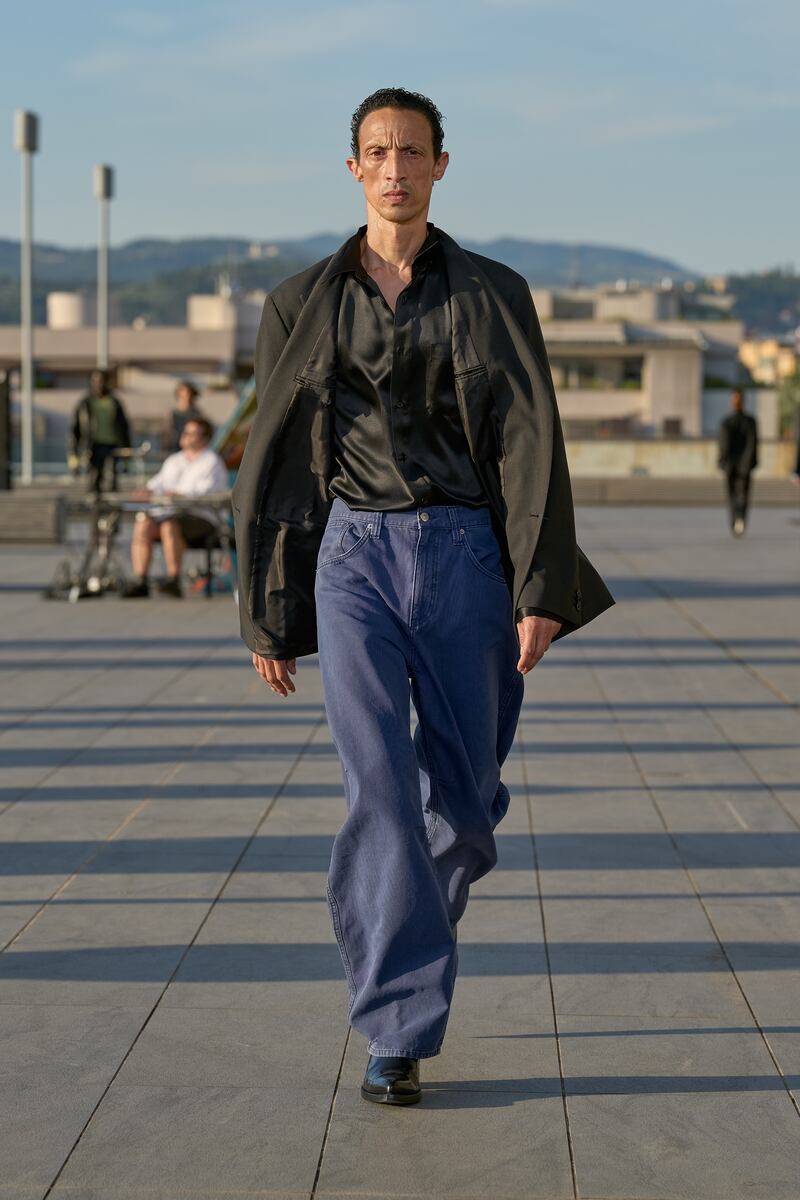
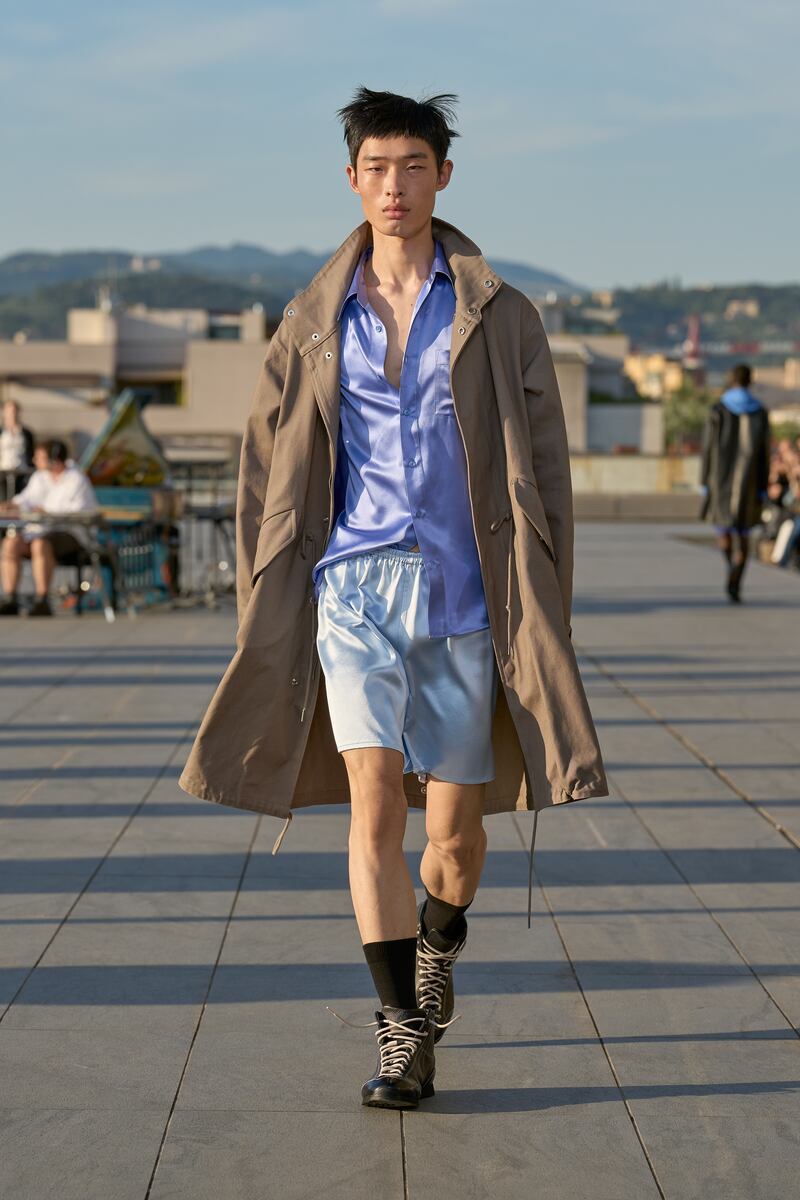
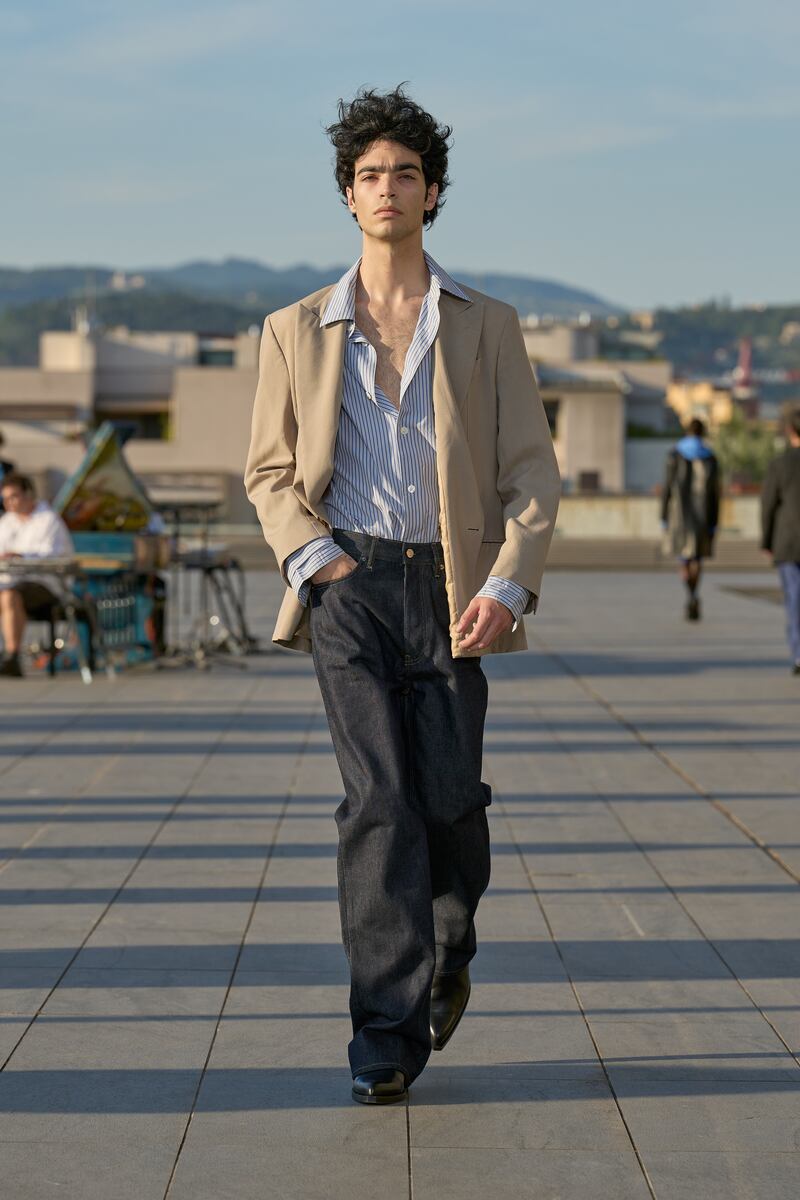
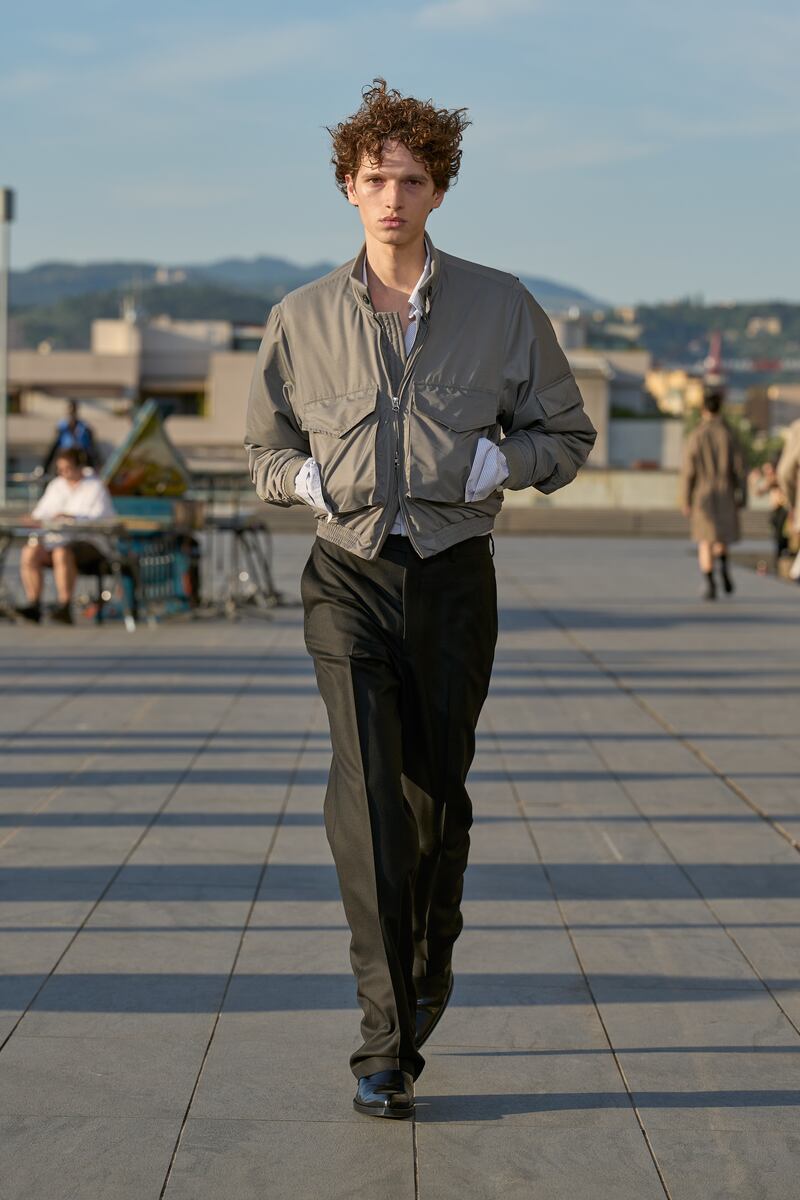
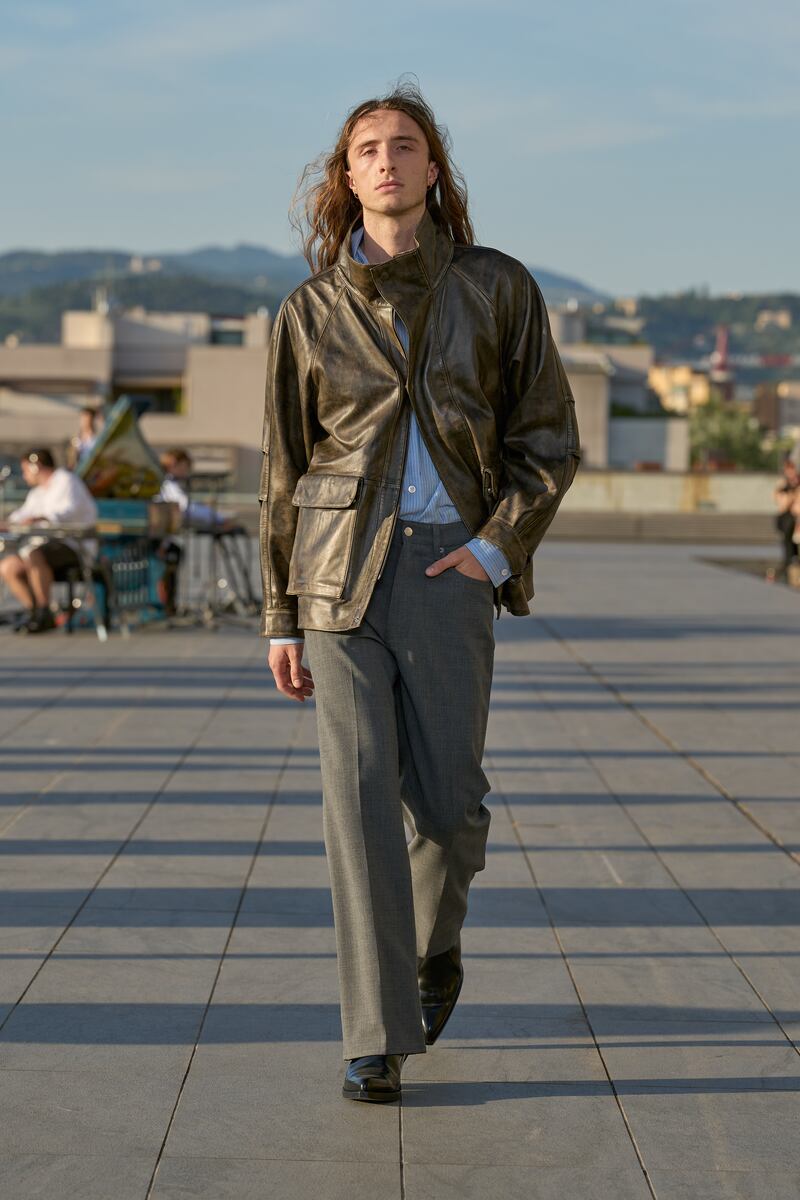
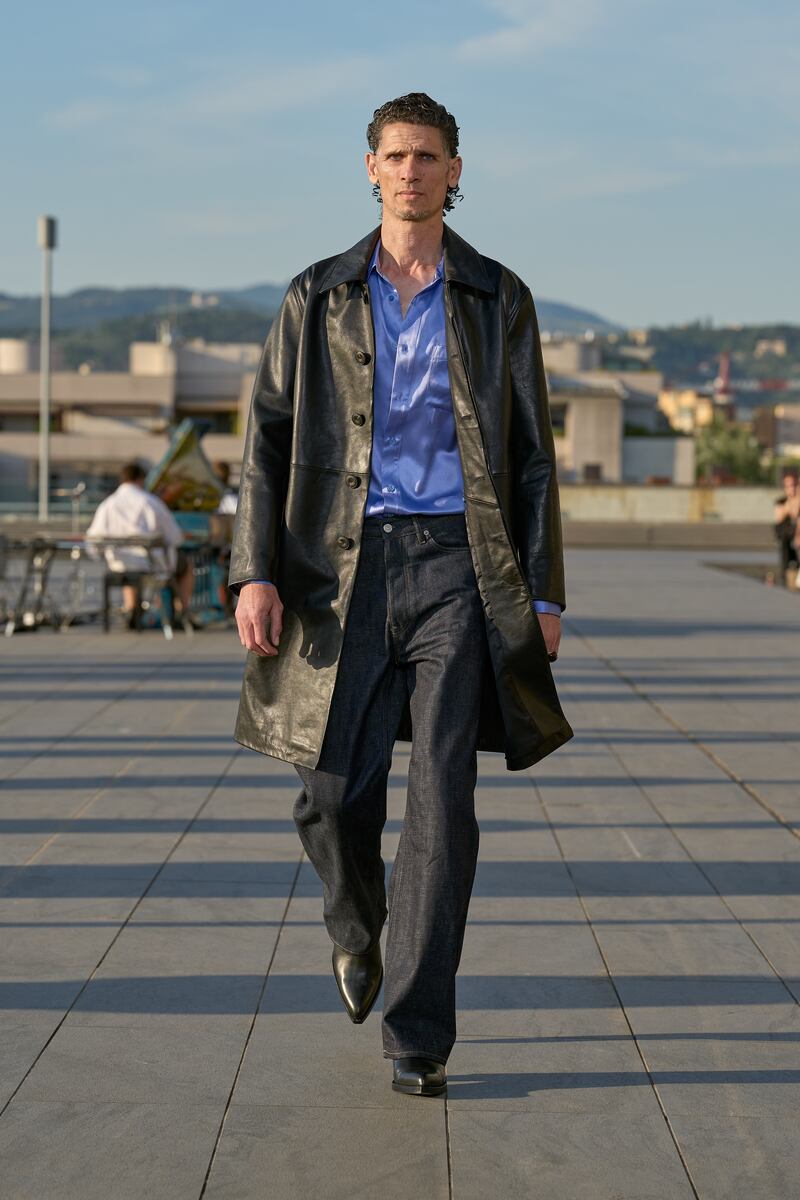
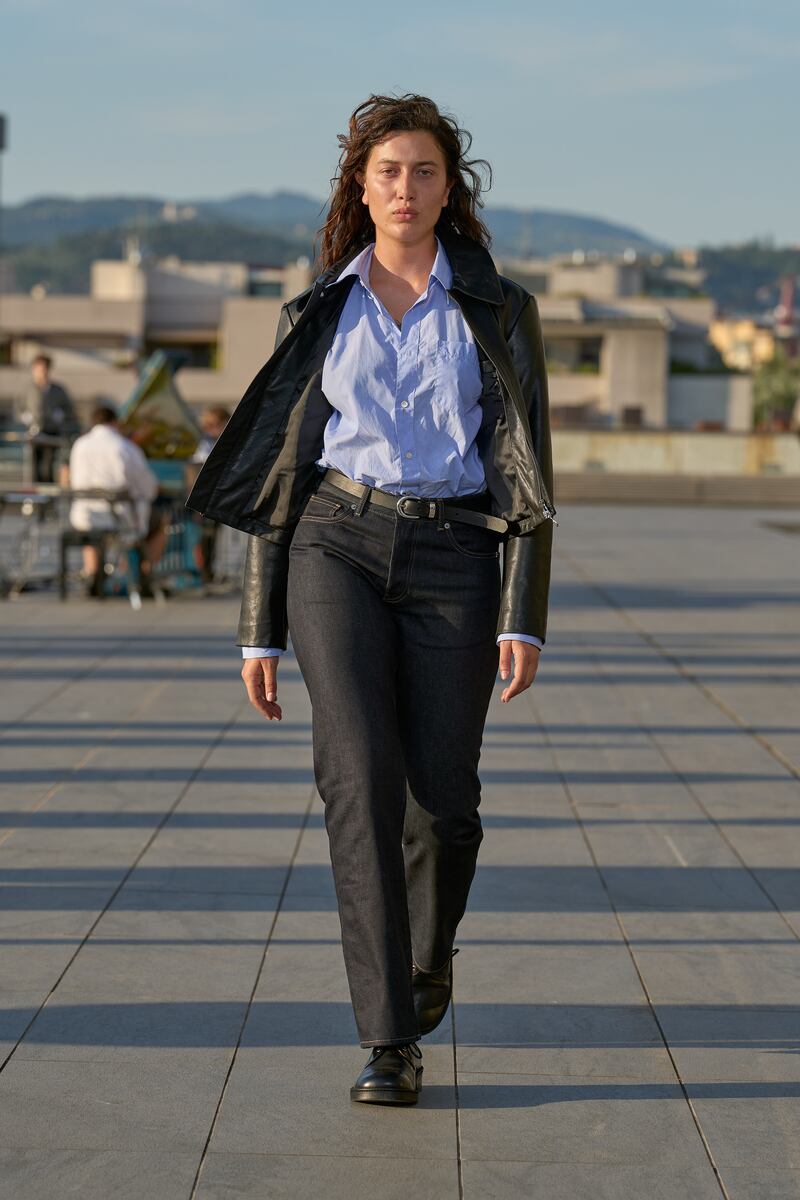
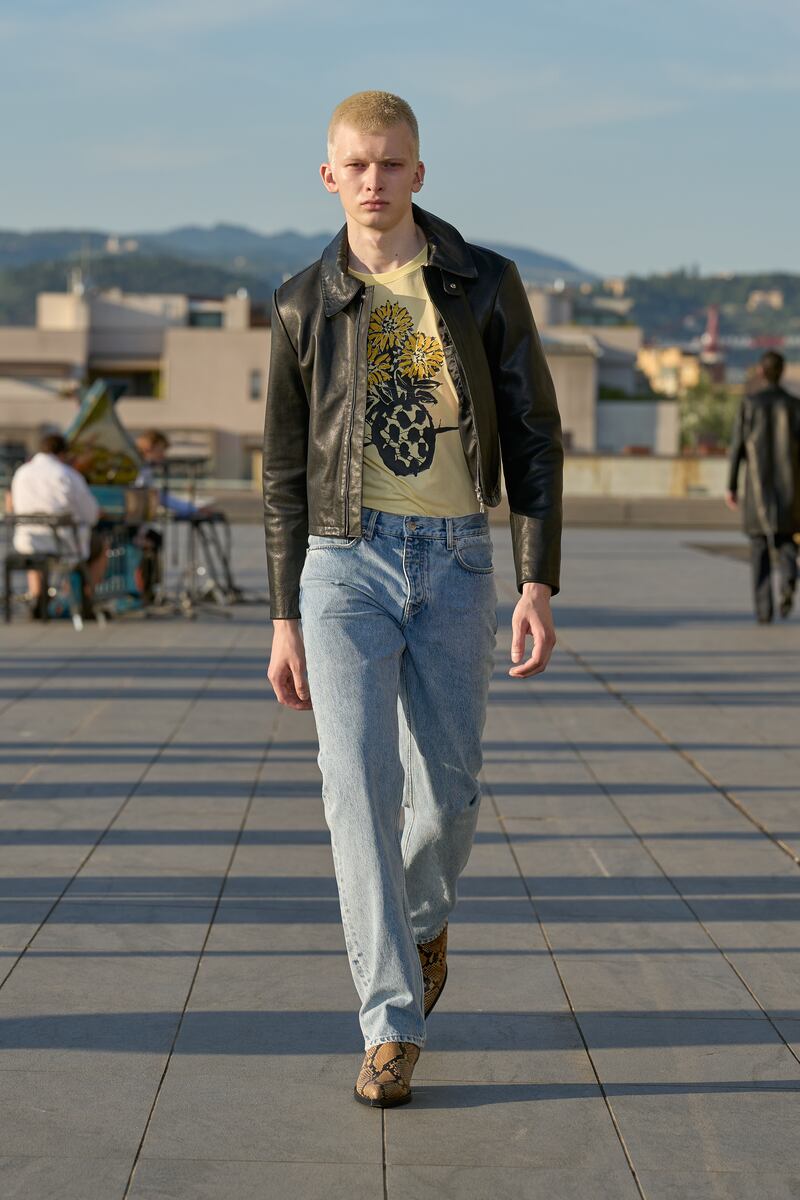
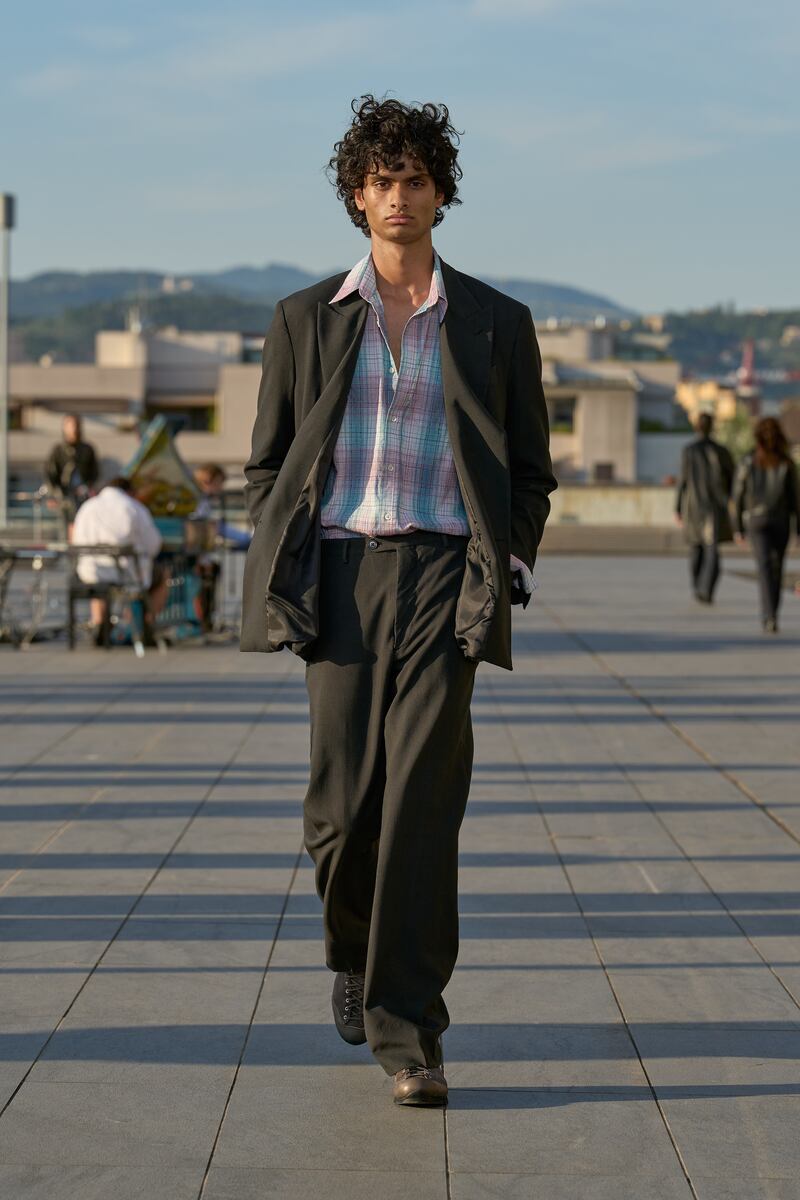
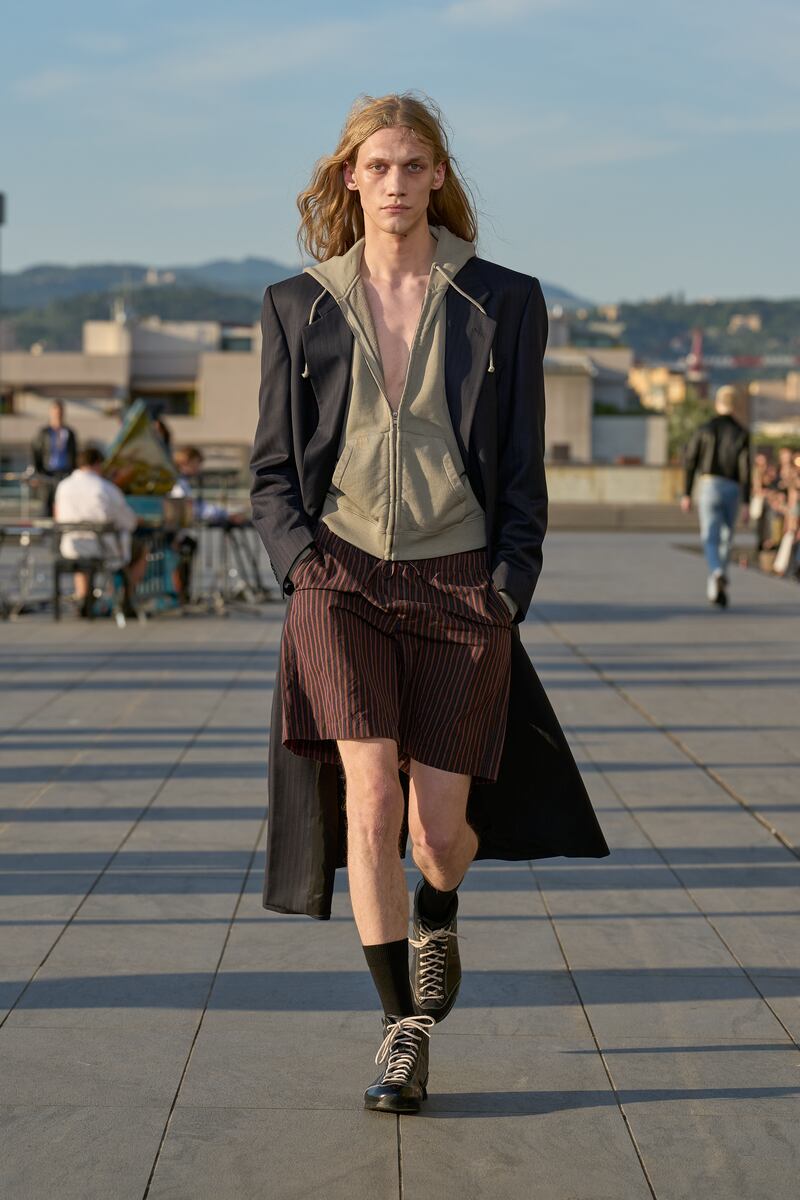
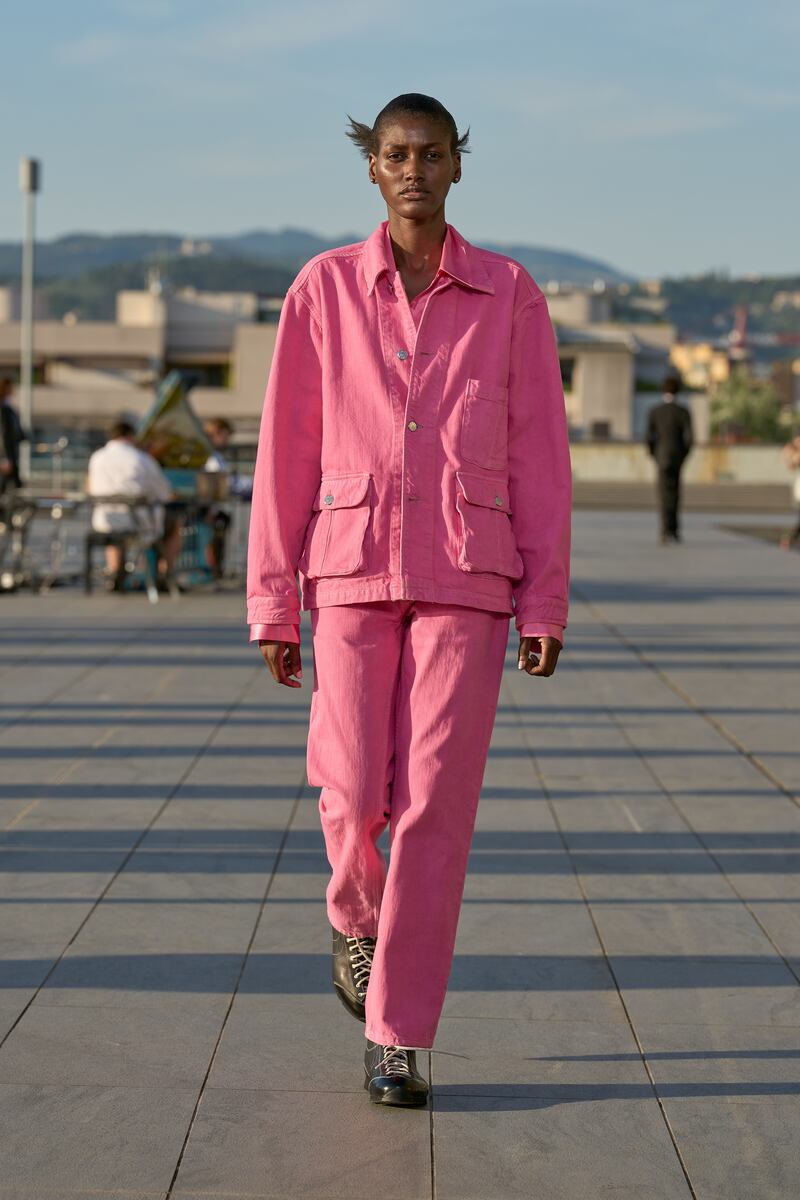
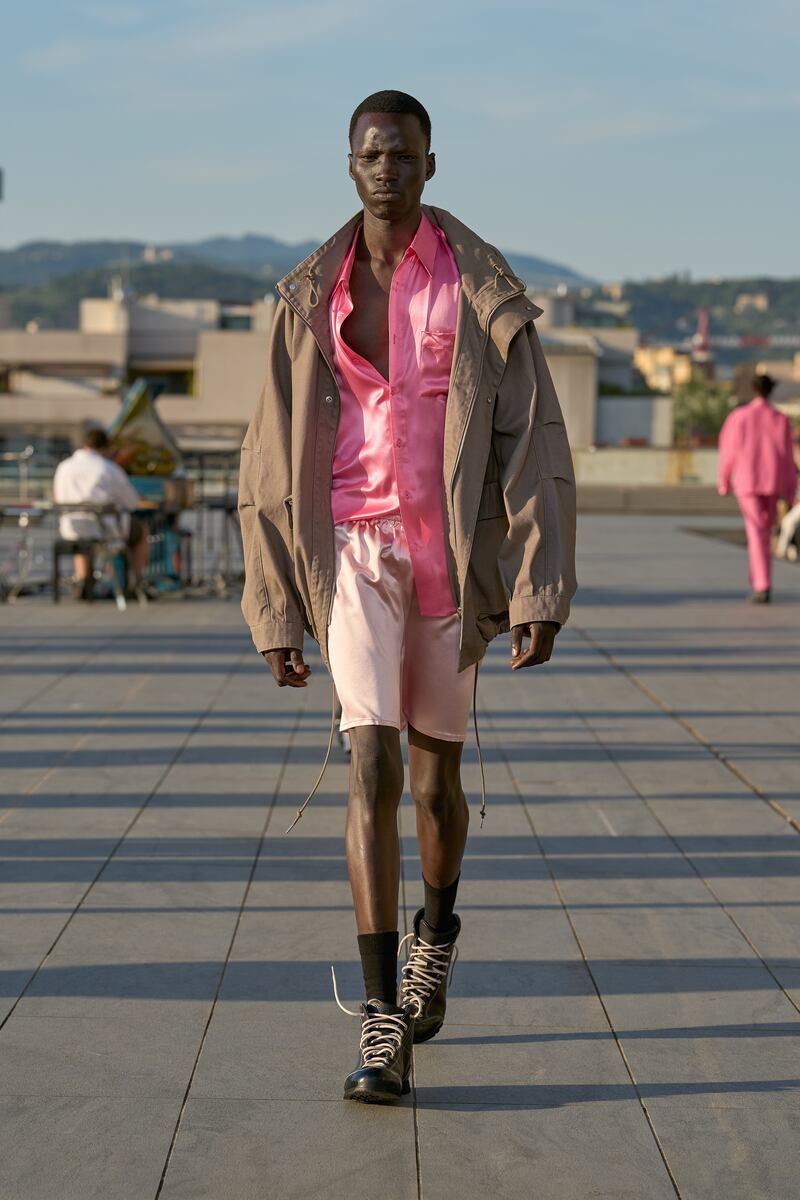
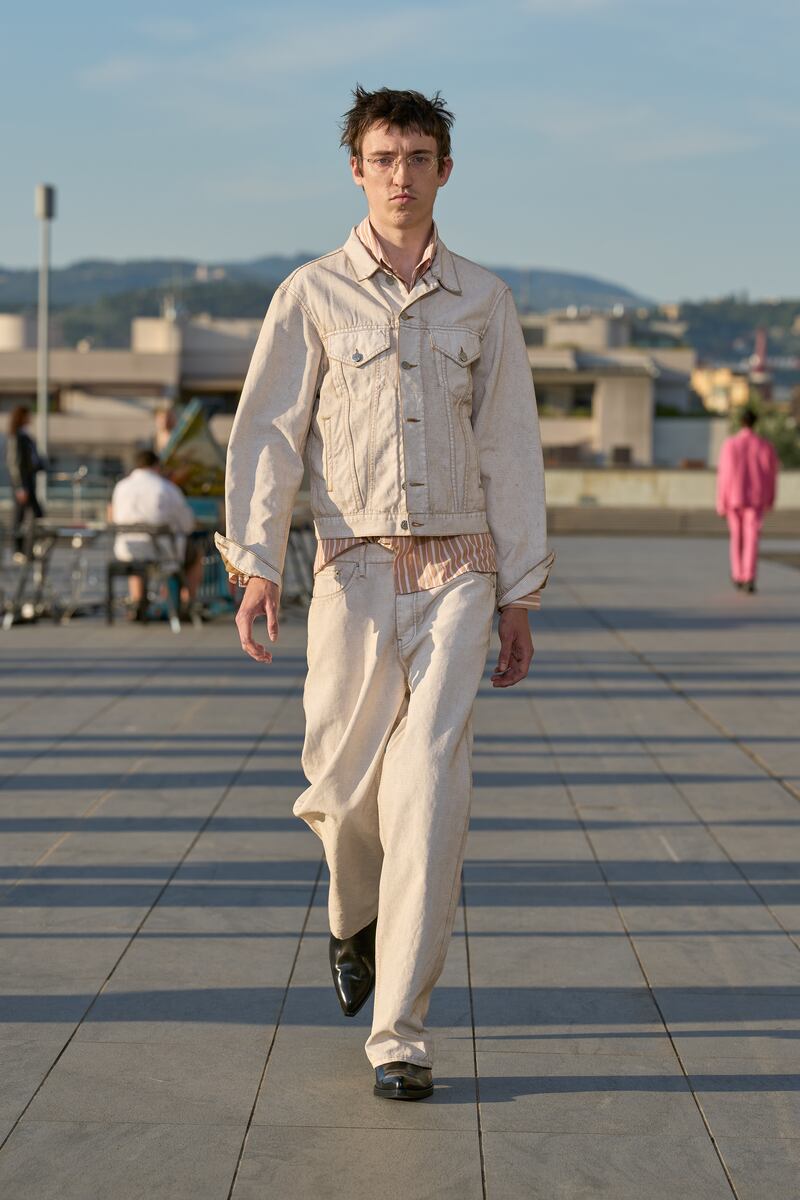
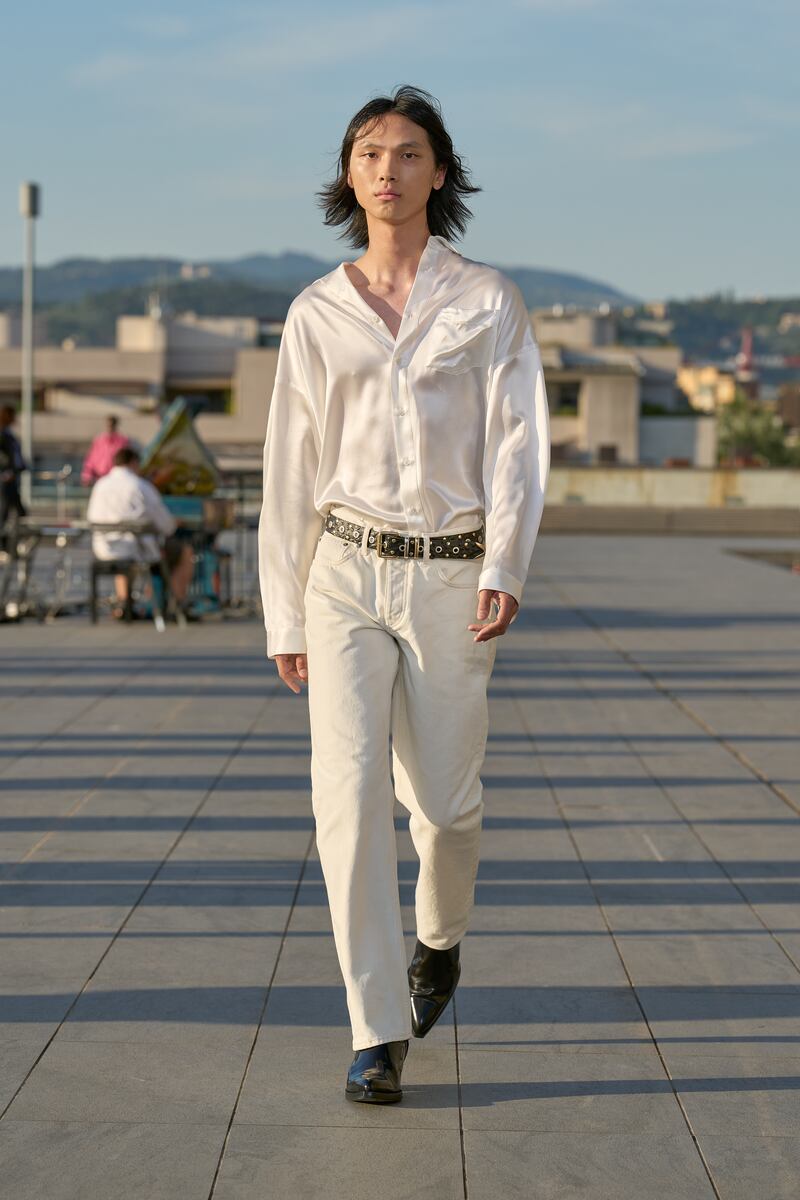
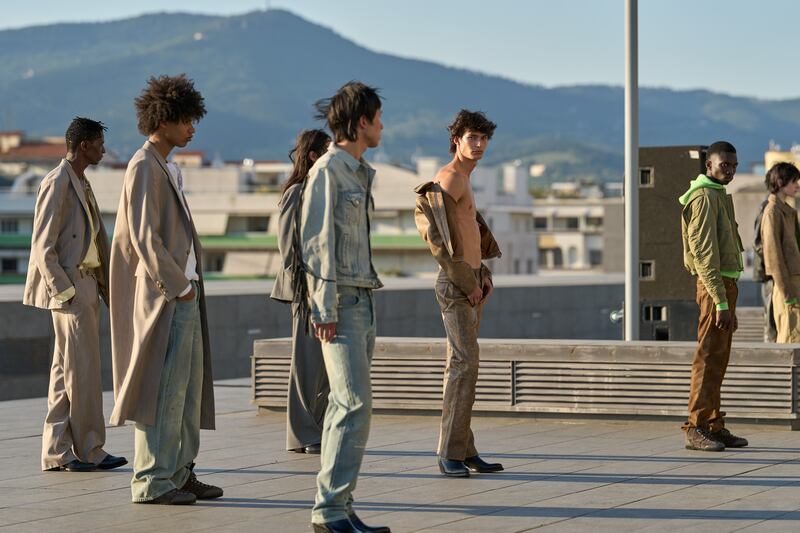
Amidst the déjà vu, it was the menswear that stood out, especially Lucia Romagnoli’s take on 1970s swagger, perfectly in sync with the wider movement towards a slimmer silhouette and a funkier attitude. Then there was Sunflower, the fast-growing Danish “wardrobe of modern menswear” created by Ulrik Pedersen and Alan Blond, which made its funky Florentine debut with a charming sunset show on the rooftop of the Teatro del Maggio Musicale Fiorentino. It was the best way to see Pedersen’s vision of sleek tailoring, killer denim and a little dash of sparkle come to life: en plein air, on a cast of real — and really cool — dudes, to the sound of live music. What made Sunflower so satisfying was its Scandinavian straightforwardness, the lack of pretense and sharpness of focus. No gimmicks for Pedersen and Blond, just real clothes with an edge. Imagine Lemaire tuned to a Keith Richards riff, and you’ve got the picture.
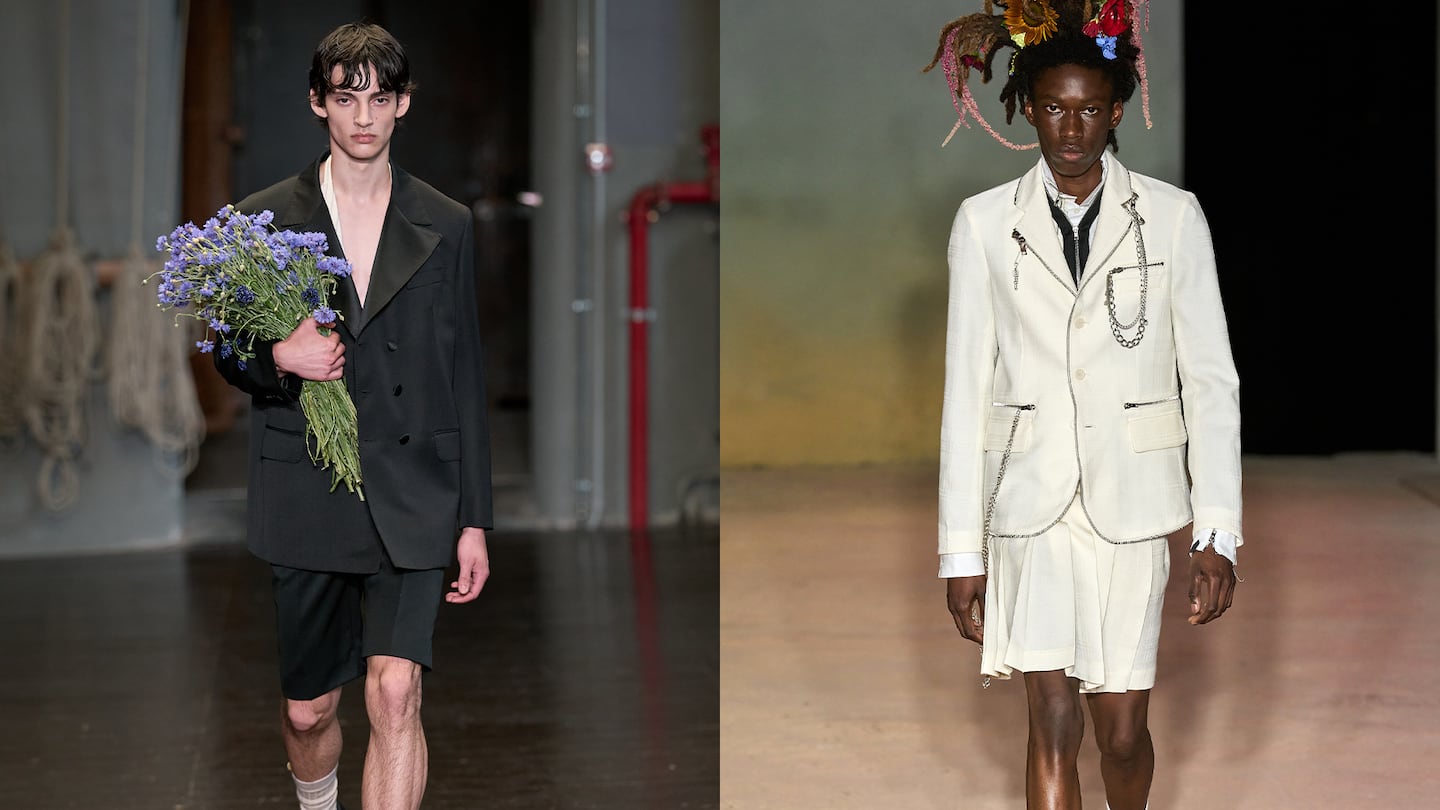
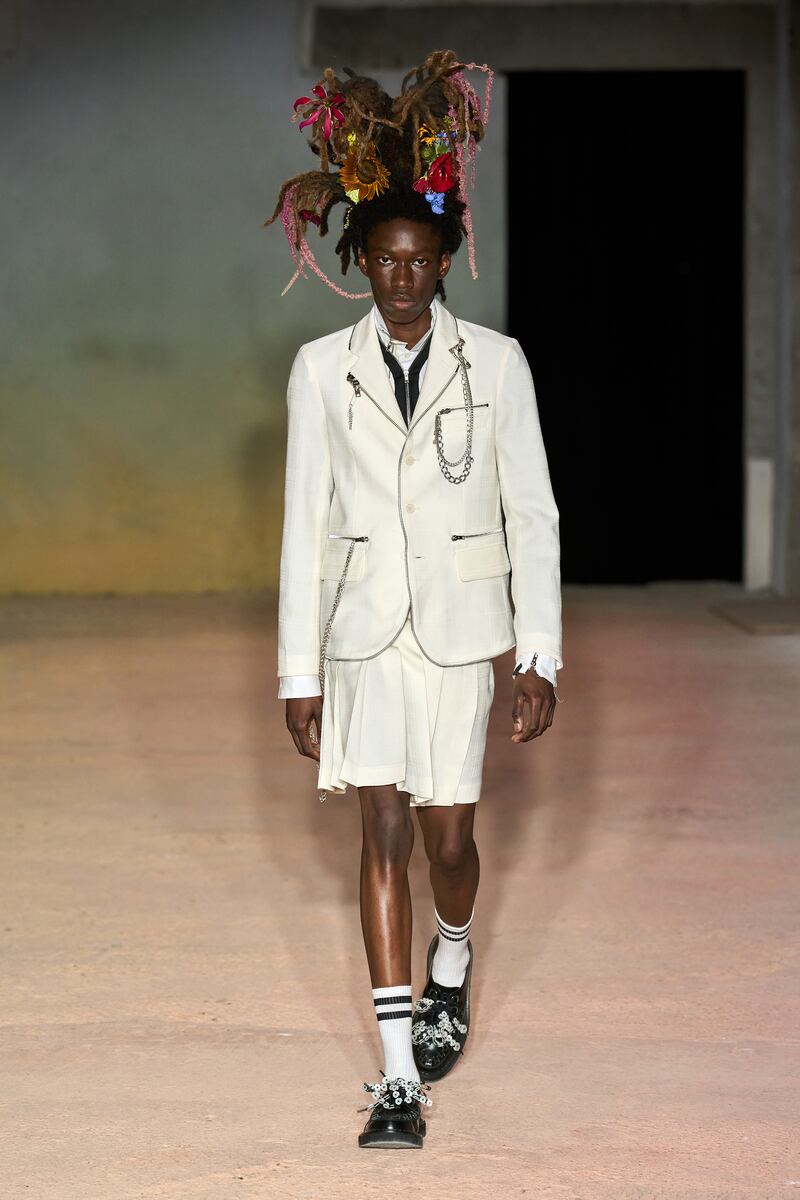
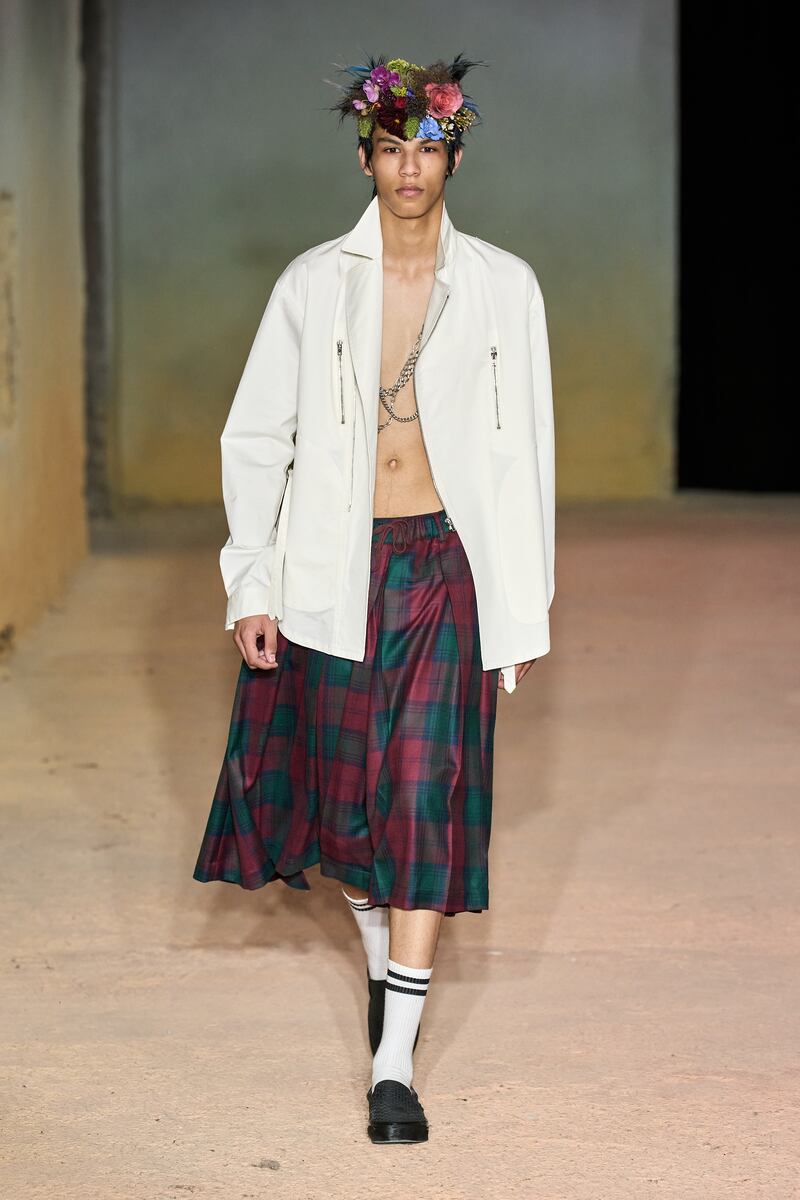
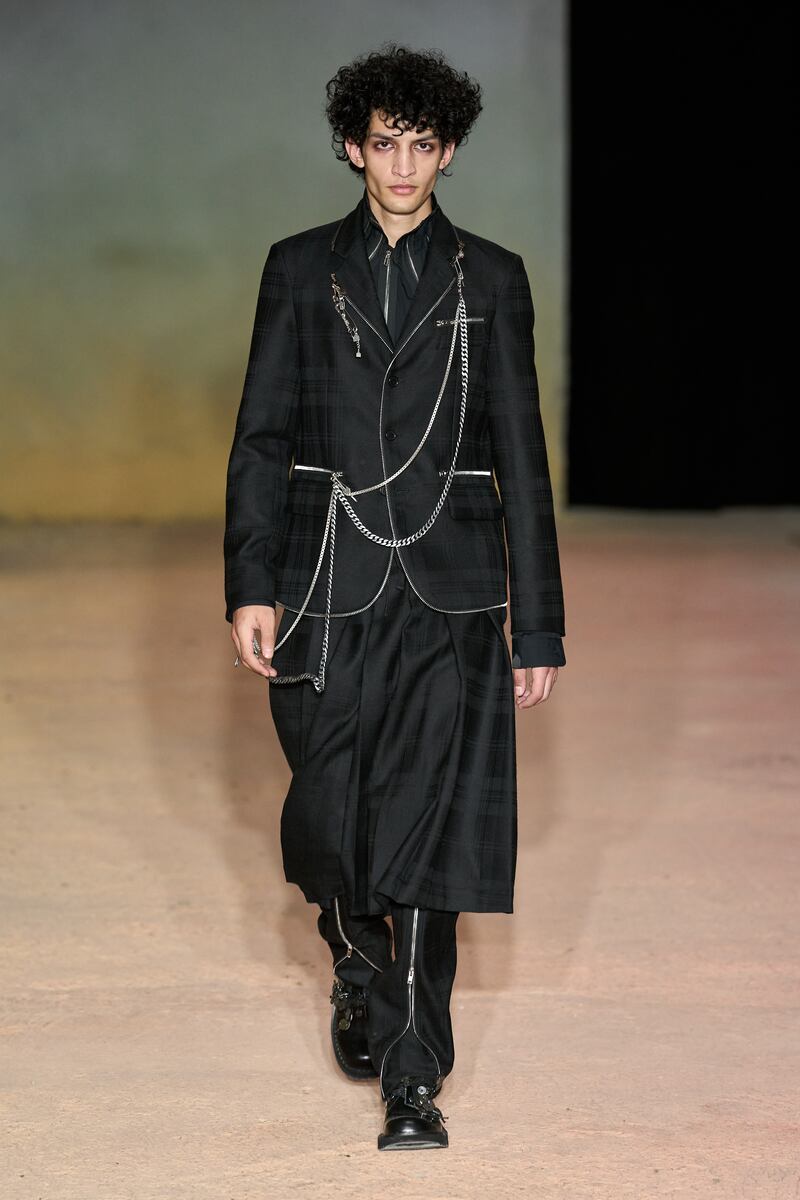
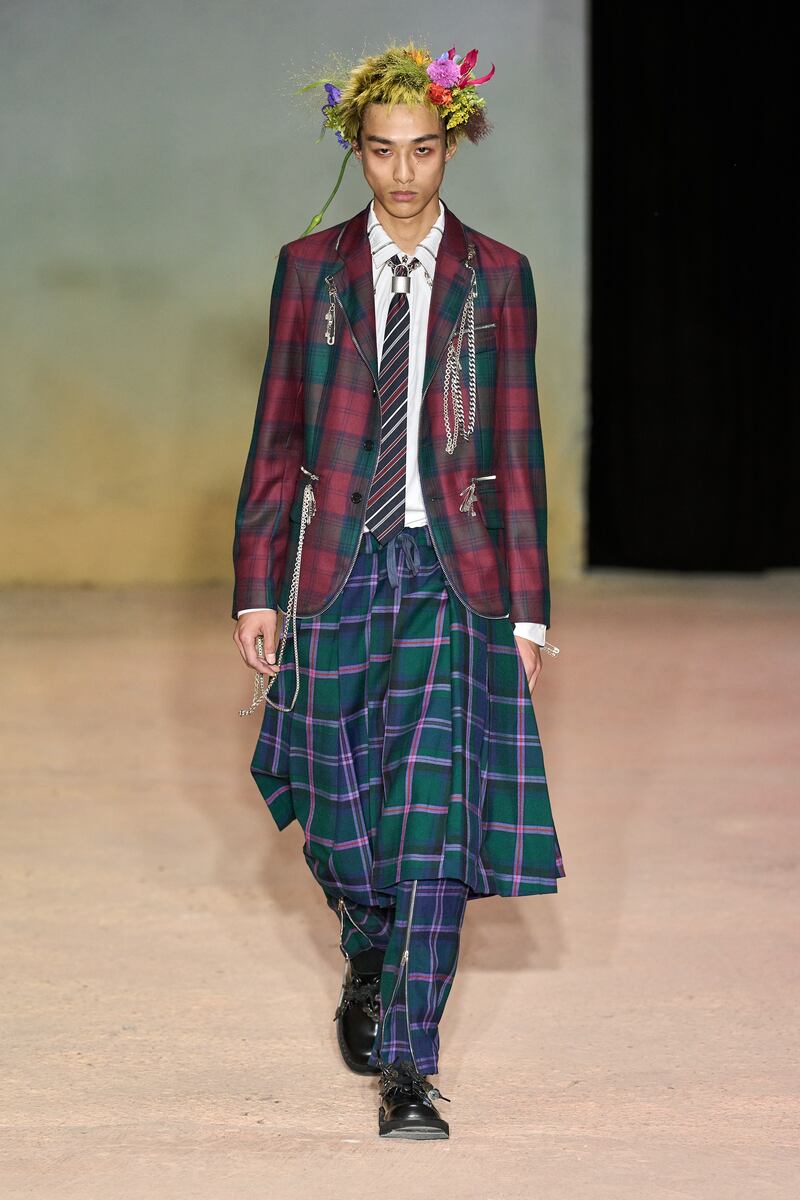
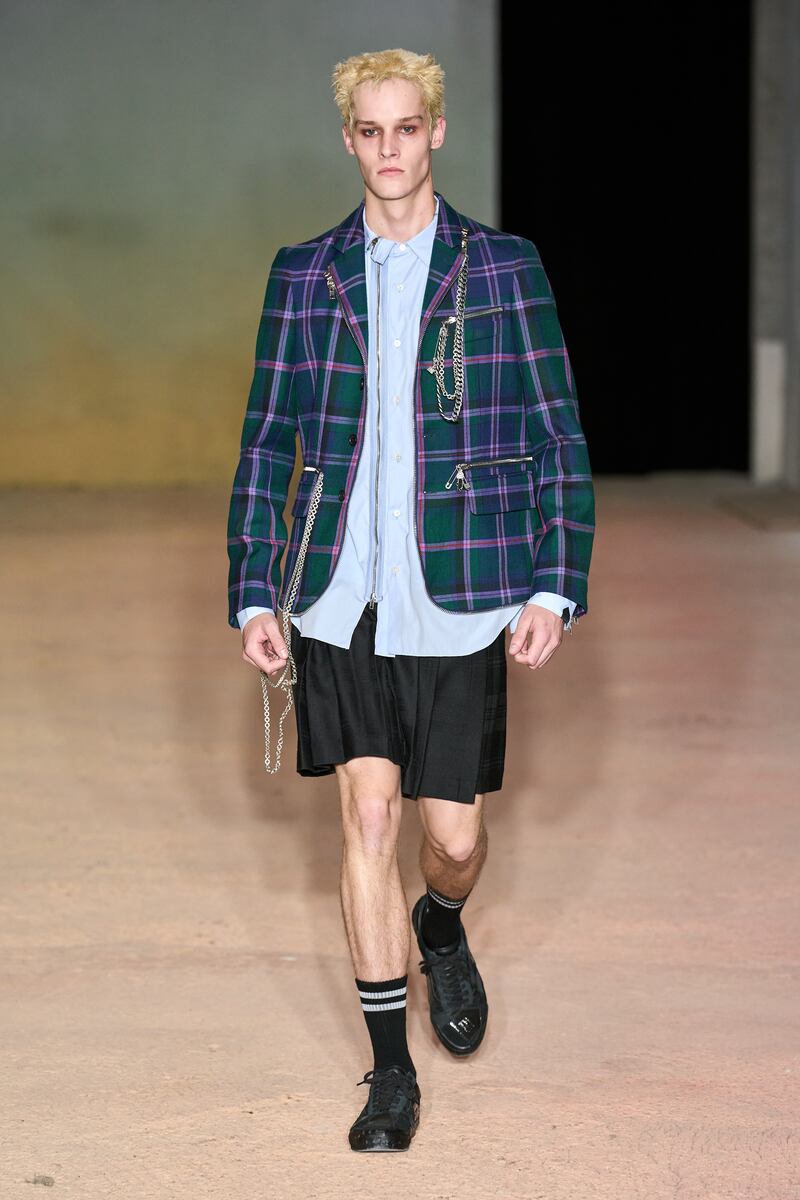
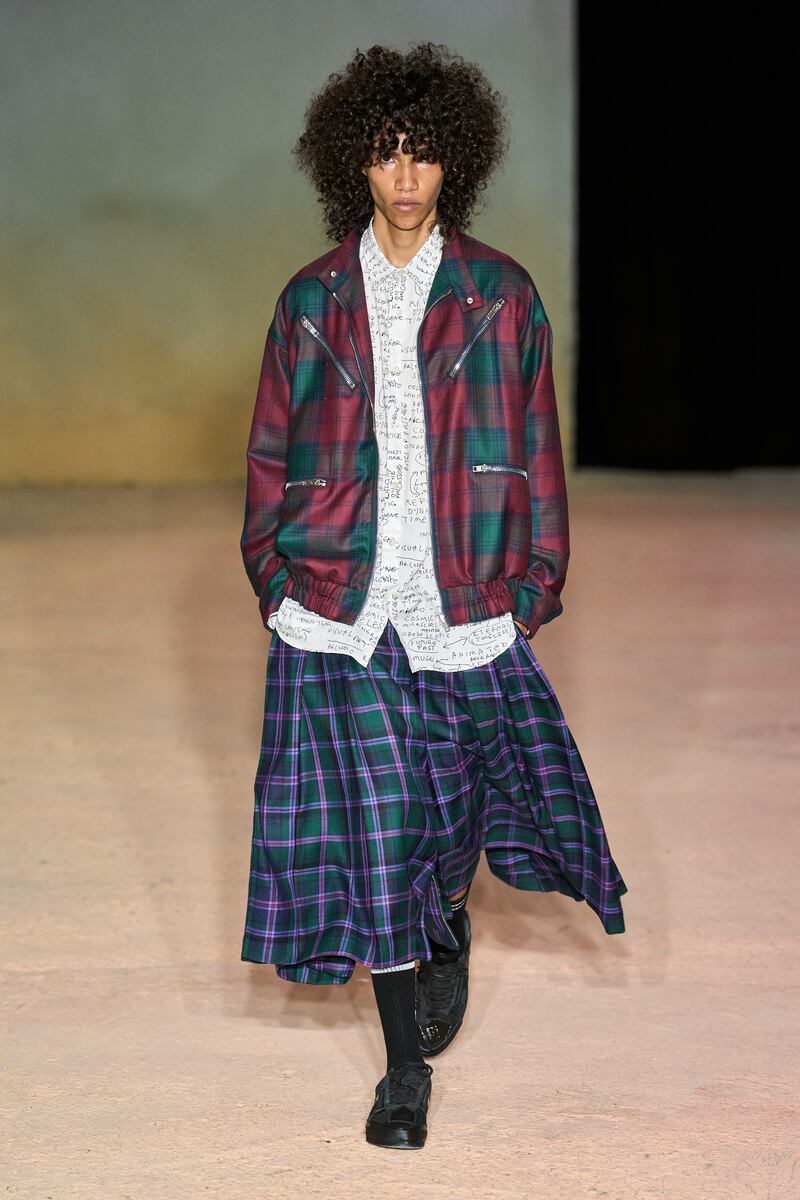
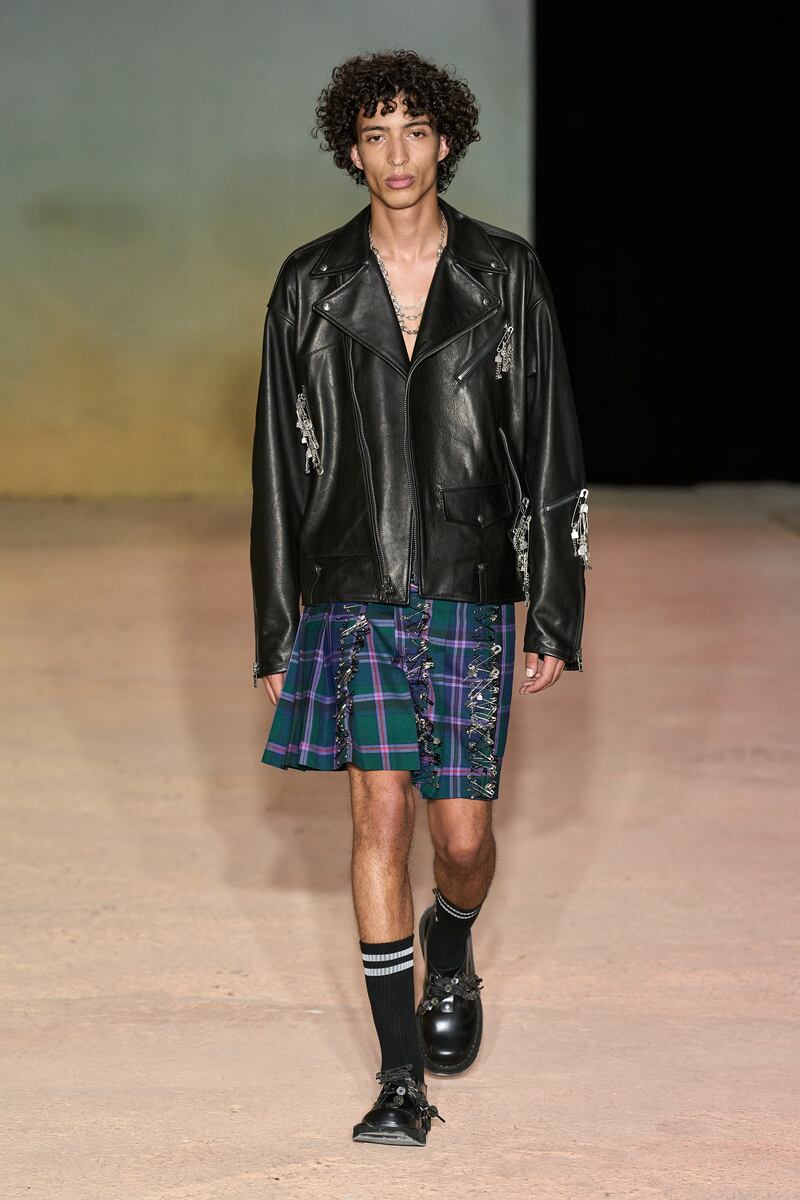
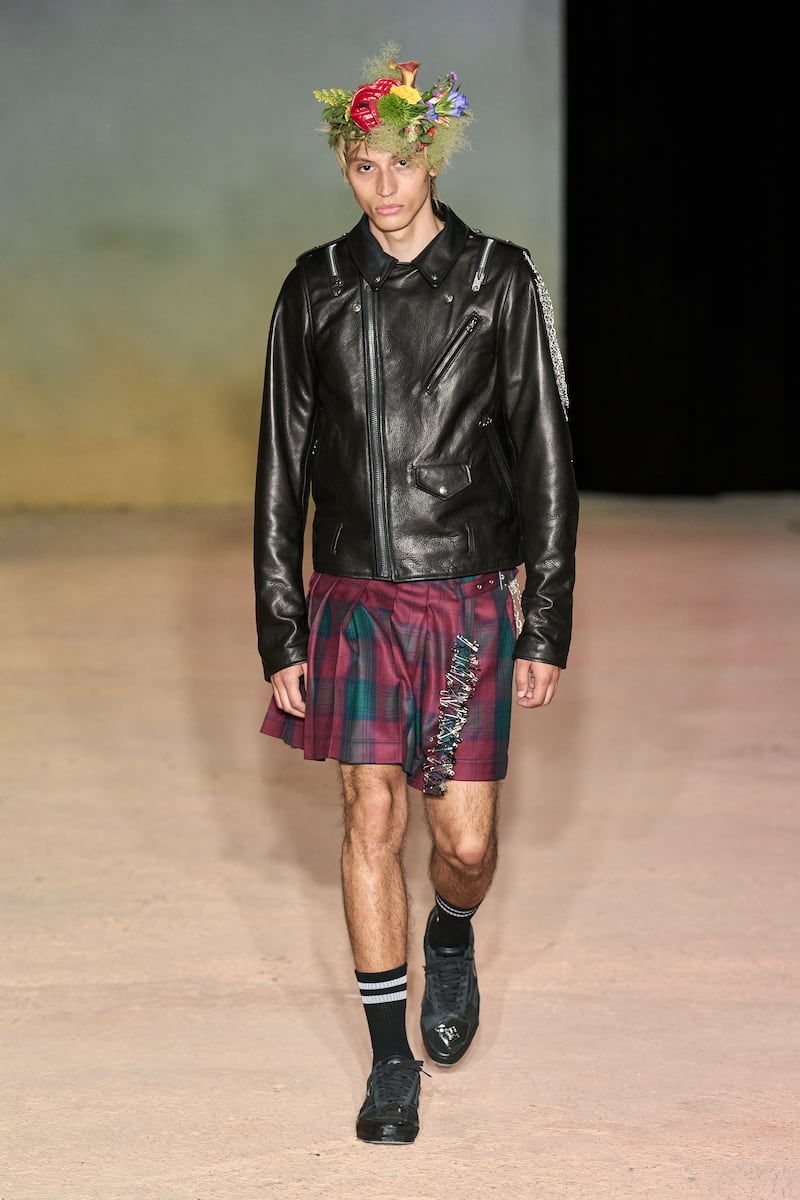
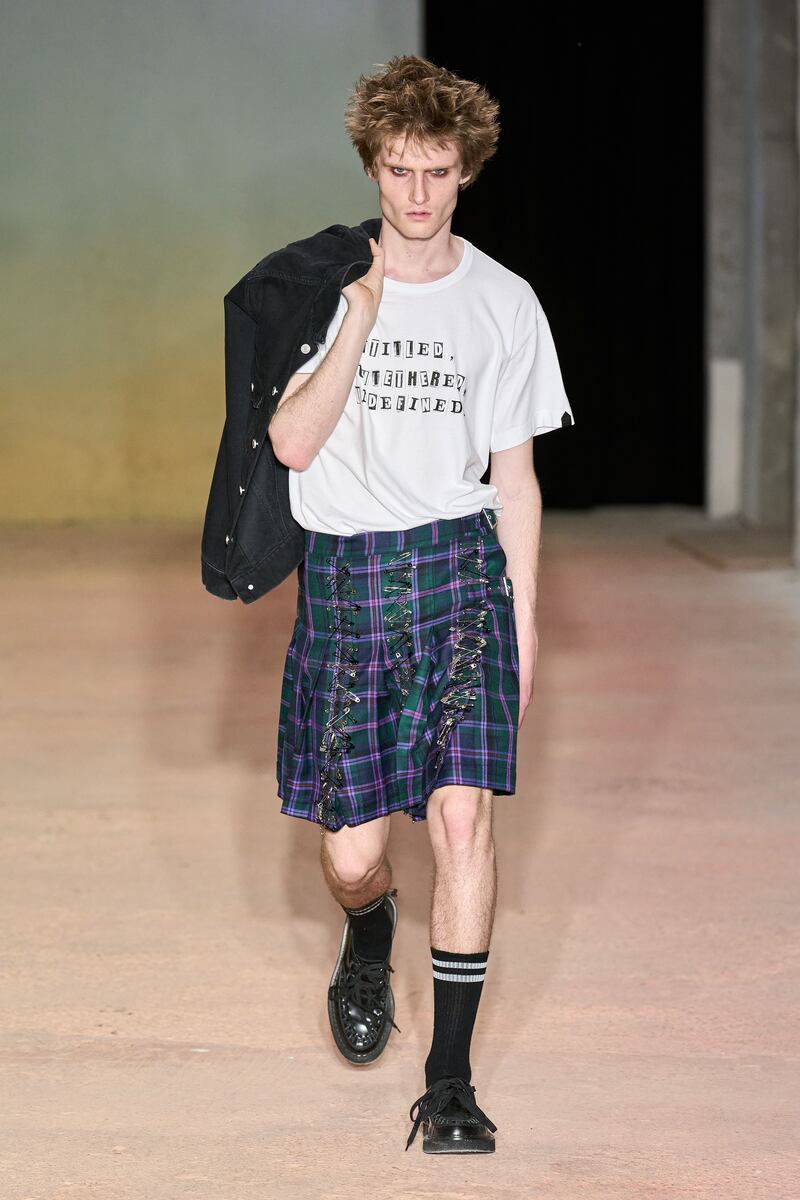
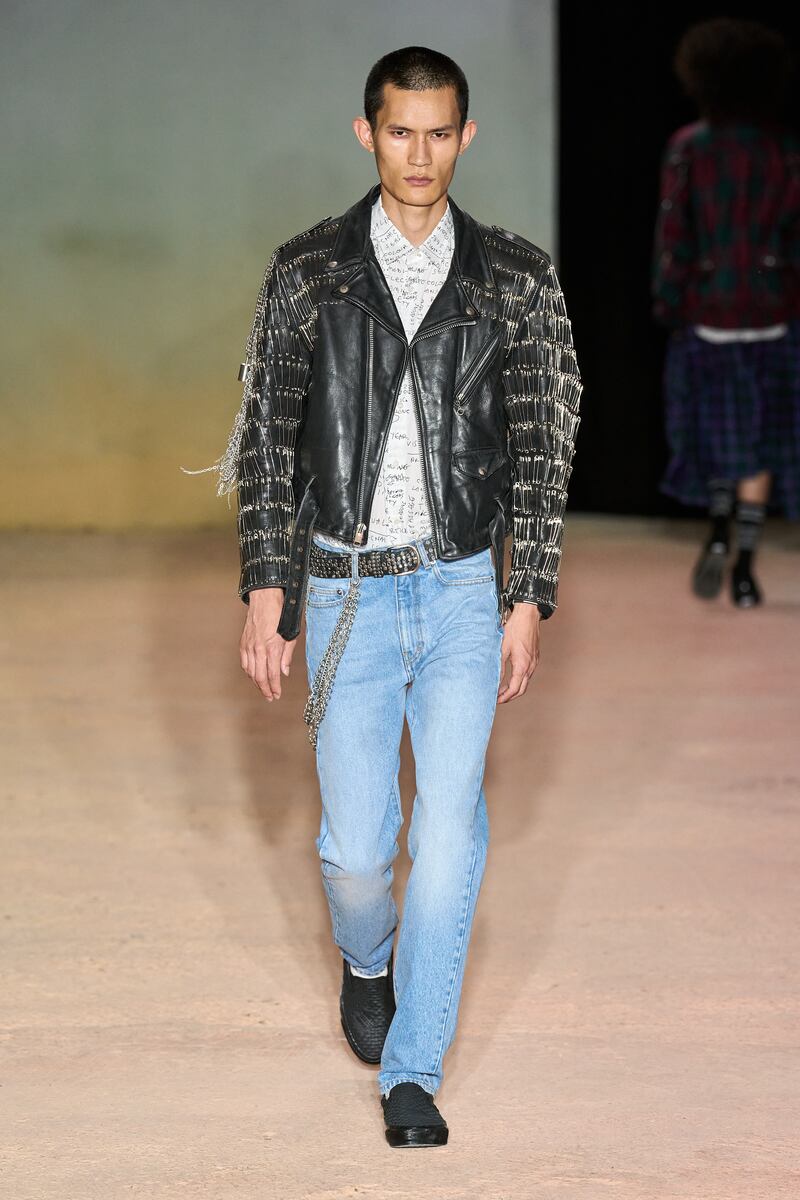
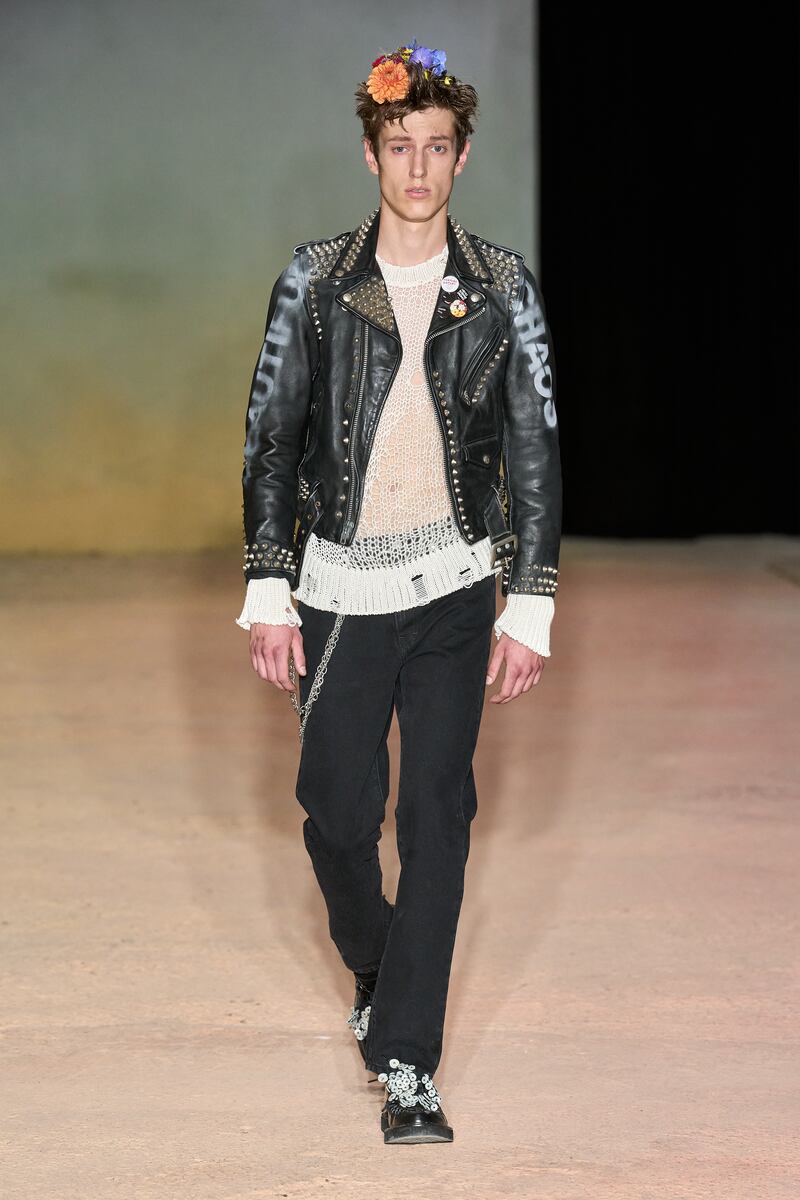
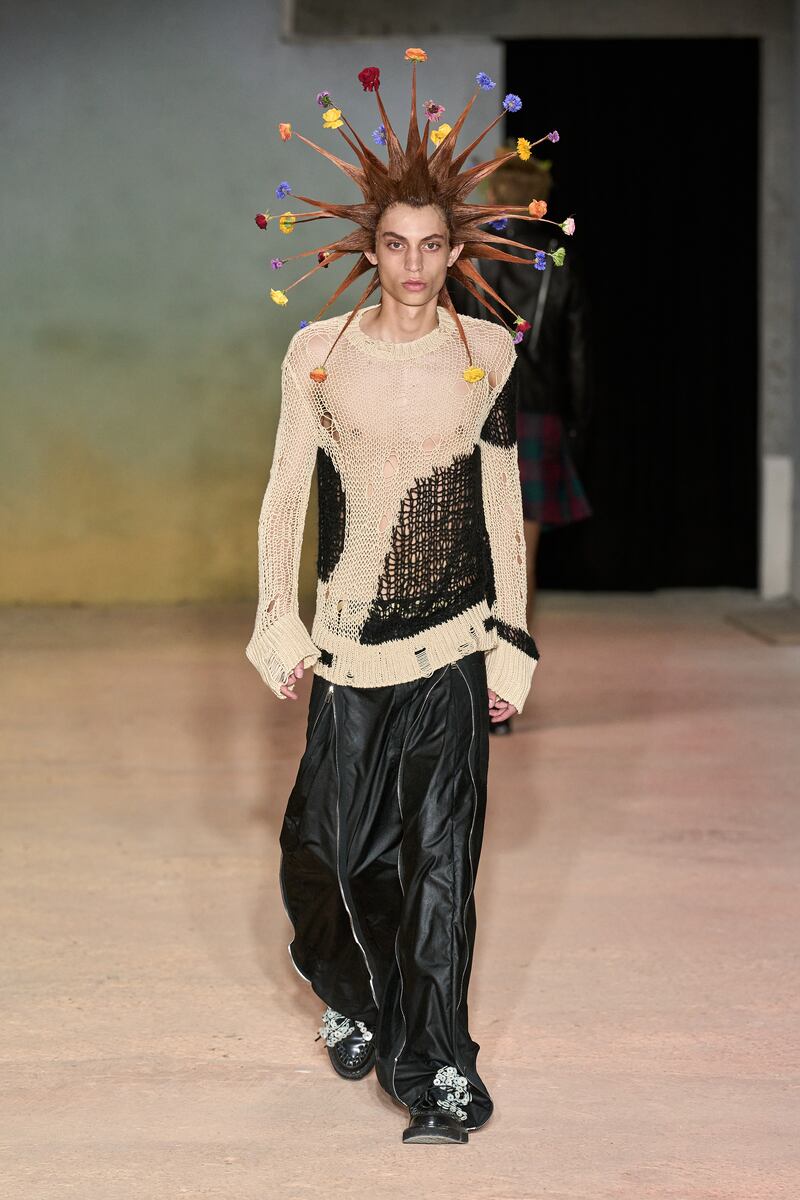
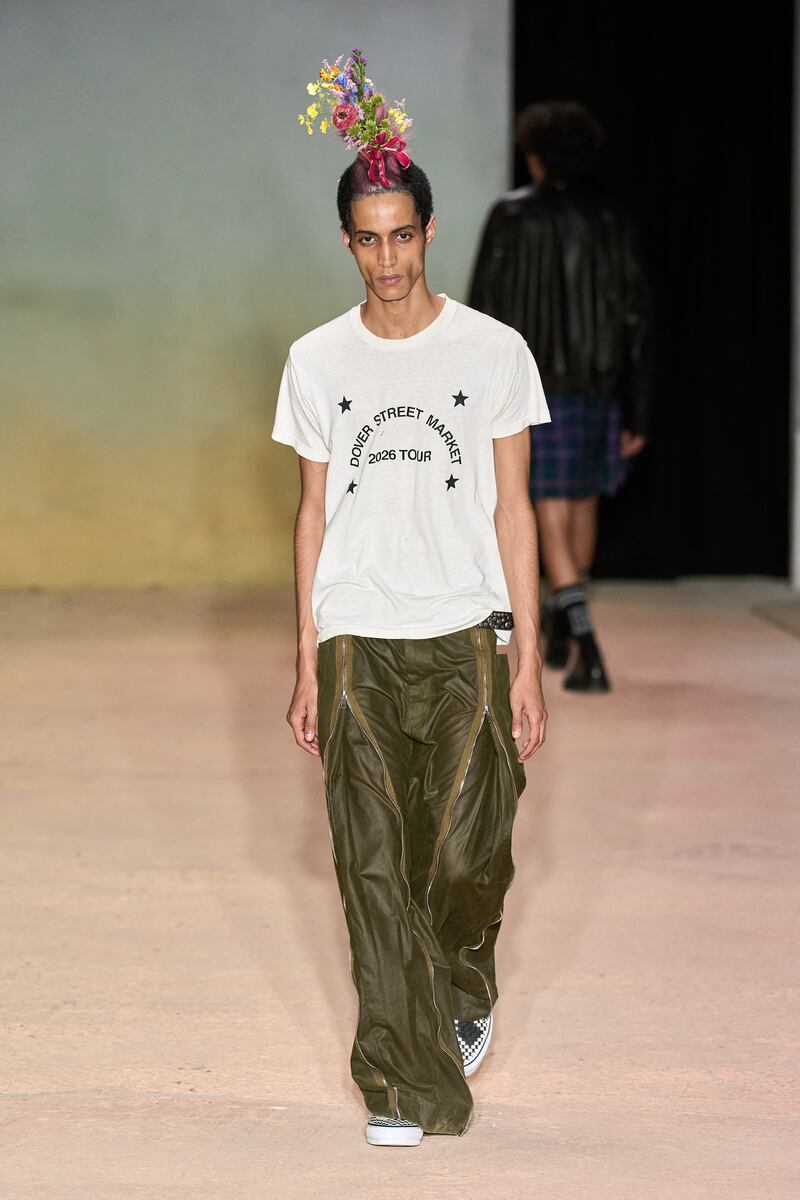
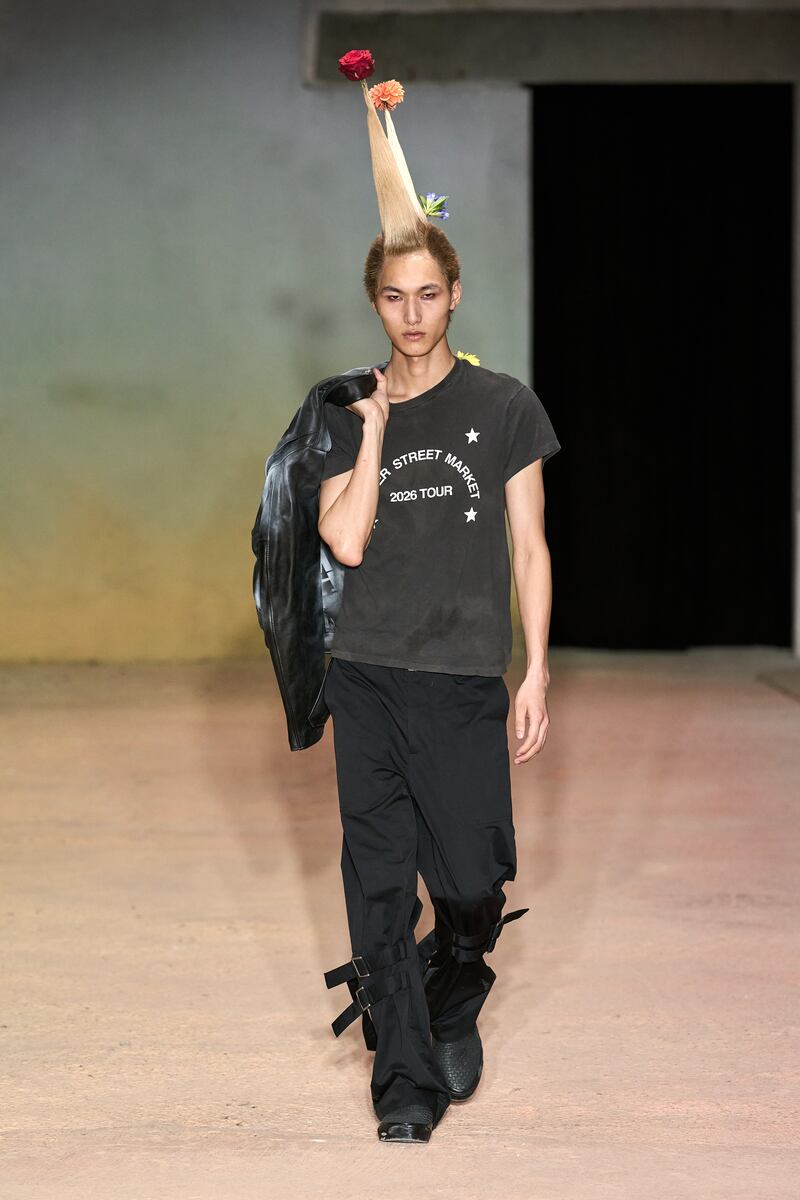
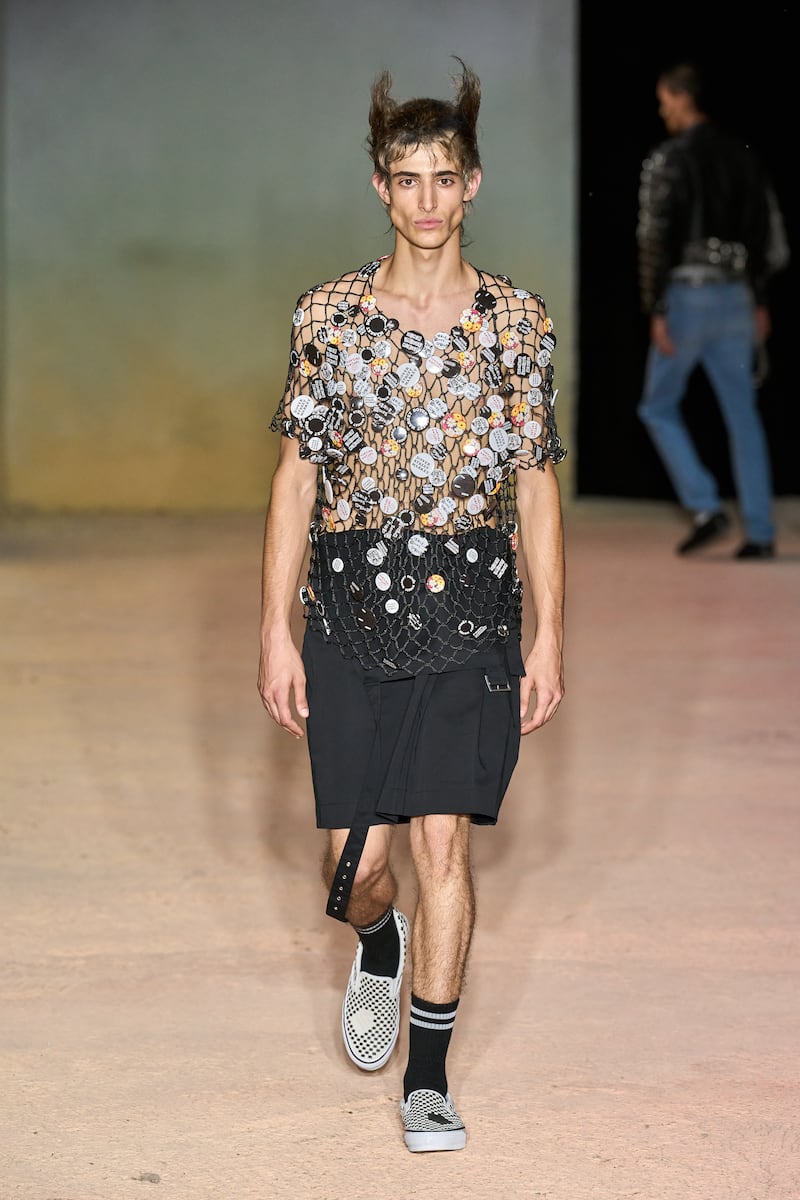
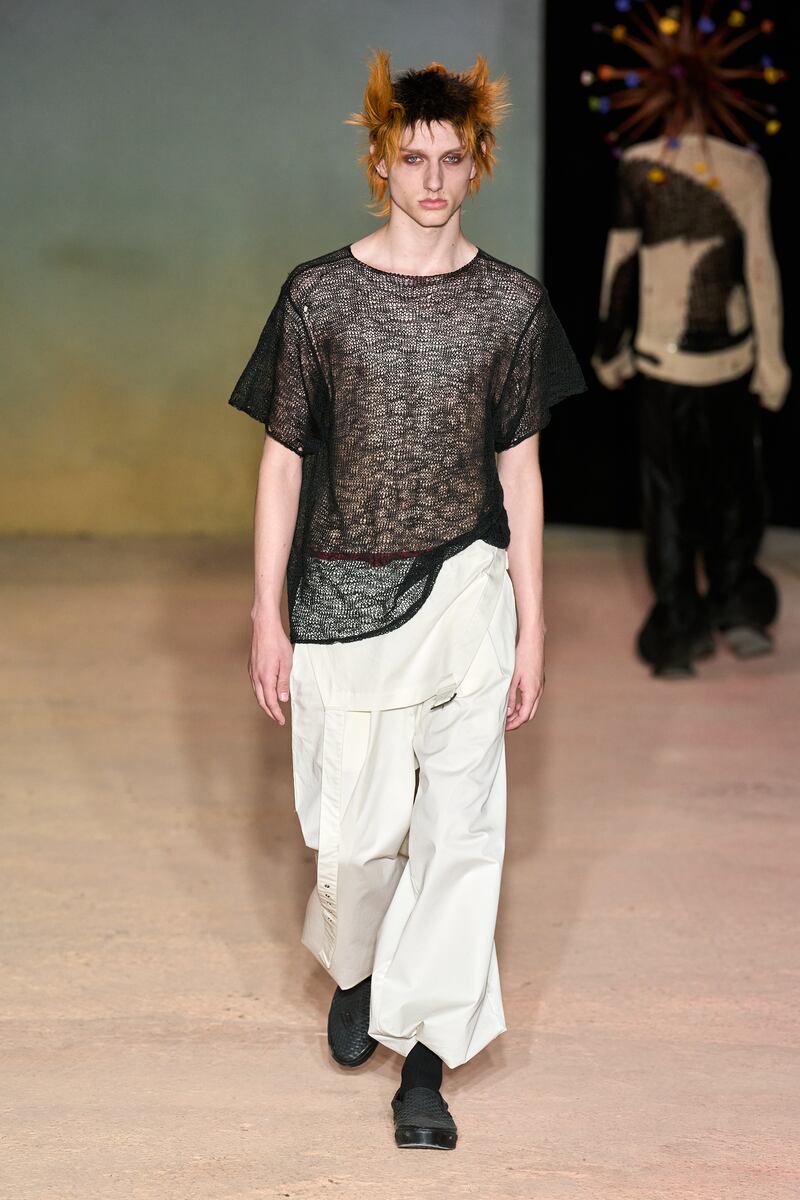
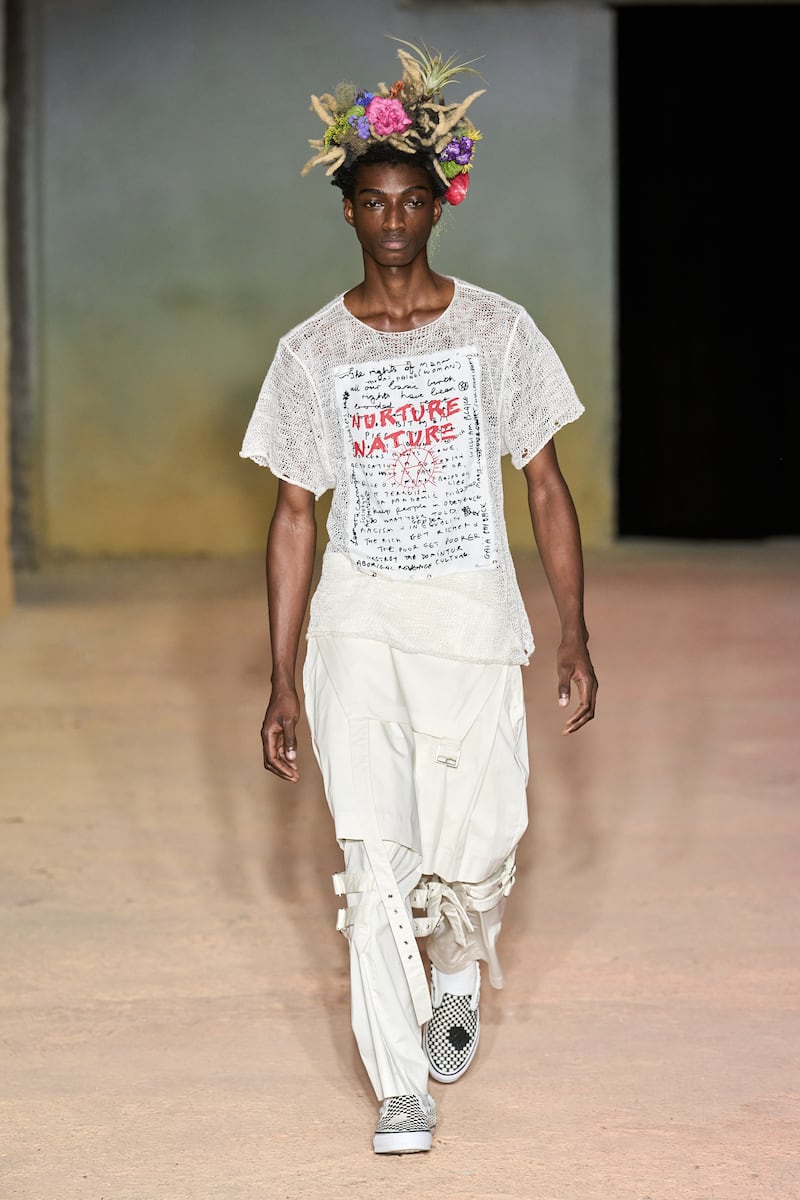
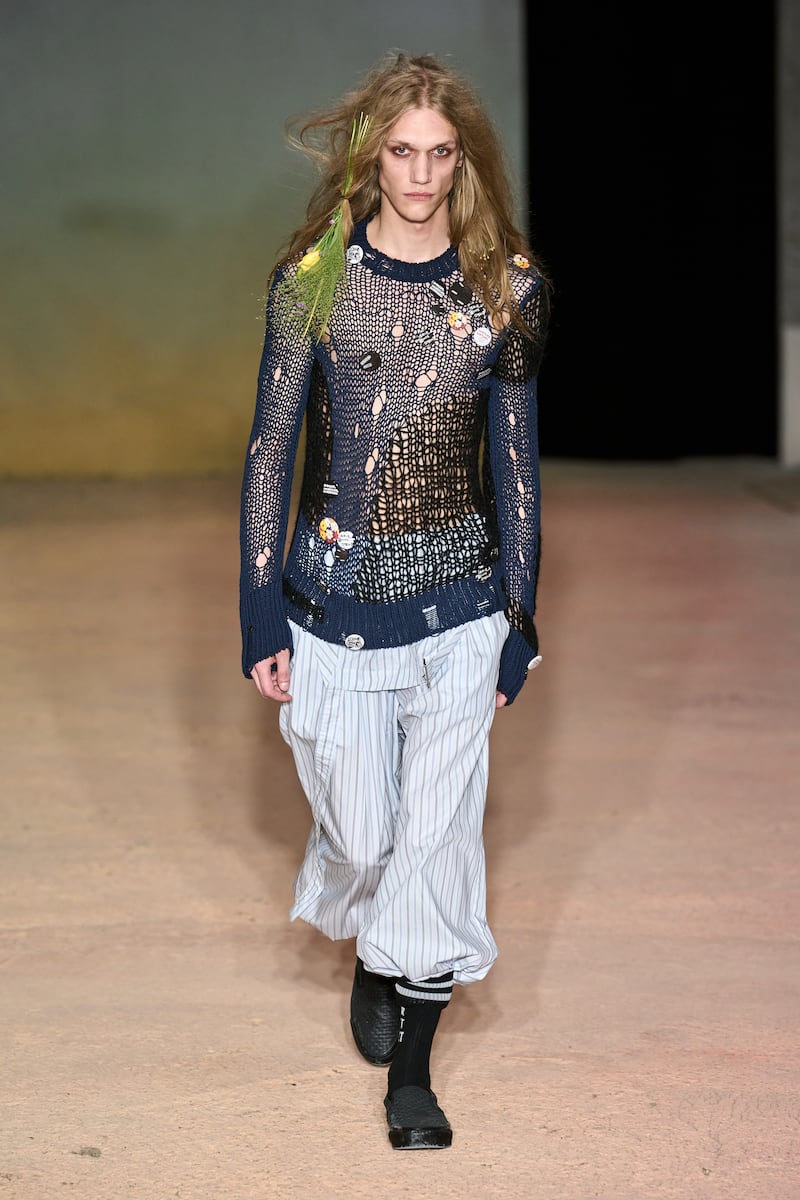
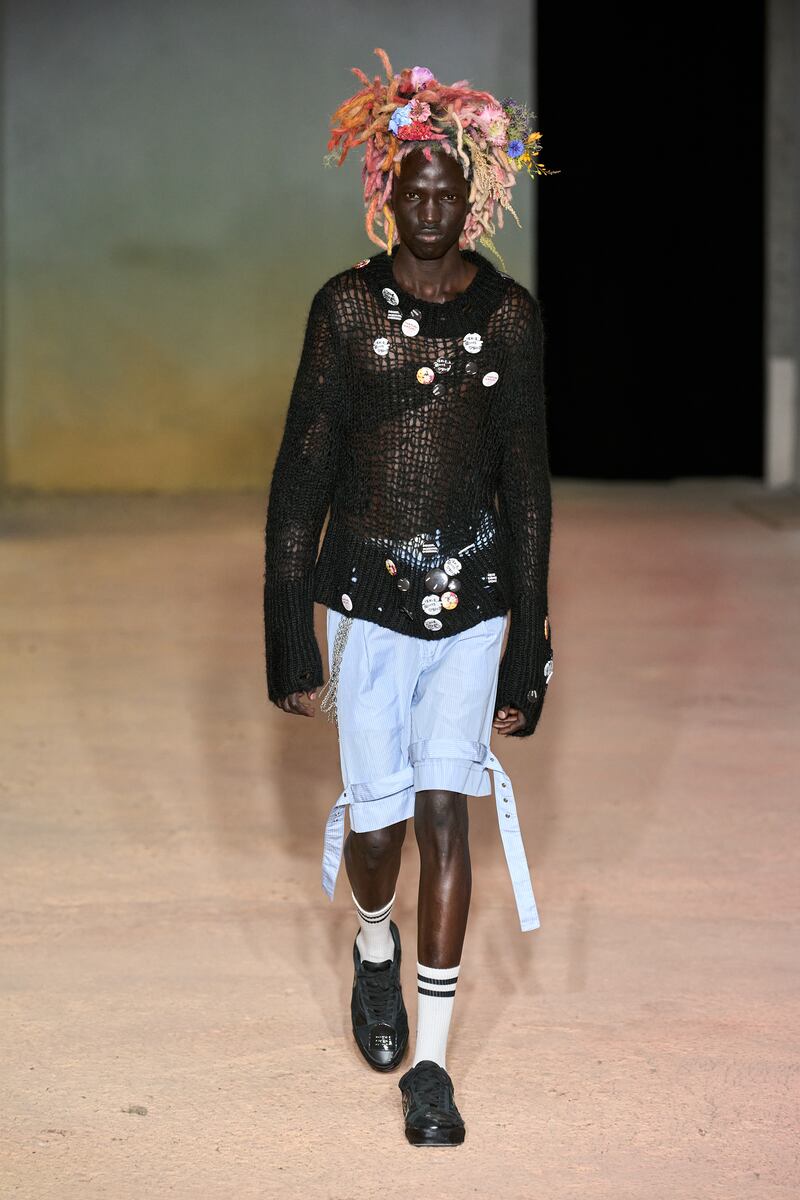
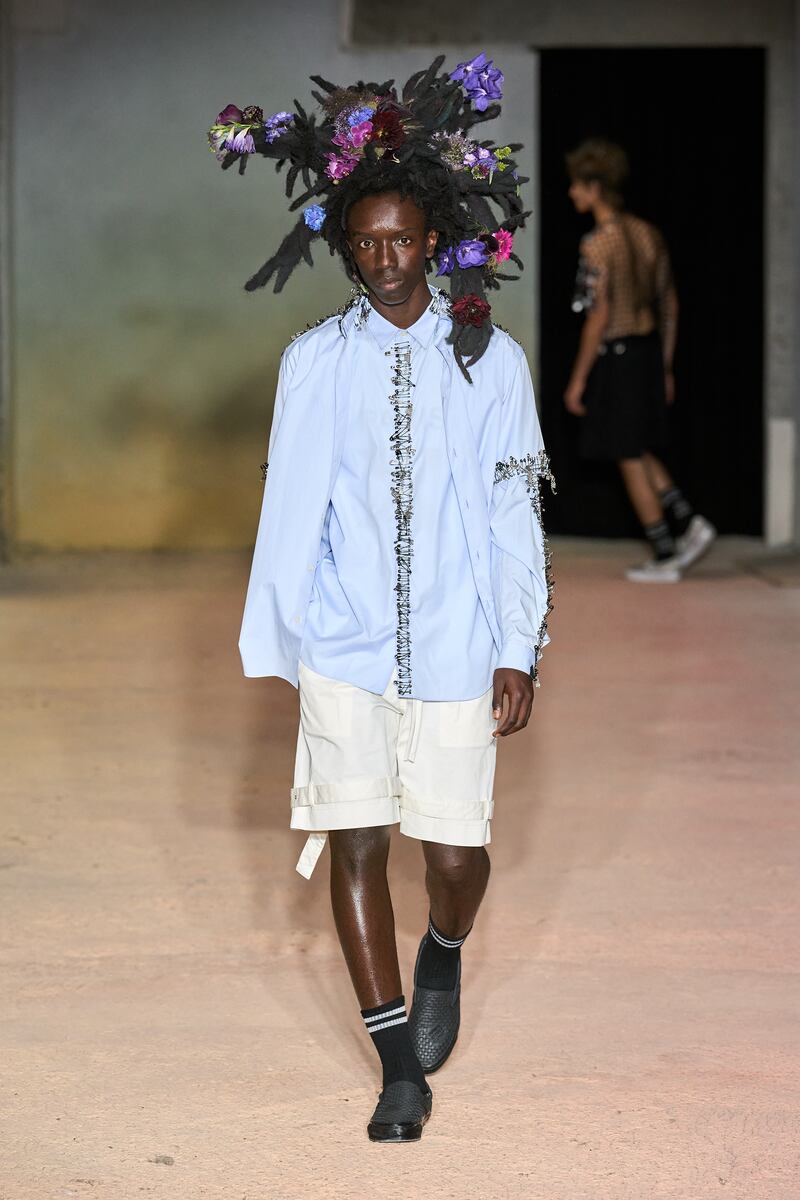
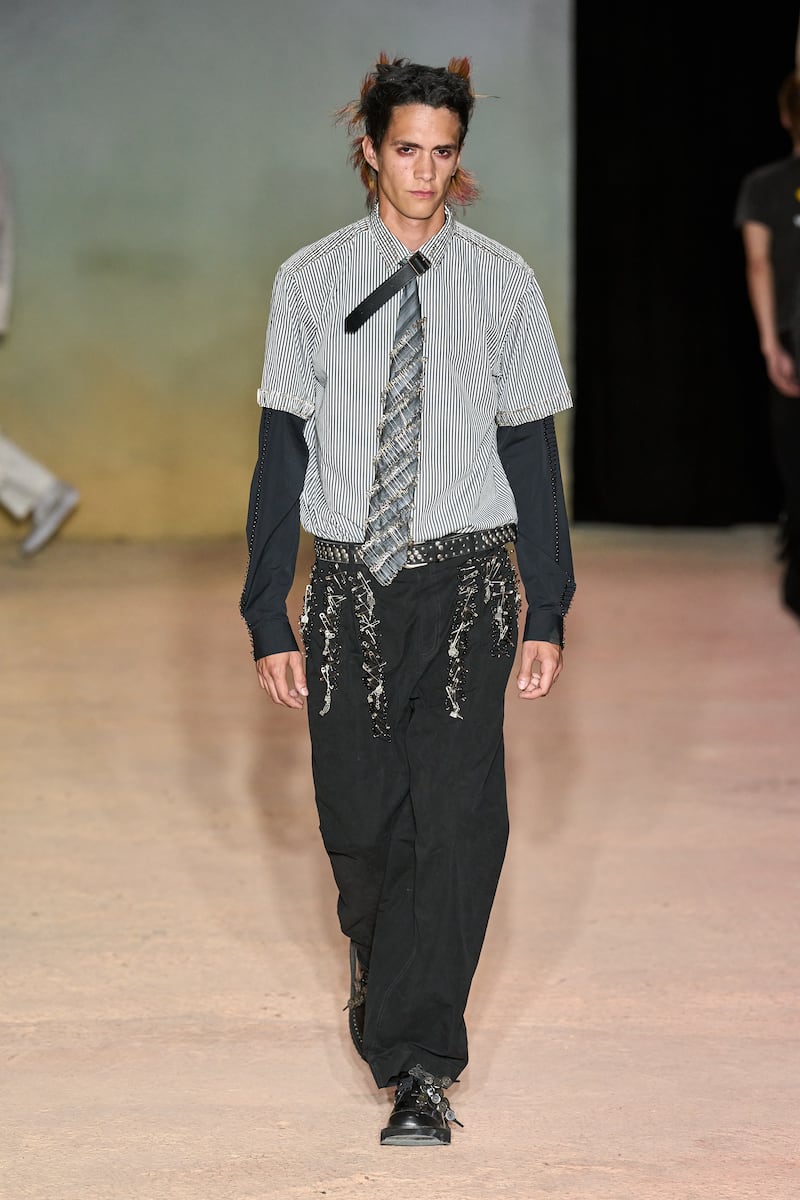
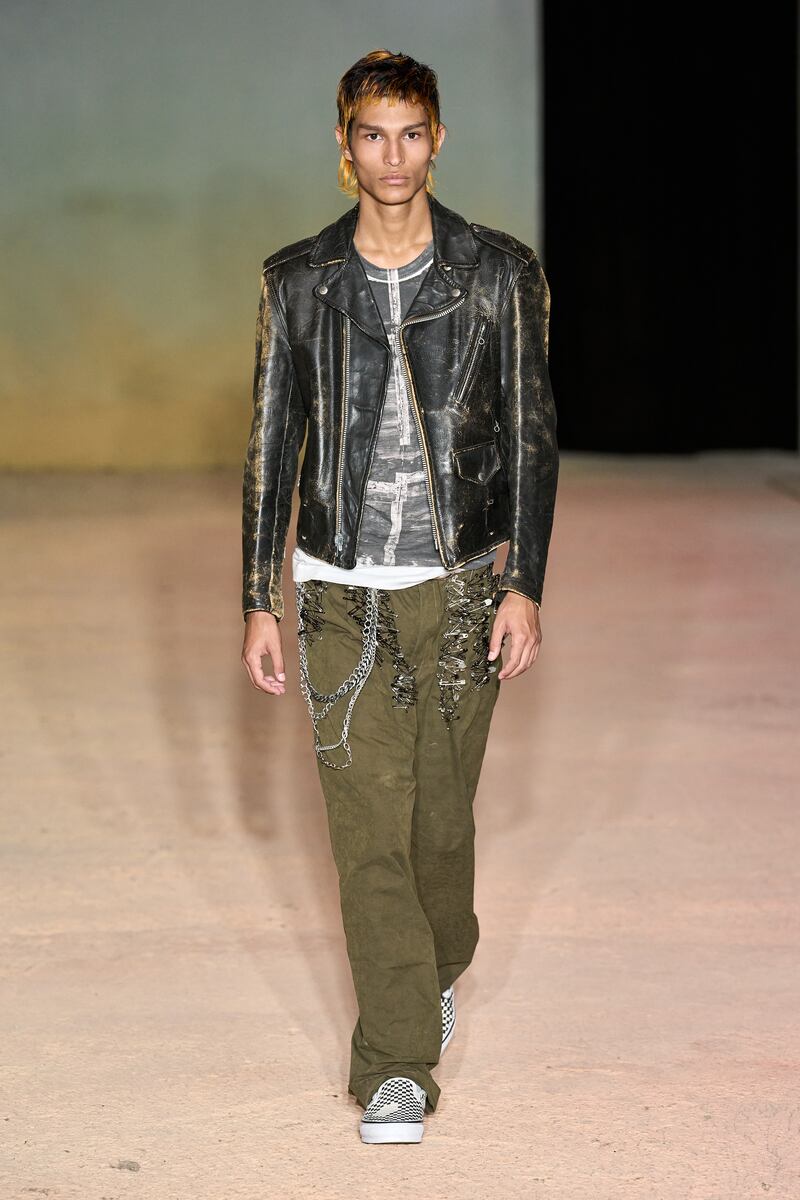
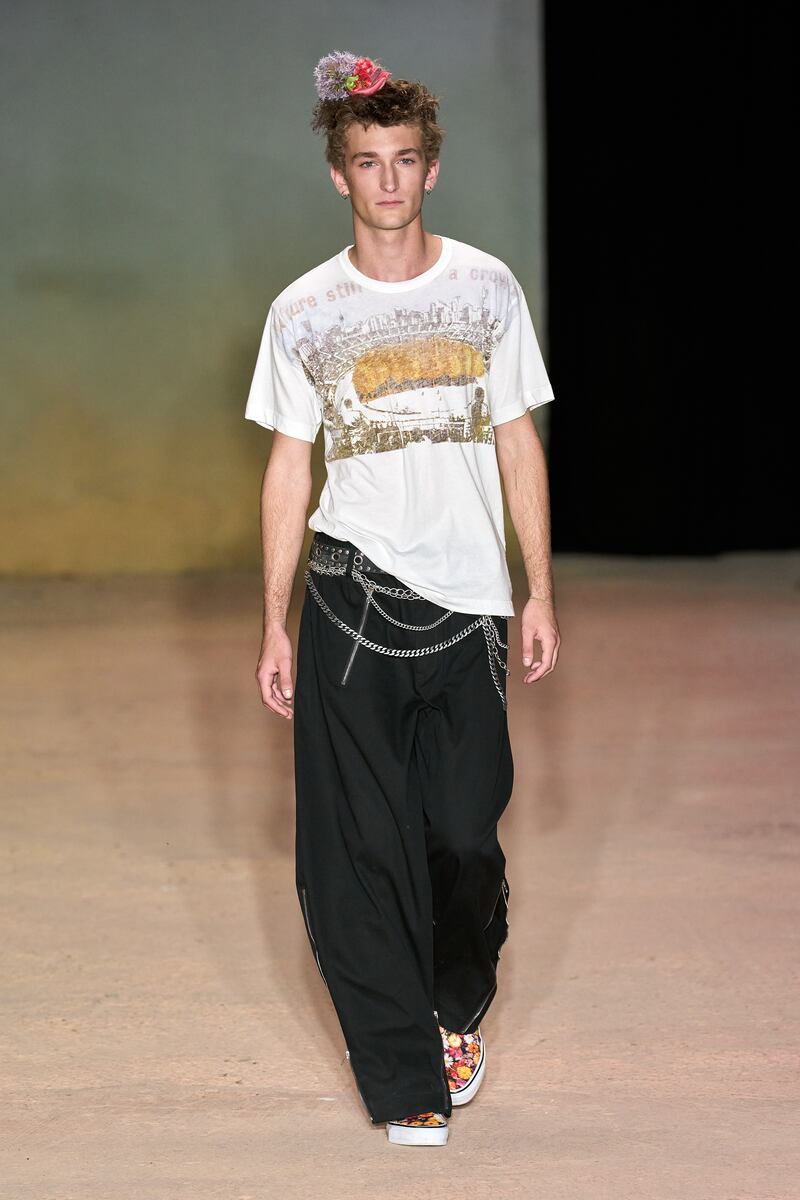
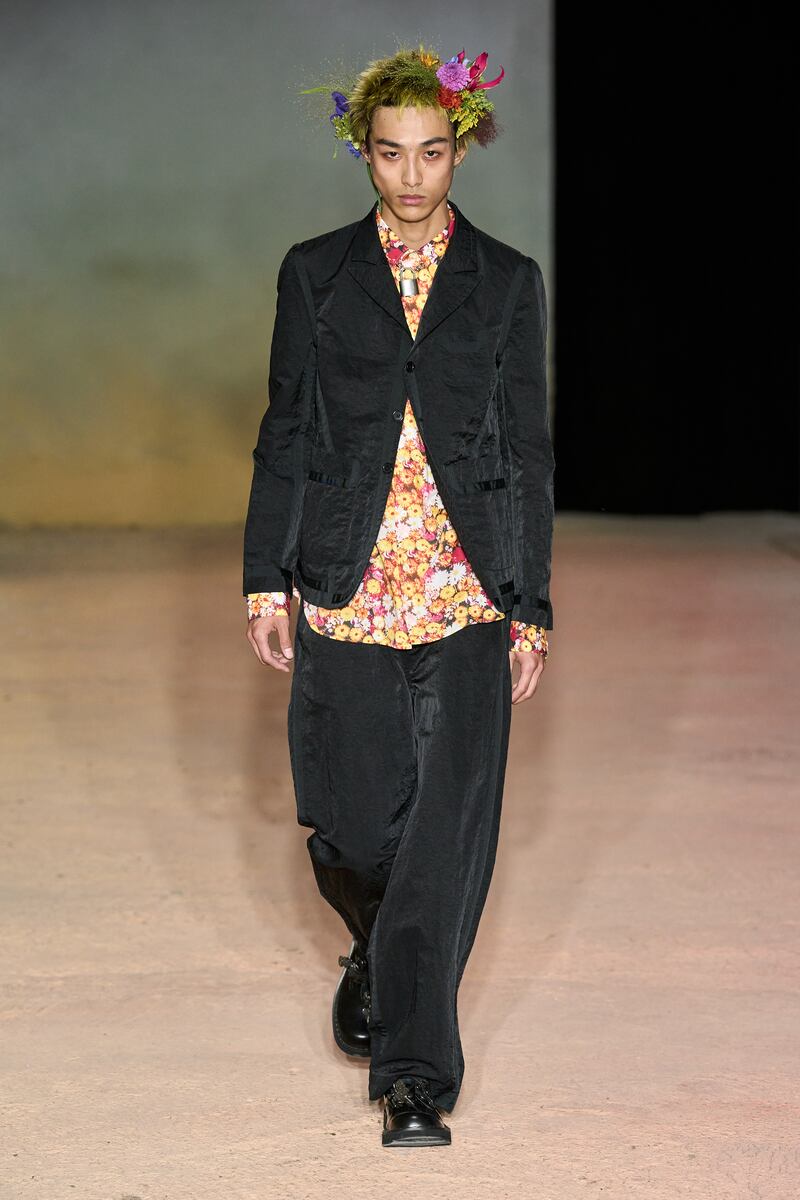
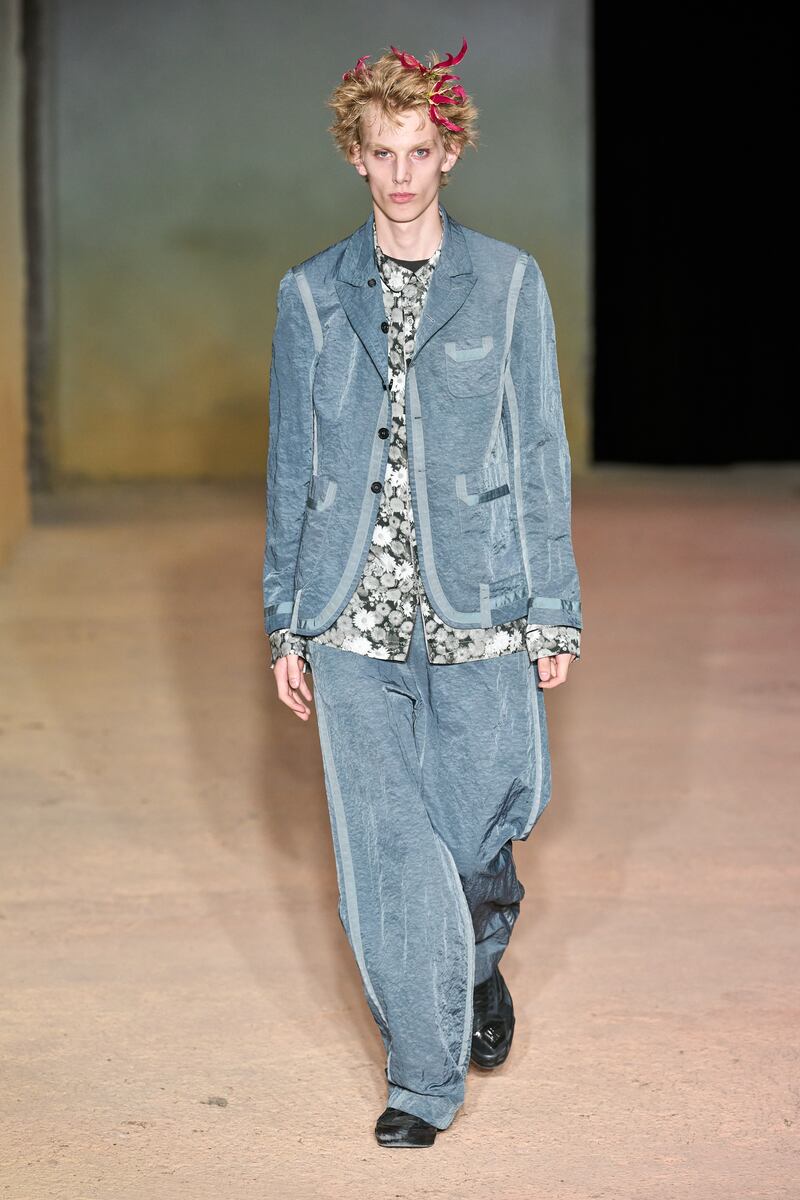
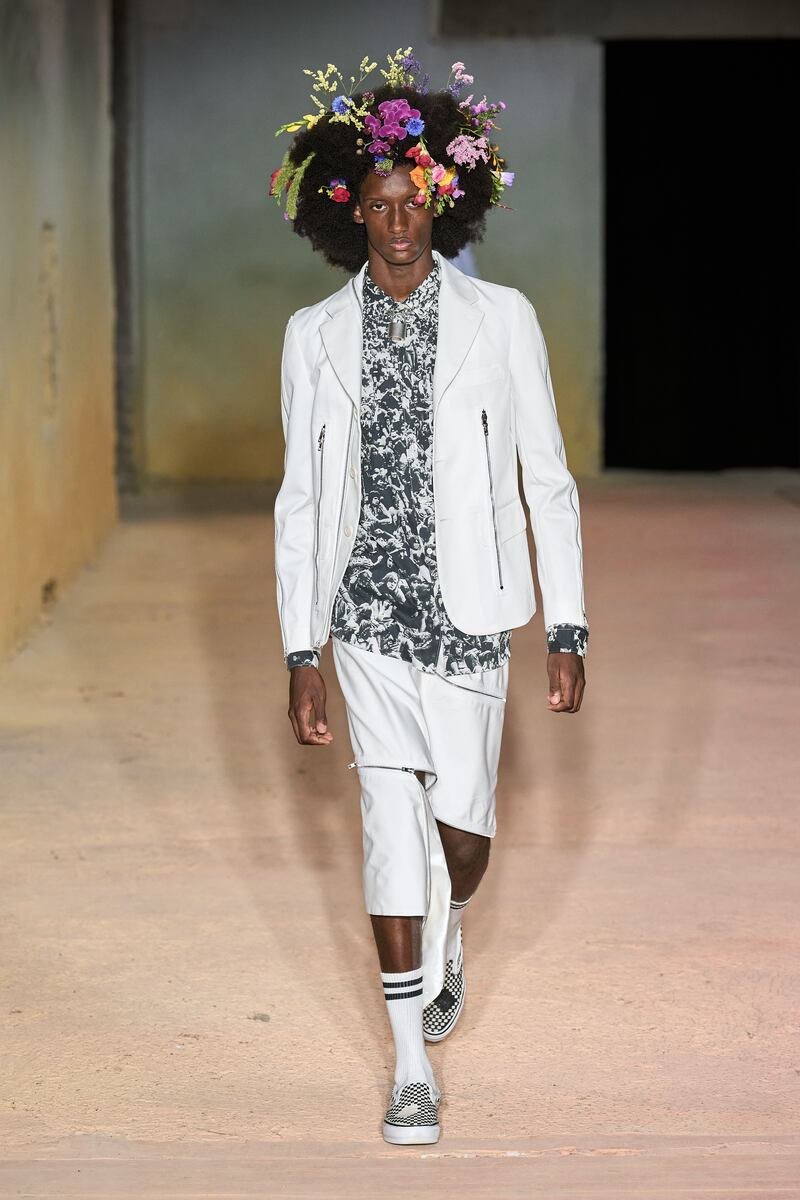
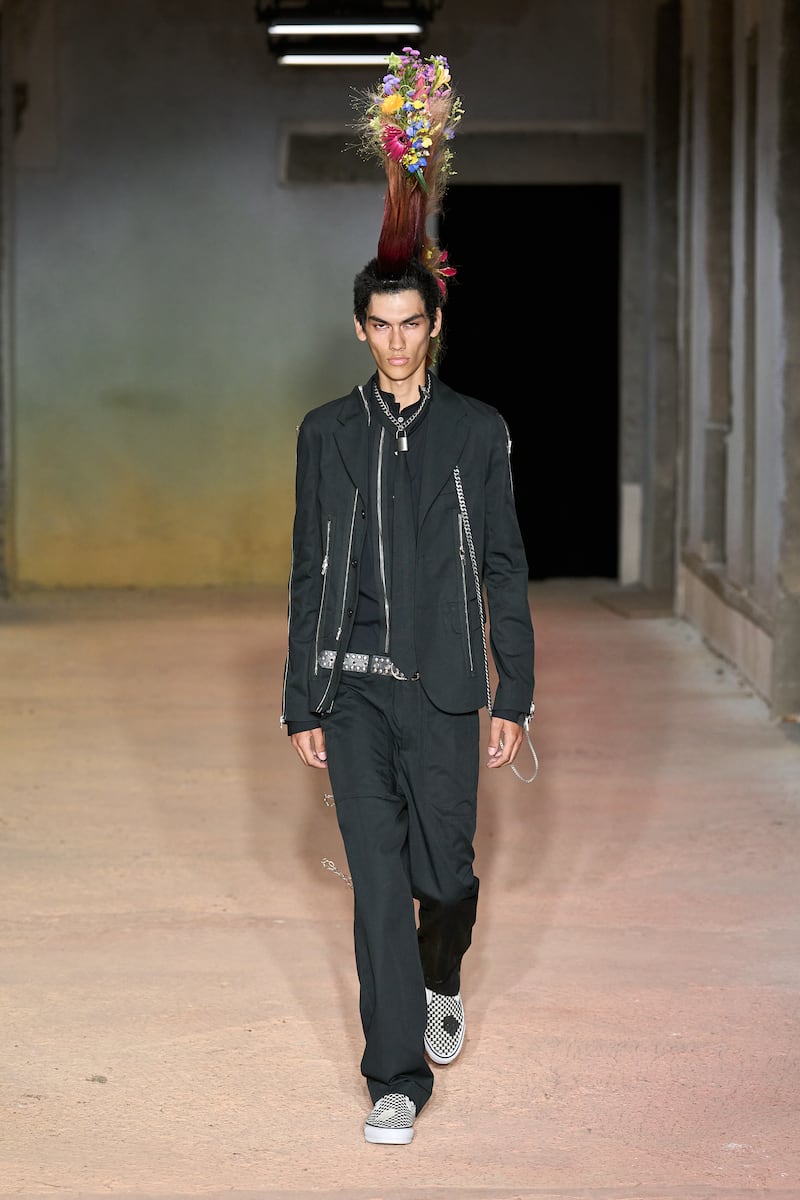
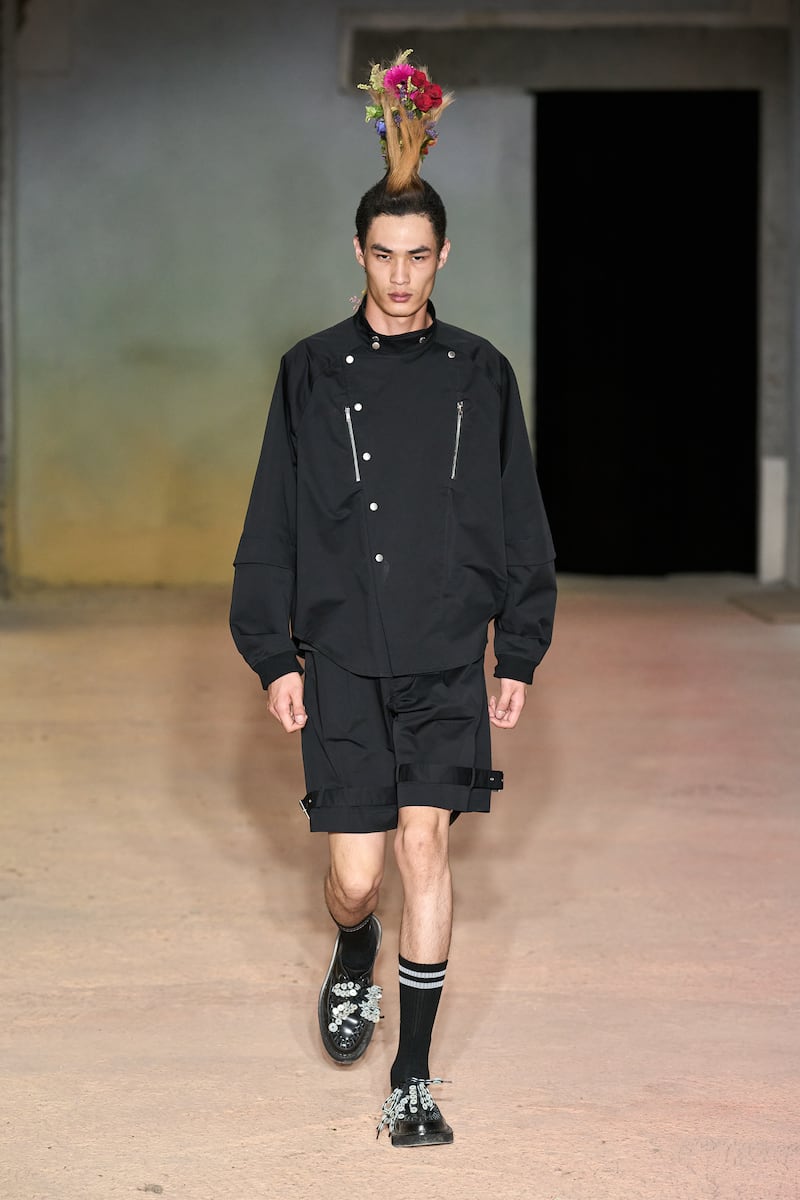
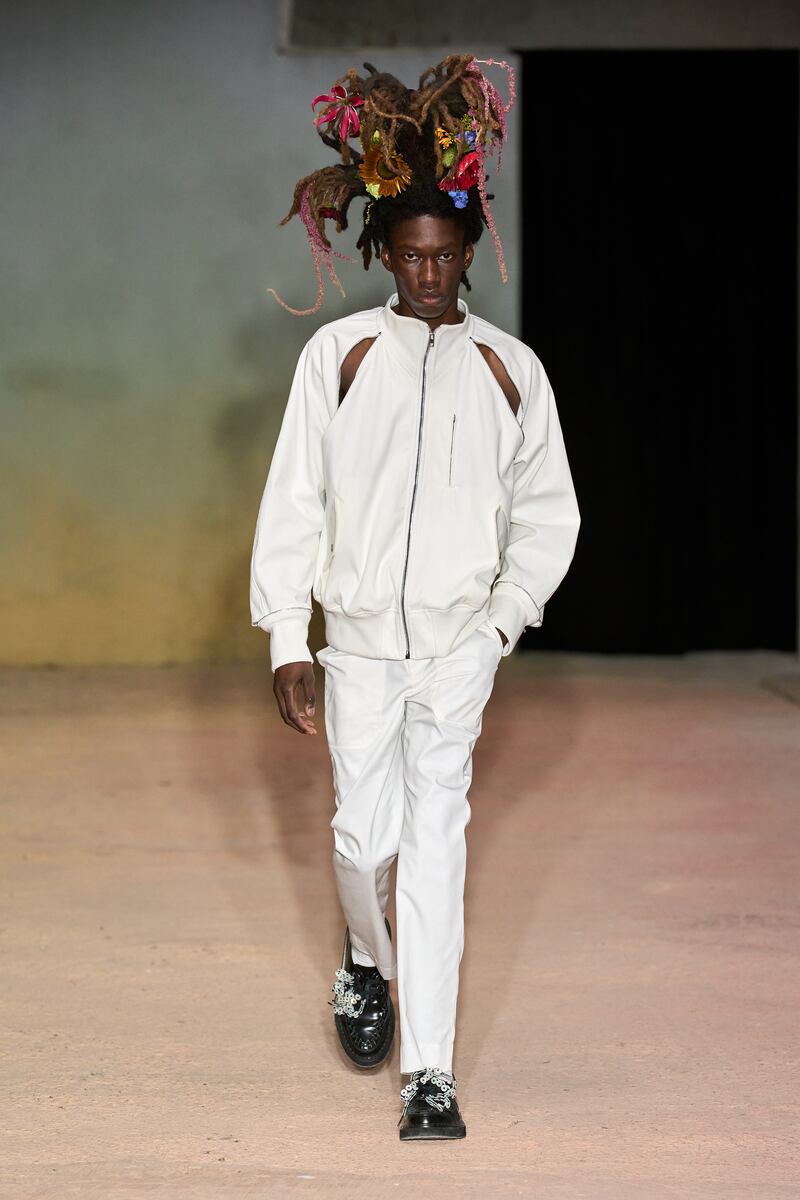
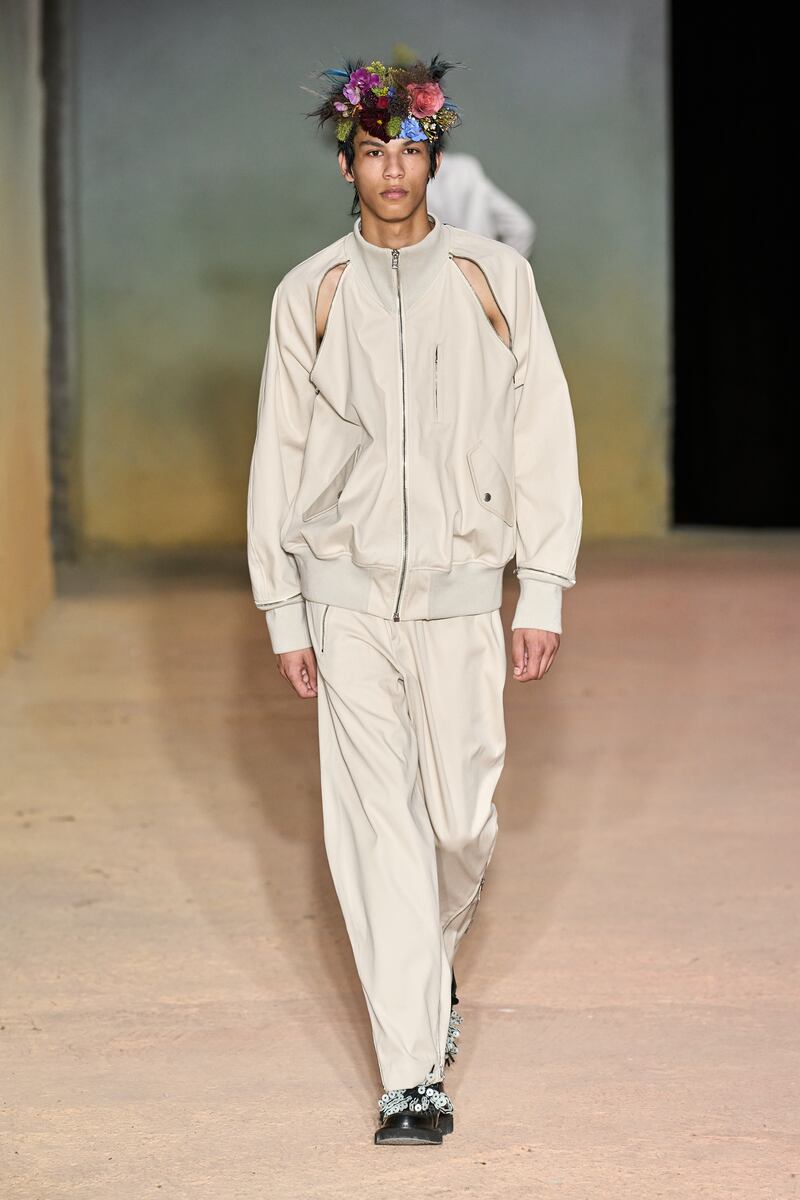
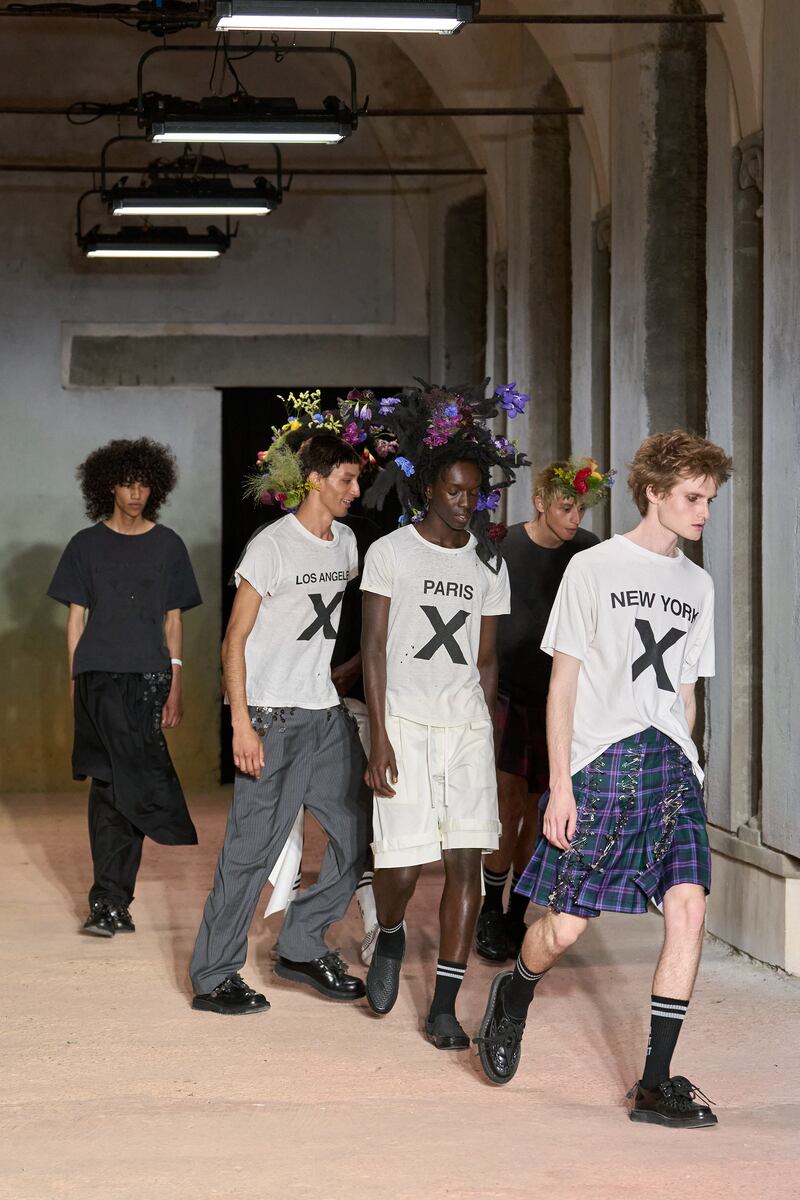
Over at DSM Kei Ninomiya, another Pitti debut, held in the cavernous and wonderfully délabré Sant’Orsola convent, it was textbook punk, complete with chains, padlocks, safety pins, tartans and Jamie Reid graphics, not to mention the rather staged “fuck you” attitude. Despite Ninomiya’s obvious talent, it felt like cosplay punk, rather than an authentic take on such a powerful subcultural matter which has already been exploited and remade ad nauseam for decades. A fanzine distributed to guests and functioning as a sort of manifesto claimed the intention to build “our punk” — something current and valid for the DSM community — but the concept came across as a cliché that can be bought elsewhere for a fraction of the price. To be sure, the hairdos were amazing: flower mohawks conceived by Pablo Kümin in collaboration with florist Azuma Makoto. Equally mindblowing was Tomaso Binga’s spatial/poetic soundtrack. And yet, such mind-expanding additions only highlighted the narrow-mindedness of the main dish.
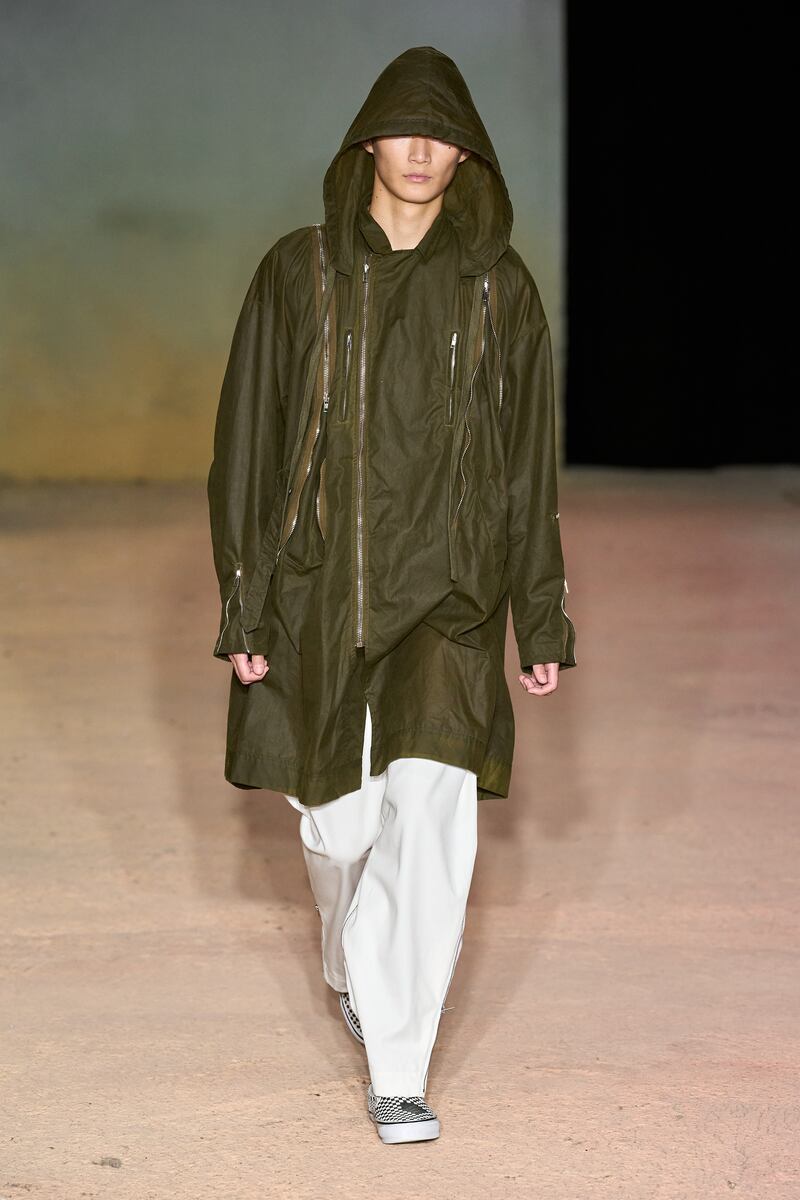
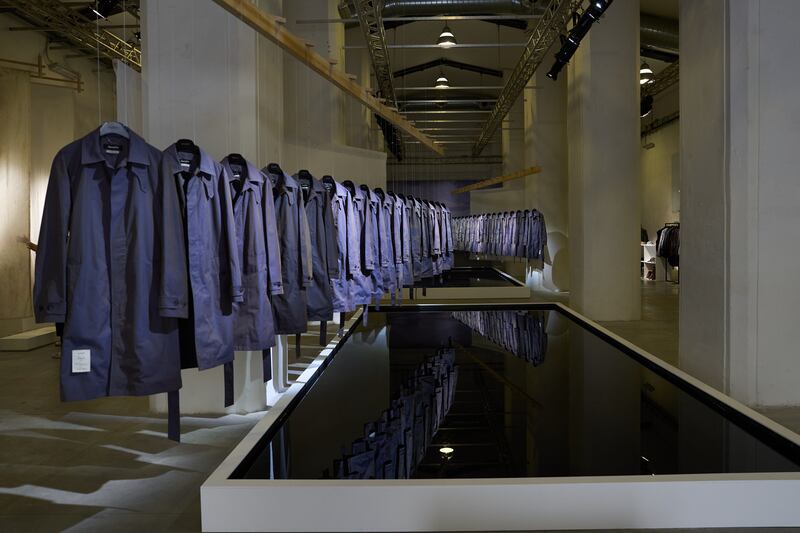
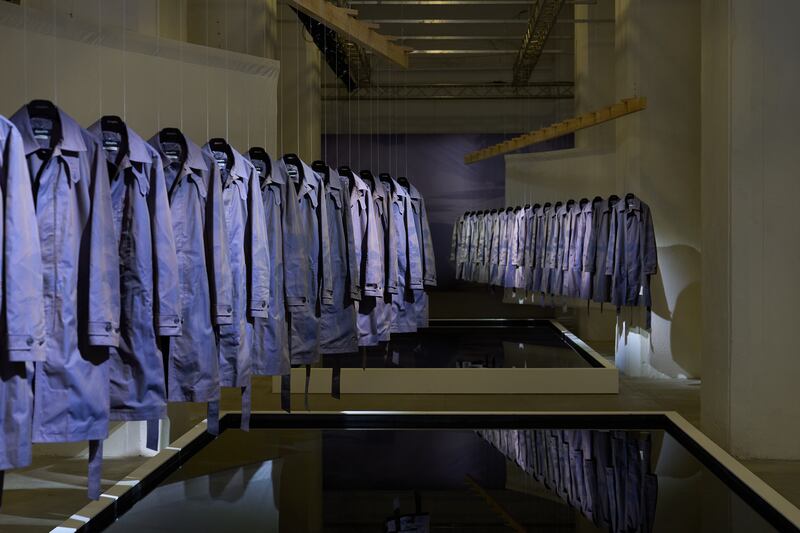
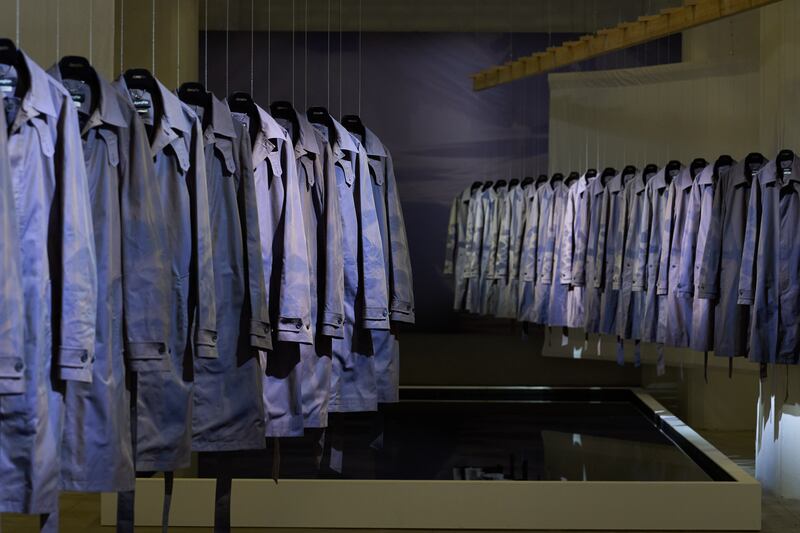
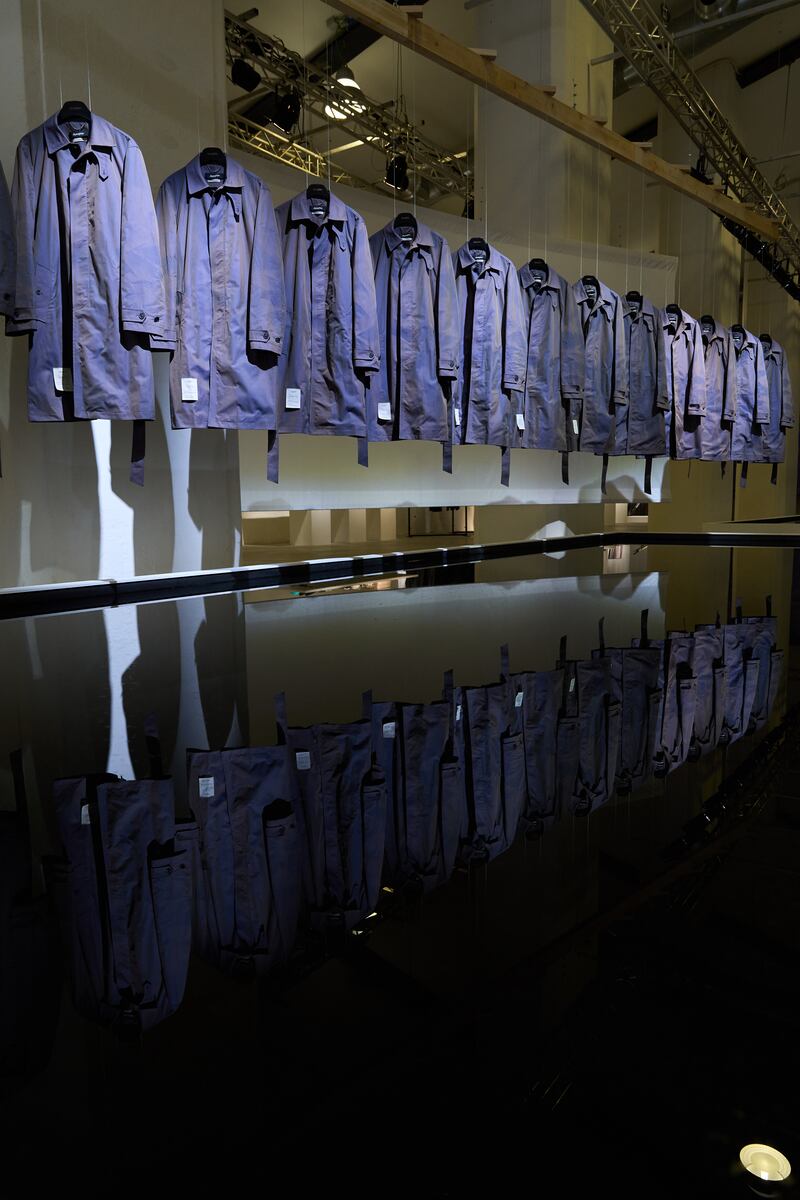
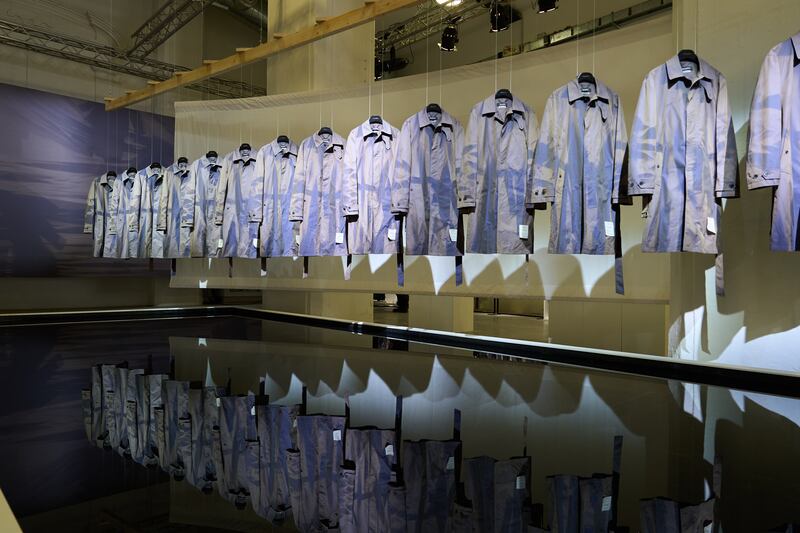
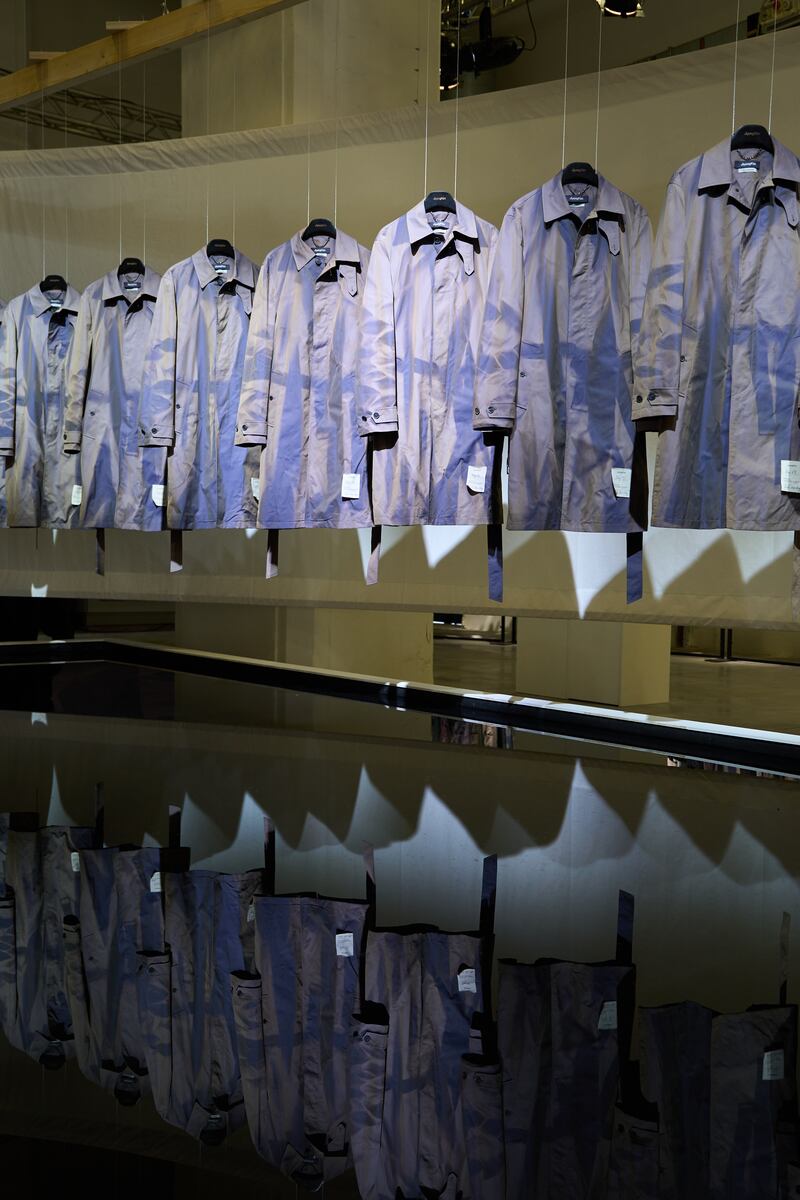
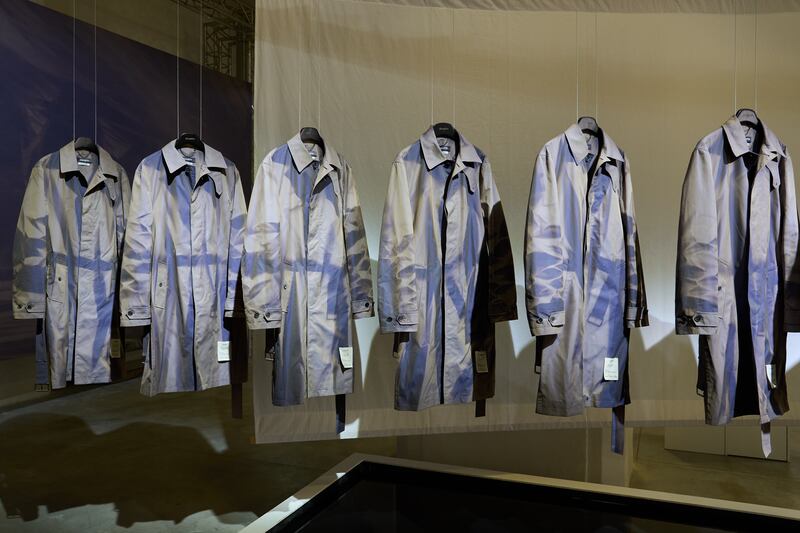
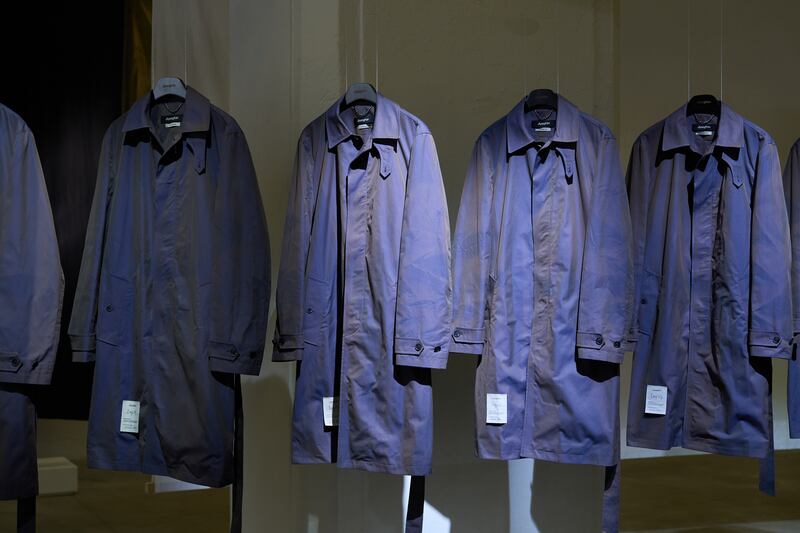
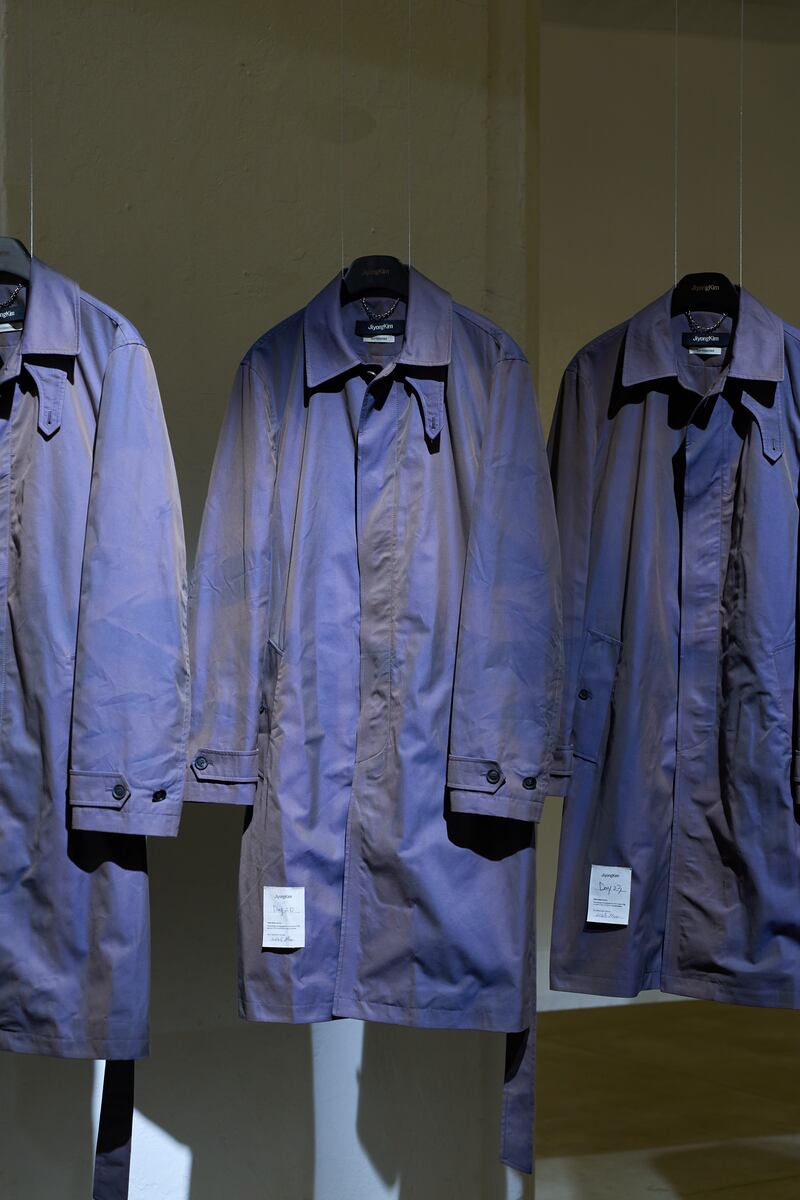
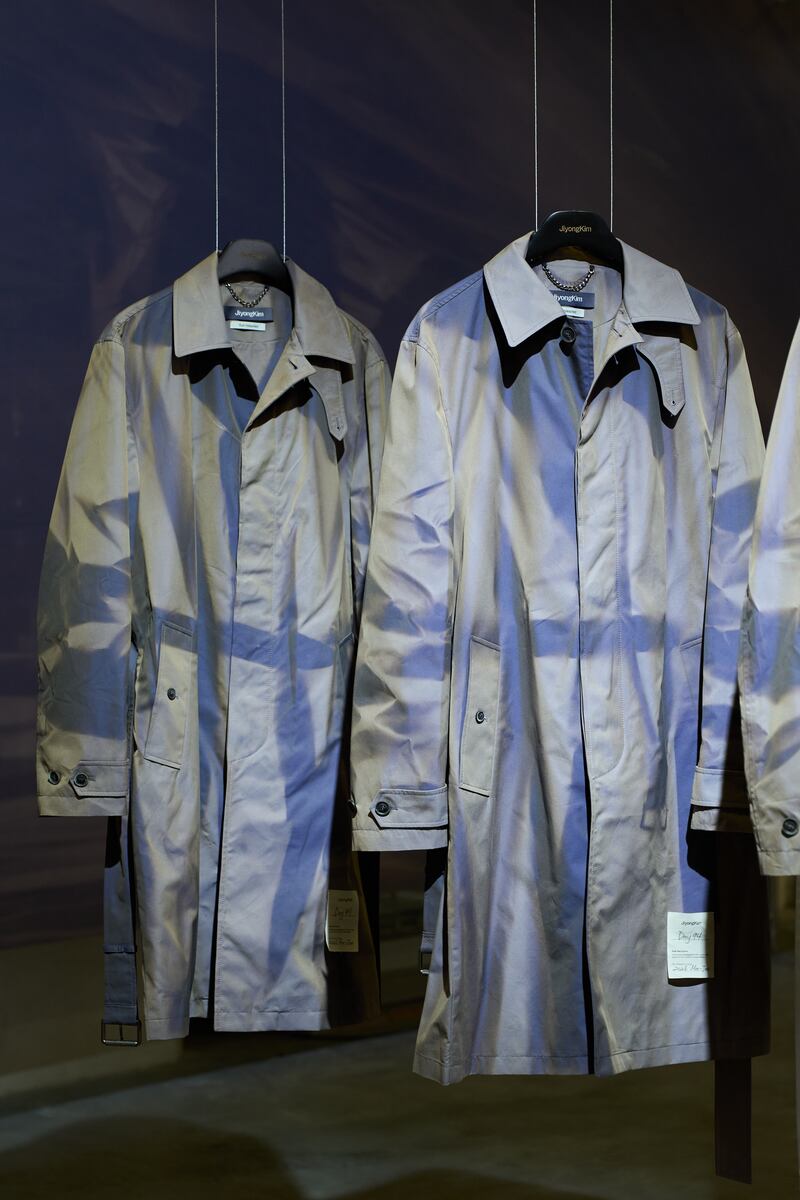
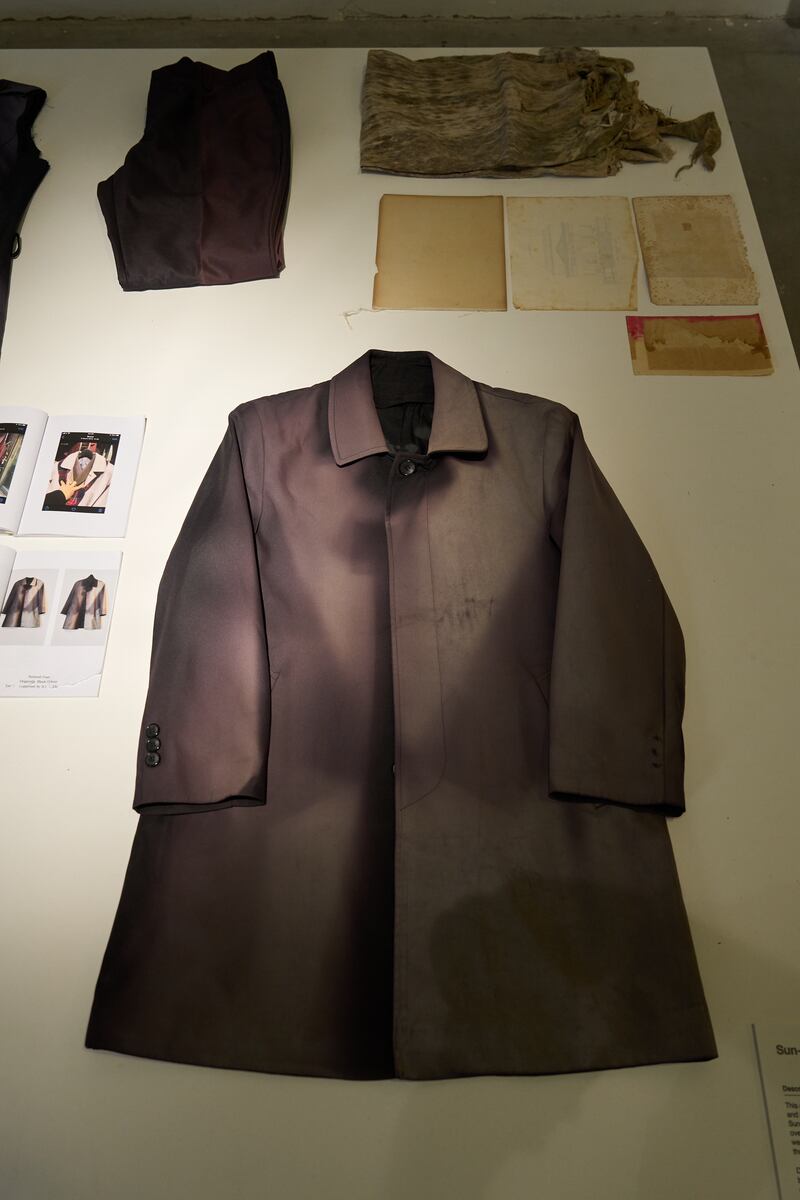
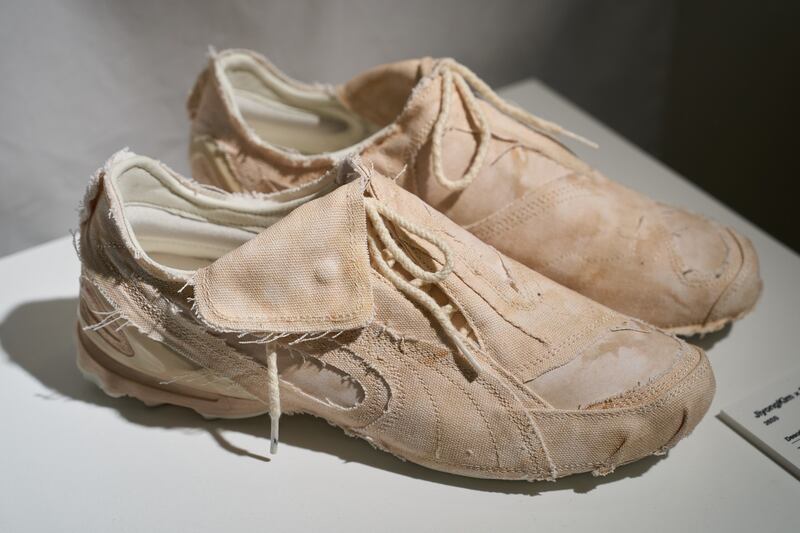
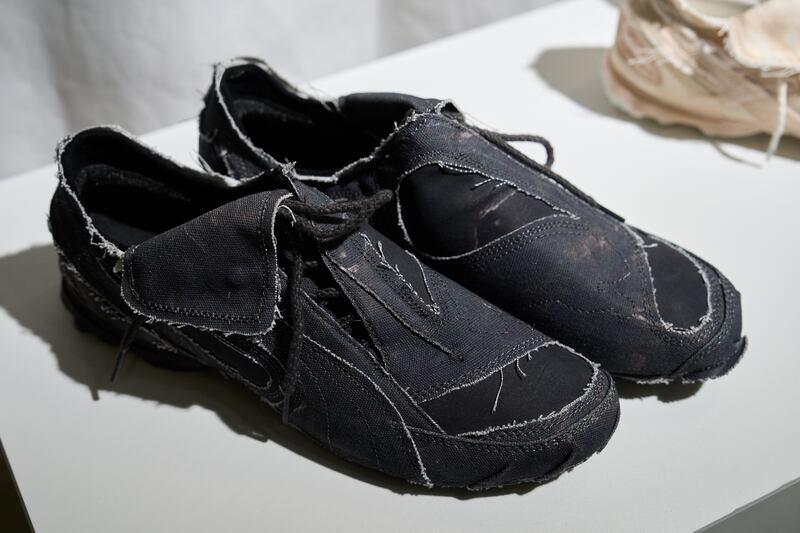
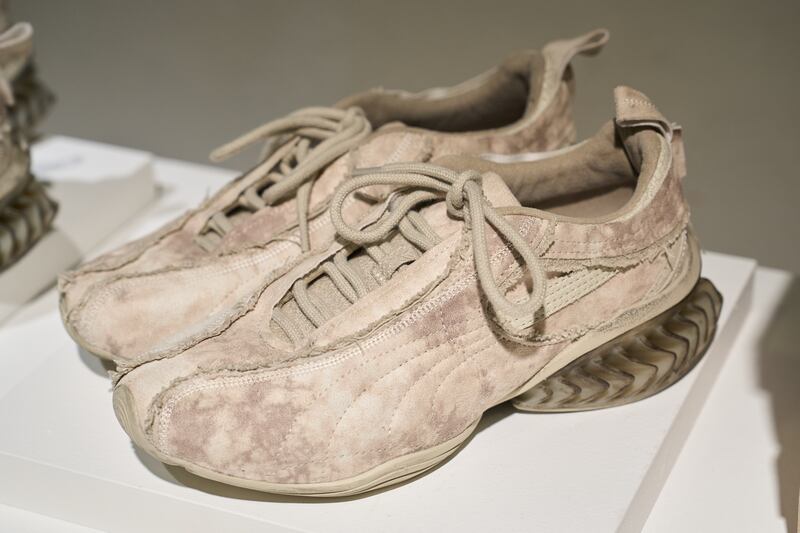
One of the surprises of the season was provided by Korean designer Jiyong Kim, who showed his eponymous line of sunbleached utility garments in installation format in a warehouse inside the Fortezza. Kim’s core idea — creating intense surface treatments by exposing garments to direct sunlight for carefully calculated periods of time — is as effective as it is elementary. His practical clothes with painterly exteriors are a far cry from punk, but not at all normal.
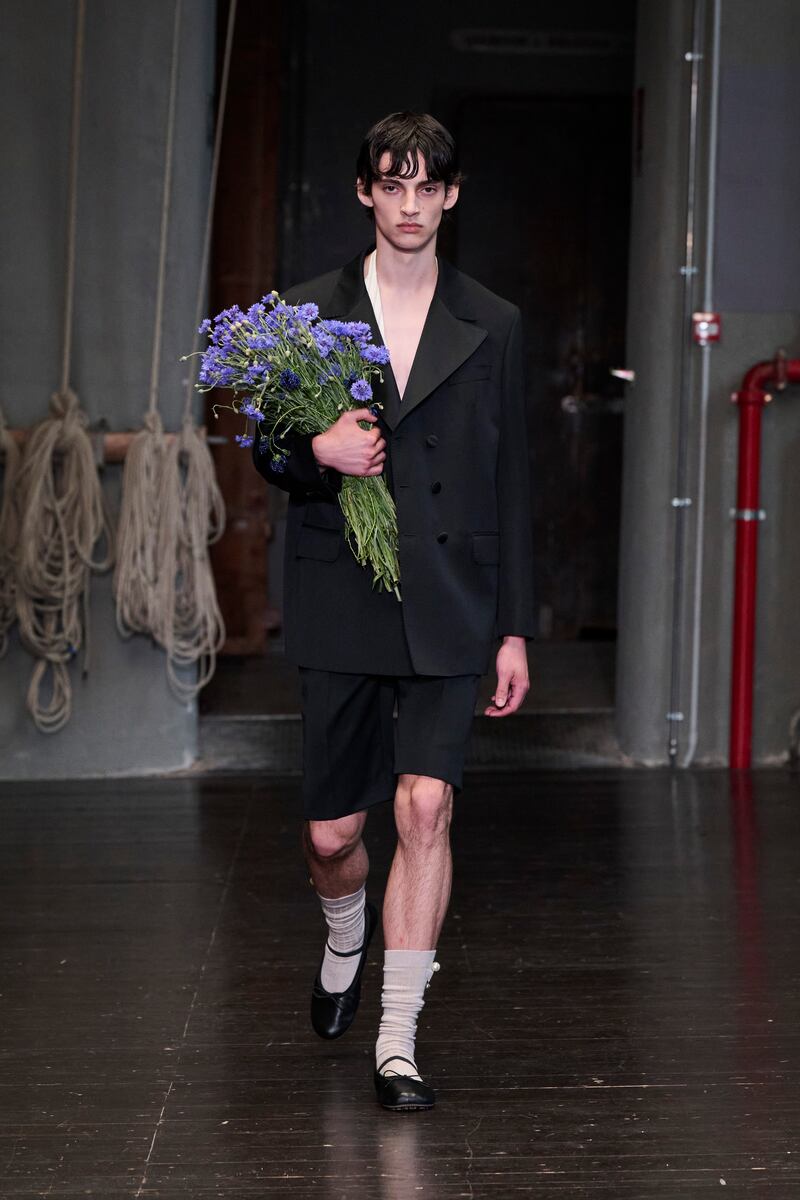
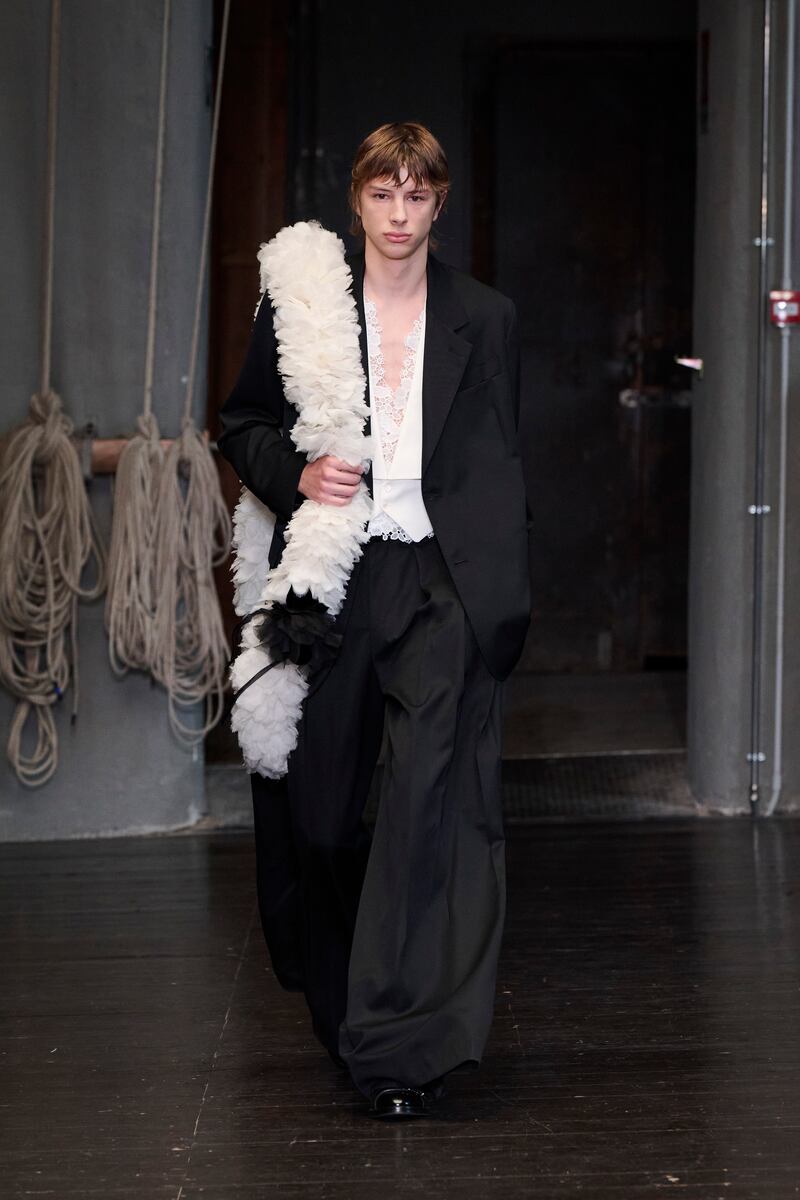
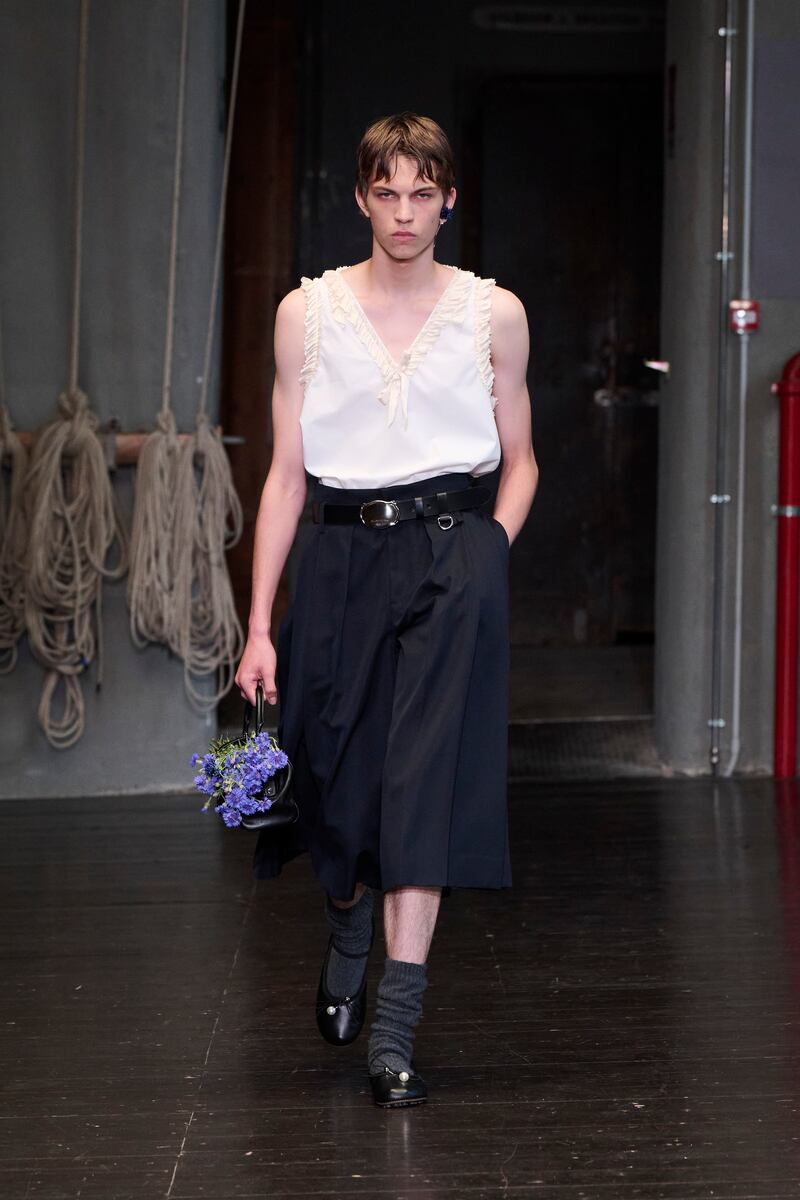
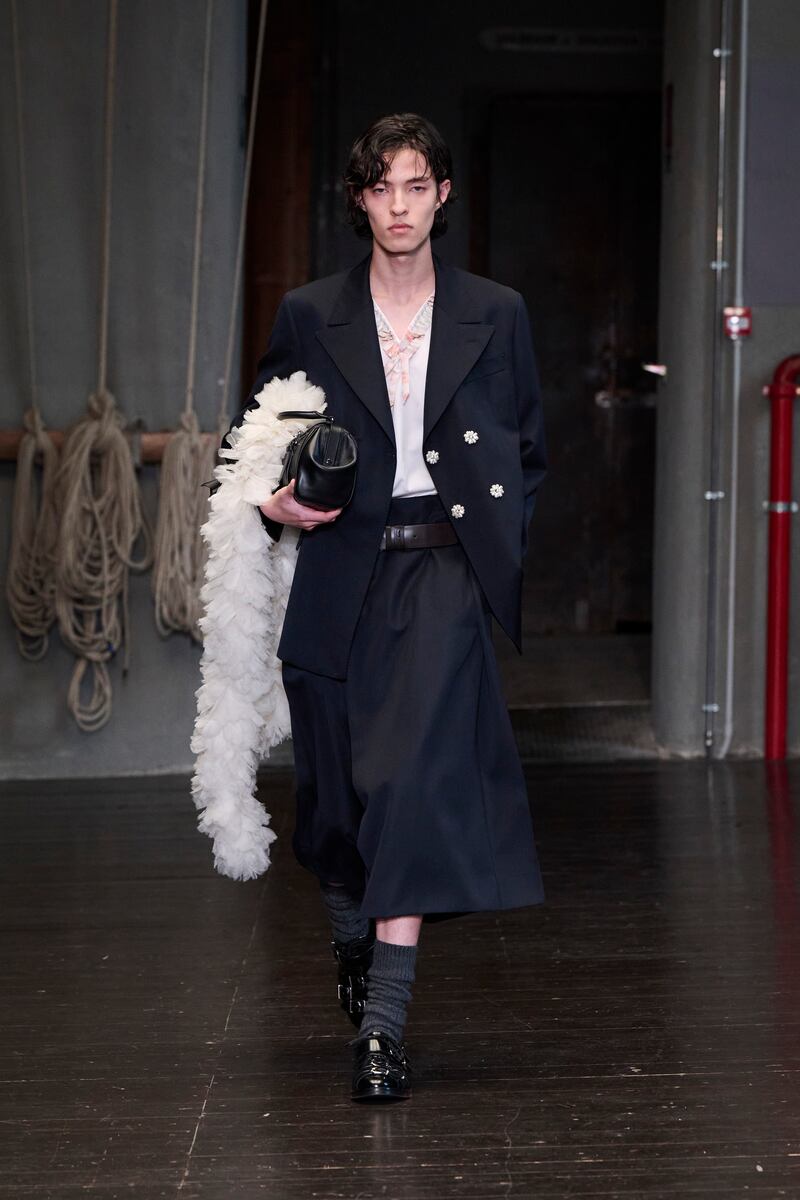
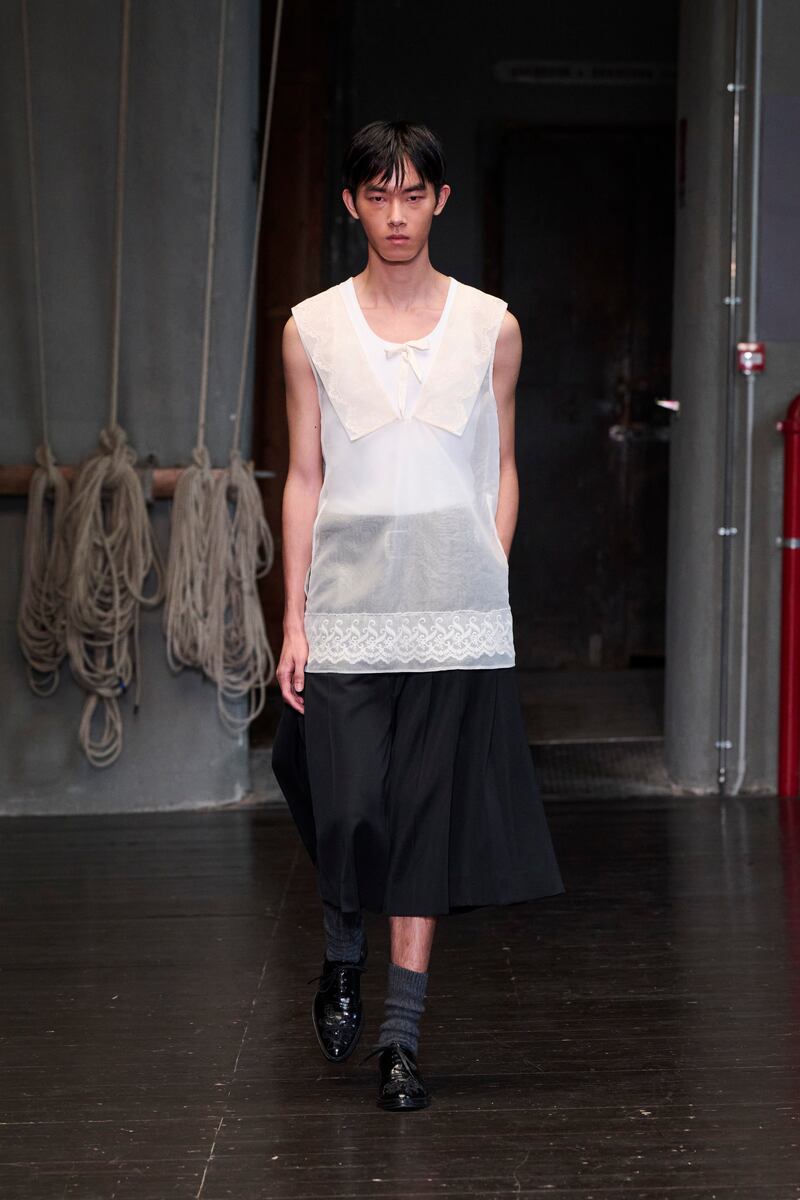
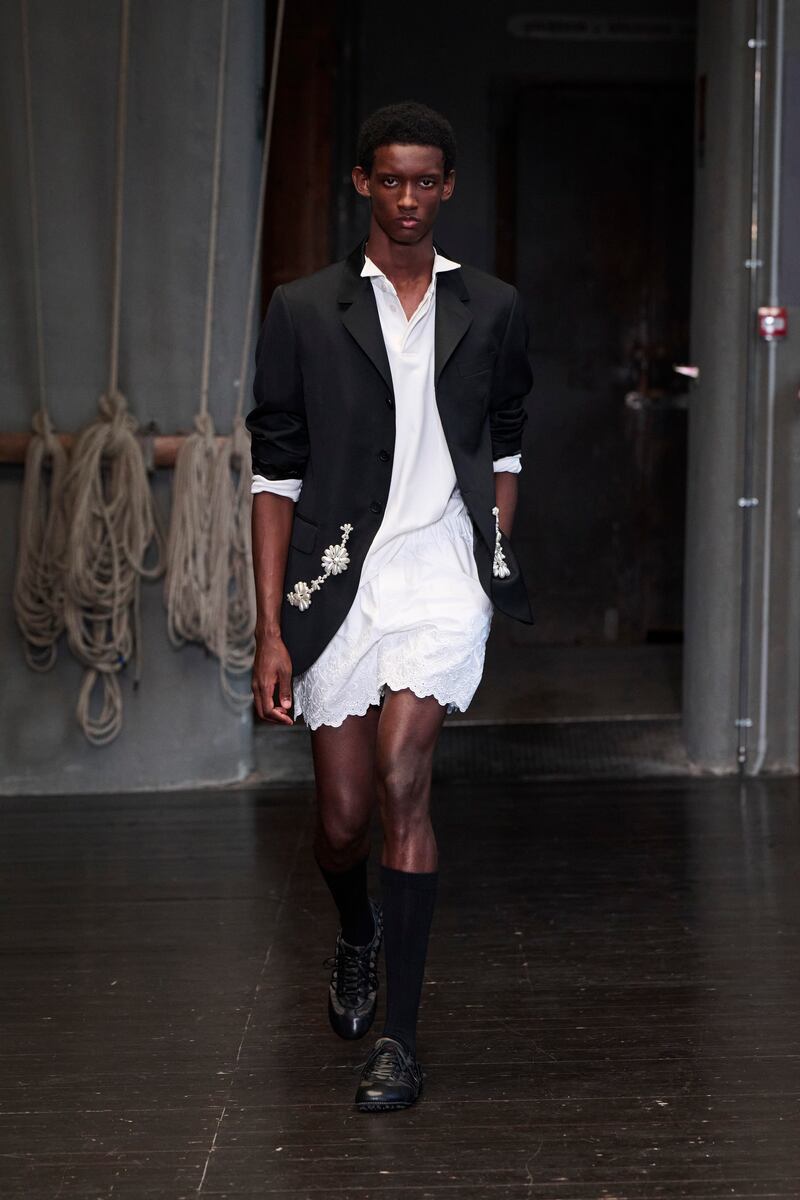
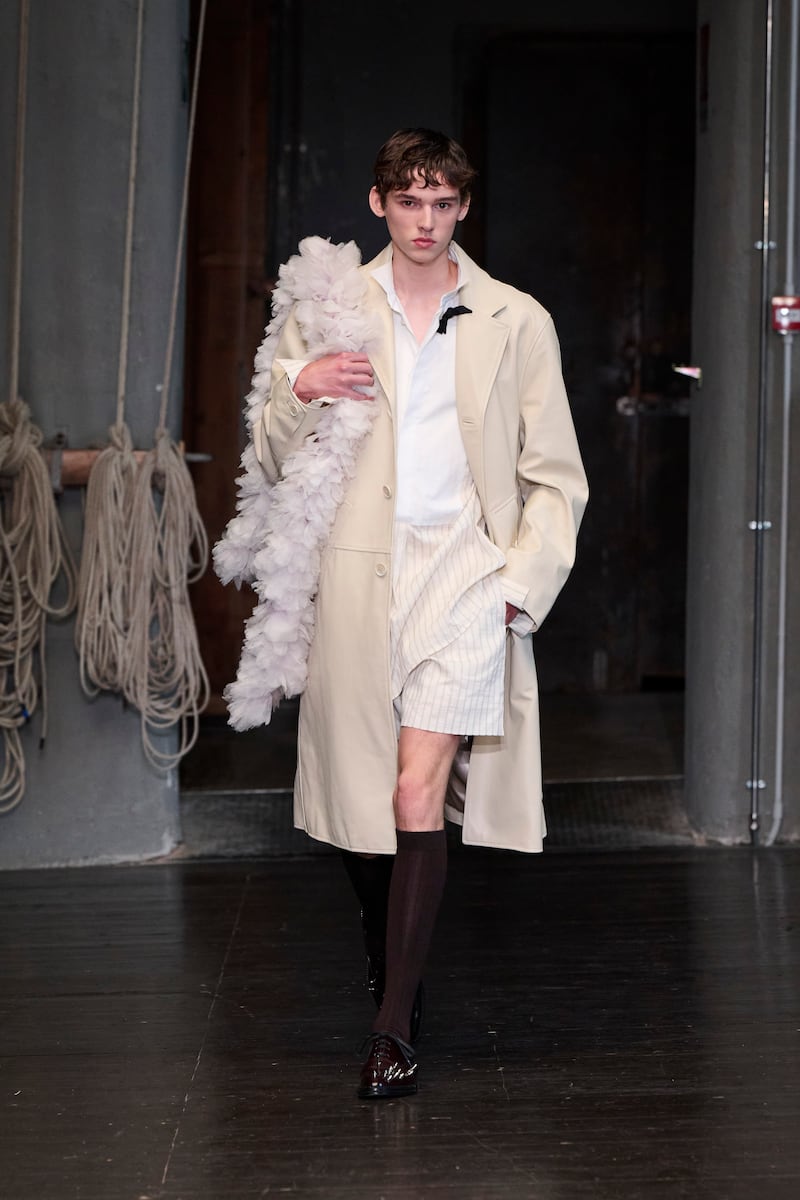
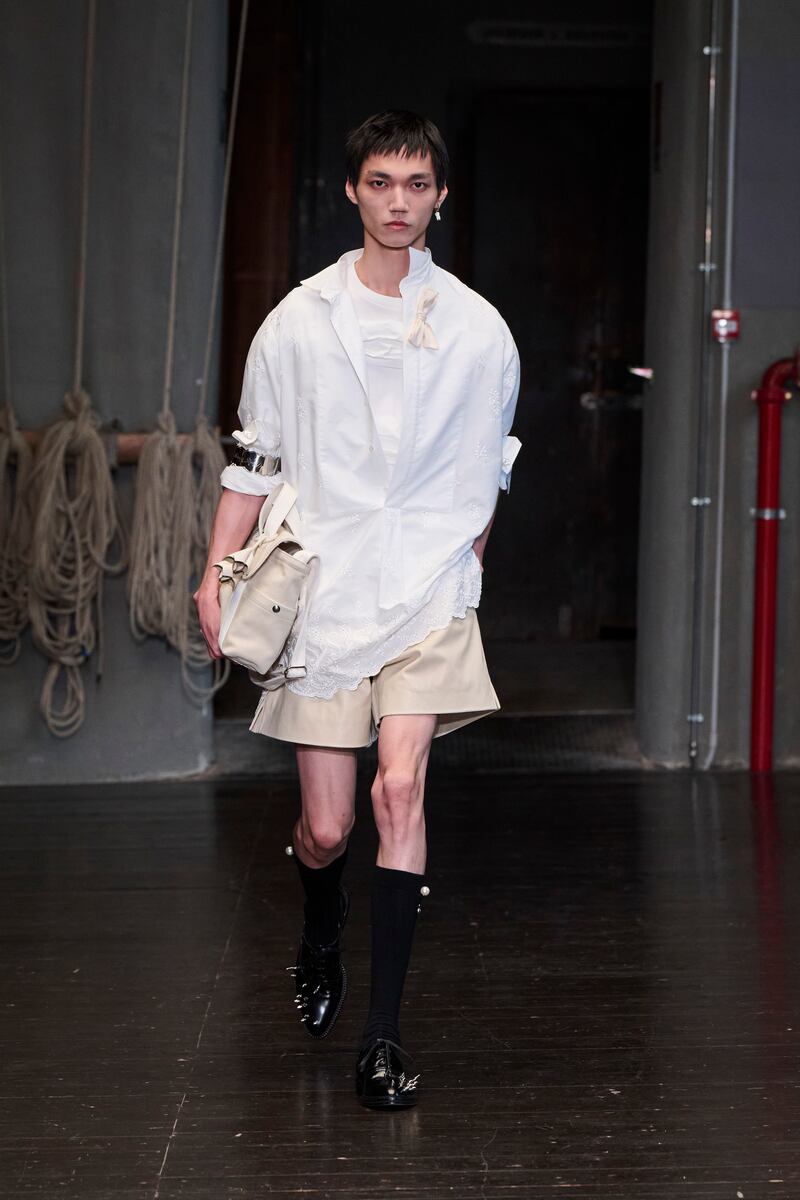
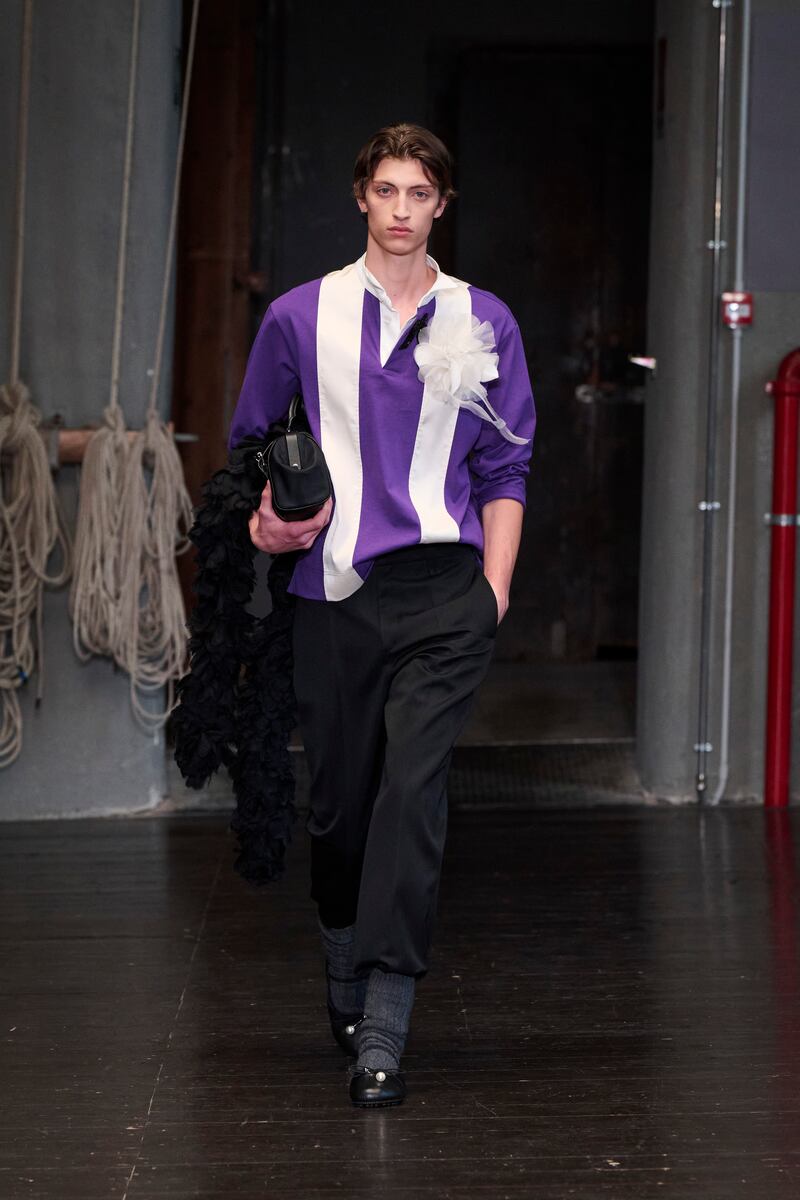
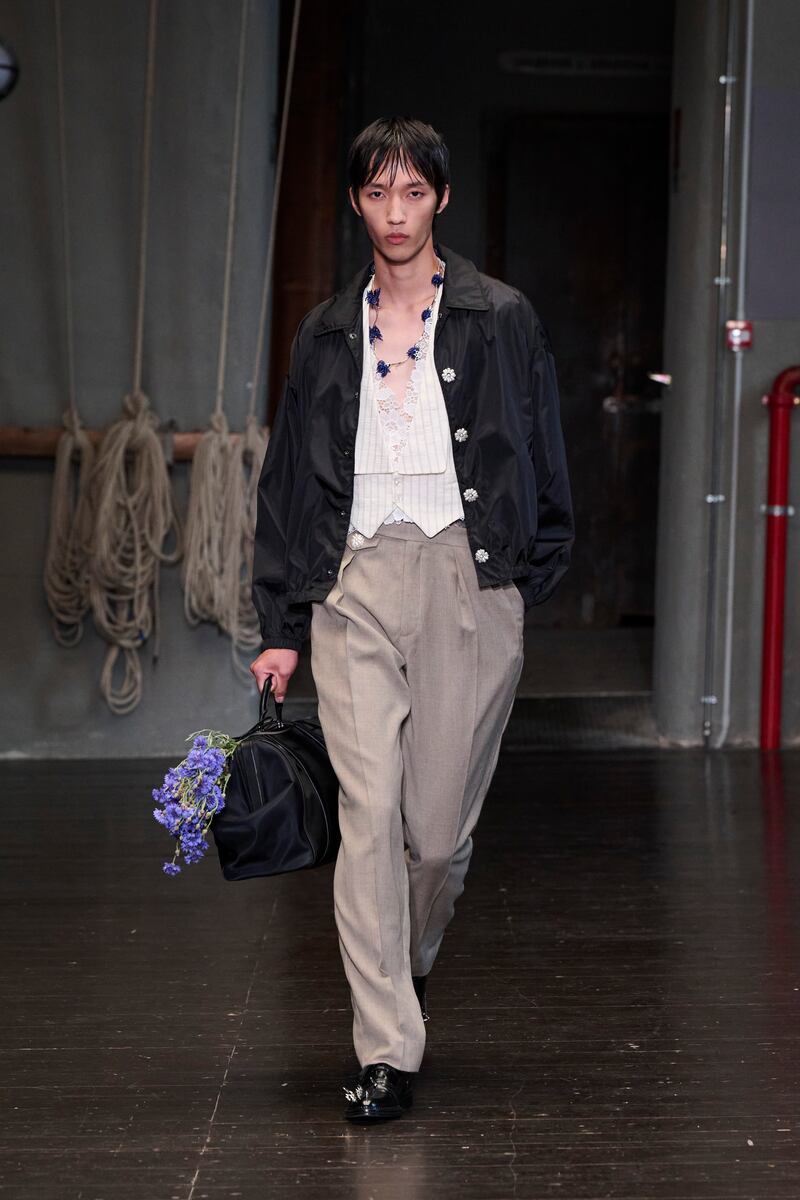
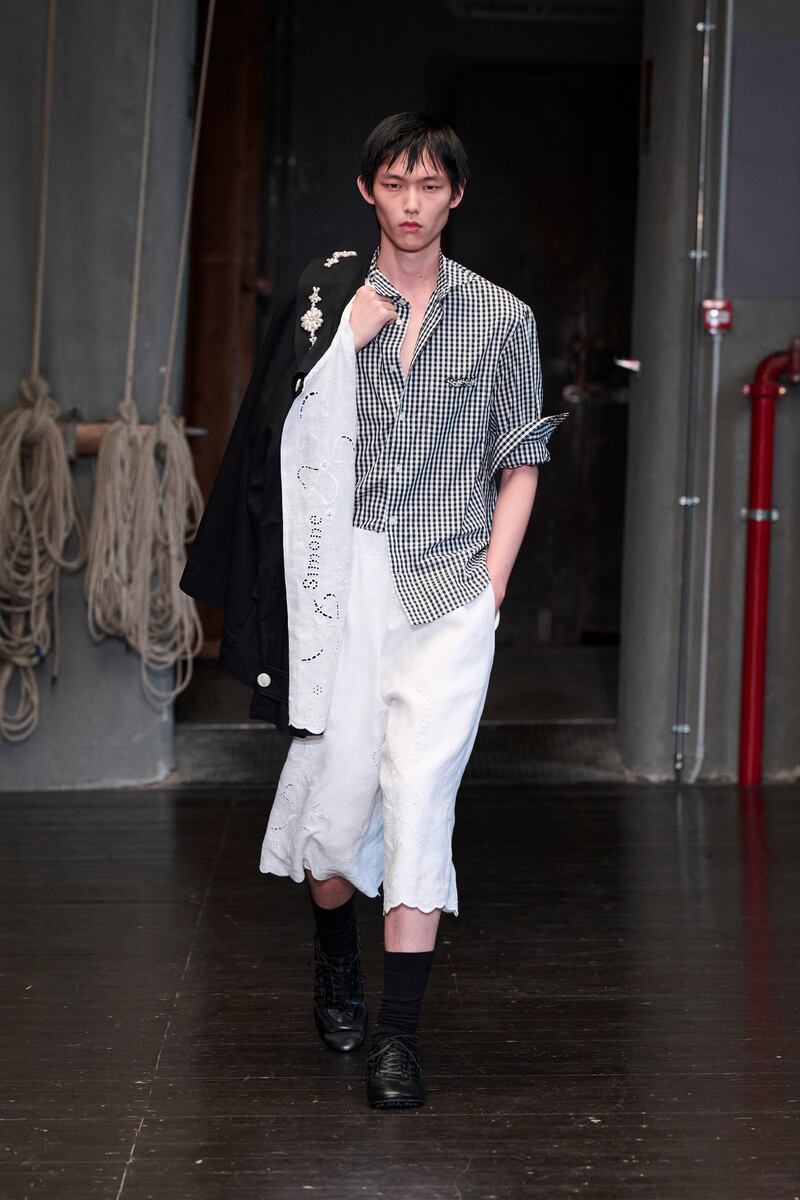
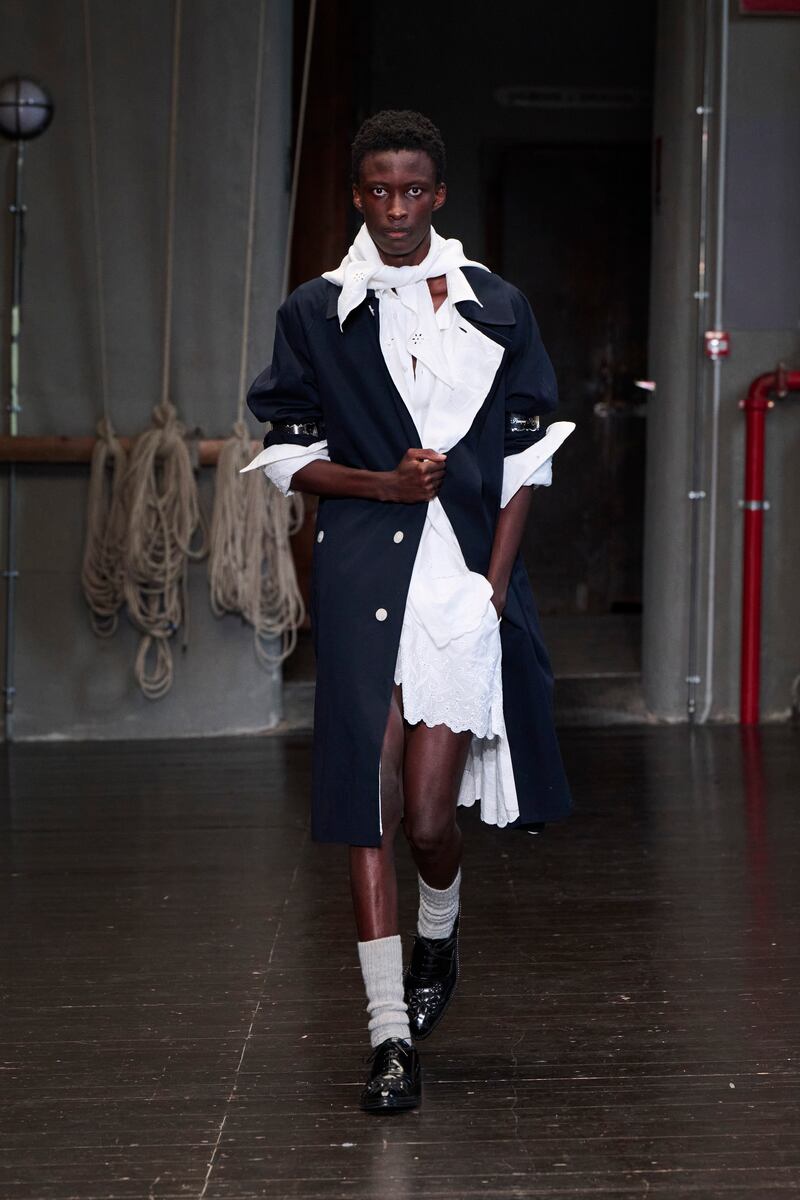
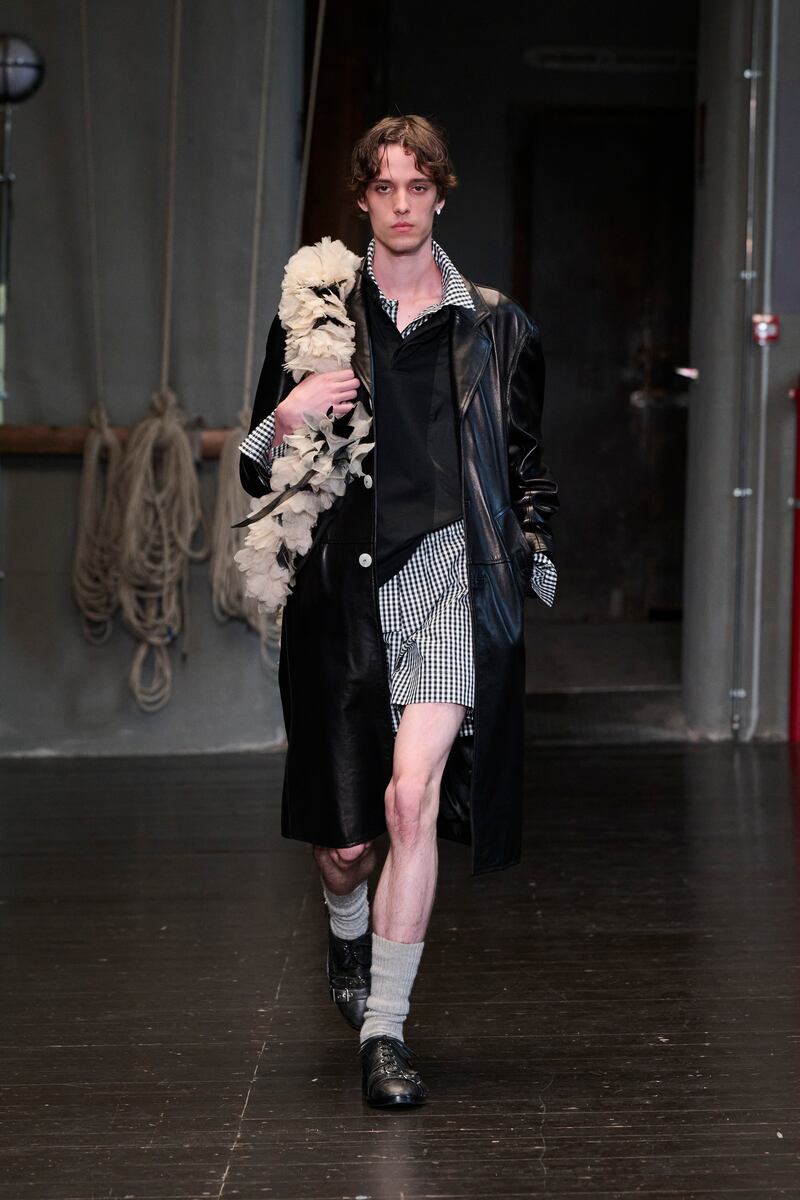
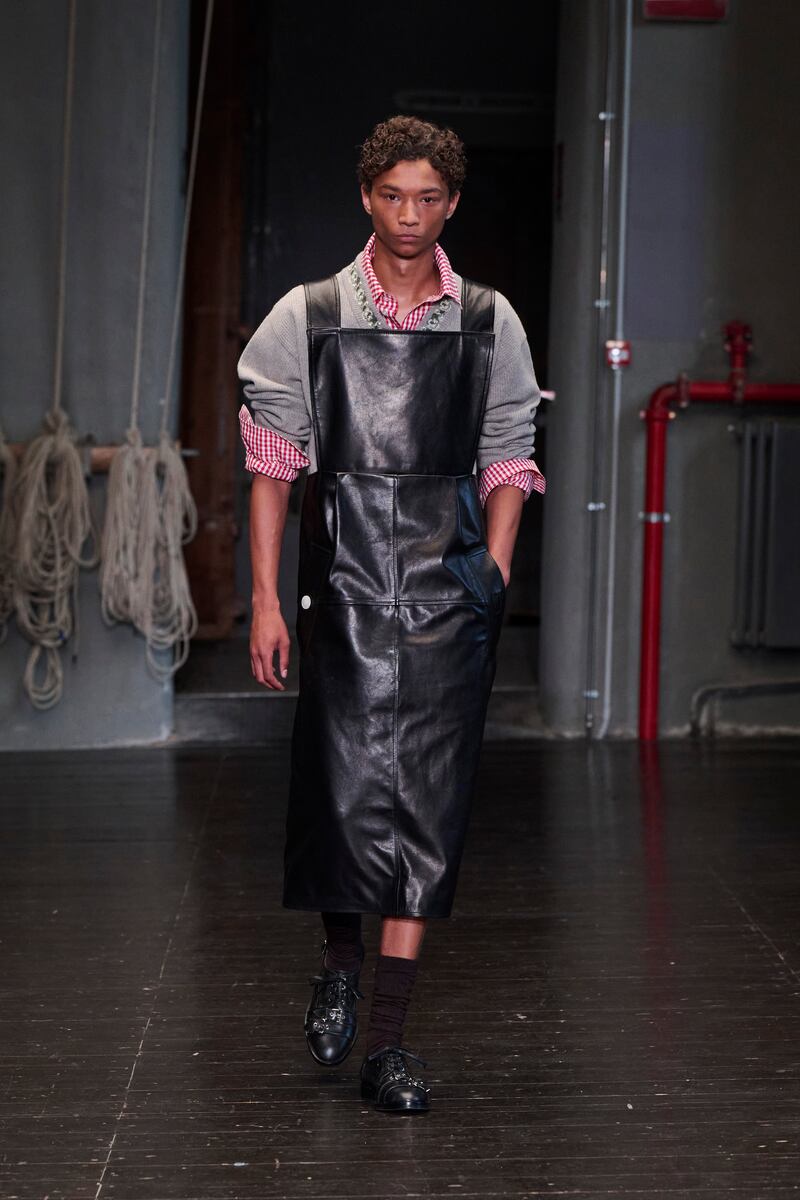
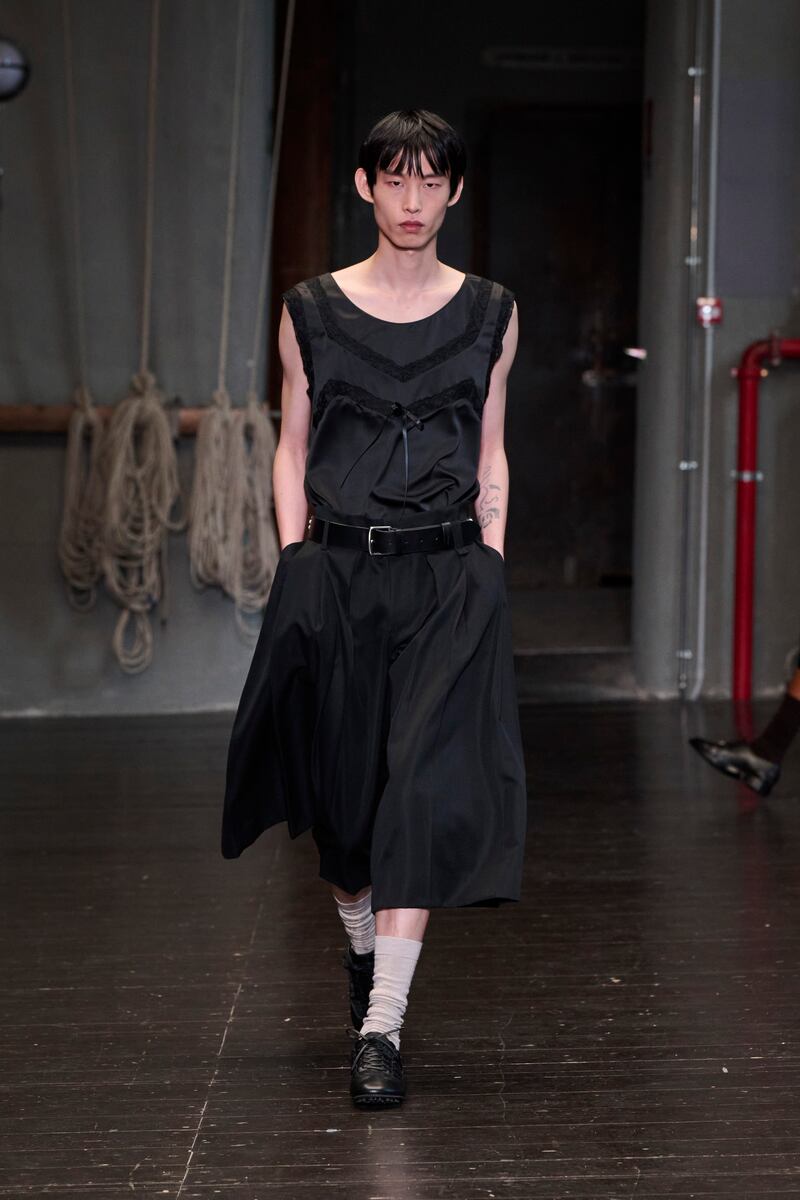
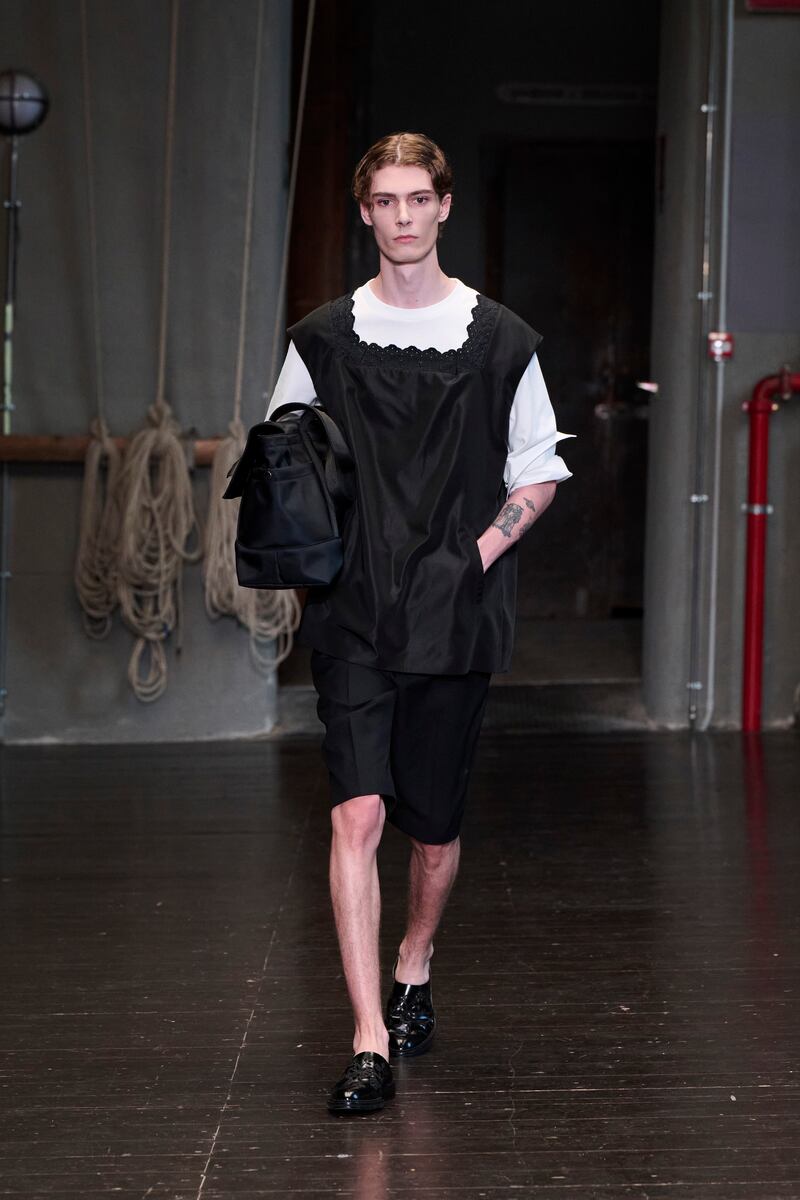
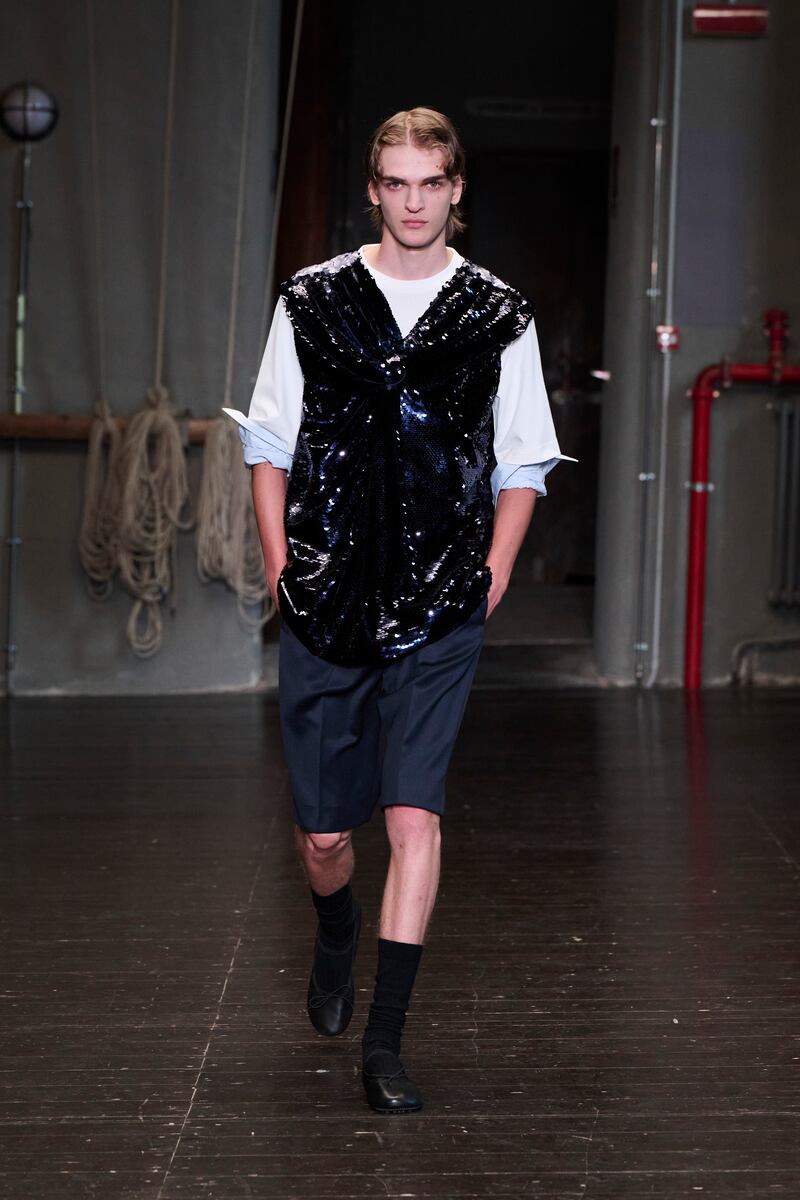
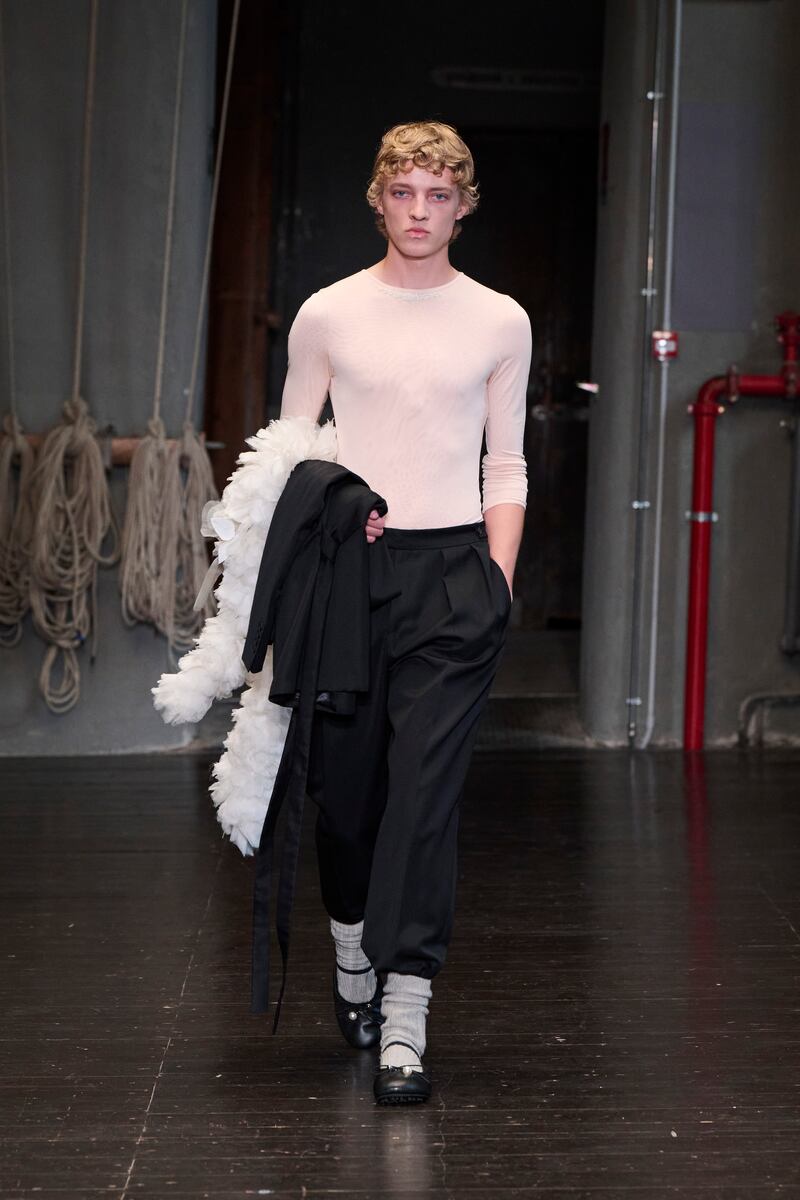
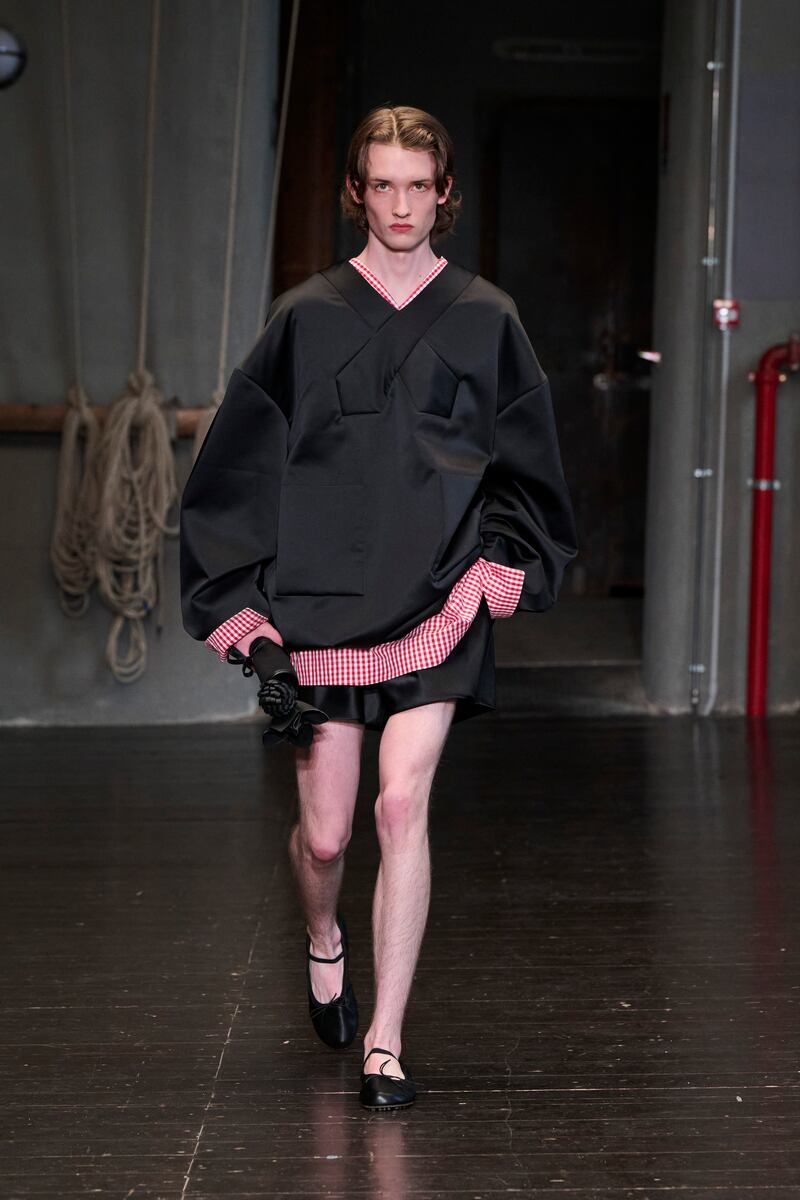
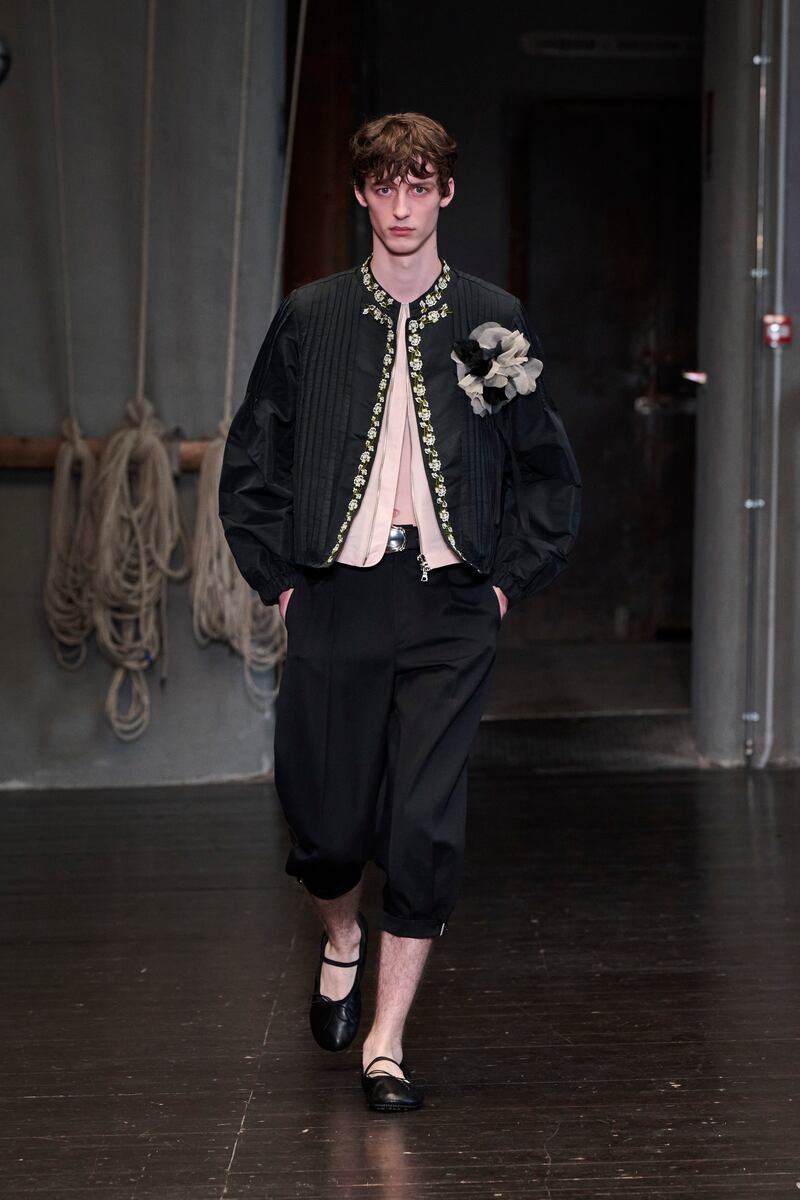
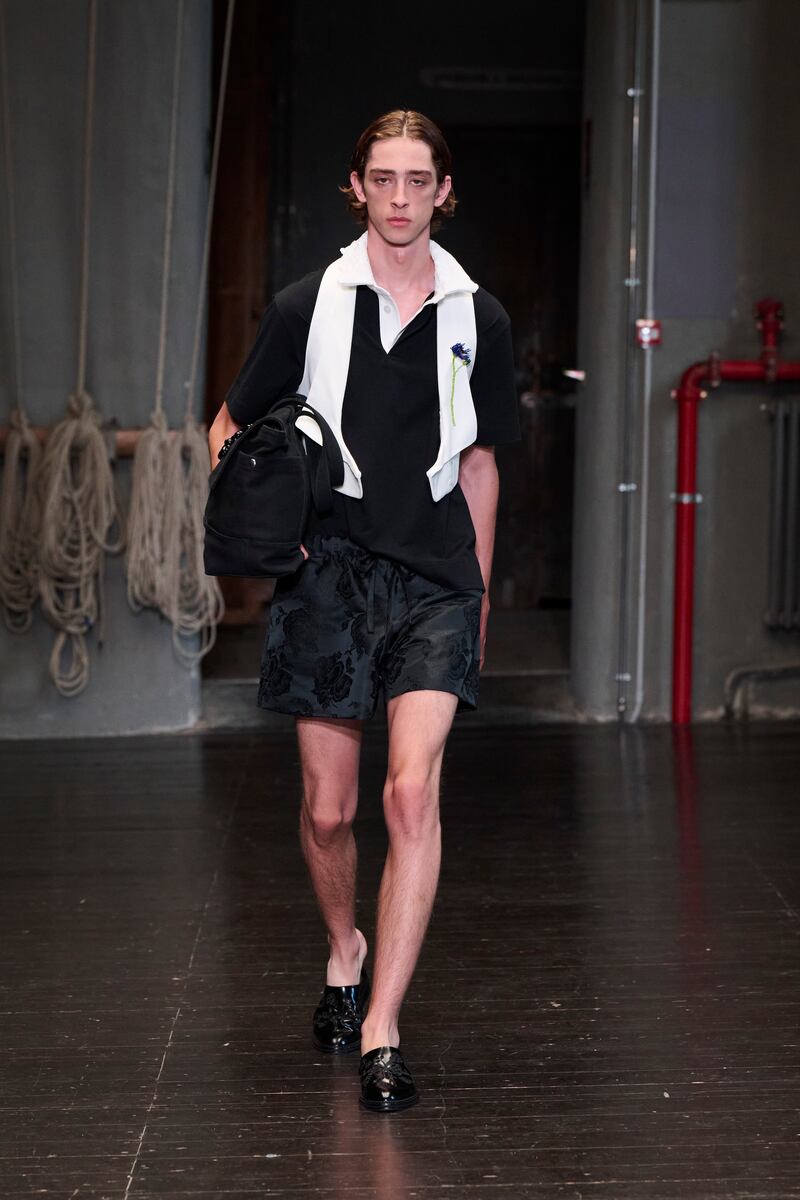
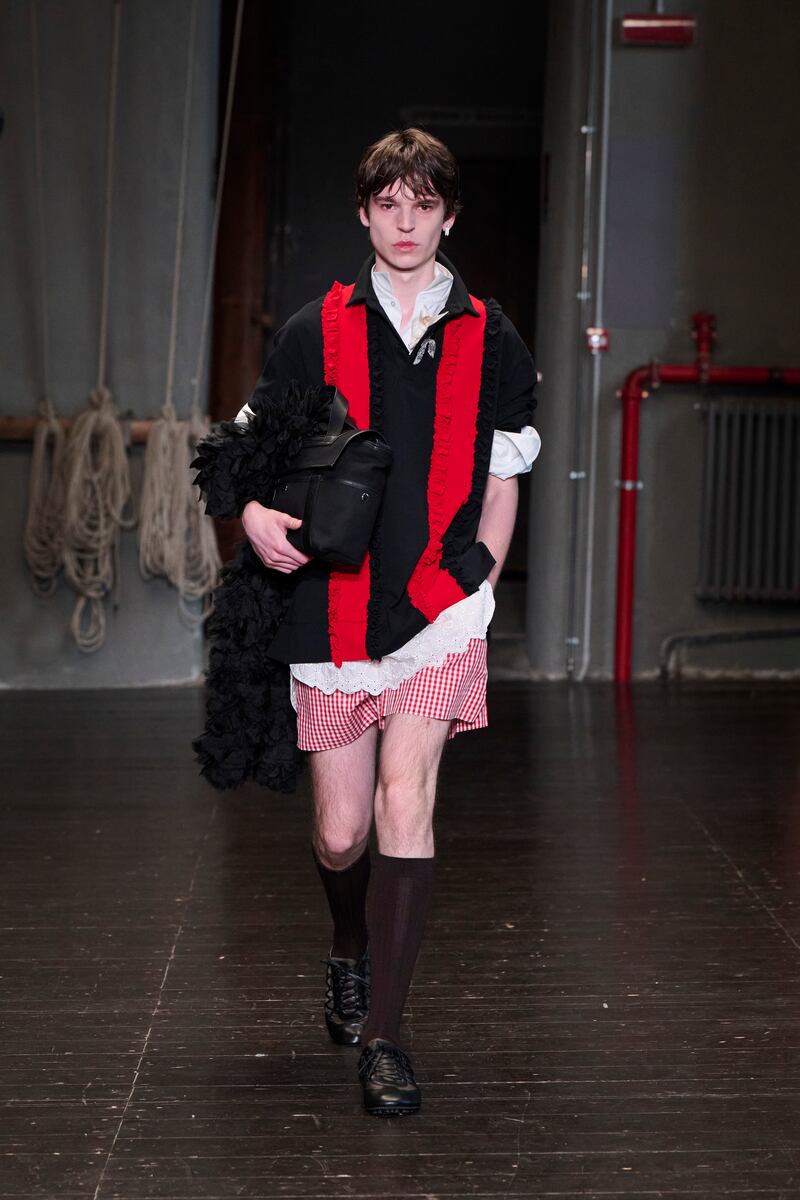
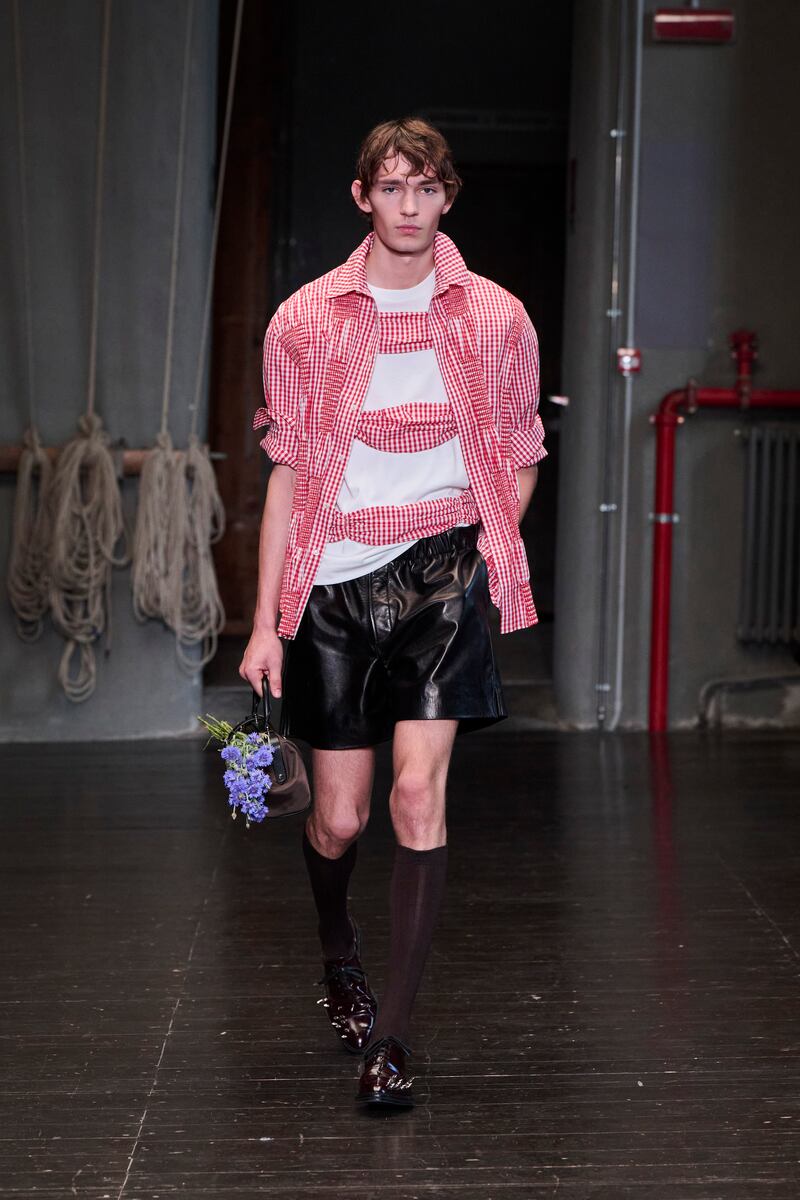
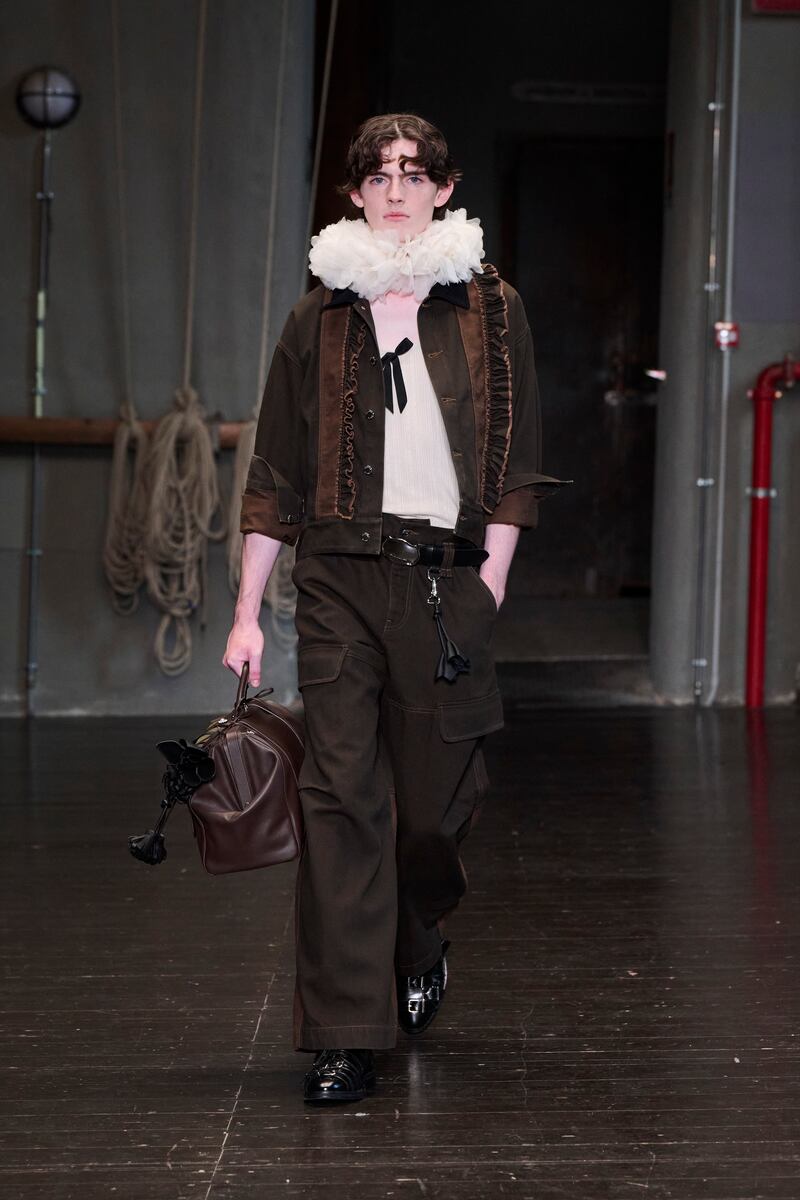
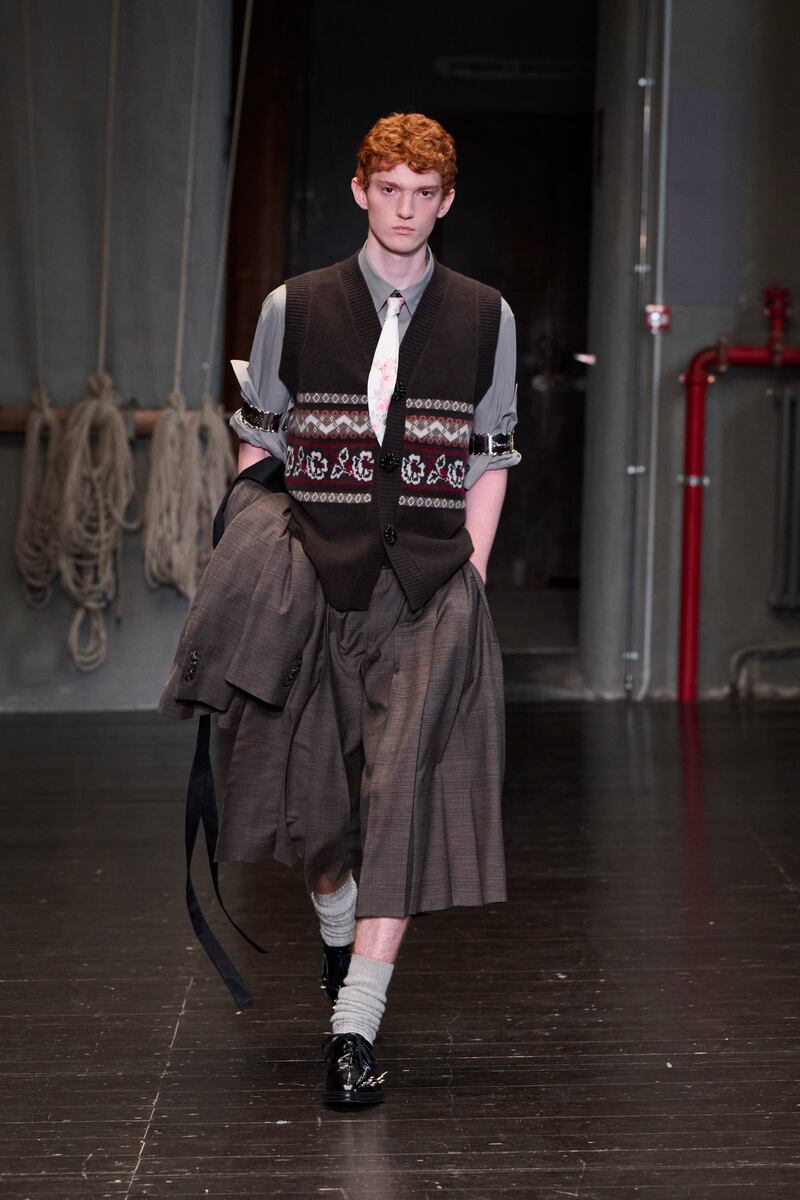
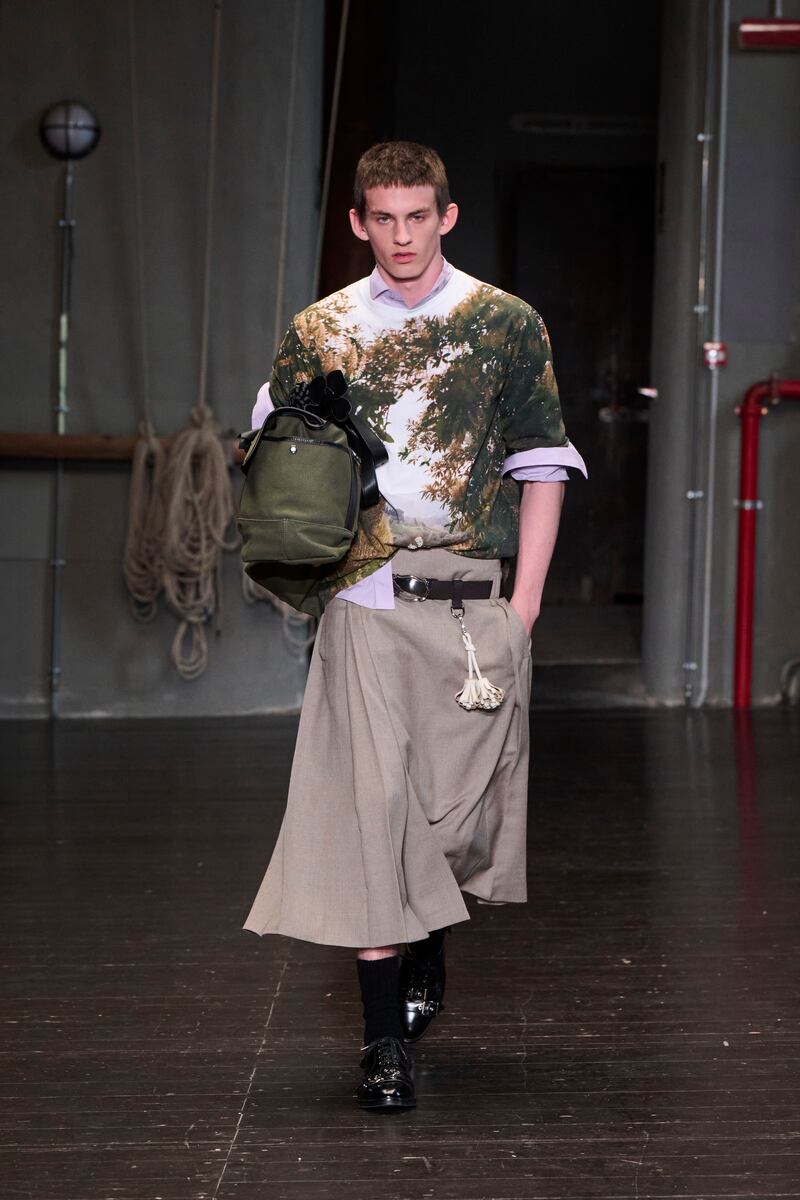
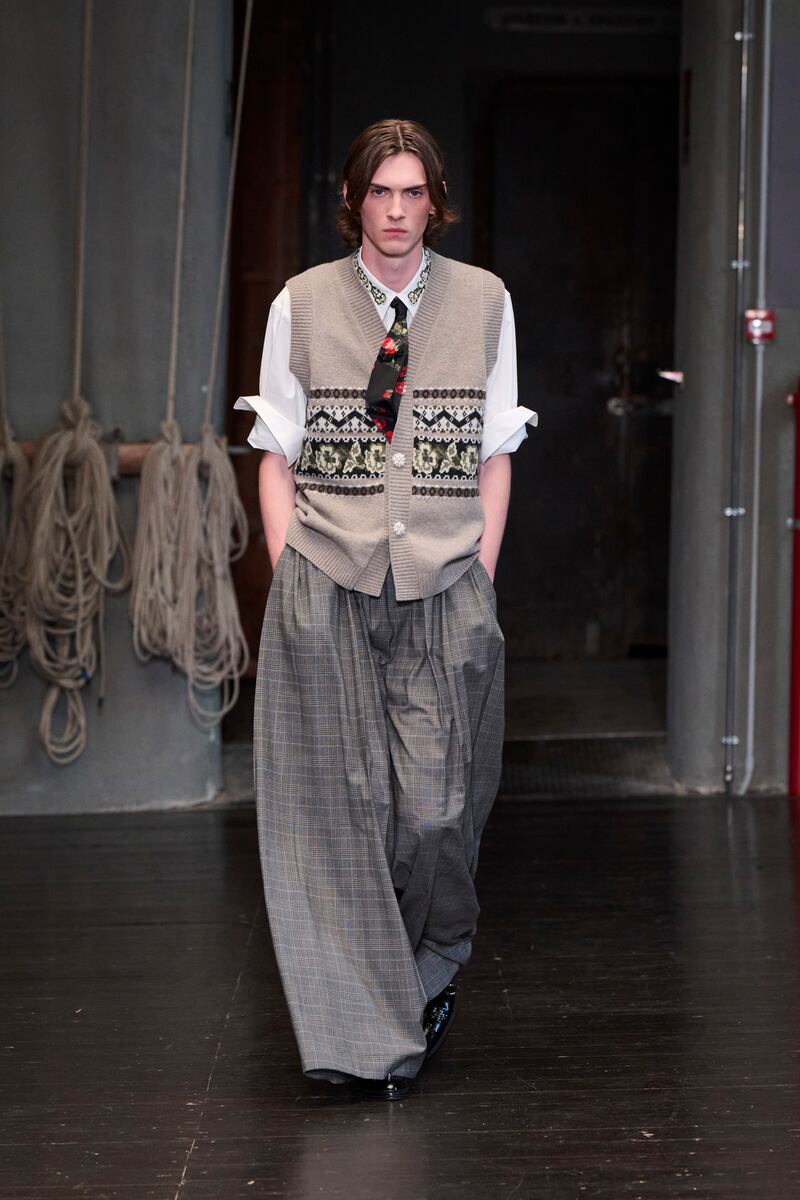
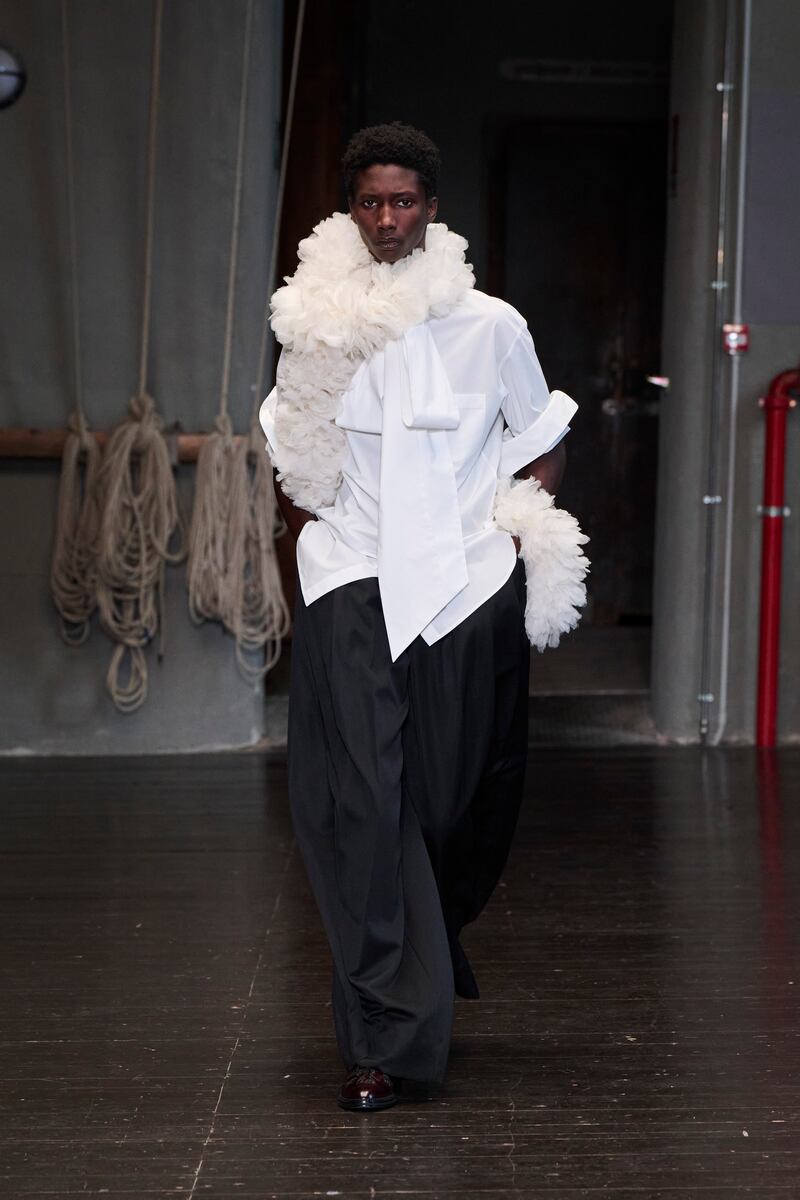
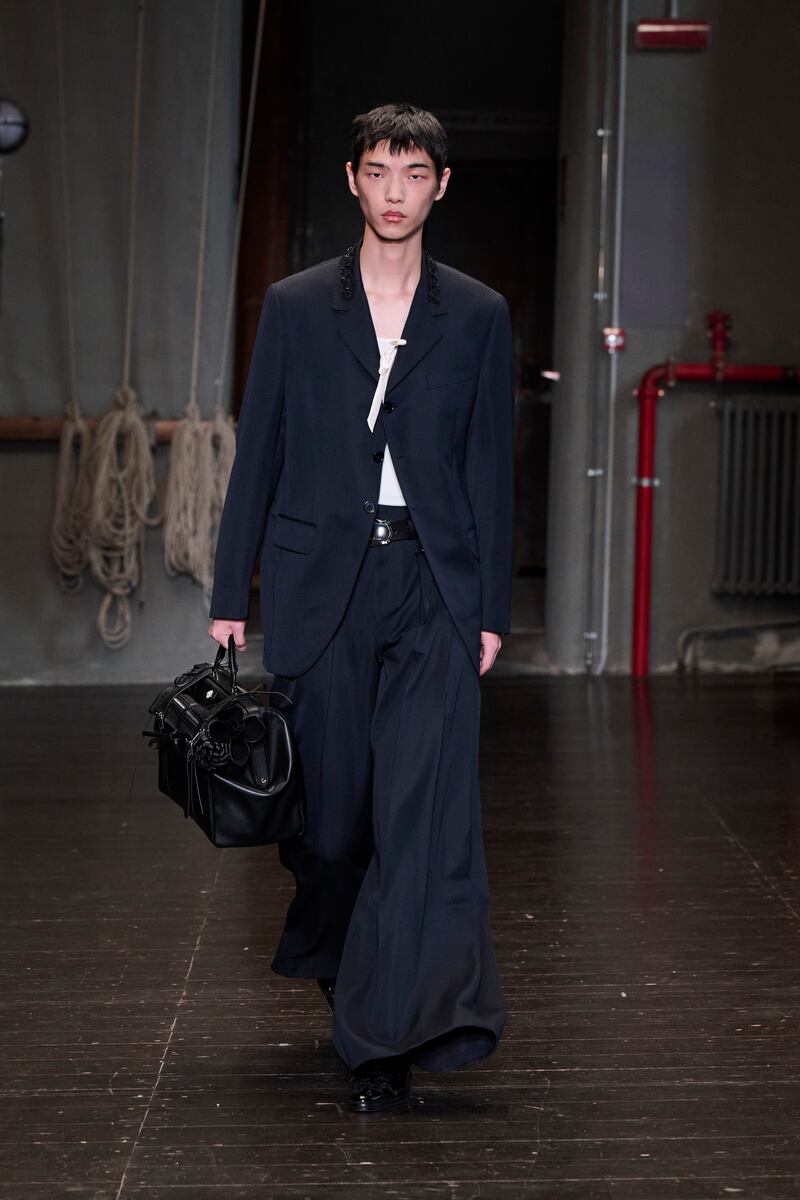
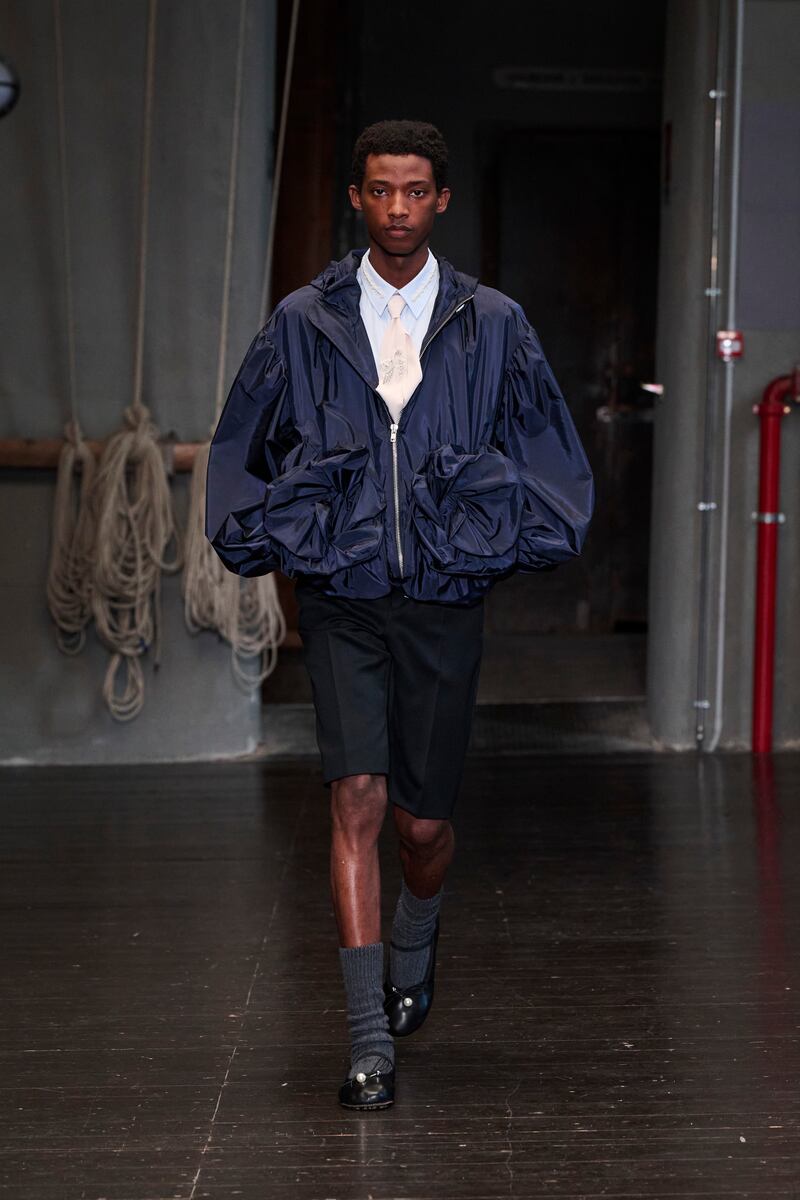
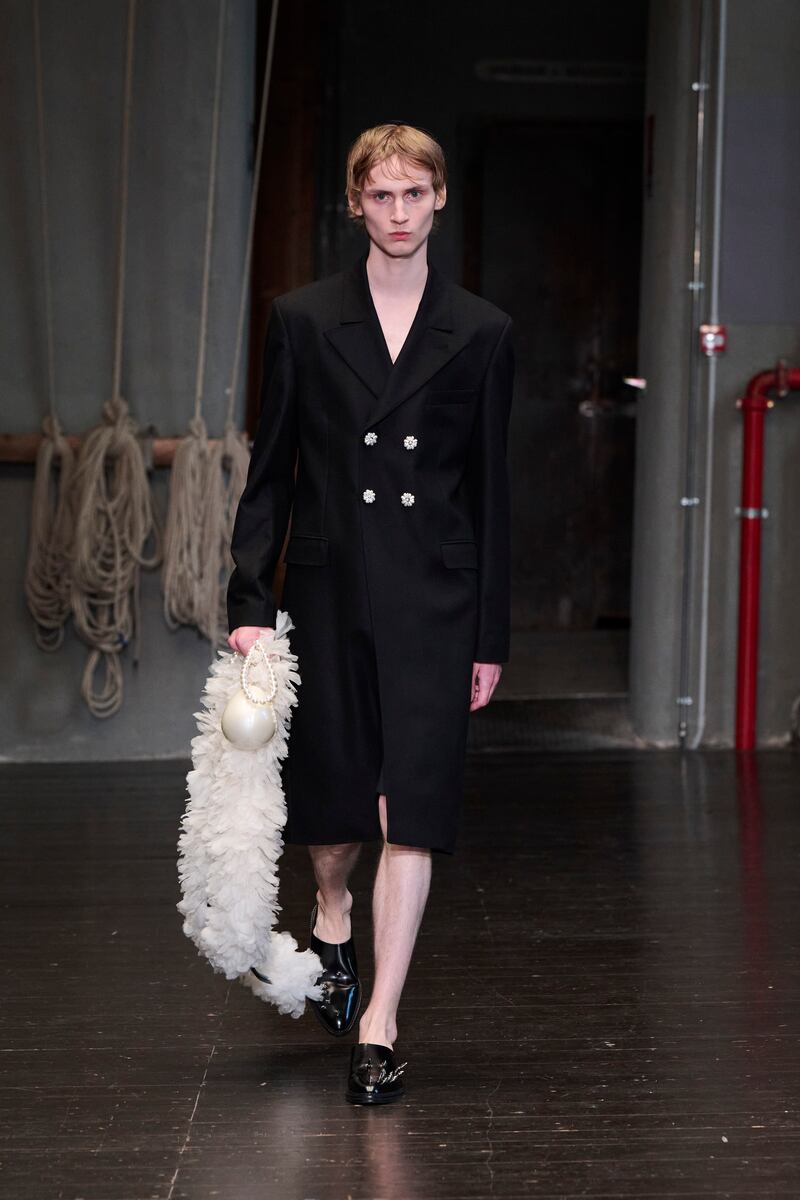
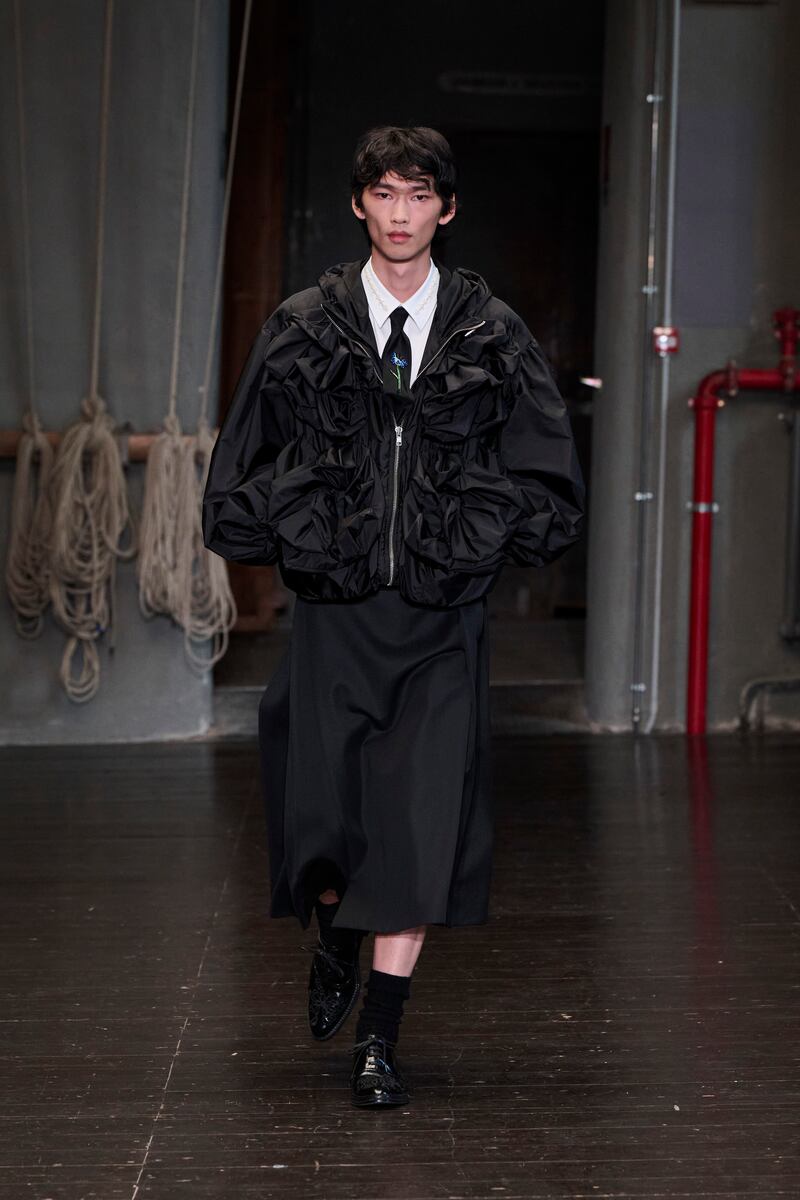
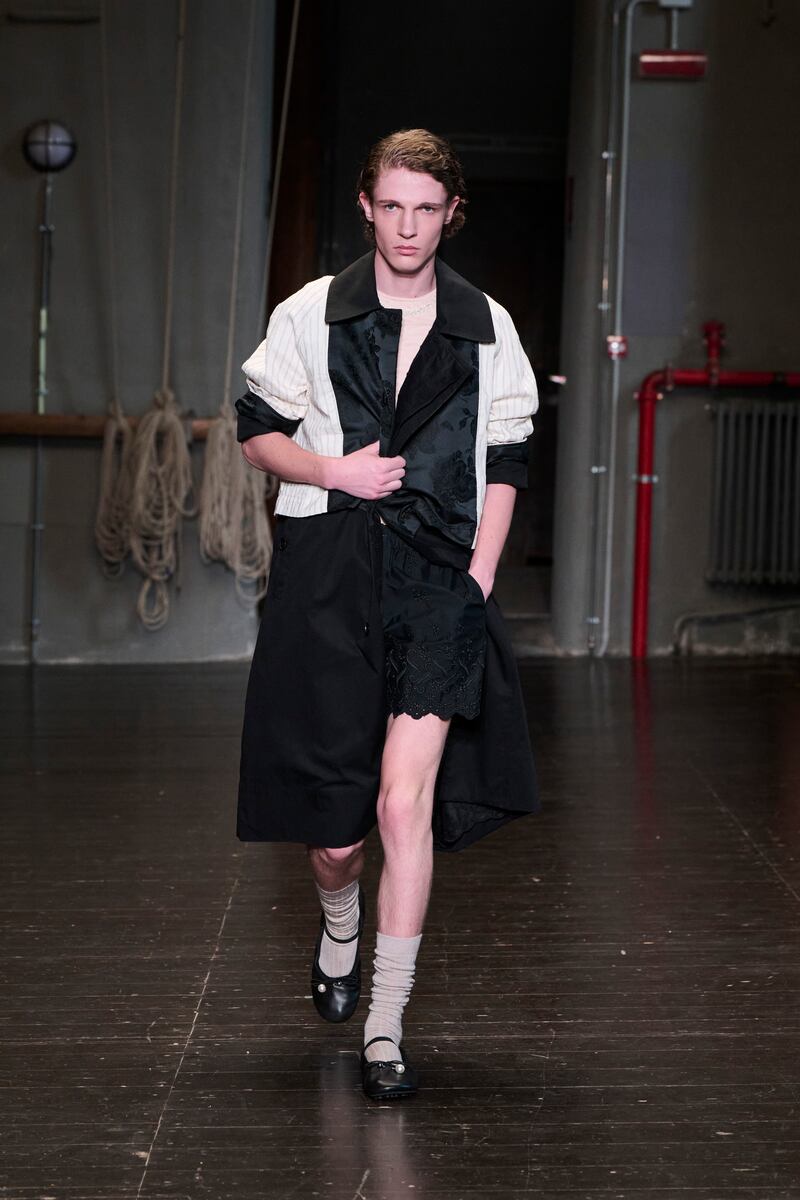
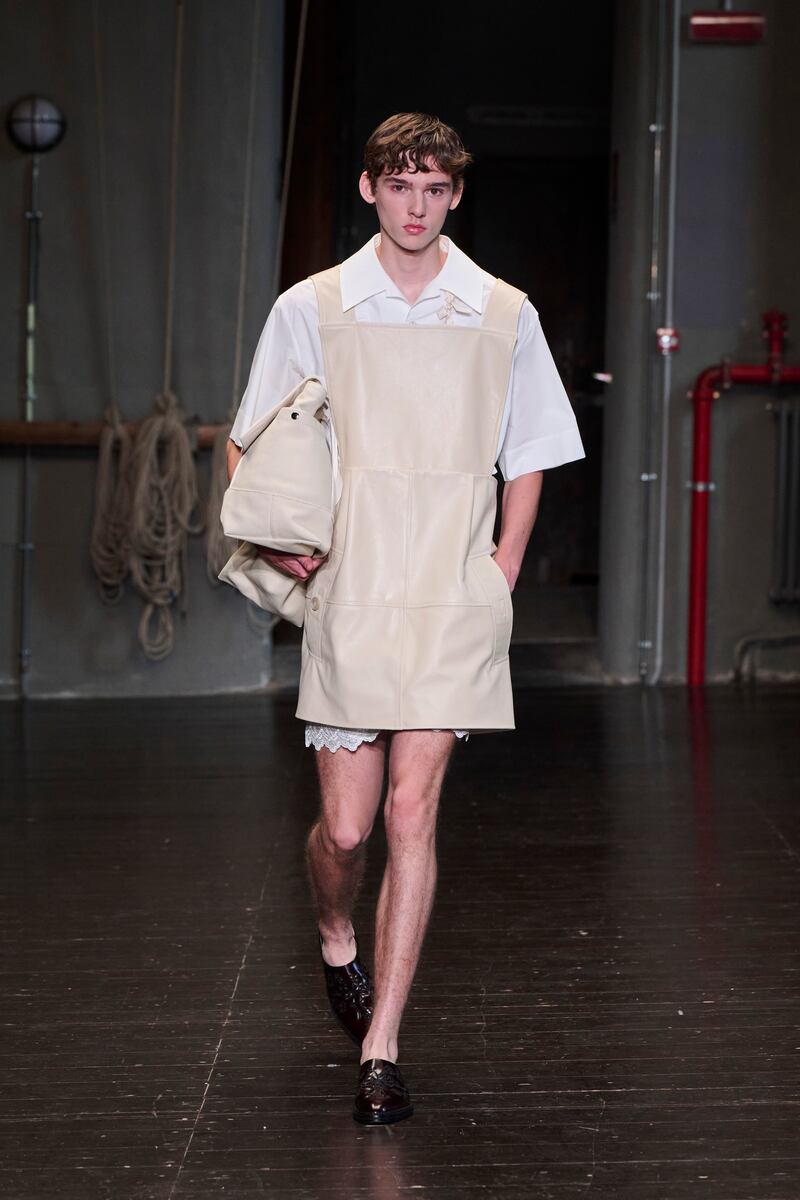
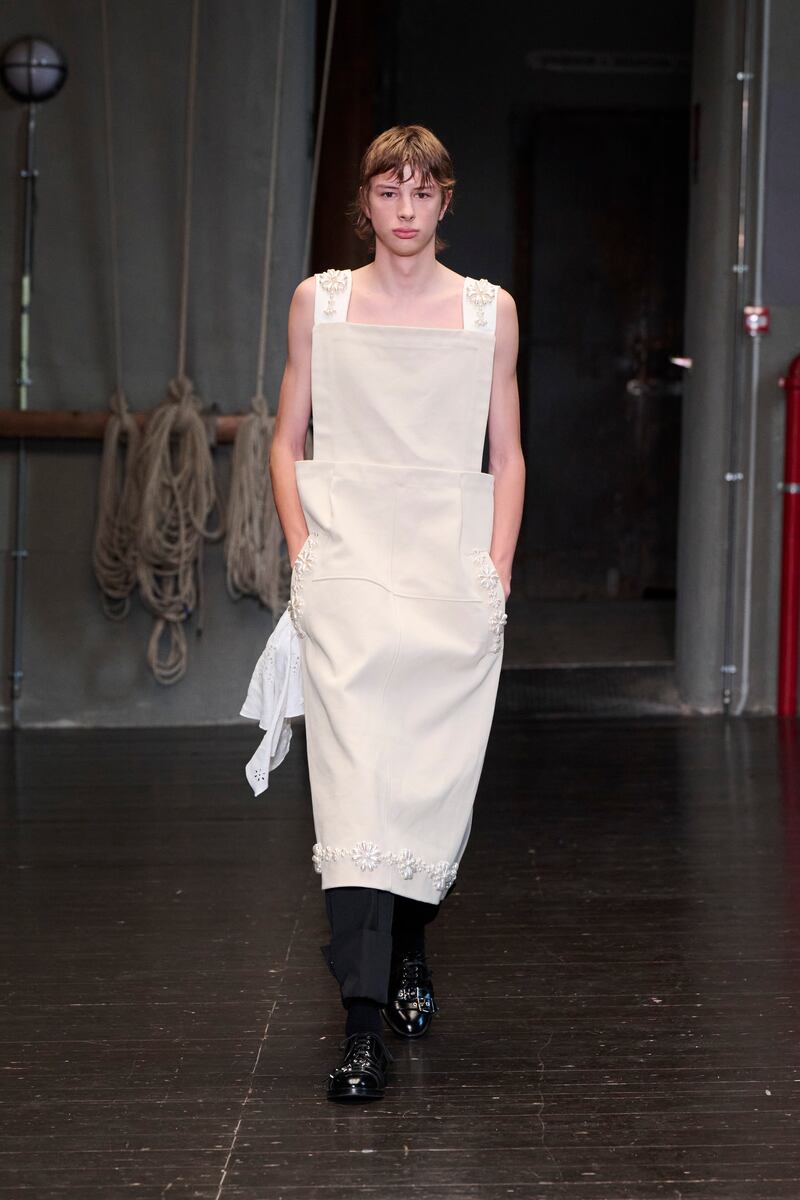
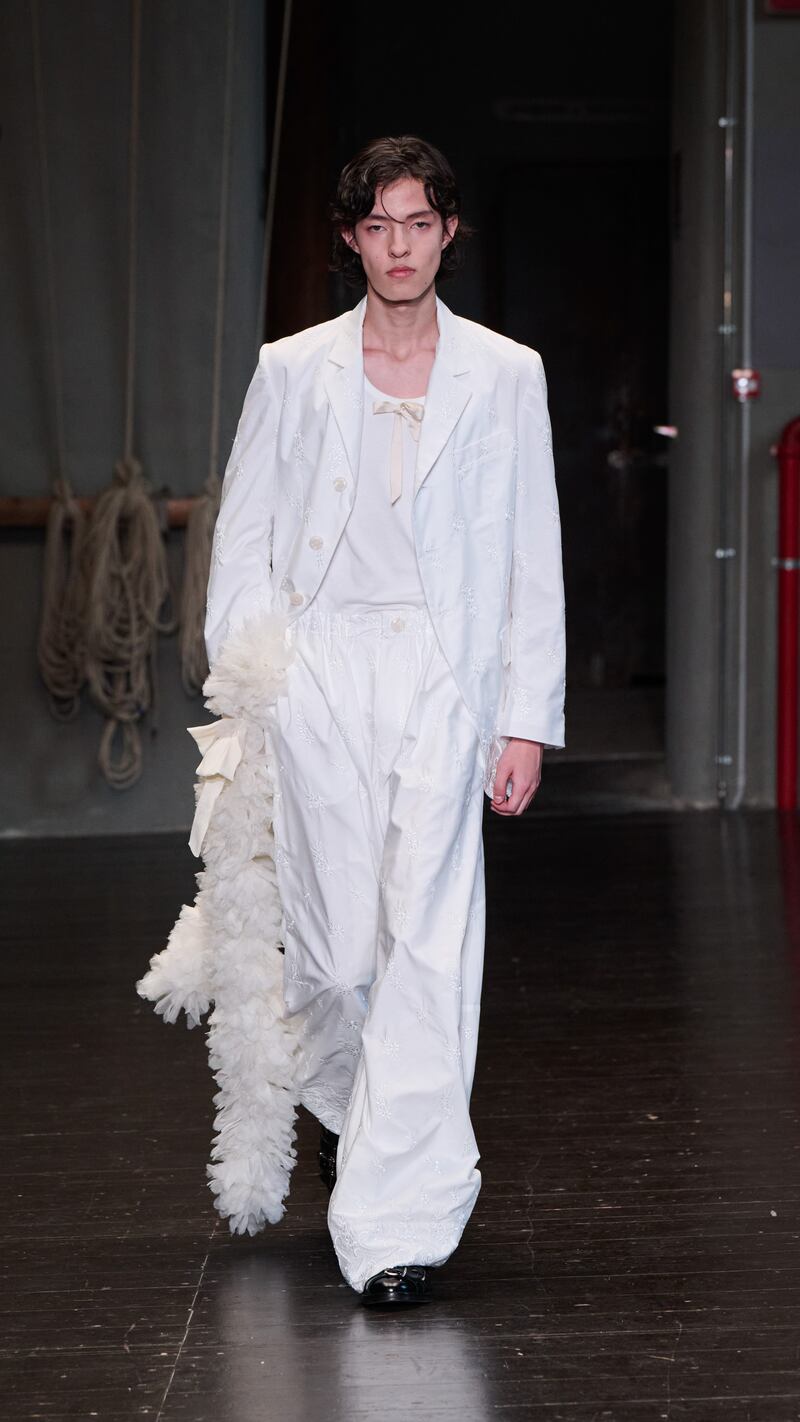
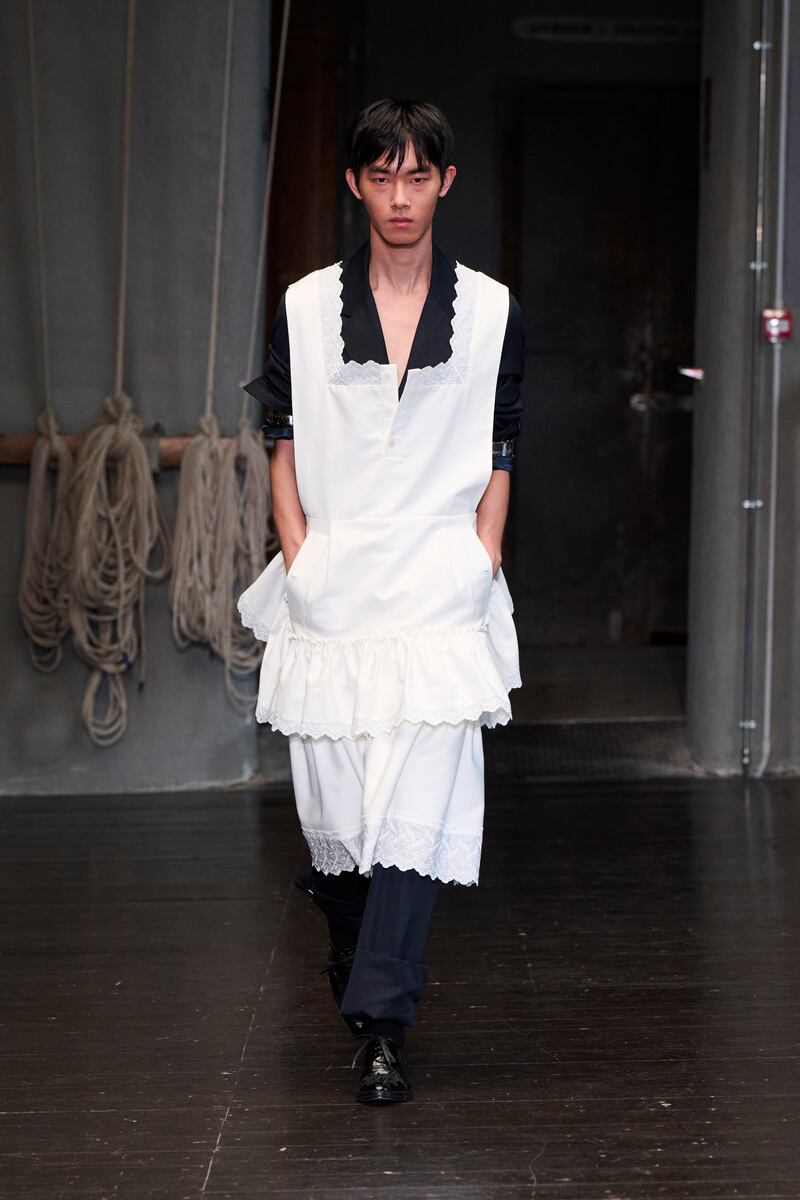
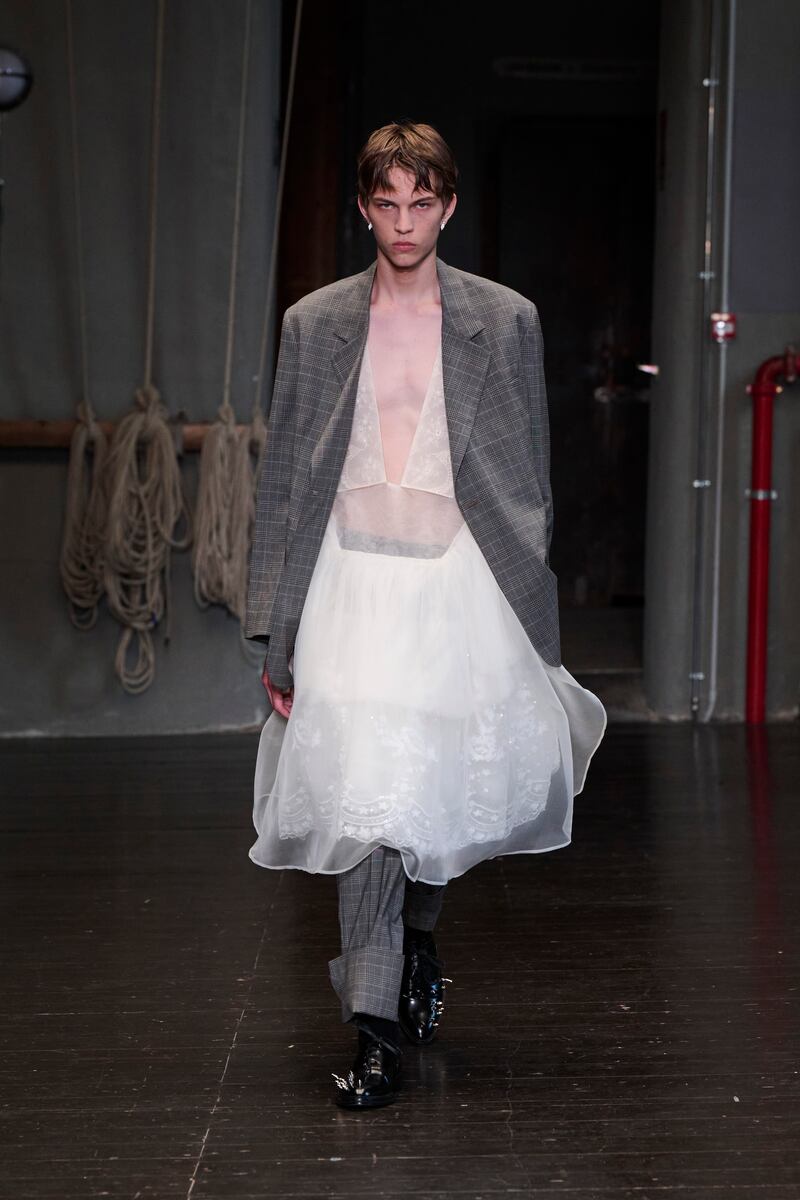
It was Simone Rocha, however, who stole the show with her first proper men’s-only presentation: a preciously multifaceted, fey and fluttery depiction of tender masculinity with a historical tint held on the magnificent proscenium of the Pergola theatre. Men in tea-stained boas, ruffled aprons, lingerie and broderieanglaise underpinnings as outer-layers mixed with loose tailoring, fairisle knits and Oxford slacks is something that probably won’t appear to be completely new. The feminisation of menswear — feminisation, of course, according to rather stale standards — has been going on for almost a decade now, having found its hub in London and its roots in dandy and romantic culture.
What sets Rocha apart is her ability — quite rare, today — in balancing fantasy and reality, the imaginative and the possible. Her vision on the catwalk is as edgy as it is soft, and can certainly live even on bodies not as skinny and young as the models she casts. The ruffly football jerseys and the tailoring, as well as the bombers, really stood out. Another striking element was how precious it all looked, how well made. “I take things slowly and only do them when I know I can do them at my best,” said Rocha backstage. That she did. Last but not least, her tender men had the quietest rebelliousness to them. That’s probably where the punk spirit truly hides today.
The company is counting on demand for its AI glasses with Google and Samsung to grow in the coming years, while trying to head off concerns they can be used to record people without consent.
Jensen Huang’s exit deepens the crisis at the chipmaker at the centre of the AI rally that’s powered new wealth creation in the US, luxury fashion’s most important market.