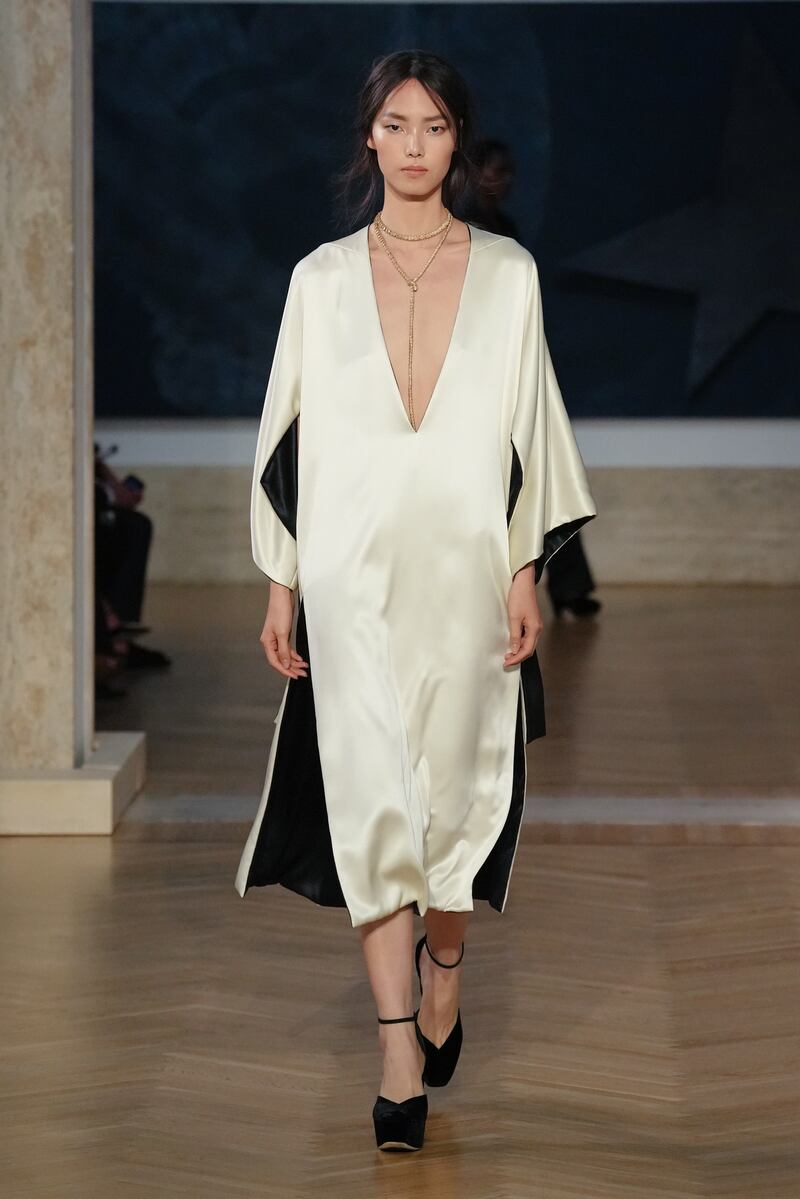
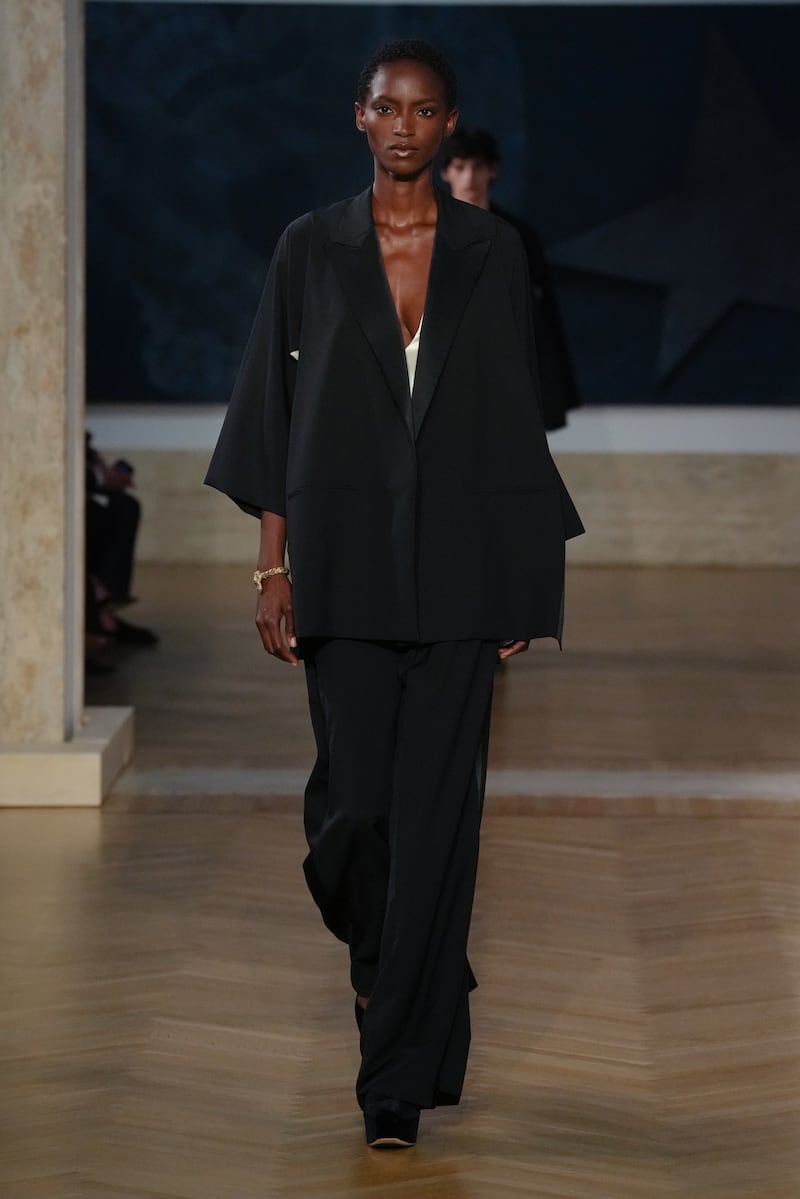
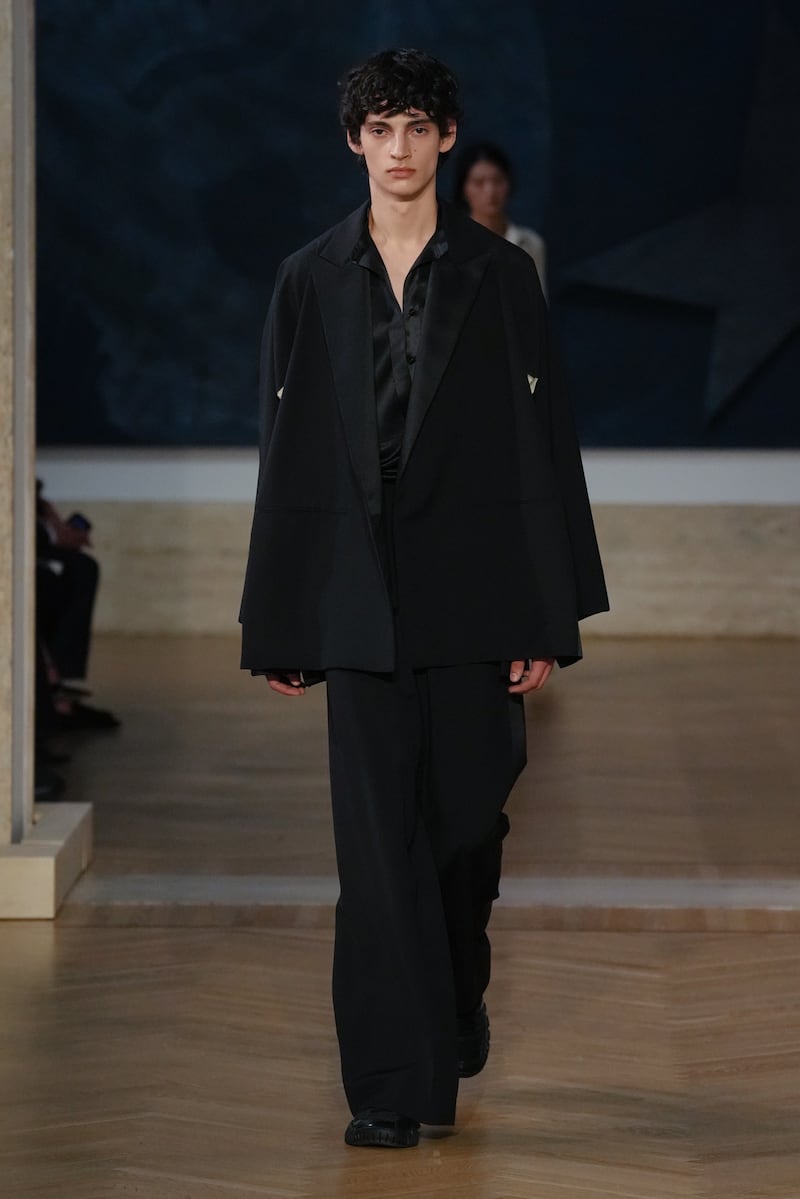
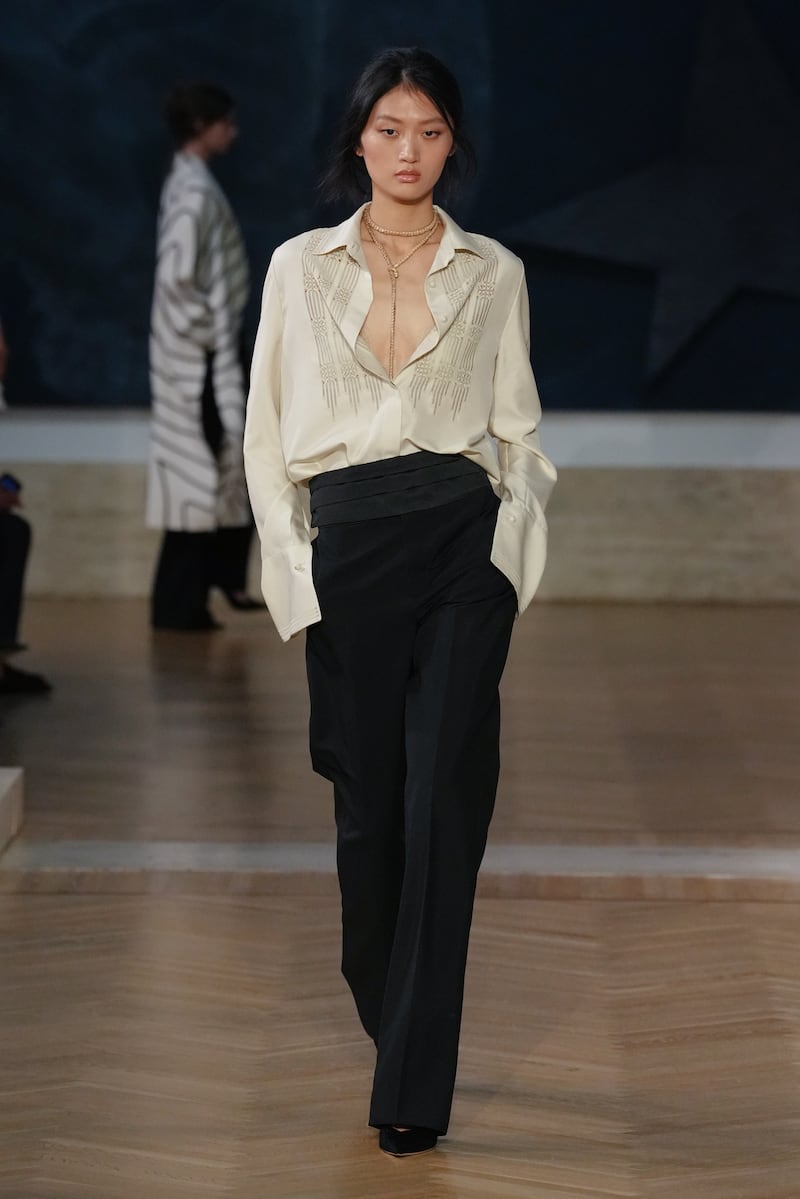
ROME — Maria Grazia Chiuri, like most top creative directors, is a creature of habit. She does her thing, with a few adjustments, at whichever house she inhabits. Call it signature, call it stubbornness.
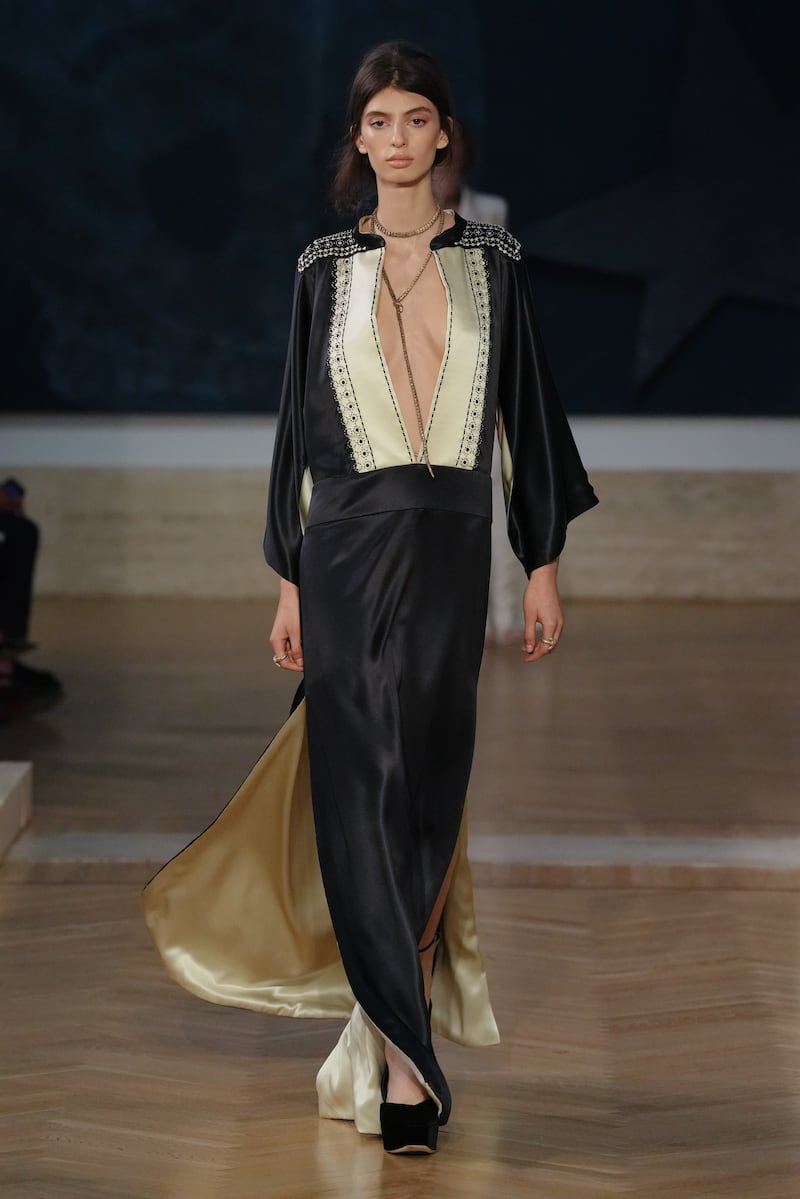
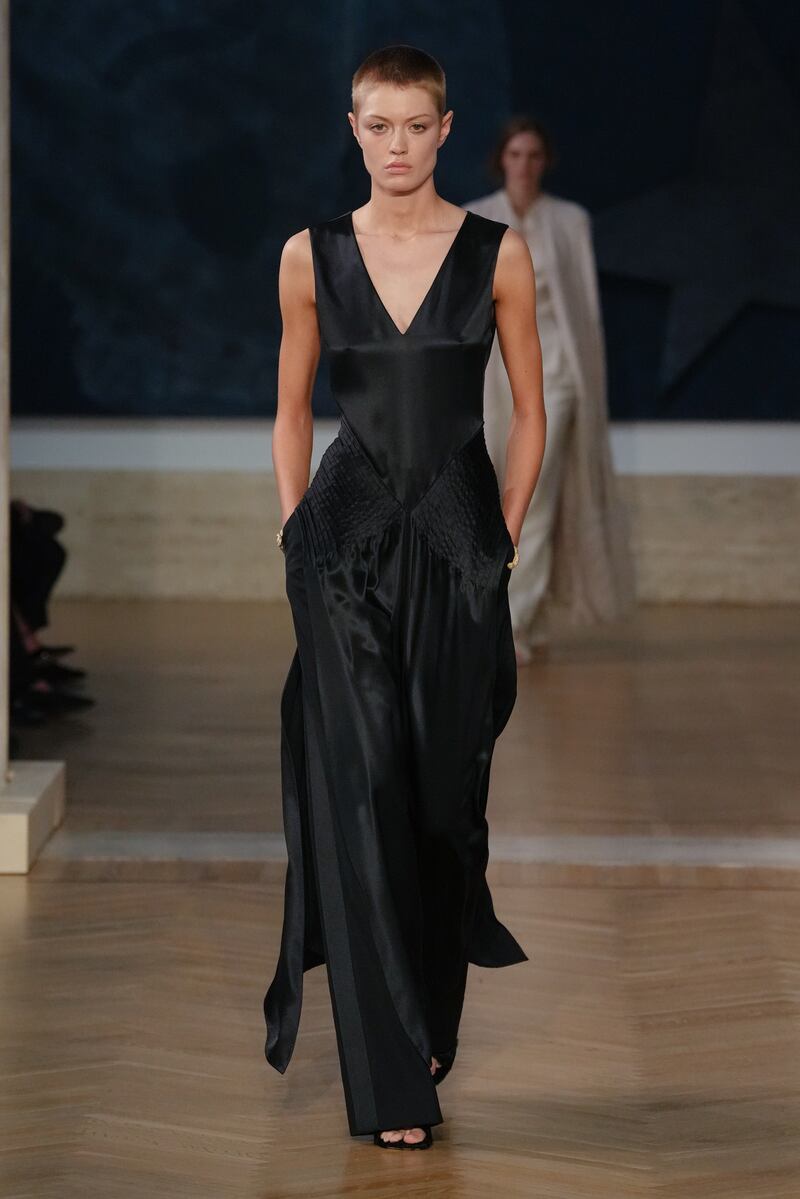
In her first Fendi couture show, staged Thursday in Rome, her signatures were all accounted for: a flaunted link with the world of the arts — often used as a source of ennobling context — a proclivity for fashions that are rarely too idealised or theatrical (despite her fascination with dance and theatre), but rather streamlined and “real.” Clothes that are flattering, if at times somber. Hers is the position of a practical woman designing for women.
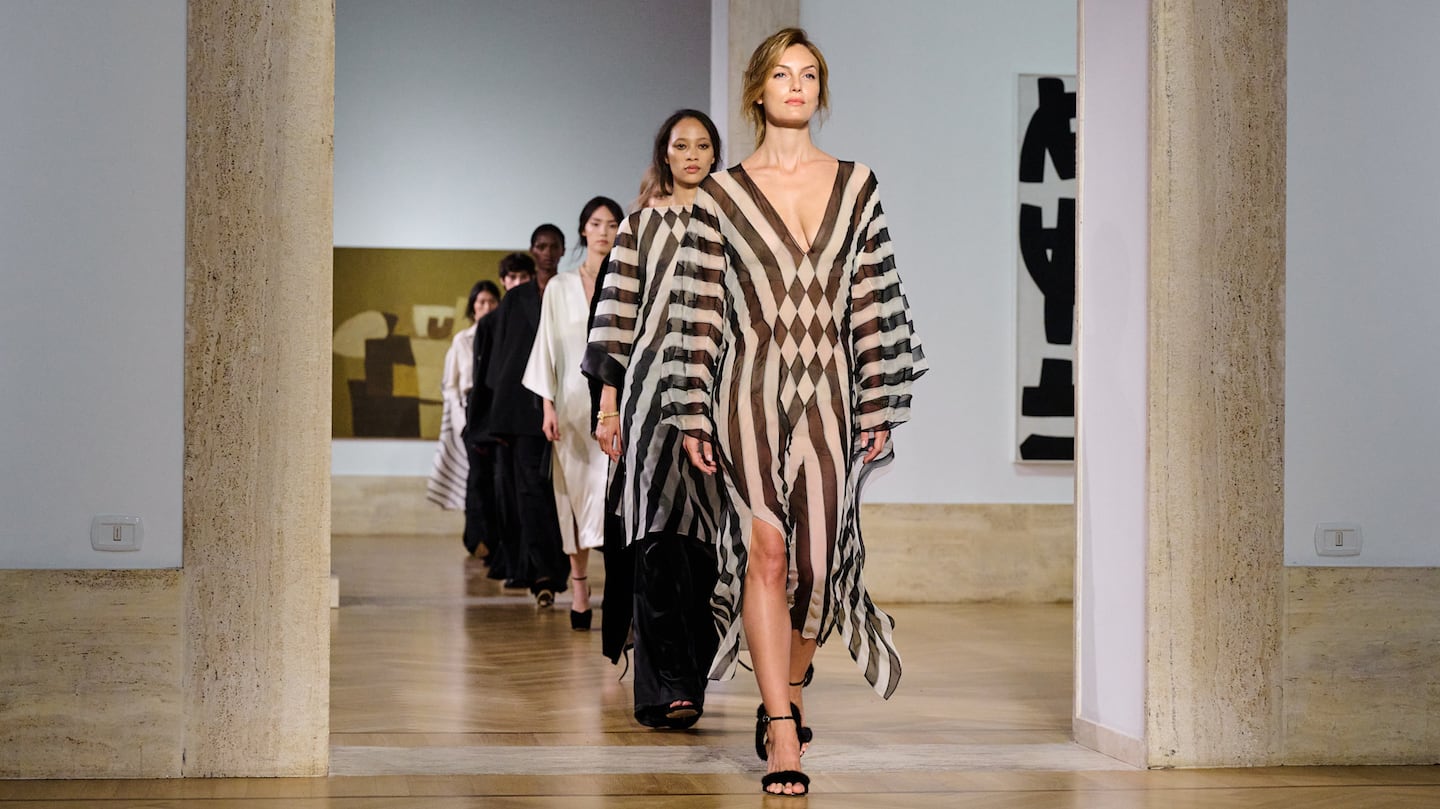
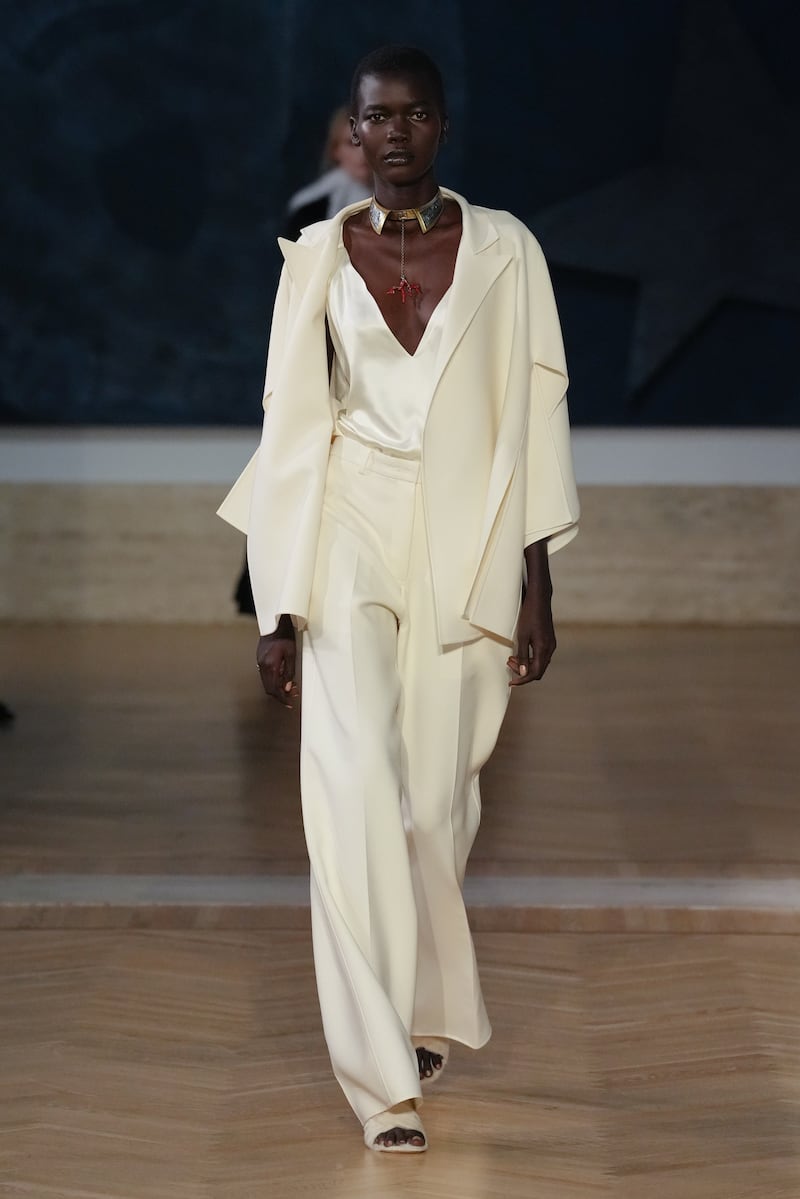
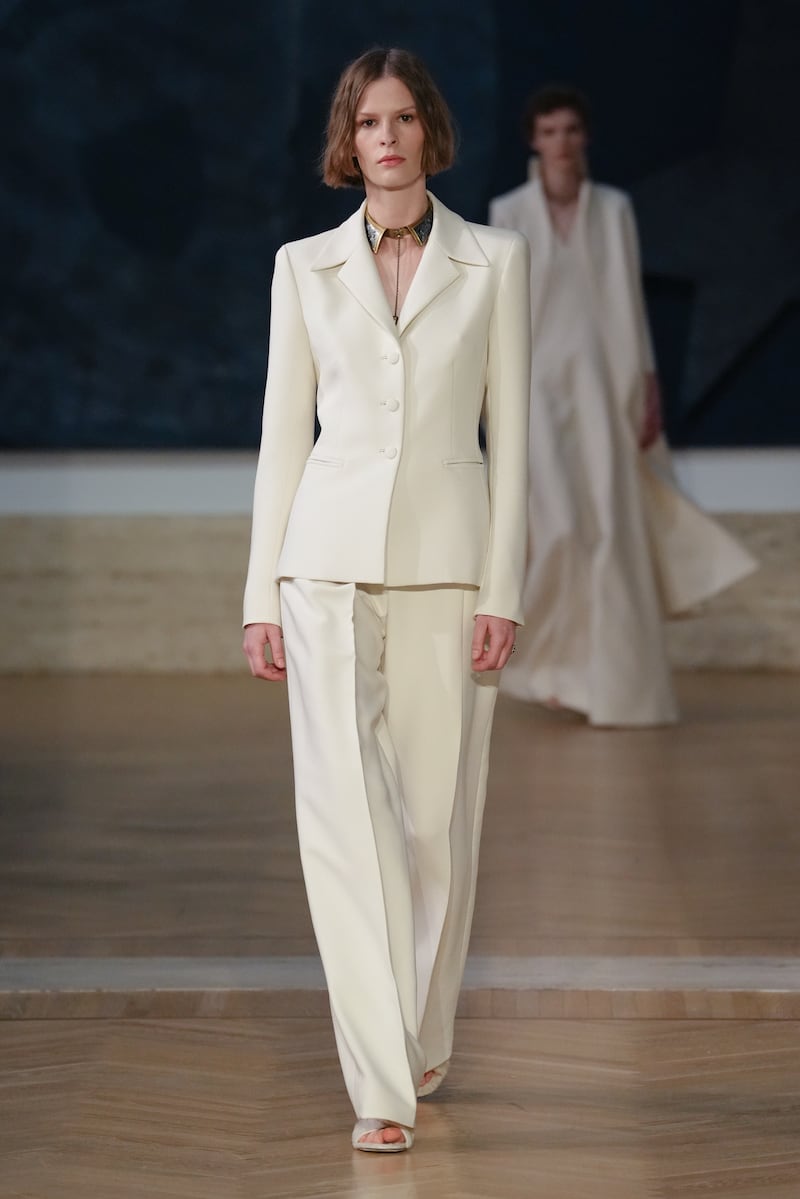
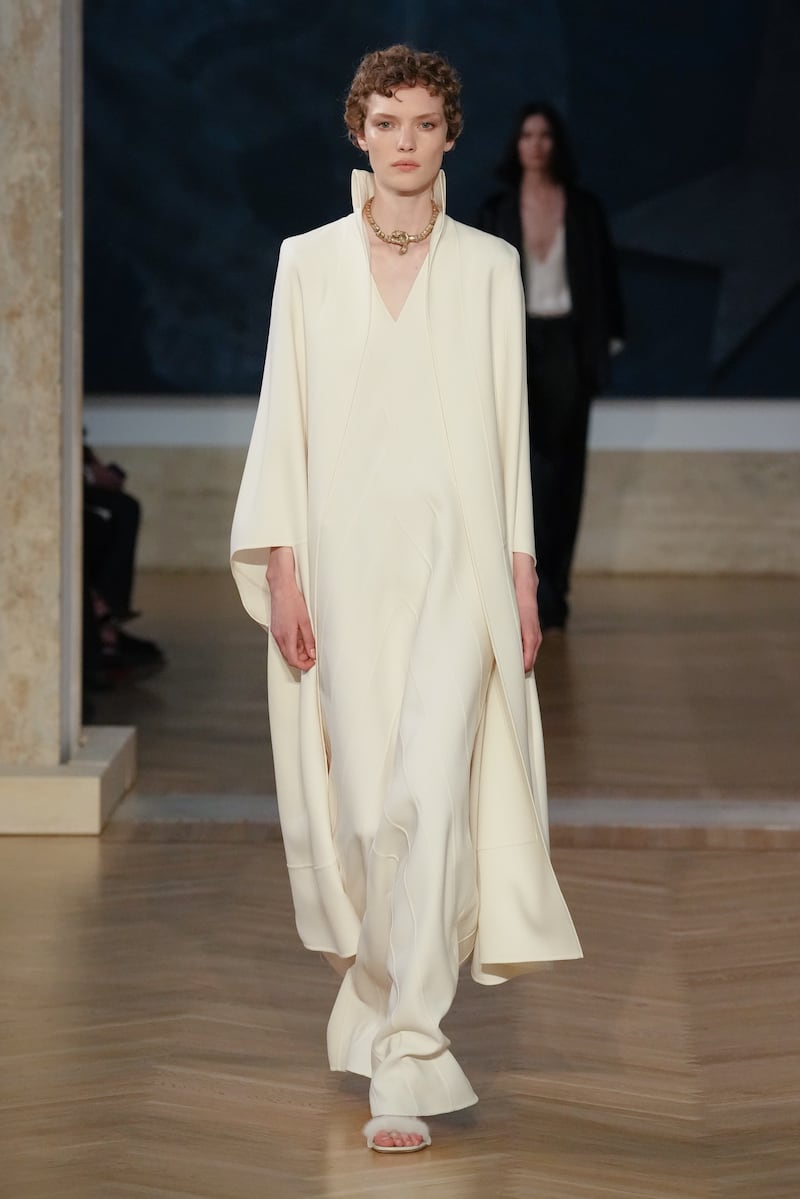
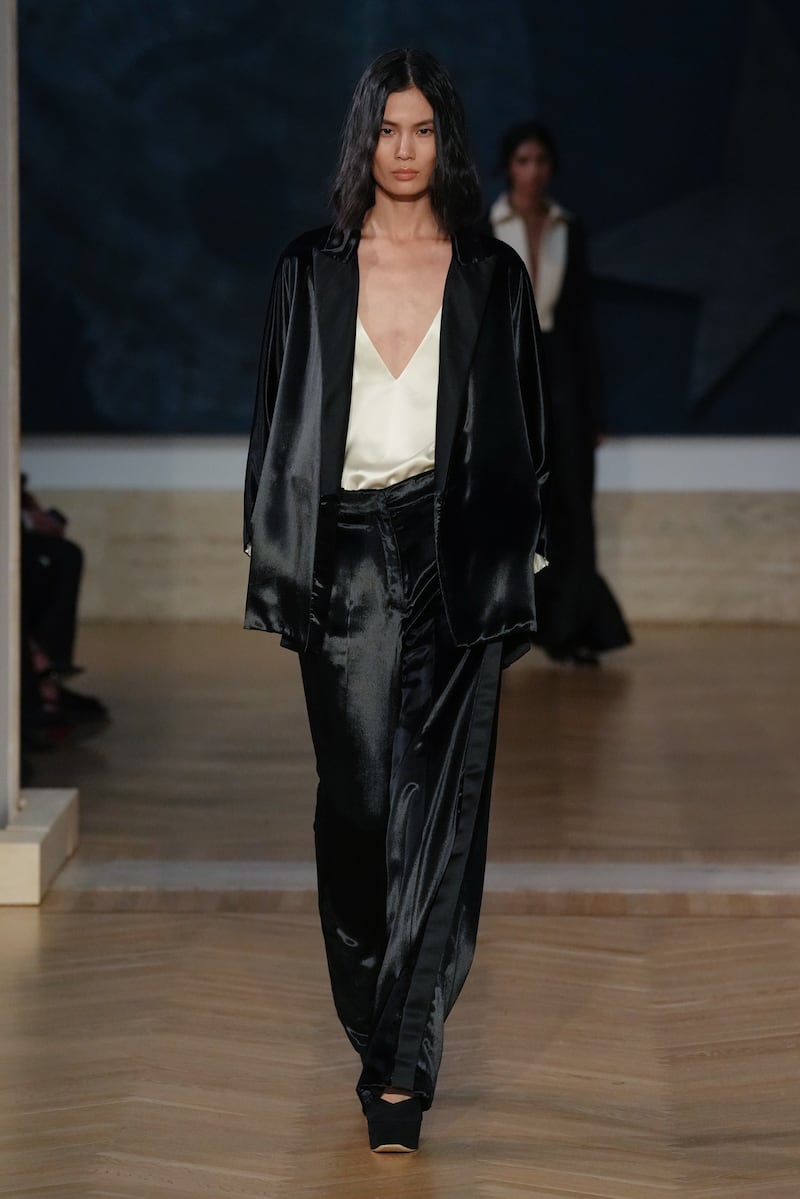
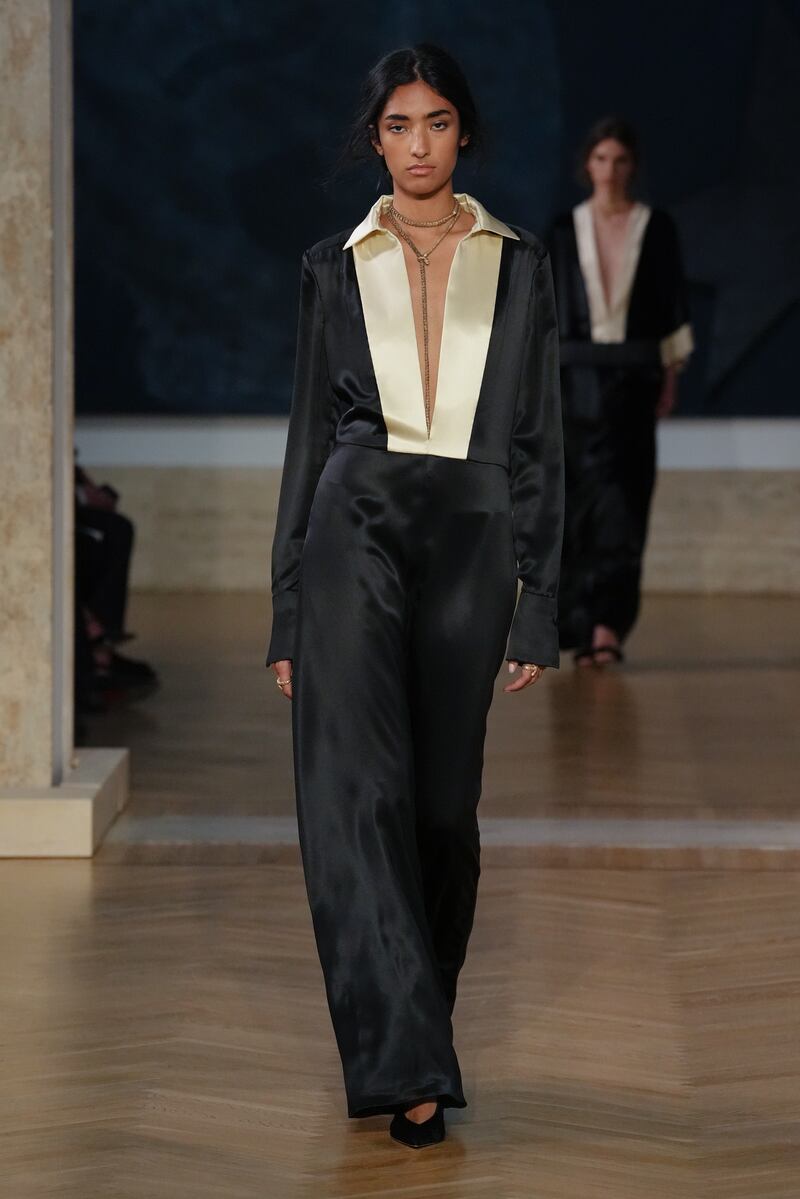
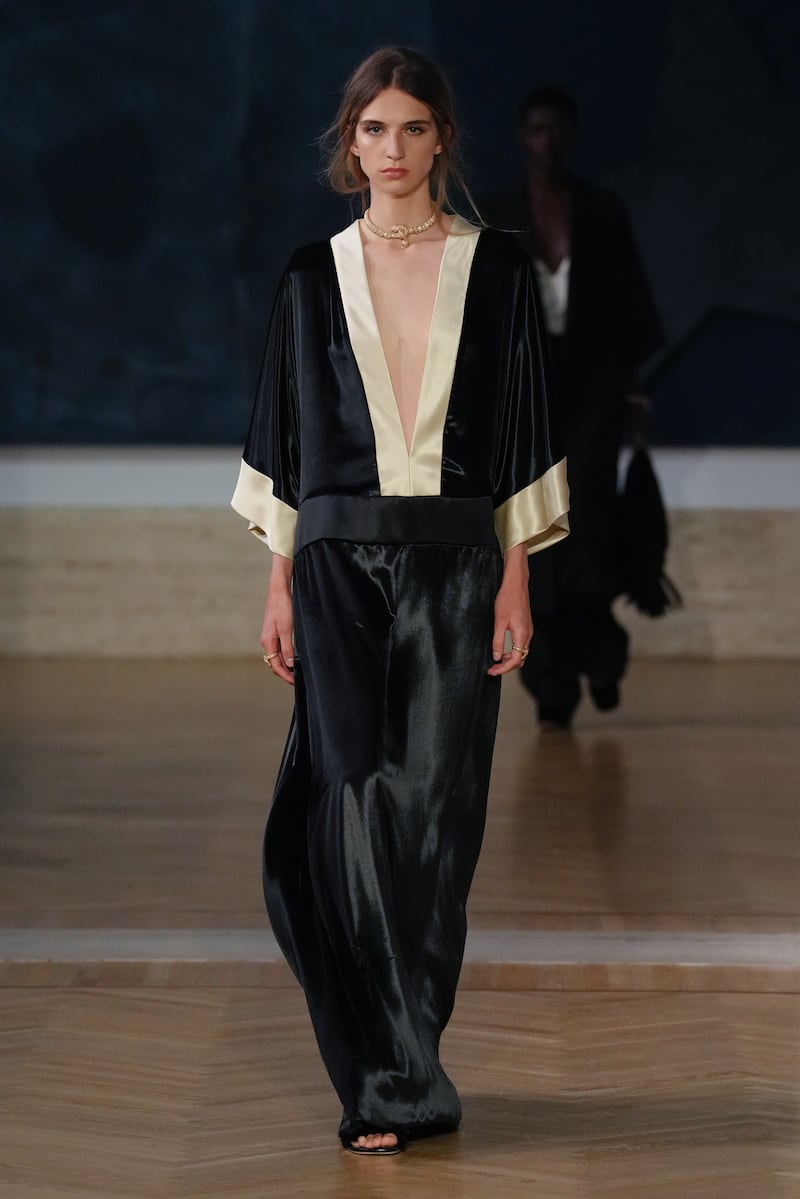
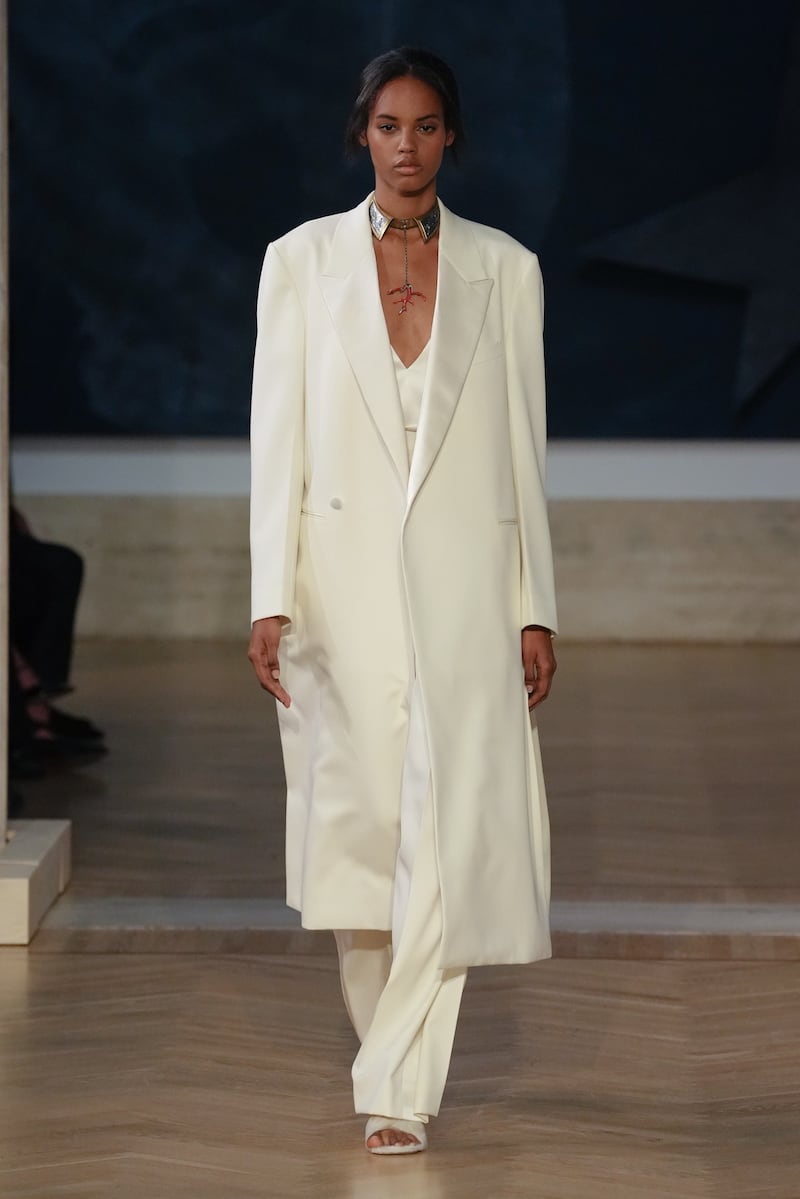
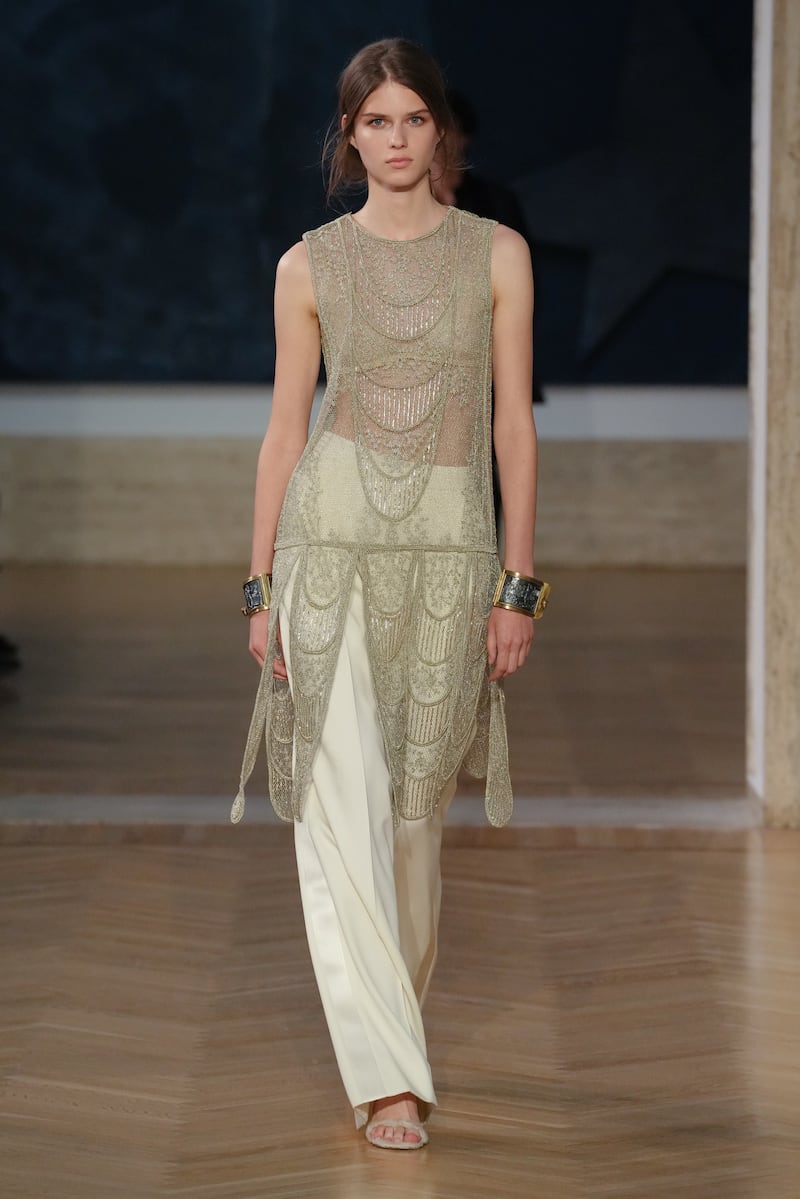
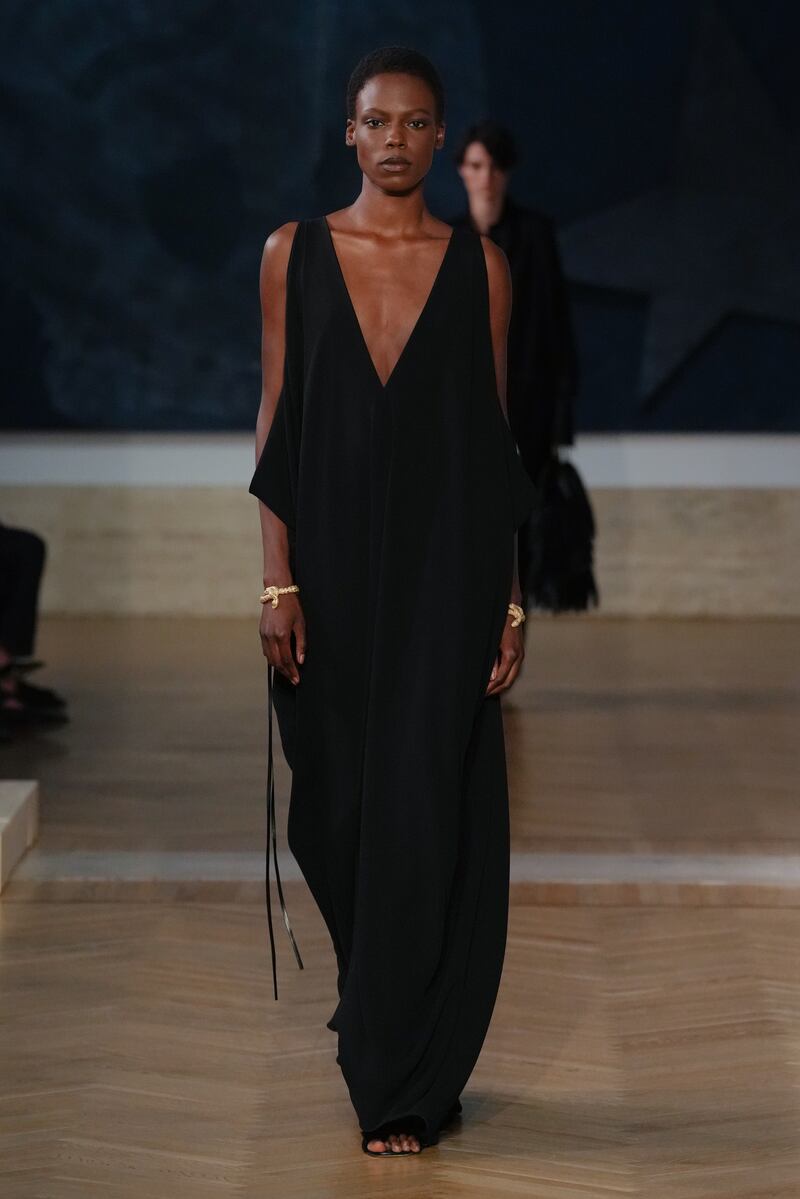
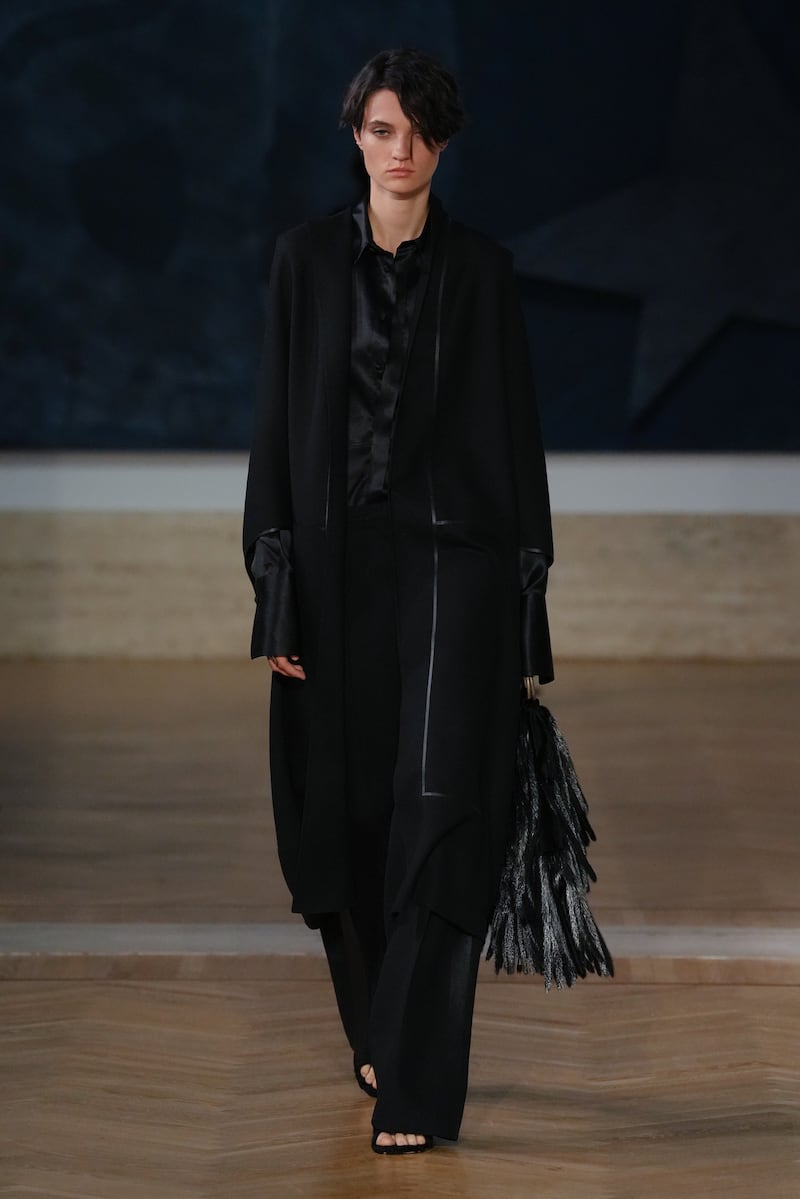
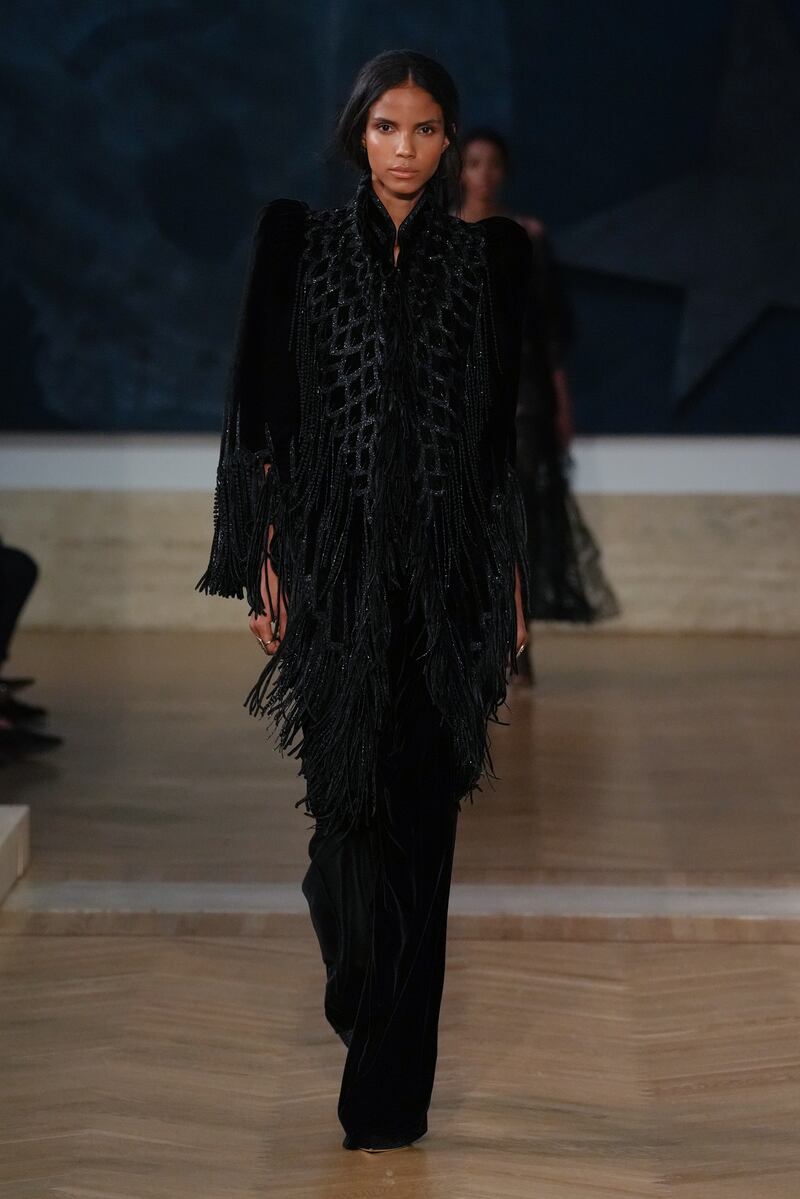
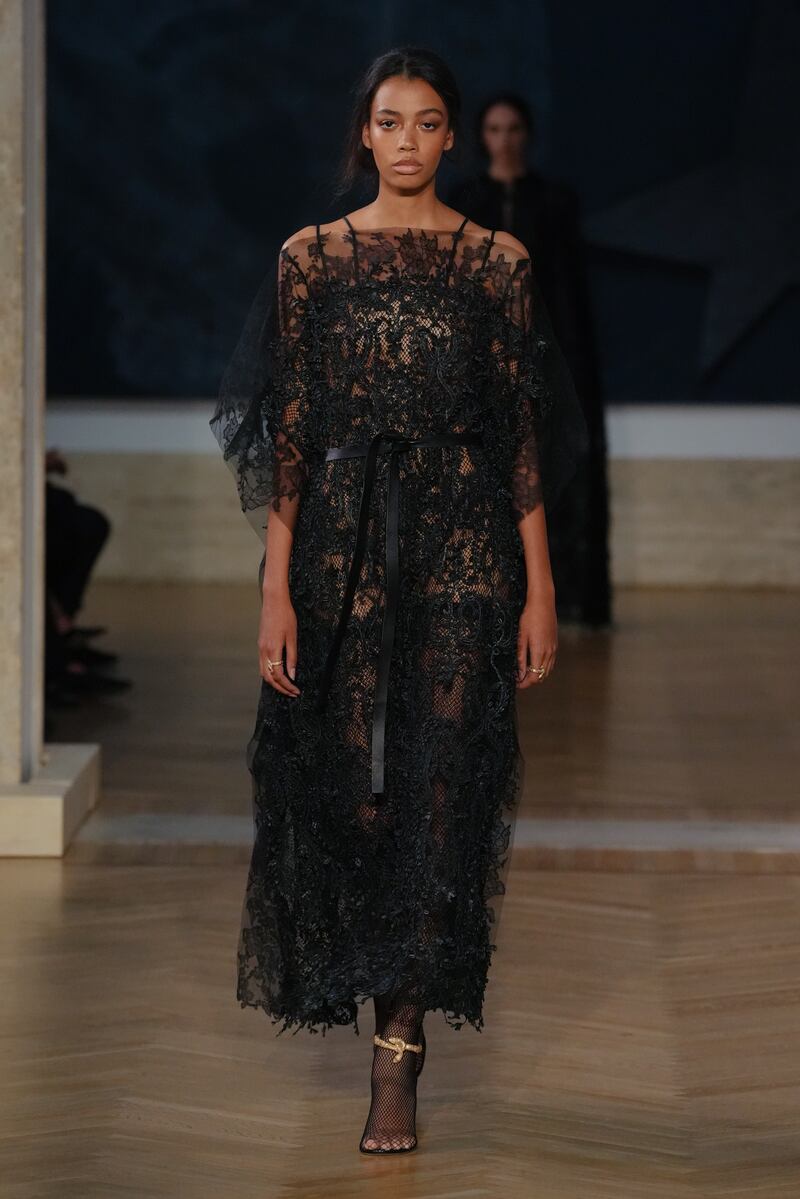
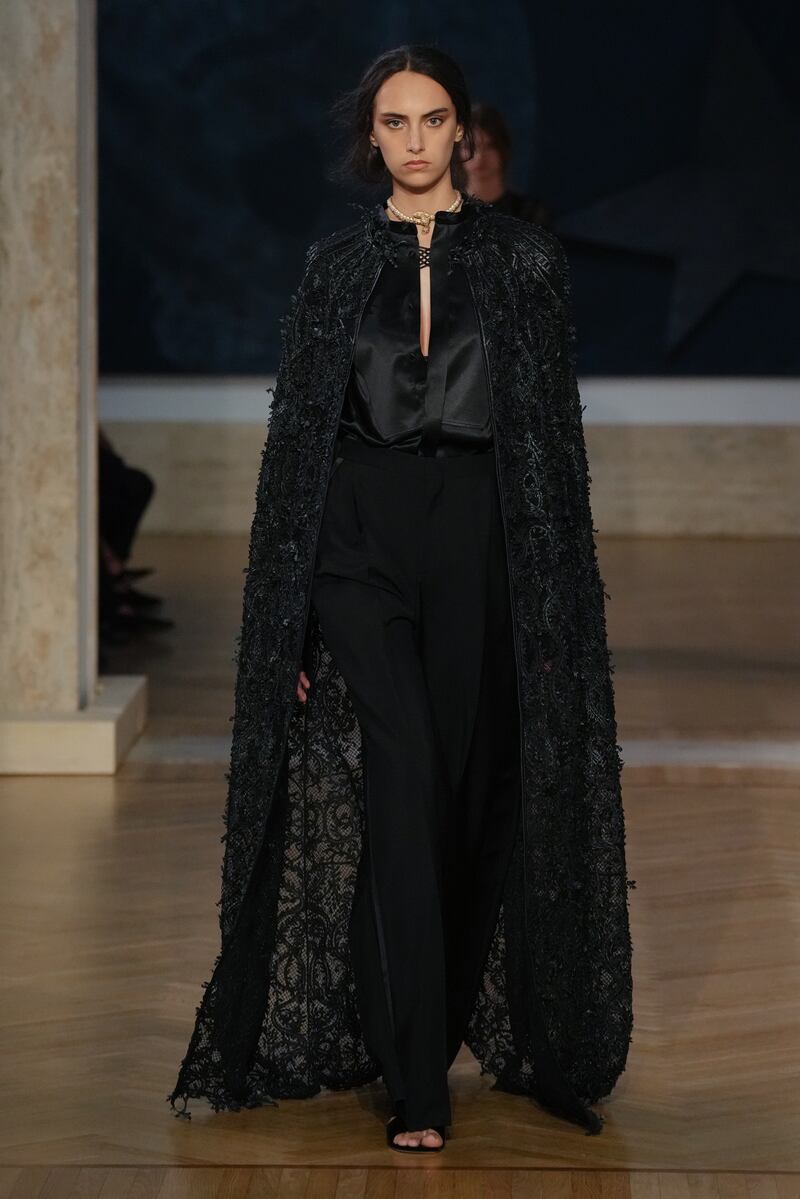
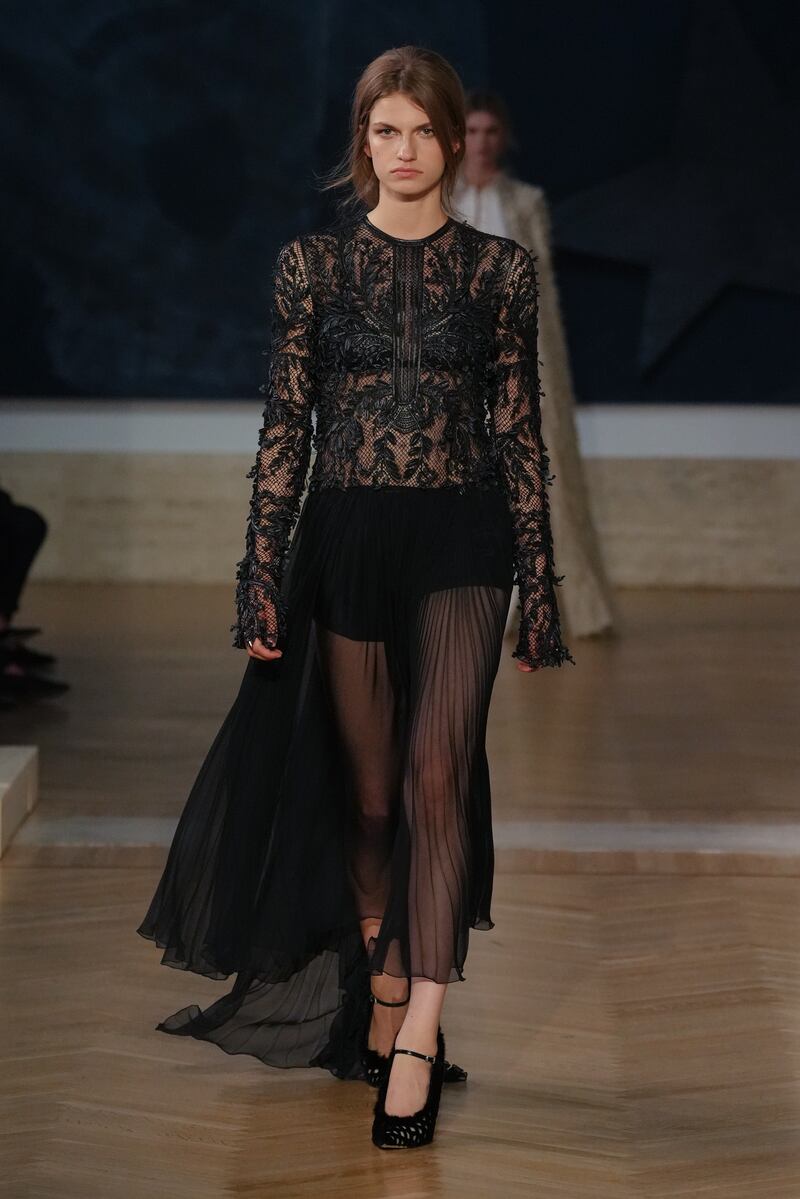
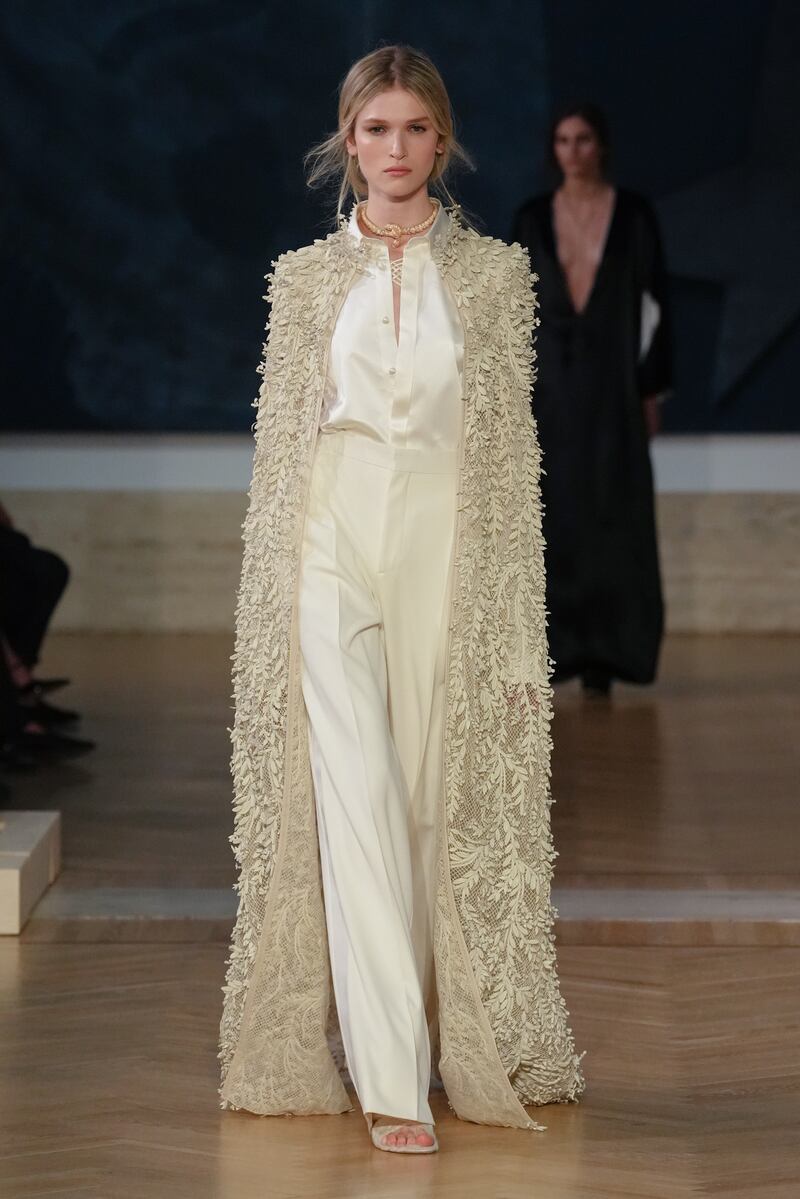
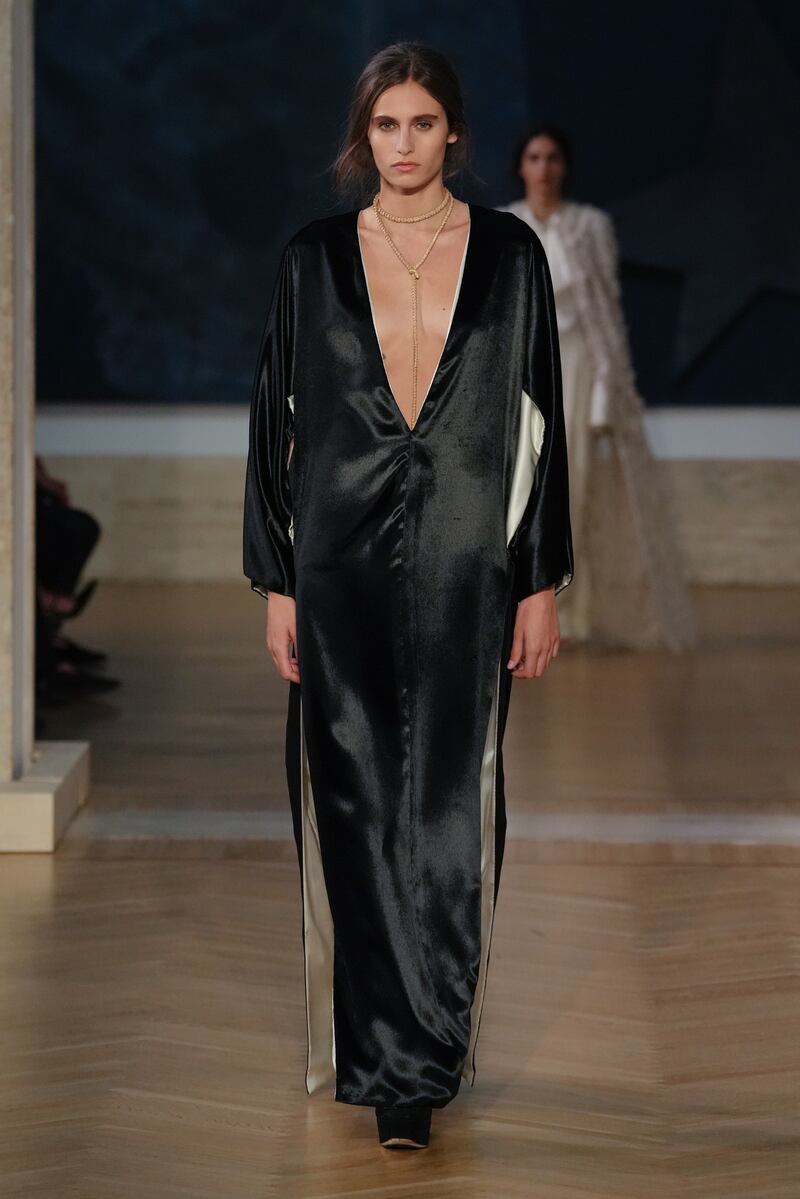
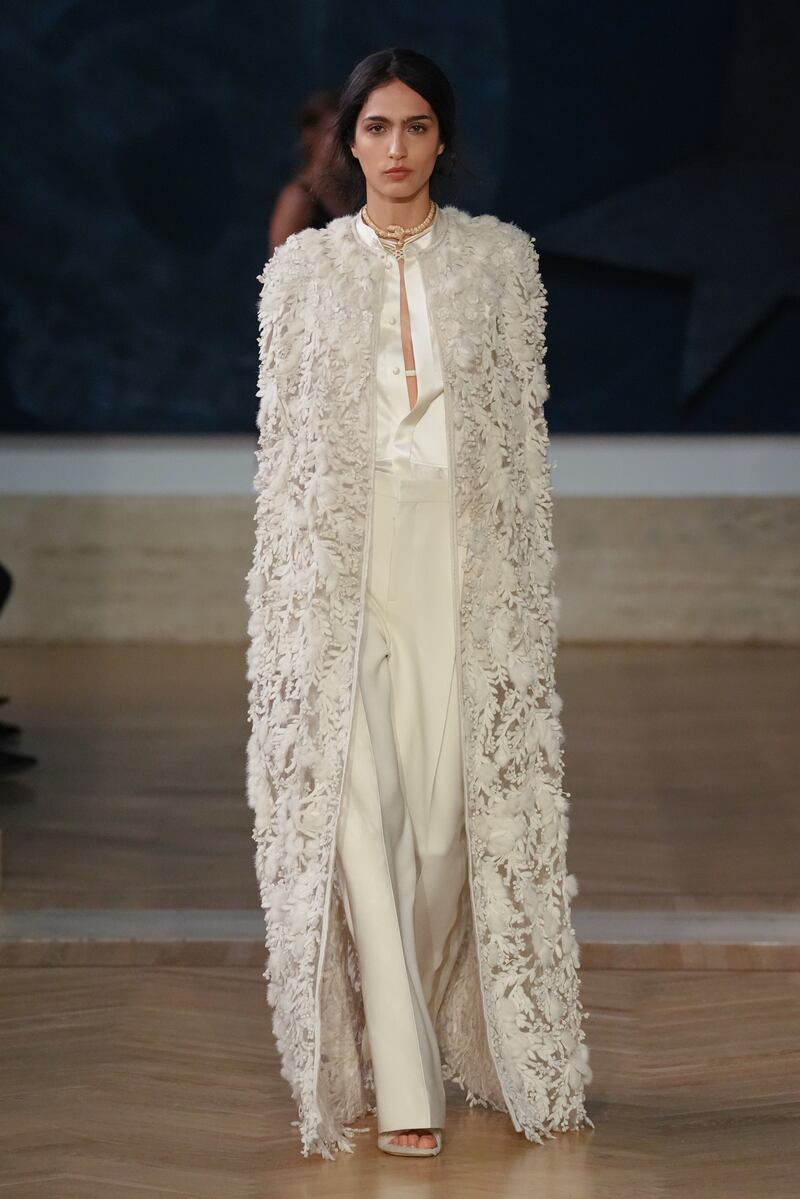
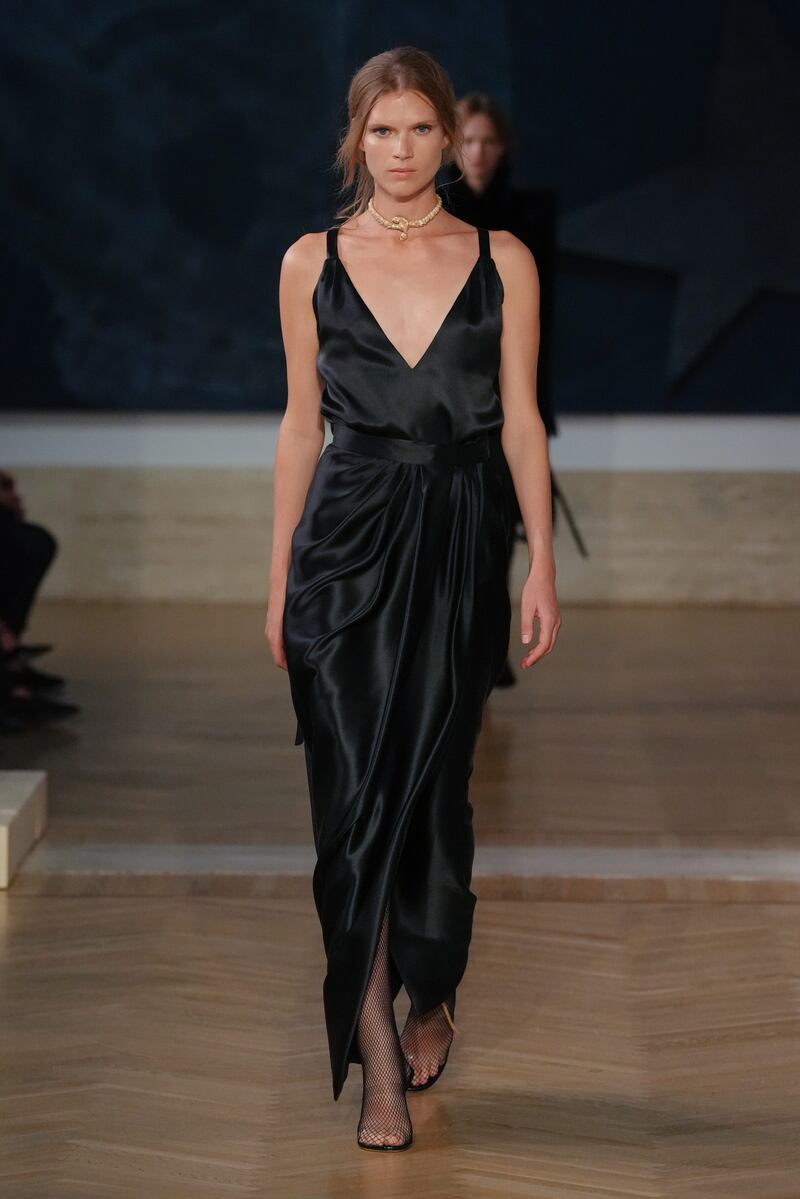
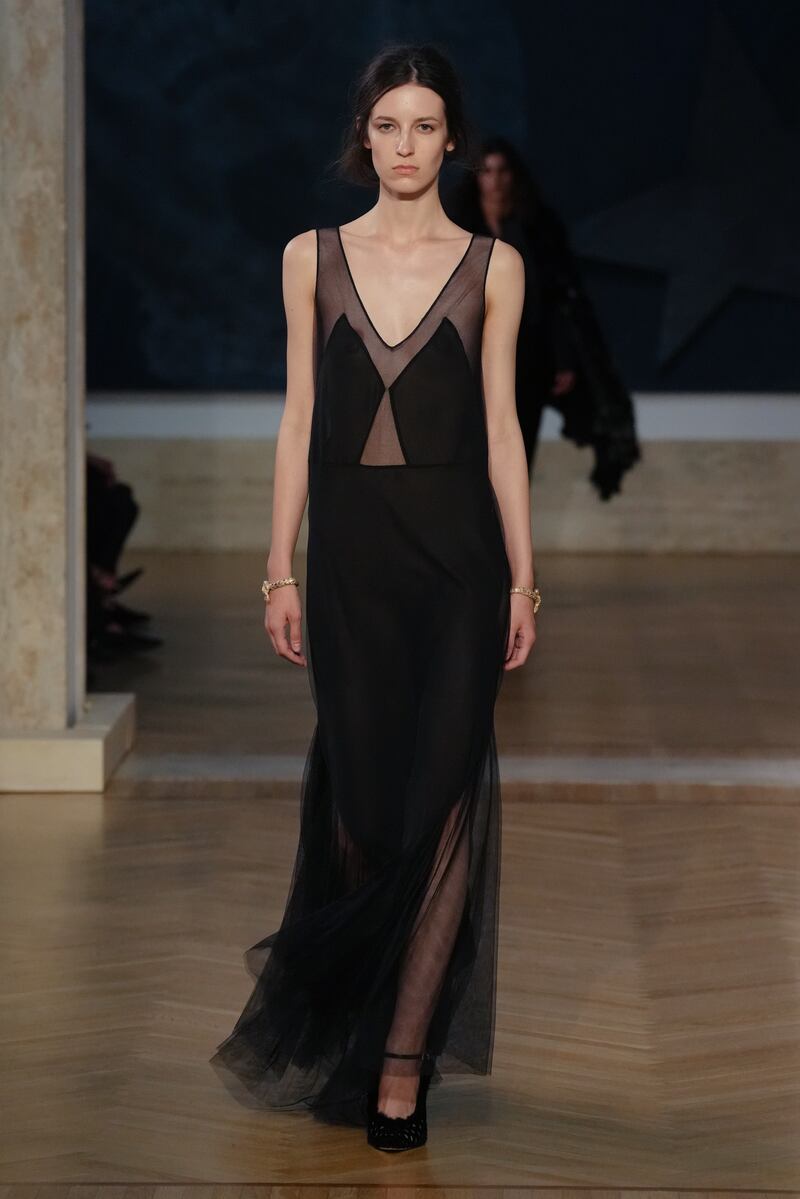
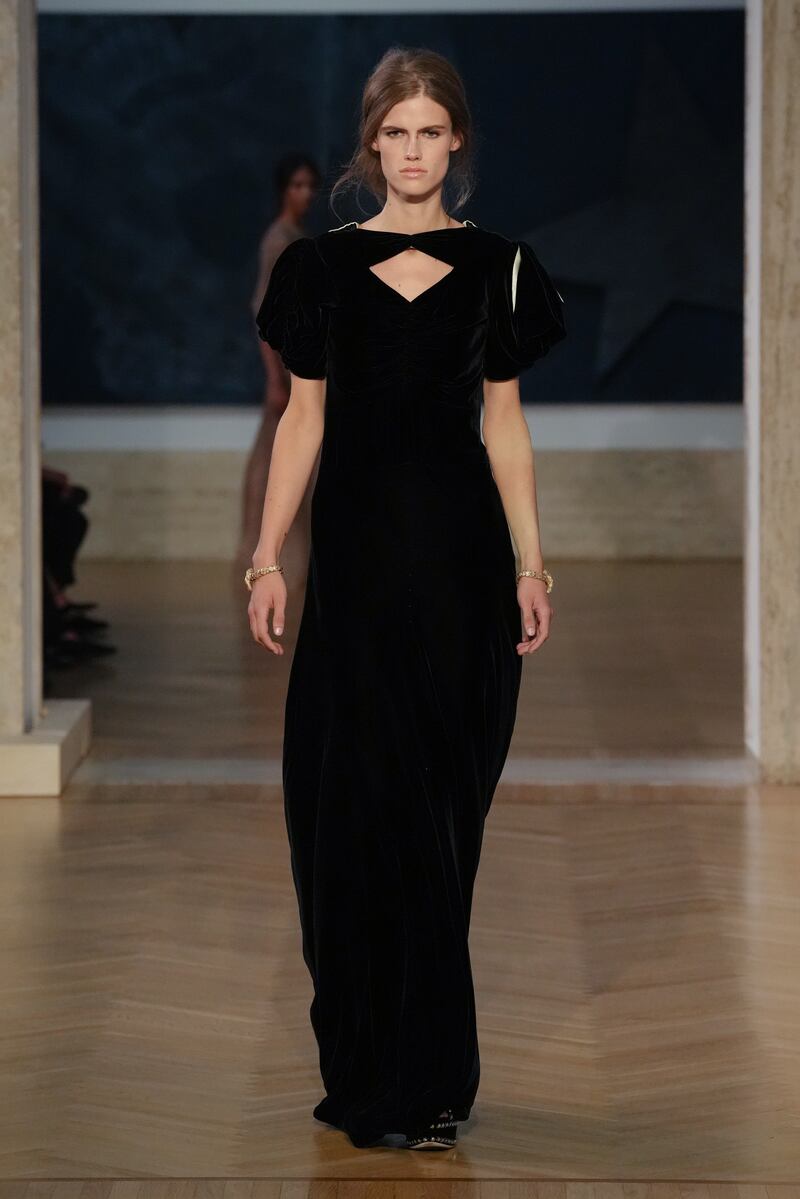
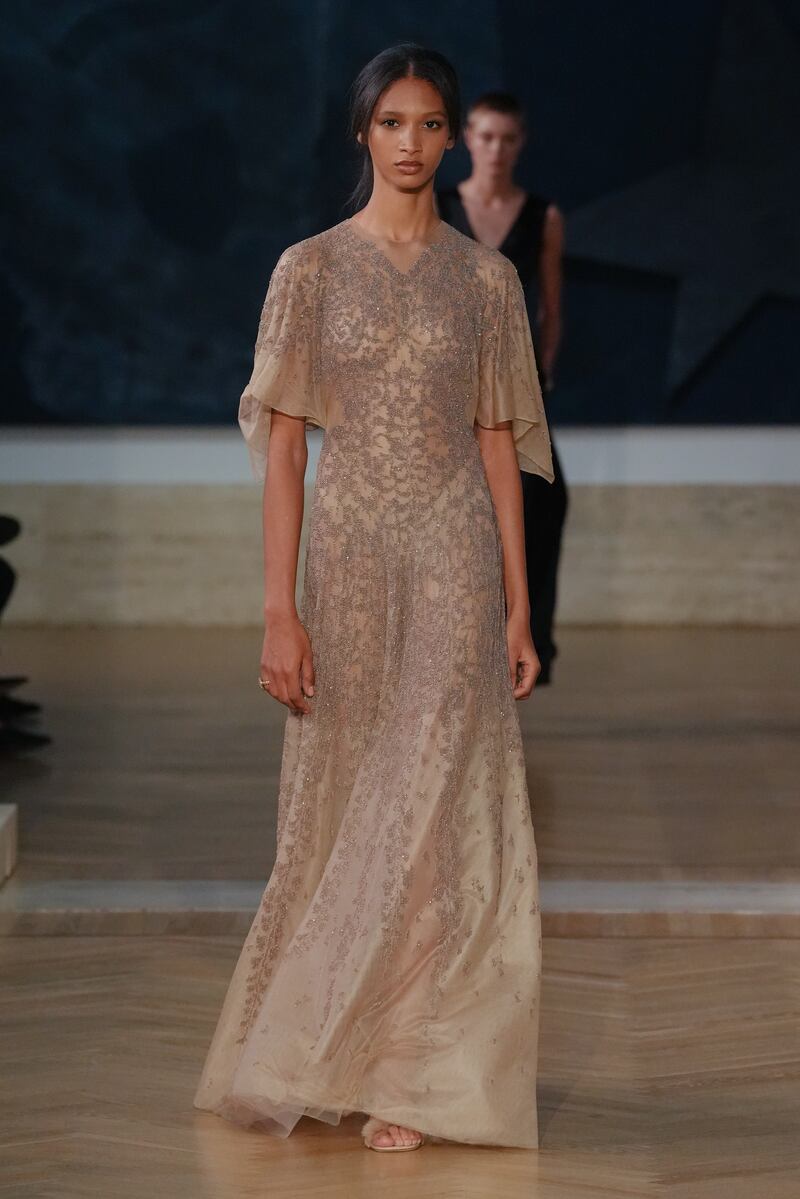
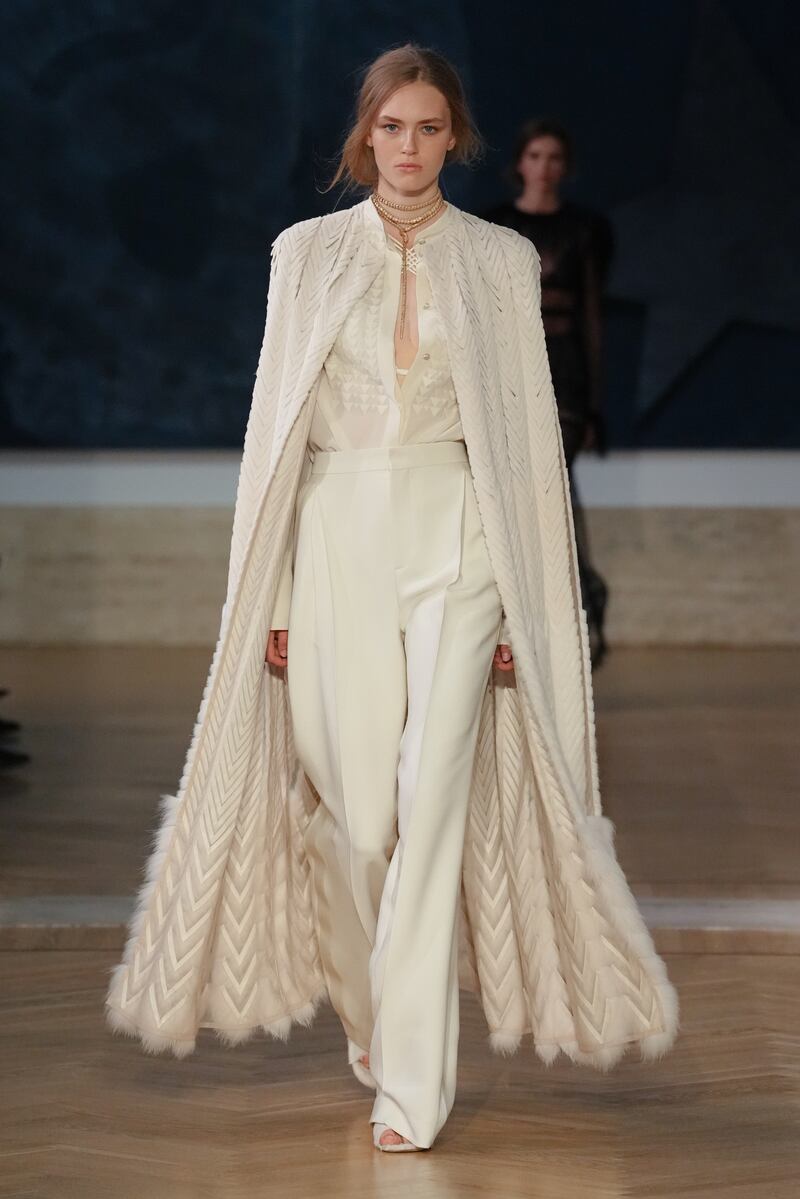
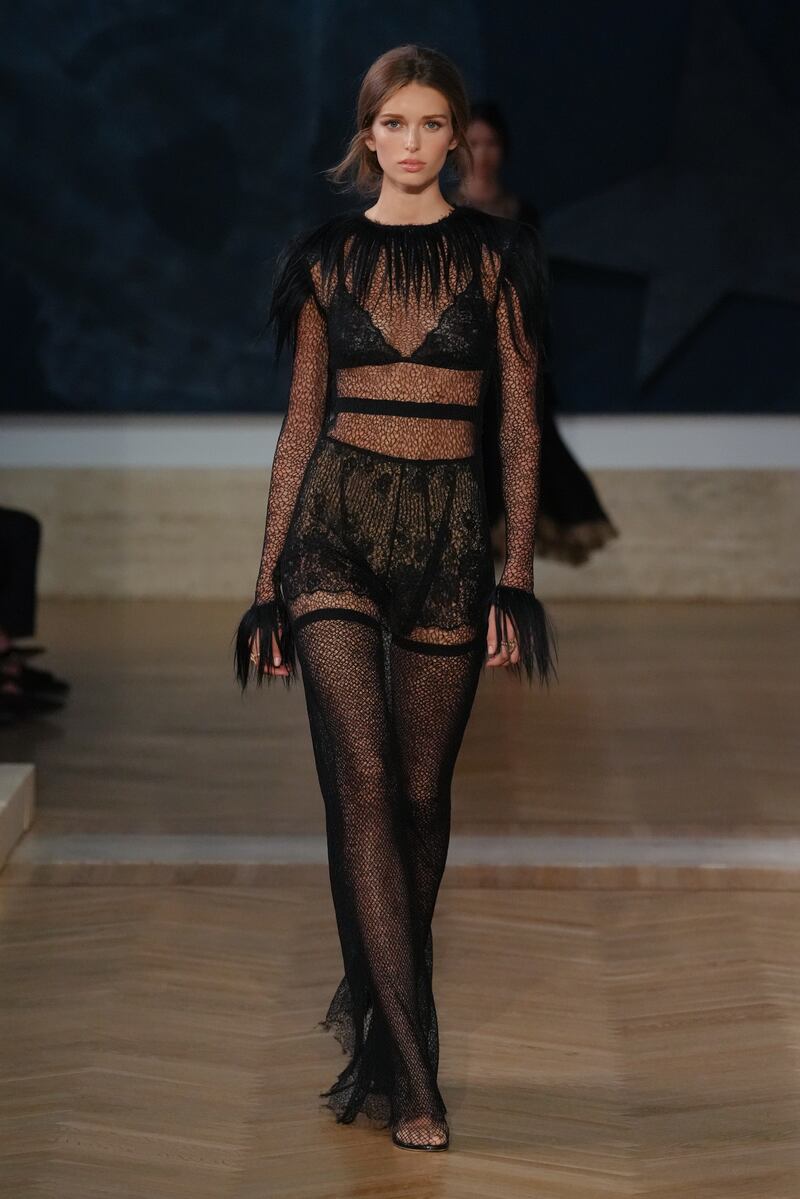
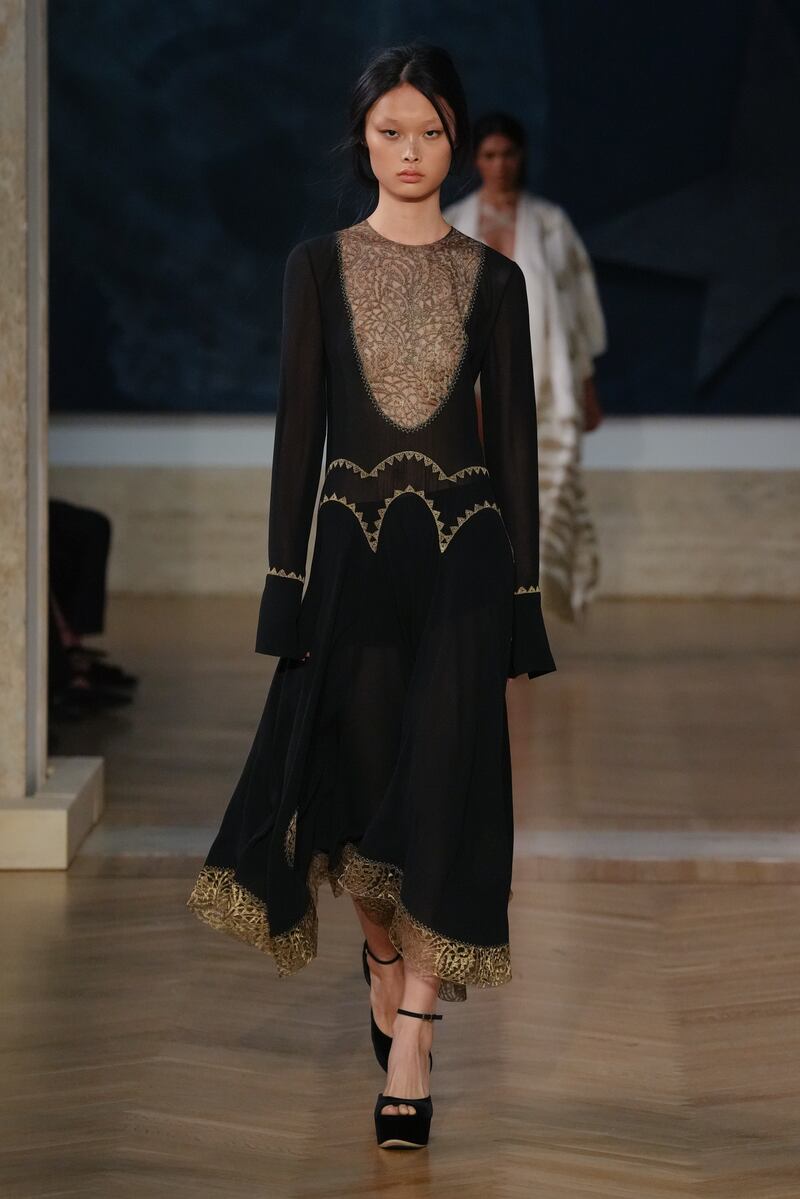
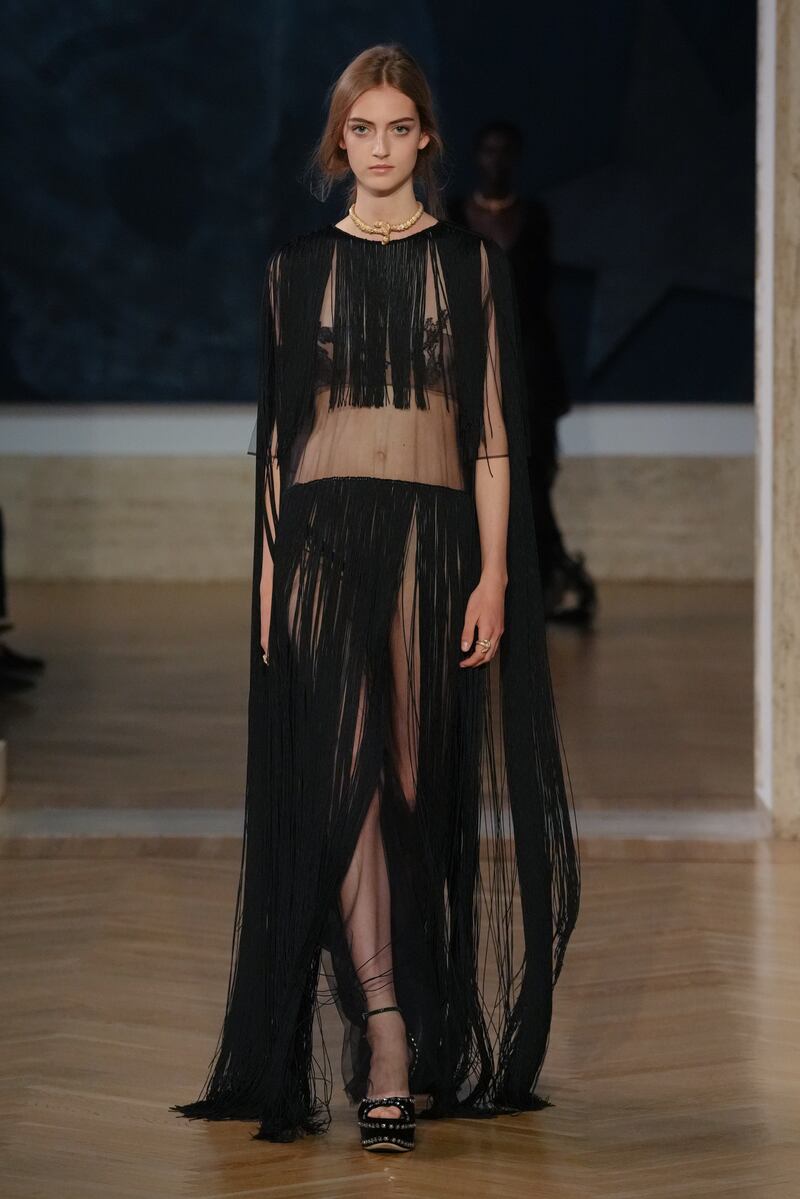
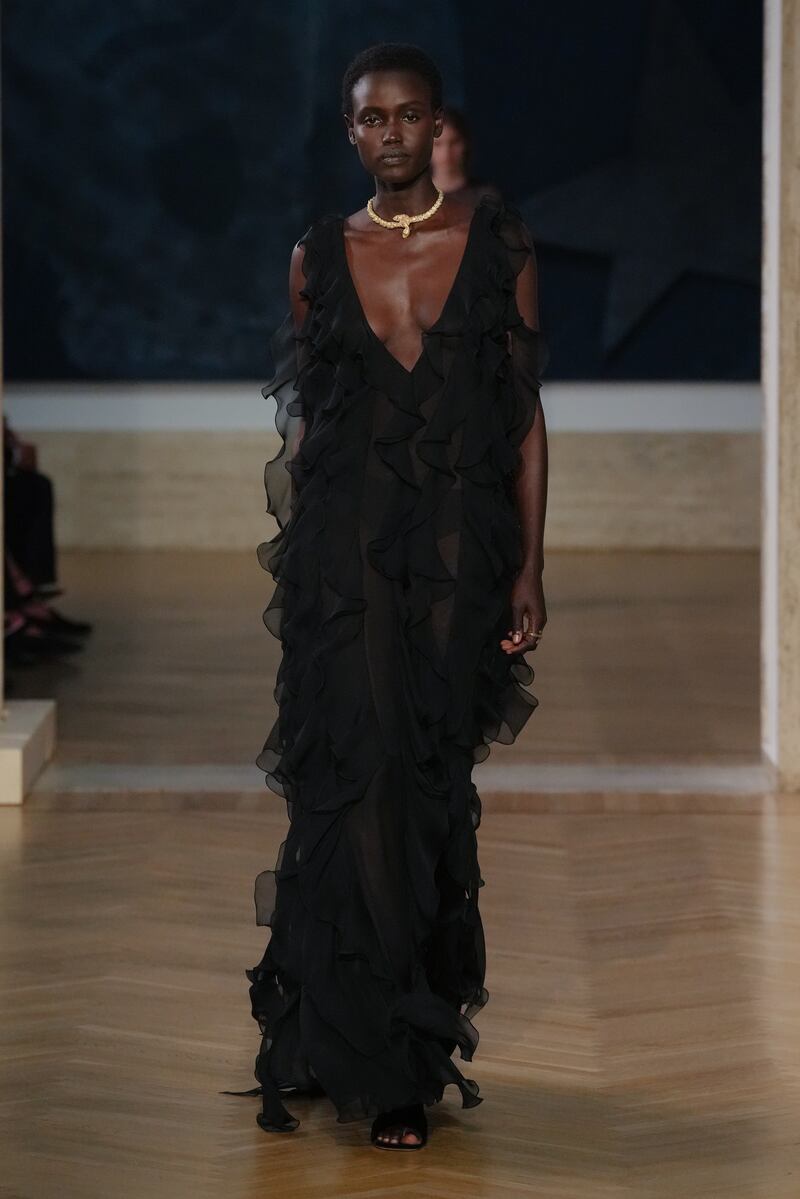
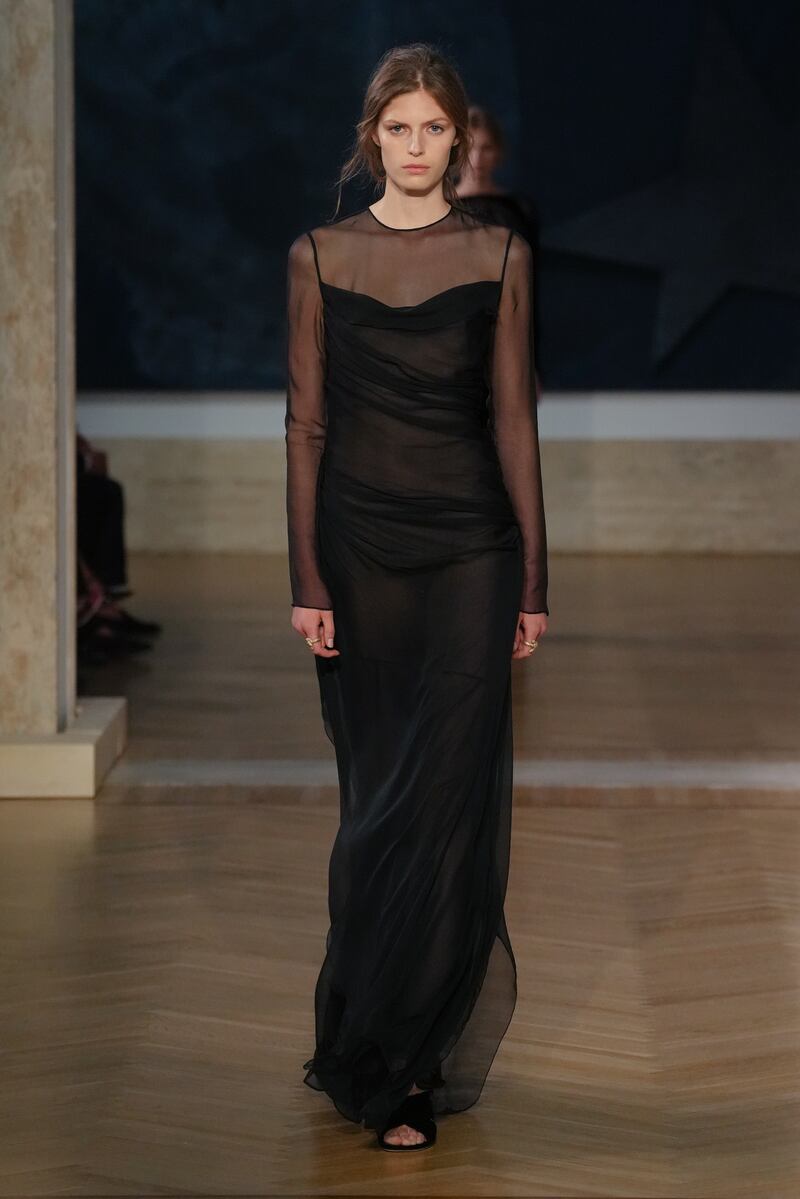
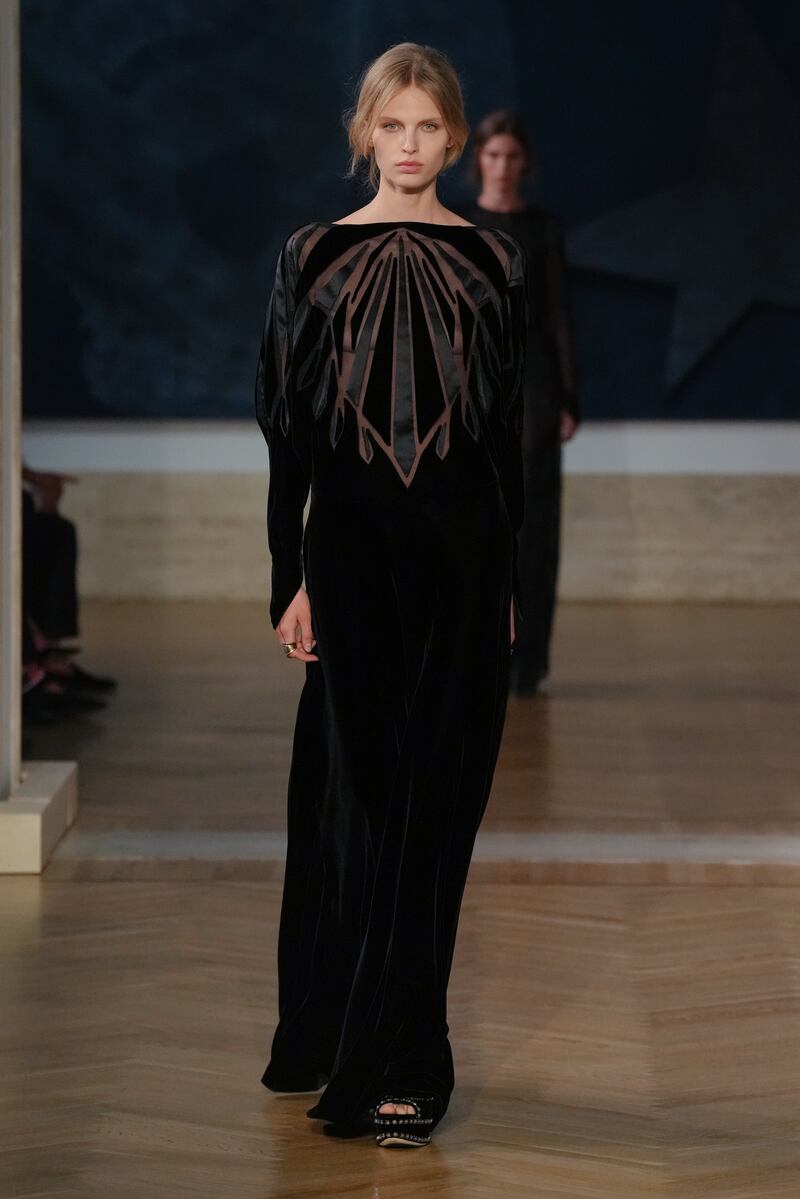
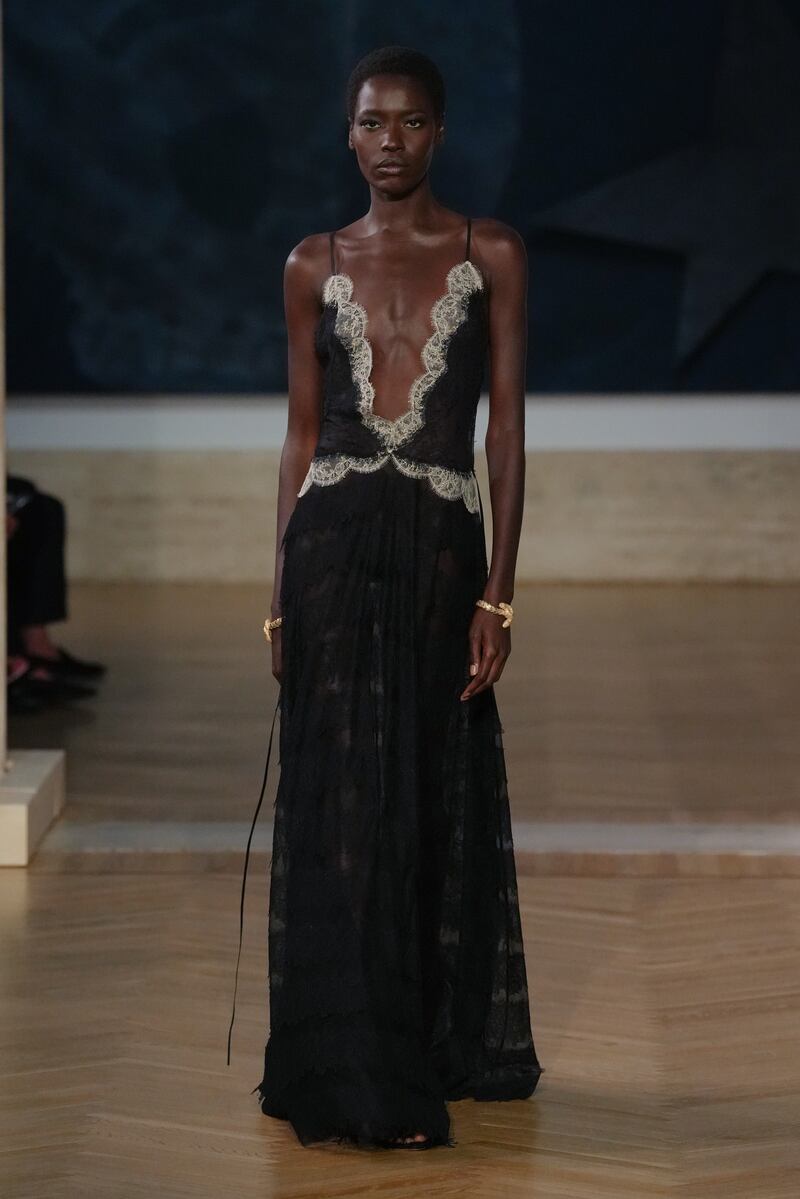
Chiuri’s show was staged in the magnificent rooms of the Galleria Nazionale d’Arte Moderna. Filled with masterpieces spanning the last century or so of formal and material experimentation, the ambiance offered a visually luxuriant, eye-nurturing backdrop to a collection that, by contrast, seemed more monotone with its palette of black, white and parchment.
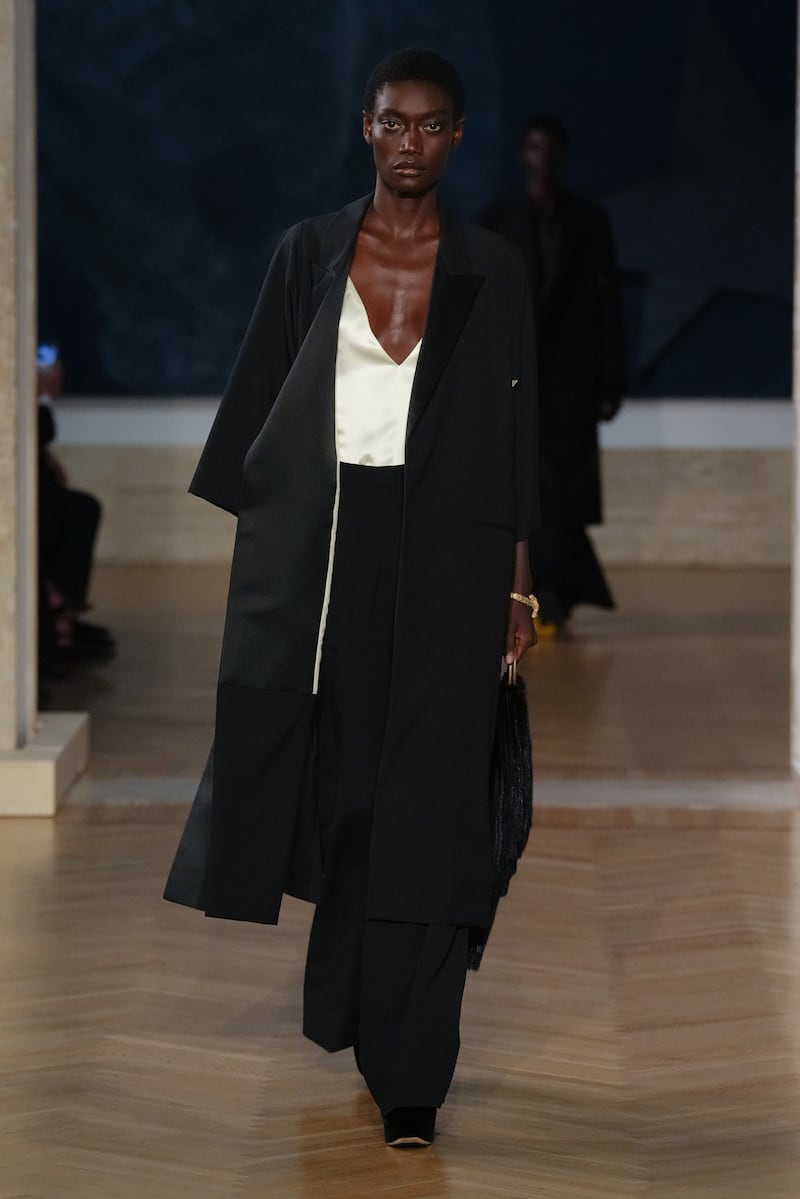
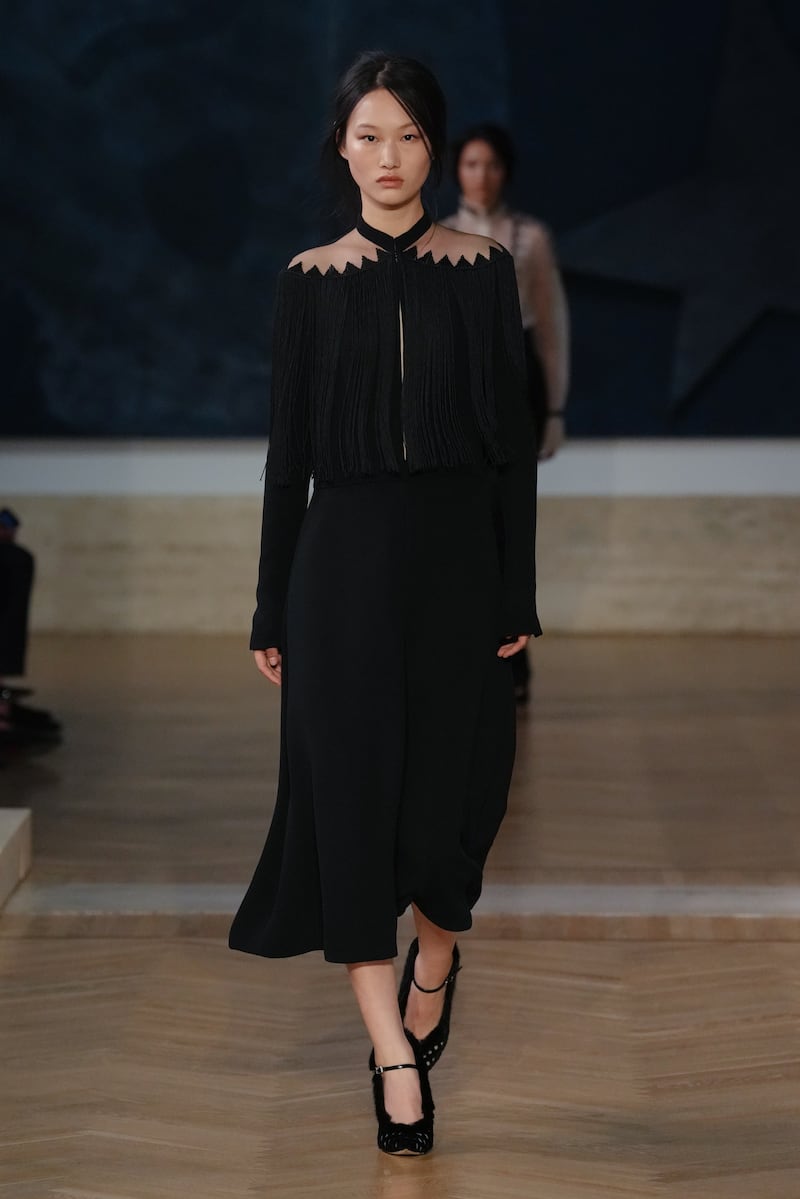
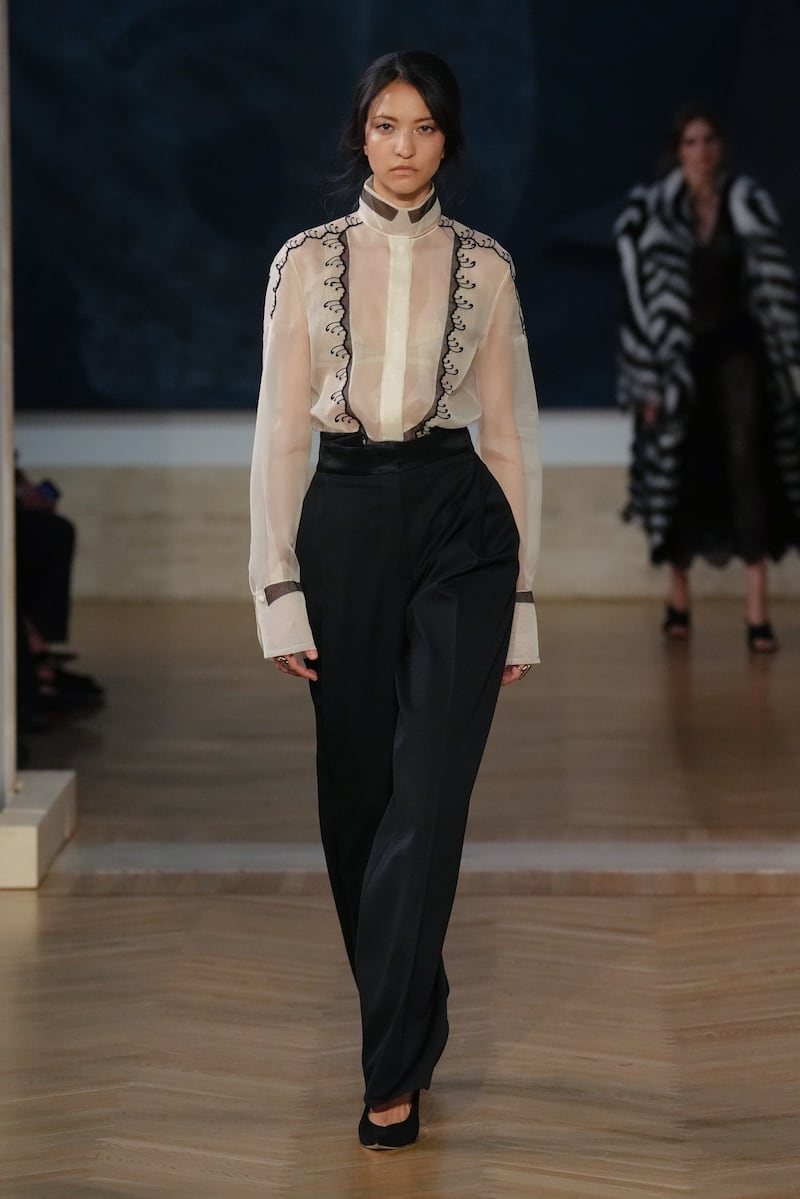
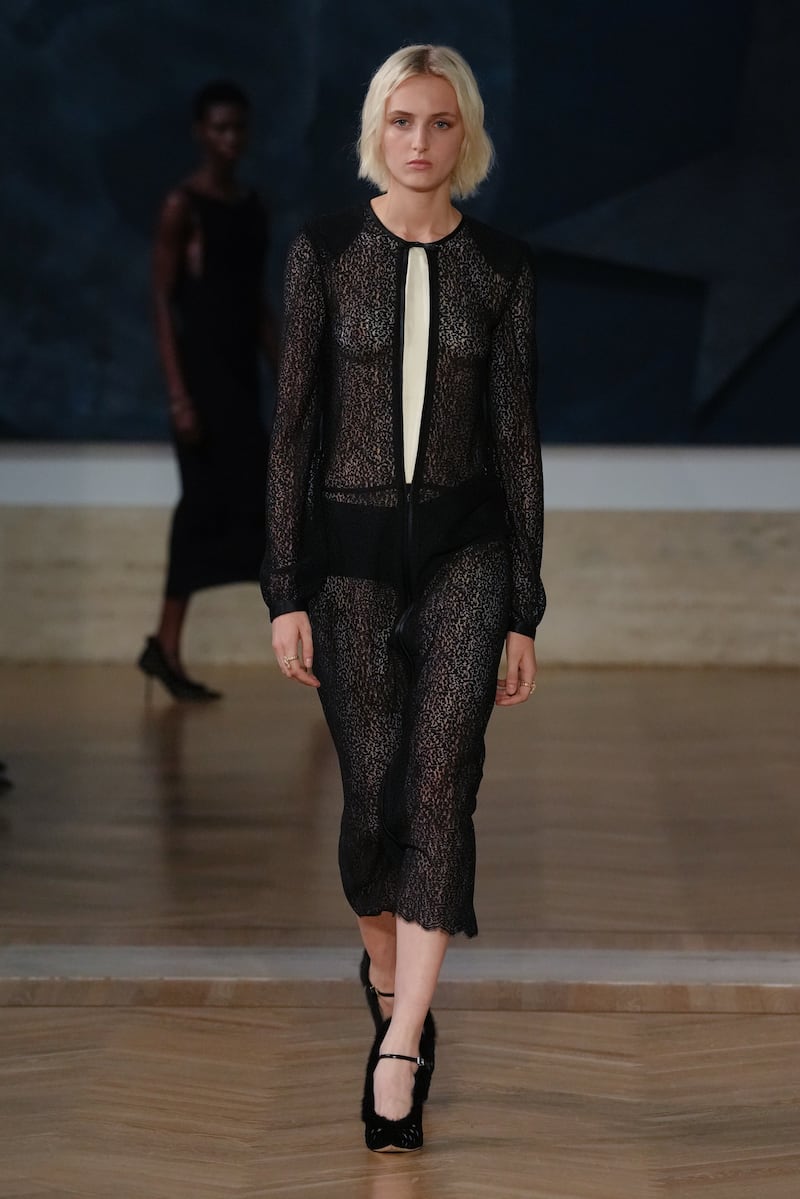
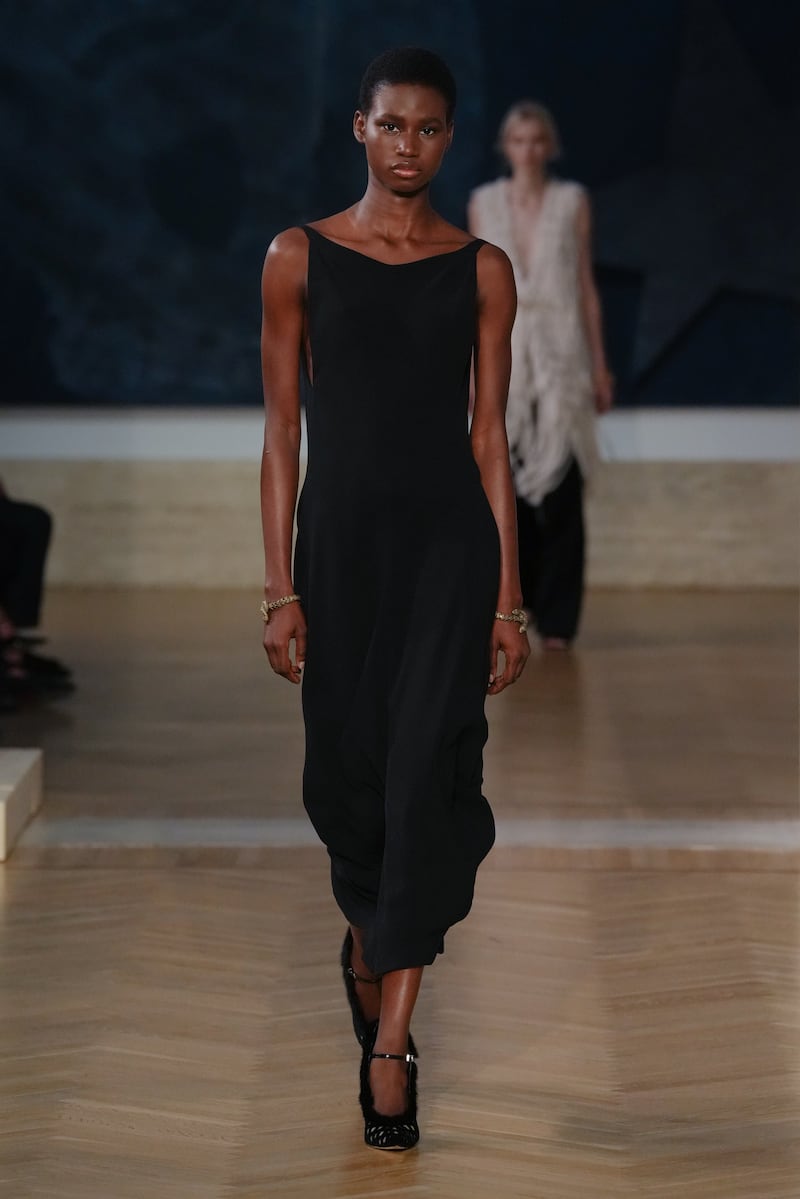
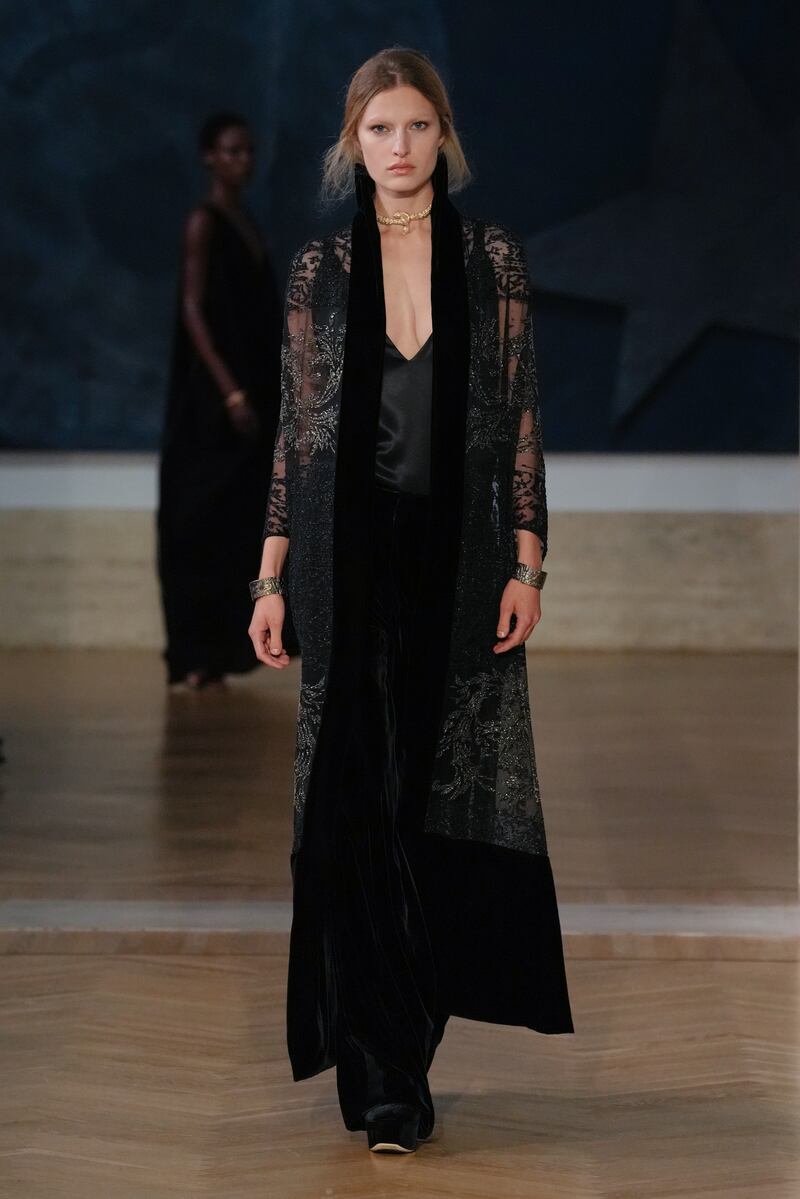
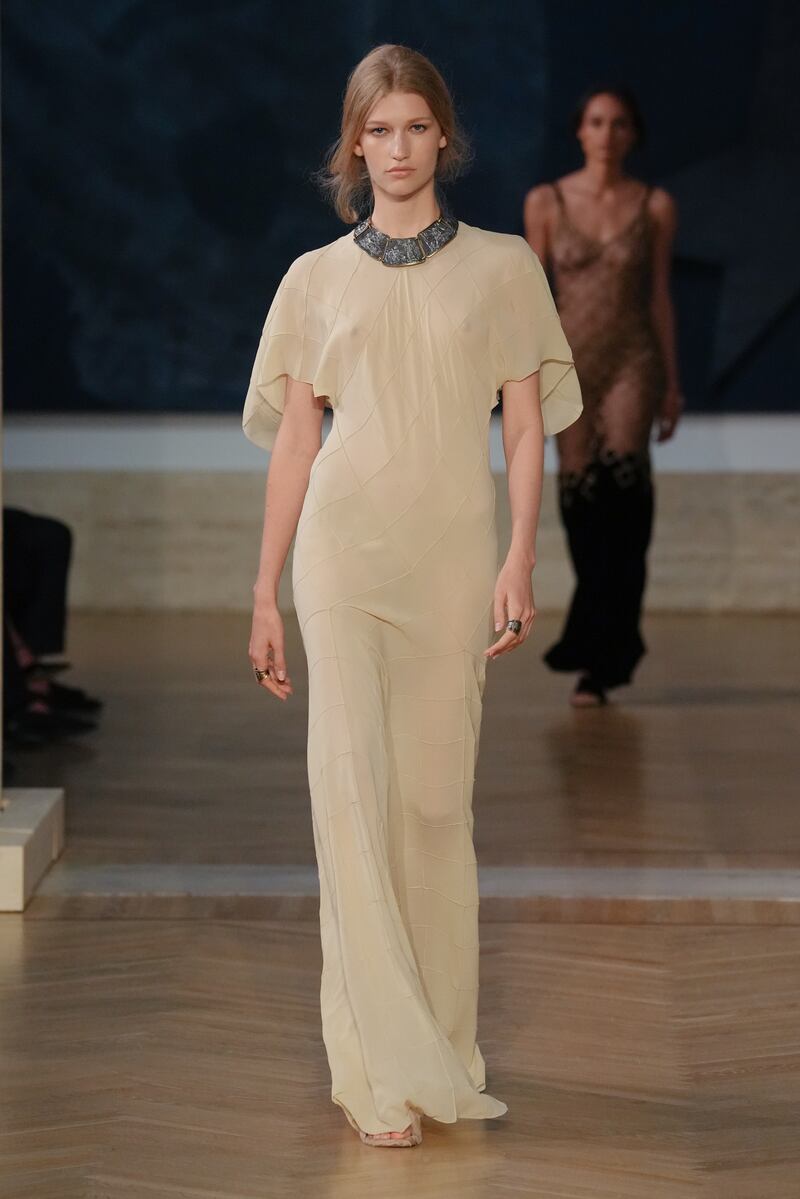
Chiuri prefers faultless technicality over flights of fancy, wearability over experimentation. Her haute couture often verges on the minimal, with preciousness hidden in the seams, refusing profuse decoration. It’s an entirely understandable, even commendable position: one that feels in conflict, however, with the luscious Roman spirit of Fendi — where she already opted for a mostly white-and-black wardrobe for her ready-to-wear debut in February. In Chiuri’s vision so far, Fendi’s Roman exuberance is buried under a sea of black, severe cuts and a nun-like, slightly bourgeois image.
ADVERTISEMENT
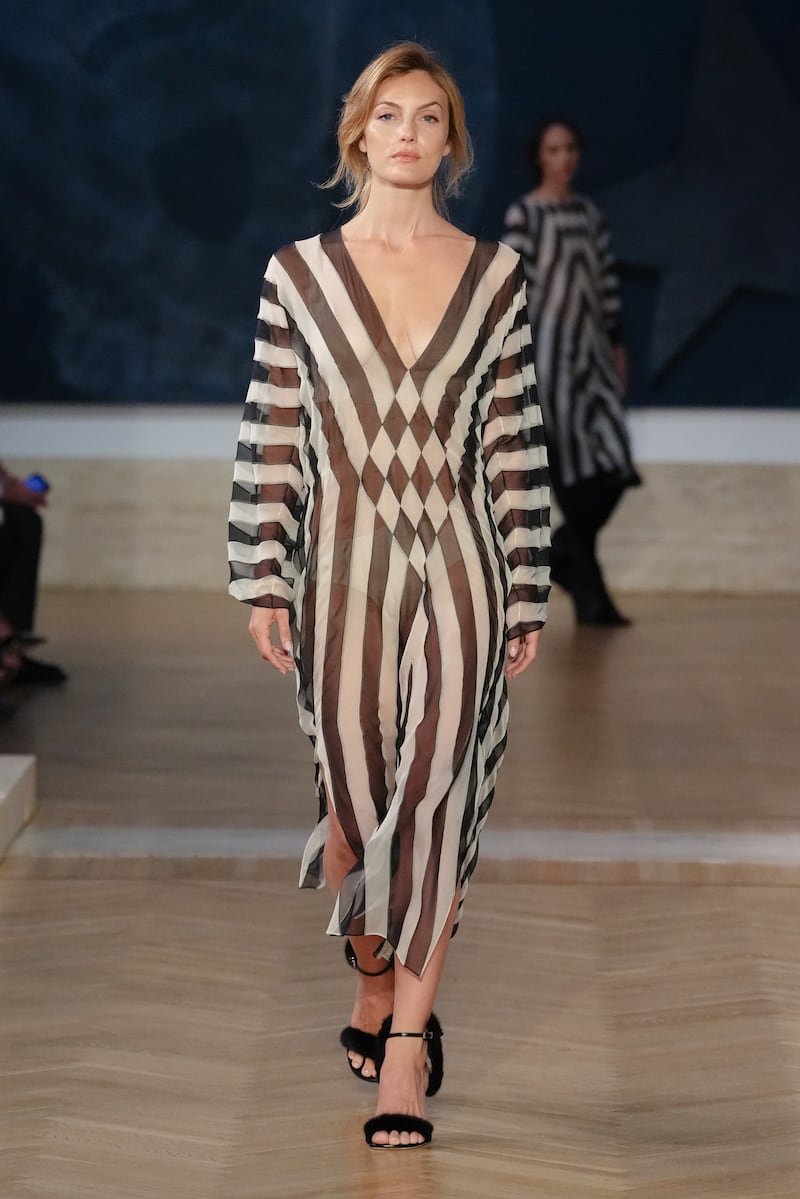
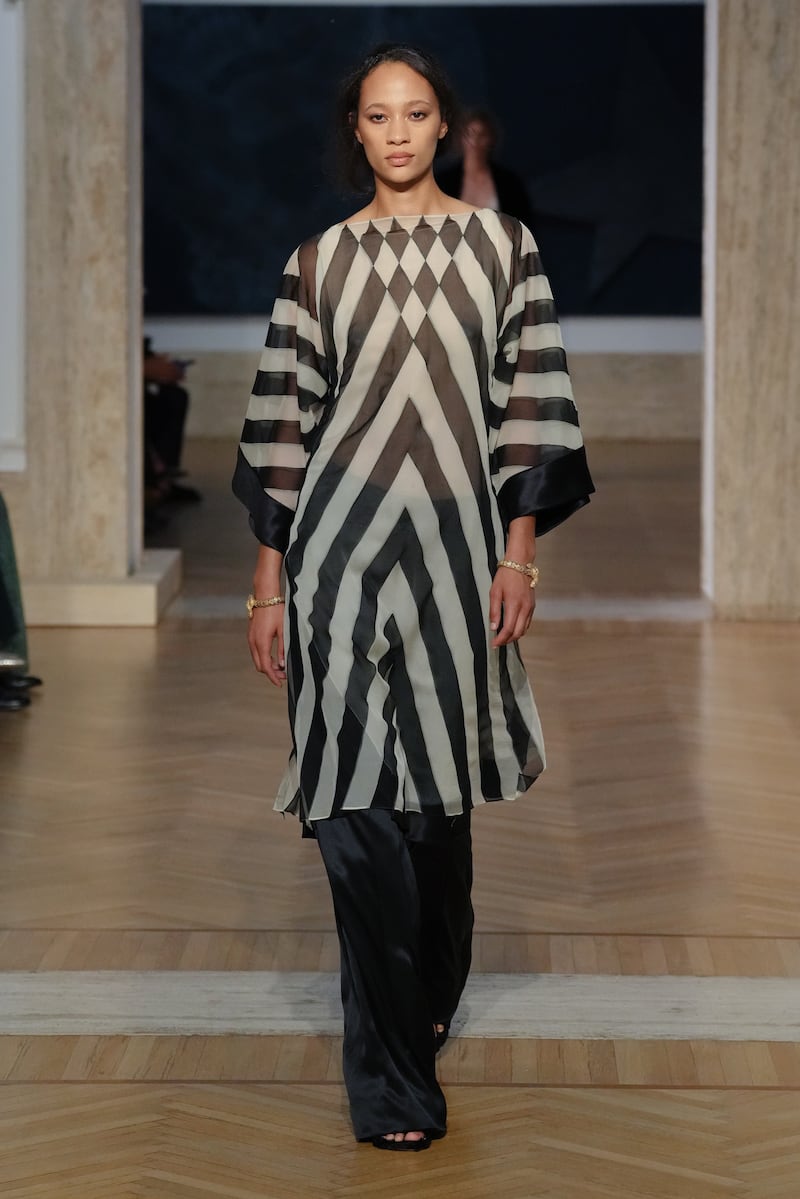
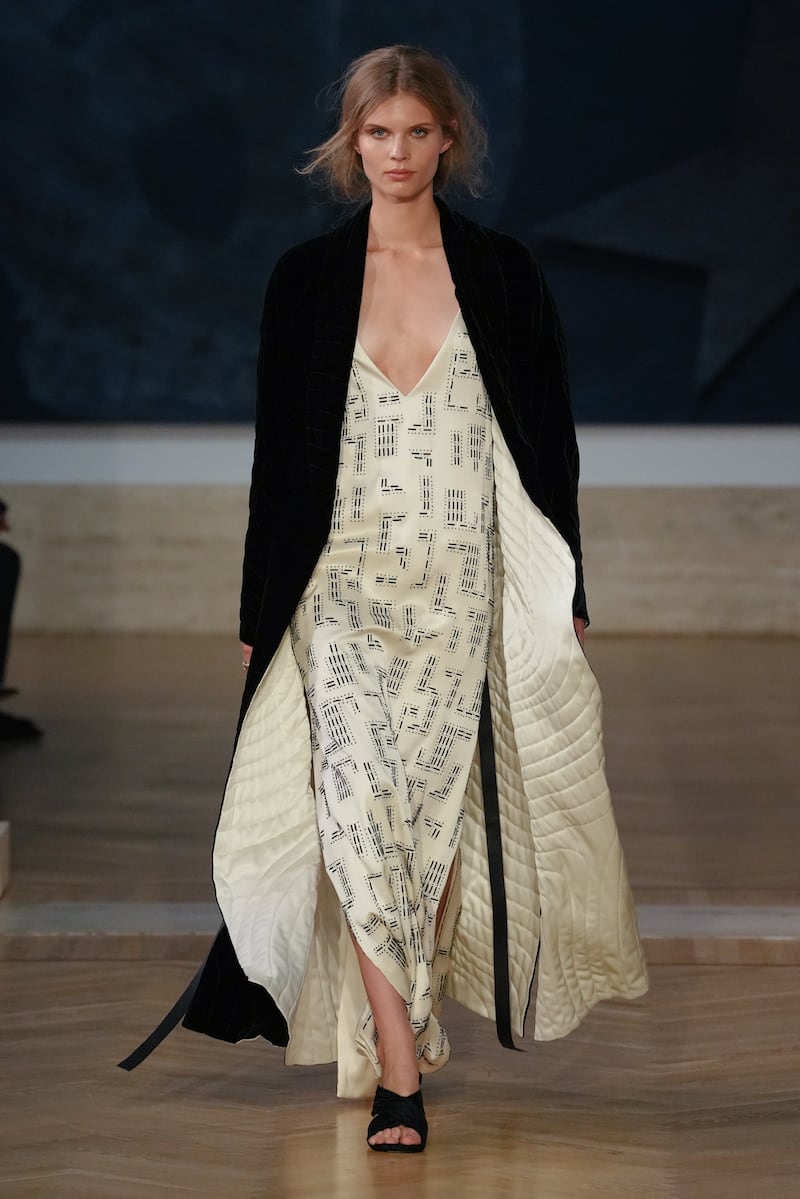
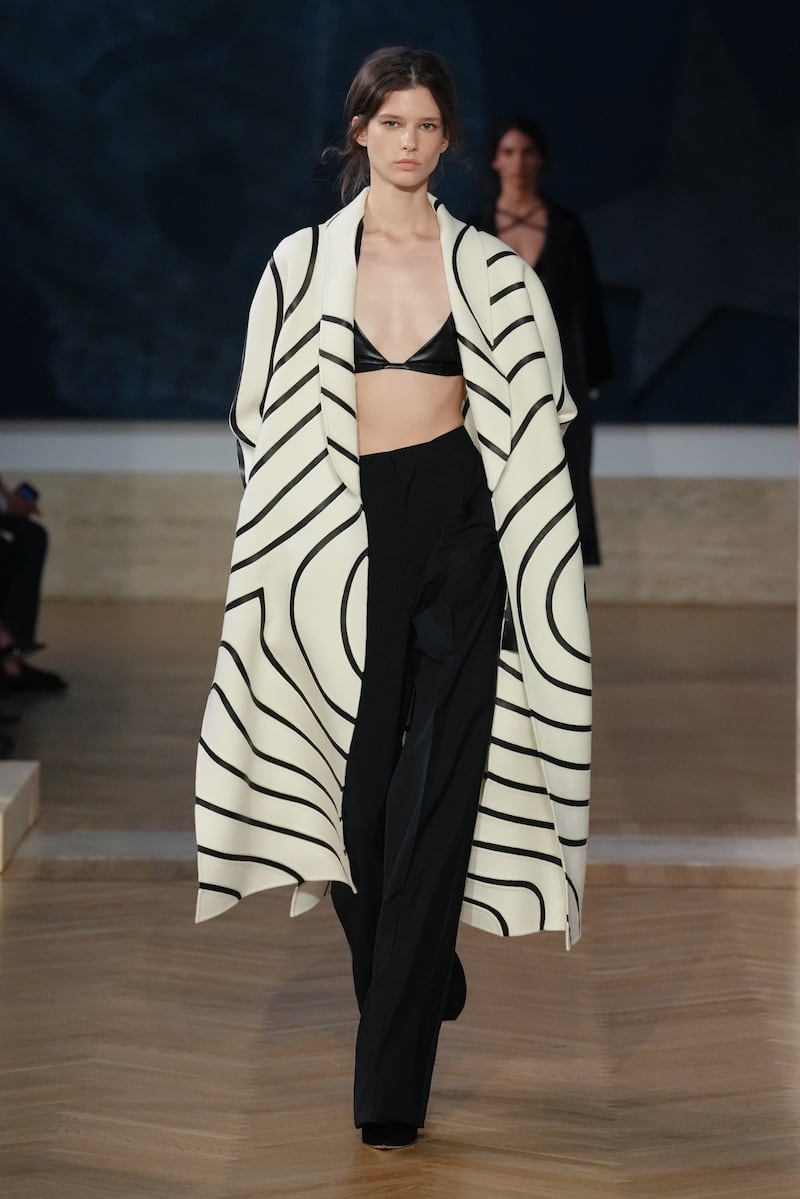
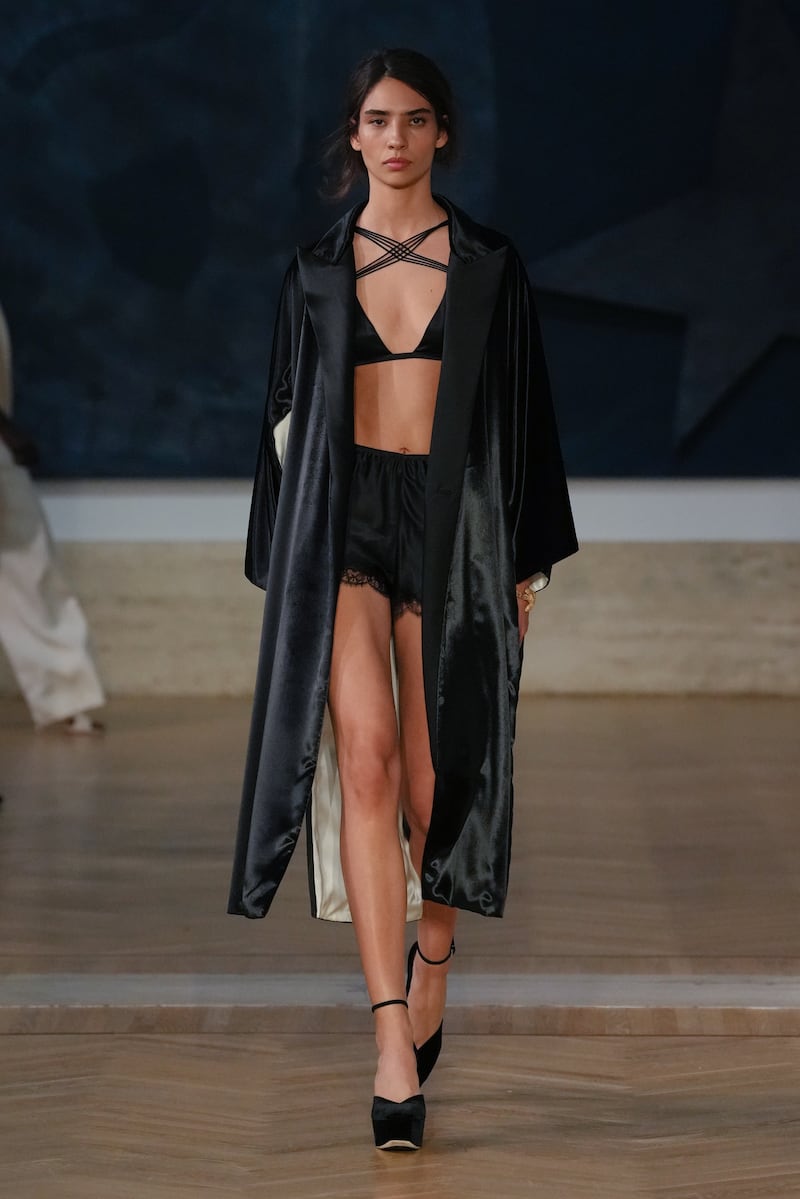
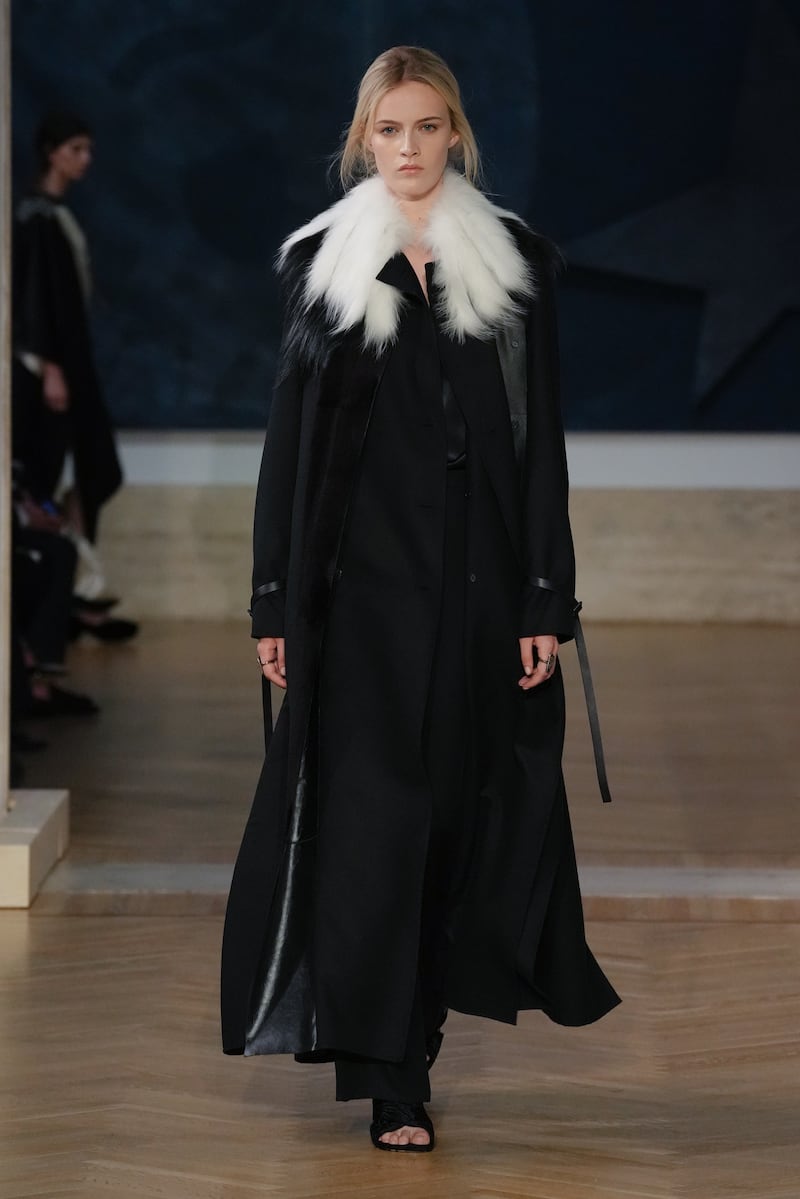
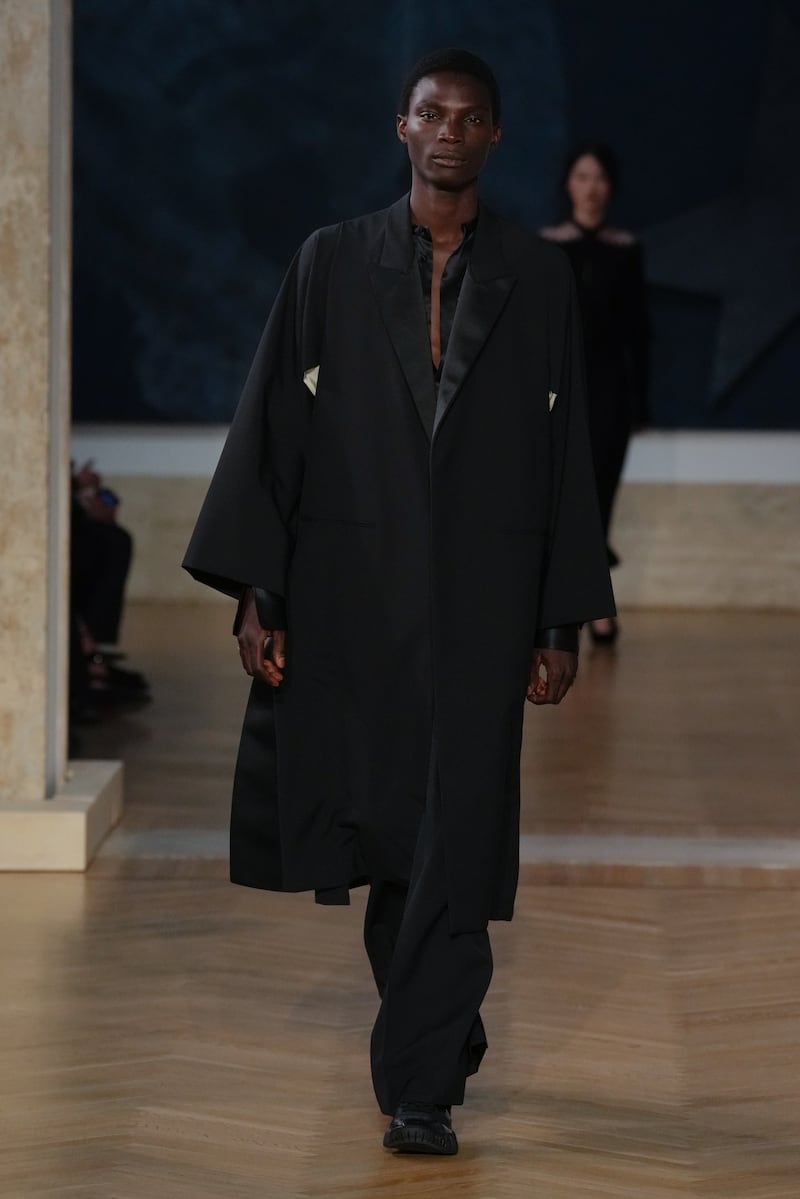
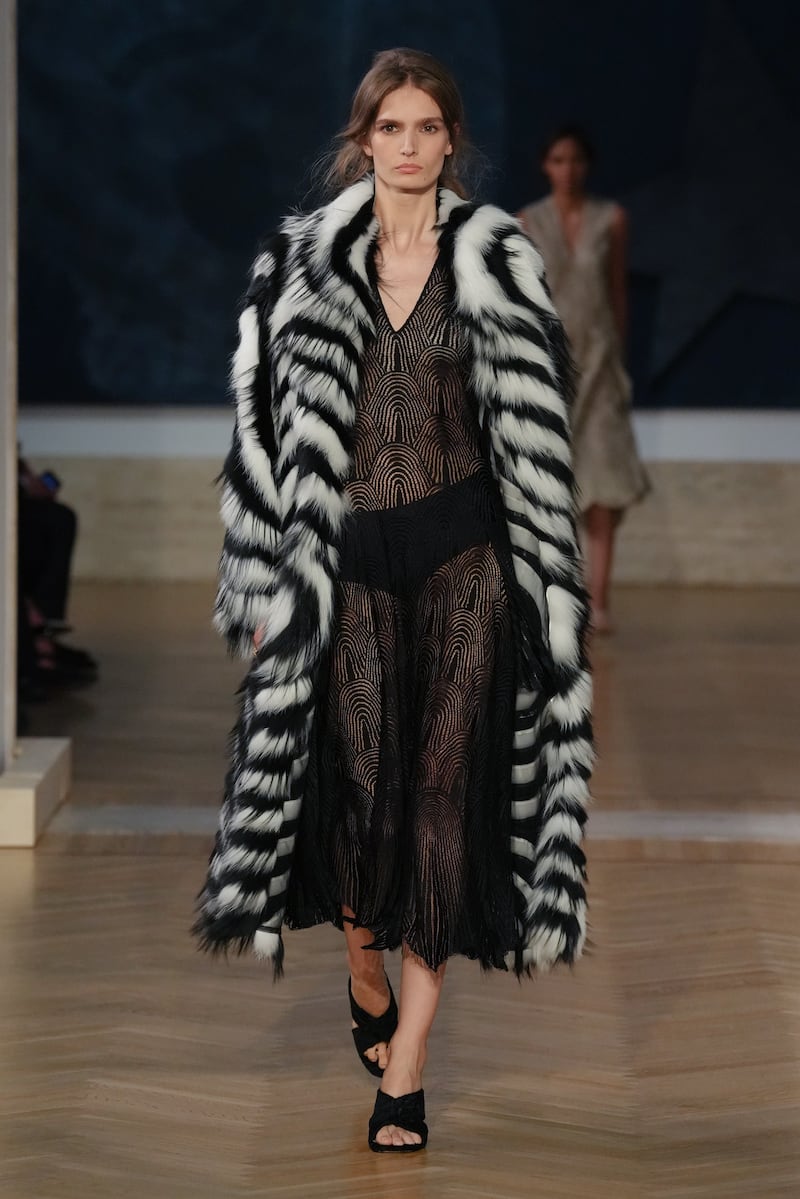
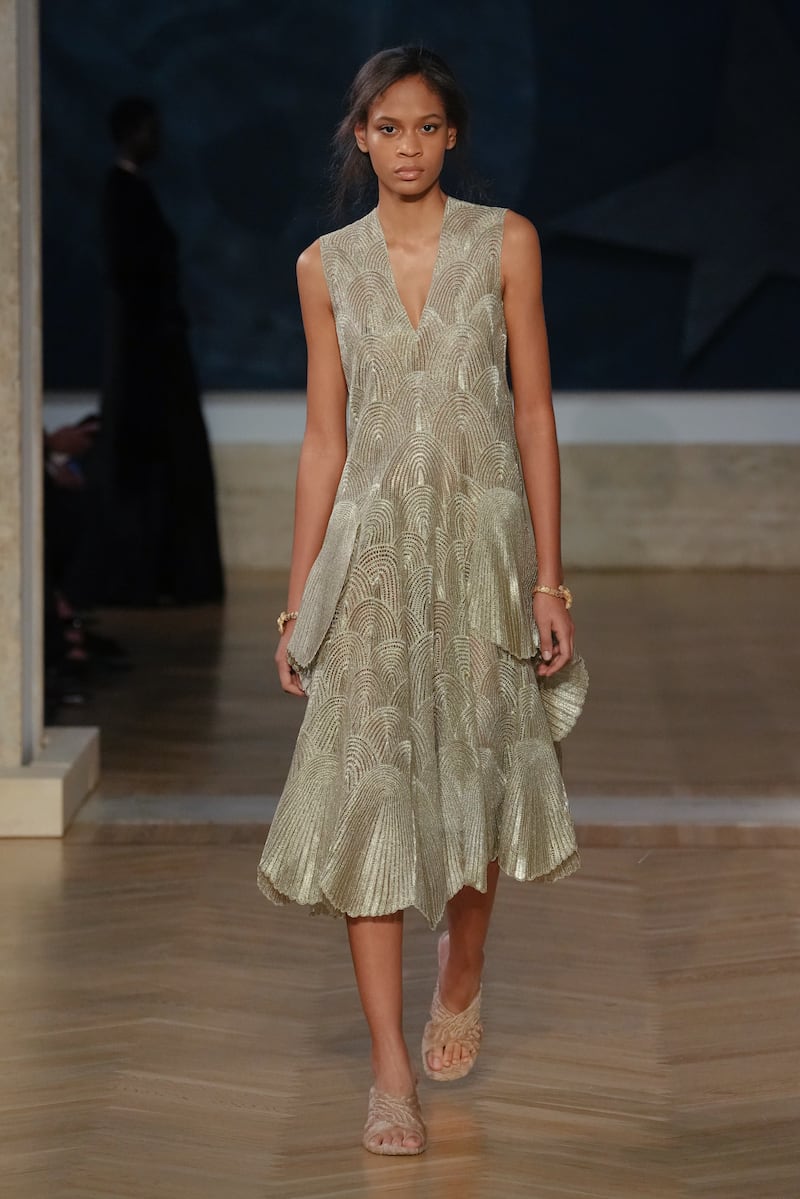
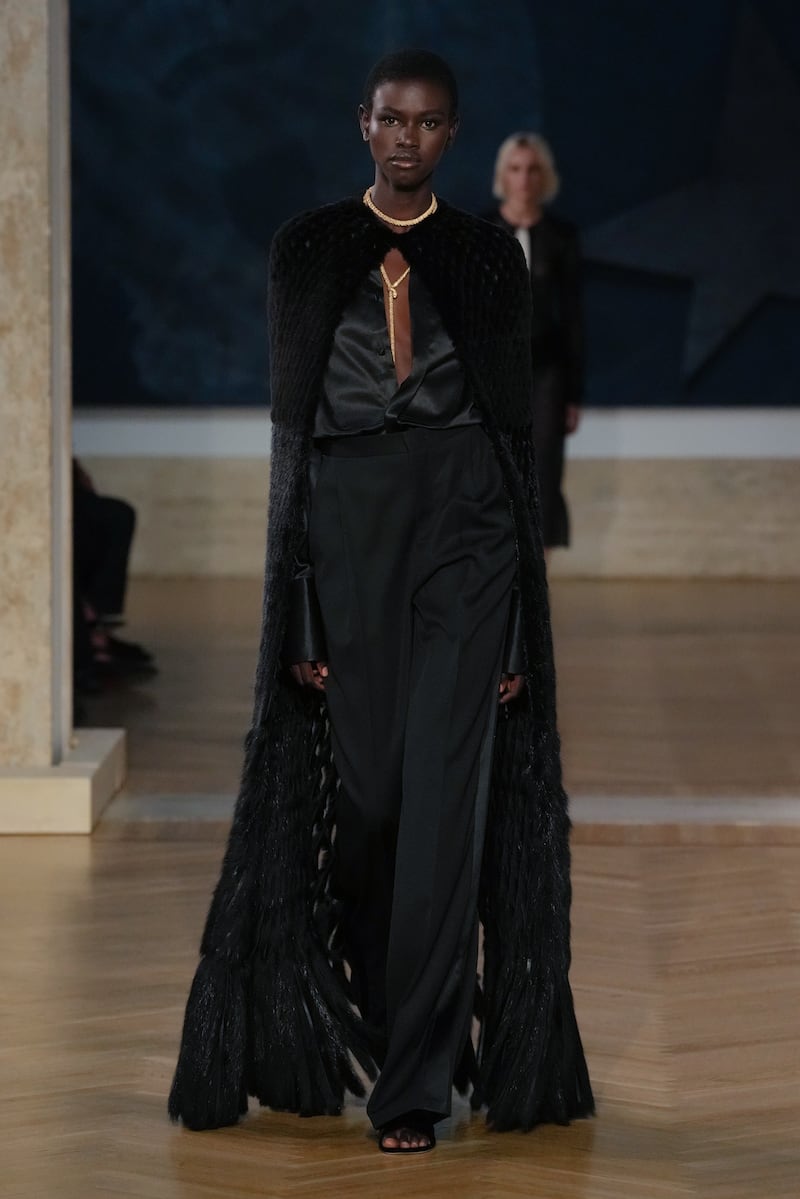
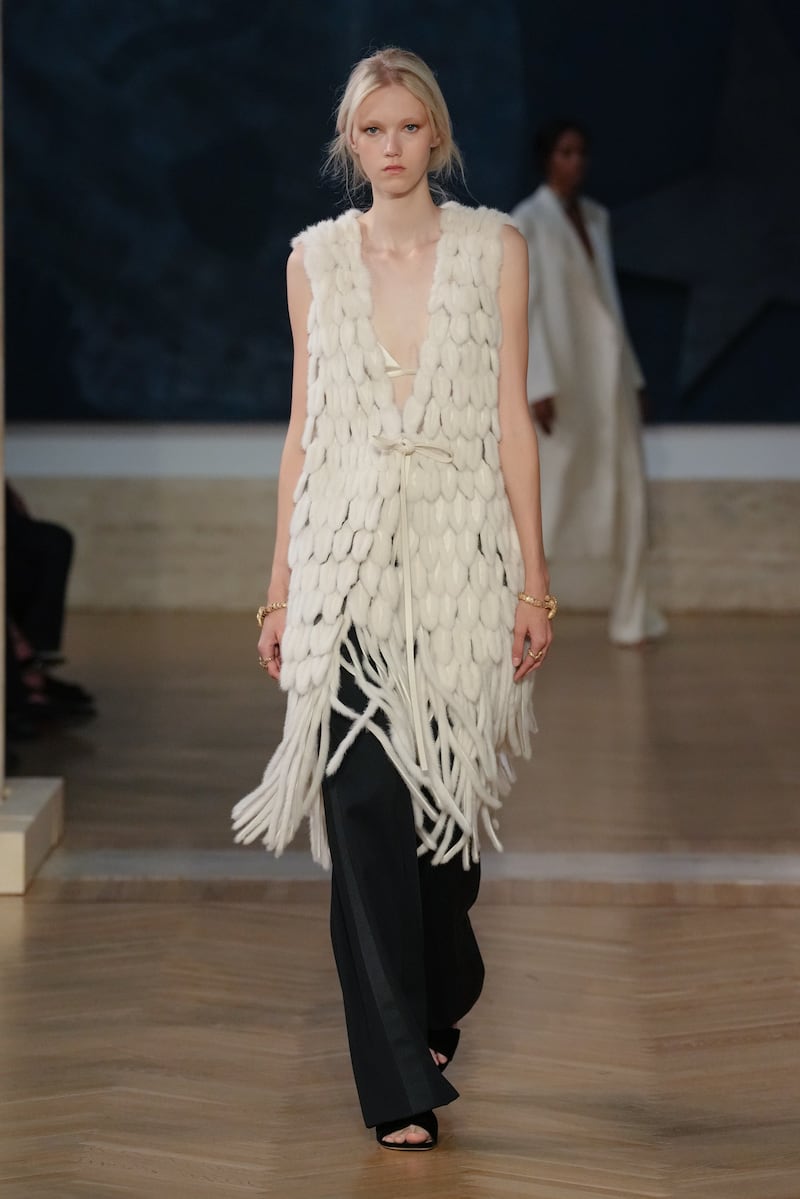
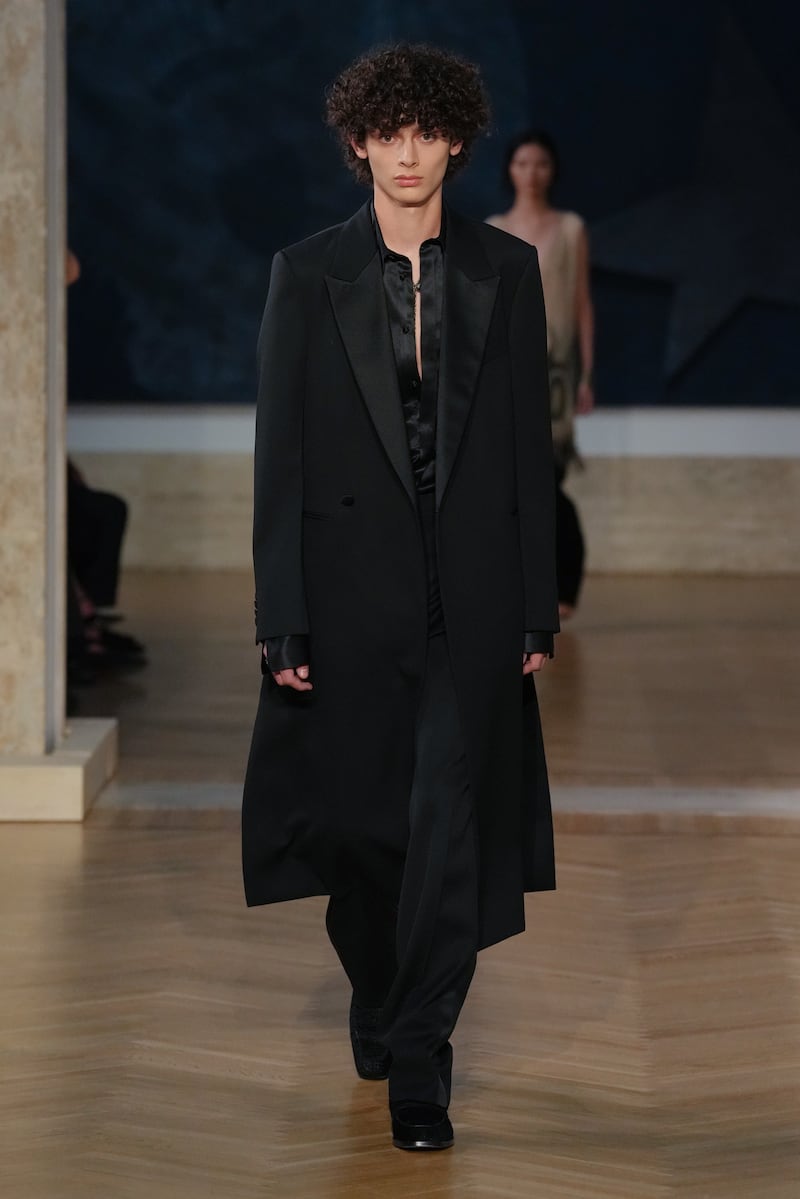
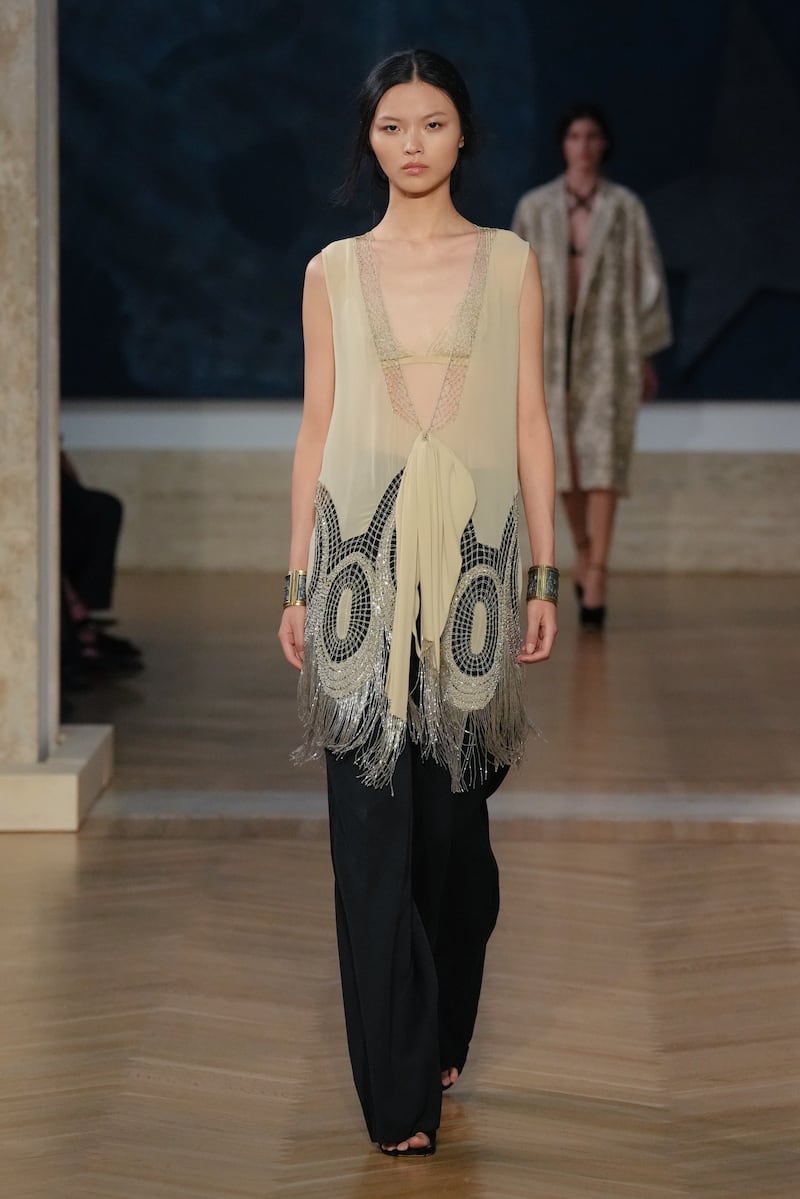
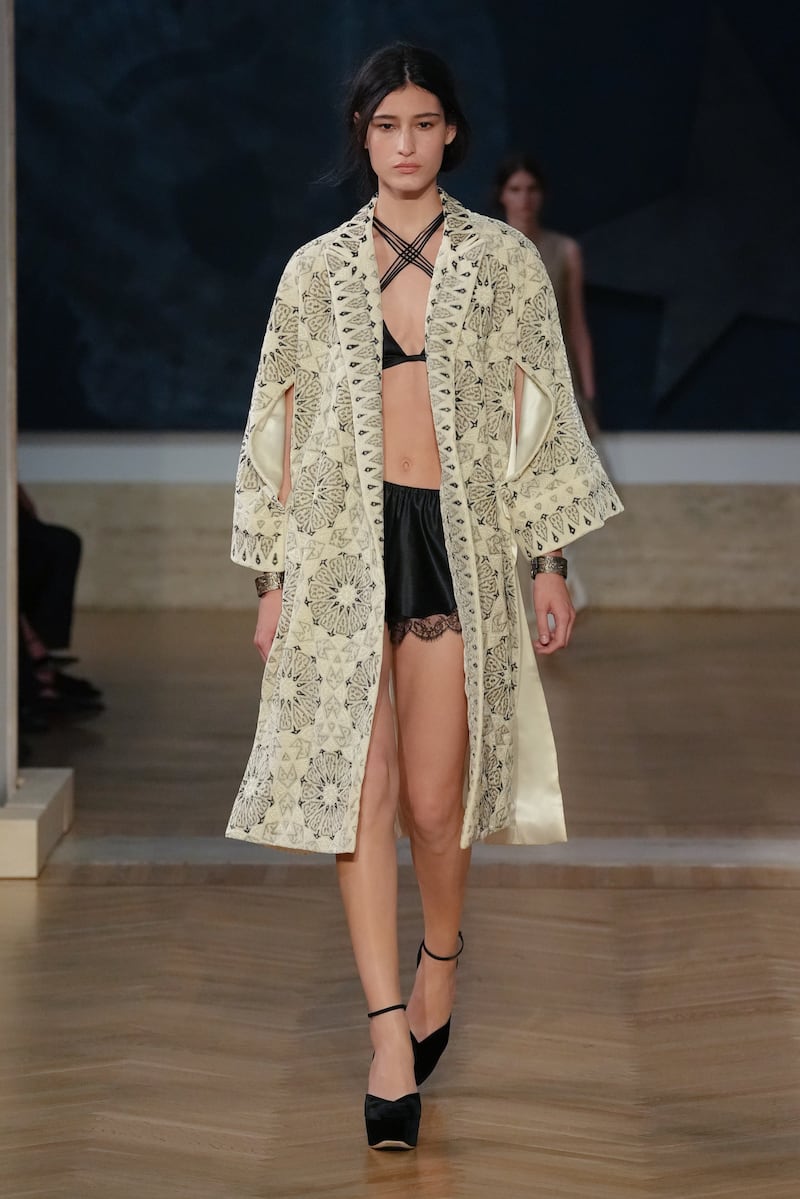
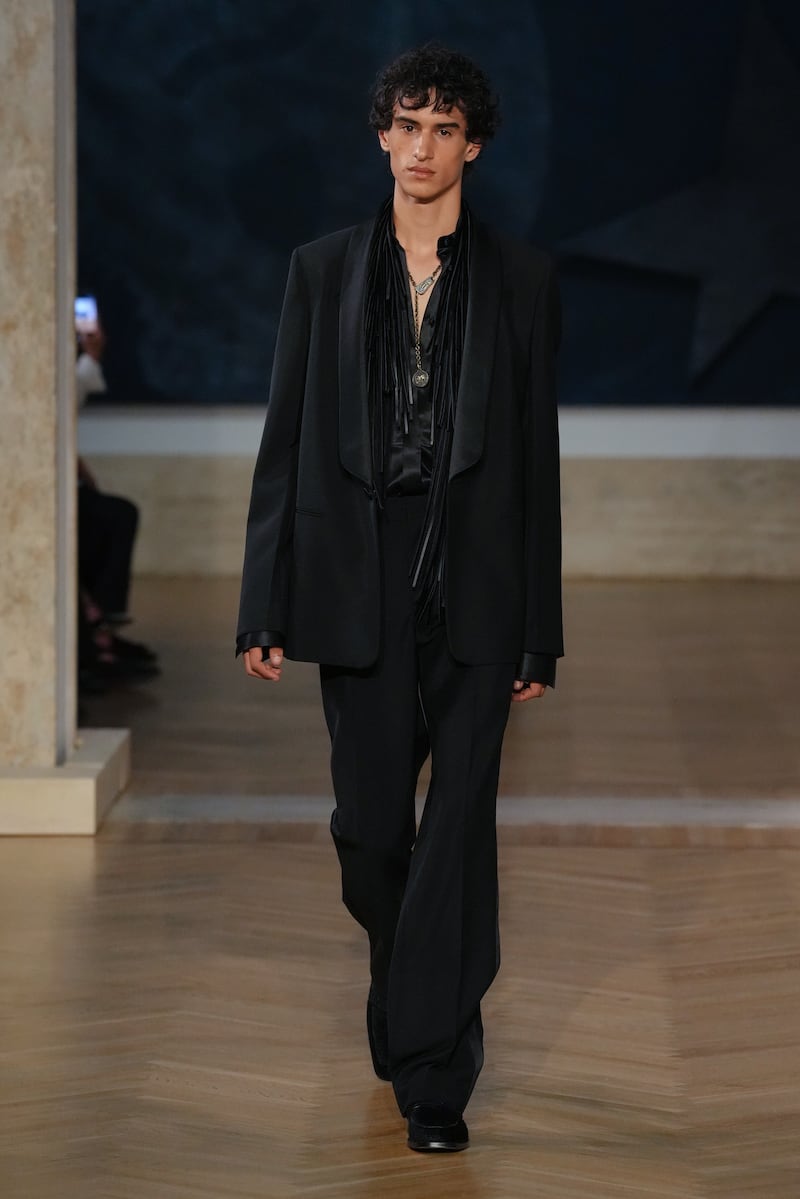
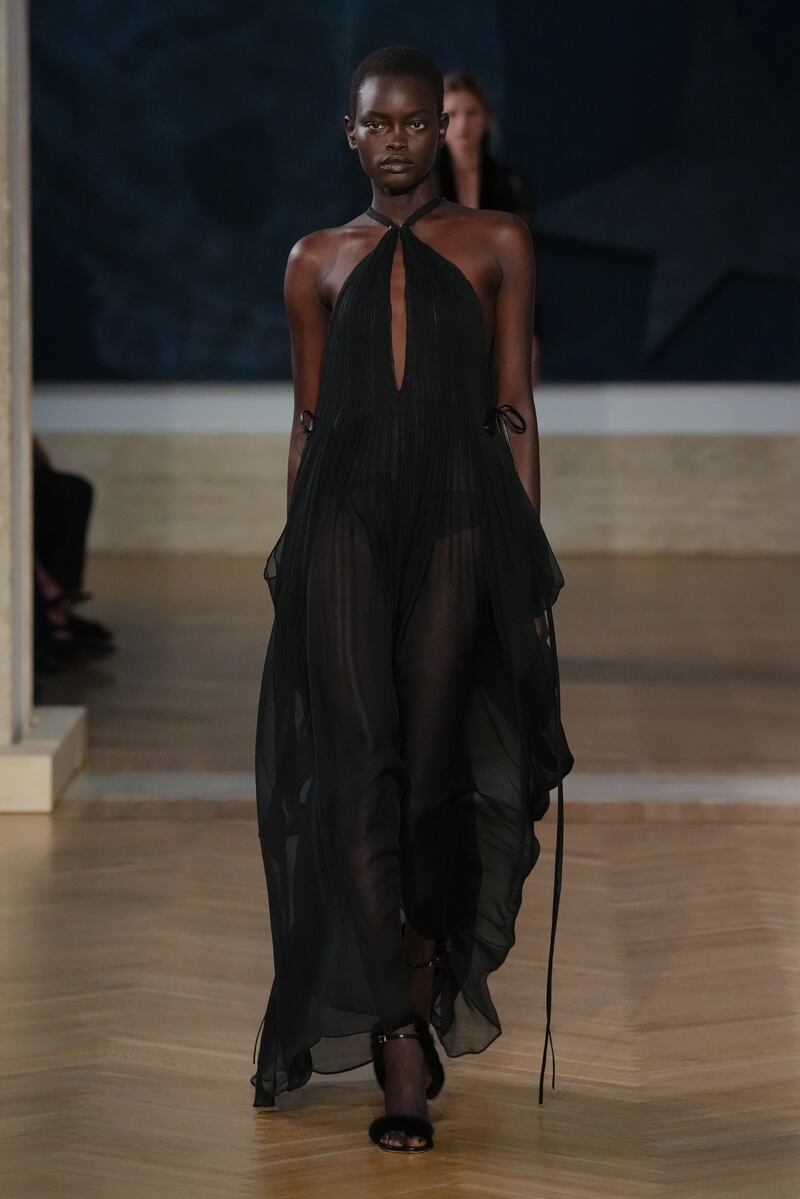
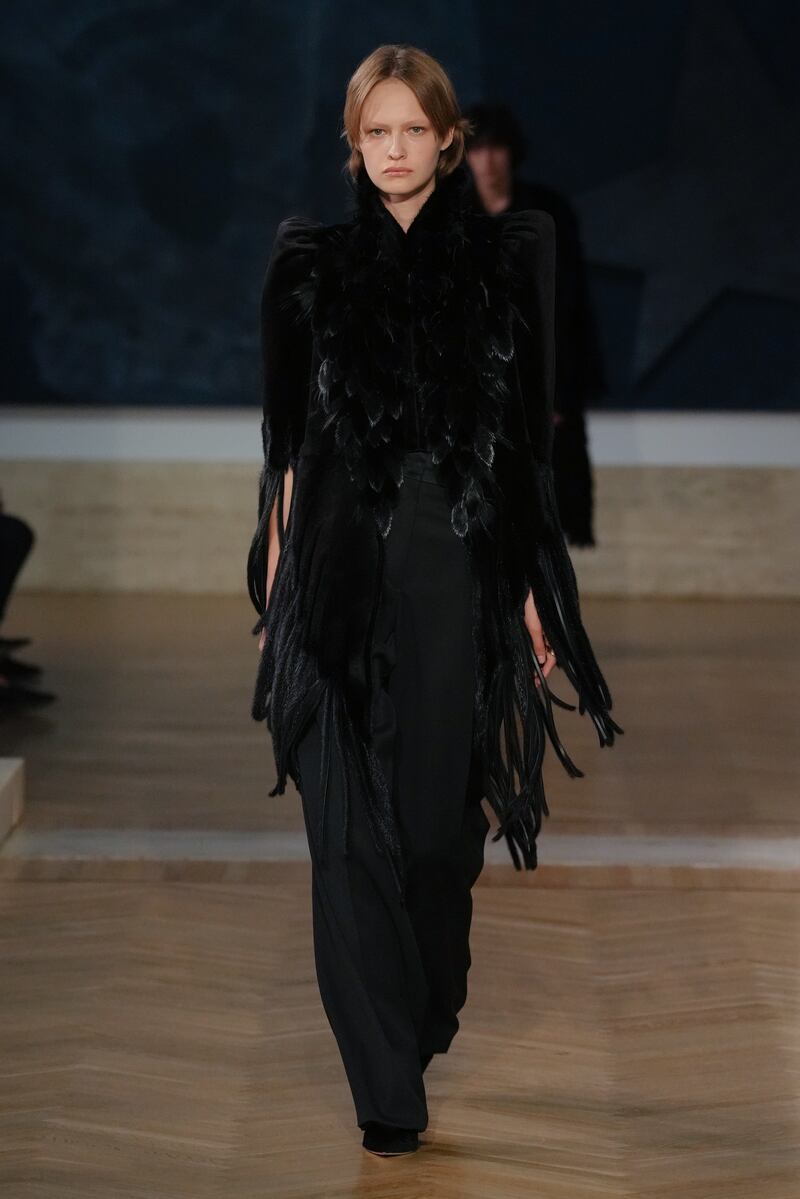
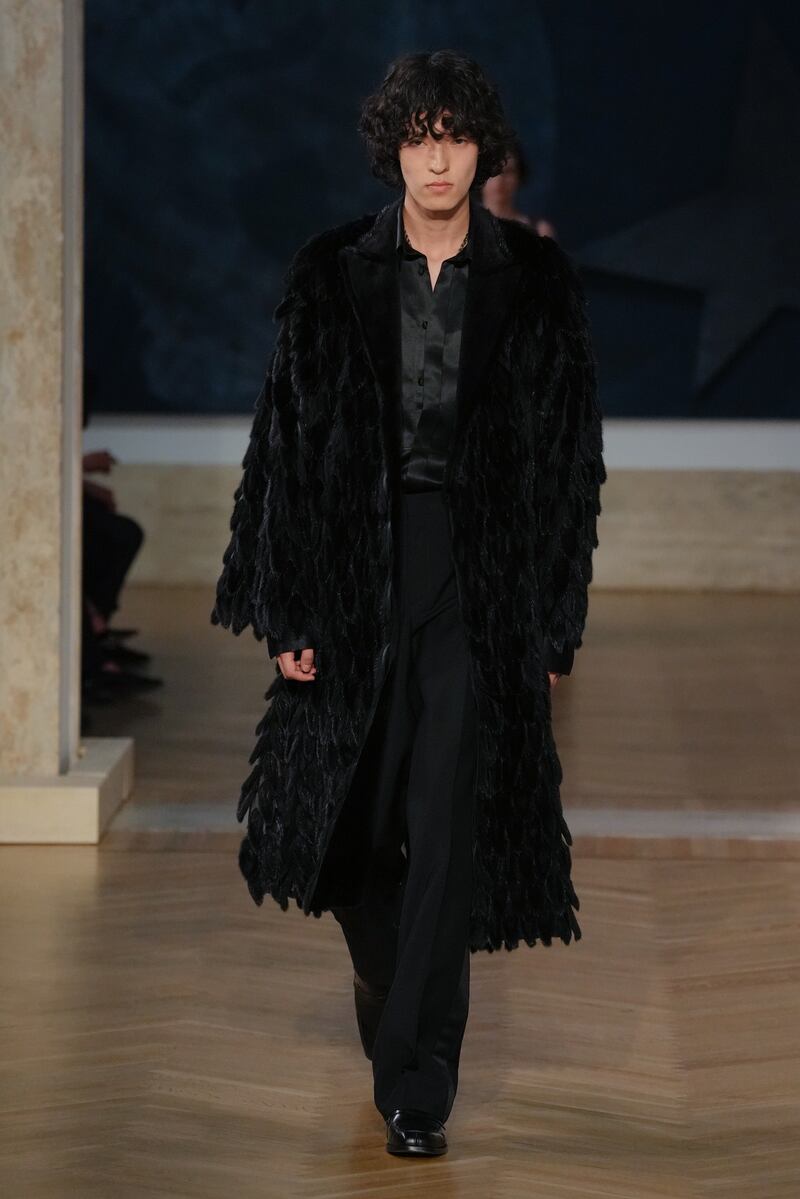
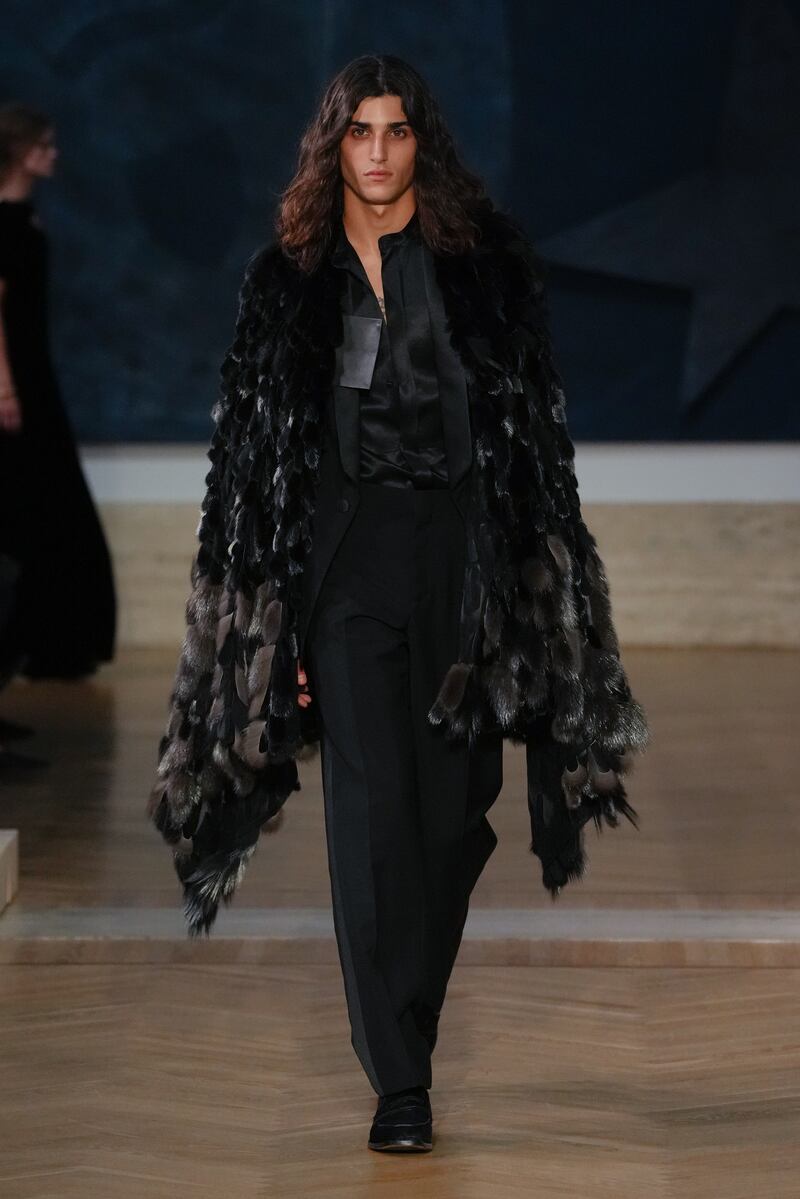
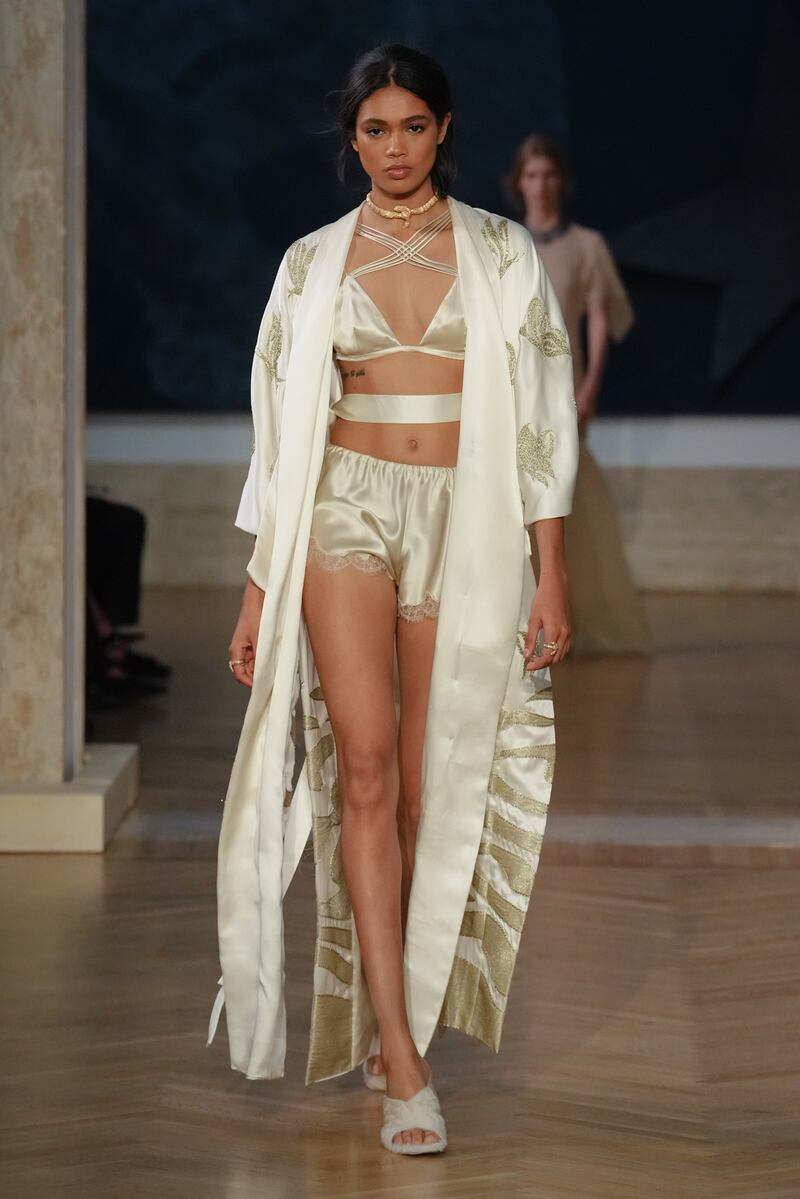
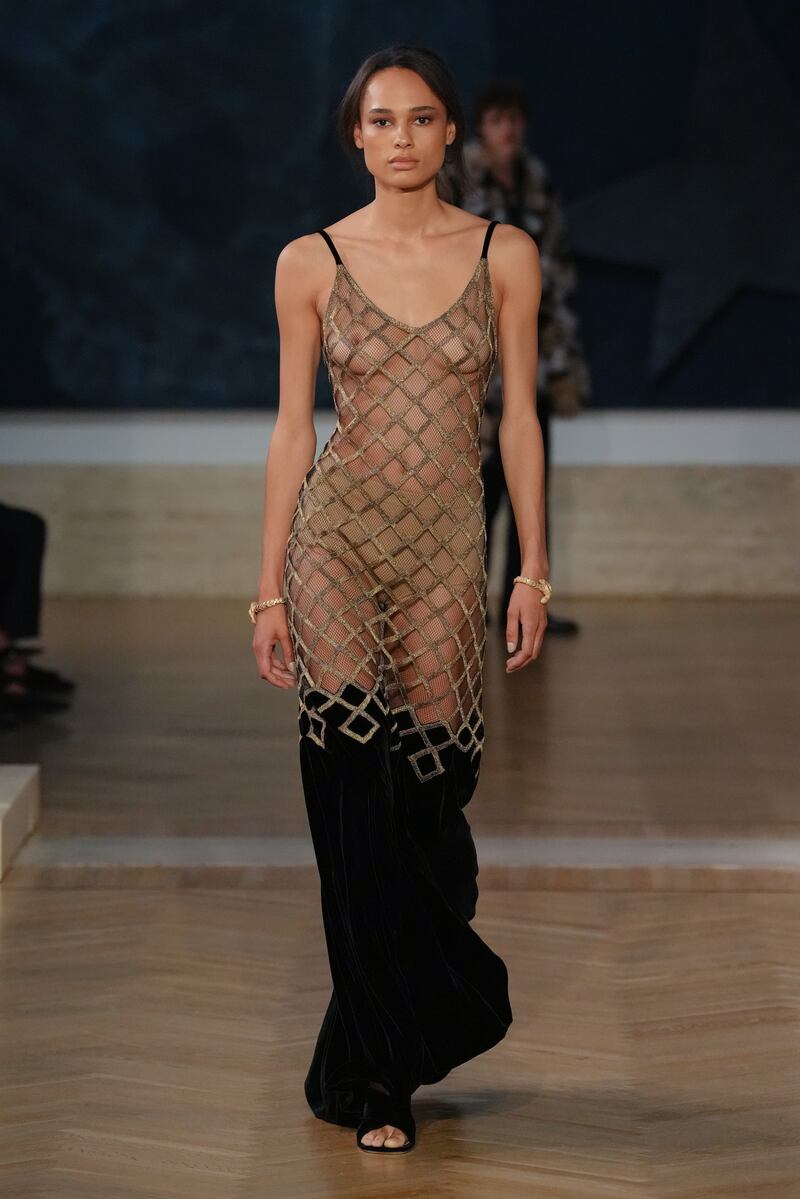
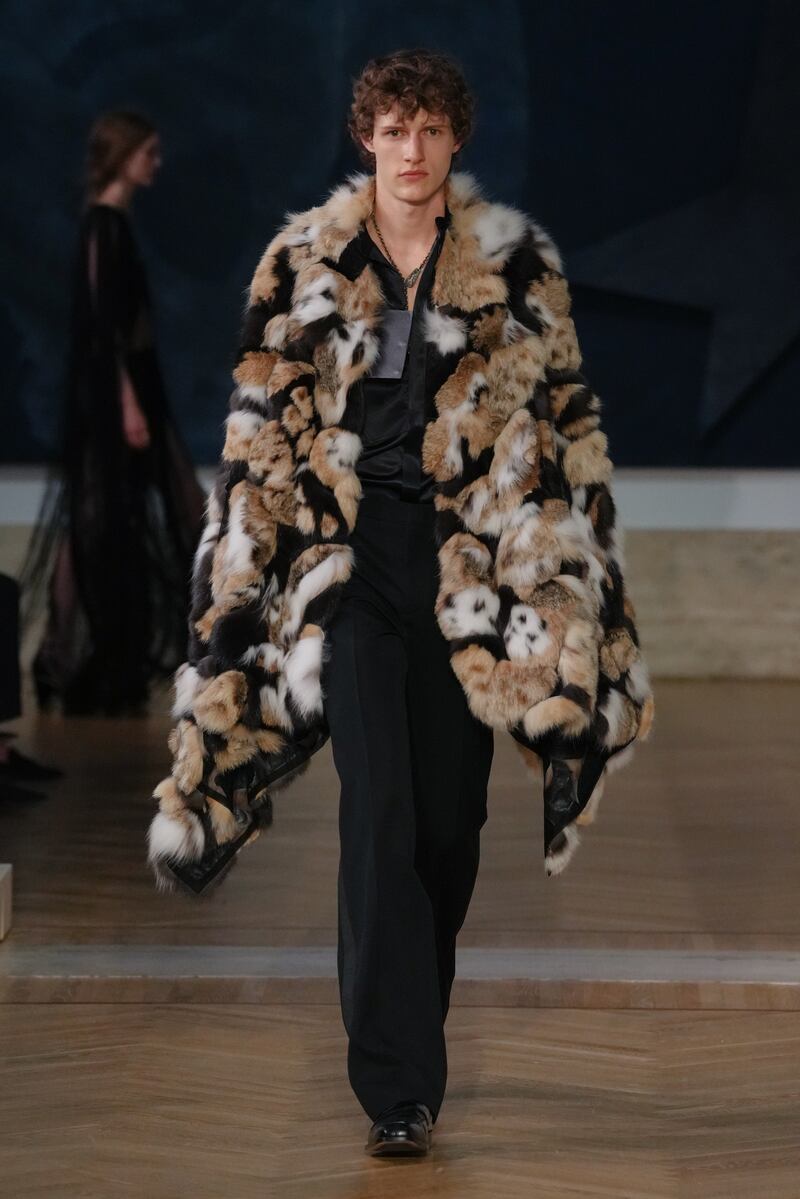
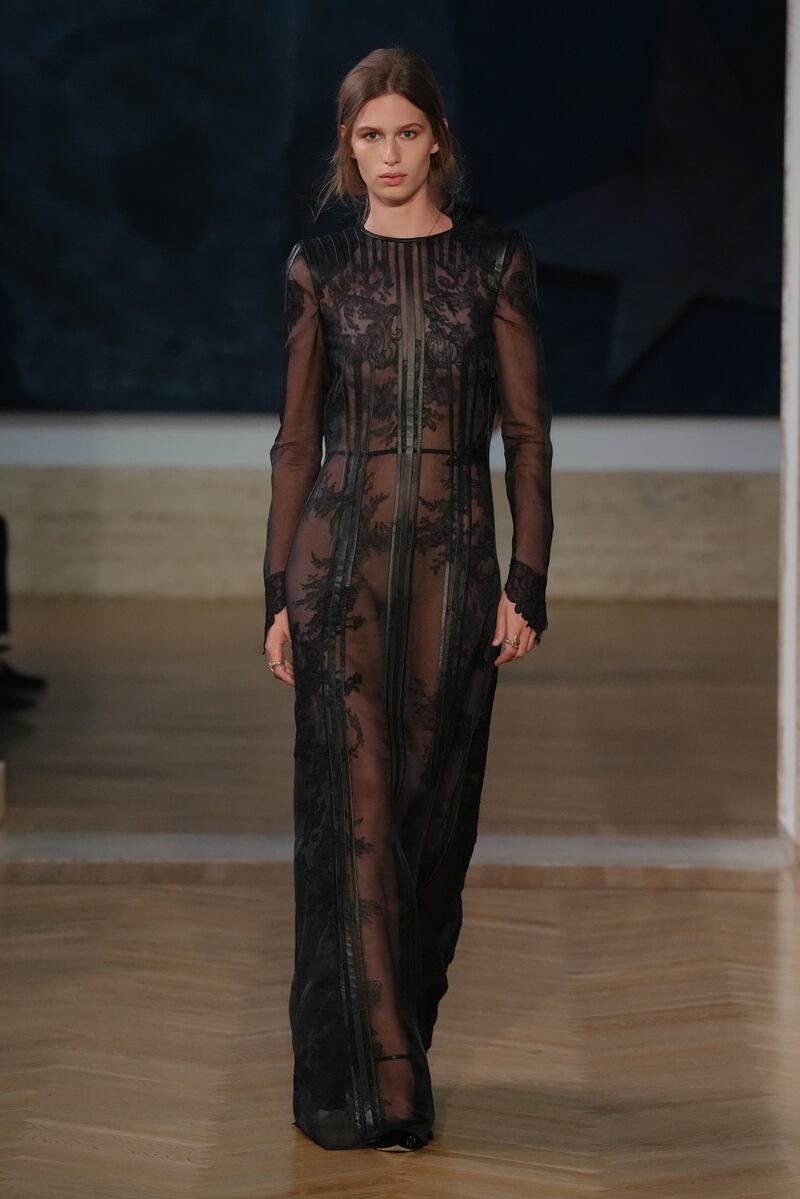
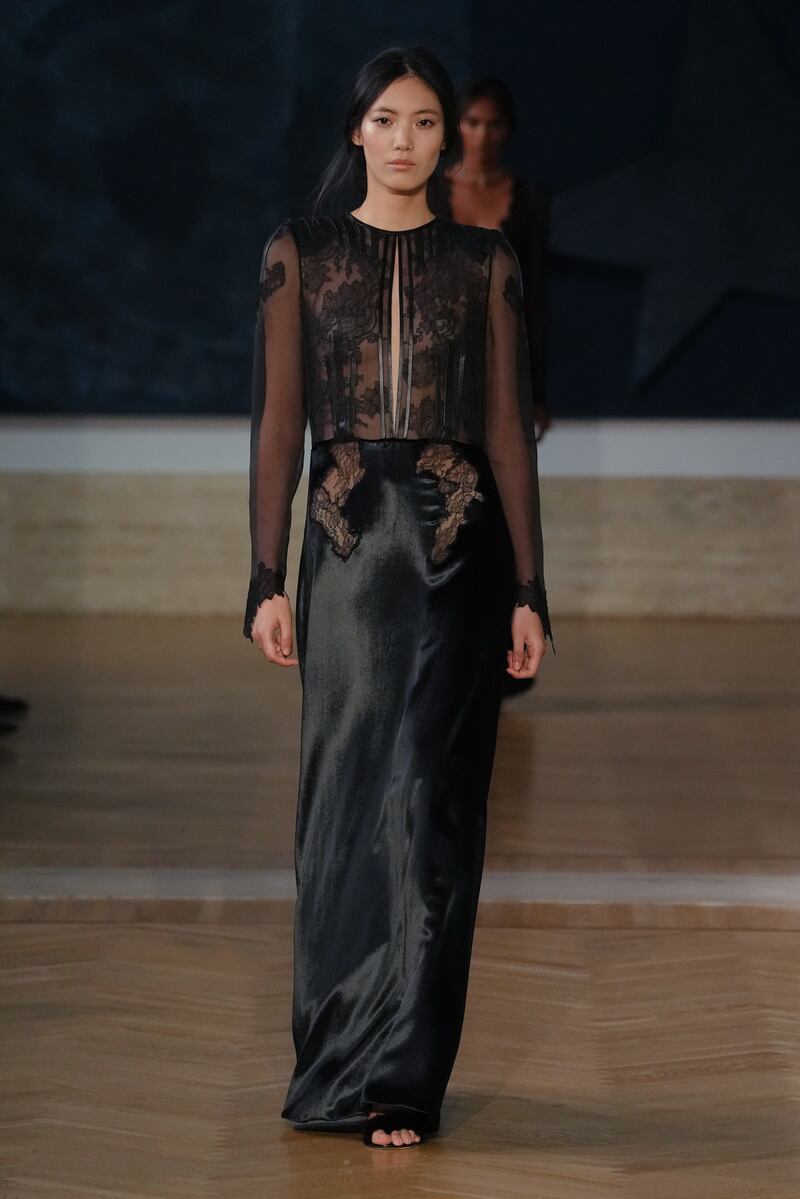
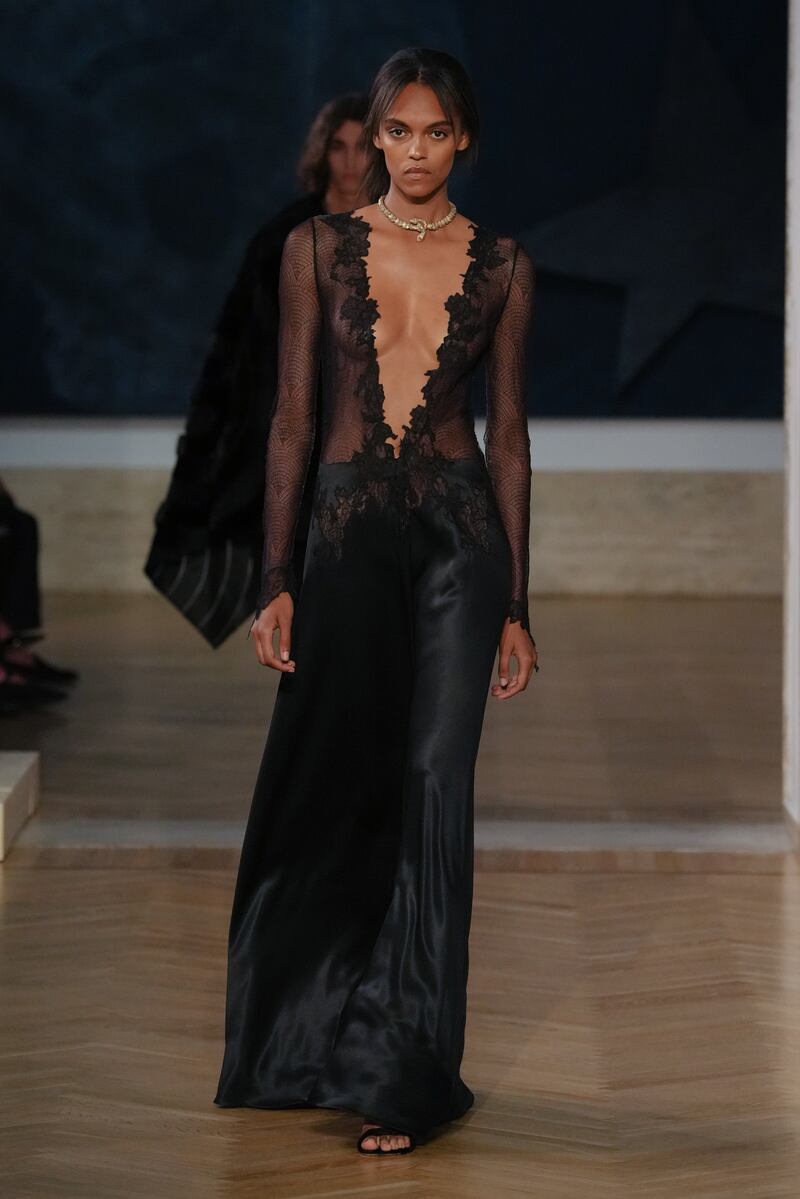
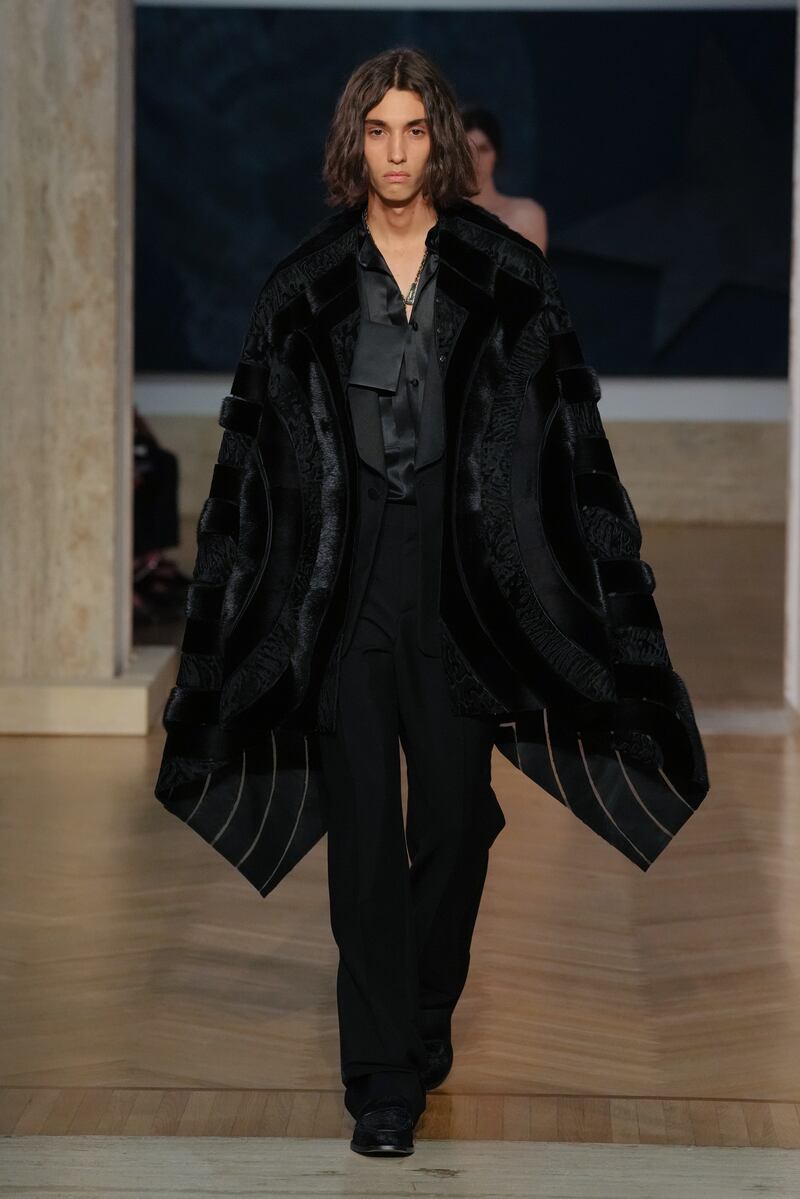
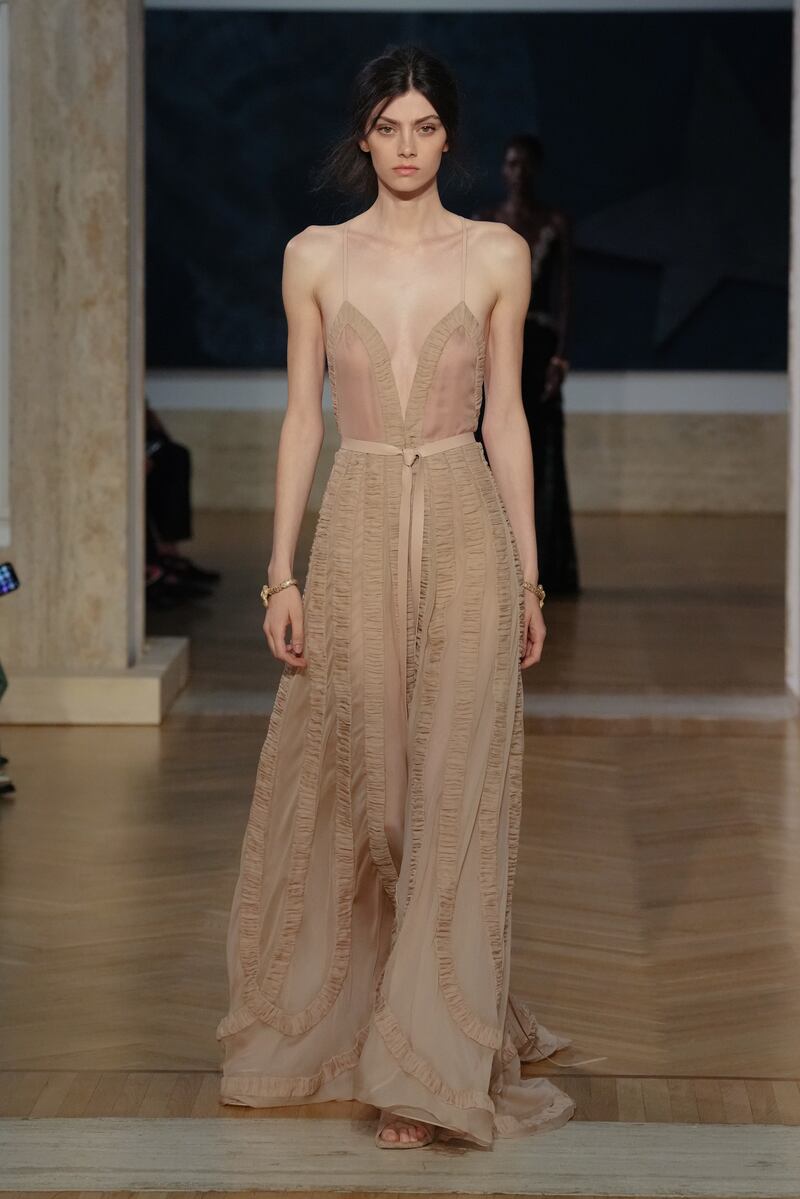
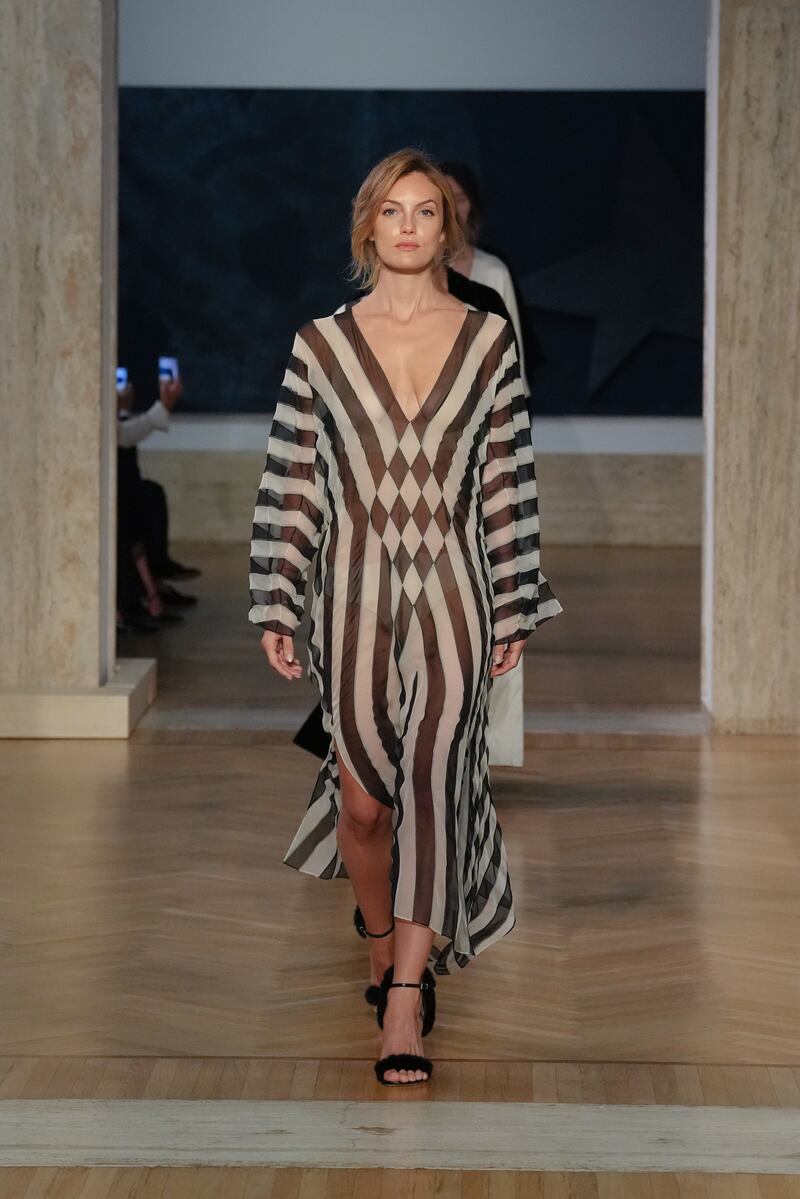
Today’s show was intended as an exploration of seduction, of clothing that glides on the body rather than constricts it. Flowing, it was. Seductive, perhaps less so. It opened with the Vienna Secession-inspired stripes and optical motifs of Emilie Flöge’s dresses (longtime Fendi designer Karl Lagerfeld was very fond of that moment in aesthetic history) before moving on to lingerie, tailoring and kimonos. Menswear was mixed in with Fendi’s couture for the first time. The silhouette was vertical, and loose. Fur came in the mix (for both him and her) including a long cape that recalled her days at Valentino.
The collection was technically refined, including striking work in intarsia and fur, as well as some captivating menswear. Still, Chiuri’s vision of Fendi appeared somewhat punitive — not at all feisty.
This might be completely intentional — an act towards a new, more grounded brand positioning. But at a time when fashion is reengaging with exuberance and decoration, the old Fendi feels like a more timely benchmark. It would be interesting to see Chiuri offer her take on Fendi’s technicolour glamour, filtered through the rigour and restraint she currently favours.
Instead, her Fendi so far is a tad somber. Reality is good, but often needs a dash of fantasy here in fashionland.
Just a few years ago, commentators were declaring the brand as past its peak amid multiple ownership changes and a broader streetwear cooldown. Today, consumer tracking metrics shows domestic sales and youth market share is rebounding strongly.
Dior claimed its winter campaign, ‘Christian Dior’s Night in Colour,’ was fully hand-illustrated. But online commenters have questioned whether the campaign used AI in its development.