Agenda-setting intelligence, analysis and advice for the global fashion community.
Agenda-setting intelligence, analysis and advice for the global fashion community.


“Tomorrow it will be exactly one year since I entered the house of Dior,” said creative director Jonathan Anderson at a preview before his sixth fashion show for the LVMH mega-label.
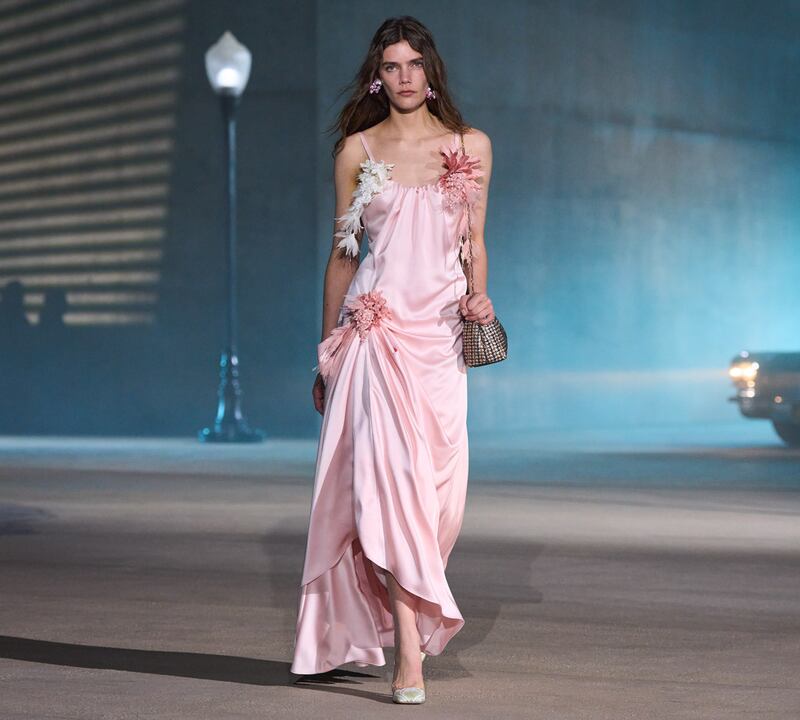
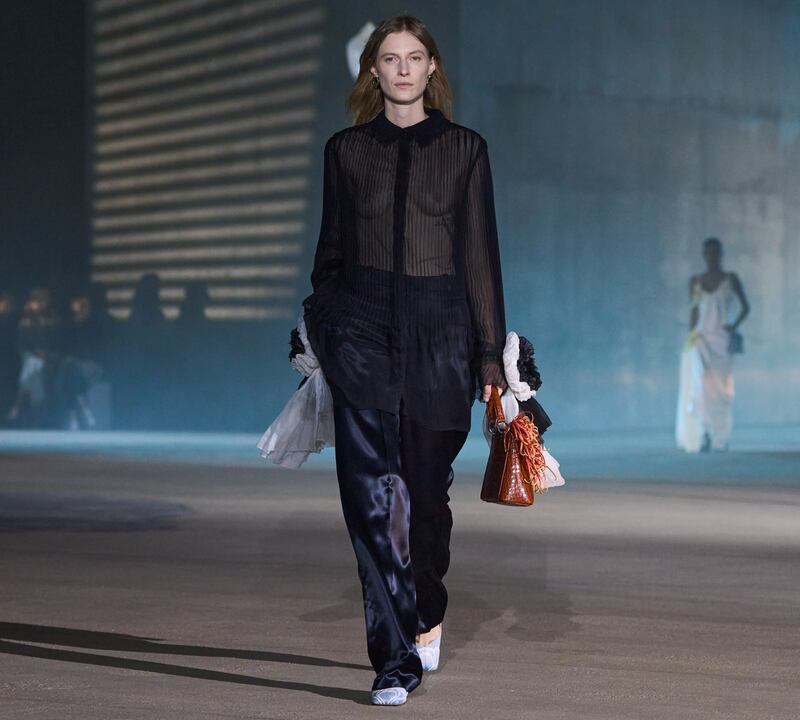
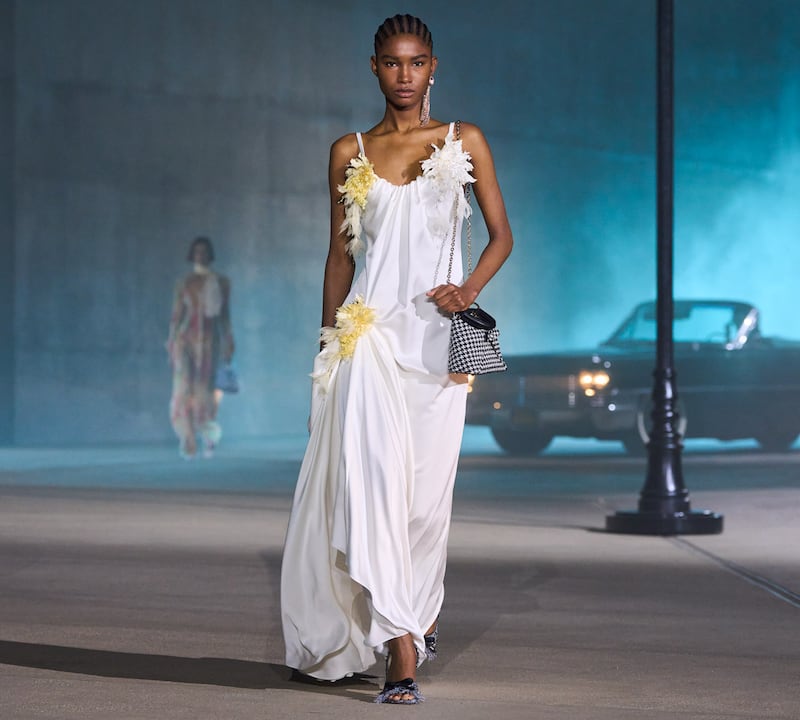
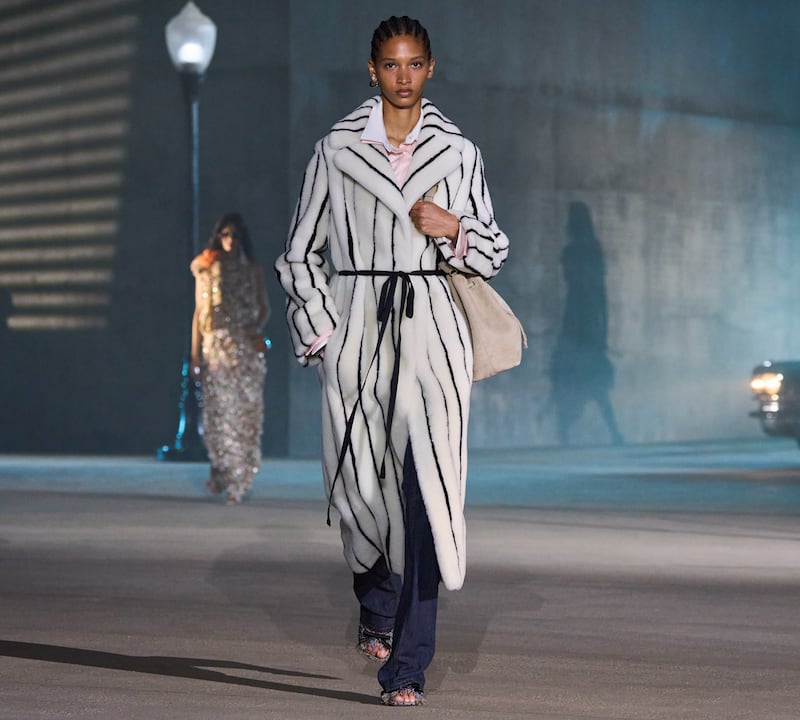
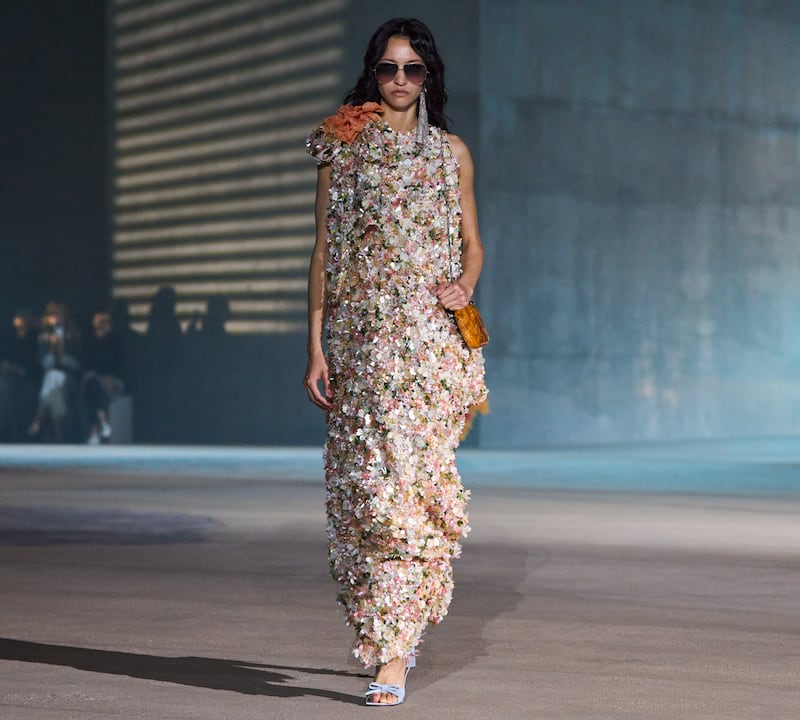
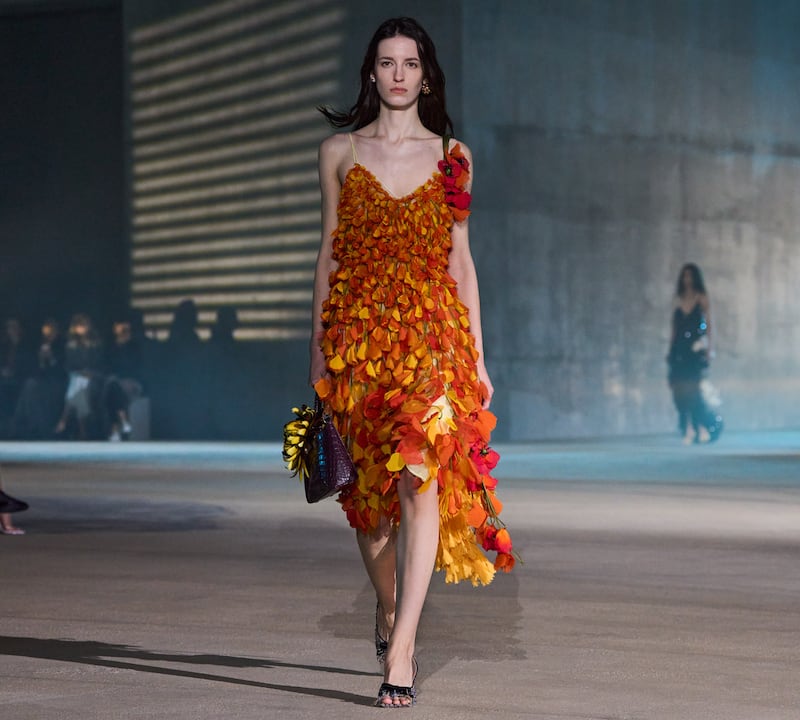
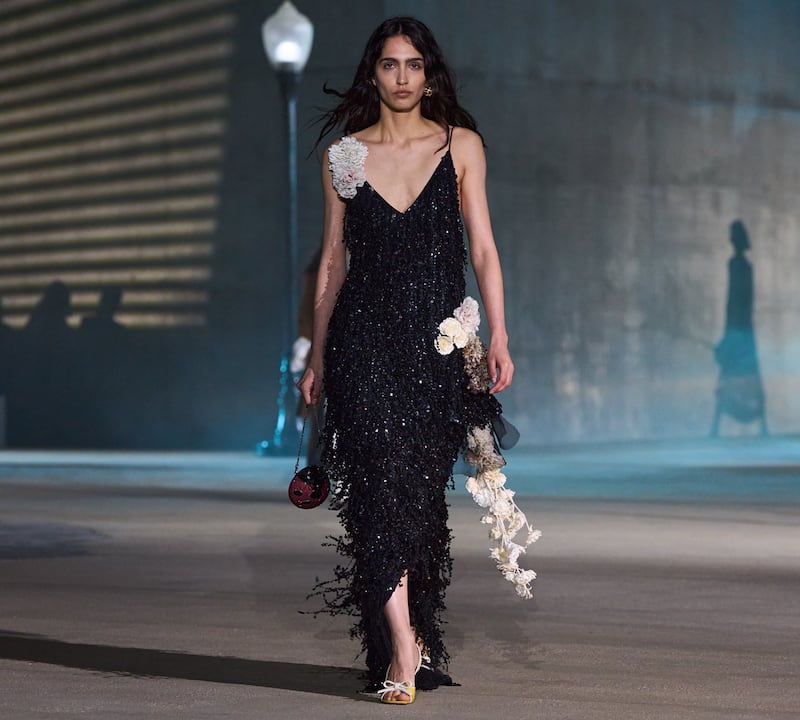
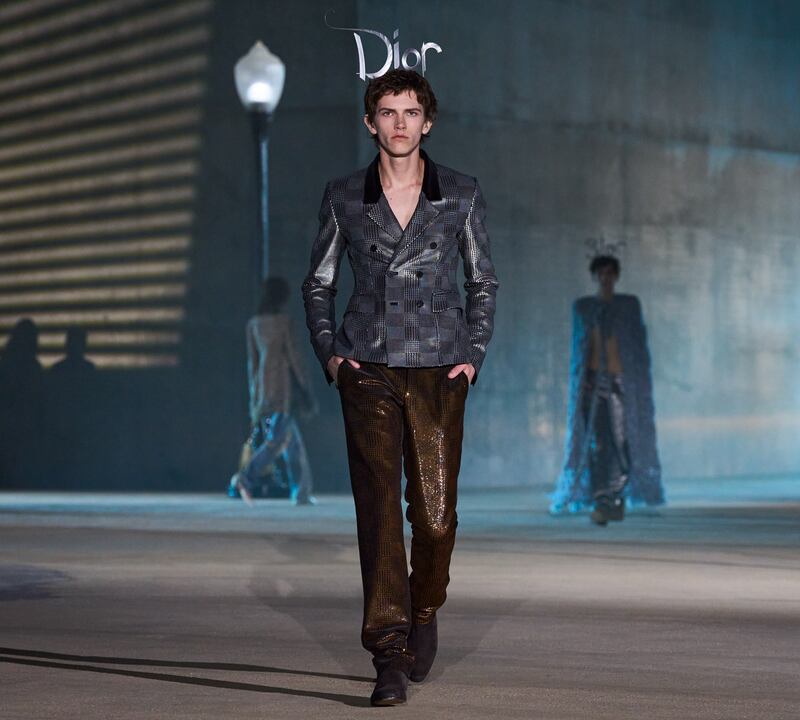
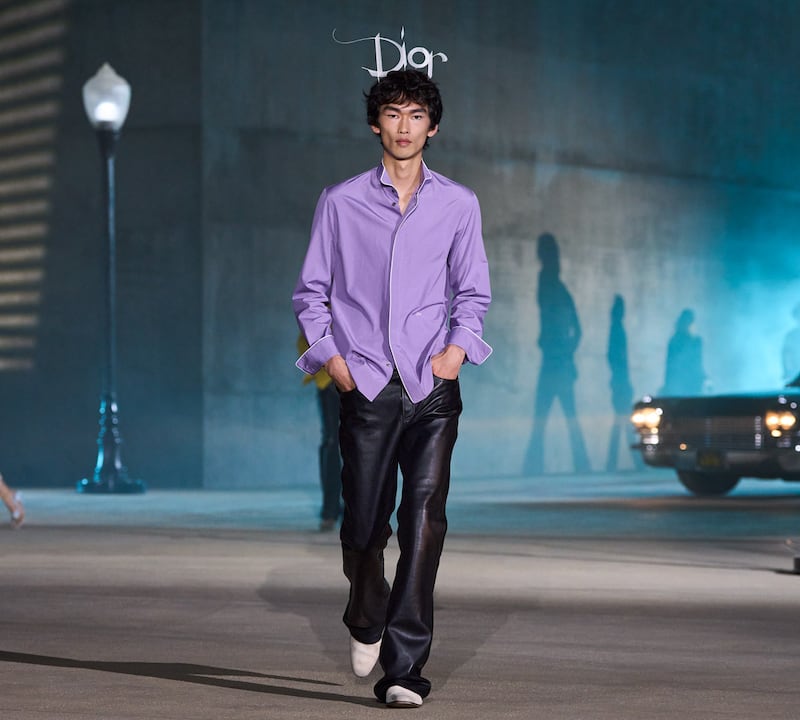
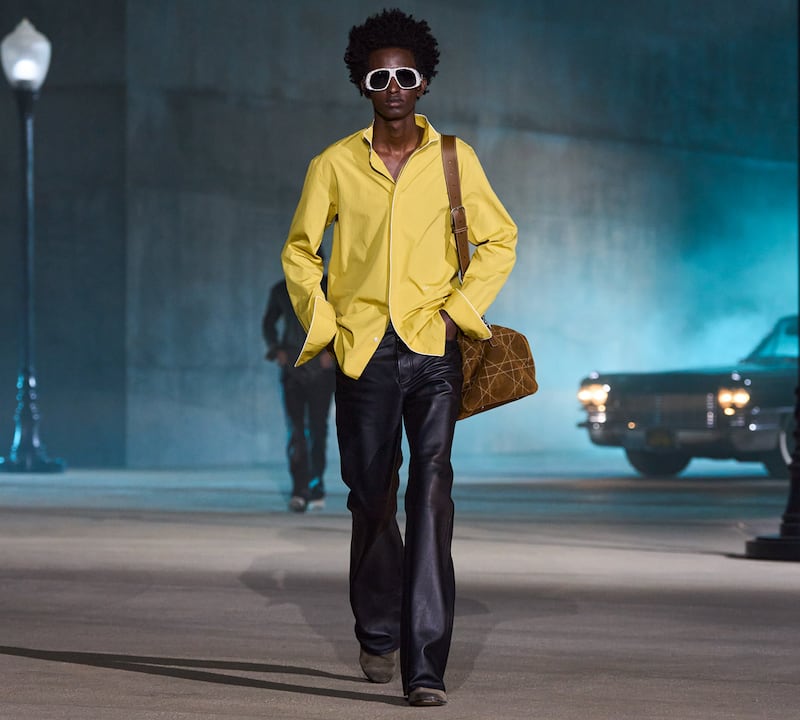
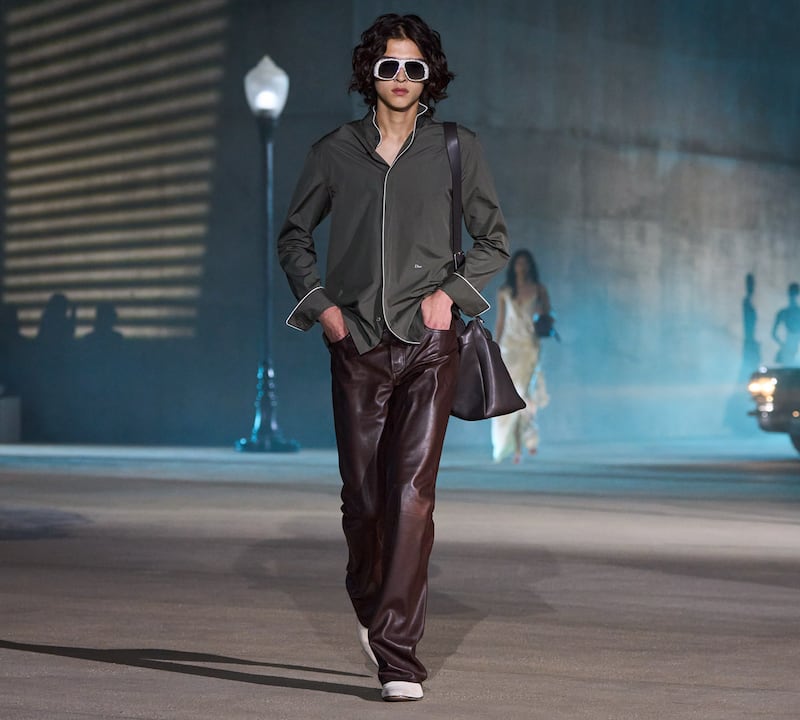
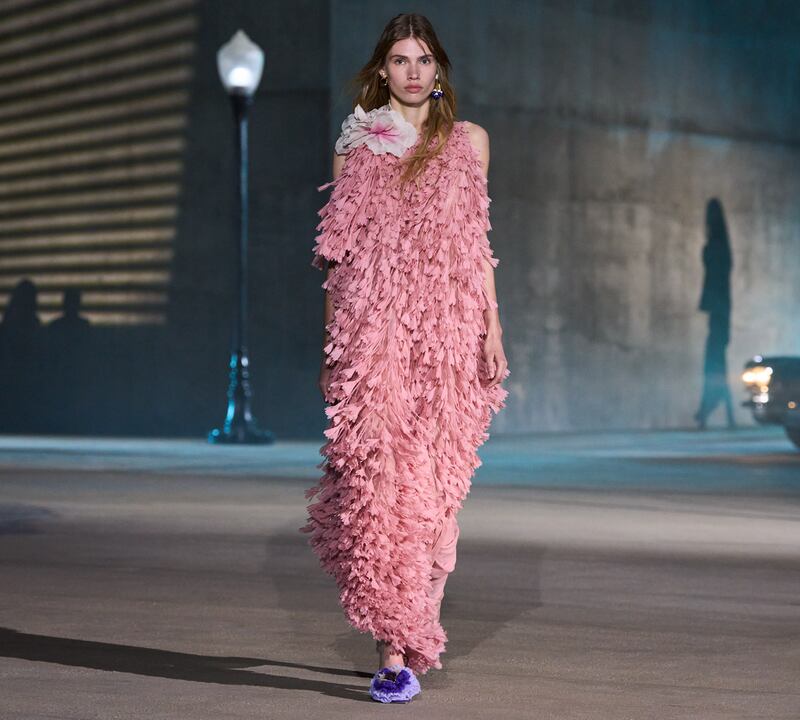
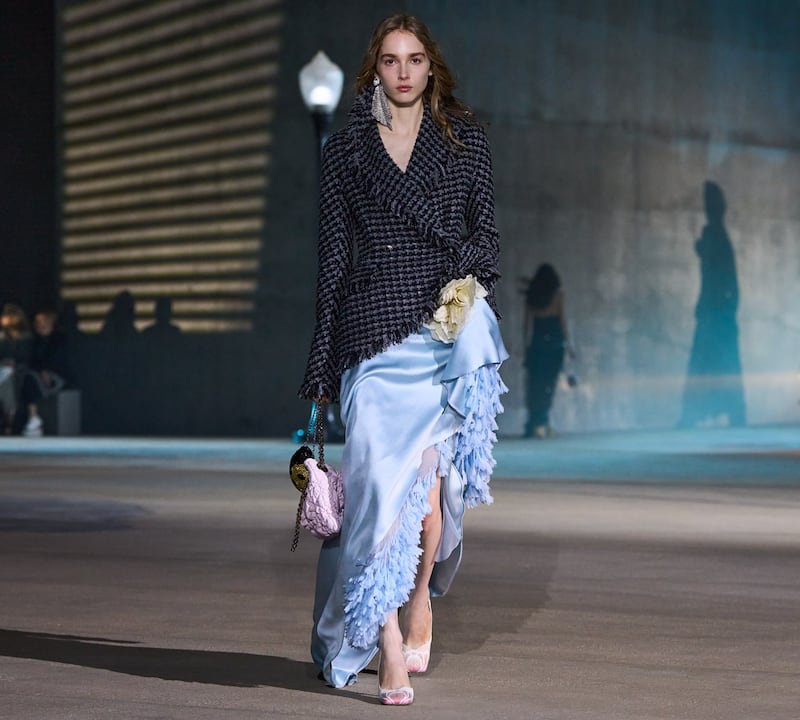
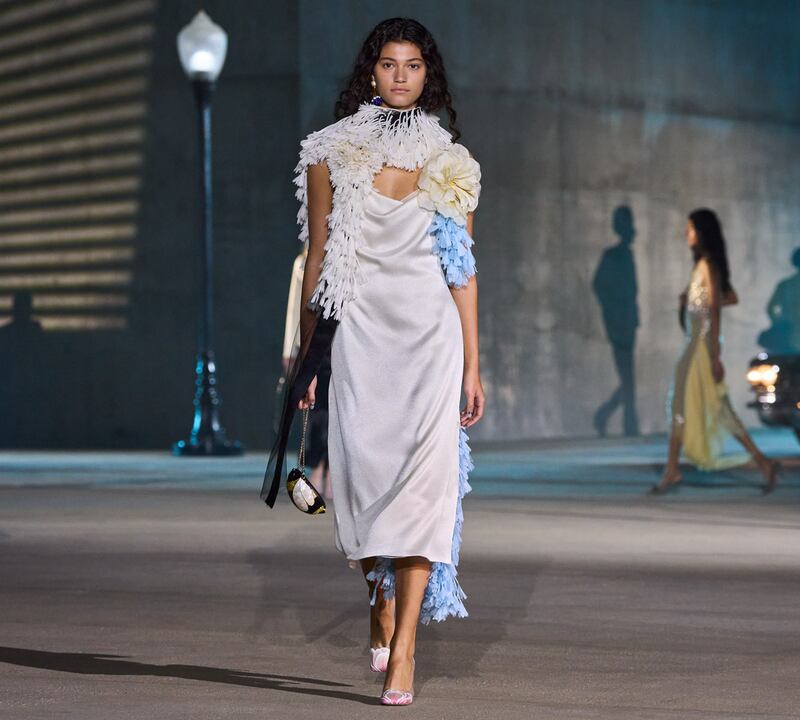
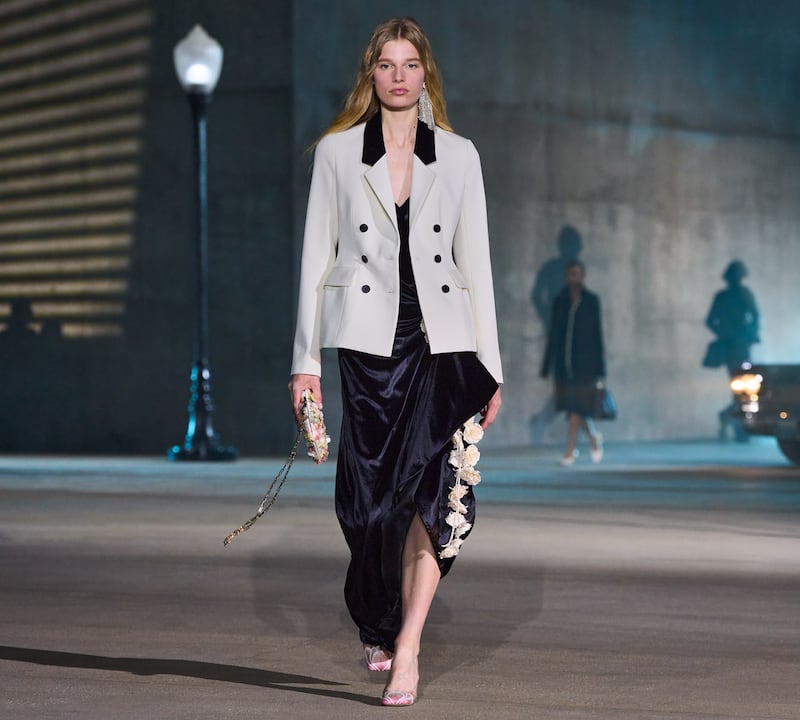
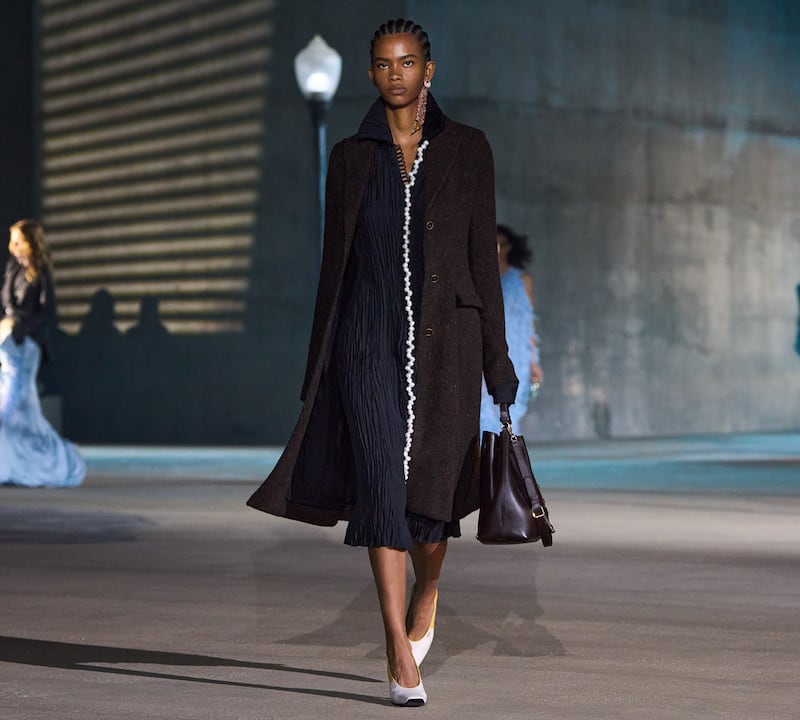
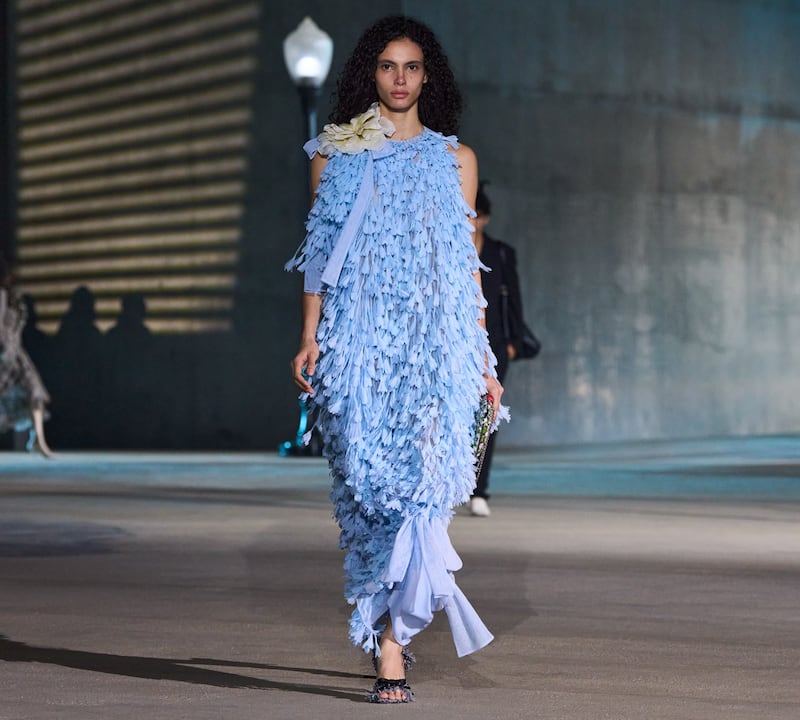
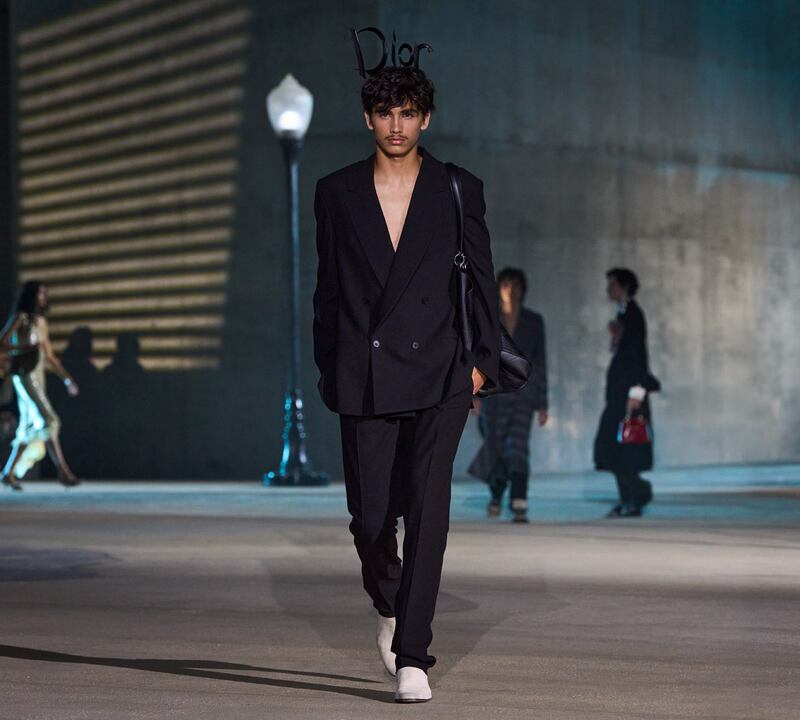
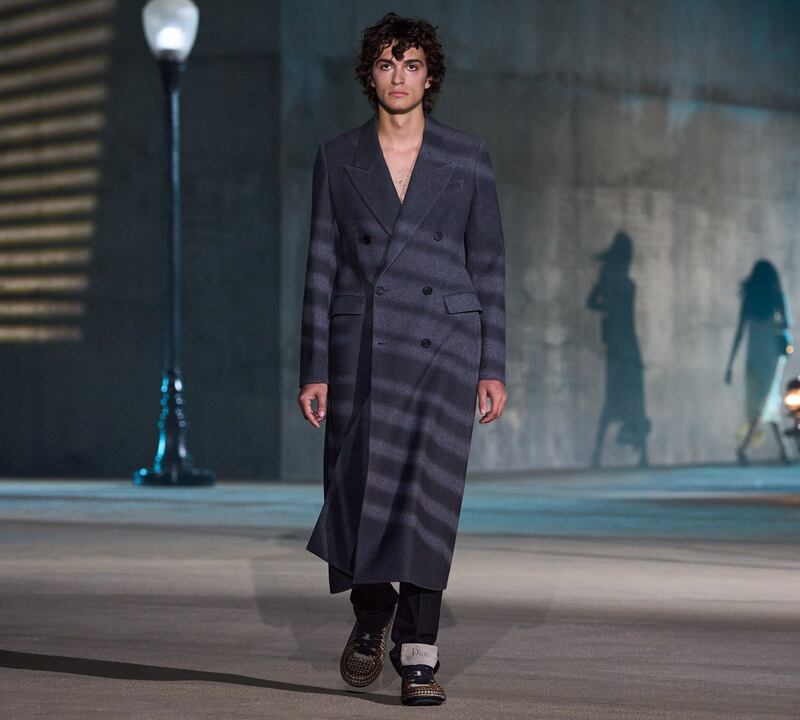
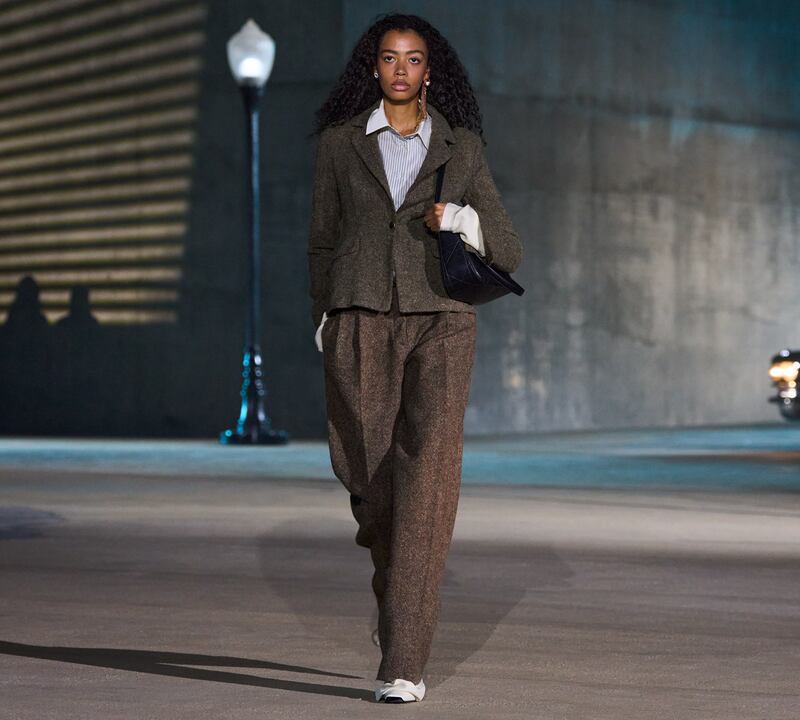
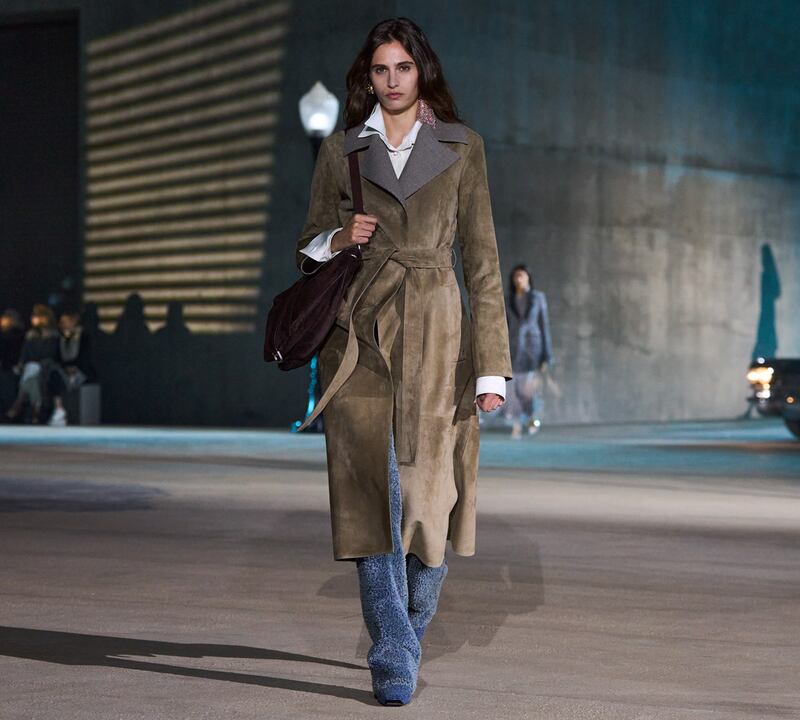
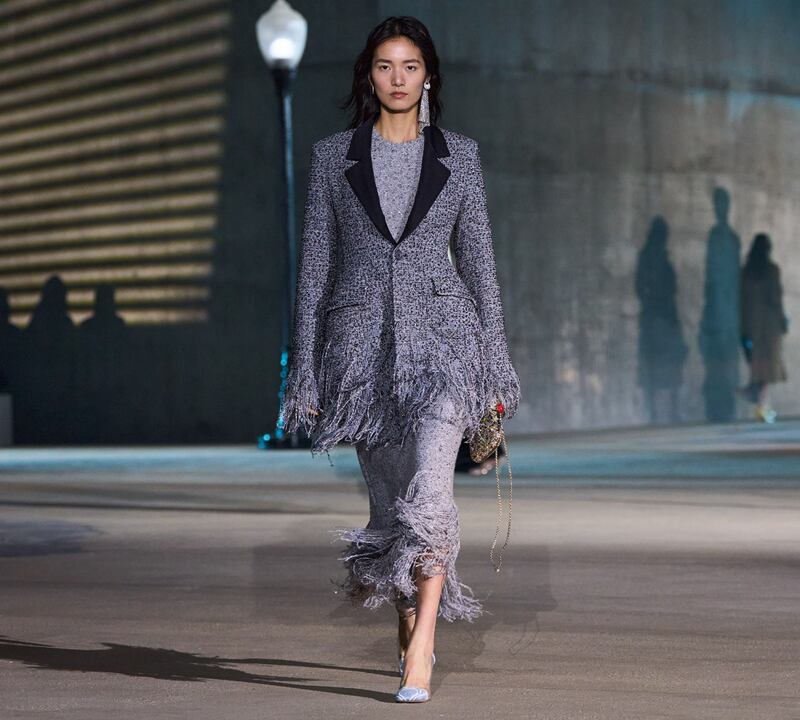
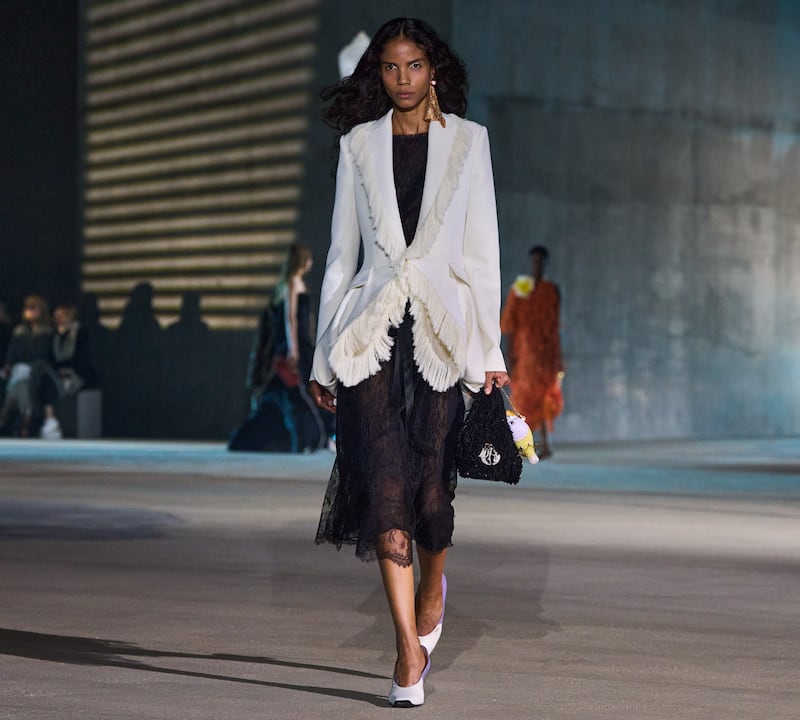
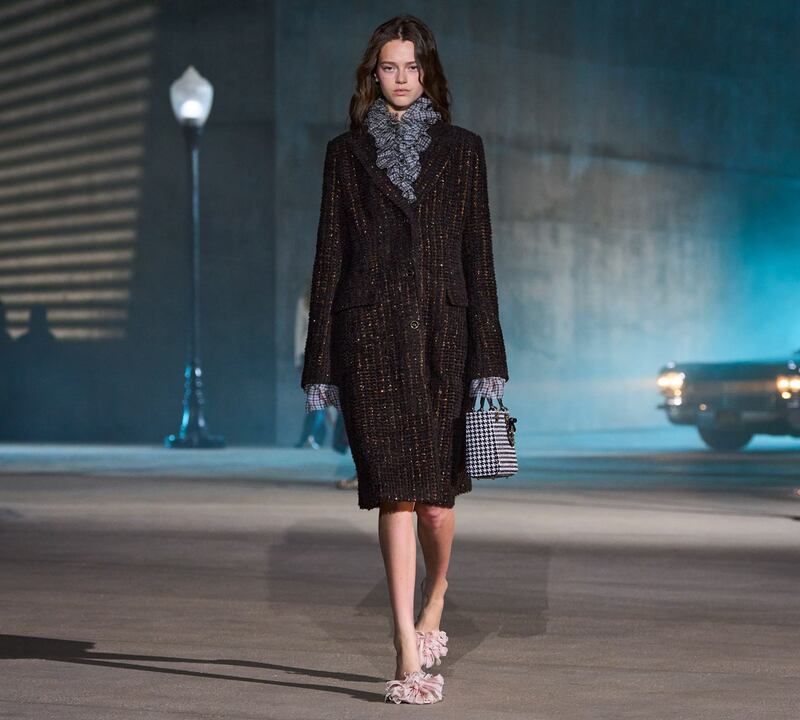
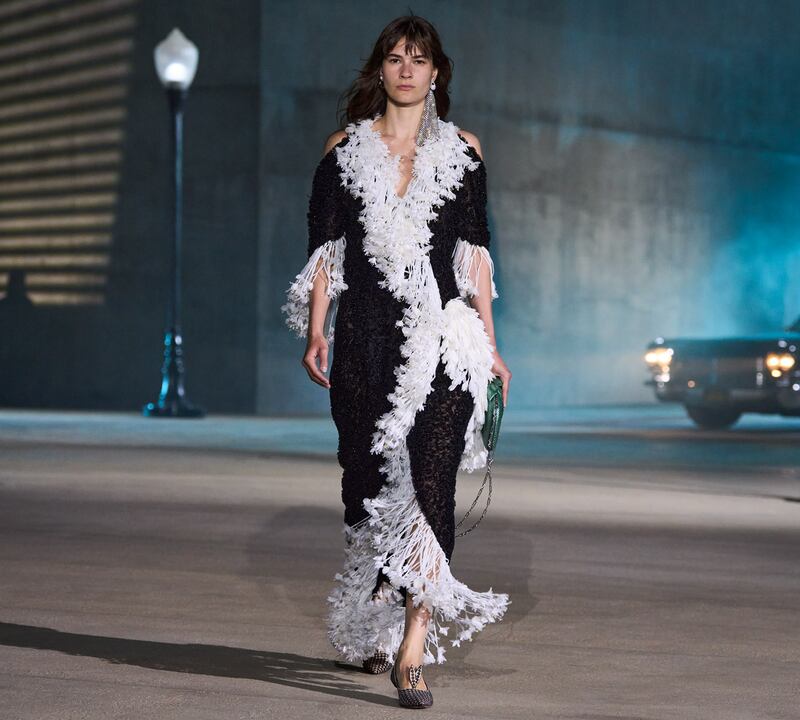
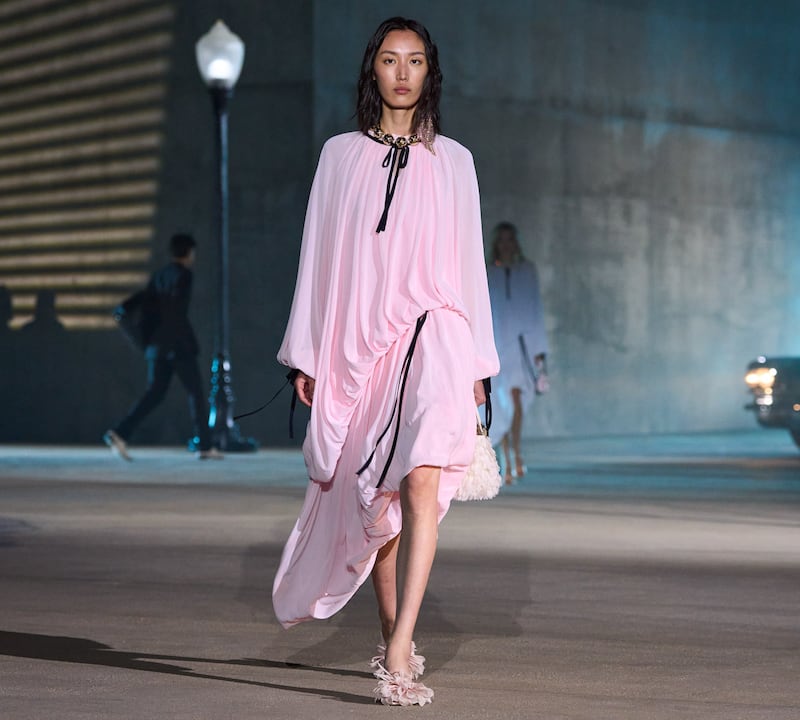
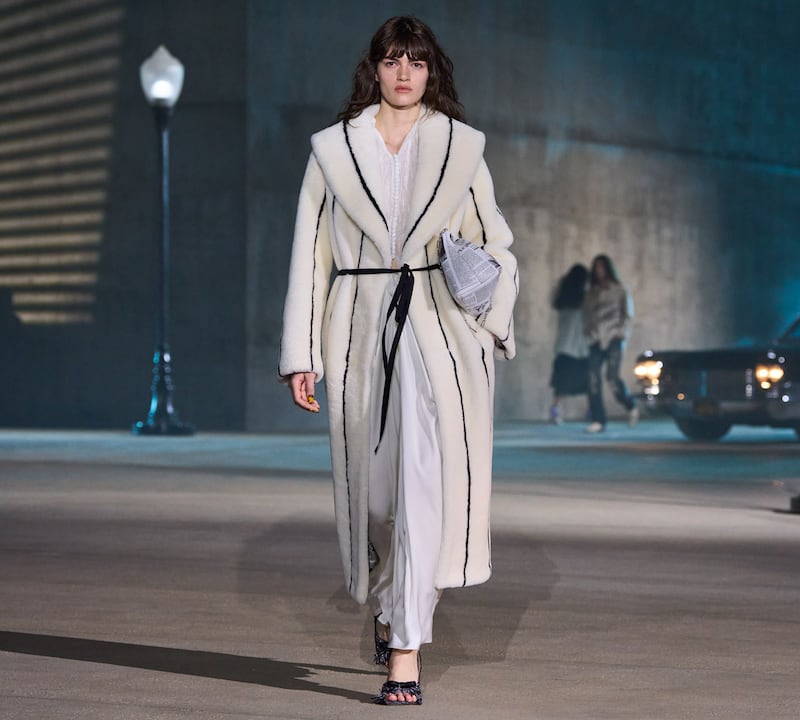
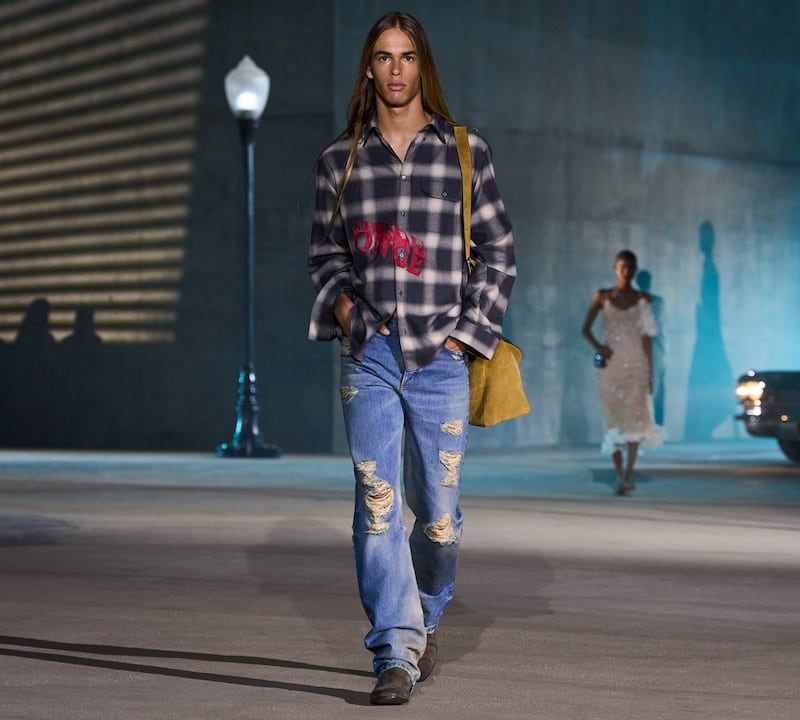
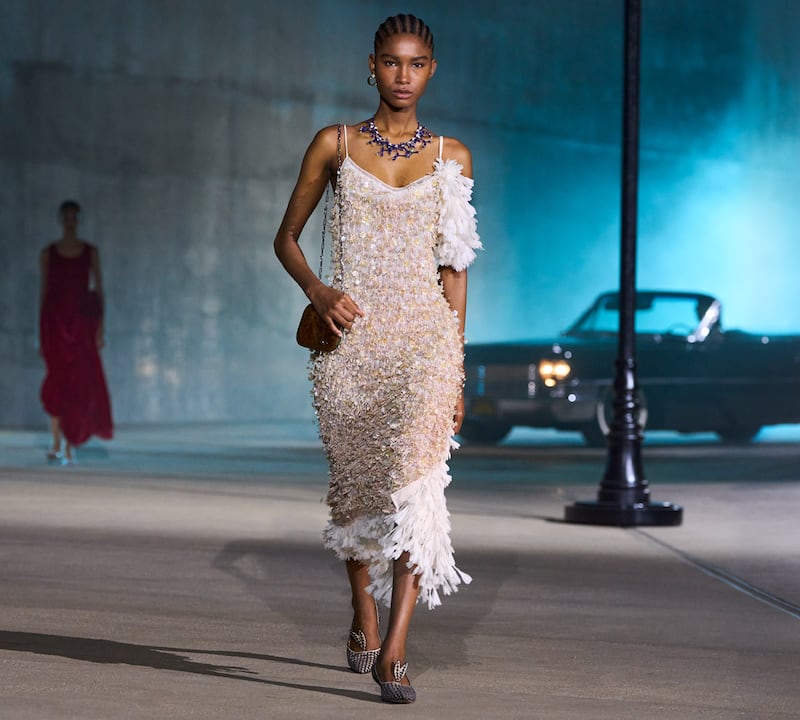
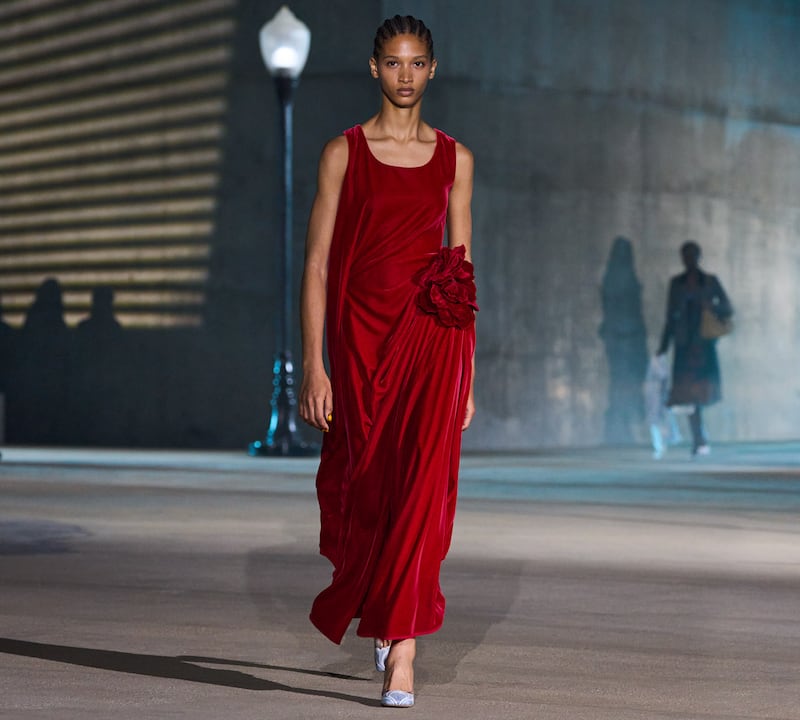
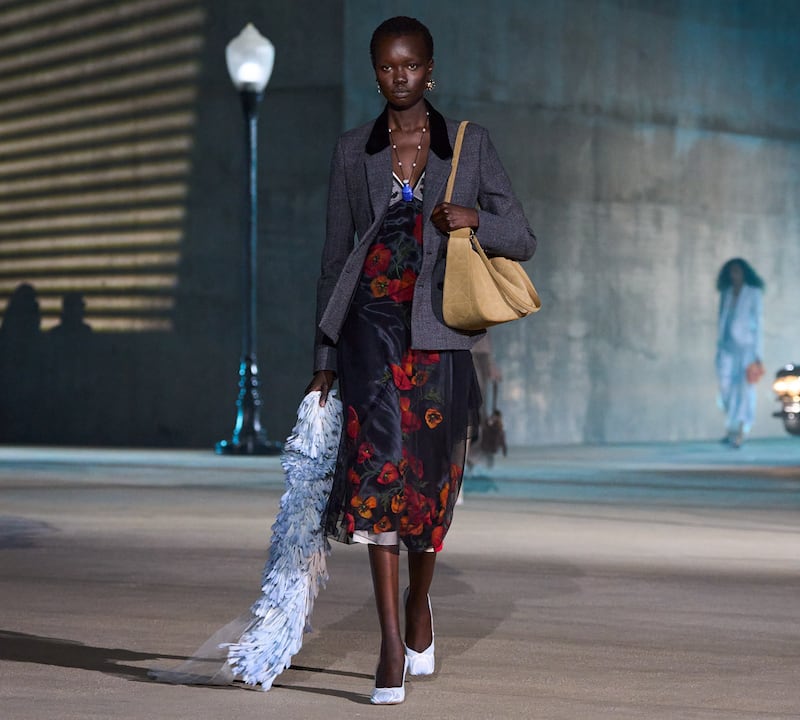
The Cruise outing — staged outside at LACMA, under the beton brut curves of the new David Geffen galleries — came with a highly cinematic setup complete with Cadillac cars and extras playing chatty characters at the drive-in. It’s Hollywood, baby: a dream machine whose fashion potential Monsieur Dior himself understood early on.
“I am still learning and I am not in a rush,” said Anderson. The unfazed calm seemed a little put on, the need to show results fast being something of a curse in today’s fashion industry, even more so for a house as big and revered as Dior amid a prolonged sectorwide downturn.
What is unquestionable, however, is Anderson’s powerful but particular approach to creativity — processual, in fieri, endlessly a work in progress, made of clashes, unlikely connections, sprinkles of the highbrow mixed with pop — and the more he grows, the more this is apparent.
ADVERTISEMENT
There are creators who know where they want to go right at the start of their tenure at a brand and those who discover what they want along the way, through trial and error. Anderson is a creature of the latter approach, which is what makes his mind so puzzling, and his Dior so quixotic — at times electrifying but unresolved.
This was Anderson’s first go-around with a resort show, where nailing a specific blend of spectacle and commerce, destination and core values is the name of the game. The LACMA setting was very much in line with Anderson’s artistic proclivities, while the staging echoed the sort of references — Hollywood and the Fifties — that are a bit too common in fashion and yet recalled the drama of John Galliano’s Dior, which Anderson is passionate about.
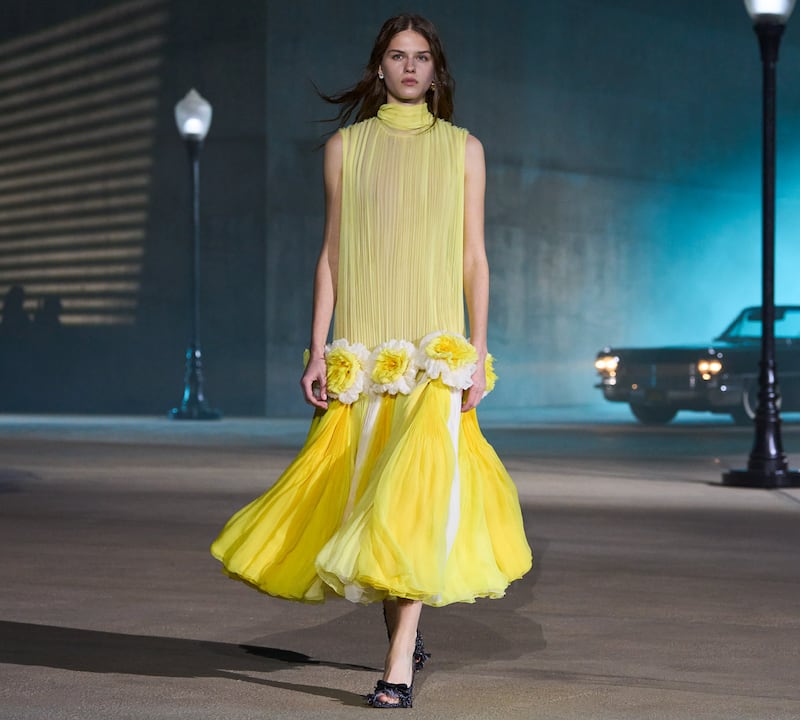
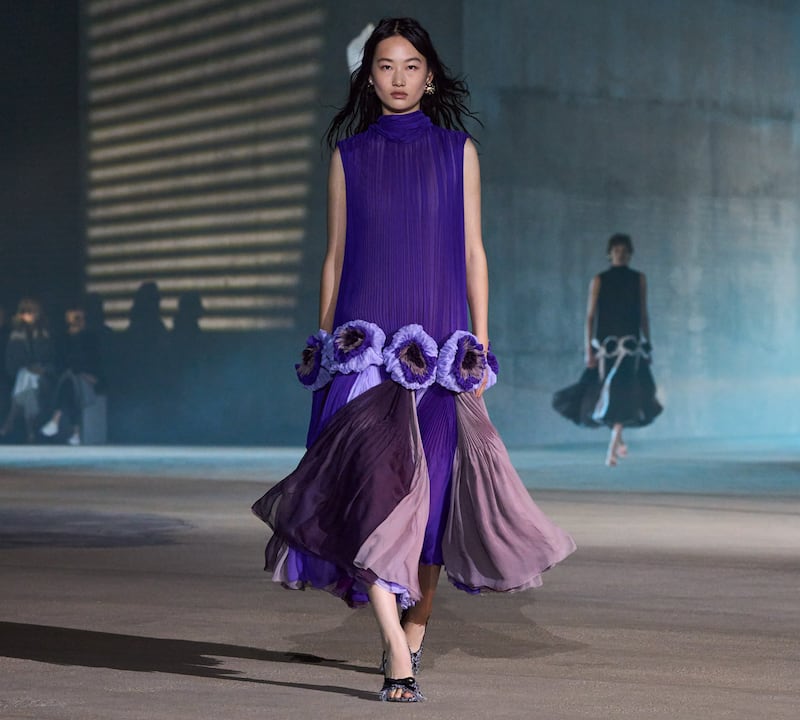
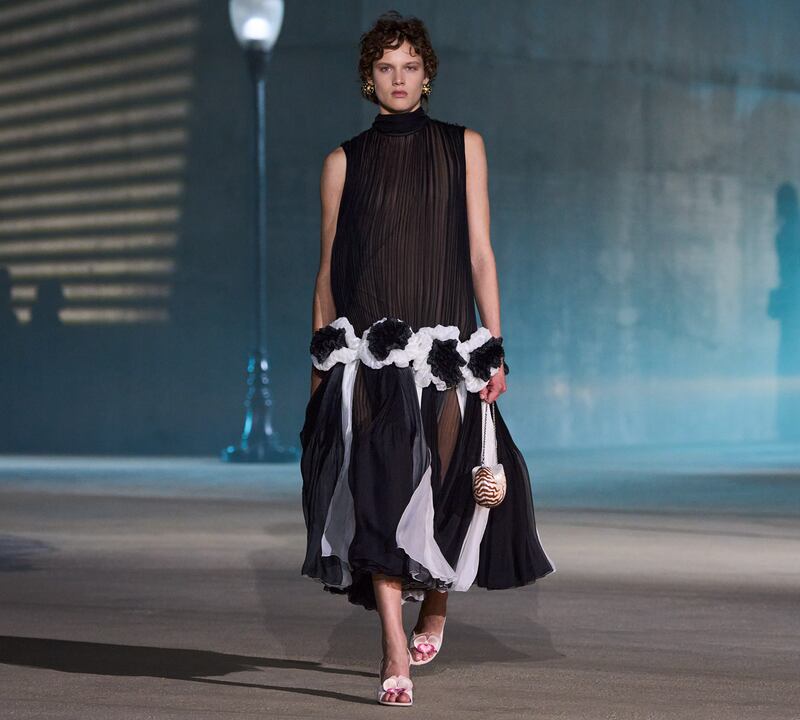
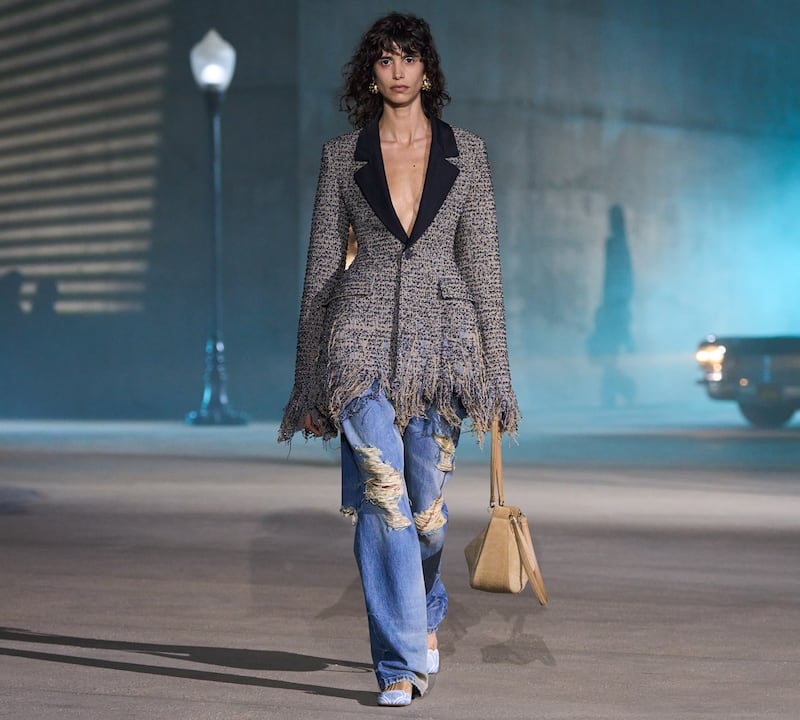
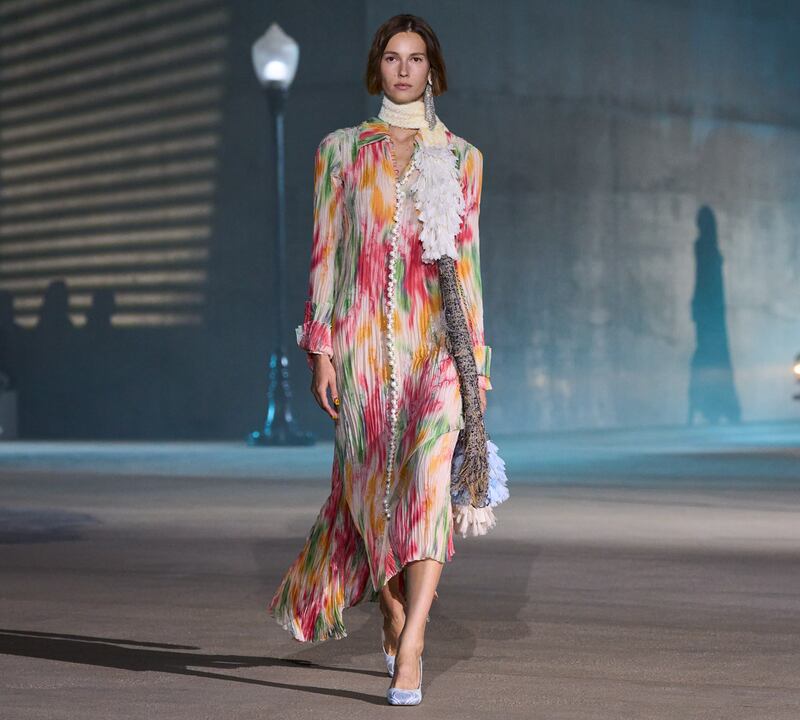
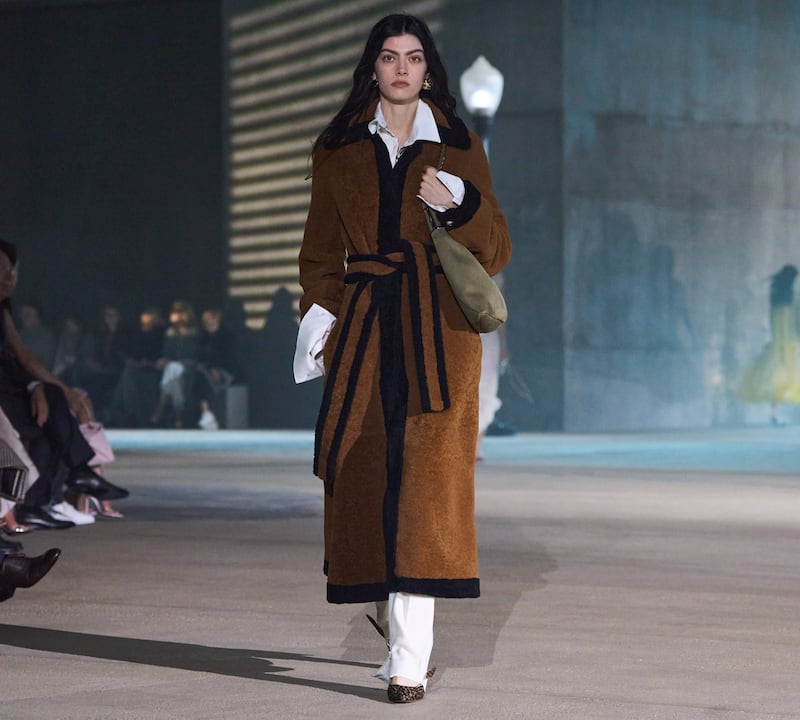
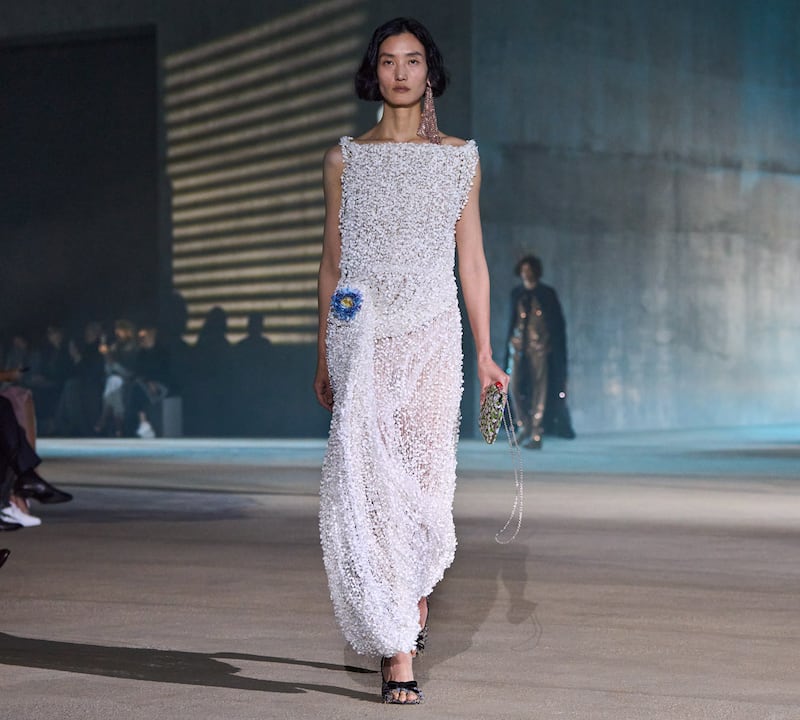
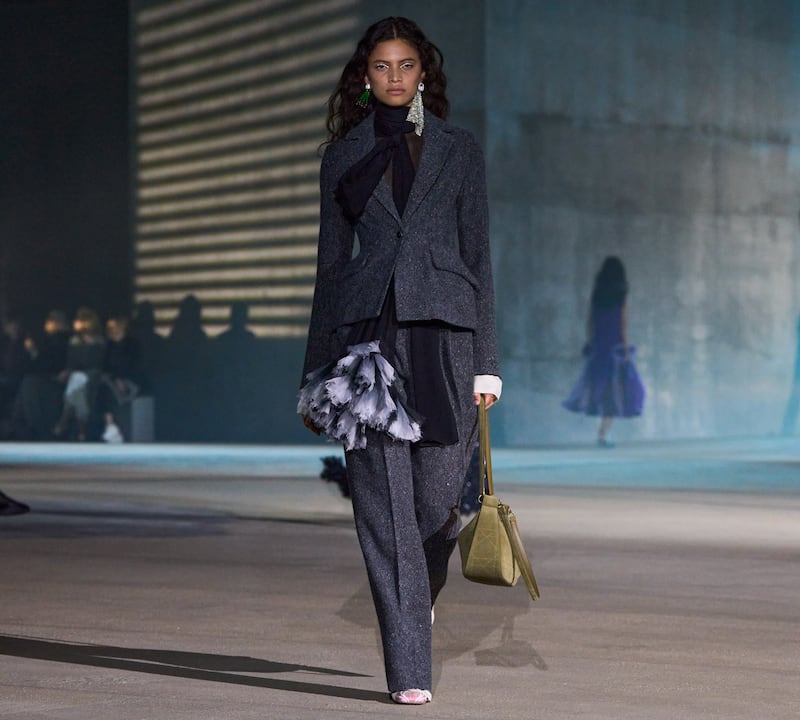
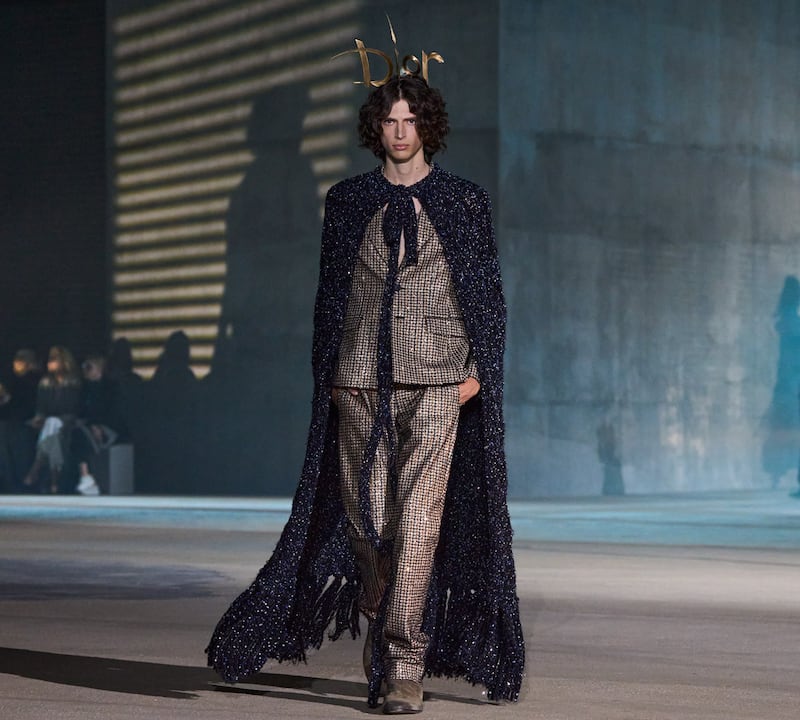
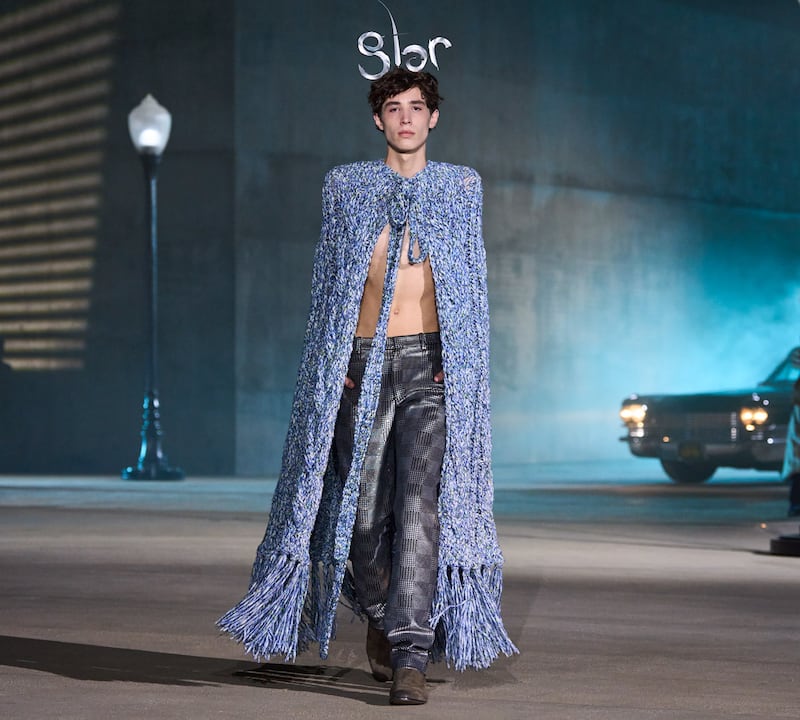
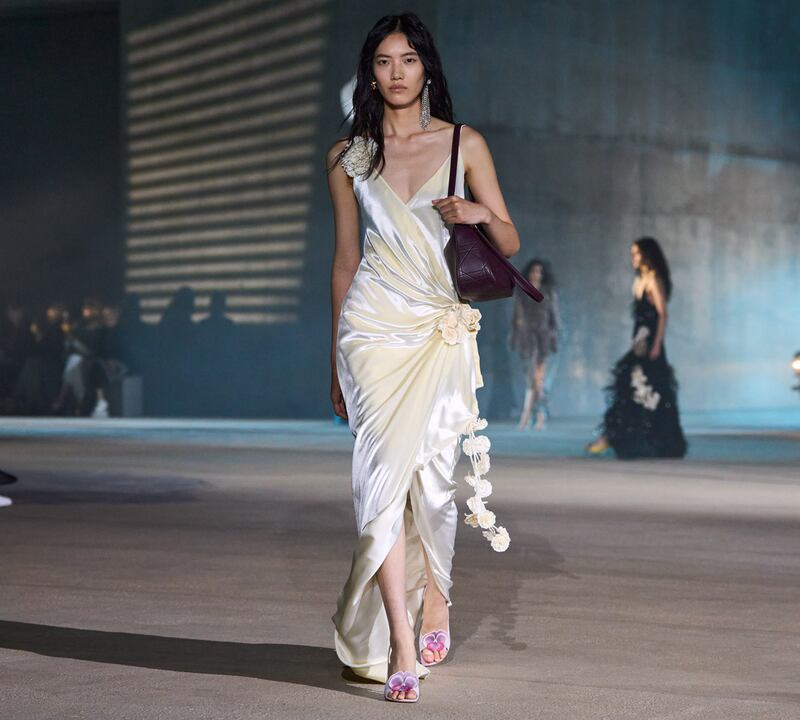
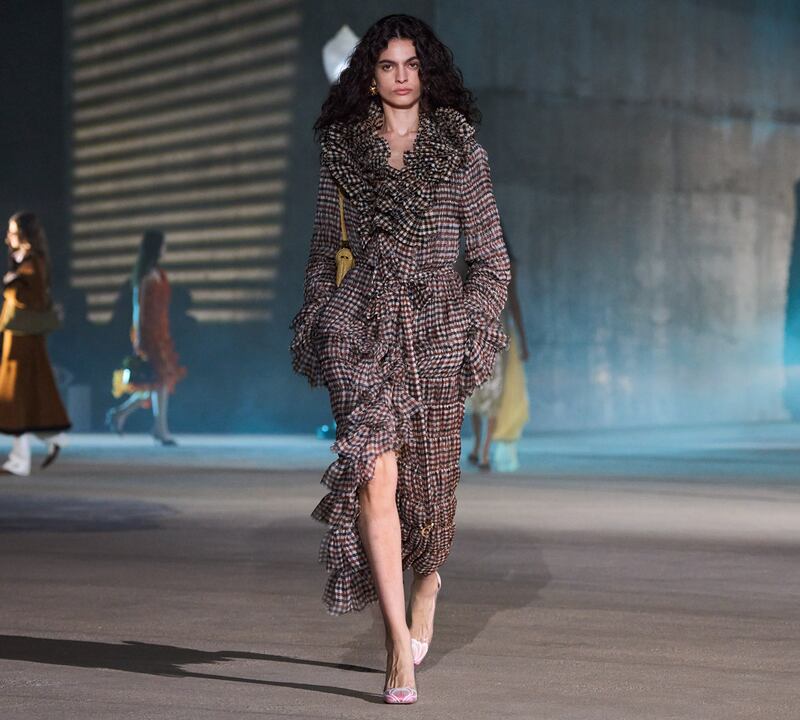
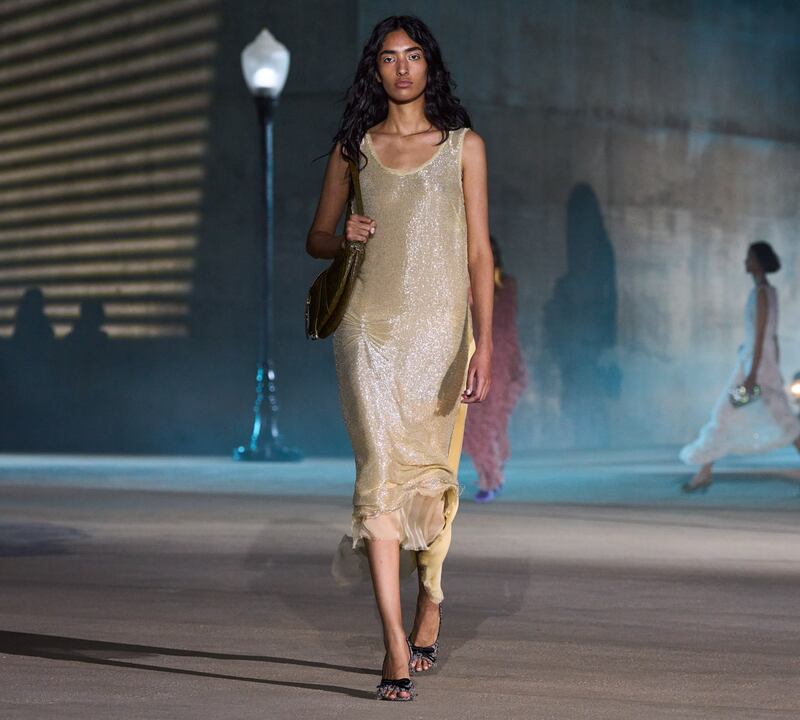
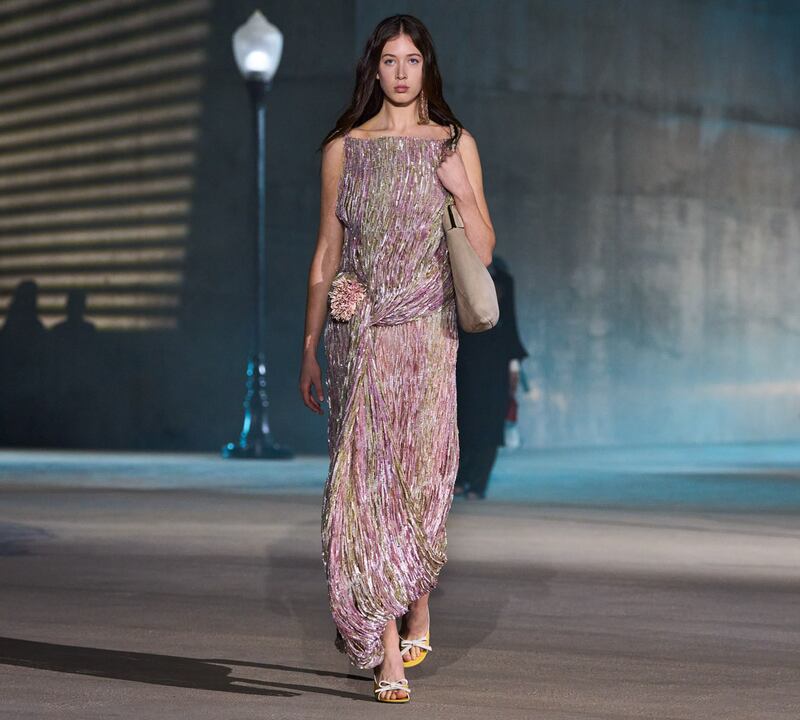
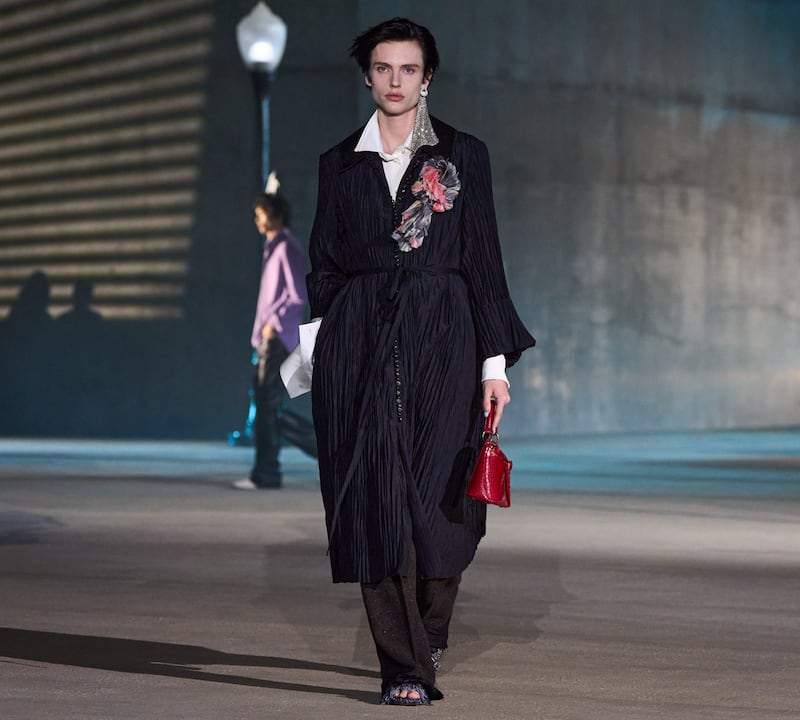
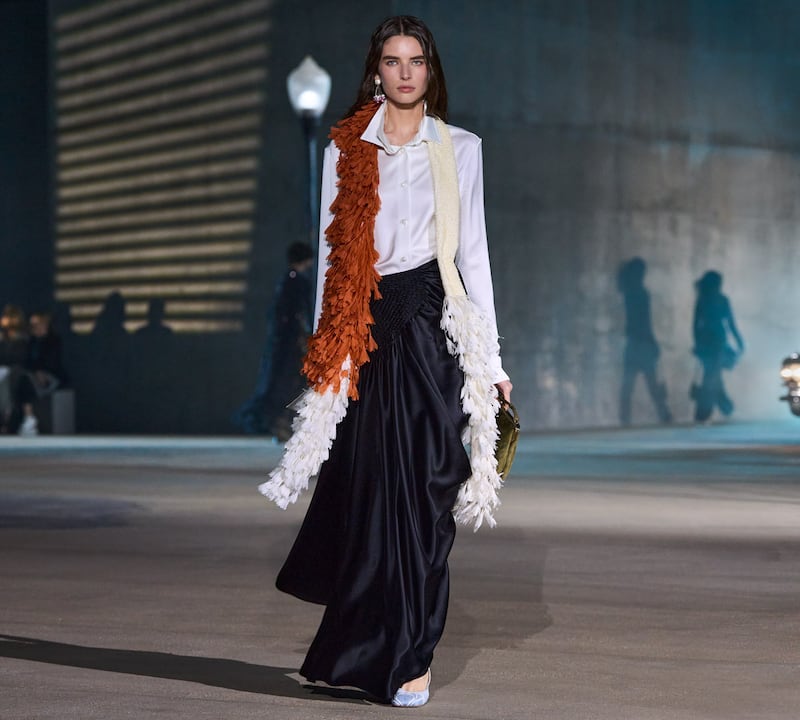
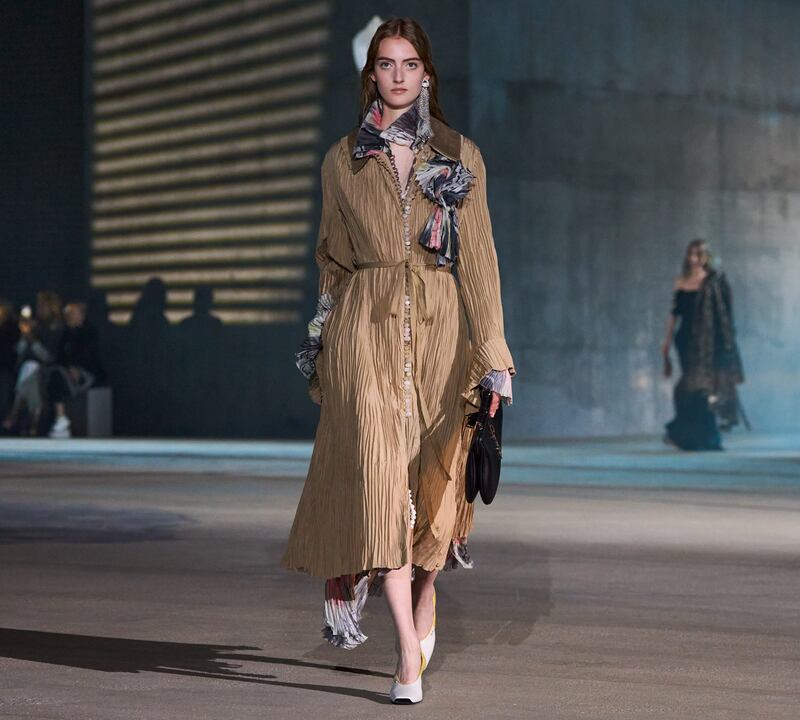
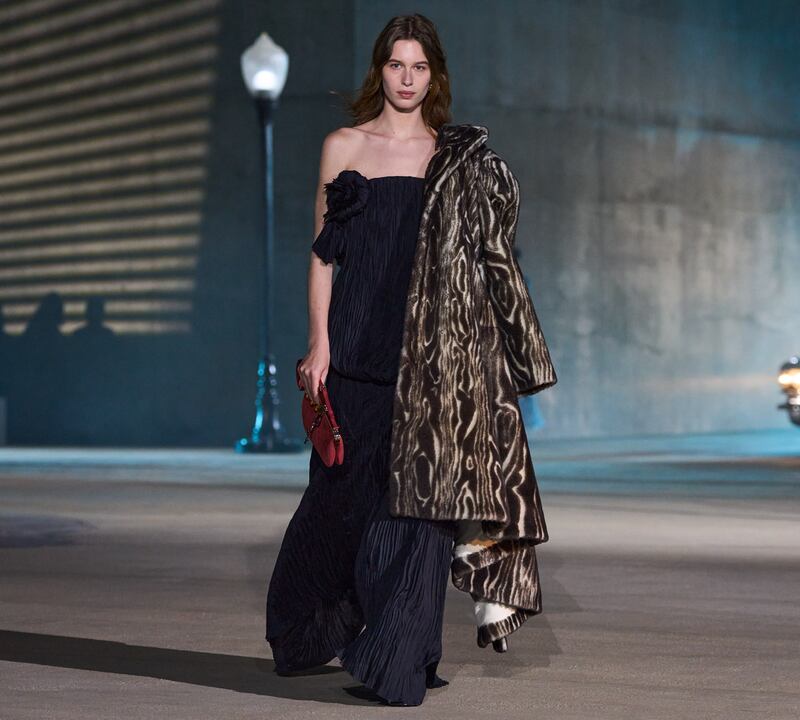
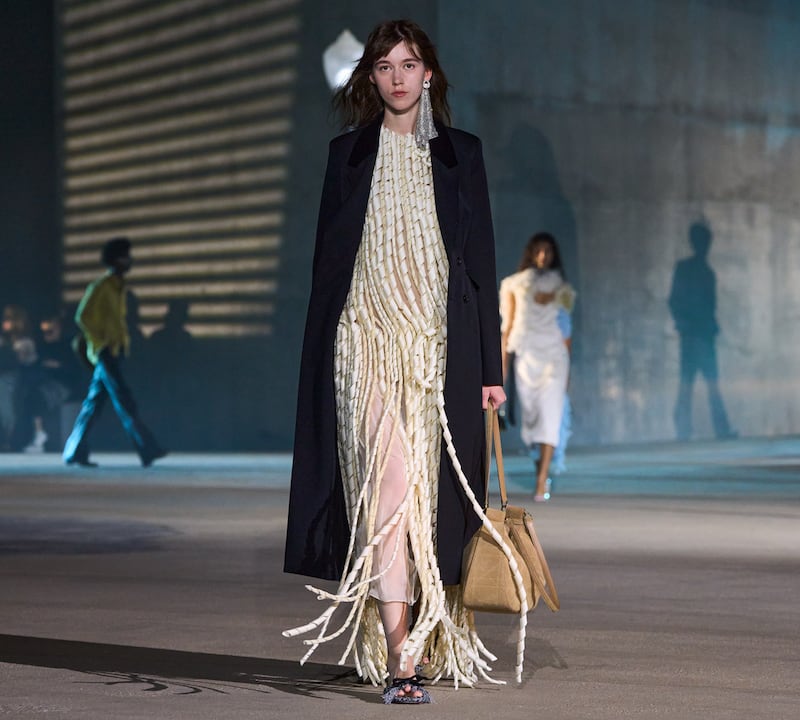
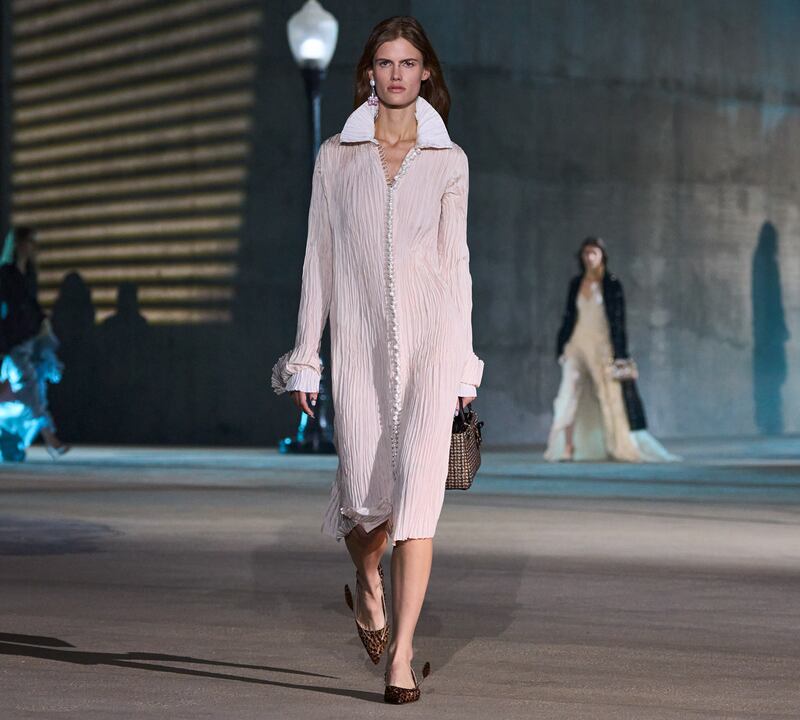
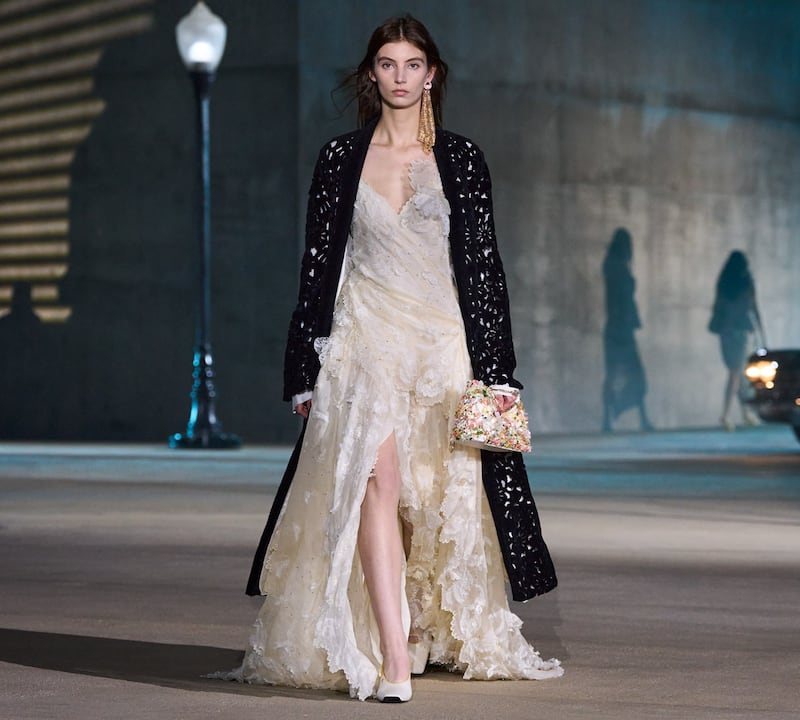
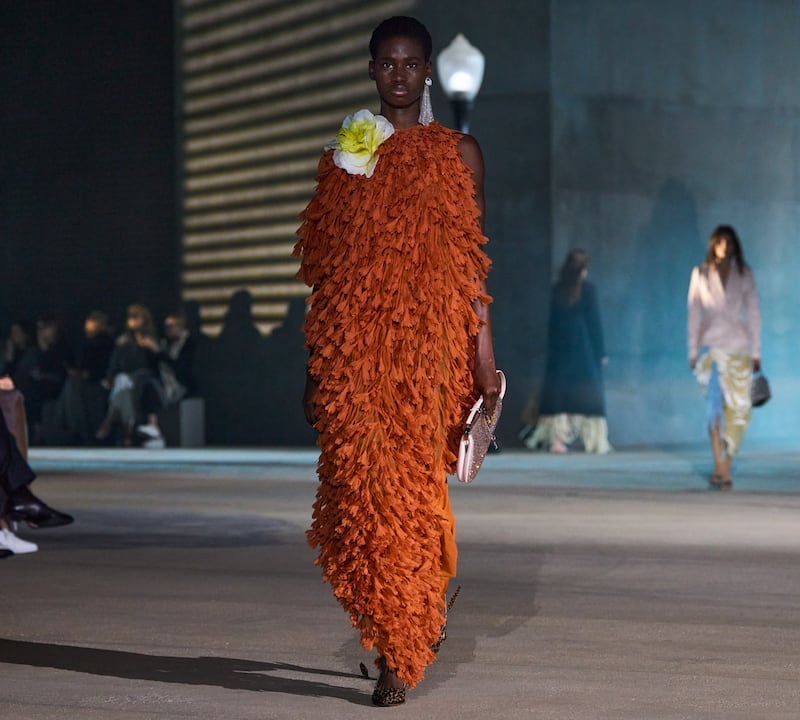
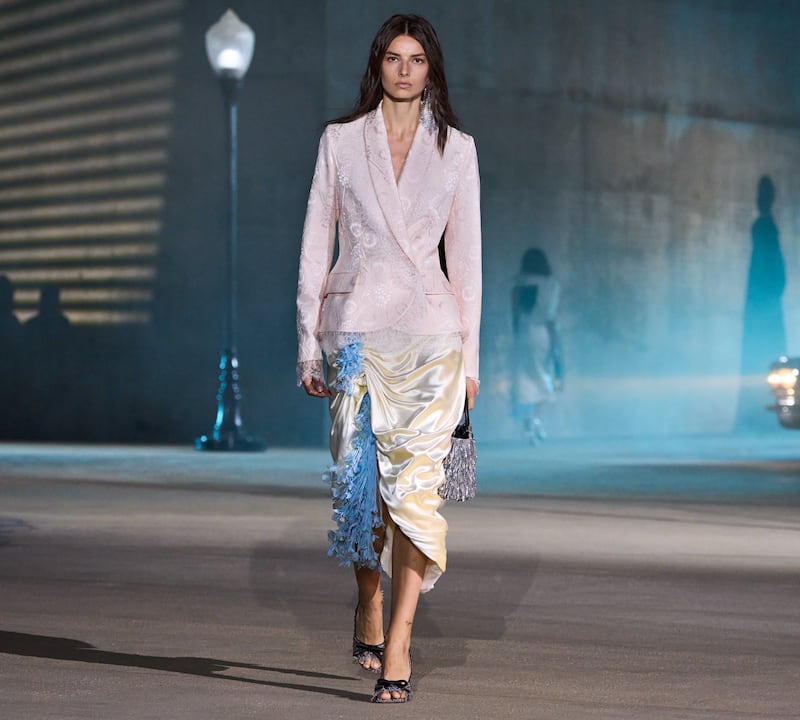
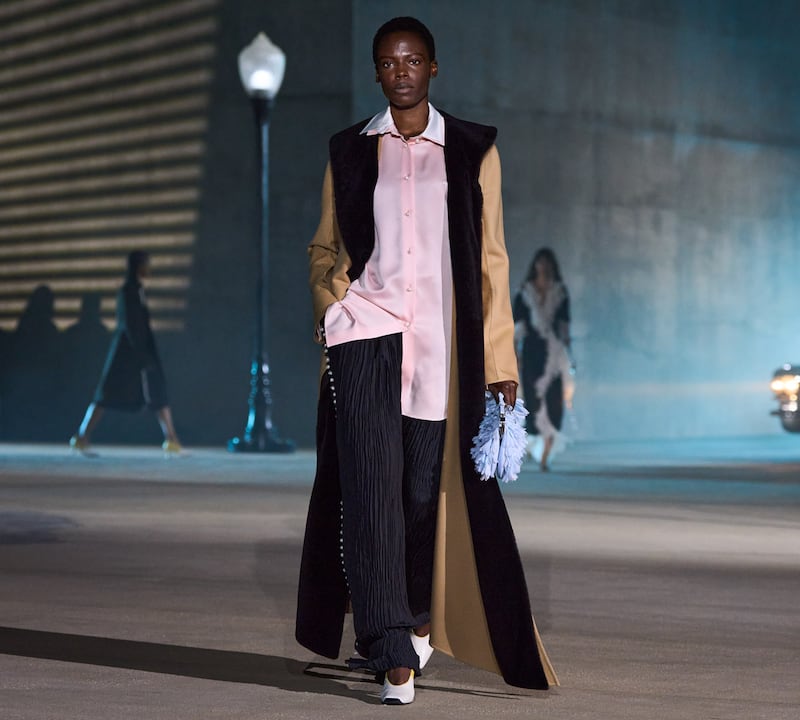
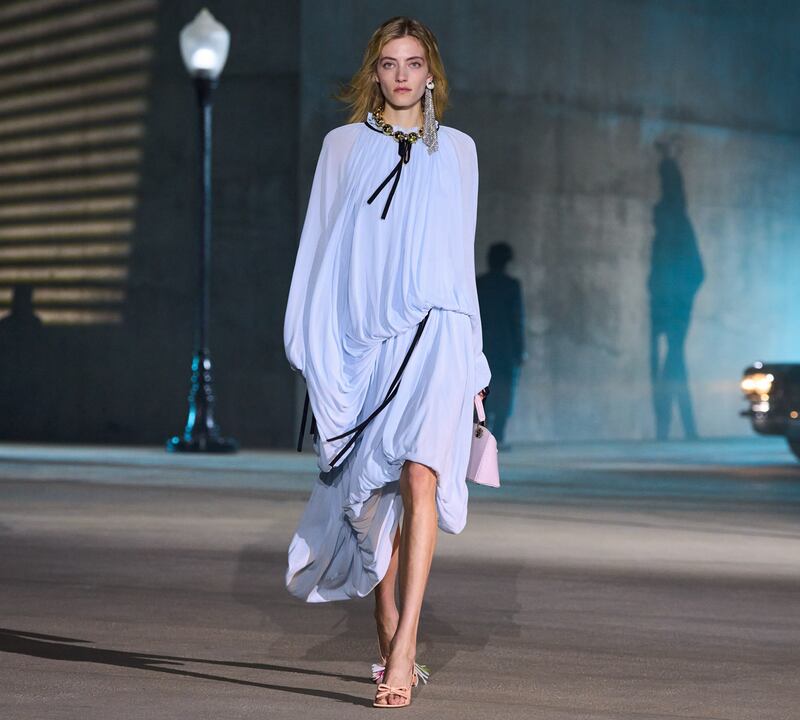
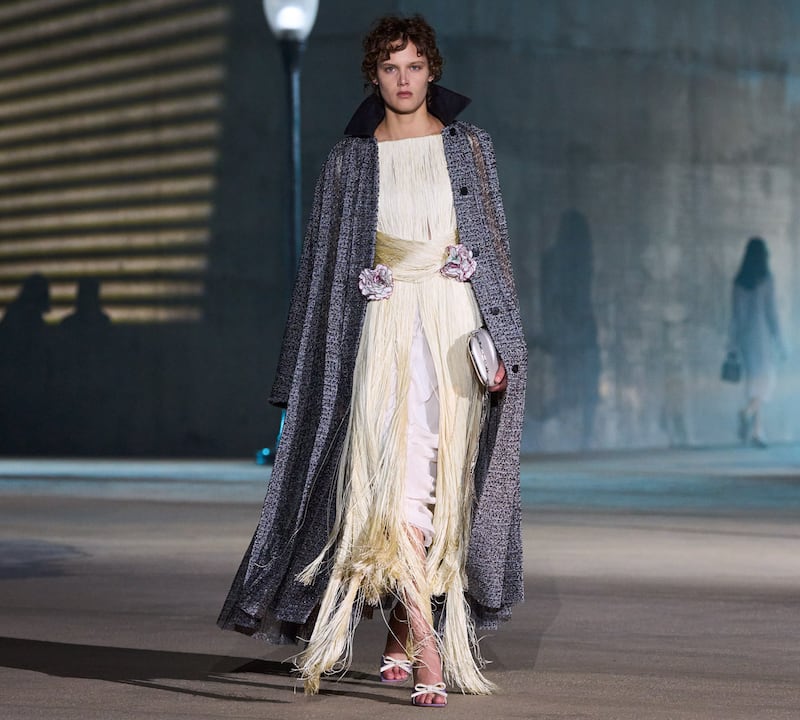
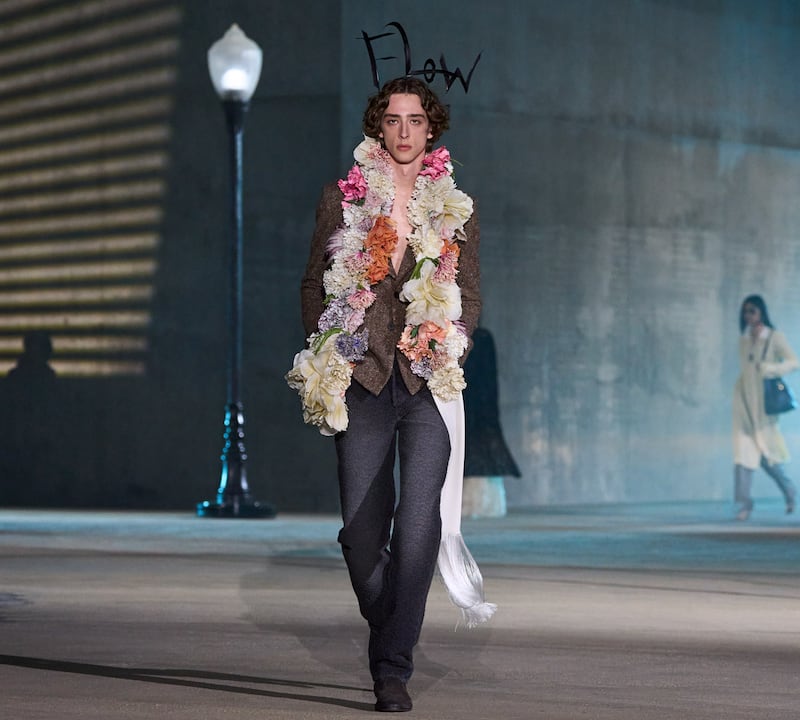
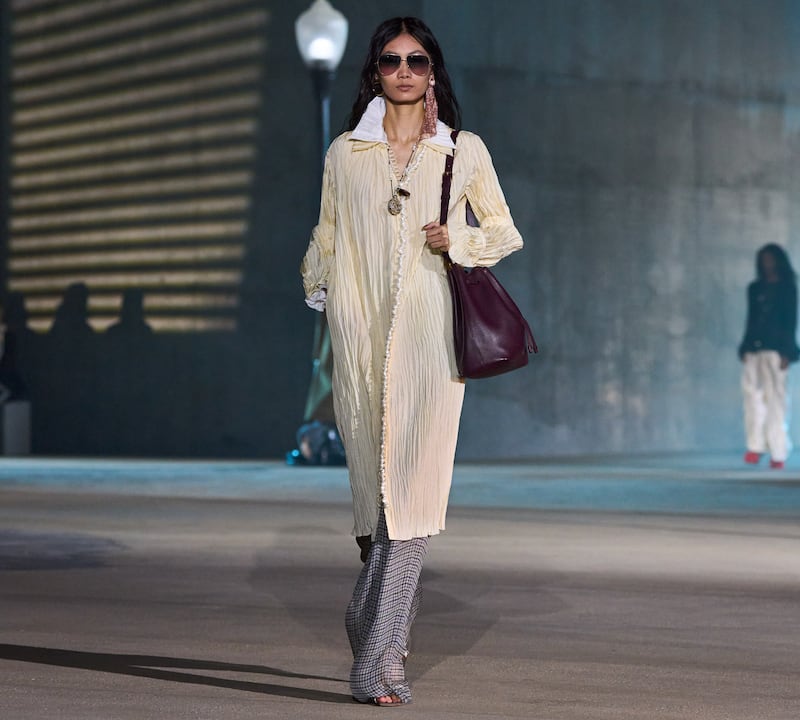
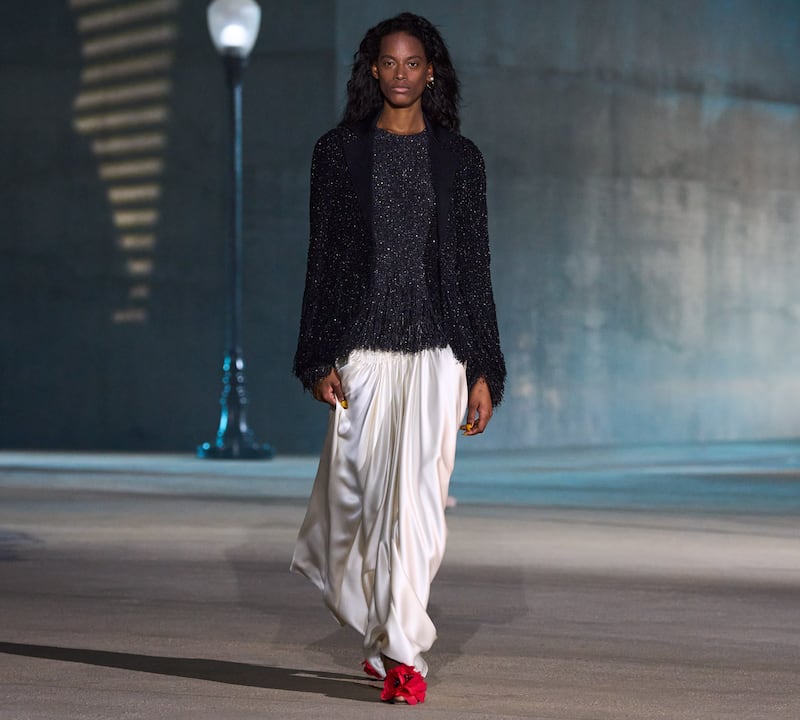
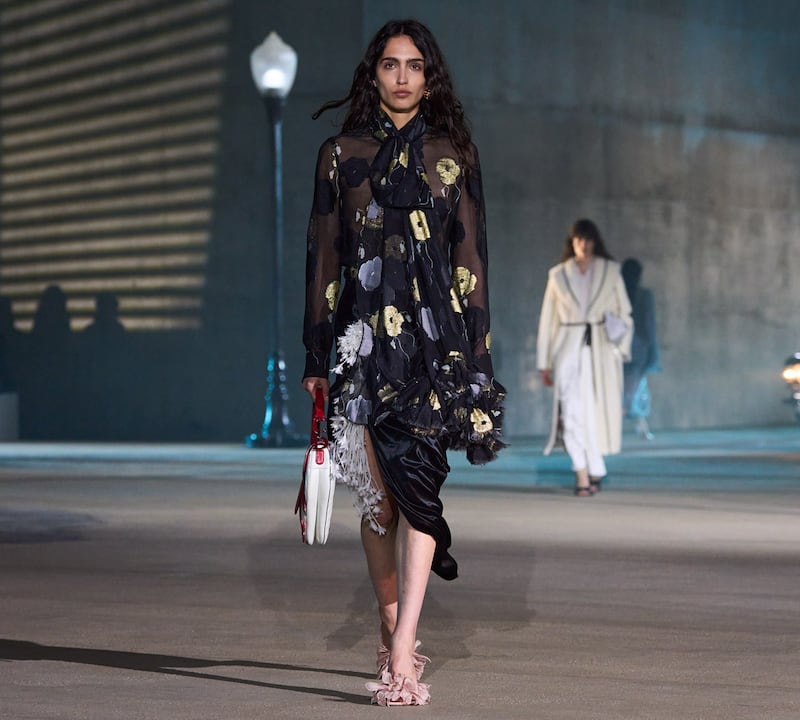
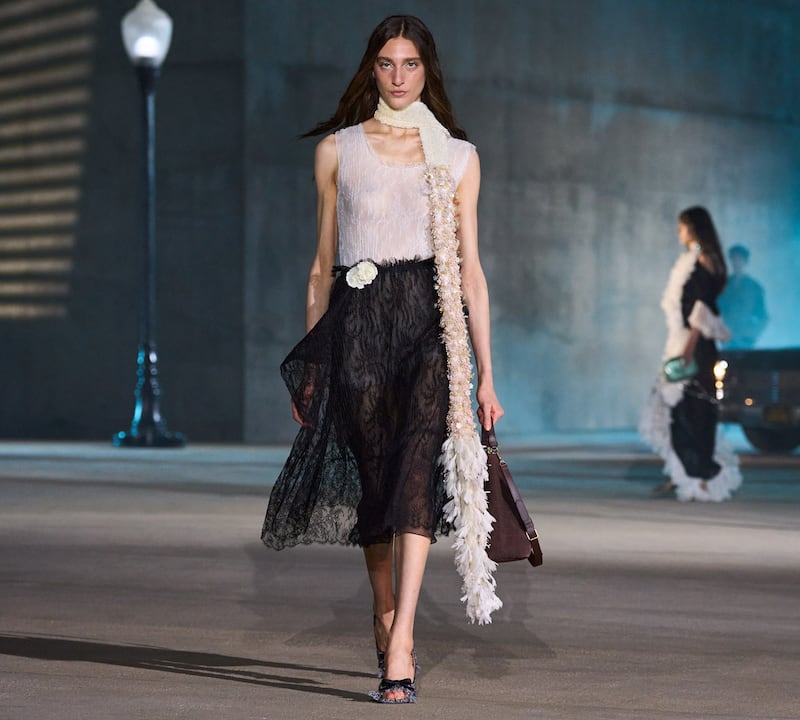
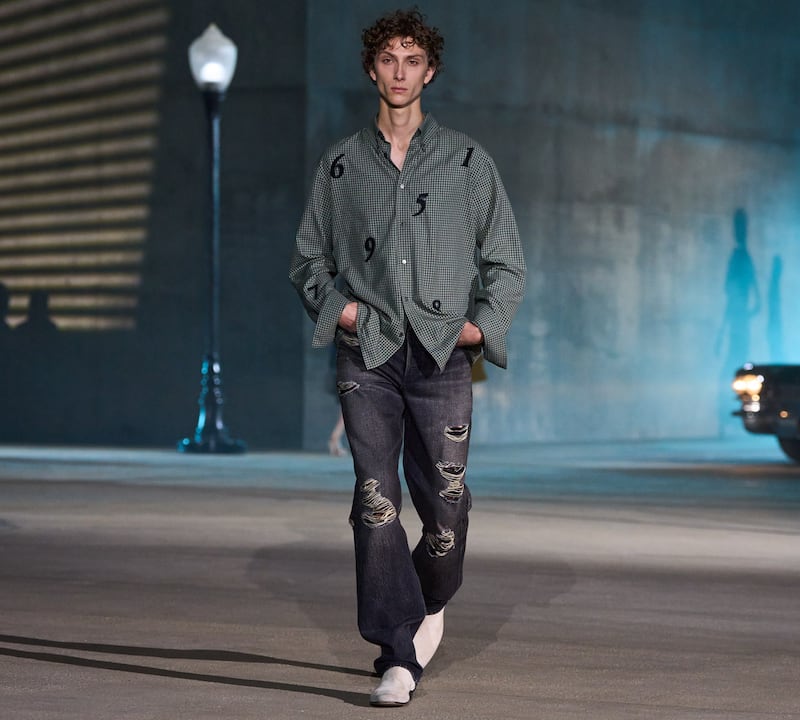
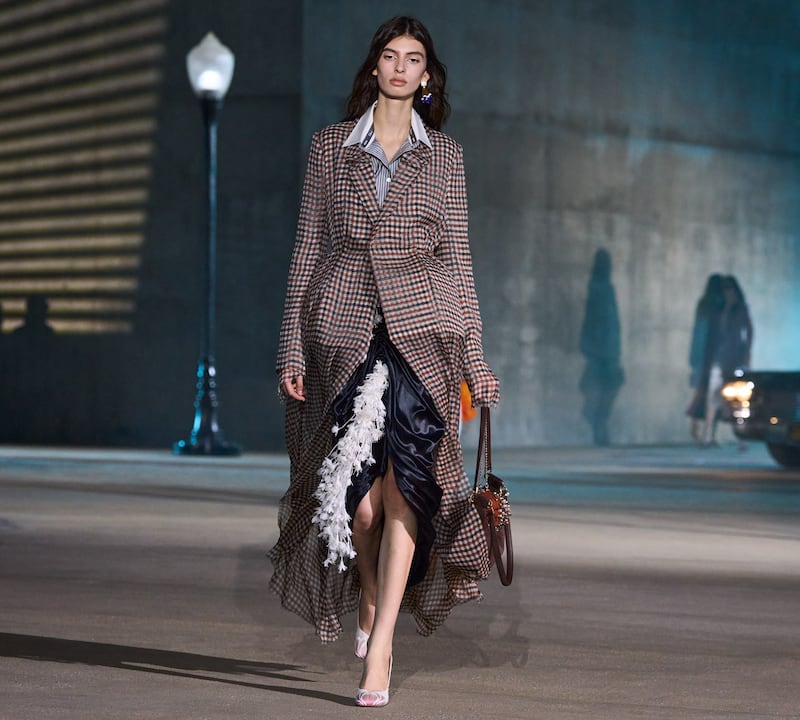
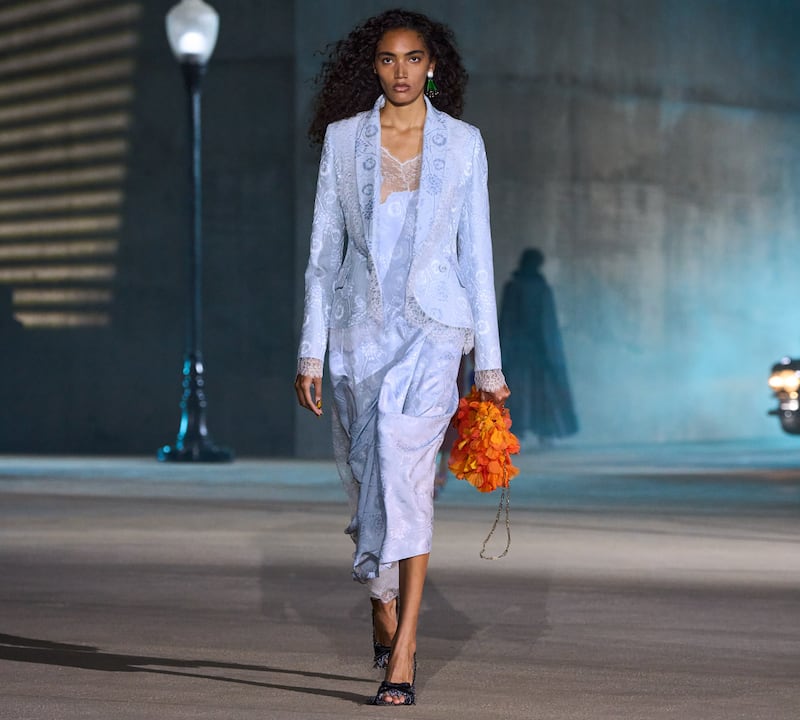
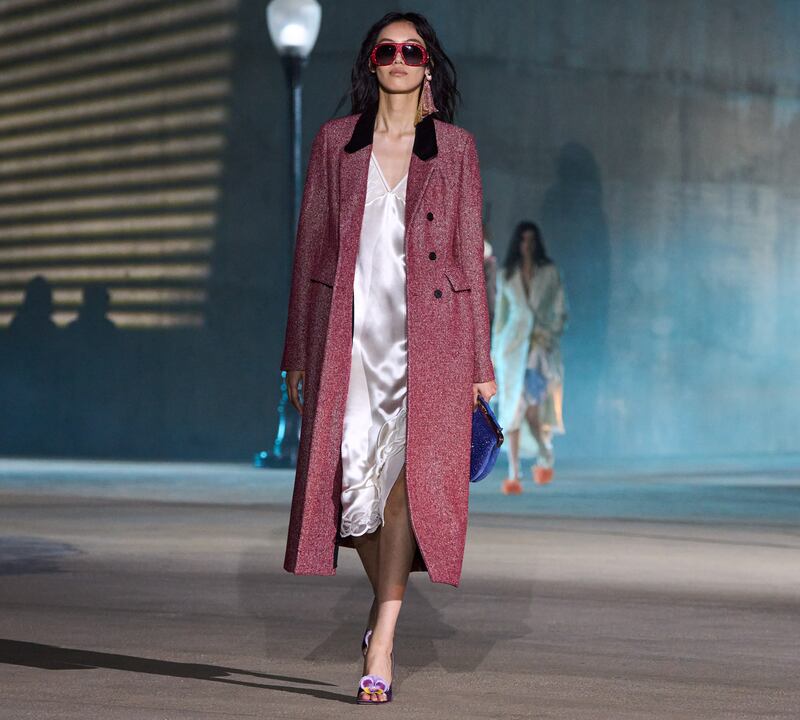
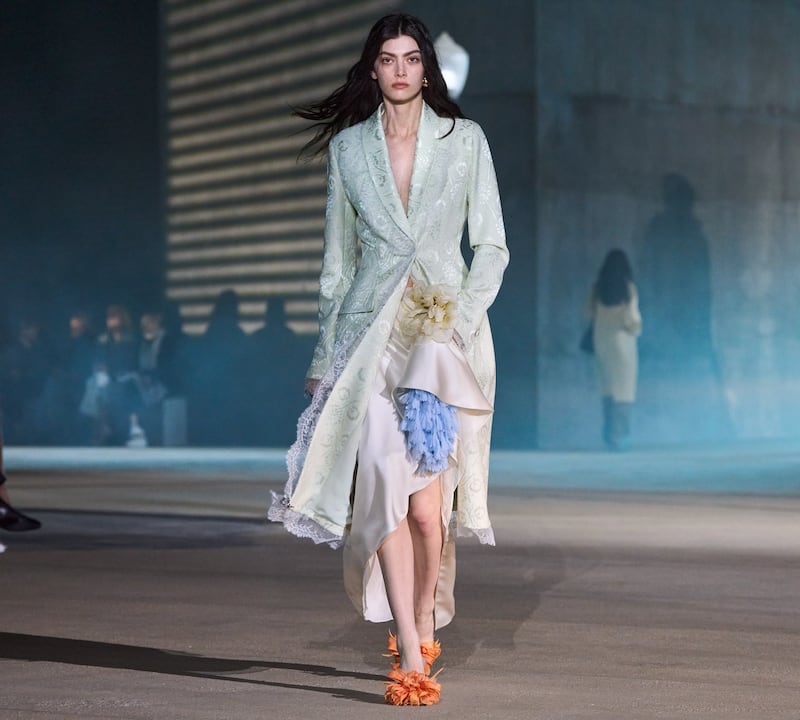
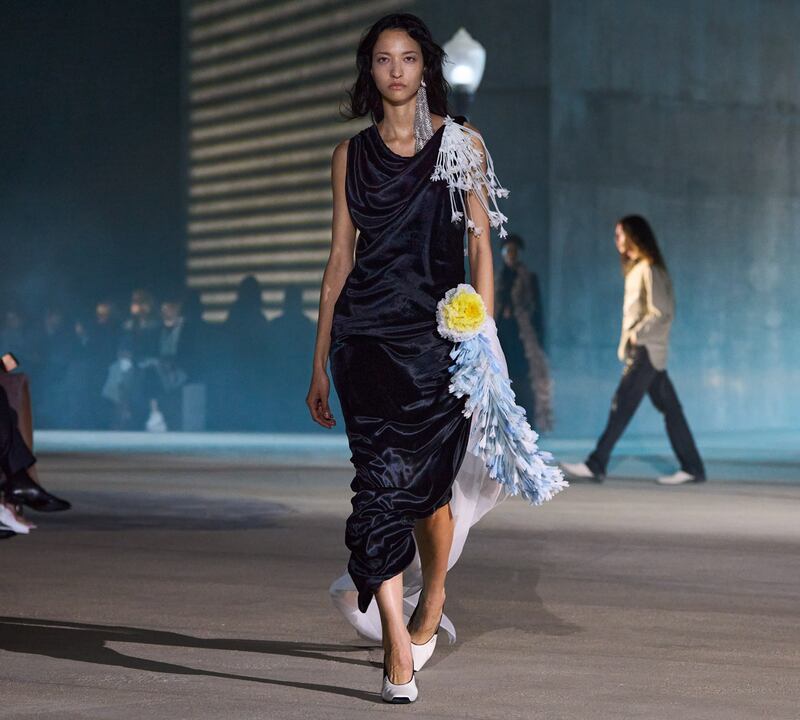
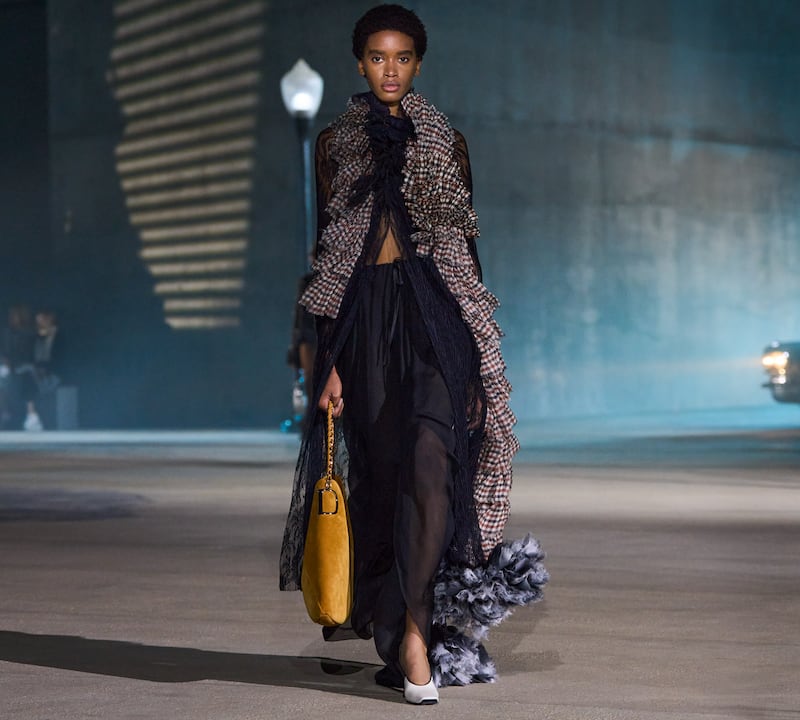
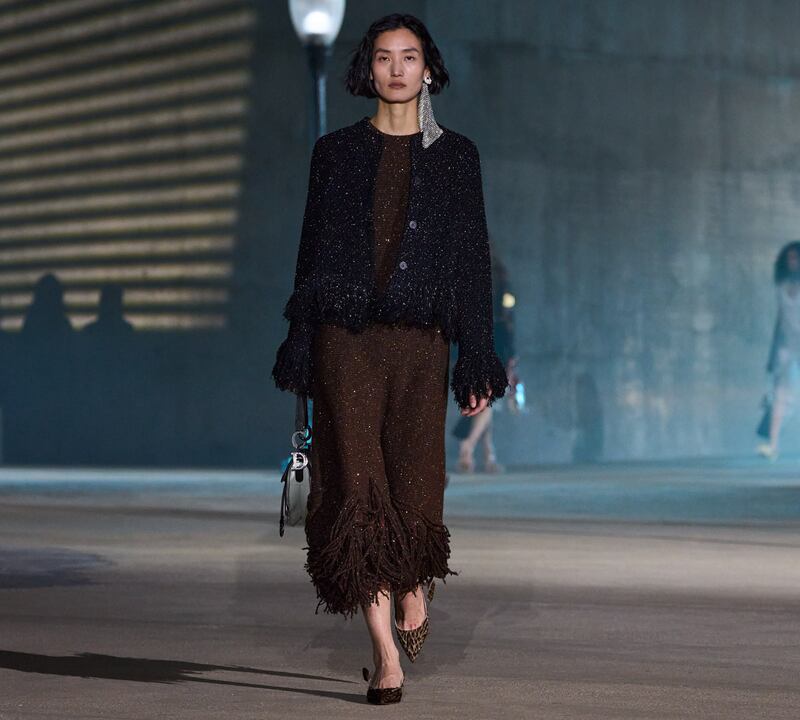
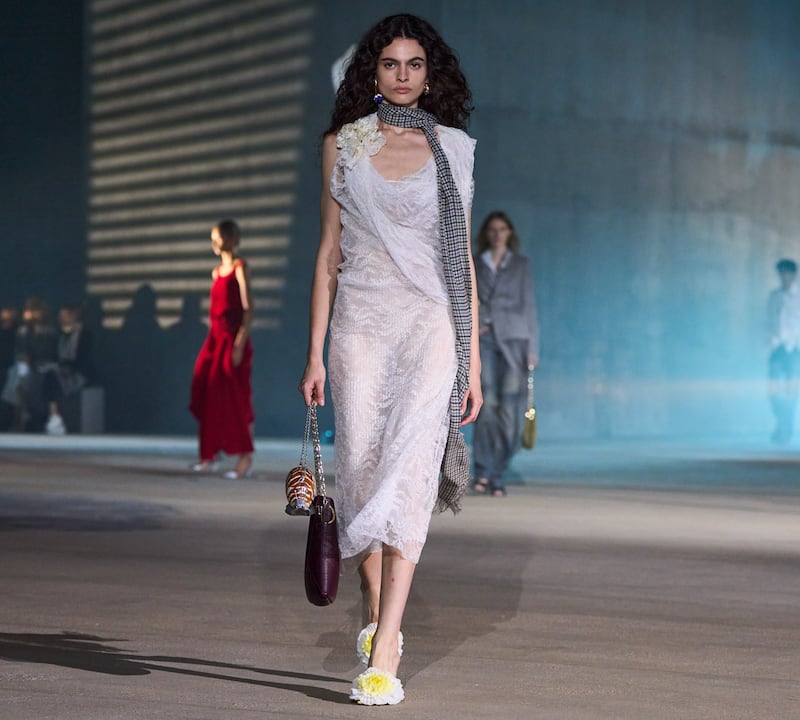
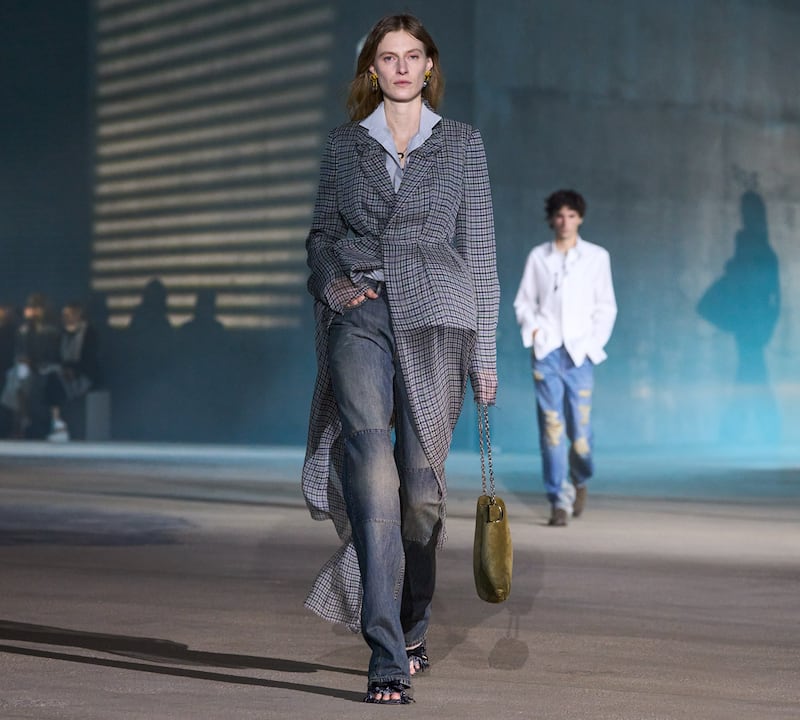
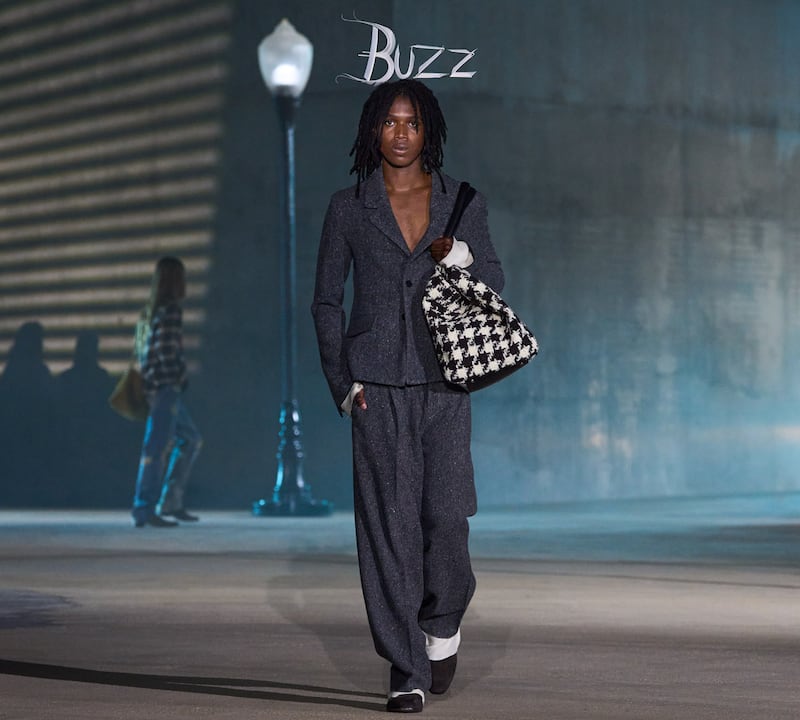
But enough with the framing. Coming to the clothing, this was another iteration of the language Anderson has set so far for the house — the exact tailoring, the knitted capes, the slouchy draping, the hints of the undone in what is otherwise perfectly done — with an acceleration on the soft, the drapey, the messy, and beautiful mixes of colours and textures with an aged patina to them. The artistically perfect messiness, which Anderson described as a rumination on on screen/off screen, had a whiff of Chanel to it (more l’air du temps than copycat).
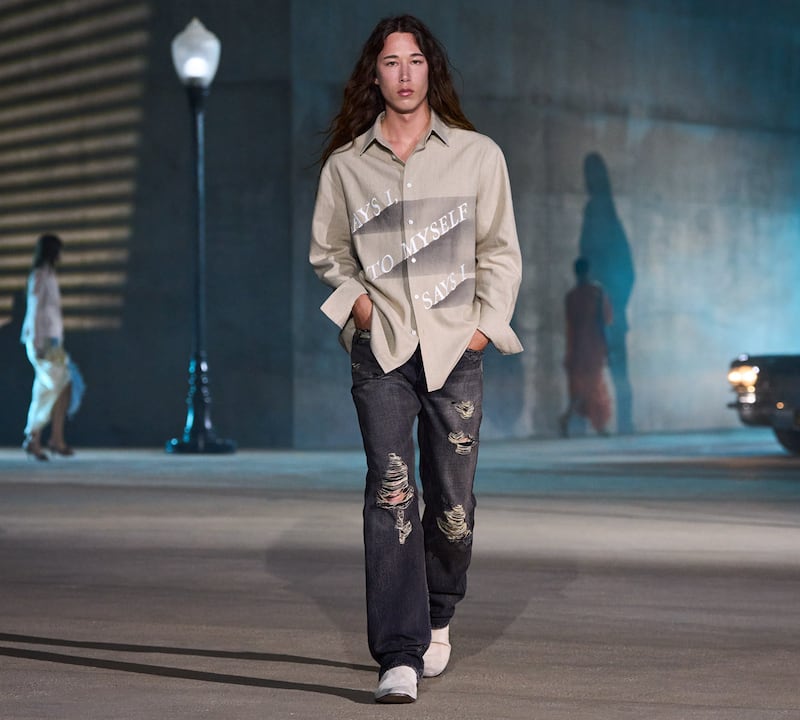
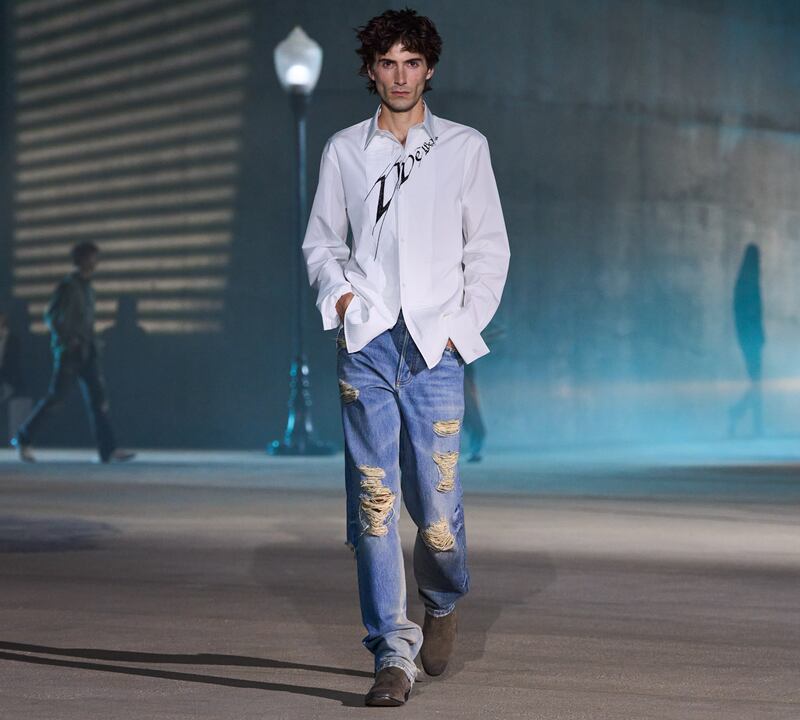
There was also the quintessentially Anderson, of course: the Ed Ruscha collaboration on men’s shirts, the sculptural volumes going astray, the quest for beauty caught between the natural and the artificial, the quotations from fashion history — in this case, Philip Treacy’s feathery fascinators for Isabella Blow. It was a lot to process. Anderson looked best when he paid homage to Mariano Fortuny’s pleated Delphos dresses and kept things simple than when he went for a shot of red or wandered into the overtly complex.
All in all, the result felt a little heavy. Reconfiguring what Dior will be in the next ten years requires a few more trials, though there’s little doubt that Anderson is capable. “Emotional attachment and projection of the brand make Dior different,” he said. ”Everybody has his take on what this house should be. I’m just learning.”
0 of 75
Loading recommended reads…
The company is counting on demand for its AI glasses with Google and Samsung to grow in the coming years, while trying to head off concerns they can be used to record people without consent.
The suspects stole more than €1 million worth of jewellery before fleeing on motor scooters, according to reports.
This week, Priya Rao takes a closer look at why beauty is moving up-market and how a collaboration breaks through today.
Jensen Huang’s exit deepens the crisis at the chipmaker at the centre of the AI rally that’s powered new wealth creation in the US, luxury fashion’s most important market.