Agenda-setting intelligence, analysis and advice for the global fashion community.
Agenda-setting intelligence, analysis and advice for the global fashion community.

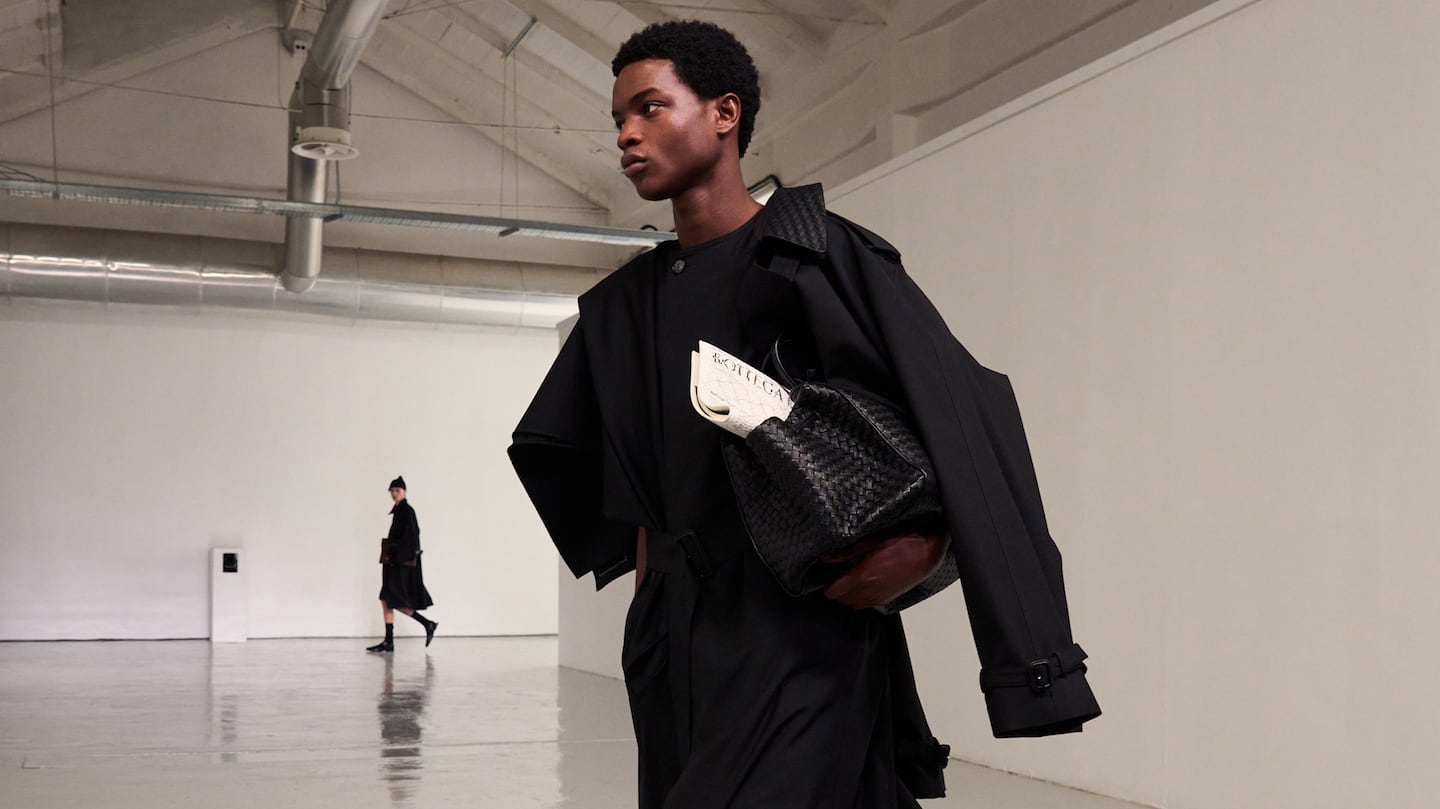
MILAN — Identity is a slippery matter. We like to think of it as a stable core, but identity isn’t what remains unchanged. It is what survives change. This is as true of people as it is of fashion houses, where every new designer, season and encounter inevitably shifts the axis.
At Louise Trotter’s Bottega Veneta, time is the fundamental variable: time. Time to settle into the house, decipher its codes, make them her own and move them forward; but also the passing of seasons, as spring opens into summer and layers begin to fall away.
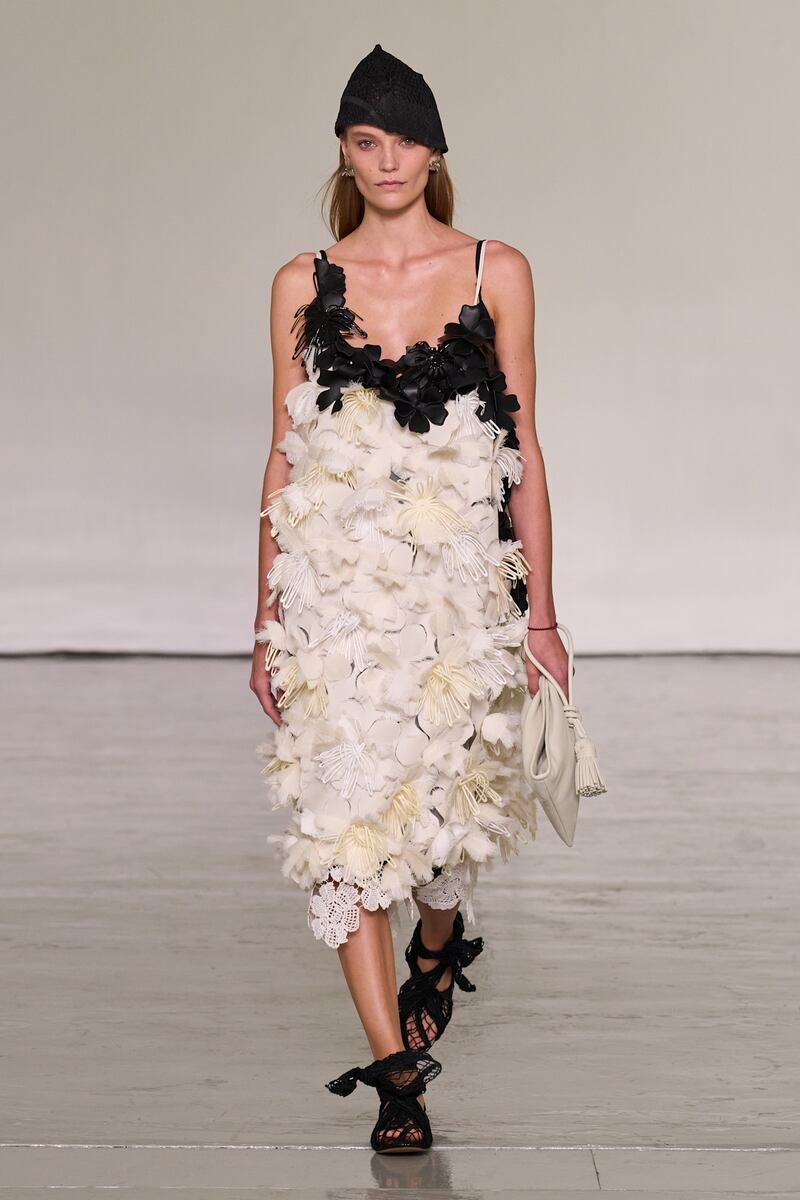
This was Trotter’s third outing for Bottega Veneta, and the first in which her own handwriting came fully into view. The slight stiffness of previous collections dissolved into something lighter but no less substantial. Clothes fluttered around the body, barely touching it yet still drawing its contours. Tailoring loosened. Leather became featherlight. Crochet, straw and ribbons introduced a taste for imperfection, providing evidence of the hand — particularly resonant at a time of rampant digital perfectionism. Even intrecciato, Bottega Veneta’s most recognisable code, expanded from a way of working matter into a metaphor for disciplines, skills and people coming together.
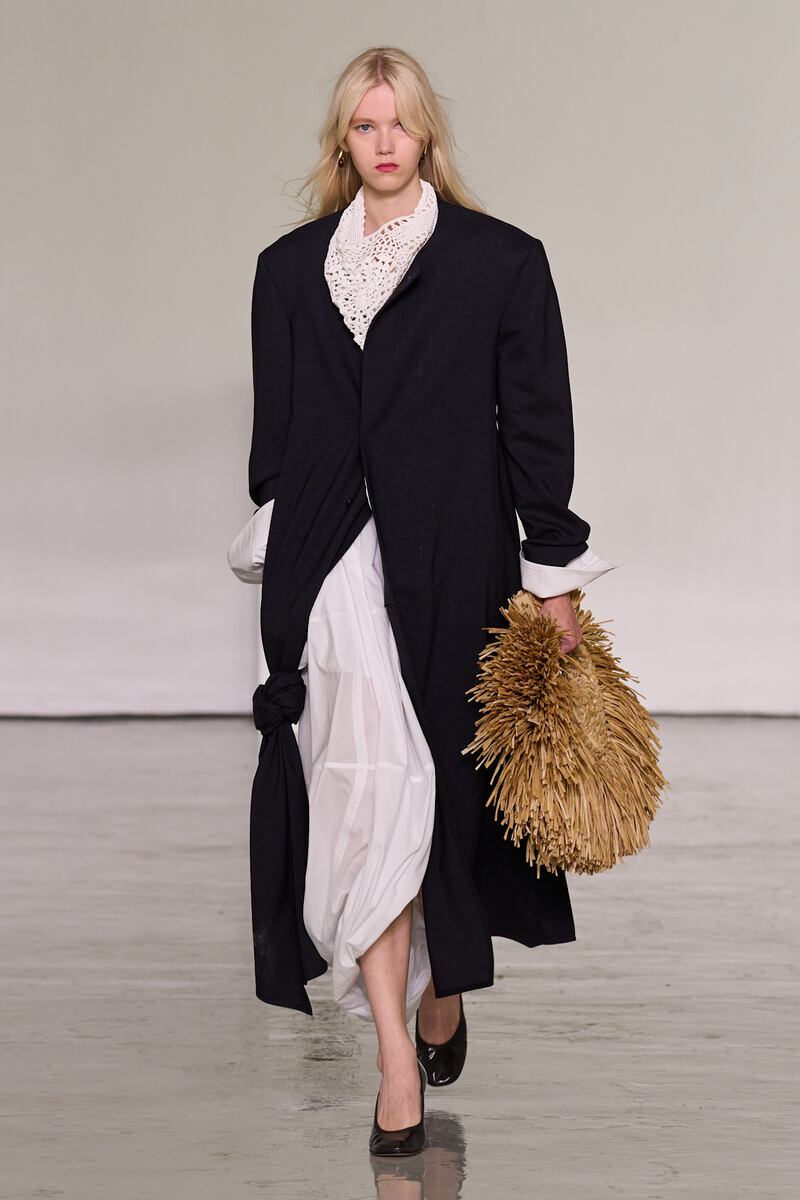
Trotter called this condition “in-betweenness”: being suspended between one state and another. She was talking about seasons, but the idea applies just as well to identity, transitional by definition. In that unstable space, she found a lightness that felt touching and poetic, expanding Bottega Veneta without making it any less Bottega Veneta. There was a newfound sense of realism, too: clothing meant for life beyond the catwalk fantasy.
ADVERTISEMENT
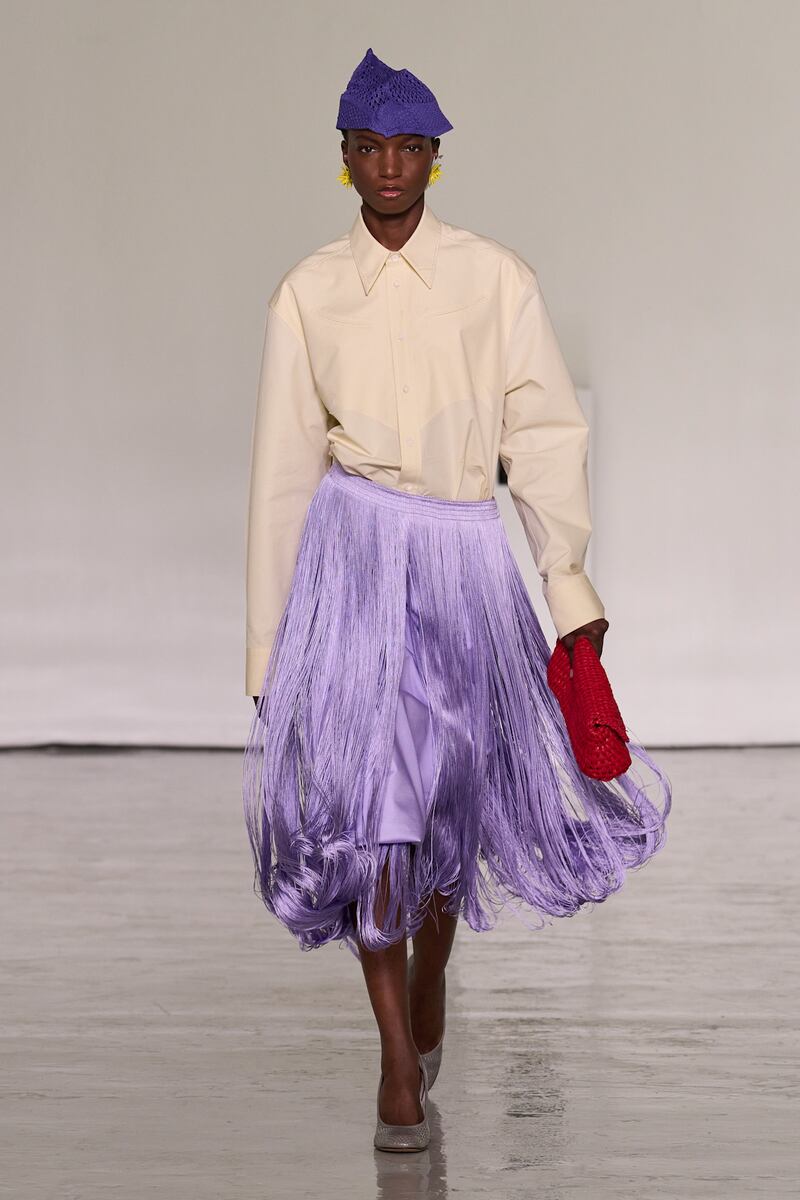
Identity takes time to evolve. It takes trial and error, too. Maximilian Davis is proof of that at Ferragamo. Born from shoes and accessories, Ferragamo’s fashion has always been aesthetically mutable, its consistency residing less in a fixed look than in its attention to craft and urge to experiment within the perimeter of classic beauty.
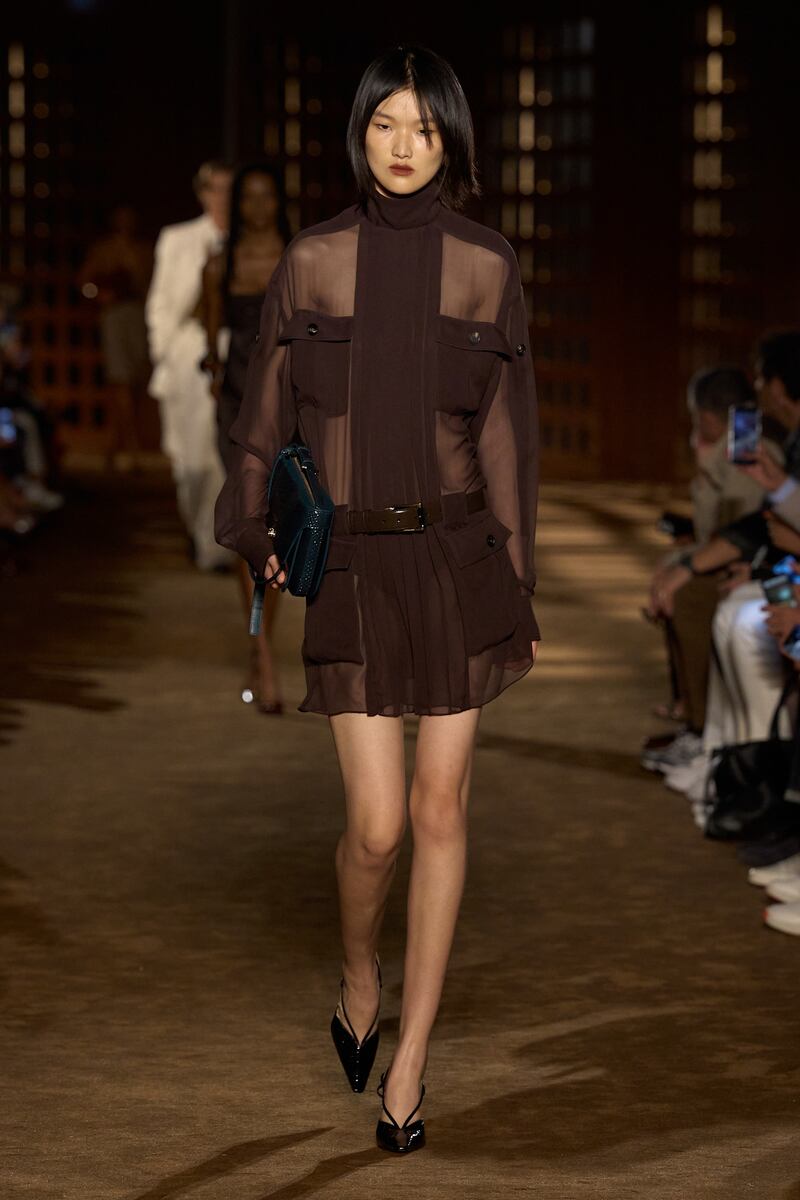
Davis took his time calibrating the formula. His Ferragamo now has an unmistakable tone: voluptuous, mature. That last adjective matters. Davis appears refreshingly immune to the frenzy of youthfulness that makes so much of contemporary fashion look faintly ridiculous. His women and men have the self-possession of people who have lived a little.
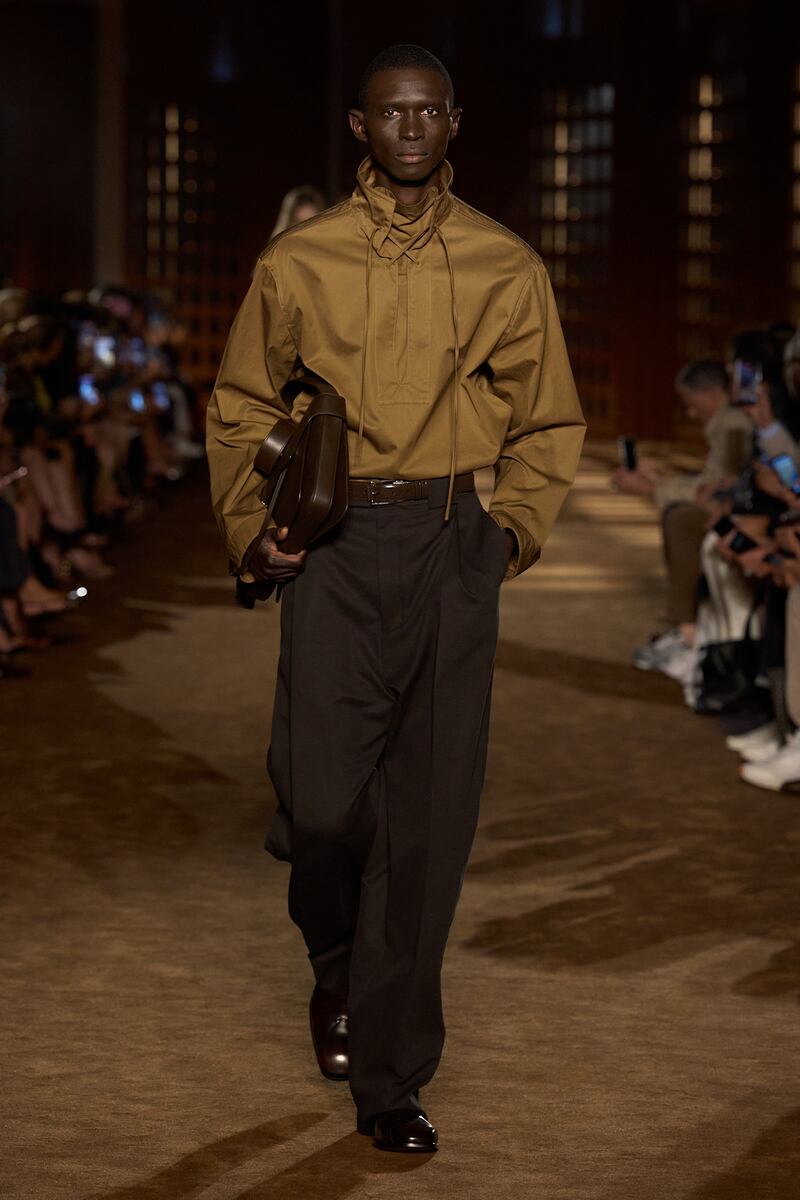
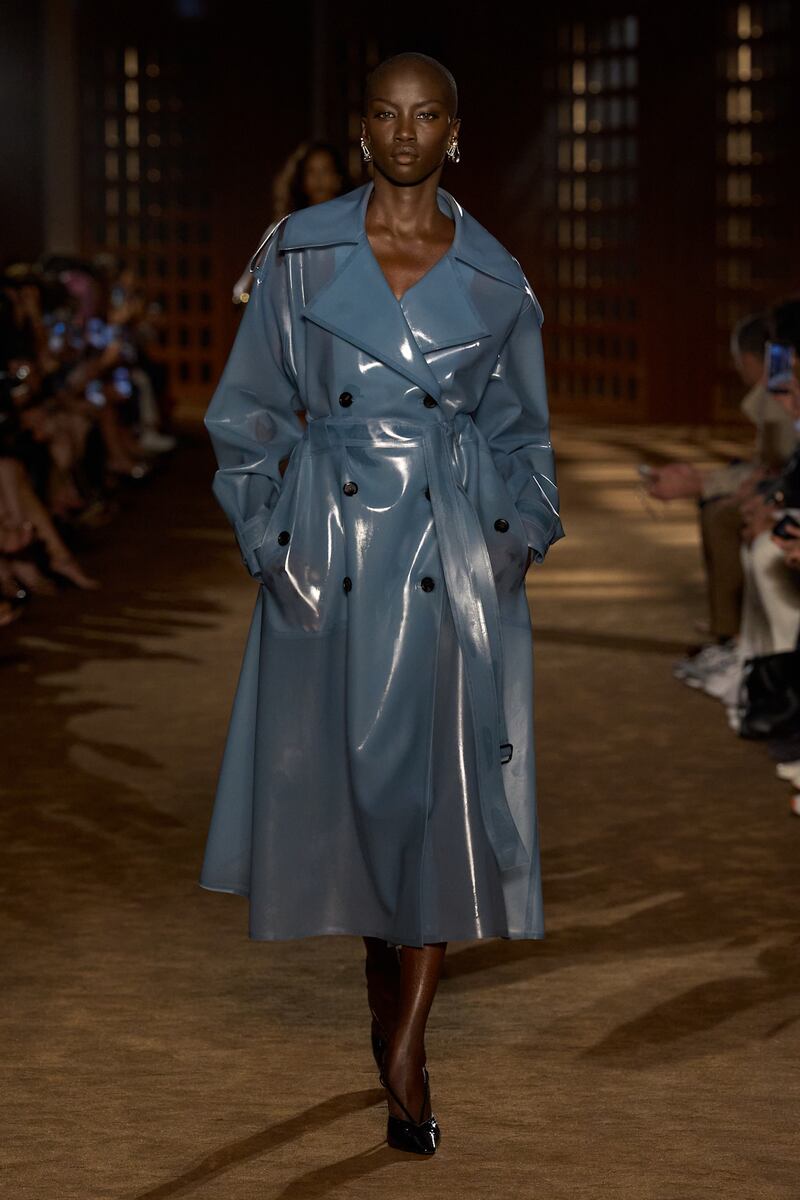
Looking to the 1940s — the martial glamour of the time as well as the uniforms worn as women entered the workforce — Davis produced an assured conversation between tailoring and flou, with curves taking precedence over straight lines. Tapping into that era inevitably recalled Saint Laurent — both Yves and as Anthony Vaccarello, with latex looks making the latter comparison a little too easy. But the translation had a tone that felt distinctly Italian: a bit coarser rather than polished à la française.
At Dolce & Gabbana, the notion of identity travels through generations. The past is preserved, renewed in the present and projected into the future: an idea rooted in an Italian understanding of family and inheritance.
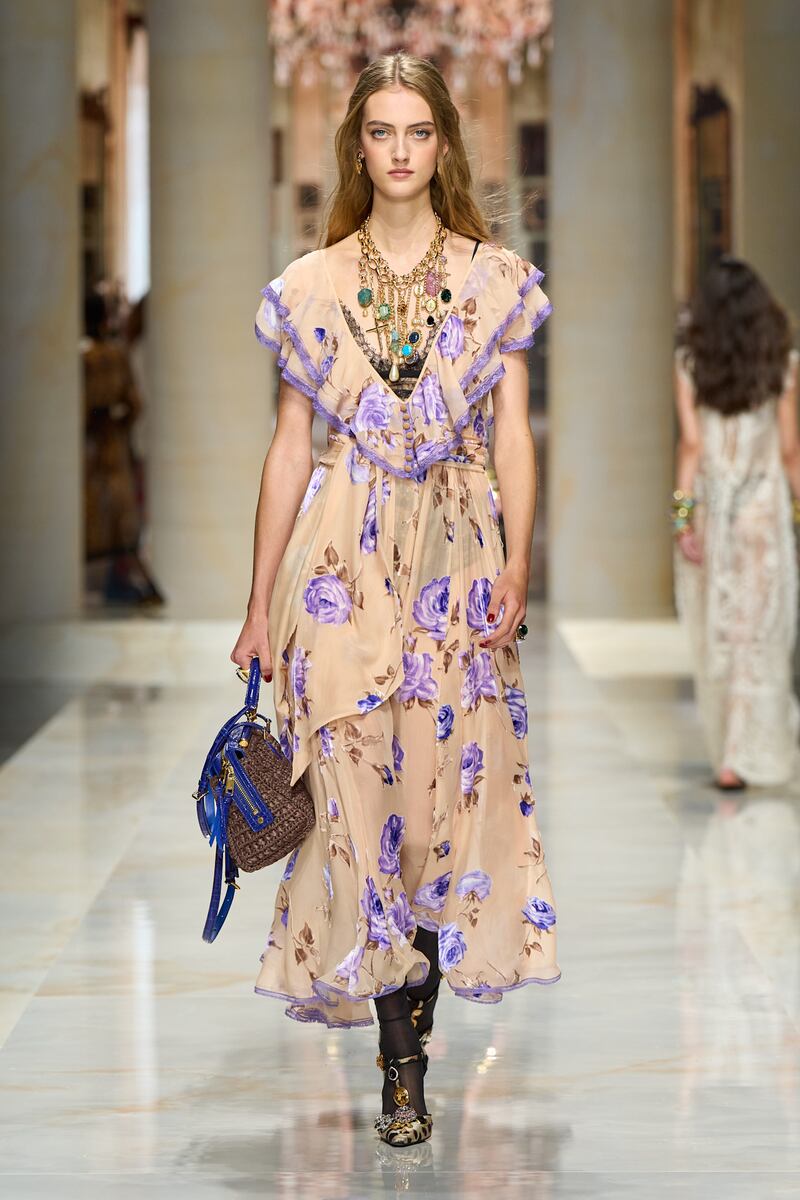
The wardrobe followed suit. Ancestors, aunts, mothers and daughters appeared to have emptied their closets into one another’s: brocades, lace, upholstery fabrics, lingerie, leopard print and embroidered denim colliding under the banner of “Stravaganza Siciliana.”
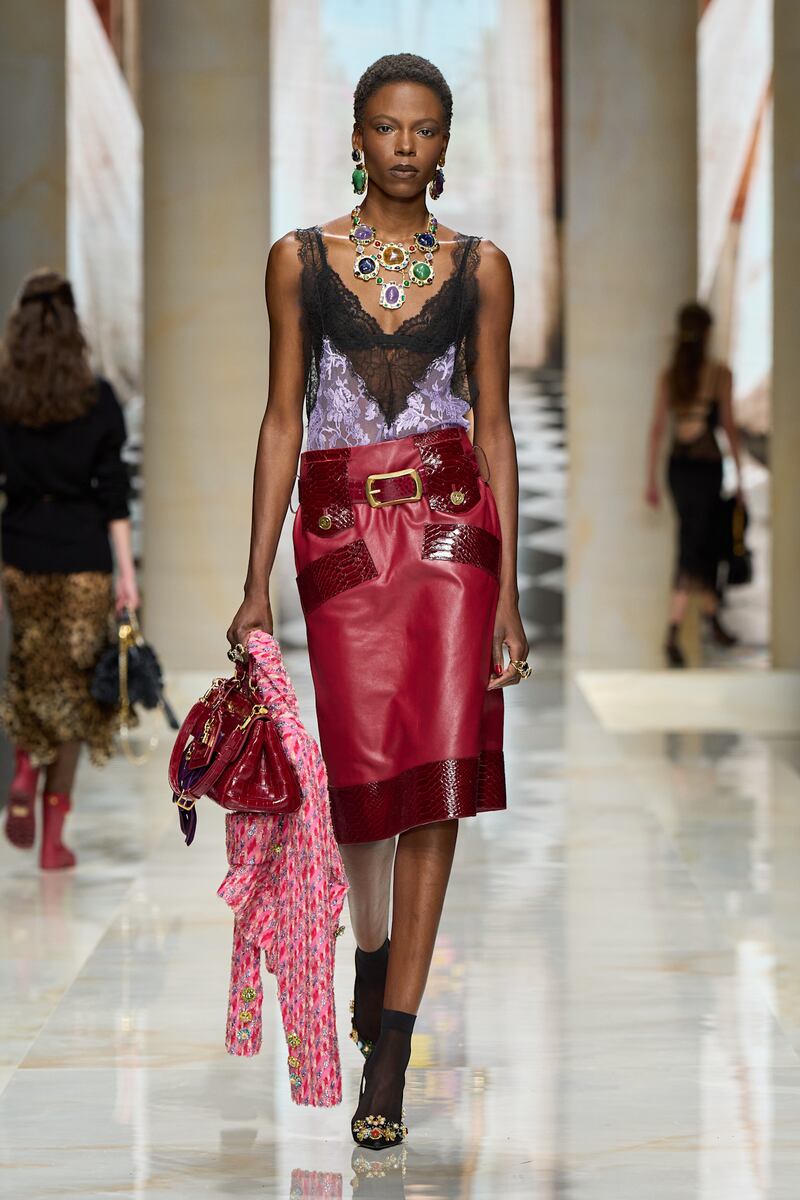
There was philosophy behind it, but also a straightforward proposition: everything goes with everything. From tweeds to christening gowns, from bad-girl lace to embroidered jeans, it was a dizzying jumble of this and that — much in the vein of what Matthieu Blazy is doing at Chanel, tweed jackets included, with a heavier hand.
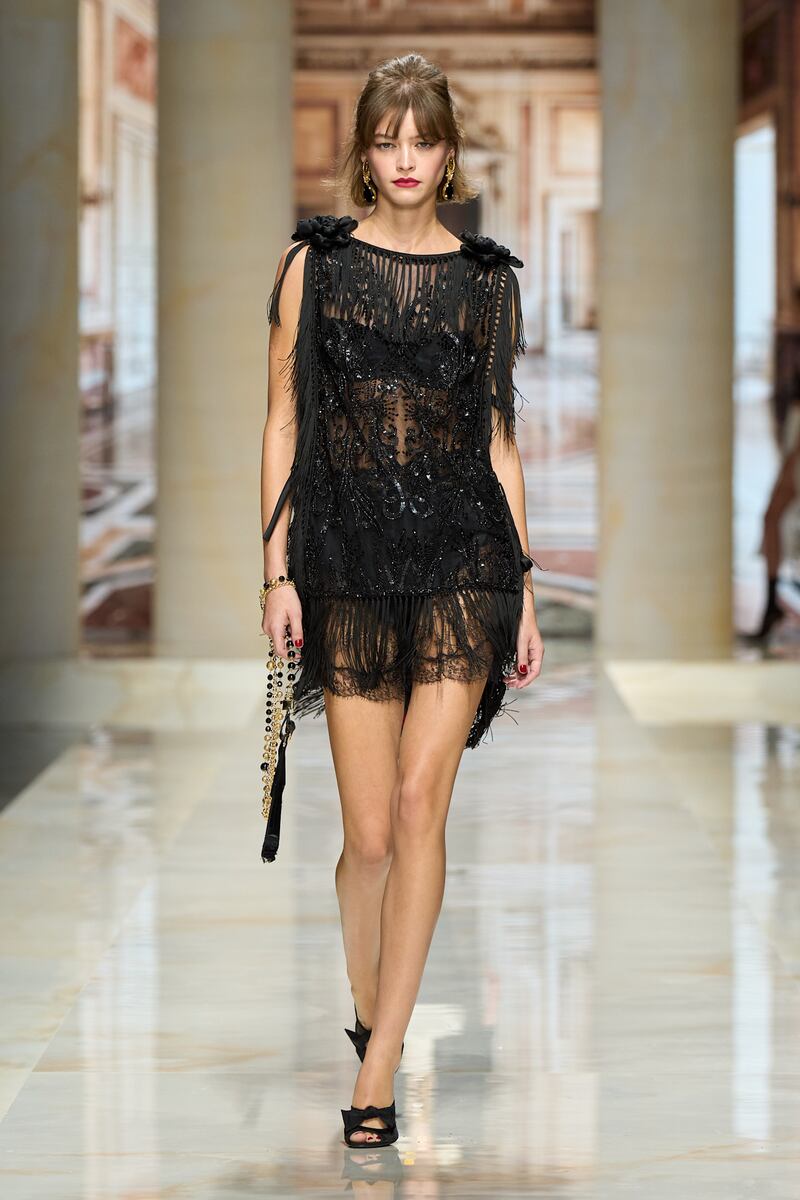
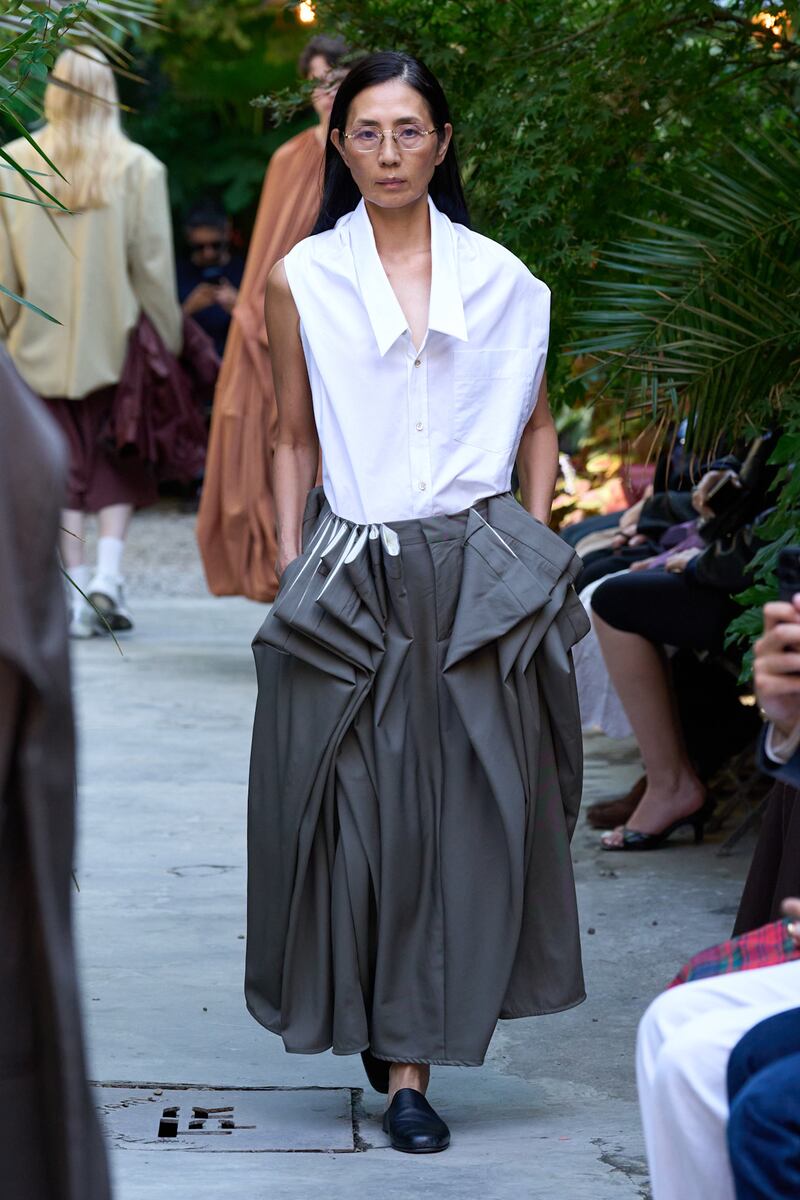
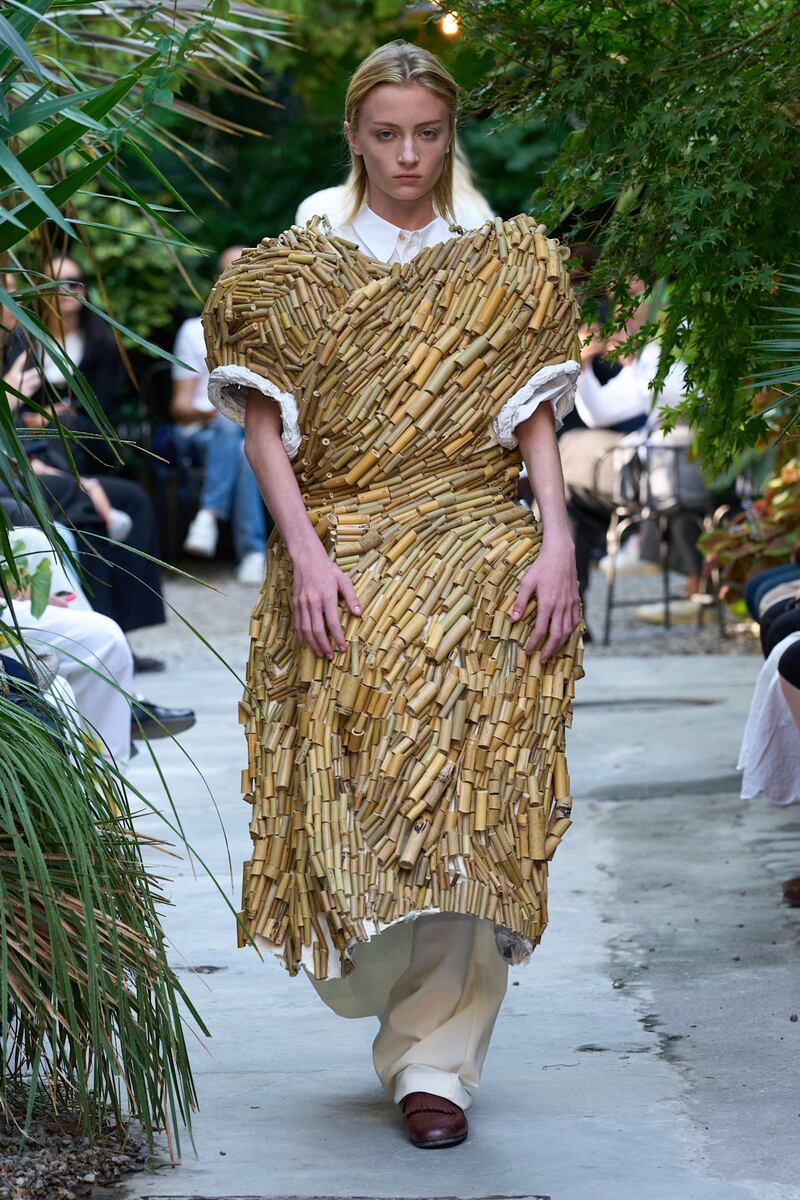
At Act N°1, Luca Lin approached identity as dialogue. He took the everyday wardrobe apart and put it back together, working fluidly around the body. Rigour dissolved into cascading fabric; folds absorbed movement; painterly colours softened the architecture.
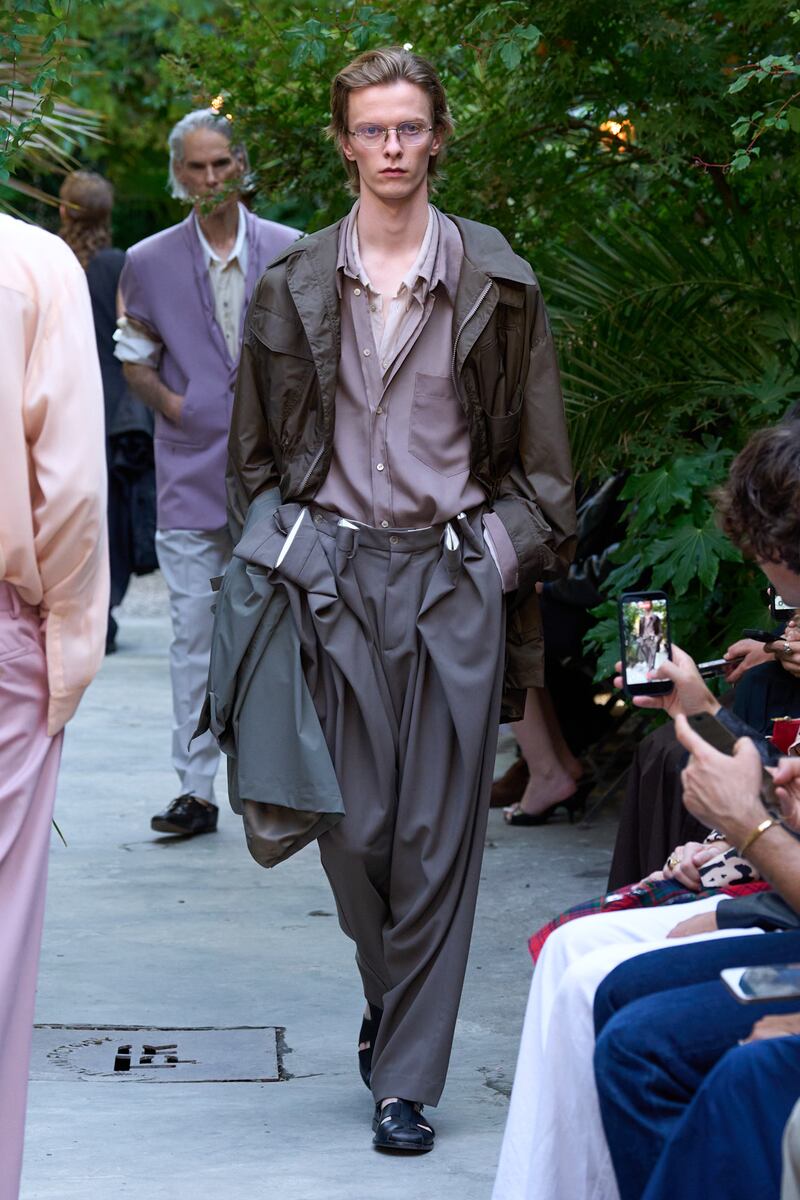
The result had a syncretic quality that increasingly defines Lin’s work, bringing Western dress codes into conversation with an Eastern sensibility rooted in his own experience of being born in Italy to a Chinese family. The qipao appeared alongside transformed tailoring, while bamboo embroidery and handwork introduced cultural memory without turning heritage into costume.
Loading recommended reads…
The New York Times photographer and style columnist joins Imran Amed on The BoF Podcast to discuss why practice makes permanent, the blind spot he had to admit to himself and why the style he looks for is meant to feel within reach.
In Panipat, 1 million tons of used clothing a year are turned into products for global brands, but dangerous machinery and few safeguards mean life-changing injuries are common
The struggles of Nanushka and Coperni expose the challenges of turning a promising label into a sustainable business, even after successfully building a global customer base and distinctive visual identity.
What to keep and what to change when a brand changes designers? Pierpaolo Piccioli’s brief stint at Balenciaga and Kering’s effort to course correct by bringing in Martine Rose offers learnings for houses seeking creative renewal.