Agenda-setting intelligence, analysis and advice for the global fashion community.
Agenda-setting intelligence, analysis and advice for the global fashion community.

Listen to and follow “The Debrief”: Apple Podcasts | Spotify | Overcast
In 2024, investigations by prosecutors in Milan uncovered factories in the supply chains of major luxury houses operating under conditions more commonly associated with sweatshops. Workers were found to be earning just a few euros an hour, working as long as 15-hour days and, in some cases, living in degrading conditions. The investigations raised uncomfortable questions about how brands making some of the world’s most expensive products could have such limited visibility into factories operating close to their own manufacturing hubs in Italy.
Since then, brands caught up in the investigations have strengthened internal controls, increased factory audits and restricted subcontracting. But nearly two years on, labour groups say conditions on the ground have not fundamentally changed.
This week, BoF’s global markets editor Sarah Kent joins senior correspondent Sheena Butler-Young to examine whether luxury’s response has addressed the root causes of exploitation — or mainly created new layers of compliance around the same underlying business model.
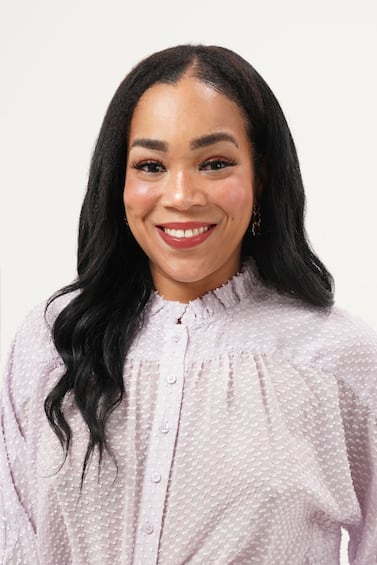
Sheena Butler-Young is Senior Correspondent at The Business of Fashion. She is based in New York and covers workplace, talent and issues surrounding diversity and inclusion.
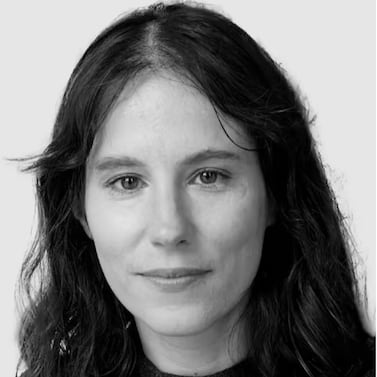
Sarah Kent is Global Markets Editor at The Business of Fashion. She is based in London and also oversees BoF's sustainability coverage.
Loading recommended reads…
Fenty Beauty’s first 12-hour online shopping event, featuring Rihanna, shows how a new generation of brands are embracing the practised art of live selling.
The policy bars ads from ByteDance, which remains in charge of key parts of TikTok, and extends to third-party advertisers running campaigns that link to TikTok.
The departure of Athleta’s CEO for Lululemon is a chance to ‘reimagine the brand’s path forward,’ Gap Inc. CEO Richard Dickson wrote in an internal memo viewed by Bloomberg.
Opening in Q4 2026 on Saadiyat Island — at the heart of Abu Dhabi’s cultural district — Saadiyat Grove brings together luxury retail, hospitality, residential living and culture in one of the emirate’s most ambitious new developments. BoF speaks to Jonathan Emery, chief executive officer of Aldar Development, about the strategic vision behind the project.