Agenda-setting intelligence, analysis and advice for the global fashion community.
Agenda-setting intelligence, analysis and advice for the global fashion community.


Interviews and views on creativity and business in the world of luxury writ large — from fashion and watches to art, wellness, travel and more — from our chief luxury correspondent in Paris.
Subscribe to High Margin by Robert Williams: perspectives on creativity and business in the world of luxury.
Call me crazy, but did fashion’s “great reset” kind of work?
Since Imran coined the phrase last year, it’s become an accepted shorthand (if often invoked with a bit of irony) for fashion’s sweeping programme of designer resets as more than a dozen major labels rolled out new creative directions.
Fashion sales remain in the doldrums, with most companies seeing only incremental improvement following a downturn in demand. But as I head back to Paris from Milan — where Demna’s Gucci show felt like a breakthrough — I can’t help but think that a lot of brands seem like they’re in better shape than they were a year ago. Aesthetically at least, even if commercial success has yet to follow.
ADVERTISEMENT
In this High Margin newsletter: After a long summer hiatus, we are so back: with notes on Demna’s master plan for Gucci and the verdict on fashion’s “great reset,” one year later.
A detour for those curious to know what I thought about Gucci:
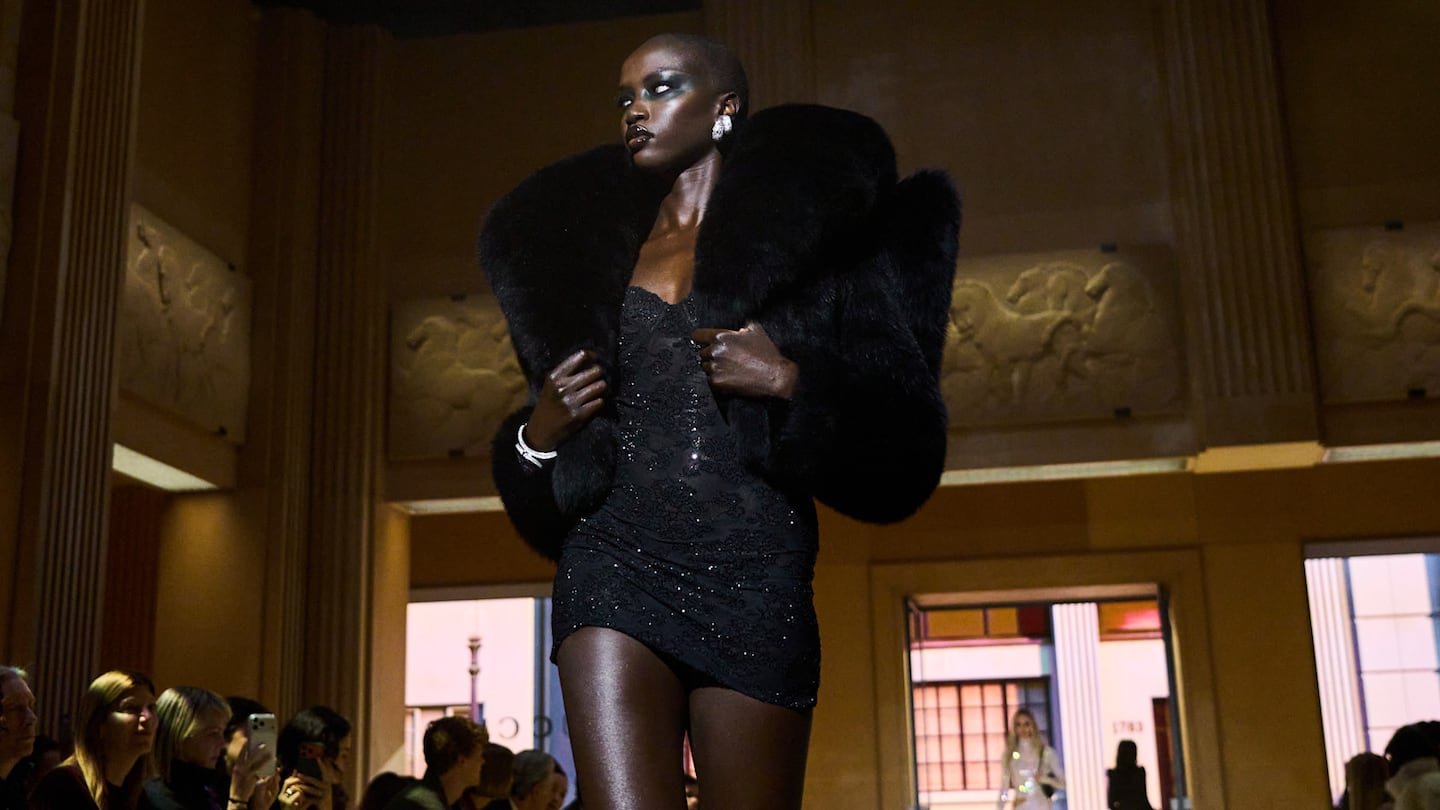
A year after his “La Famiglia” fashion film, I feel like Demna has figured out this brand can work on multiple registers. La Famiglia, which used reissued archival styles to dress a panoply of Gucci characters, was about getting reacquainted with the brand’s past lives, and playing around with what it might mean to resurrect them today. His February runway debut, “Primavera”, reaffirmed Gucci’s positioning as a brand that can play with fire, making bold aesthetic statements and exploring hot-button ideas about the body, sex and taste. Then the “Gucci Core” show in Times Square celebrated the machinery of the brand: how Gucci is uniquely positioned to use spectacle, celebrity and commerce to engineer a cultural moment.
Friday’s show, set in a simulacrum of a big Gucci store, tackled head-on the question of fashion translation — to sales, crucially, and the street. It offered a coherent statement of what Gucci means to the people who wear it, and what Demna is there to do.
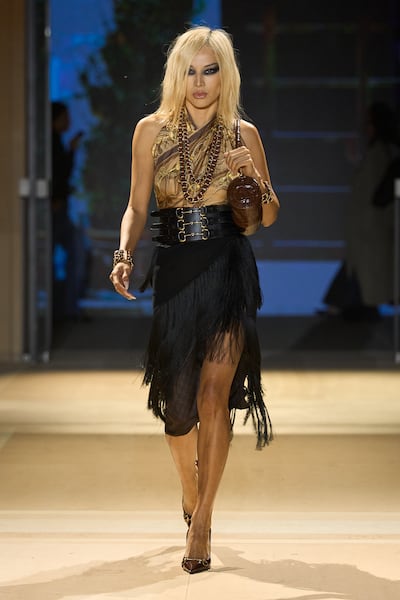
At its core, Gucci is for people who want to bring a bit more glamour and beauty to their lives. Demna affectionately documented and exaggerated various archetypes of the Gucci client, particularly the bourgeois “aspirational” shopper who was long the business’s bread and butter. Rather than simply quieting his trademark irony and cynicism — which was still present — I got the sense that he had genuinely found common ground with Gucci’s audience: their desire to be more regal, more alluring, more singular. To occupy their place in society while often sticking a toe outside the boundaries of respectability and received taste.
The show was mostly a styling exercise, with only a bit of design (like the closing look, a triangle of sheer fabric tossed over the shoulder and weighed down by a pendant — the sort of essentialist gesture Demna has long used to temper his bleak perspectives with a bit of childlike wonder at the magic of fashion).
Styling shows tend to ruffle fashion people’s feathers. By the end of Demna’s latest Gucci show, his take on the brand felt inevitable. Meaning it could be seen as either the correct answer to the brand’s current challenges, or simply the obvious one.
I would concede that the show was a bit didactic — with Gucci joining the ranks of brands like Chanel that increasingly use their runway shows as a chance to teach people how to style collections (rather than counting on them to bring a bit more imagination to the table). But it’s a relief to see a mega-brand pillar of the fashion industry like Gucci step up to the challenge of expressing itself in a way that makes sense for a brand at its scale, while still remaining interesting.
ADVERTISEMENT
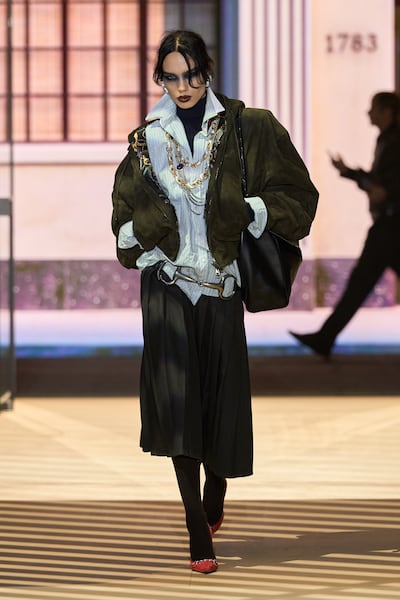
The key question now is how long it will take for the products to catch up with Demna’s image breakthrough. I’ve been down bad for the new Gucci since February, but there wasn’t anything I really wanted to buy. I’ve felt like the designs are lacking some of the trademark finesse that allows Gucci to push the envelope and get away with it. The ready-to-wear in Friday’s show felt like a big step in the right direction, but I was disappointed by the bags. For Gucci to offer a take on a hit shape like Chanel’s Maxi Flap makes sense to have somewhere in the collection, but it shouldn’t be the hero.
Earlier this month, The Business of Fashion published my case study, Chanel: The Designer Revamp That Worked. The headline was deliberately provocative — suggesting that Chanel had succeeded where others had not.
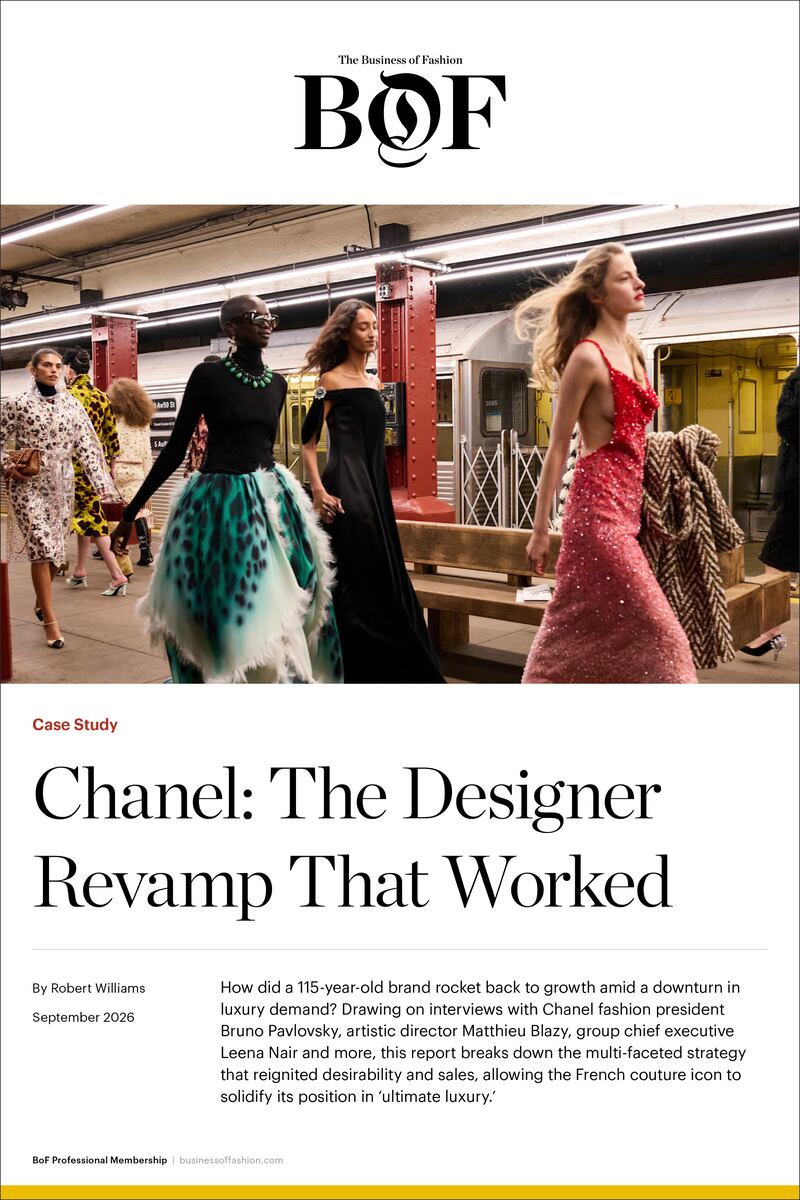
Chanel has certainly seen the swiftest, most tangible response to its designer revamp — both commercially and in terms of how the brand is perceived. Sales were reportedly up 16 percent in the first half. Matthieu Blazy seems to have landed on a reliable formula for an effective Chanel collection, and the company is backing him up to make sure that vision translates to campaigns, content, stores. It’s a case worth studying.
But Chanel isn’t the industry’s only success story: By and large, the parts of brands that creative directors can actually influence — design, branding, product — often feel sharper, more desirable and more aligned with what actually makes a brand unique than they did one year ago.
In Milan, Gucci’s show felt like a big step towards being able to claim victory in its designer revamp. The brand’s sales are still declining, but more slowly than expected: a 2 percent slide in the most recent quarter was their performance in three years. Demna’s runway refresh is also being backed up by more substantial changes to the brand’s business: retooling its supply chain, shuttering less desirable stores and reversing unjustified price hikes.
In Paris, where fashion week kicks off Monday night, we’ll see the latest from several brands that seem to be in a good way lately.
Some challenging succession stories are going better than expected: Following in the footsteps of Hedi Slimane at Celine (which shows Saturday) was no easy feat, but Michael Rider’s take on the brand seems to be resonating, particularly with discerning, mature shoppers who have money to spend. All while projecting an image that’s more inviting to young customers. The brand is putting less of a focus on making ultra-precise, crystalline fashion images than during its Hedi era, and is instead putting forward a more permeable, personal sense of style. It feels fresh.
At Loewe, following up Jonathan Anderson in the wake of his move to Dior was also sure to be a challenge. But creative directors Jack McCollough and Lazaro Hernandez have brought new energy to the brand with their saturated tropical palette and quirky, more wearable sensibility. A clear highlight has been the ultra-sensorial, even carnal campaigns they shoot with photographer Talia Chetrit and art directors Stefanie Barth and Carina Frey. Meanwhile, sales are getting a boost from the relaunch of the Amazona bag — a fundamentally useful object that is also a perfect canvas for showing off the intense colours and rich texture of Loewe’s signature leathers.
ADVERTISEMENT
There are exceptions, like Balenciaga, where the fusion of the brand’s youthful, casual message with Pierpaolo Piccioli’s more classic, romantic sensibility continues to feel a bit awkward. Succeeding Demna’s zeitgeist-grabbing decade at Balenciaga was always going to be tricky. A strategic brief from owner Kering that seemed to request everything and its opposite didn’t help: The group wanted to build on Demna’s sportswear-driven vision while also making it more elegant. They wanted to “connect with youth culture” while simultaneously becoming more upscale and couture. According to market sources, Piccioli could be out as soon as October.
But other projects that got off to an uncertain start appear to be turning a corner: Dior’s sales under Jonathan Anderson returned to growth last quarter, according to LVMH. Retail sources say Anderson’s women’s ready-to-wear and shoes have really taken off; more recently the bags are seeing traction, too.
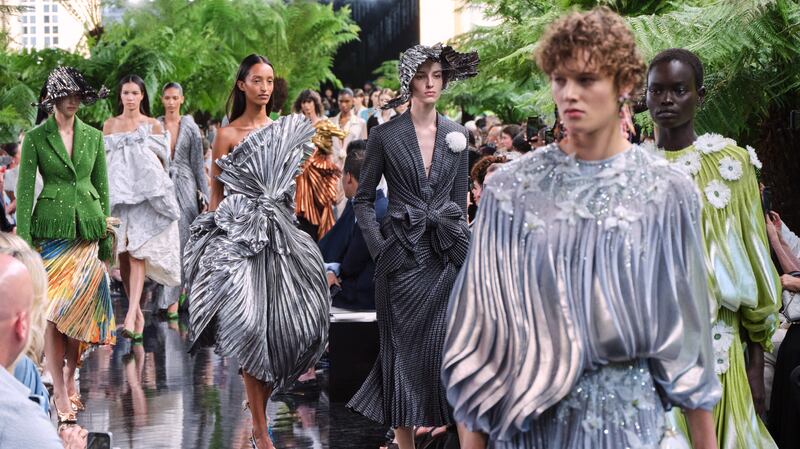
While Anderson’s runway shows for the brand aren’t totally out there, the silhouette is more conceptual, more challenging than most of what we’ve seen on the runway from commercial mega-brands in recent years (with the exception of Nicolas Ghesquière for Louis Vuitton, a bag house that isn’t really obligated to show saleable womenswear). It’s normal that it’s taking some time for Anderson’s vision to catch on, as well as for the company to digest the departures of Maria Grazia Chiuri and Kim Jones, both of whom had crystal-clear visions of who their Dior client was.
Tuesday’s show by Jonathan Anderson will be the latest test of Dior’s refresh — one that’s moving in the right direction, but with questions that remain unresolved.
Loading recommended reads…
Opening in Q4 2026 on Saadiyat Island — at the heart of Abu Dhabi’s cultural district — Saadiyat Grove brings together luxury retail, hospitality, residential living and culture in one of the emirate’s most ambitious new developments. BoF speaks to Jonathan Emery, chief executive officer of Aldar Development, about the strategic vision behind the project.
The designer leaned into the glamour and sex appeal of the storied Parisian fashion house. Sales nearly tripled during his tenure before sliding in recent years.
BoF’s editors pick the best shows from the Spring/Summer 2027 fashion season.
Brands may be racing to invest in new technology, but the biggest barrier to online sales is far more basic, finds BoF Insights and Amazon Fashion & Sports’ latest report ‘Inside Fashion & Sports E-Commerce.’