Agenda-setting intelligence, analysis and advice for the global fashion community.
Agenda-setting intelligence, analysis and advice for the global fashion community.

The global beauty market is forecast to reach $590 billion by 2030, growing at an annual rate of 5 percent, according to McKinsey and Co.’s “From Aisle to Algorithm” 2026 report. The growth reflects beauty’s expansion beyond traditional product categories, with the industry increasingly intersecting with health and wellness.
Indeed, 84 percent of US consumers said wellness is a top or important priority in their day-to-day lives in 2024, with that figure reaching 94 percent in China, according to The State of Fashion 2026.
Longevity and science-backed categories such as biotechnology, functional nutrient support, sleep, personal care and supplements are reshaping the beauty category to meet this new demand.
In the US, 44 percent of consumers define beauty as taking care of the mind and body and over 50 percent of consumers consider skincare products to be a key contributor to their wellness routines, akin to physical exercise, according to The Business of Fashion (BoF) and McKinsey’s The State of Fashion: Beauty 2025 report.
Against this backdrop, the expectations of today’s beauty talent are more nuanced, with top performers bringing both scientific curiosity and commercial acumen. This comes as consumers look beyond surface-level results and seek products and routines that support physical appearance, mental wellbeing and overall health.
This broader definition of beauty is also changing what businesses look for in the people shaping the industry, with many companies rethinking how they identify and develop the talent needed to navigate it.
Unilever is one such employer. One of the world’s largest consumer goods companies, it operates across a diverse portfolio spanning beauty and wellbeing, personal care, home care and foods, with a presence in over 190 countries. Today, the group employs over 96,000 people worldwide, and an estimated 3.7 billion people use Unilever products daily.
Its portfolio comprises over 100 brands — including Dove, Vaseline, Tresemmé, Hourglass, K18, Liquid IV, Nutrafol and more — and the business turned over €50.5 billion (~$55 billion) in 2025.
As the company sharpens its strategic focus on higher-growth segments such as beauty and wellness under CEO Fernando Fernández, Anuradha Razdan, chief human resources officer of Unilever’s Beauty and Wellbeing business, is evolving her approach to talent at the same time. The group is now prioritising culturally attuned beauty candidates who operate at the intersection of science and creativity.
Now, BoF sits down with Razdan to discuss how Unilever Beauty and Wellbeing’s global talent team is attracting interdisciplinary talent while fostering new ways of working designed to shape the future of the beauty industry.
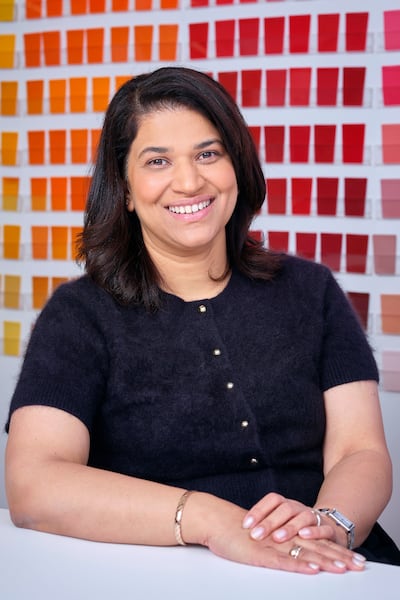
The biggest shift I’ve seen is that beauty has moved from a category to an ecosystem. Boundaries have expanded, and today, beauty sits at the intersection of culture, technology, wellness, health and community. The entire perimeter of operations and competition with adjacent sectors, such as consumer technology, is increasing.
Structural changes over the past few years include how consumers discover and interact with brands — along with the collapse of traditional paths to purchase. Social-first discovery is increasingly important, and the role that creators and communities play in shaping brand growth is now evident.
When it comes to talent, candidates are making considered choices. They are not just considering one beauty company over another. They are moving between adjacent sectors — whether that’s consumer tech or companies that operate at the intersection of health, science and beauty. At Unilever Beauty and Wellbeing, we are seeking people who can balance cultural fluency with commercial acumen and who combine tech curiosity with human judgement.
First, people who are deeply enthusiastic and passionate about the industry. We know the beauty environment is evolving so quickly that expertise alone is no longer enough — which is why curiosity is increasingly important.
We also seek people willing to push themselves, challenge assumptions, ask better questions and obsess over serving and creating value for consumers.
Cultural fluency is integral to understanding consumer communities, conversations, behaviours and trends. We want people who can spot what’s emerging firsthand. We know that people who keep their fingers on the pulse often become leaders in the company.
We want people who can work across disciplines rather than in silos because, today, some of the most exciting opportunities in beauty sit at the intersection of different functions. We need people who can work in an interdisciplinary and collaborative way — and who see the full picture. That’s why commercial acumen is as important as brand expertise.
The most powerful development tool is the wide-ranging portfolio of brands our employees can access. We have billion-dollar-plus brands like Vaseline, Dove and Sunsilk and smaller disruptor brands like Tatcha, Olly and K18. Our ability to move people within Beauty and Wellbeing from globally recognised beauty brands to founder-built challenger brands provides a depth and breadth of opportunities that very few companies can offer.
Today, some of the most exciting opportunities in beauty sit at the intersection of different functions.
— Anuradha Razdan
It is not uncommon to see leaders begin in an operational or technical role, move into brand-building, then commercial leadership and eventually lead businesses in different markets. Equally, many of our leaders have developed through assignments across countries, categories and cultures, gaining perspectives that no classroom or programme could replicate.
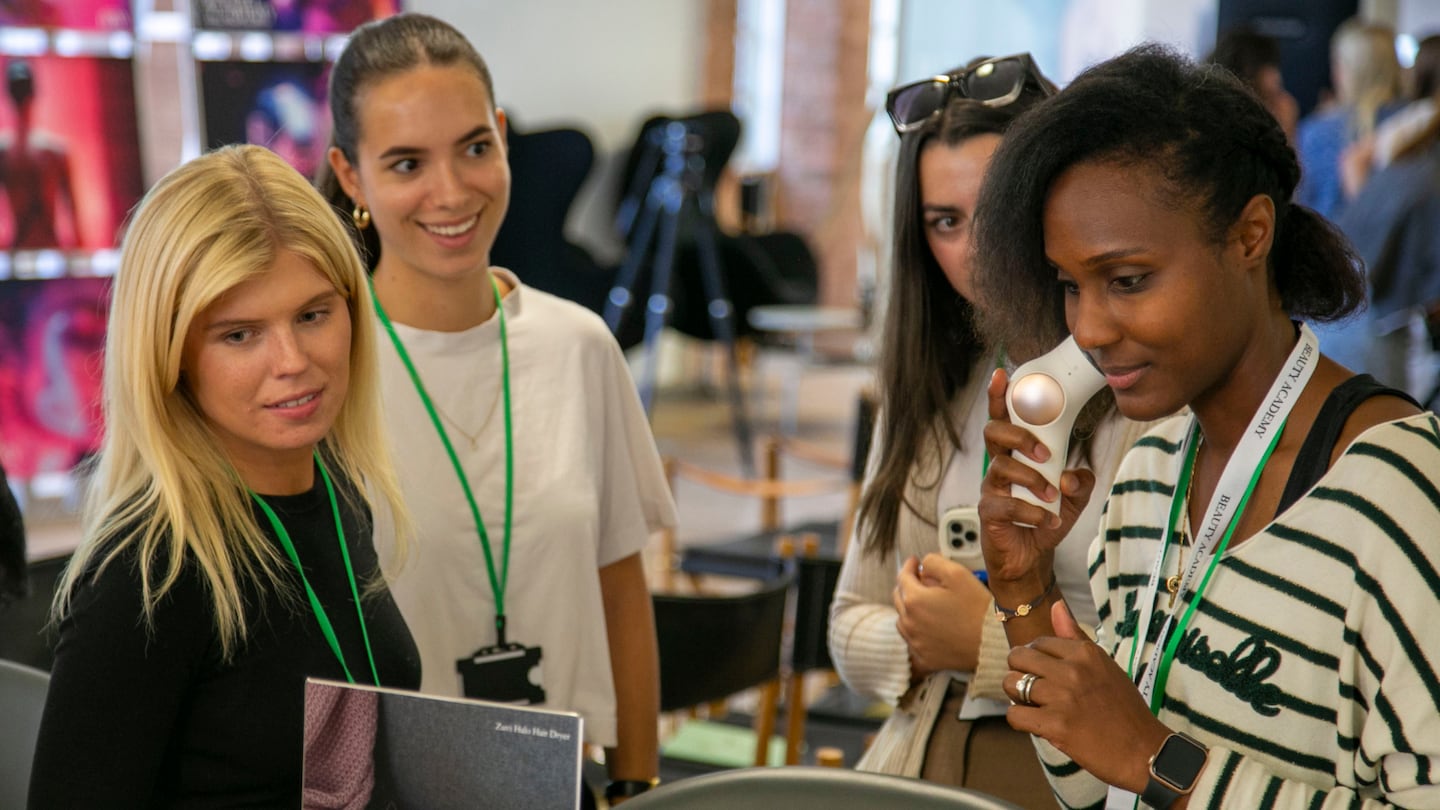
We have invested deeply in building beauty capabilities through Unilever’s Beauty Academy, where we provide inspiring masterclasses, decode beauty and bring in pioneers from across the industry to embed real-time beauty learnings into our culture.
Irrespective of function, you can immerse yourself in understanding the science of skin, what it takes to win in digital channels and how to connect brands deeply with the communities they serve. These skills matter whether you’re in marketing, finance, HR or supply chain. Everybody needs to understand the beauty business end to end.
Collaboration is built into our operating model. We organise teams around shared growth outcomes rather than functional boundaries, with consumer communities actively involved in the process. When we get this right, it delivers the strongest results.
For example, our “Vaseline Verified” campaign asked our Vaseline community to share unconventional ways they use the jelly, and our scientists tested and “verified” the hacks that actually worked. This campaign was very successful — winning the Grand Prix in the Health and Wellness category at Cannes Lions 2025.
Our scientists, marketers and commercial teams worked hand in hand to bring Vaseline Verified to life. Our marketers gave up control to let their community craft the story, while our R&D teams had to respond to community insights at lightning speed. Then, our commercial teams made this community content shoppable.
Our research shows that organic Vaseline hack posts have risen 24 percent this year, signalling a long-term shift as more users contribute ideas to the brand’s R&D.
We start identifying and developing leaders early. In many markets, we have a future leaders programme that brings new graduates into the company. They go through a training period before moving into a role, then rotate across different functions and teams. Along the way, coaches and mentors support their development.
Cultural fluency is integral to understanding consumer communities, conversations, behaviours and trends.
— Anuradha Razdan
From there, experience drives development. We encourage people to move across roles, teams, functions and geographies within Beauty and Wellbeing throughout their careers, giving them the opportunity to build perspectives and develop new capabilities. While people are empowered to shape their own careers through open opportunities, Unilever also takes a deliberate, systematic approach to talent development.
Just as importantly, Unilever also has a strong culture of leaders developing the next generation. Our senior leaders actively invest in high-potential talent, creating growth opportunities and exposing them to complex challenges. Early-career employees often present to senior and even executive leaders, building confidence, visibility and leadership skills long before they take on formal people-management responsibilities.
Beauty is one of the most dynamic, consumer-connected and engaging industries to work in — and the sphere of influence is becoming wider and wider. I often hear talent say, “Once in beauty, always in beauty” because the industry gives you the opportunity to touch so many different areas of business — regardless of your role. Where else can a biotech scientist, a creator with a community of millions, a data expert and a brand builder all come together to work on the same problem?
For talent, that means there is always an opportunity to learn and grow. The future isn’t about predicting what’s next but about having the judgment to make decisions, the curiosity to keep learning and the closeness to consumers that helps you understand what really matters.
And I think for me, that is the most exciting part of beauty. You feel that pride of being at the forefront of change and learning something new while you’re contributing.
This is a sponsored feature paid for by Unilever as part of a BoF partnership.
Loading recommended reads…
In this week’s High Margin, a search for images that cut through our visual fatigue — with leads from M/M Paris, Ferdinando Verderi and stylist Emilie Kareh. Plus: Tod’s designer exit; Burberry’s resilient sales.
The producer price index rose 6.5% from October 2025, an acceleration from the prior month, according to Bureau of Labor Statistics data out Friday. On a monthly basis, the PPI increased 0.3%.
The creative director and strategist joins Imran Amed on The BoF Podcast to discuss the evolution of his career, the realities of shaping artist narratives and why long-term collaboration outperforms short-term marketing.
The former Nvidia CEO was central to an AI boom that has propelled the US stock market and fueled the country’s unmatched luxury spending. After his exit, nobody is sure what happens next.