Agenda-setting intelligence, analysis and advice for the global fashion community.
Agenda-setting intelligence, analysis and advice for the global fashion community.

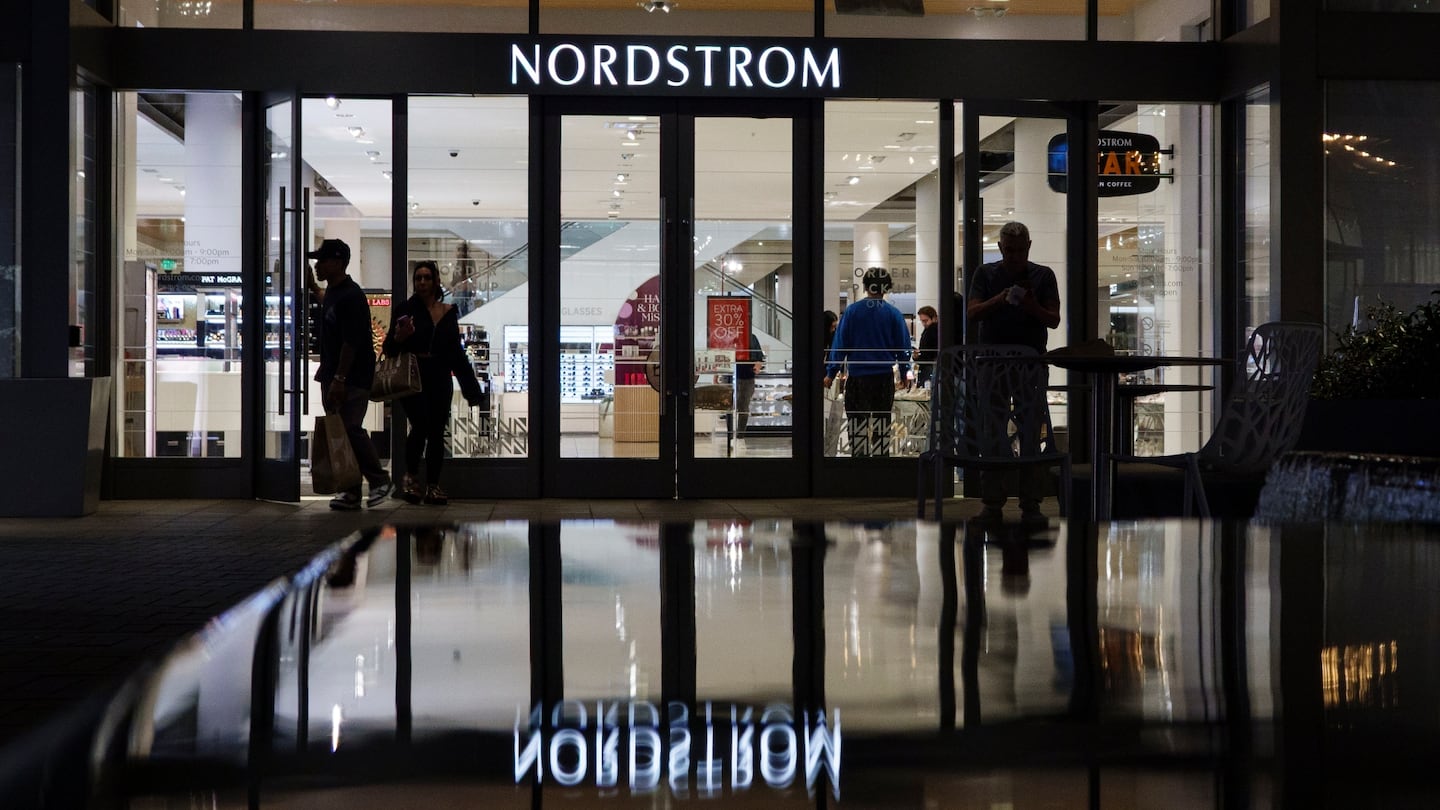
When Pete Nordstrom ran into the famed luxury stylist Catherine Bloom a few years ago, she was generating hundreds of millions in sales for Neiman Marcus. Ever the salesman himself, Nordstrom made his move to recruit her over to the Seattle-based retailer.
“She goes, ‘Nah, I’m really pretty happy here,’” the company’s co-chief executive recalled.
Then, in early 2025, as Saks Global, fresh off its $2.7 billion Neiman Marcus acquisition, battled mounting debt, unpaid vendors and inventory woes, Bloom’s ability to serve her clients began to suffer, Nordstrom said, giving him his opening. Today, Bloom, who joined Nordstrom in February 2025, not only has a new title — director of luxury styling — but also her own storefront. The company converted a former Nordstrom Local space on Melrose Place in Los Angeles into an appointment-only boutique where she hosts her clients.
The competition for luxury’s top salespeople — often referred to stylists or selling advisors — has always been fierce. But a confluence of factors — from the Saks Global upheaval to the growing importance of human connection and personalised service amid the rise of AI and luxury price hikes — is raising the stakes. Meanwhile, a challenging macroeconomic environment where aspirational luxury shoppers are pulling back and retailers are increasingly reliant on their wealthiest customers is making it even more important to have salespeople who can cultivate relationships with big spenders and get increasingly selective customers to open their wallets.
ADVERTISEMENT
Nordstrom, for his part, said the company hasn’t overhauled its recruitment strategy and is careful not to be “reactive” in its efforts to attract talent even in a competitive labour market. But he said they’ve zeroed in on at least one major selling point for the gig: “There’s no cap on our commissions,” he said.
The retailer’s rates range from 3 percent to 14.5 percent depending on the merchandise.
“We have [stylists] that make hundreds and hundreds of thousands of dollars … and they should,” he said.
Luxury’s most productive salespeople — Saks Fifth Avenue’s Tyler Bell and Neiman Marcus’ Chase Cavin are among the other prominent examples — can generate millions of dollars in annual sales and often cultivate a loyal network of clients who follow them from one employer to the next. For retailers, identifying, attracting and keeping them is both art and science. Companies have to figure out how to spot exceptional talent, offer the right incentives to lure them away from competitors and give them the freedom and backing to run what are essentially their own businesses within the wider company.
At Bloomingdale’s, which has lately been a growth engine for parent Macy’s Inc. amid its broader turnaround efforts, chief executive Olivier Bron said giving top salespeople and personal stylists the tools to operate like entrepreneurs has been crucial to its success.
“These people actually are business people,” said Olivier Bron, the chief executive of Bloomingdale’s, in an October episode of The BoF Podcast. “When you’re running ... a $10 million business, you’re running an [enterprise]. You need tools, systems, you can’t lose time.”
Below, BoF explores what it takes to find, recruit and keep luxury retail’s biggest rainmakers.
The best salespeople tend to have a few things in common: charisma, emotional intelligence, a knack for problem-solving and an entrepreneurial streak, according to Caroline Pill, a partner at executive search firm Heidrick & Struggles specialising in the luxury sector.
ADVERTISEMENT
In other words, personality counts for a lot. But there’s another asset that can make a top seller worth their weight in gold: the client book.
“The hard skills are their network and experience, everything else is soft skills,” Pill said.
At Nordstrom, top sales talent tends to come from two places: “homegrown” associates who work their way up from the sales floor, and established stylists recruited from competitors, the department store’s co-CEO said. The former develop their skills and client relationships over time and under one roof; the latter (like Bloom) arrive with years of experience and a loyal following of their own.
However, not all client books are created equal: Depending on a retailer’s needs, salespeople who bring “a client that the store doesn’t feel like they’ve captured already,” can add a separate layer of value, said Lisa Yae, managing partner of retail and luxury goods for Creative Artists Agency executive search. For instance, if a retailer is struggling to connect with Gen Z shoppers, a salesperson with a strong following among younger clients may be a hotter commodity than someone who simply rings up big sales.
“There’s always going to be like a book of business,” Yae said. “[But] ... who are your clients?”
Saks, for instance, distinguishes between “stylists,” who dress clients from head to toe, and “sellers,” who specialise in particular merchandise categories. Both can rise through the retailer’s top-seller programme, which starts at $1 million in annual sales and goes all the way up to “Master Stylist” or “Master Seller” status for those generating over $7 million a year.
How a salesperson sells can also set them apart and make them more (or less) valuable.
“Not every stylist is for every customer,” Nordstrom said. “We have sellers that have their own way of doing things that resonates beautifully with some [clients] and maybe not with others.”
ADVERTISEMENT
The most coveted salespeople can also drive business by influencing a retailer’s merchandising strategy, passing along intel from their customers about which brands, silhouettes and colours are resonating — and what’s missing. They can help shape the culture on the sales floor, too, mentoring other stylists without encouraging cutthroat competition, Yae said.
“They’re going to help develop people and create that next generation Catherine Bloom,” she said. “And they don’t just have their own agenda … but can mirror what the brand stands for.”
The most sought-after luxury salespeople expect to make well into six figures a year, insiders say. But a comfortable base salary matters just as much as the big commissions, said Yae and Pill.
“Self motivation combined with a healthy safety umbrella is the best model,” Pill said. “At the end of the day, if you’re in sales, it means you like money, right? It doesn’t take a genius to know that.”
A reliable base can also take the pressure off individual transactions, helping curb aggressive selling, internal rivalries and the tendency to size up customers based on how much they appear likely to spend, Pill said.
At Bloomingdale’s, Bron sees another selling point for attracting top talent: the store itself. As part of its recent turnaround, the retailer upgraded its brand assortment and shopping environment, adding more lounges and dedicated spaces for personal shoppers to host clients — giving them more to work with, and more reasons to stay, he said.
The investment, he noted, also extends behind the scenes, with technology upgrades and more sophisticated systems to help top sellers manage what can amount to multimillion-dollar businesses within the larger department store. Some personal shoppers have also been given dedicated assistants to help manage their growing operations.
“We tend to be creative to make sure they have the best conditions to do their business,” Bron said.
Differentiating the in-store experience is key to reigniting demand for in-person shopping, according to the BoF-McKinsey State of Fashion 2025. Brands can achieve that by empowering their store associates to reach their full potential.
As high-end brands increasingly venture outside the tony streets of cities like Los Angeles and New York, their recruiting tactics, too, are taking a new direction.
Kelly Clarkson’s viral feud with an independent Brooklyn toy store has ignited debate over poor customer service, which experts say can be remedied with investment in training and employee motivation.
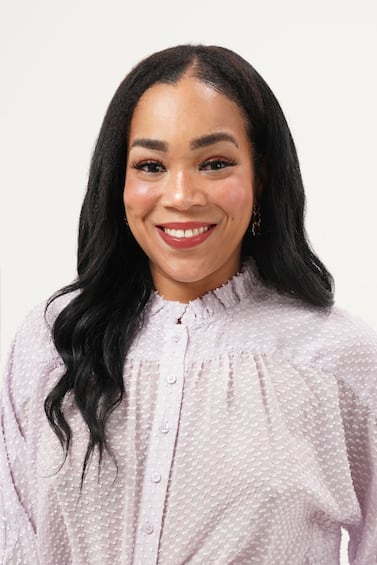
Sheena Butler-Young is Senior Correspondent at The Business of Fashion. She is based in New York and covers workplace, talent and issues surrounding diversity and inclusion.
Loading recommended reads…
In this week’s High Margin, a search for images that cut through our visual fatigue — with leads from M/M Paris, Ferdinando Verderi and stylist Emilie Kareh. Plus: Tod’s designer exit; Burberry’s resilient sales.
The producer price index rose 6.5% from October 2025, an acceleration from the prior month, according to Bureau of Labor Statistics data out Friday. On a monthly basis, the PPI increased 0.3%.
The creative director and strategist joins Imran Amed on The BoF Podcast to discuss the evolution of his career, the realities of shaping artist narratives and why long-term collaboration outperforms short-term marketing.
The former Nvidia CEO was central to an AI boom that has propelled the US stock market and fueled the country’s unmatched luxury spending. After his exit, nobody is sure what happens next.