Agenda-setting intelligence, analysis and advice for the global fashion community.
Agenda-setting intelligence, analysis and advice for the global fashion community.


For years, Reformation made sustainability central to its brand image, with messaging like the slogan, “Being naked is the #1 most sustainable option. We’re #2.”
The company was among a pioneering set of fashion brands that built identities around climate impact and ethical sourcing, treating them as both a mission and marketing strategy.
Recently, it has started to shift how it talks about its products, putting more emphasis on natural fibres, material transparency and product longevity, even as circularity and sustainable operations remain the company’s long-term anchor.
“We’re seeing more consumer interest in healthier dressing, and that aligns with what we’ve been building toward for the past decade,” said Kathleen Talbot, Reformation’s chief sustainability officer.
ADVERTISEMENT
Over the past few years, as sustainability’s shine as a central proposition has fizzled out, shoppers have been less moved by hearing about a brand’s carbon emissions or recycling efforts. What they are showing interest in, however, is how a garment could affect their health. They’re scrutinising material composition, checking labels for polyester content, worrying about microplastics and prioritising natural materials.
The shift at Reformation reflects a broader recalibration taking place across fashion and beauty, where brands once defined by sustainability continue to do the work in the background but are reframing their messaging around wellness, health and personal benefit. According to the BoF-McKinsey State of Fashion 2026 report, 84 percent of US consumers now consider wellness a top or important priority in their day-to-day lives, while 51 percent said they would spend the same or more on health and wellness even if discretionary income decreased.
Sustainable brands are rethinking how they communicate value in this context, foregrounding attributes consumers can immediately understand, like breathability, softness or products free of chemicals. Others without such clear connections to wellness are making appeals to value — another priority for shoppers today — by focusing on durability, reparability and longevity.
“People care more about what’s touching their skin than about circularity or emissions, because those things feel distant, and it’s clear brands are being nudged in that direction,” said Ray Hopkinson, founder of communications consultancy Swayed Studio PR, which works on social impact-driven businesses.
Wellness and sustainability don’t always align perfectly. Natural fabrics are not necessarily the most sustainable in terms of their emissions footprint unless grown regeneratively, which for materials like silk is still difficult. But the overlap is great enough that brands are using it to their advantage where they can.
“Sustainability stopped being a marketing advantage,” Hopkinson said. “Now brands are having to find different ways to make it meaningful again.”
At Ilia Beauty, founder Sasha Plavsic has seen this transition into wellness unfold in real time. When the brand launched in 2011, “clean beauty” was still an undefined category. Today, the conversation has matured.
“There’s more focus on how products fit into daily routines: how they feel, how they perform and how they support overall wellbeing,” she said. “That’s where we focus today, on product experience and the role it plays in everyday life.”
ADVERTISEMENT
Rather than leading with sustainability as a headline, Ilia frames its proposition around performance and responsibility, marketing “clean” as something that directly impacts skin health and daily use. That includes ingredient choices, packaging innovations and partnerships with groups like non-profit Pact Collective to improve recycling.
Fashion is beginning to follow a similar trajectory. UK-based label Rise & Fall positions itself as offering “materially better” products, prioritising quality and value, with “sustainability as a secondary, implied benefit” said co-founder Will Coulton.
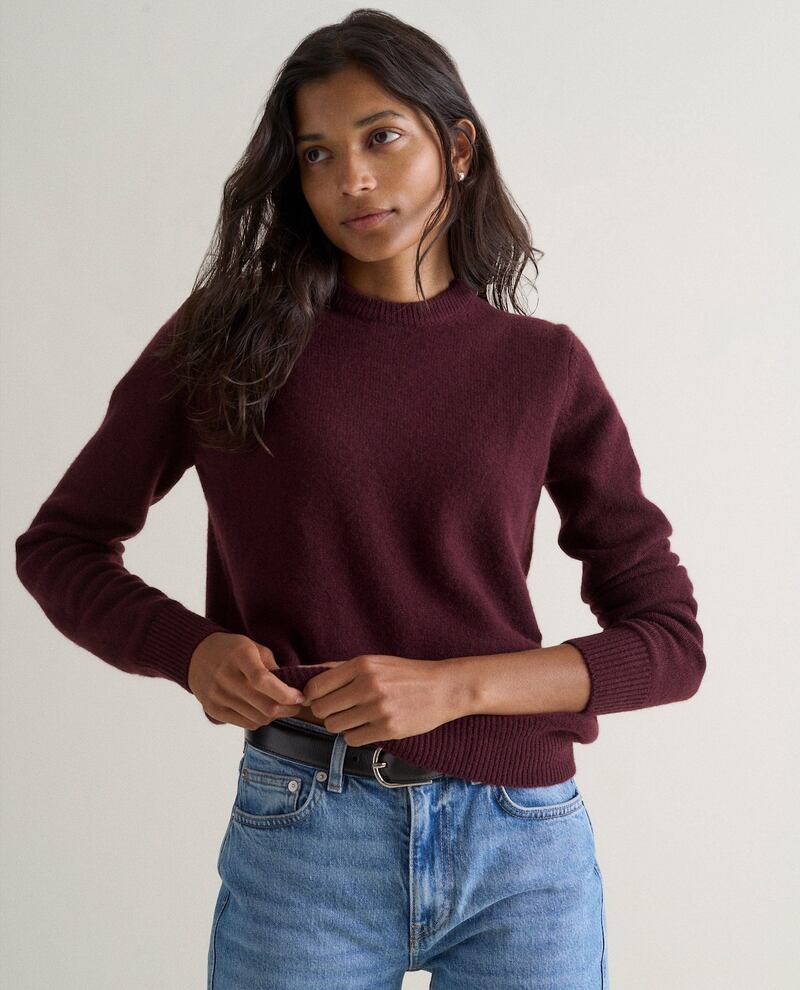
The brand has leaned into comparison-based messaging and social media ad campaigns that highlight the difference between plastic-heavy garments and natural-fibre alternatives without explicitly moralising. Its growth over the past five years, according to Coulton, has been driven by this emphasis on organic and long-lasting materials, alongside affordability.
“Our customers come to us for quality first, value second,” he said . “Sustainability is inferred through that, buying better, buying less and choosing products that last.
At Reformation, Talbot said the brand has seen an uptick in consumer questions around material make up. However, getting the messaging right in response has been challenging as consumers increasingly associate natural fibres with “healthier” dressing, even though sustainability realities are more complex. As of 2025, 98 percent of Reformation’s material mix is from natural or recycled fibre. But natural materials can carry heavy environmental footprints including virgin cotton and cashmere –which are now largely recycled or regeneratively grown at Reformation – as well as silk, which has been more difficult to replace with alternatives that weren’t made of polyester. On top of that, synthetic fabrics still make up a small percentage of the brand’s materials via dead stock fabrics and circular designs.
“We’re committed to ensuring we’re responsive to our customers, while continuing to do the real ground work,” she said. “But there’s still a lot to perfect and explore in that regard.”
Emphasising wellness is not a proposition that makes sense for every brand, however. For companies whose sustainability claims are built on their use of recycled materials, circularity or waste reduction, the shift is more complicated.
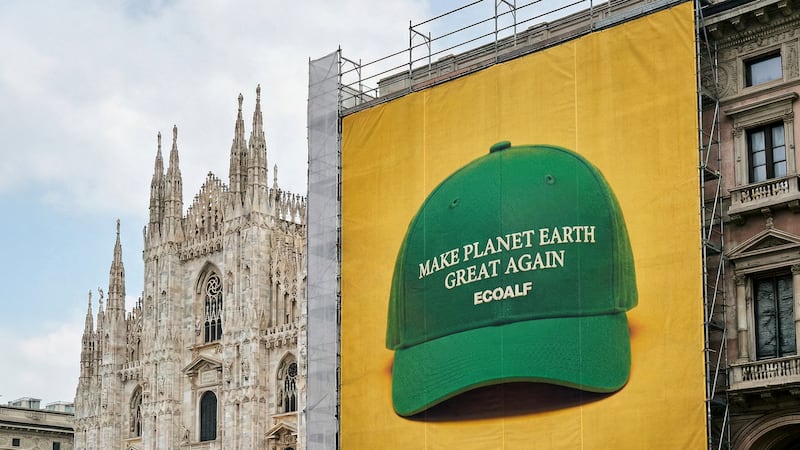
At Spanish brand Ecoalf, known for its recycled and regenerative outerwear products, founder and president Javier Goyeneche said the company has leaned into messaging that is culturally resonant.In honour of Earth Day last month, the brand introduced its “Make Planet Earth Great Again” campaign, featuring the phrase on bright green ballcaps — a tongue-in-cheek parody of US president Donald Trump’s slogan and red caps — with an unmissable billboard in central Madrid, the canvas of which has since been transformed into one-of-a-kind bags as well. Ultimately, the campaign sought to connect with consumers on an emotional level and reframe sustainability through optimism and urgency, rather than technical details.
ADVERTISEMENT
Everlane is also wrestling with how to communicate its sustainability efforts and “clean luxury” value proposition to customers. This year the company is rolling out its annual impact report in four phases starting on Earth Day and leading up to Climate Week in September, breaking down emissions reductions, material shifts, targets and supply chain information into digestible segments for shoppers across marketing channels, social media and its product pages.
“The work doesn’t matter if the consumer doesn’t understand it,” said chief executive Alfred Chang. “We have to change how we tell the story so it connects.”
The company is also translating sustainability into product-level narratives, promoting its denim repair pilots and lifetime guarantees on outerwear, designed not just to extend product life but to demonstrate value.
Others are even trying to avoid the usual language of sustainability. E.L.V. Denim, known for its upcycled pieces, is moving away from industry terms like “recycling” and “upcycling,” which can feel overused or overly technical to consumers. Instead, the company is experimenting with its own terminology, such as “ELV-ing” or “revivicycling,” to describe its process of transforming discarded garments into new pieces.
“Circularity, which is the buzz term in the industry, doesn’t necessarily connect to consumers,” said founder and creative director Anna Foster. “People understand quality. They understand how something feels, how it lasts.”
The consumer base for activewear made of natural materials like cotton and wool is growing, as more people on the political right join progressives in worrying about the health effects of polyester and other synthetics.
Fashion brands are opening wellbeing-adjacent 'third spaces' and seeking other opportunities to integrate wellness as shoppers devote more spending to their health, according to the BoF-McKinsey State of Fashion 2026.
In a challenging market, a generation of brands that helped pioneer 'sustainable fashion' are shifting their sales pitch, letting design, not values, do the talking.

Shayeza Walid is Senior Editorial Associate covering Sustainability at The Business of Fashion. She reports on fashion's environmental impact, climate accountability, supply chain and labour issues. Based in London, she also contributes to BoF's Global Markets and UK coverage.
Loading recommended reads…
Workers staged fresh demonstrations in Dhaka Thursday, forcing factories to suspend operations despite government promises to raise wages before the end of the year.
The cult menswear designer and former Demna collaborator is returning to Balenciaga as owner Kering seeks to revive sales at the French house.
Just a few years ago, commentators were declaring the brand as past its peak amid multiple ownership changes and a broader streetwear cooldown. Today, consumer tracking metrics shows domestic sales and youth market share is rebounding strongly.
Dior claimed its winter campaign, ‘Christian Dior’s Night in Colour,’ was fully hand-illustrated. But online commenters have questioned whether the campaign used AI in its development.