Agenda-setting intelligence, analysis and advice for the global fashion community.
Agenda-setting intelligence, analysis and advice for the global fashion community.

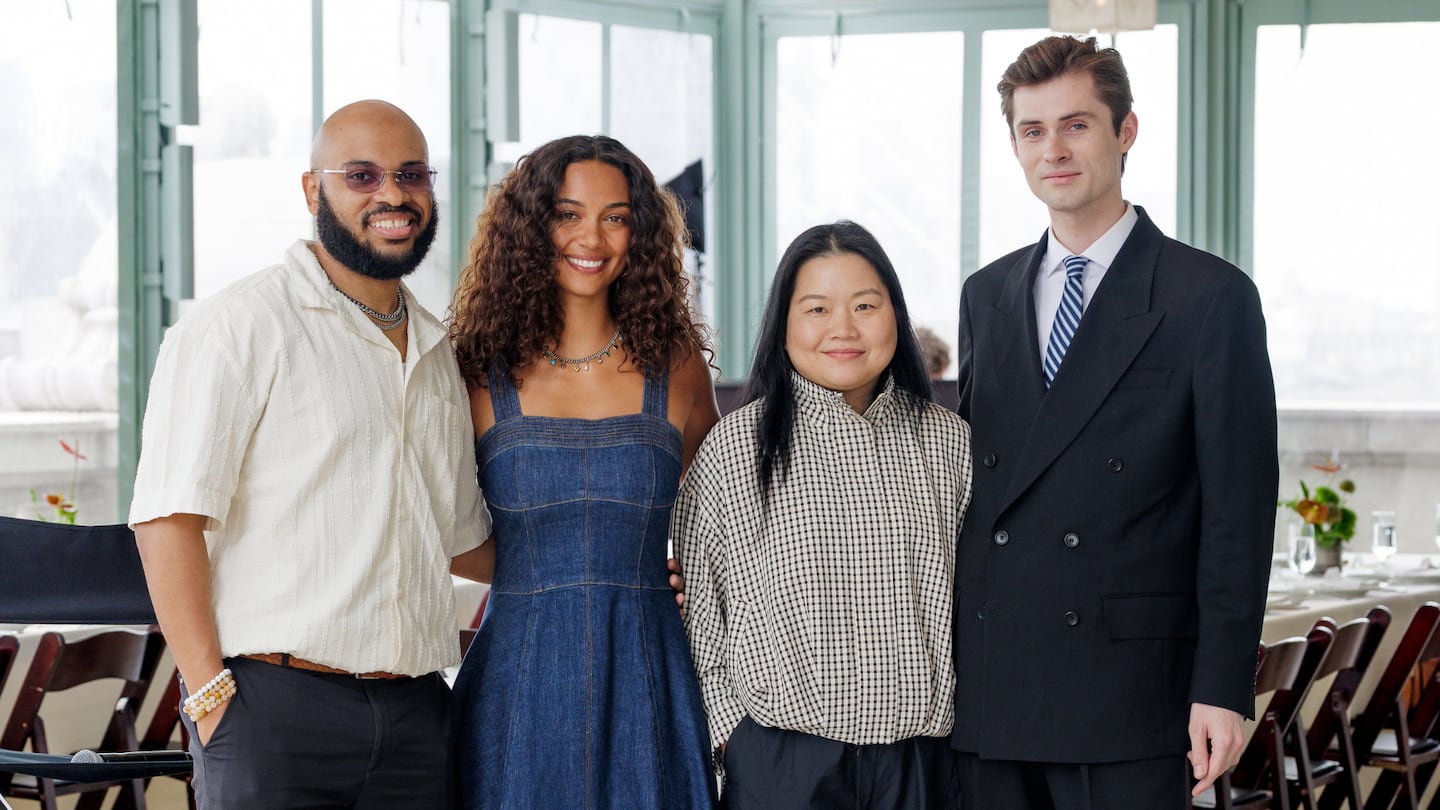

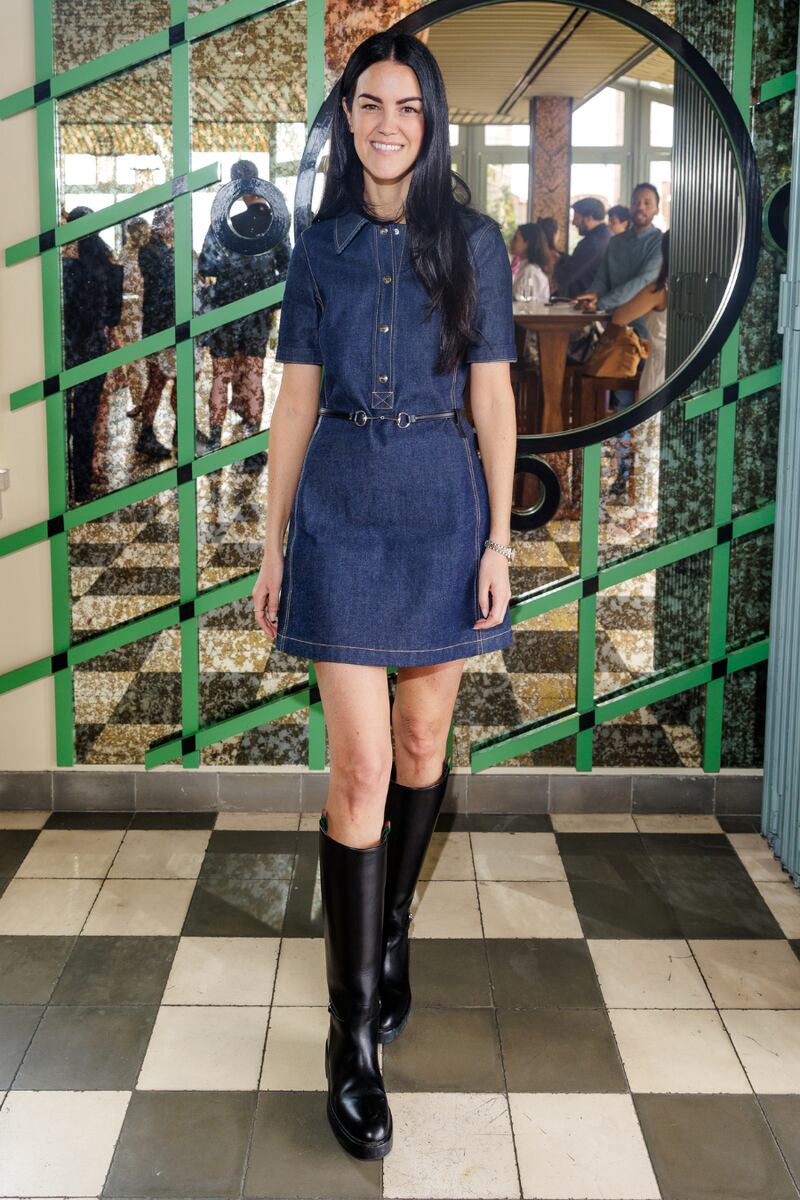
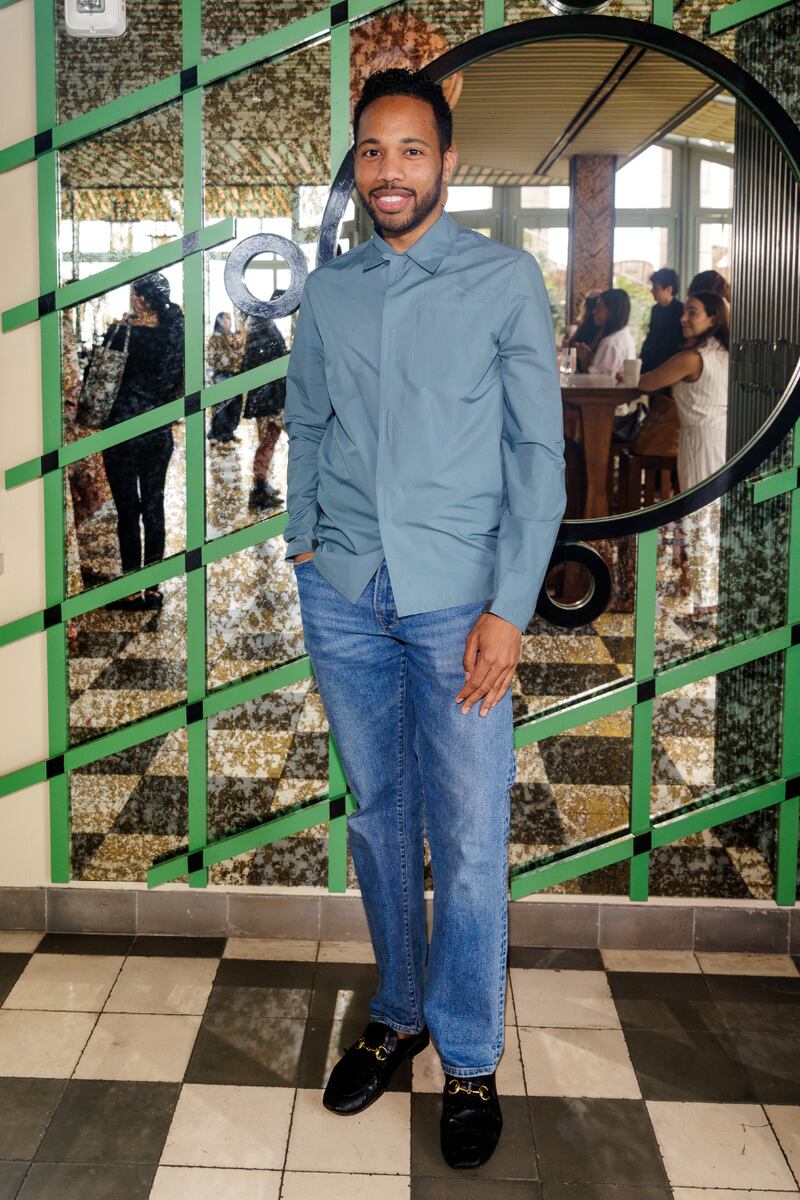
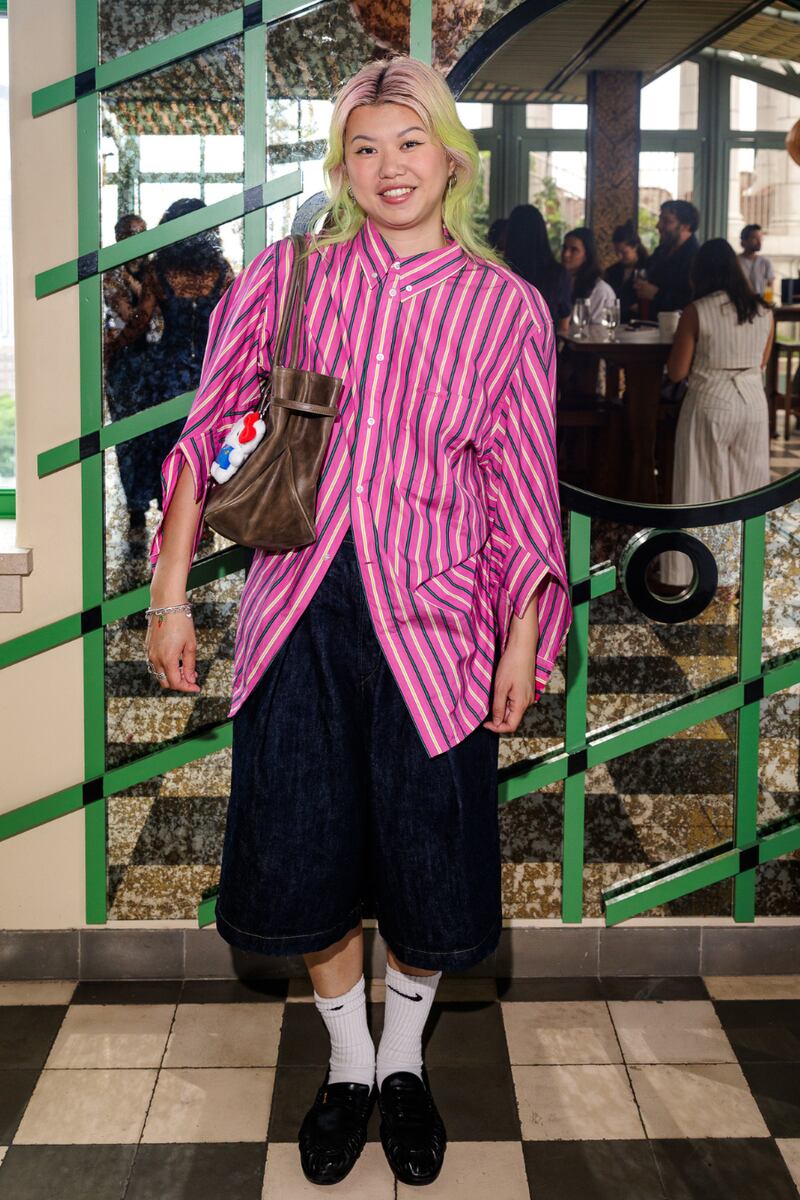
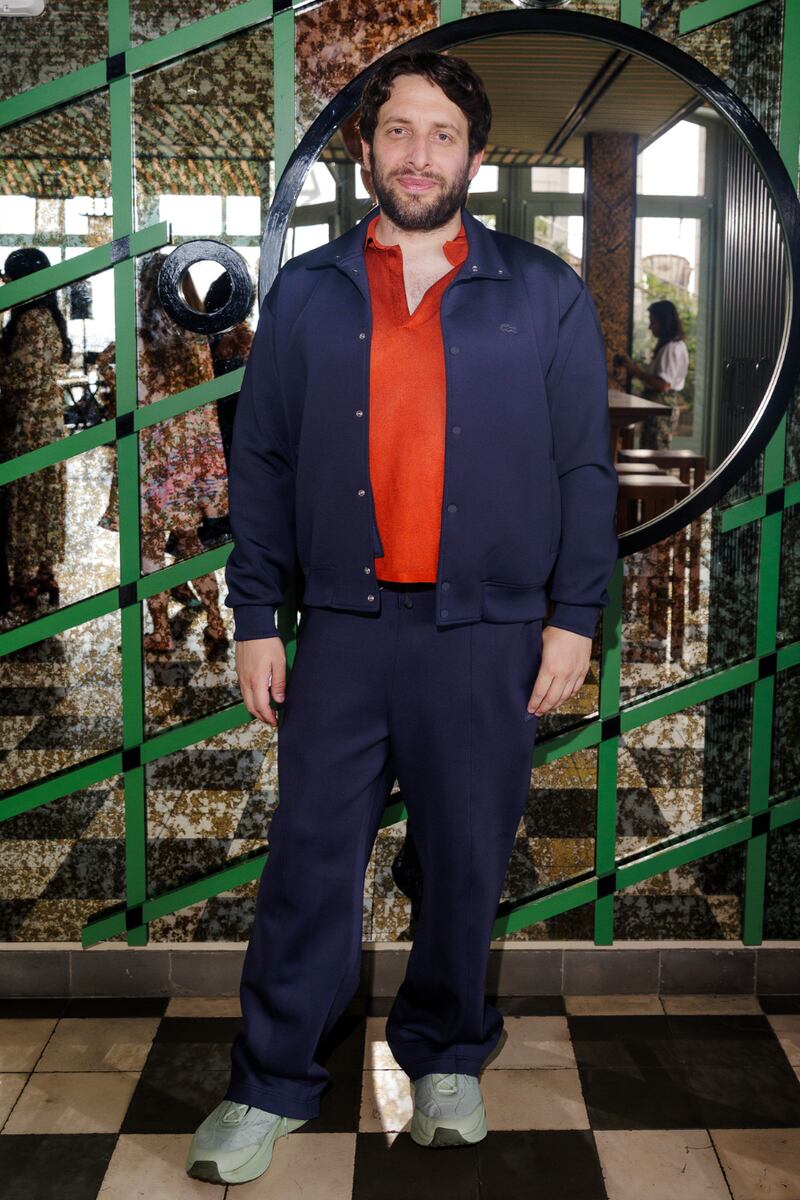
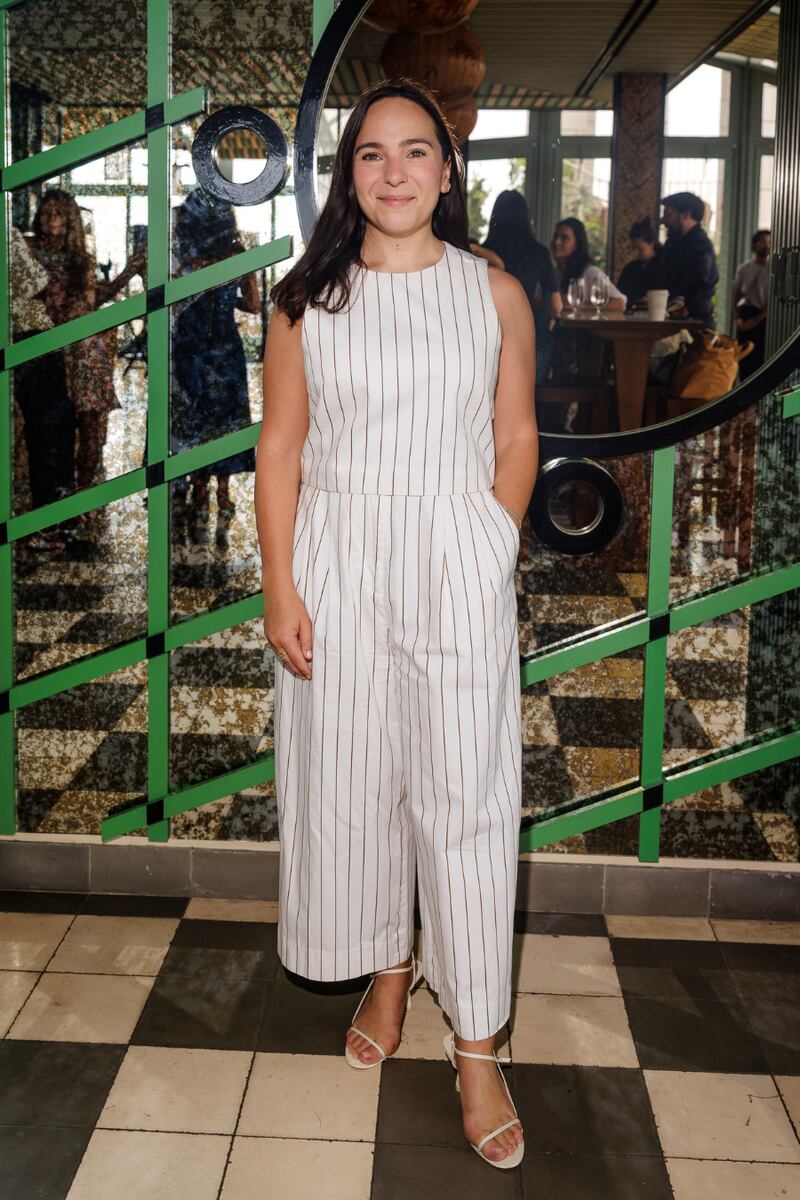
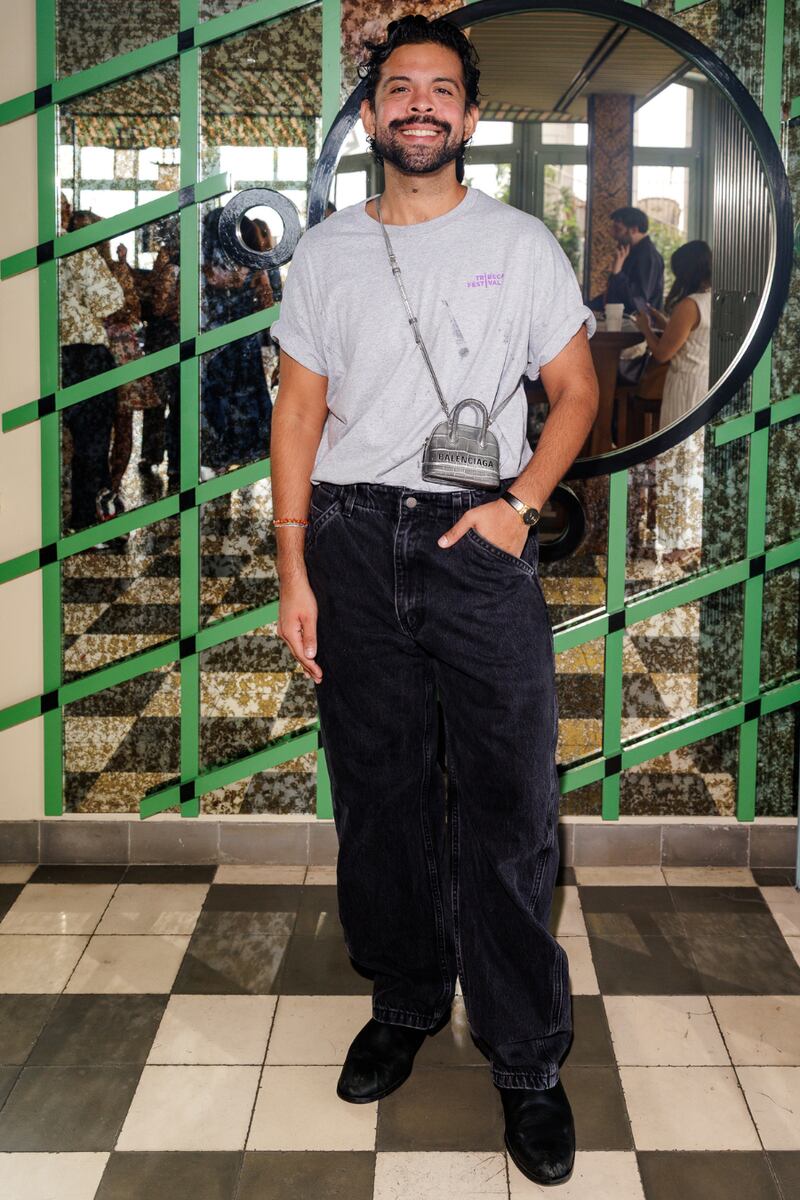
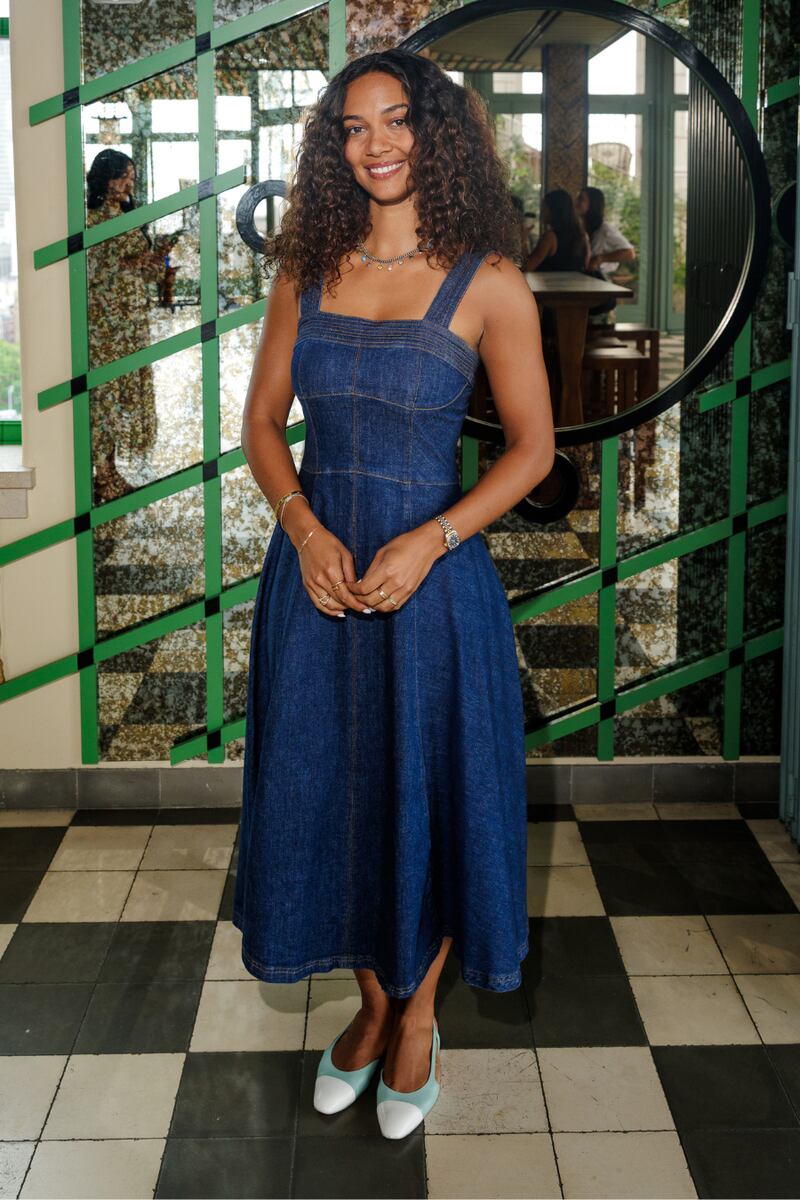
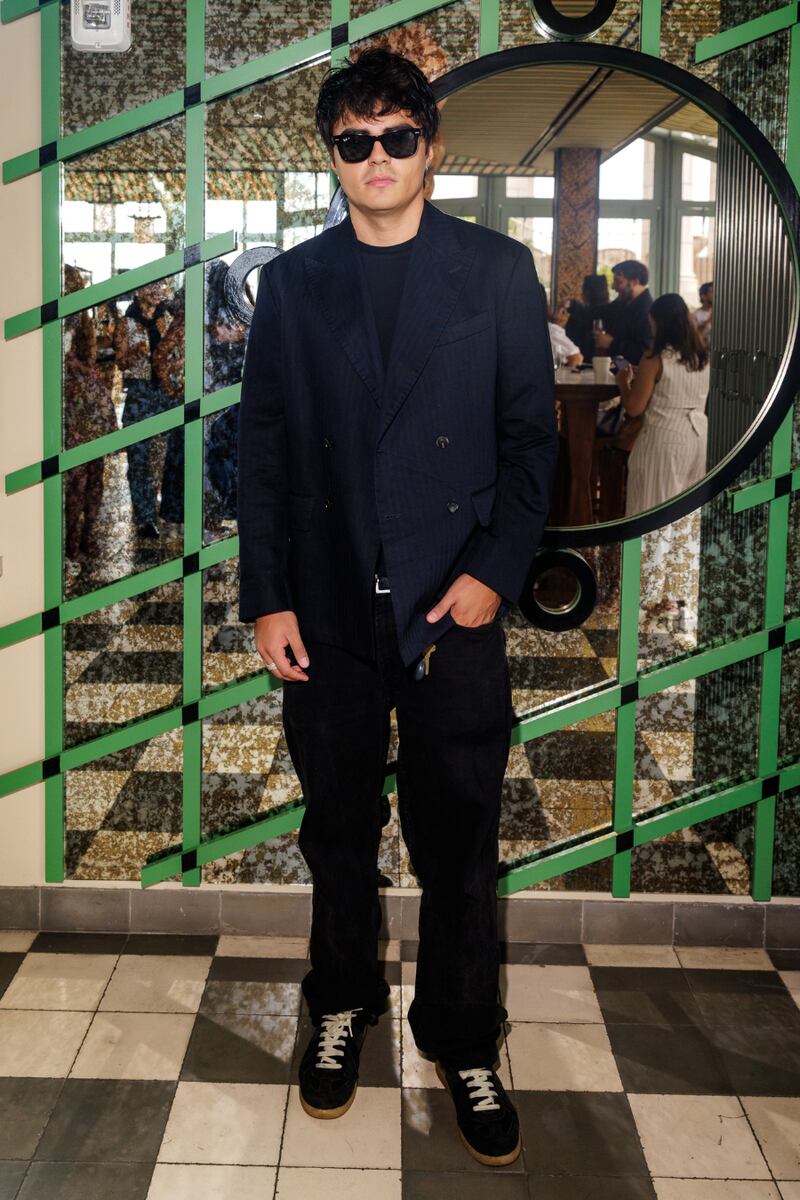
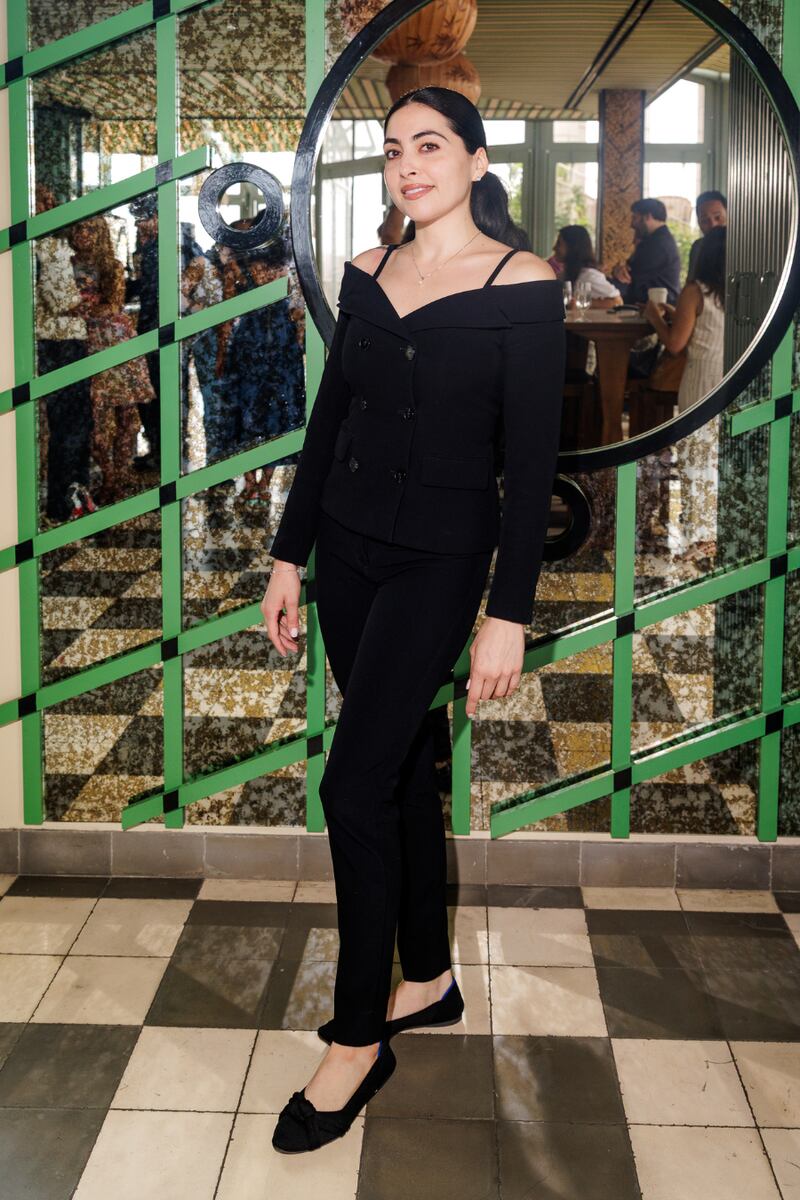
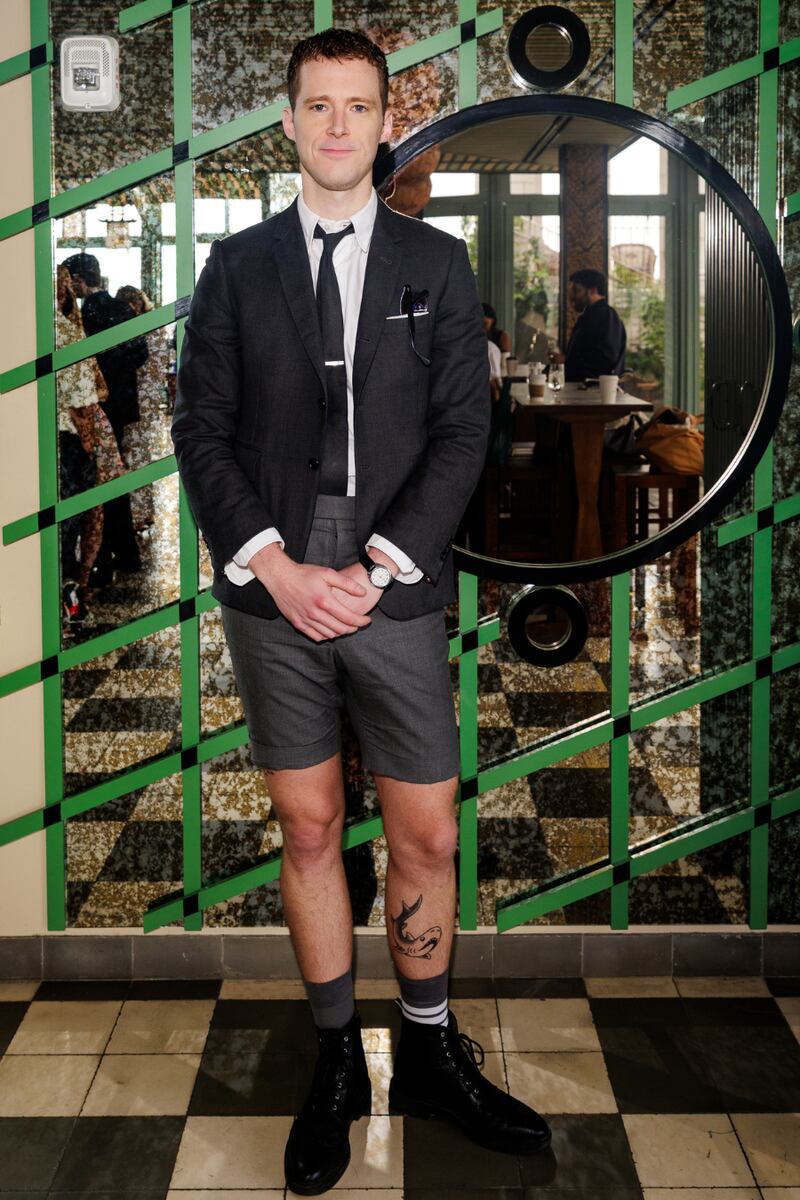
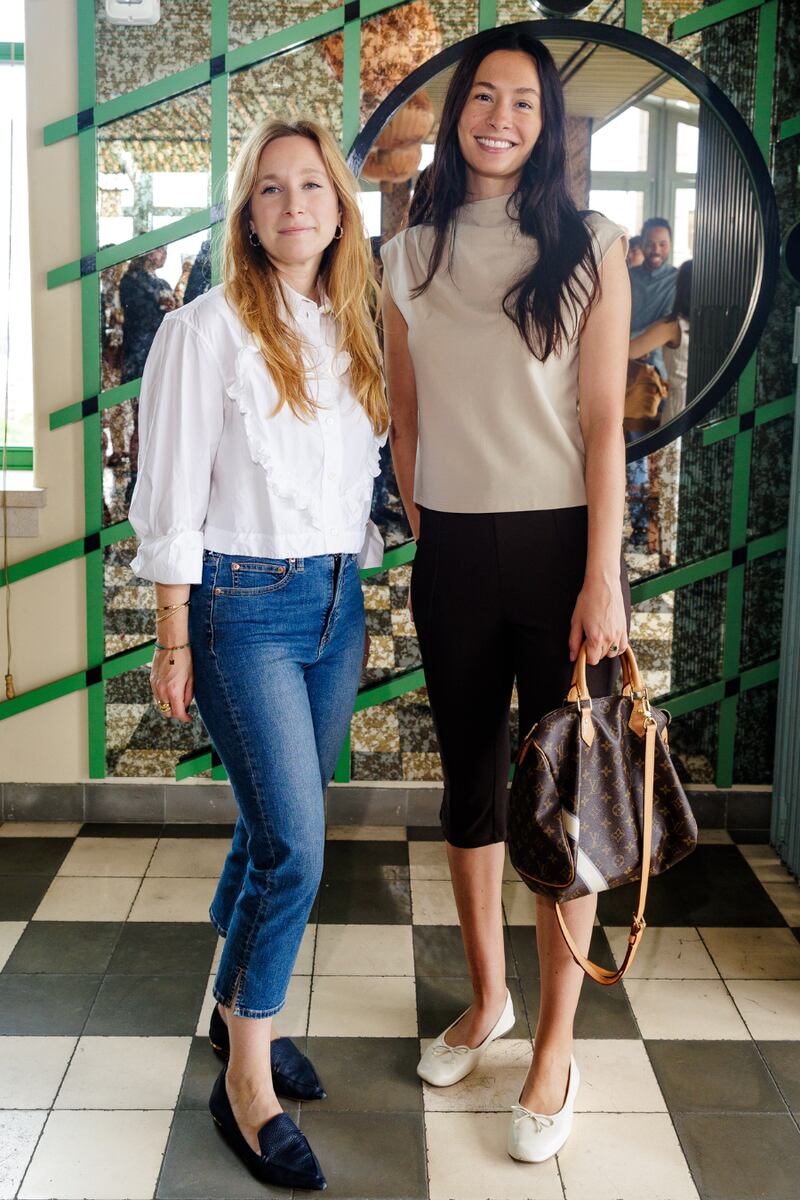
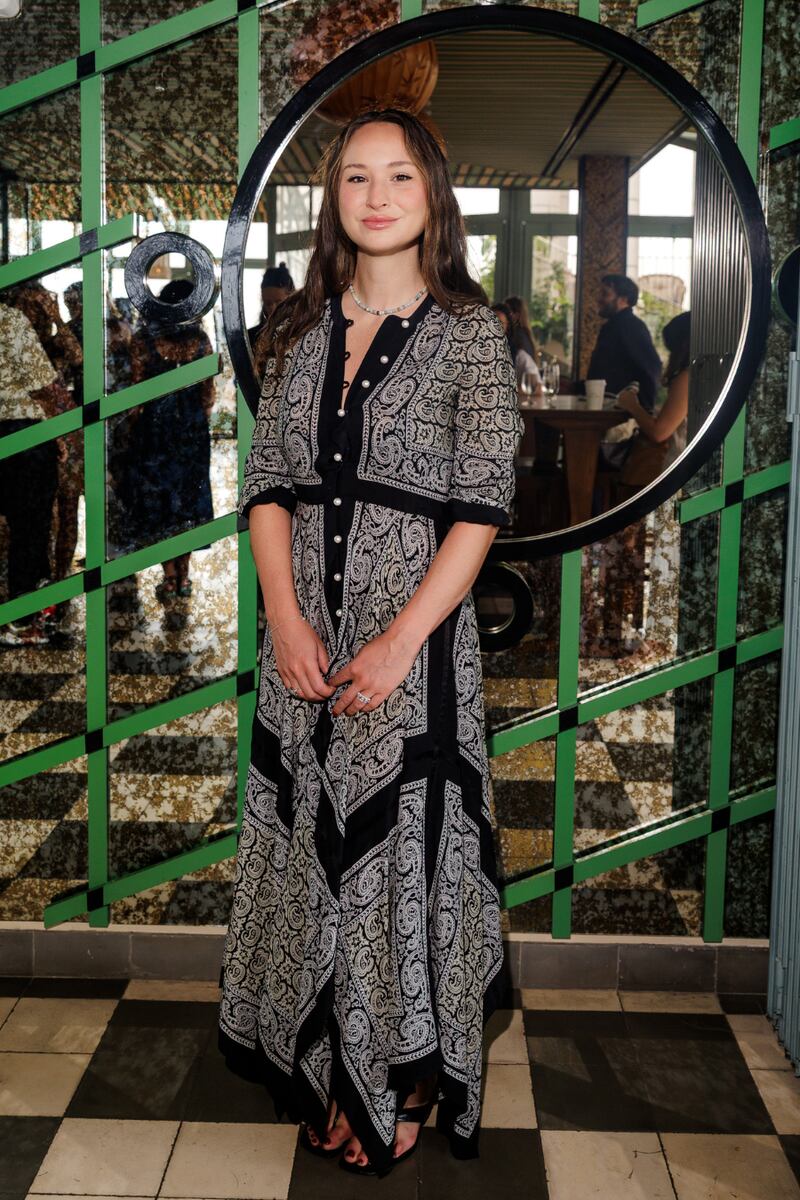
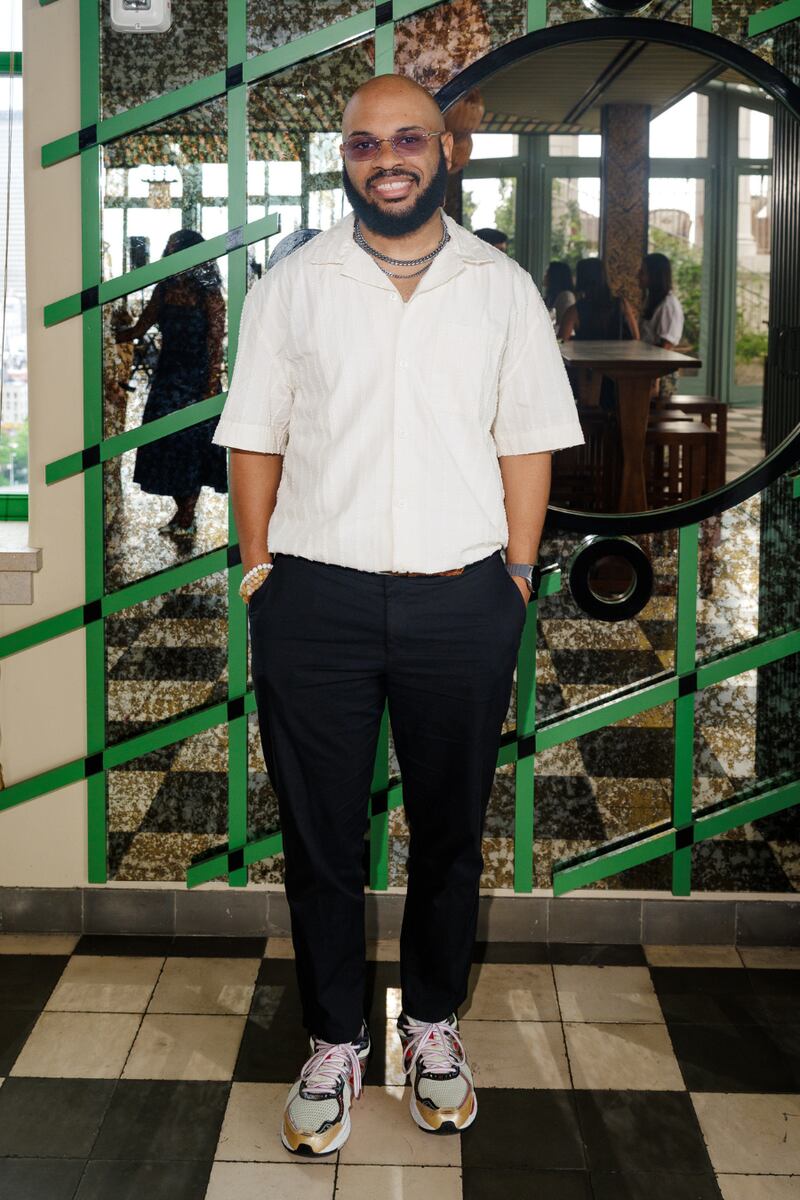
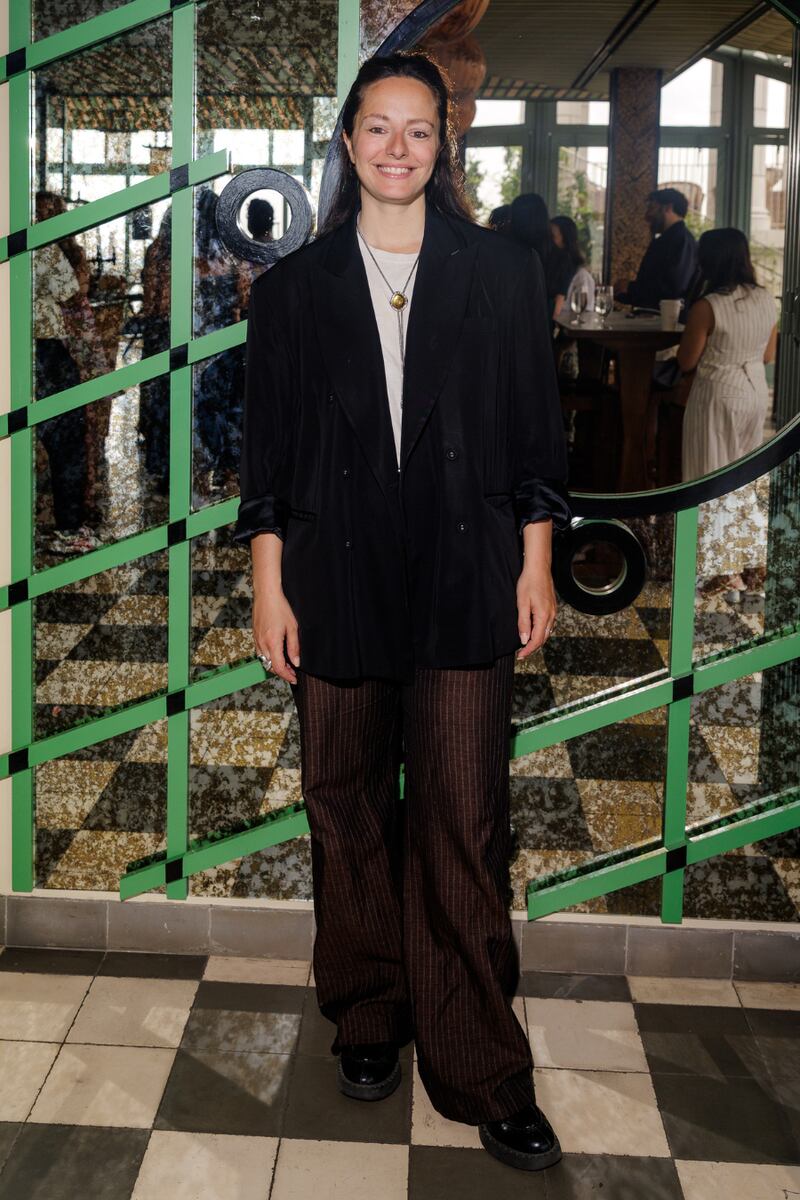
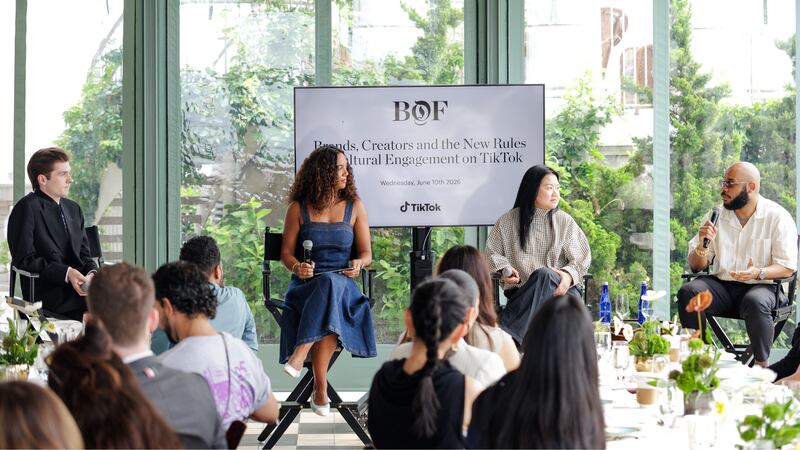
NEW YORK — On 10 June, brand leaders, editors, and executives from Bottega Veneta, Gap, Gucci, InStyle, Lacoste, Louis Vuitton, Maison Francis Kurkdjian, Thom Browne, Teen Vogue, Tory Burch, United Talent Agency, Victoria’s Secret, the WNBA, and more gathered at Nine Orchard in Manhattan for a breakfast panel discussion on what it takes to build cultural relevance on TikTok.
Coinciding with the launch of BoF’s new Knowledge Report, the conversation — moderated by The Business of Fashion’s Yasmine Dahlberg — brought together Karen Kang, North America emerging verticals partnerships lead at TikTok; Mike Sykes, sports and fashion correspondent at BoF; and Dylan Kelly, writer and content creator known for his “walk with me” series on the platform.
As digital subcultures have decentralised influence, audiences have become active participants in the cultures they care about. The brands earning their attention now are the ones willing to show up consistently inside these communities.
TikTok has become the engine of that shift. A 2025 study by Ipsos and TikTok found that 85 percent of sports fans engage with the platform during live events, with 38 percent of US TikTok users simultaneously scrolling on the platform during Super Bowl LX in February 2026. The numbers signal that fandom is no longer a niche behaviour; it has become an infrastructure allowing brands to reach both core and new audiences.
That commercial reality is increasingly hard to ignore. The number of creators making sales on TikTok Shop in the US grew 95 percent in 2025, and 80 percent of TikTok users say creators help them discover products and cultural moments they would not have found otherwise. As the report finds, brands may produce content, but it is creators and their communities who transform it into culture.
For Kang, that distinction starts with how brands think about the platform itself. “The brands that really get TikTok understand that it’s about systems you build over time — conversations and communities that you’re cultivating from the very beginning. It’s never treated as a campaign.”
The panel conversation examined what genuine cultural participation looks like in practice, from how brands approach fandom and adjacent verticals, to why audiences’ trust in creators cannot be appropriated by brands. Below, BoF shares key takeaways from the panel discussion.
0 of 15
Fandom culture is not new, but platforms like TikTok have transformed its scale and impact, enabling participatory communities to form, create and interact in real time. On TikTok, the platform’s creation tools, collaborative formats, and algorithmic discovery have accelerated how culture is built and shared, enabling participatory communities to form and interact in real time.
“Everyone is second-screening these days,” said Sykes. “You might be on TikTok looking for like-minded fans that feel the same way you do about a play that just happened, or curious about what a player was wearing in the tunnel.”
For Kang, the distinction comes down to timing. “You need to be engaging with the community in the beginning, during a moment and then after. The brands that get it wrong are the ones that treat community as a campaign — visible only when they have something to sell.”
Kelly framed the shift from the fashion side. “TikTok has changed the fashion industry into this ecosystem of entertainment. It has opened up the industry from this gate-kept universe into something everyone feels like they can aspire to be part of,” he said.
The Knowledge Report examines how brands invest in adjacent verticals — sports, film, literature, running culture — to access relevance they cannot manufacture on their own. TikTok has made that borrowing visible in real time and audiences are increasingly adept at reading the difference between genuine investment and opportunistic presence.
“Users can always tell when brands push a campaign as opposed to really speaking to the community,” said Kang. “Brands need to be part of that community before they sell their story. Brands have a story to tell, so start building it now.”
When brands work with a creator like me, it’s not necessarily to make a ton of sales. It’s to get their message across through someone their audience already trusts.
— Dylan Kelly
Tommy Hilfiger’s multi-year build-up to Formula 1 — from sponsoring the F1 film, developing an engaging social media presence, and becoming the official apparel partner for the Cadillac team — came up as an example of long-term cultural commitment. Sykes argued the approach requires relinquishing control. “This isn’t top-down marketing. It’s controlled by the users, the community and the people engaging with the brand. You have to meet people where they are.”
Kelly, who spent five years as an editor before transitioning to content creation, offered a sharper articulation of the same idea. Where he once wrote 1,600-word thesis-driven pieces, he now works from a 160-word script — memorised, performed on the street, consistent in format whether walking through fashion history or partnering with brands including Etro and Longchamp, or collaborating with Anne Hathaway ahead of the Devil Wears Prada sequel.
The same principle, he argued, applies to brands attempting to borrow cultural capital on TikTok: “When brands and creators show up and say things in a really concise, consistent and genuine way, it’s more beneficial and entertaining to the viewer — and that’s the best way to achieve virality,” said Kelly.
One in four European luxury shoppers now waits for creator reviews before making a purchase, according to a 2025 TikTok study. That trust belongs to the creator — and the brands that try to override it rarely benefit.
“Brands that over-script a creator’s content — what are you paying for, actually? You’re paying for their uniqueness and their audience. If you let creators run with it, as scary as it is, you’ll probably benefit more,” Kang said. The most effective partnerships, she added, are not built on one-off activations. “The brands winning are the ones consistently reaching out to creators all year. You’re replicating the fandom — and exponentially growing it.”
Kelly was direct. “When brands work with a creator like me, it’s not necessarily to make a ton of sales. It’s to get their message across through someone their audience already trusts.” Sykes extended the point to athletes. “There are players — particularly in the WNBA — with so much cultural capital that you can’t just have them say ‘buy this product.’ It really is about giving them the space to be themselves.”
Users can always tell when brands push a campaign as opposed to really speaking to the community. Brands need to be part of that community before they sell their story. Brands have a story to tell, so start building it now.
— Karen Kang
From the architecture of the content graph to native features like playlists and comment engagement, TikTok offers unique marketing capabilities, and brands leaning into what makes it distinct are pulling ahead.
Kang pointed to playlists as an underused tool for evergreen discovery. “Content you posted months ago can suddenly go viral because it’s become culturally relevant again. Playlists are really handy for that kind of discovery — they’re a place for your ‘everything content,’” she said.
The comment section, the panel agreed, is equally underestimated. “I probably spend more time in the comments than watching the actual video,” said Kelly. “It’s a gold mine of real thoughts — a genuine study in what your audience thinks of you.”
Kang added that brands engaging directly in comments, especially with smaller creators, turn minor interactions into massive cultural currency. “If you’re a big brand commenting on a smaller creator’s content, it’s almost like giving them an autograph. That means something.”
This isn’t top-down marketing. It’s controlled by the users, the community and the people engaging with the brand. You have to meet people where they are.
— Mike Sykes
Underpinning all of it is a structural reality that changes how brands should approach the platform altogether. “On TikTok, it’s really important to treat the content you’re making as an ongoing conversation,” said Kang. The opportunity, the panel concluded, is less about how many followers a brand has accumulated and more about how deliberately it shows up for the ones it has yet to reach.
This is a sponsored feature paid for by TikTok as part of a BoF partnership.
In a new knowledge report by BoF, in partnership with TikTok, Recho Omondi, founder of The Cutting Room Floor podcast, unpacks how creating culture and community on TikTok is possible if brands are bold enough to have a personality.
From luxury brands and The Devil Wears Prada 2 to Willy Chavarria and Nothing, a growing list of names are courting the founder of La Watch Party. In a new knowledge report by BoF, in partnership with TikTok, Lyas shares his recipe for success.
To recapture consumer attention and inspire loyalty, brands and publishers are exploring new creative approaches on TikTok. This knowledge report examines how players in the fashion, beauty and media industries can leverage cultural capital and creator partnerships to grow their own fan communities.
Loading recommended reads…
Both brands saw sales in China jump more than 30 percent for the quarter ending in September — the same period when labels from LVMH and Kering reported double-digit declines in the country.
Sales were up 4.8 percent compared to a year earlier, a modest increase than was experienced in 2025.
Quarterly sales were slightly above expectations, despite a small deceleration in China, where the British fashion house performed better than rivals.
The sportswear giant has much to explain at its first capital markets day in almost a decade as it works to reignite demand and restore investor confidence.