Agenda-setting intelligence, analysis and advice for the global fashion community.
Agenda-setting intelligence, analysis and advice for the global fashion community.

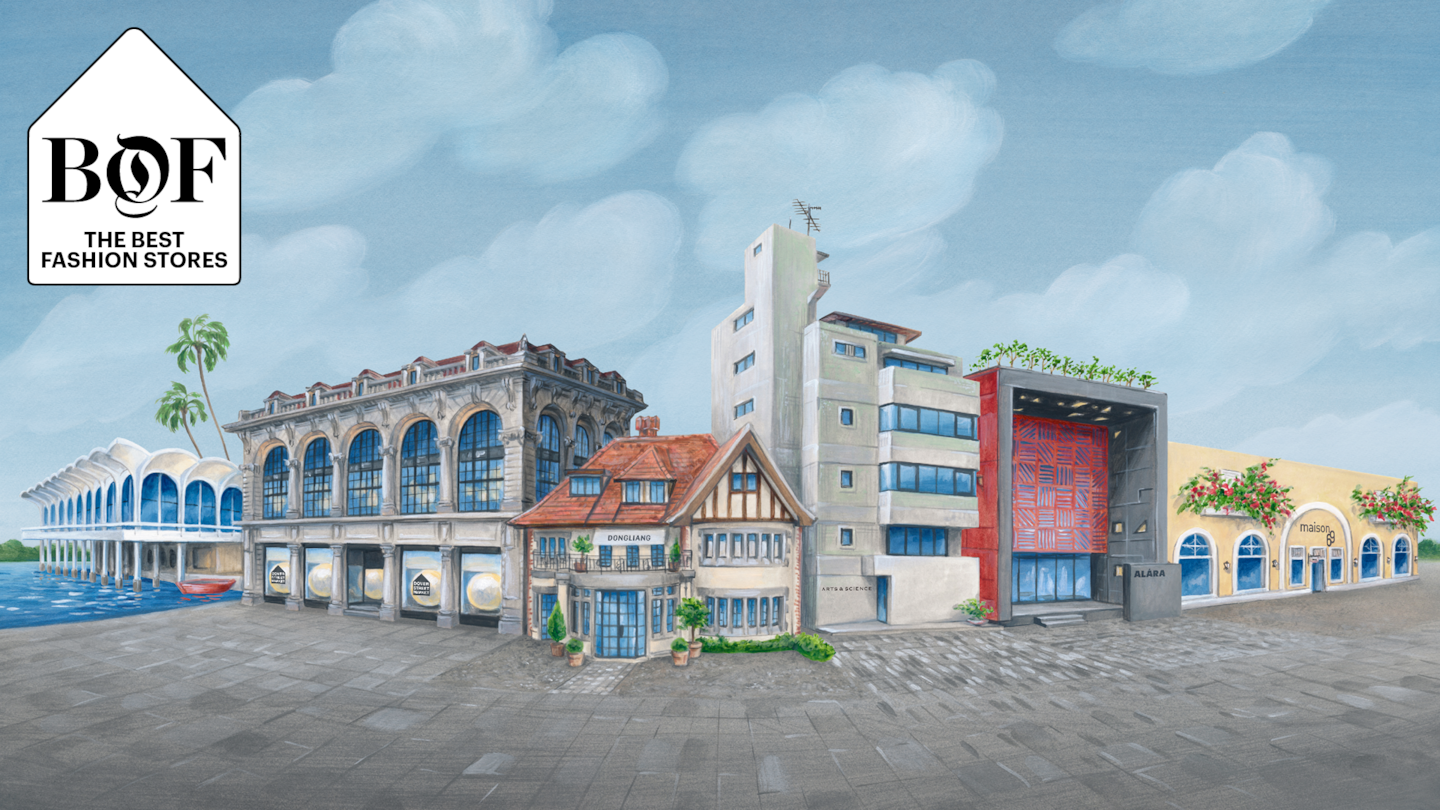
For much of the last decade, fashion’s favoured playbook was to cut out the middleman and go direct to consumer. Brands raced to open their own stores, build their own websites and own every customer relationship they could. Wholesale looked like yesterday’s business.
But while the industry’s biggest labels have doubled down on direct distribution, focusing on high-impact stores in tier one cities, many shoppers have been thirsting for something more personal, more singular, where they can shop across brands and feel the magic of wandering into a store and leaving with an unexpected piece or experience.
Department stores were once great platforms for discovery, exposing shoppers to hundreds of brands under one roof while helping young labels find an audience. But as many once mighty department store chains have struggled to adapt to a changing market, a longtime fixture of fashion has stepped into the spotlight: independent retailers.
The world’s best independent stores have become a progressively vital part of the fashion ecosystem, cultivating communities of fashion fans and championing emerging talent with distinctive edits and experiences that are increasingly rare in the market.
ADVERTISEMENT
This observation was the starting point for BoF’s Best Fashion Stores in the World, an insider’s guide to the world’s leading independent fashion retailers.
But before considering a single store, we asked ourselves a simple question: What are the attributes that make for a top independent fashion store. We landed on three answers.
With those criteria established, we invited nominations from select retail experts, our editorial team, BoF 500 members and the wider BoF community. Nearly 300 retailers were put forward before being evaluated and narrowed to a final list of 65 stores. Read our full methodology here.
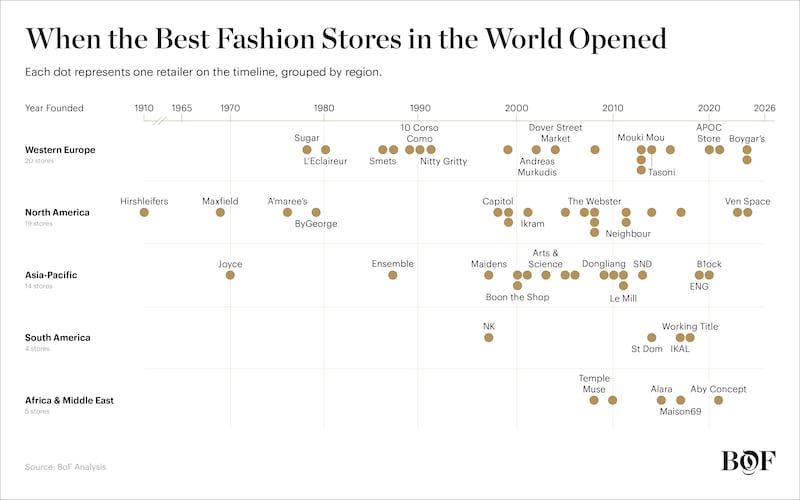
The list is highly textured and diverse, but several patterns emerged. Firstly, the world’s best independent fashion stores are remarkably young, with almost 70 percent opening their doors for the first time in the last 20 years. Rather than thriving in spite of e-commerce, many of today’s best stores were born alongside it, proving that compelling curation and physical experiences have become more valuable, not less, in the digital era.
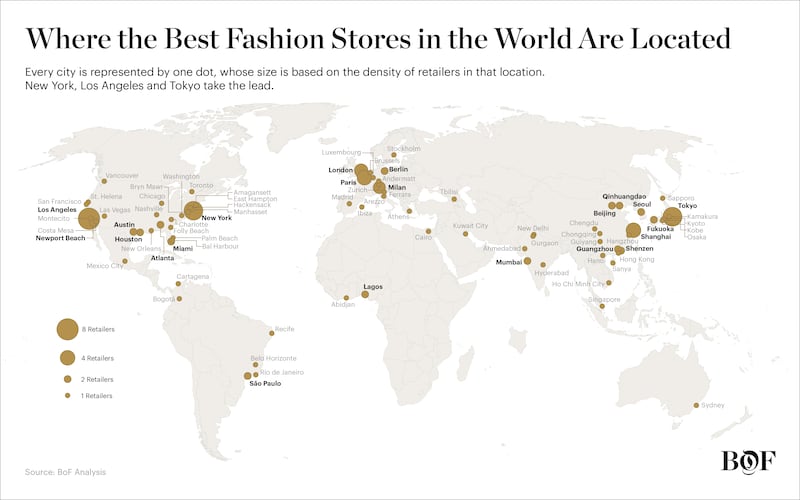
Secondly, fashion’s best independent stores are spread all over the world. While the United States accounts for the largest number of retailers on the list, reflecting the scale and dynamism of its market, Japan is another hotspot for top retailers. Meanwhile, stores like Alára in Lagos, Ensemble in Mumbai, Boutique N in Kuwait City and Maison 69 in Cairo illustrate how some of the industry’s most powerful store concepts are emerging well beyond the traditional fashion capitals of New York, Paris, Milan and London.
The list also suggests that scale is no longer the defining measure of influence. Some retailers on our list operate sprawling, multi-floor flagships; others are single stores tucked into residential neighbourhoods. What unites them isn’t the volume of business they do, but the conviction with which they do it. The best stores in the world are places people travel to, recommend to friends and return to repeatedly, not because they’re the most convenient option, but because they’re the most distinctive.
For an industry that spent years trying to eliminate the middleman, the importance of independent retailers may seem an unexpected state of affairs with an important lesson: the future of retail may belong not only to those who control every customer touchpoint, but to those who make shopping feel magical again.
An insider’s guide to the independent retailers with the most distinctive edits and experiences in the world, hand curated by the editors of BoF.
View all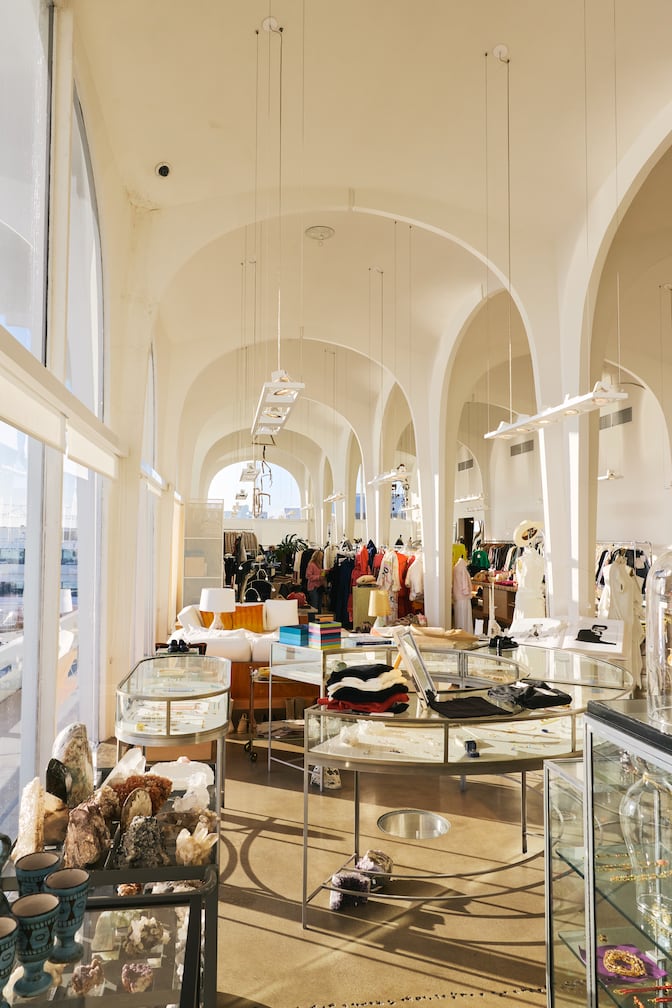
A tight, elegant edit right on the California water
Newport Beach • Est. 1976
Fashion Landmark • Lifestyle Edit • Retail Theatre
Owners: Dawn Klohs, Denise Schaefer
A’maree’s is a family-run California boutique set remarkably on the water in Newport Beach. Run by sisters, it's known for a tightly edited, elegant selection and a beautifully designed space that makes shopping feel like a retreat. The buy is personal and precise, favouring quiet luxury over noise, and it has long been a favourite of Californians who prize discretion. For a singular setting and a considered edit, it's worth the trip down the coast. If traveling by sea, you can dock your boat directly in the store’s own private boat slip.
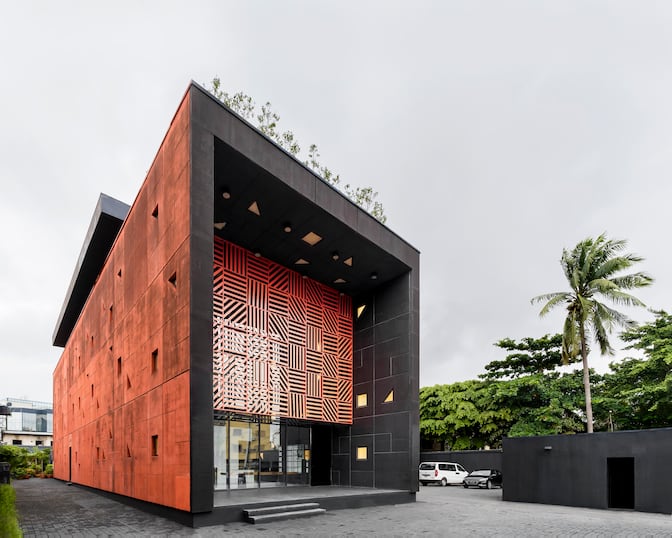
Lagos' David Adjaye-designed home for African fashion
Lagos • Est. 2015
Retail Theatre • Cultural Hub • Homegrown Heroes
Owners: Alára Multiconcepts Nigeria Limited
Alára is the Lagos destination where fashion, art and architecture meet. Housed in a sculptural building designed by David Adjaye, it stages a considered mix of global luxury and the continent’s most exciting designers, with a clarity of vision that runs through every detail. More than a store, it functions as a cultural space, hosting art, events and gathering. As both an architectural landmark and a champion of African design, it is genuinely worth the visit.
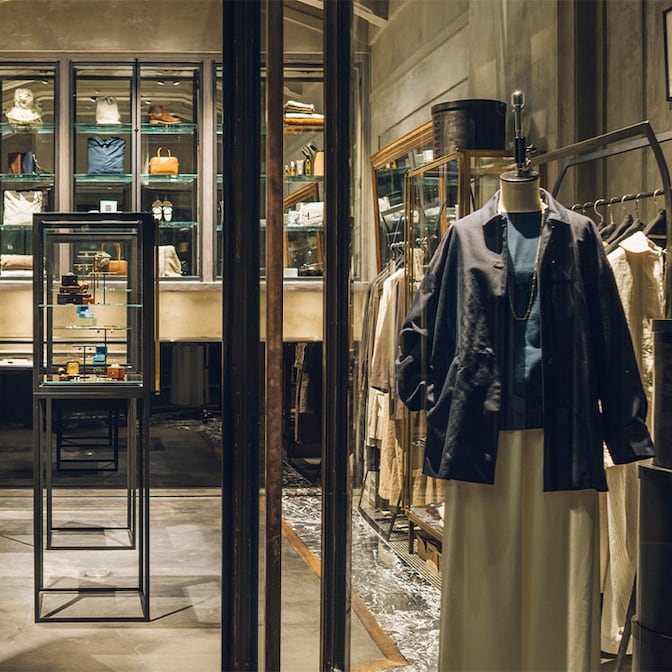
Sonya Park's world of craft, clothing and quiet living
Tokyo, Kyoto, Fukuoka • Est. 2003
Retail Theatre • Lifestyle Edit
Owners: Sonya Park
Arts & Science is stylist-turned-founder Sonya Park’s complete vision of a well-made life, spread across a family of small shops in Tokyo, Kyoto and beyond. What began in a Daikanyama backstreet in 2003 selling vintage finds now encompasses Park’s own label, alongside homeware, fragrance, craft collaborations and even a restaurant, each space built around only what she genuinely loves. The result is one of the most coherent points of view in global retail — quality over quantity, expressed through objects, clothing and the rooms themselves.
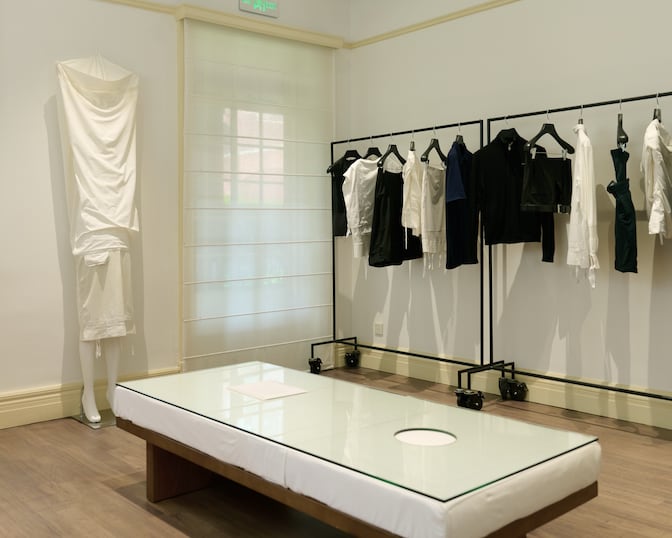
China’s influential network of concept stores, with a strong global edit
Shenzhen, Shanghai, Beijing • Est. 2009
Fashion Landmark • Retail Theatre • Lifestyle Edit
Owners: Charles Wang
Dongliang is Shanghai’s foremost destination for global fashion curation, with a flagship that spans three floors of a restored colonial-era mansion on Wuyi Road. The Row, Lemaire, Phoebe Philo, Maison Margiela and Alaïa sit beside Chinese designers and Jingdezhen ceramics, with a tea room in the adjoining villa — the space arranged to feel less like a shop than a private home. In a market long shaped by malls and monobrand flagships, it brings a rare international rigour and a quiet sense of ease. With additional locations across major cities in China, world-class curation and homegrown talent are on prominent display.
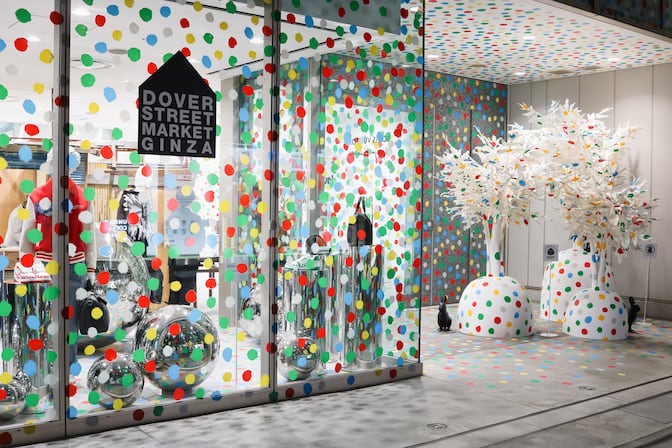
The store that rewrote how fashion is sold
London, Tokyo, Paris • Est. 2004
Emerging Talent • Avant-Garde • Retail Theatre • Cultural Hub
Owners: Rei Kawakubo, Adrian Joffe
Dover Street Market is the multi-brand concept store that reset the template for how fashion is sold, conceived in 2004 by Comme des Garçons’ Rei Kawakubo and her husband Adrian Joffe. Every floor is a revolving door of brand partners that resets roughly twice a year, so no two visits are quite the same. With an avant-garde offering, the store was an early pioneer in elevating obscure, unknown talent alongside the world’s biggest fashion houses. From its London home to Tokyo, New York, Paris, Los Angeles, Singapore and Beijing, each store manages to remain unmistakably DSM.
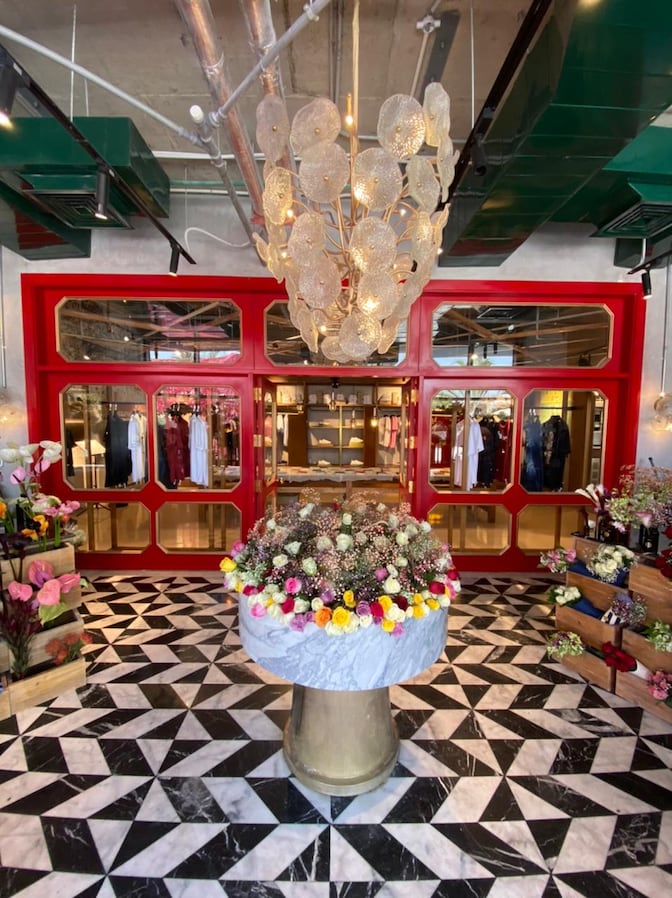
Egypt’s leading concept store for fashion, objects and culture
Cairo • Est. 2022
Emerging Talent • Homegrown Heroes • Lifestyle Edit • Retail Theatre
Owners: Amir Fayo
Founded in 2022 by Egyptian creative director and retailer Amir Fayo, Maison69 is a Cairo-based concept store known for its curated mix of international and regional fashion, accessories, homeware, beauty and design. Since opening its first location in Zamalek, the retailer has expanded its presence across Egypt, with locations including 5A by The Waterway in New Cairo and Egypt’s North Coast. Beyond retail, Maison69 has extended its vision into hospitality and cultural projects, including a boutique hotel in collaboration with Misr Italia Properties.
To build our index of the global independent retail landscape, we established a rigorous, multi-tiered evaluation process, by casting a wide net and starting from the bottom up.

Cathaleen Chen is Retail Editor at The Business of Fashion. She is based in New York and drives BoF’s coverage of the retail and direct-to-consumer sectors.
Imran Amed is the Founder, CEO and Editor-in-Chief of The Business of Fashion. Based in London, he shapes BoF’s overall editorial strategy and is the host of The BoF Podcast.
Loading recommended reads…
The company is counting on demand for its AI glasses with Google and Samsung to grow in the coming years, while trying to head off concerns they can be used to record people without consent.
The suspects stole more than €1 million worth of jewellery before fleeing on motor scooters, according to reports.
This week, Priya Rao takes a closer look at why beauty is moving up-market and how a collaboration breaks through today.
Jensen Huang’s exit deepens the crisis at the chipmaker at the centre of the AI rally that’s powered new wealth creation in the US, luxury fashion’s most important market.