Agenda-setting intelligence, analysis and advice for the global fashion community.
Agenda-setting intelligence, analysis and advice for the global fashion community.

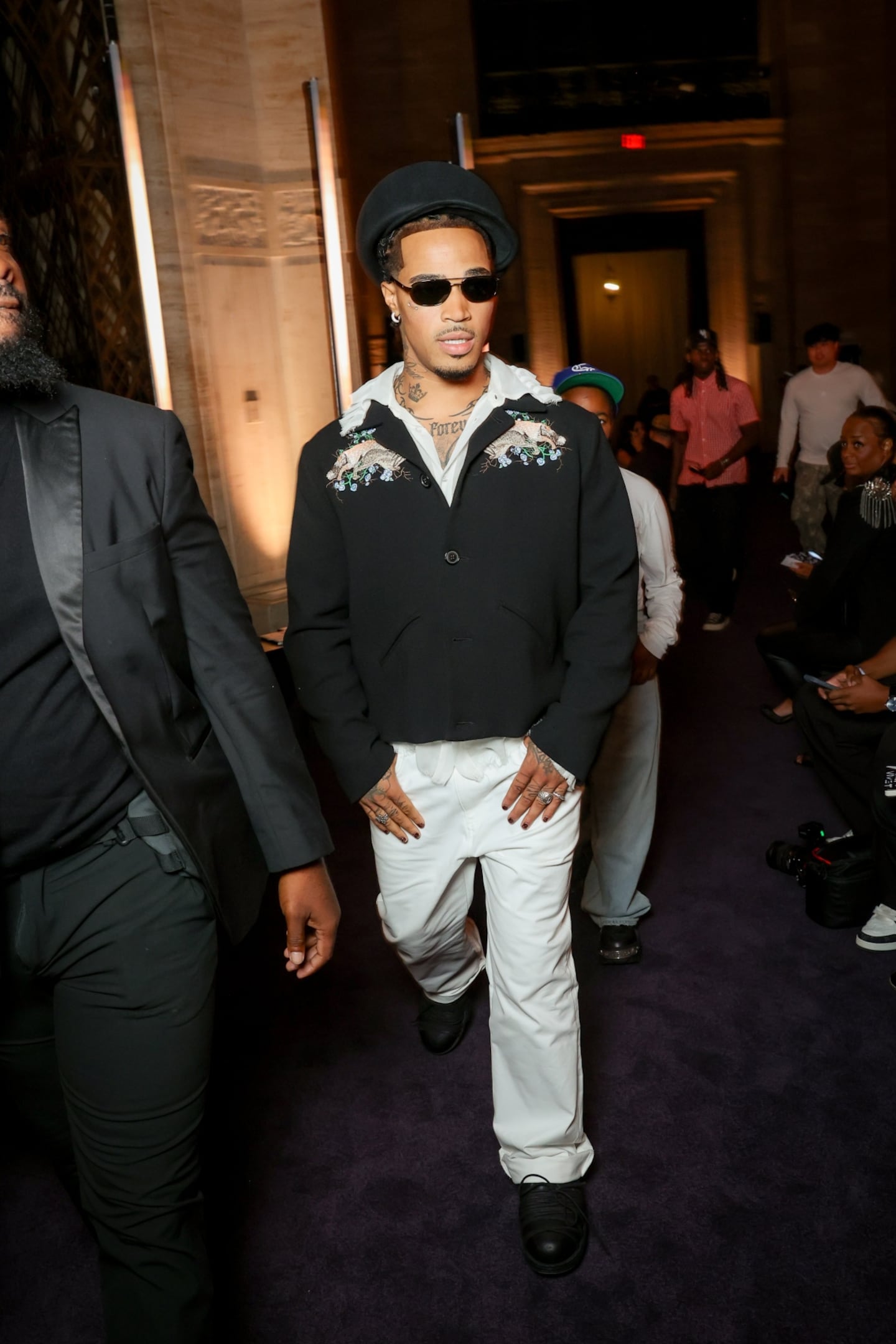
Within 12 months of launching, luxury menswear label Jarod John Leonard has landed at stockists like Harvey Nichols, earned co-signs from buzzy rappers like Fakemink and spawned a thriving resale market on Grailed.
But unless you spent time inside the digital ecosystem where it emerged, it’s unlikely you’ve heard of the brand until now.
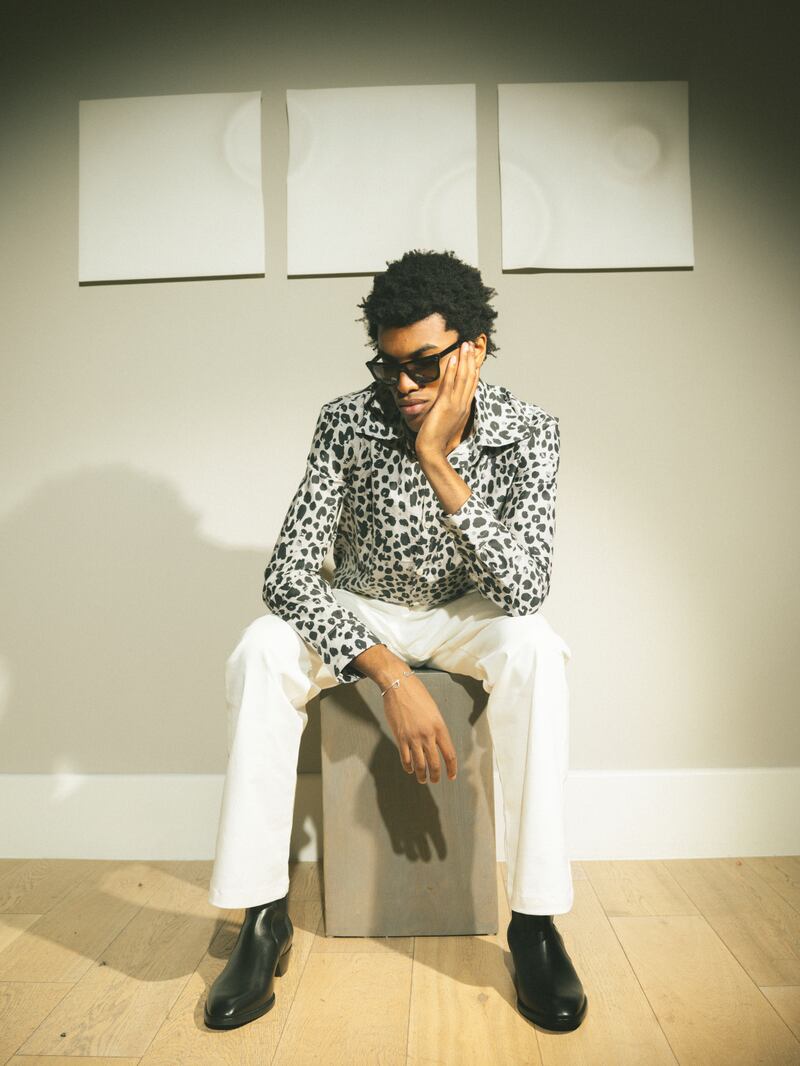
Jarod John Leonard was incubated on Discord, the community messaging platform popular amongst gamers. During the pandemic, co-founders Jarod John Leonard, 28, and Clark Reeve, 26, launched a dedicated Discord server for those obsessed with the Japanese fashion label Number (N)ine, which had its heyday in the late 1990s and 2000s (and was recently rebooted by founder Takahiro Miyashita). The group steadily grew from 20 members to several thousand, with the duo actively curating the server’s tastes for years. By the time they debuted their label last year, Leonard and Reeve had already cultivated a dedicated audience who witnessed the duo create their first Italian leather boot samples or pick Japanese fabric swatches in real time.
“Everyone wants to find the most niche thing and be part of something where they feel understood,” Leonard said. “With everyone being hyper-online, Discord makes it easy to find a space like that, and it breeds and feeds into it.”
ADVERTISEMENT
Platforms like Discord and live-streaming channel Twitch are niche compared to larger social media networks like Instagram or TikTok, but they’re having a significant — and still-growing — influence on the fashion tastes of young men, who are yearning to learn about style through real-time interactions with engaged communities. Whereas Instagram relies on scrolling through algorithmic feeds, they provide continuous, unscripted spaces where users can actively participate in peer-to-peer conversations. And while they may seem different on the surface — Discord centres on chat rooms, called servers, while Twitch is based in livestreaming — both were born out of gaming and often have overlapping audiences.
“That Discord space is very connected with Twitch; it’s the same type of culture,” said Leonard.
The impact these channels are having on young male fashion consumers isn’t brand new. Guys have been talking about fashion on Discord for years, and numerous brands turned to these platforms during and after the pandemic as they tried to pump their web3 projects or make inroads into e-sports. But their influence has grown larger than ever. Live-streaming viewership crossed 36 billion hours in 2025 — the highest yearly figure since 2021 — while viewership for streams related to lifestyle content instead of gaming grew 13 percent across all platforms since 2024, according to Hatchet, a gaming and creator analytics platform.
“Live content feels a lot more authentic to them because it doesn’t have time to be posed and it is in real time,” said Tori D’Amico, managing content editor of youth research firm YPulse. “They’re also able to participate in the conversation about what’s going on, which makes them not just a passive viewer, but an active member of a community.”
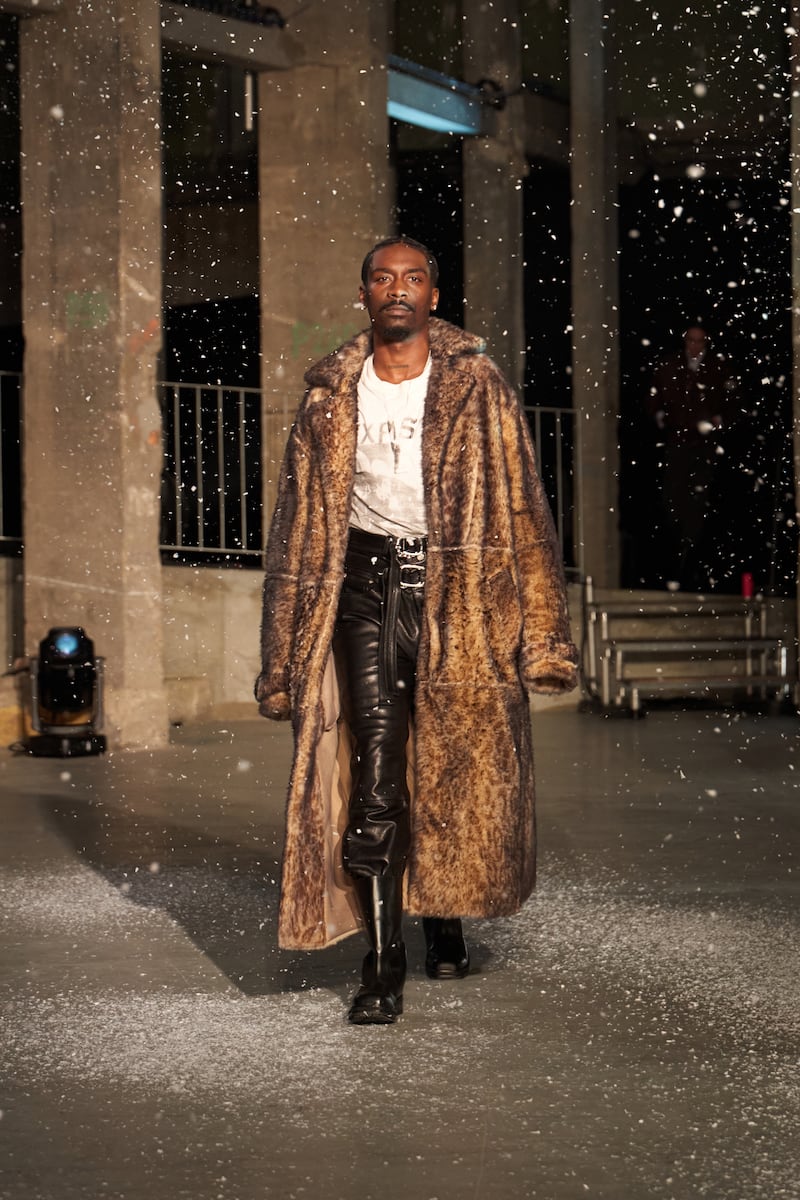
Creators who got their starts on these platforms, meanwhile, have been making deeper inroads into fashion. Kai Cenat, the most-followed streamer on Twitch, debuted his fashion label, Vivet, in September during New York Fashion Week. This year, brands such as 424, Burberry and H&M invited streamers such as Marlon and BruceDropEmOff to sit front-row and even walk the runway. Sportswear brands, such as Adidas and Under Armour, have recently partnered with streamers such as Rakai and Rayasianboy on sneaker collaborations.
“These guys are the new rock stars,” said Aaron Levant, chief executive of Complex, who recently worked with Vivet for its debut pop-up at ComplexCon in October and brokered commercial partnerships with companies like Adidas centred on livestreaming this year. “If you’re a savvy brand marketer, you’re going to have streamers as a part of your strategy along with influencers, celebrities and musicians.”
Brands should be aware, however, that the unscripted nature of these platforms also carries risks for brands looking to engage with the communities and creators who live on them.
“It has been very risky for them because I feel like streams are a little bit unpredictable, said 21-year-old Emmanuel Afolabi, who tracks the intersection of streaming and fashion on his Instagram page @streamerfit. “But the influence is clear from when you have people like Mariah Carey coming on Kai Cenat’s stream to promote her album. You have to take that risk because they have the live audience, community and numbers to back it up.”
ADVERTISEMENT
Cultural marketers like Levant argue that streamer endorsements carry far more commercial weight today because of their ability to command continuous, long-form attention.
Indeed, creators and streamers such as Kai Cenat, IShowSpeed and Joe Bartolozzi accounted for top spots among teens’ favorite social media personalities in the recent fall edition of Piper Sandler’s recurring “Taking Stock With Teens” survey. According to YPulse, 42 percent of men aged 18 to 24 trust video gamers and live streamers as public figures — ranking higher than traditional athletes, TV actors or mainstream musicians.
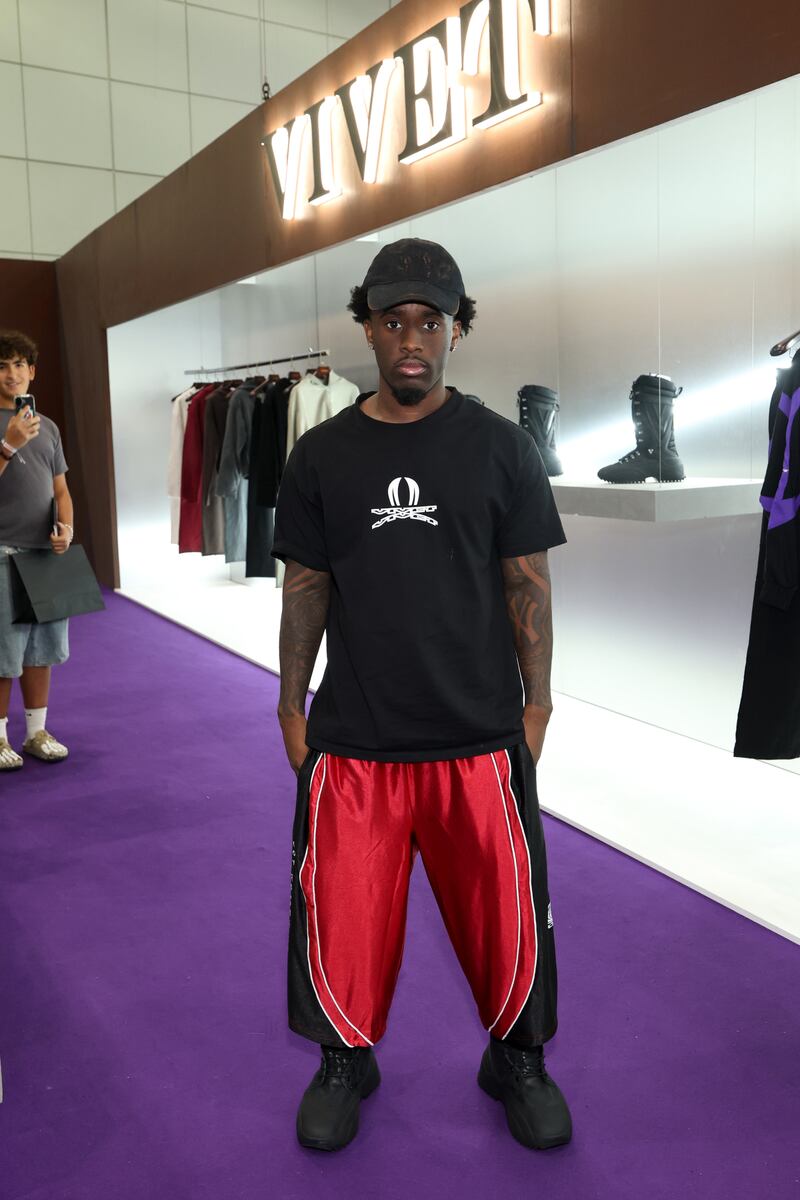
Afolabi has watched that influence play out in real time. He points to a stream last year when Cenat visited a Walmart with Rakai and bought a pair of $25 Avia 5000 sneakers — their followers quickly snapped up the budget shoes. Afolabi also pointed out how the biggest streamers have generally adopted luxury labels such as Chrome Hearts and Goyard. Others, such as BradyGoo and BruceDropEmOff, have made shopping for rare “archive” fashion on Grailed a key piece of their own daily streams.
“BradyGoo’s created this whole new ‘Ball Hog’ style and their side of streaming definitely created a trend in people wanting things like archive Dior Homme,” said Afolabi. In October, New York’s men’s style editor Samuel Hine described ball hog fashion as the “zoomer equivalent of the millennial hypebeast aesthetic.”
While Discord servers are inherently less overt than public Twitch streams, that same real-time chatroom dynamic is what initially drew Leonard and Reeve away from platforms like Instagram. Rather than relying on a single Instagram broadcast channel or group chat, Discord allowed the duo to structure their community into dedicated rooms — segmenting conversations around outfit pictures, peer-to-peer resale, magazine archives and general chatter.
“It was a transformational experience for anybody who joined,” said Reeve, who felt like he found a fashion community on Discord he couldn’t find in the suburbs he grew up in. “Nobody would care if I posted about fashion on Instagram. On Discord, we found a lot of like-minded people who shared that niche interest, so it made me feel a lot more comfortable to converse with them.”
While the authentic connection platforms like Twitch offer to content creators is valuable, Afolabi adds it’s also why he believes brands have been slow to embrace streaming culture until recently. Generally, streaming’s unpredictable nature can easily feel like a liability.
The most notable example occurred shortly after Cenat signed an ambassador partnership with Nike in 2024. During that time, Cenat received unsolicited sneaker packages from competitors like Asics and Puma gear sent by A$AP Rocky that were opened on livestreams, forcing the streamer to navigate contractual conflicts in front of thousands of viewers. Cenat told Complex in September that he stopped working with Nike and other fashion brands to focus on launching Vivet — but added he currently favors Adidas for comfort and its partnership with streamer RayAsianBoy.
ADVERTISEMENT
There are similar challenges with Discord, whose users are apt to be even more blunt than they would be on other social platforms.
“On Instagram, people would comment, “Oh, that’s fire,” because they love the brand. On Discord, they’re going to say, ‘Yo, this is absolute dog shit,’" said Leonard. “That feedback is always striking, but Discord is probably one of the most honest places on the internet.”
Brands can use moderators in their own Discord servers, but even then, an overly brand-controlled environment could easily turn off the audience. Reeve and Leonard remembered joining Discord servers by brands such as Maison Margiela in the early 2020s, but felt they were too polished and corporate.
“That does not work on Discord at all and people saw through it immediately,” said Leonard. “No one talked, it felt weird and made people feel like they couldn’t be themselves.”
Ultimately, engaging with streaming culture and the platforms around it means listening to and working with the younger generation to actively create moments that feel honest.
“It starts with brands having young people on their social and digital teams who understand the genre at a consumer level, and actually like it, for them to have an authentic go to market and push into it,” said Levant. “Otherwise, your POV will look wrong and you’ll likely fall on your face.”
The livestreaming star’s new fashion line Vivet, debuted in New York on Saturday, owes aesthetic debts to Demna and Ye, but the spirit of community at the project’s core makes him more like Gen-Z’s answer to Virgil Abloh.
At a time when Nike and Adidas are doubling down on sports and athletes, Under Armour is leaning further into partnerships with entertainers and influencers like Twitch streamer Rakai, whose first shoe with the brand drops this week.

Lei Takanashi is a Correspondent at The Business of Fashion (BoF). He is based in New York City and covers menswear, streetwear, young consumer trends, and the intersection between fashion and culture.
Loading recommended reads…
In this week’s High Margin, a search for images that cut through our visual fatigue — with leads from M/M Paris, Ferdinando Verderi and stylist Emilie Kareh. Plus: Tod’s designer exit; Burberry’s resilient sales.
The producer price index rose 6.5% from October 2025, an acceleration from the prior month, according to Bureau of Labor Statistics data out Friday. On a monthly basis, the PPI increased 0.3%.
The creative director and strategist joins Imran Amed on The BoF Podcast to discuss the evolution of his career, the realities of shaping artist narratives and why long-term collaboration outperforms short-term marketing.
The former Nvidia CEO was central to an AI boom that has propelled the US stock market and fueled the country’s unmatched luxury spending. After his exit, nobody is sure what happens next.