Agenda-setting intelligence, analysis and advice for the global fashion community.
Agenda-setting intelligence, analysis and advice for the global fashion community.

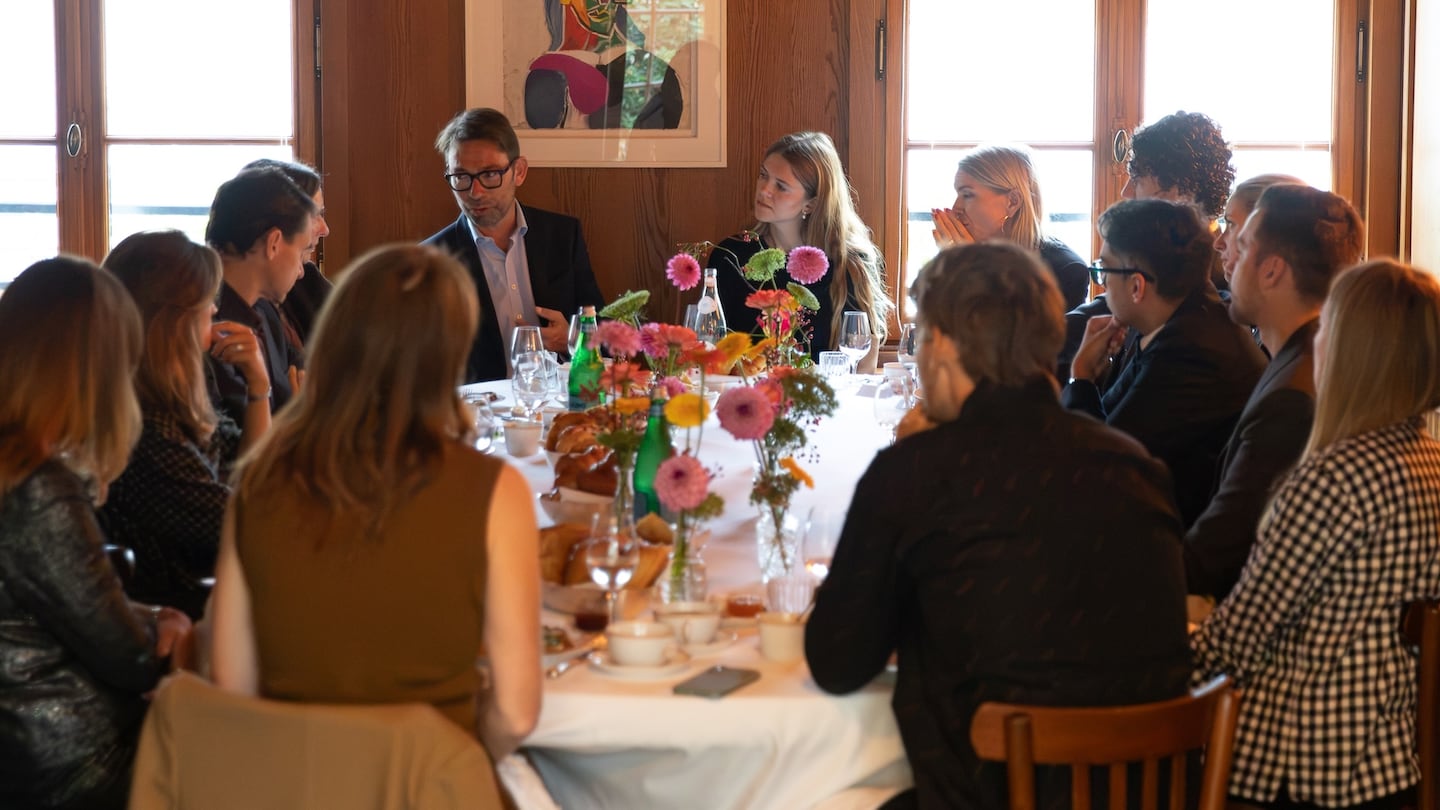

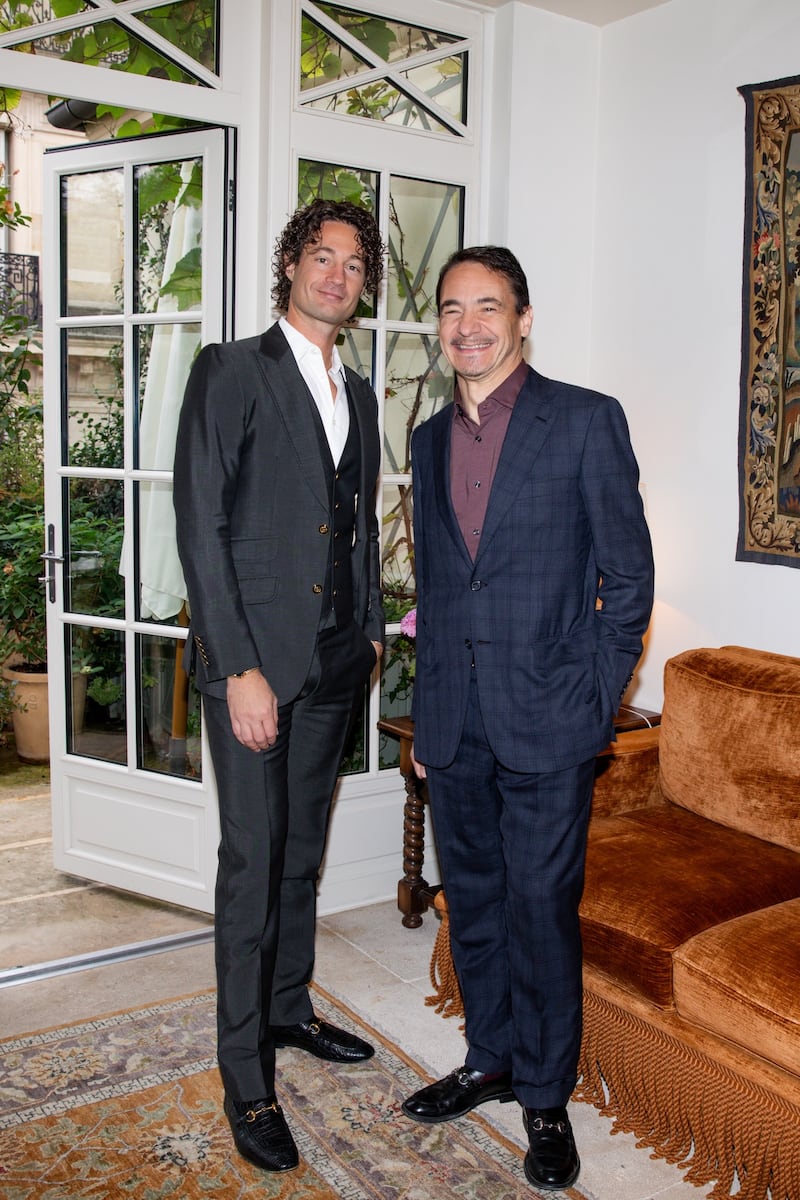
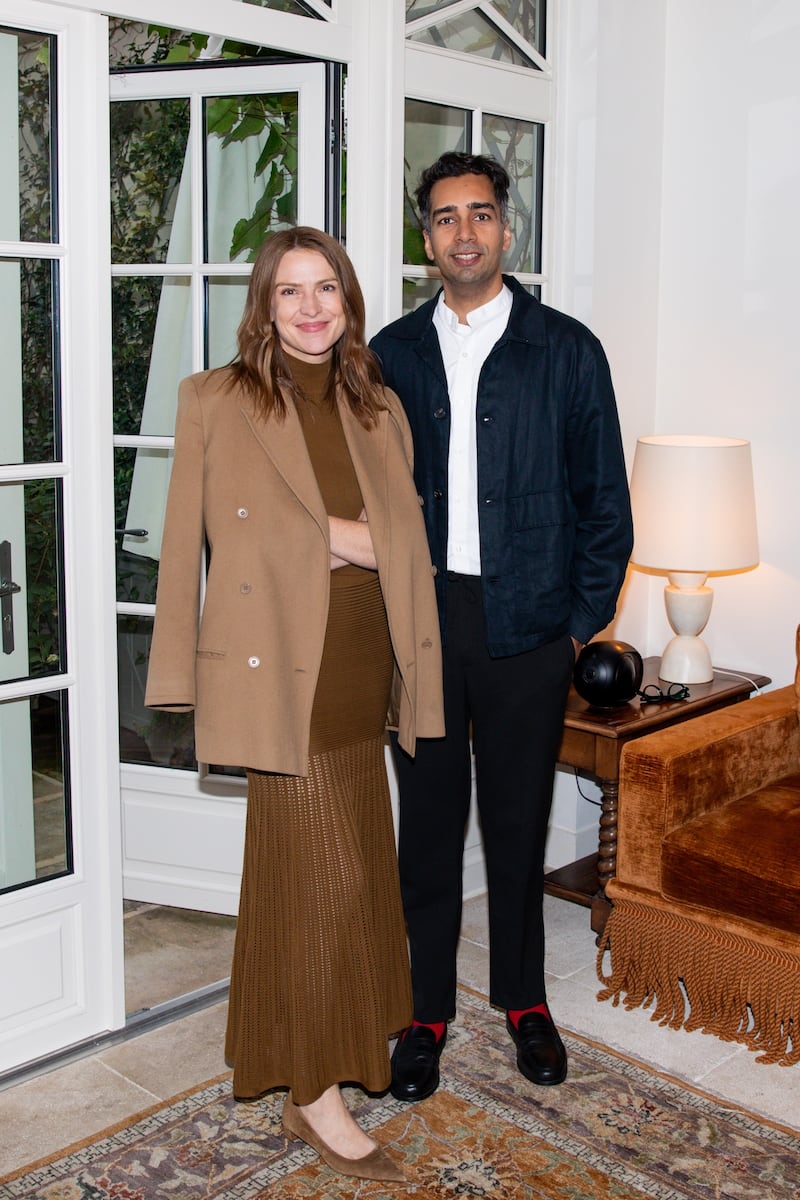
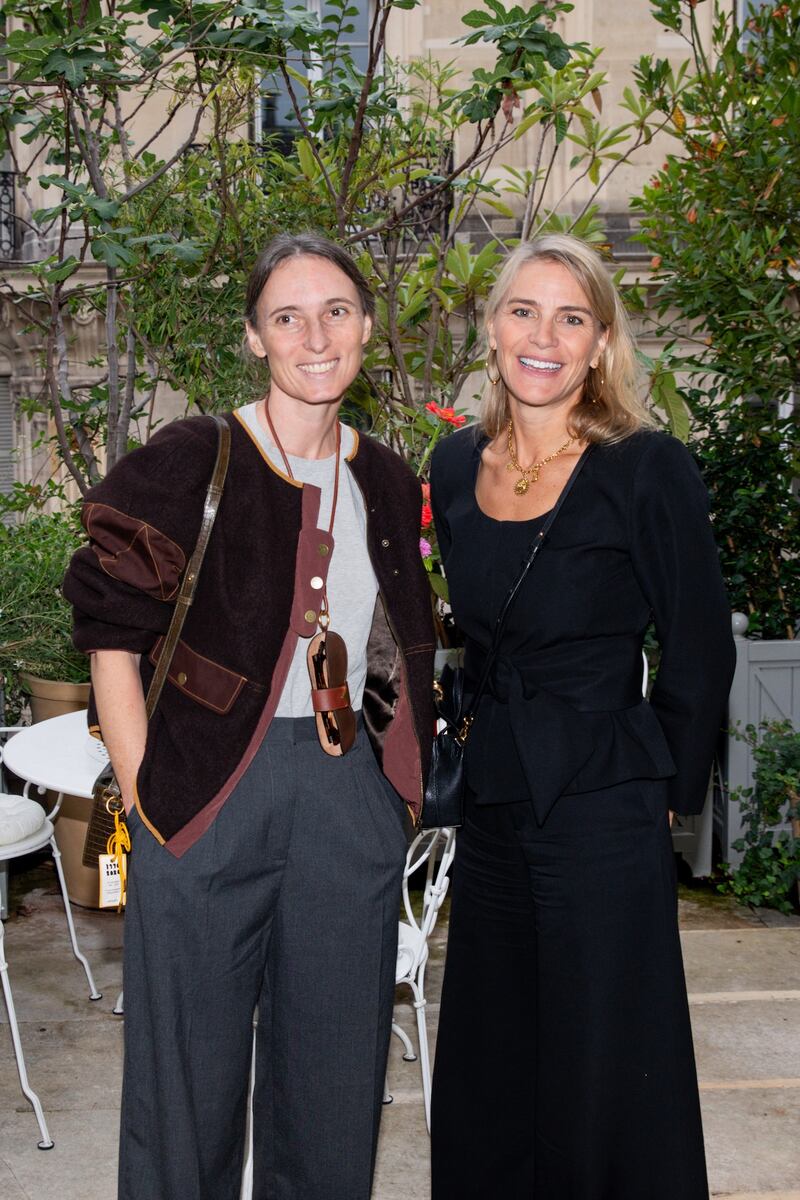
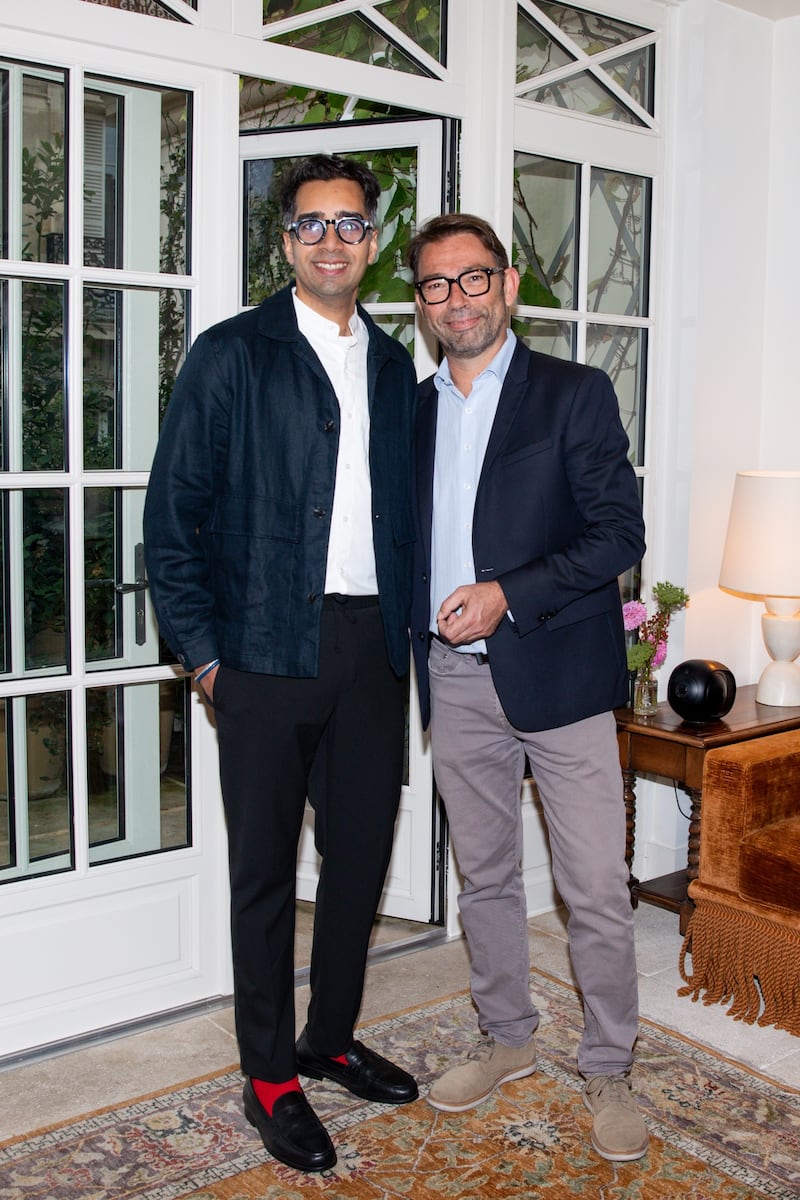
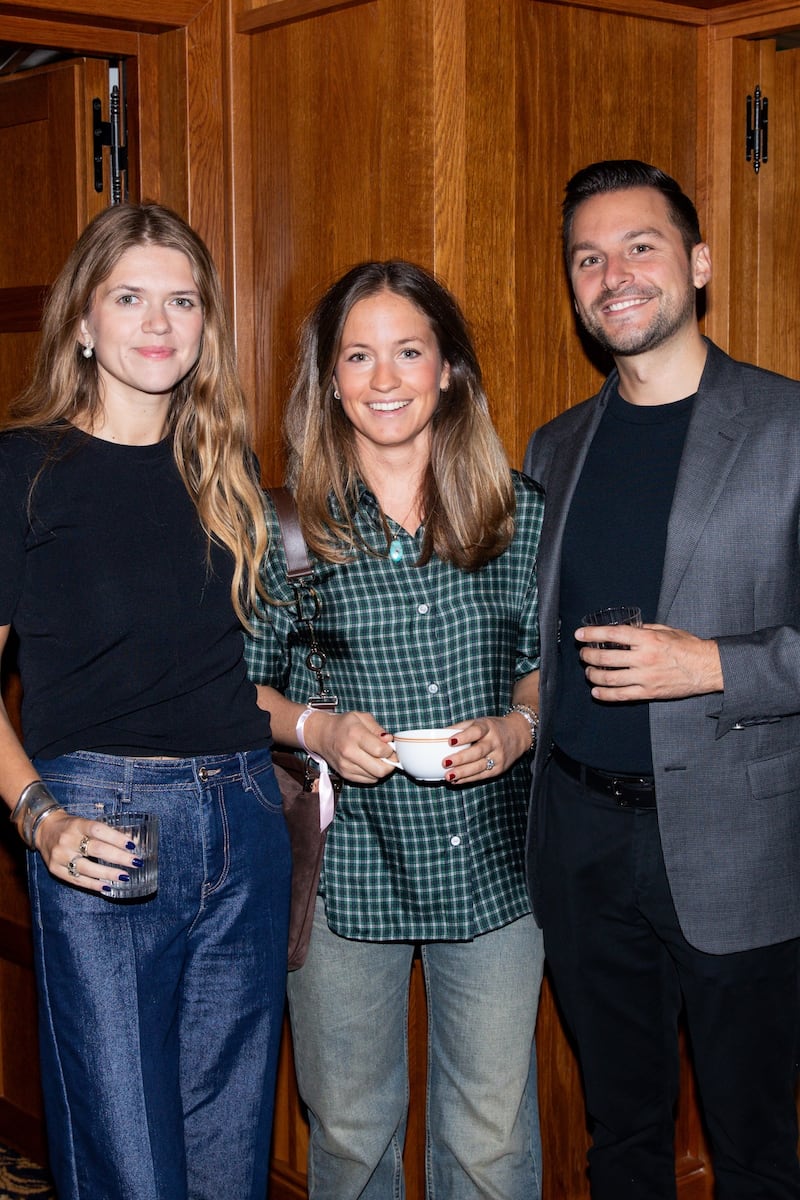
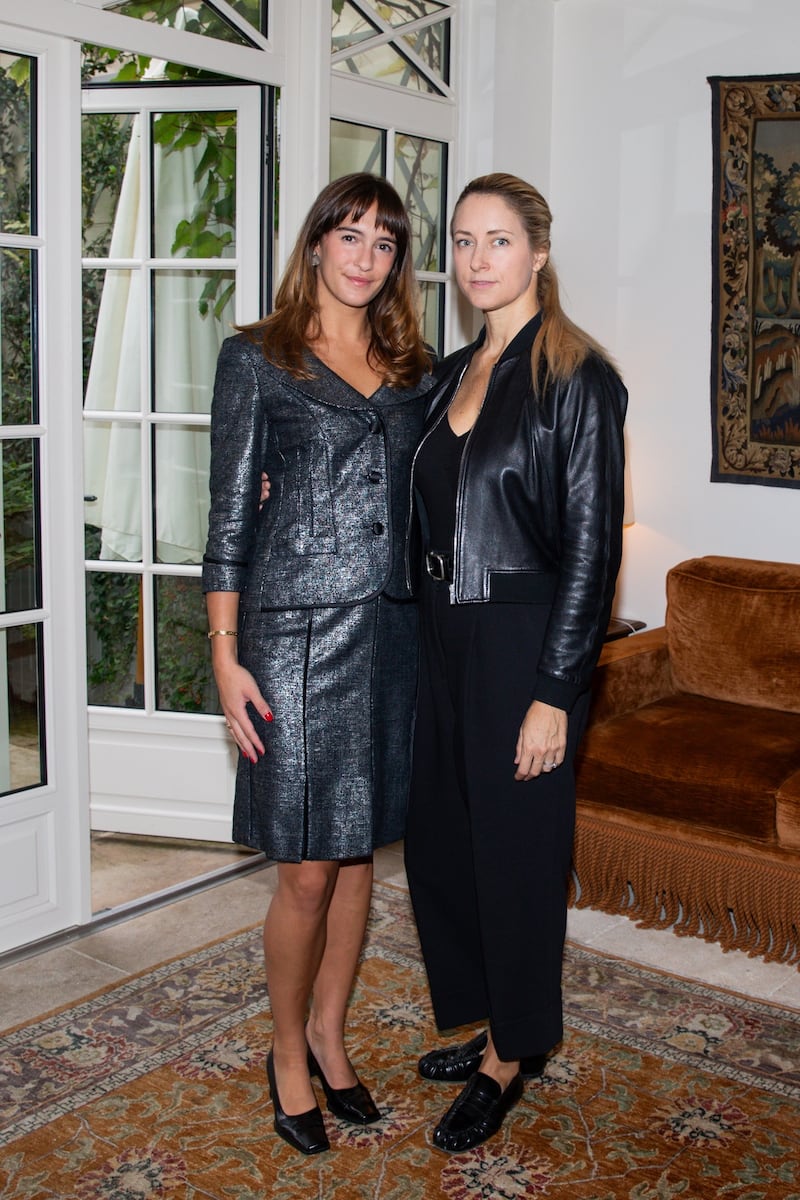
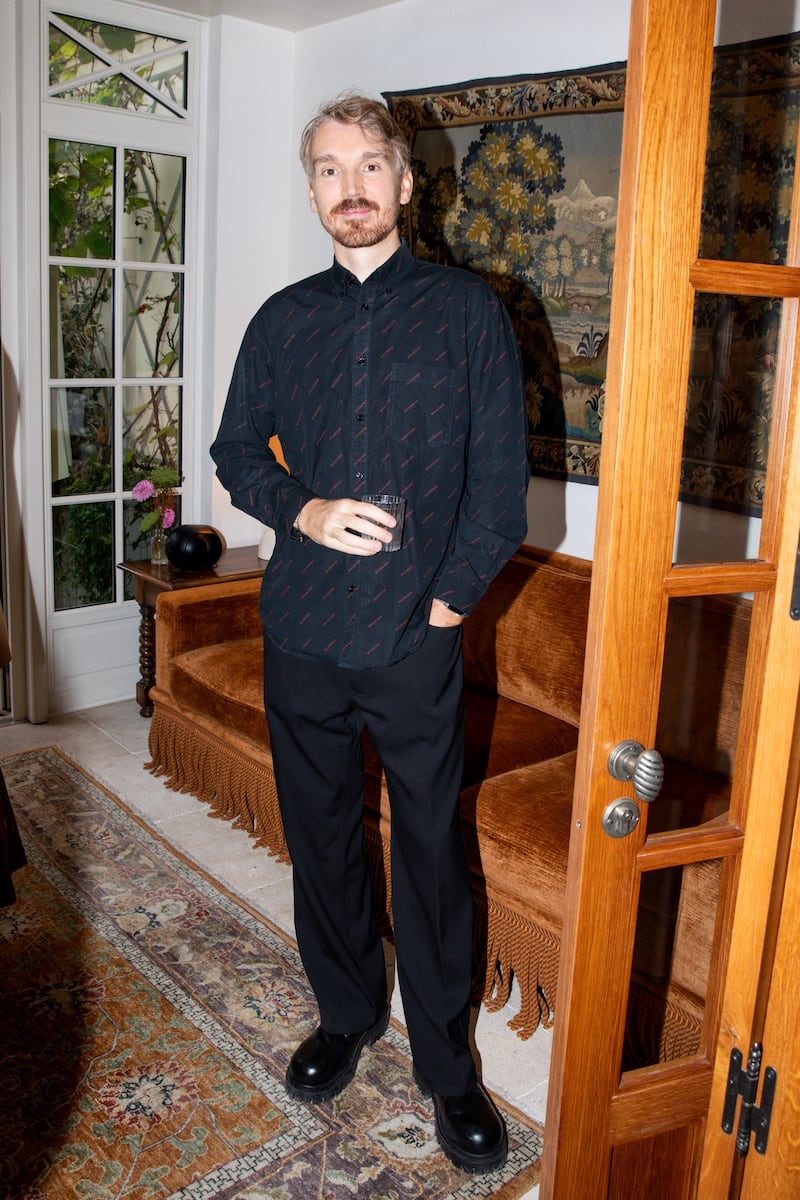
PARIS – On September 30, The Business of Fashion and CRM platform Klaviyo, convened fashion and luxury executives for a leadership breakfast at Château Voltaire in central Paris, held under Chatham House Rule.
BoF’s head of client strategy Alice Gividen moderated the discussion alongside client strategist Annabel Bolton, with guests from Balenciaga, Jacquemus, Kering, Dior, Agnes B. and Sessun. The conversation focused on what drives brand loyalty today, as value-conscious consumers navigate a saturated market, and a growing number of channels.
Today’s fashion consumers discover, evaluate and convert across online communities, social commerce, physical retail, marketplaces and AI-powered recommendations. As discovery decentralises and customer acquisition becomes more expensive and less predictable, brands must give customers reasons to return.
Luxury faces added pressure. The global customer base shrank from around 400 million in 2022 to 340 million in 2025, according to Bain & Company and Altagamma’s 2025 Luxury Goods Worldwide Market Study. Heritage and exclusivity alone no longer command loyalty or justify premium prices. Brands must earn both through superior product, meaningful experiences, and a distinct point of view.
The brands pulling ahead use structured first-party data to deliver genuine personalisation that makes shoppers feel recognised, while continuing to invest in community and brand-building.
Klaviyo, an autonomous customer relationship management (CRM) platform built for B2C brands, brings marketing, service, data and agents into a single interface and powers personalised experiences for more than 205,000 brands globally.
“You would assume that fashion brands, given the customers they work with and the world they’re trying to create, would know their customers extremely well,” said Andrea Rus, South EMEA sales director at Klaviyo. “But when you start digging into it, often they don’t.”
Closing that gap is key to turning first-time buyers into long-term advocates. Below, BoF shares anonymised insights from the discussion.
0 of 7
No amount of clienteling can compensate for a proposition that no longer gives customers a reason to engage. Before discussing relationships, attendees returned to the fundamentals of the luxury offer.
“Luxury traditionally connects with clients through three main elements: quality and value; creativity; and belonging or community,” said one leader. “On value, we broke part of that relationship. There have been price increases and scandals around production, and clients have started asking: ‘Is the value really there?’”
A more fragmented customer base adds to the challenge. Brands often serve several generations with different priorities, while fashion also competes with other categories for discretionary spend.
“In a world where customers are no longer queuing outside stores, where they have alternatives and are much more discerning around quality and price points, they’re fundamentally more discerning around value — whether that’s actual value or emotional value,” said one executive.
At the top dynamic of the pyramid, brands are competing for a limited pool of very important clients (VICs). “In the past, when the economy was growing, new VICs emerged relatively organically. Now there aren’t necessarily as many new VICs, so brands are competing for the same people,” said one brand leader. “And these are people who already have access to almost everything. So the question becomes: what can you offer that money cannot buy?”
As competition intensifies, retention depends on understanding how customers shop, where they convert and what resonates with them. Meeting them where they are requires a balanced channel strategy. It also requires connecting customer data across an increasingly fragmented journey.
“Smaller brands can sometimes have more agility than conglomerates, allowing them to build what I call a proper 360-degree customer view,” shared Klaviyo’s Rus. “We’ve talked for years about the single customer view or ‘golden record,’ but today you can actually make that happen by linking systems together.”
That starts with capturing the right information at a customer’s first interaction with the brand.
“The first thing is getting the right data about clients. You need to understand things like birthdays, where they go on holiday and the details that allow you to get closer to them,” said one brand leader in the room. “That sounds easy in theory, but it isn’t easy to achieve.”
The payoff is a consistent experience. As Rus put it, the shopper should be recognised as the same individual whether they are shopping online, visiting a store or contacting customer service.
Once brands connect the dots, the opportunity moves beyond personalisation to recognition: using what they know about a customer to make each interaction feel considered.
“[This approach] allows you to understand that I’ve visited [your] store in Milan, Rome and Paris; that in between those visits I’ve interacted with the brand on Instagram or TikTok; perhaps I’ve created user-generated content; and then when I go online, I expect to be recognised,” shared Rus.
That recognition does not have to be complicated. Sometimes it is simply remembering when a customer is likely to return.
“I’m usually in the South of France twice during the summer, around the same weeks each year,” shared one guest. “A sales associate at Miu Miu has recognised that, and I’ll get a text around the same time every year saying she’s ready to welcome me back into the store and has things she wants to show me.”
For luxury brands , this redefines loyalty. What happens between purchases can matter as much as the transaction itself.
“If I buy a suitcase every five years, loyalty points aren’t what will make me come back,” said one executive. “It’s the experience I receive in between purchases. Perhaps it’s an email explaining how best to care for the bag so it stays in good condition. That keeps the brand top of mind when I eventually need another one.”
The shift is from loyalty as a programme to loyalty as an ongoing relationship, where relevance and recognition shape every touchpoint, not just the point of sale.
Personal relationships between store staff and clients enable the kind of personalisation that builds brand affinity. But they carry a risk: client knowledge can leave with the associate who owns the relationship.
That puts the store team at the centre of the data strategy. “At HQ, of course we would love a profile with 100 percent of the information — family, wedding anniversary and so on. But we aren’t in the store with the client,” said one executive. “So the key is creating that culture among sales associates and making them the front line for collecting that information.”
One approach is to treat retail teams as relationship managers and align with HR to hire for that profile as opposed to a traditional store associate.
“We have a tendency in this industry to hire people who are sellers. I don’t want sellers. I want people who build relationships with clients,” said one attendee. “If you think only about selling a product, you don’t think about building a relationship. They’re two different profiles.”
That requires training as much as recruitment. “I’ve joined a maison that is incredible at recruitment. But now we need to improve the client culture and mindset internally,” they added. “I can give teams all the tools in the world, but ultimately [...] we need to train people to reinforce that culture of relationship-building because that is what supports a long-term business strategy.”
Emotional connection is now the top driver of luxury purchases in both the US and China, according to BoF and McKinsey’s 2026 The State of Fashion: Face to Face With Luxury Clients report. Building that connection at scale means balancing automation with giving retail teams the time, knowledge and training to make each interaction count.
“We’re shifting from a strategy of ‘contact all of your clients’ to ‘do less, but do it better,’” said one executive. “Some sales associates are linked to too many clients at once. Knowing all of them and developing those relationships properly becomes difficult.”
This matters more as brands look beyond their top clients to re-engage aspirational shoppers squeezed by rising prices. Executives in the room saw an opportunity to extend elements of the luxury experience more broadly, without diluting the brand’s allure.
“This industry creates amazing experiences that money can’t buy for the very top of the pyramid. But that approach is hardly scalable. The real challenge is figuring out how to scale the great things luxury already does — often in ways that currently aren’t sustainable — to a much larger number of customers,” said one executive. “Those customers may also offer much more upside in terms of frequency. Moving somebody from 100 purchases to 101 in their lifetime is relatively incremental. Moving someone from one purchase to five is a huge shift.”
This is where technology, particularly AI, can turn richer customer knowledge into more targeted action. Rus pointed to connecting acquisition channels with functions such as service as one way to scale clienteling without losing its thoughtfulness.
For global brands with broad assortments and large customer bases, that could mean using technology to identify where a more relevant intervention will matter most.
“We’re lucky because we have a broad range of products. So I’m sure AI or other tools can help us segment that volume of clients and re-engage them with something more adapted and relevant,” said another attendee.
“Once the data is right, you can communicate with confidence using the right information,” said Rus. “That is where AI can help create one-to-one experiences at scale.”
This is a sponsored feature paid for by Klaviyo as part of a BoF partnership.
Loading recommended reads…
In this week’s High Margin, a search for images that cut through our visual fatigue — with leads from M/M Paris, Ferdinando Verderi and stylist Emilie Kareh. Plus: Tod’s designer exit; Burberry’s resilient sales.
The producer price index rose 6.5% from October 2025, an acceleration from the prior month, according to Bureau of Labor Statistics data out Friday. On a monthly basis, the PPI increased 0.3%.
The creative director and strategist joins Imran Amed on The BoF Podcast to discuss the evolution of his career, the realities of shaping artist narratives and why long-term collaboration outperforms short-term marketing.
The former Nvidia CEO was central to an AI boom that has propelled the US stock market and fueled the country’s unmatched luxury spending. After his exit, nobody is sure what happens next.