Agenda-setting intelligence, analysis and advice for the global fashion community.
Agenda-setting intelligence, analysis and advice for the global fashion community.

On Amami Island, craftsmen still practise dorozome in the subtropical heat, using the traditional mud-dyeing techniques of their ancestors to give local silk its distinctive earthy tones. A thousand miles to the north, artisans continue to blanket Niigata’s fields with crepe fabric in winter, allowing the snow to gently bleach their delicate Ojiya-chijimi cloth. The legacy of such textile traditions endures not only in small workshops scattered across Japan but also in the modern mills that supply some of the world’s largest fashion brands, from Levi’s to Chanel.
“One of Japan’s greatest strengths is its ability to connect tradition, industrial precision and material innovation,” said Ariane Bigot, associate fashion director of Paris-based fabrics fair Première Vision, when asked why Japanese textiles are appreciated the world over. “[They] embody a very particular relationship with time, craftsmanship, touch, material and mastered imperfection.”
Technical and sports fabrics have emerged as a defining strength of the sector, with Japanese makers helping to elevate synthetic and man-made fibres from purely functional materials into premium products. Companies such as Toray and Teijin have been at the forefront of that evolution, developing advanced materials used by global brands including The North Face and Patagonia. Toray is also responsible for the fabric innovations behind some of Uniqlo’s bestselling products — from the retailer’s Heattech thermals to its Airism t-shirts.
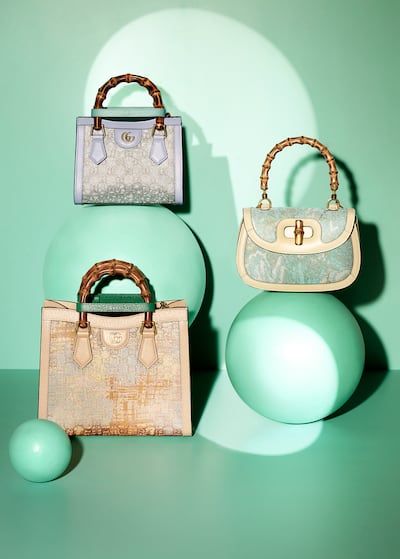
Hosoo, a mill founded in 1688 whose roots trace back to Kyoto’s sixth-century silk industry, has had its intricate fabrics showcased on the runways of the world’s fashion capitals too many times to count. The company, which is now led by the 12th generation of the same family and has supplied brands including Louis Vuitton, Dior, Chanel and Gucci, is investing in cutting-edge looms and software-powered processes to support the reinvention of its Nishijin-ori weaving techniques and kimono fabrics.
ADVERTISEMENT
Japan’s textile producers have also demonstrated an ability to make foreign materials their own. When denim first arrived in the country, makers energetically studied production processes and methods, and in the 1960s, drew on meticulous standards and existing expertise in indigo dyeing, which helped position Japan as a leader in the premium denim space. Mills such as Kaihara and Kuroki helped build that reputation, becoming suppliers to two of America’s most iconic makers of jeans, Lee and Levi’s. Kuroki and Hosoo are also partners of the LVMH Métiers d’Art initiative.
Such capabilities have helped Japan build a textile industry with an outsized global footprint. Japan exported around $6.2 billion (1.01 trillion yen) in textiles in 2025, according to UN Comtrade data, as compiled by the Observatory of Economic Complexity. The country, which ranks 17th globally, can’t rival the scale of textile powerhouses such as China, Bangladesh, Vietnam, Germany or Italy, but it has secured an influential position at the premium and specialist end of the market.
Some of the clearest evidence of Japan’s textile prowess can be found in the country’s own fashion brands. Kaoru Imajo, director of Japan Fashion Week, says the breadth of production expertise on offer in Japan — from silk, wool and leather to artificial fibres — has enabled local designers to be more inventive, as they can customise materials, and “go deep into their creation” by mixing yarns and exploring new materials.
That close relationship has helped some of the country’s most celebrated designers develop their distinctive signature, from the experimental silhouettes of pioneers like Issey Miyake to the work of newer names like Masayuki Ino, who recently used Kyoto-based Ovoveil, a silky material made from eggshell membranes, for his brand Doublet. At the same time, textile producers such as Komatsu Matere and Suncorona Oda continue to develop materials used by some of the country’s largest fashion brands.
While Japan’s textile sector excels in several areas, Bigot says its environmental certification and ethical sourcing visibility are not always as prominent in the global marketplace. Although many firms are environmentally conscious, their locally developed standards are not always clear to international buyers or aligned with global benchmarks.
“International brands require very clear guarantees regarding traceability, environmental impacts, certifications, chemical substances, social responsibility and regulatory compliance. Japanese expertise is often of a very high calibre, but it sometimes needs to be better translated into the international languages of sustainability and compliance,” she says.
Compounding these challenges, competition is heating up across Asia as rival textile hubs invest heavily in sustainability, innovation and global branding. Imajo points to South Korea as one challenger. The country, which unveiled an ambitious strategy two years ago that’s already bearing fruit, is now seeking to establish itself as a leader in environmentally conscious materials and advanced AI-driven product design. Further afield, category-leading mills in Taiwan, Hong Kong and mainland China are also moving up the value chain.
Against this backdrop, Japan’s textile exports remained flat in the year ended March 2026, according to data compiled by the OEC. The three previous years saw declines, according to Japan Textile Exporters’ Association figures cited in fashion industry publication Senken Shimbun, with industry-wide headwinds and weakened demand for rayon products weighing on the sector. Yet Imajo argues that while Japan’s textile sector may no longer be at the very cutting edge of innovation, its reputation for producing desirable fabrics to high standards remains a powerful draw. “I’m not sure that Japan is the most innovative country for textiles [any more],” Imajo says, “but say Prada or Moncler…they want durability [and] consistency in quality.”
ADVERTISEMENT
Those qualities, combined with the craft heritage, technical expertise and creativity for which Japanese textile makers are known, should help sustain the industry’s appeal for years to come. The challenge for producers will be ensuring those strengths remain relevant — and visible — as global fashion trends and consumer lifestyles evolve at an ever-faster pace.
Kaihara has become one of the most respected names in the global denim trade. Located in the Bingo region of Japan’s Hiroshima prefecture — an area synonymous with Japan’s denim production — the company originally built its reputation on its expertise in indigo fabric dyeing.
Founded in 1893, the company branched into denim in the 1970s and today claims around 50 percent of domestic market share. The mill is known for its specialisation in vintage-style distressed denim and handles spinning, dyeing, weaving and finishing in-house. Because of this, Kaihara can produce at scale while maintaining exceptional quality through its own rigorous standards, which are overlaid with client standards, including those of Levi’s, Lee and APC.
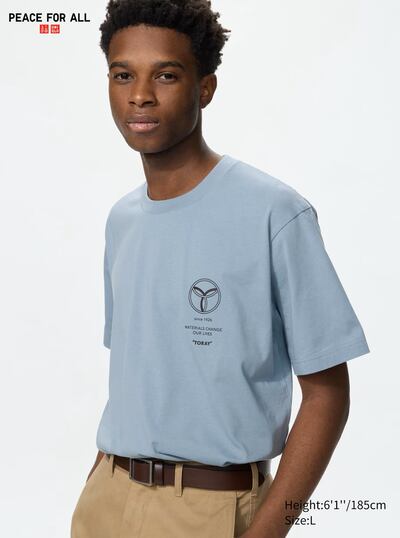
Toray Industries may not be a household name but many of the products it has created through collaborations with Uniqlo are well known across the fashion industry. The chemicals and materials giant entered the partnership back in 2006, with the aim of “developing a new breakthrough material,” ultimately creating the Japanese high-street giant’s award-winning Heattech (moisture-wicking thermal) and Airism (quick drying, cooling fabric) products.
The 100-year-old company’s other high-profile partnership has been with Issey Miyake, which has spanned half a century. For the iconic brand’s Spring/Summer 2023 collection in Paris, Toray developed what it said was the world’s first 100 percent plant-derived polyester. Earlier this year, it partnered with The North Face licensee Goldwin Inc., Neste and Idemitsu Kosan to establish a supply chain for nylon fibre made from renewable raw materials that will be used in the US outerwear giant’s products.
Not long after its founding in 1918, Teijin established expertise in the production of rayon and other synthetic fibres and later rose to prominence for its technical, high-performance materials. Placing an emphasis on innovation and the R&D of environmentally conscious materials, Teijin’s contemporary clients include both sports and fashion brands.
Among its innovations is the development of a textile that reduces shedding in a bid to combat microplastics. It also uses raw material waste in its products and produces polyester from recycled PET bottles. Another of its signature materials is Solotex, a multi-purpose material that is antiwrinkle and robust, while also partly derived from plant-derived ingredients.
Earlier this year, Teijin developed a fabric geared towards the sports market that limits UV penetration and uses a layered combination of water-repellent and water-absorbent yarns. Designed to absorb perspiration before expelling it away from the body while minimising sweat stains, the fabric is expected to be available in the Spring/Summer 2027 collections.
ADVERTISEMENT
Yamaei Keori was founded in 1915 and developed an early reputation as an innovator through its development of dark woven fabric for formal wear — considered particularly testing to produce at the time and requiring meticulous skill. Located in Aichi prefecture in Bishu, a region considered the birthplace of Japan’s woolen textiles, it is situated close to the Nikko river, which is credited with maintaining temperatures and conditions conducive to preserving yarn. Today the company uses vintage looms to weave its fabrics.
A multi-generational business, Yamaei Keori has charmed luxury fashion houses from Europe and the US as well as leading domestic brands with its traditional, time-consuming yet highly precise manufacturing methods. The mill is collaborative in developing custom textiles and has worked with Japanese retailer United Arrows to develop rich, luxurious fabrics specifically designed for suiting, in something of a return to its roots.
Okayama is revered for its indigo dyeing, a beneficiary of the region’s pure spring water and history in cotton textiles that stems back to the Edo period. Leading denim manufacturer Kuroki has drawn on this regional expertise, developing a reputation as a master dyer. Founded in the 1950s, the mill produces over 500 different textiles per year to meet customer demands, making the denim from start to finish.
Kuroki, which recycles its wastewater through a commitment to improving environmental impacts, uses solar energy and strives to utilize organic and BCI cotton, and natural materials in its production. The mill was chosen three years ago by LVMH Métiers d’Art for its first partnership in Japan, recognising the company’s long reputation for expertise and quality, which has made it a favourite among top fashion houses.
Faux fur may be mainstream, but when Okada Textile entered the market back in 1992, it was nascent and products had a long way to go before they rivalled the materials they were attempting to emulate. From the very beginning, the Wakayama-based textile manufacturer has taken a meticulous approach to the creation of high-quality synthetic fur products, solving technical issues like static, while also developing a near-flawless appearance, thanks to its incorporation of multiple raw materials, born from experimentation.
For many of its products, acrylic is a base material, but wool and cotton are also incorporated into the mix to give the texture and body of fur. Okada has collaborated with Mitsubishi Chemical Corporation on R&D to further innovate, including in the development of a sunlight responsive heat-generating material that makes the fabric warmer to wear. With colours ranging from fluorescent to natural tones, and fur resembling everything from deer skin, to mink, seal and fox, reported commissions by Prada, Chanel, and Louis Vuitton have boosted the pioneering company’s profile.
During the Edo period, the cream of the crop among Japanese craftspeople were to be found in Nishijin, Kyoto’s famed weaving district, and in 1688 the house of Hosoo established itself among them. It was kept busy weaving for Shogun warriors and samurai from the Tokugawa clan before expanding into kimono, one of Japan’s highest sartorial artforms. Across twelve generations of the same family, it has crafted fabric for the country’s elite, maintaining a reputation for perfectionism.
Today, Hosoo continues to follow the Nishijin tradition, which encompasses more than 20 steps spanning weaving and dyeing, but it also regularly carries out experiments and collaborations. As part of its study into new techniques, approaches and design possibilities, the firm works with international designers and artists, including Milan’s Dimorestudio, and textile designer Mae Engelgeer. The firm has gained global attention as a collaborator and supplier to some of the biggest luxury brands in the business including Louis Vuitton, Dior, Chanel and Gucci.
Established in 1943, Komatsu Matere excels in producing synthetic materials that mimic the desirable qualities of natural materials, such as breathability and lightness. The multidisciplinary firm caters to fashion and sportswear clients, harnessing its R&D-intensive approach, which prioritizes the use of recycled waste materials, and natural dyes including onion skins. Waterproof and windproof, quick-drying and deodorising materials are among their signature offerings.
Several years ago, the firm gained mainstream attention for a thread-like product that is delicate in appearance and carbon-fibre based, which despite appearances is strong enough to be used for seismic reinforcement. It can be seen around the firm’s headquarters, designed by leading architect Kengo Kuma, in a project that gained much acclaim and highlights the breadth of the manufacturer’s technical abilities.
A major bridal wear supplier, Osaka-based Suncorona Oda is best known for its production of delicate, ethereal materials. Taking a comprehensive approach to the creative process, in addition to crafting and dyeing its fabric in house, Suncorona Oda even manufactures the machinery used in its weaving process, enabling high levels of control and customisation in its products.
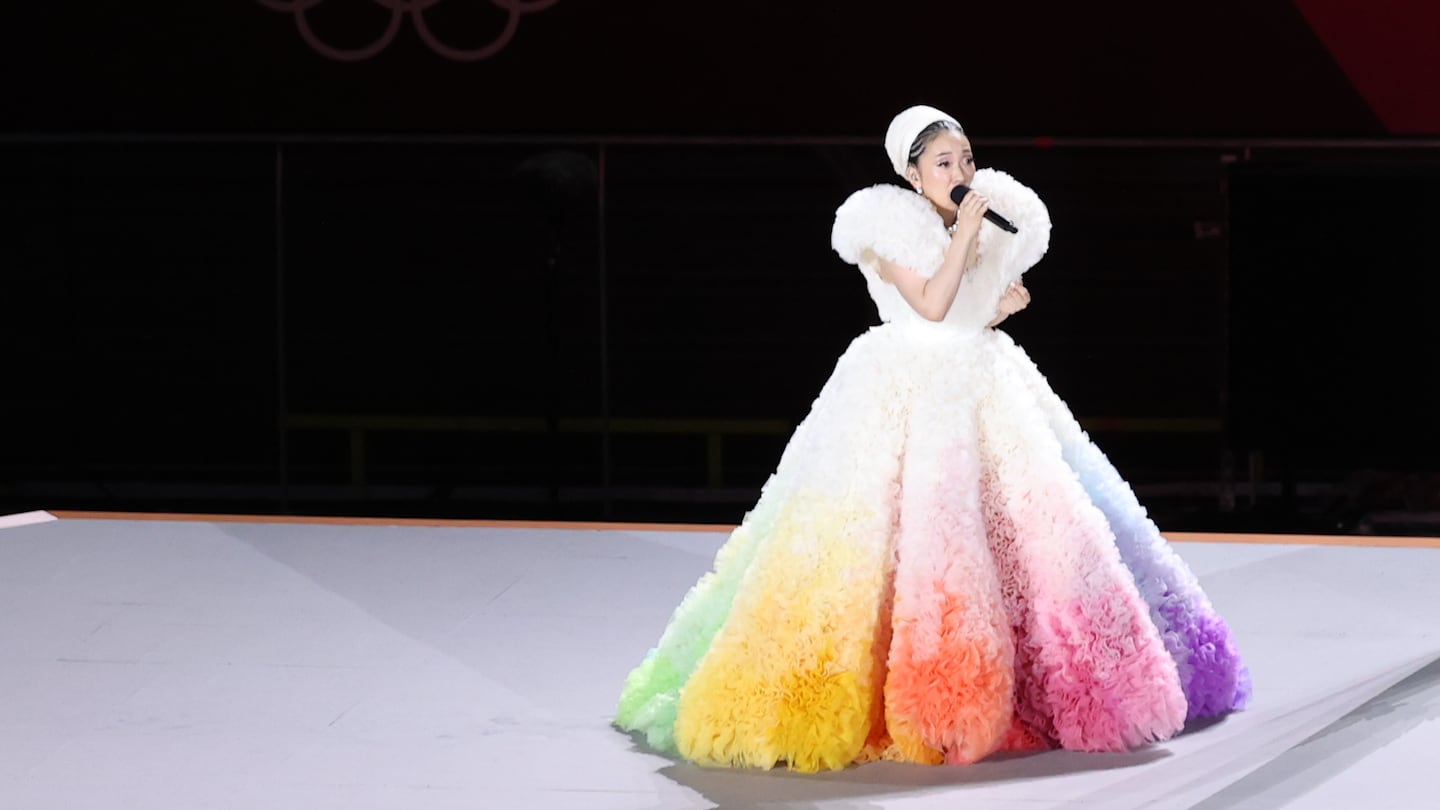
Japanese fashion designer Tomo Koizumi has showcased the firm’s materials in several of his looks, including a gown worn by the pop star Misia when she sang the national anthem at the Tokyo Olympics. Tracing its roots back to 1955, the firm excels in lightness and colouration, from iridescent chambray organza, through to fluorescent tulle, with these qualities making the mill attractive to major luxury brands around the world.
Companies like LVMH, Hermès and Gucci are strengthening ties with Japan’s artisanal producers to tap exclusive materials and ancient techniques.
Wafuku fabric and fashion houses are searching for new ways to offset falling kimono sales and safeguard their artisanal heritage. But will a mix of modernisation, diversification and overseas collaborations be enough to secure their survival?
Loading recommended reads…
The New York Times photographer and style columnist joins Imran Amed on The BoF Podcast to discuss why practice makes permanent, the blind spot he had to admit to himself and why the style he looks for is meant to feel within reach.
In Panipat, 1 million tons of used clothing a year are turned into products for global brands, but dangerous machinery and few safeguards mean life-changing injuries are common
The struggles of Nanushka and Coperni expose the challenges of turning a promising label into a sustainable business, even after successfully building a global customer base and distinctive visual identity.
What to keep and what to change when a brand changes designers? Pierpaolo Piccioli’s brief stint at Balenciaga and Kering’s effort to course correct by bringing in Martine Rose offers learnings for houses seeking creative renewal.