Agenda-setting intelligence, analysis and advice for the global fashion community.
Agenda-setting intelligence, analysis and advice for the global fashion community.

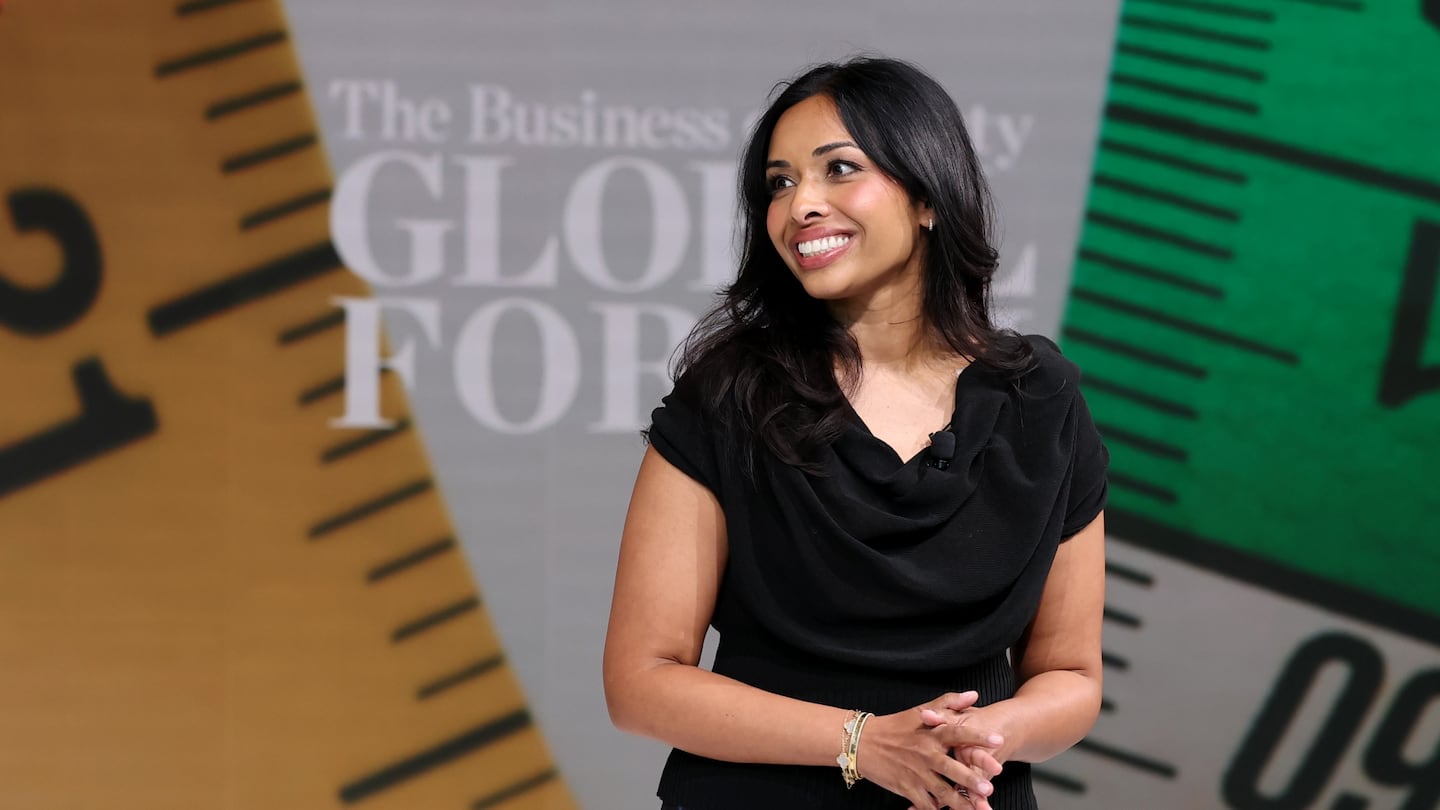
NAPA, California — The beauty industry is in flux. New fields of research like longevity, biohacking and GLP-1s are changing our understanding of our bodies and their limits, and our makeup and aesthetic preferences are shifting as social media and digital culture reshape our sense of self.
“The industry has to rethink what beauty means,” said Imran Amed, founder and chief executive of The Business of Fashion.
In the Global Beauty Forum’s closing session, “Beauty’s New Future”, speakers including Tom Hale, CEO of Oura, makeup artists Andrew Dahling, Danessa Myricks and Violette Serrat, and academics Dr. Fatima Cody Stanford and Dr. S. Jay Olshansky gathered onstage to explore who and what will shape beauty’s next chapter.
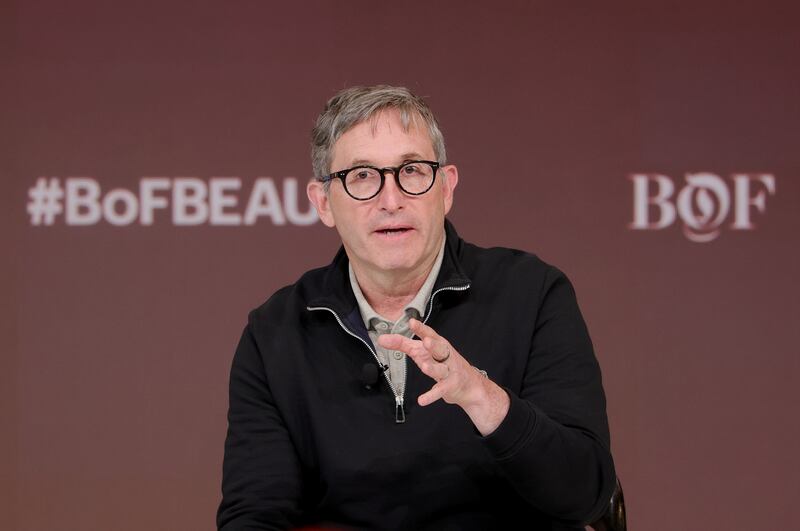
Oura’s plans to IPO will be a public-markets test of broader appetite for the pioneering wearable company. According to Hale, the company’s unique selling proposition is marrying the granular data its health-tracking ring provides — including biomarkers like heart rate and respiratory data — with the user’s shifts in behaviour.
ADVERTISEMENT
“[Oura] is a check engine light for your body, or an early warning system for your health… but that predictive power coupled with behaviour change… that’s important. You need both to see the quantitative and meaningful change in your physiology,” said Hale.
While he was circumspect about the upcoming IPO plans — aside from quipping that existing shareholders “shouldn’t sell” — Hale detailed how the company has grown its revenues more than four times in the last four years by equipping users with actionable data and contextualising it within their broader holistic health habits and care.
“We are there to make you have a healthier long run. That’s why we have a membership subscription, not just a devices business,” he said.
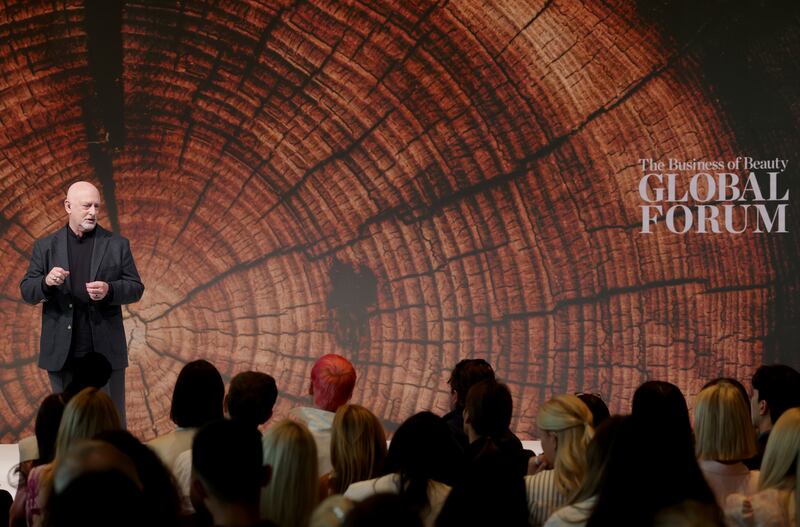
Much of the current longevity conversation focuses on new technologies like IV drips, injectable peptides and hyperbaric chambers, or it considers the incidence of disease as a sign that something has gone wrong. But as S. Jay Olshansky, an emeritus professor of epidemiology at the University of Illinois at Chicago explained, it’s more accurate to think about longevity, ageing and wellness through a different lens.
“The rise of heart disease, cancer and Alzheimer’s… are not the consequence of failure. Doctors may tell you that it’s your fault, but [disease] is not your fault if you live long enough,” said Olshansky. “The price of ageing is exposure to a foundational underlying biological process of ageing.”
Many of us are already living long beyond our typical human lifespan, and with increased age, the chance of developing serious diseases increases.
“Exercise extreme caution when it comes to any sort of intervention, for the most part, that claims exceptional longevity,” said Dr. Olshansky. Quality of life is measurable, he said, and it is more powerful to focus on improving healthspan, rather than simply trying to live longer.
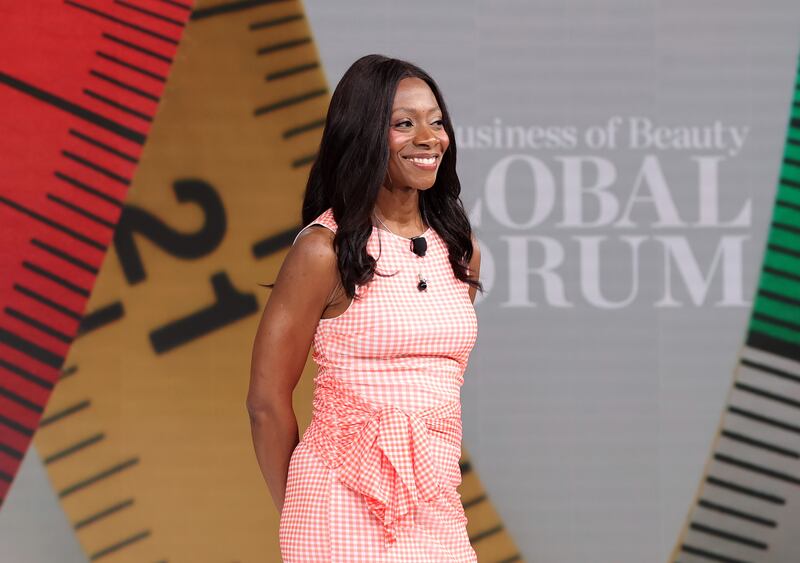
“Not since the invention of insulin has a single drug revolutionised the world like GLP-1s. In the last five years, weight-loss drugs like Ozempic and Mounjaro have transformed everything from how our clothes fit to the food we eat and the skincare we buy,” said Priya Rao, executive editor of The Business of Beauty, as she introduced Dr. Fatima Cody Stanford, a world-leading obesity researcher, policymaker and educator at Harvard Medical School and Mass General.
ADVERTISEMENT
In her talk, Dr. Stanford explained how these weight-loss drugs have transformed our own understanding of our bodies and their capabilities — including the little-known fact that our bodies already produce GLP-1s naturally. But the true unlock — and mystery — of GLP-1s is the ripples they’re causing in other parts of the body.
“We’re seeing studies with regards to Alzheimer’s disease, rheumatoid arthritis, gout, multiple sclerosis… We’re going to see more and more as time goes on,” said Dr. Stanford. “There’s this huge relationship with food and our reward centres that’s changing,” she said, adding that reduced compulsive spending has been associated with GLP-1 usage.
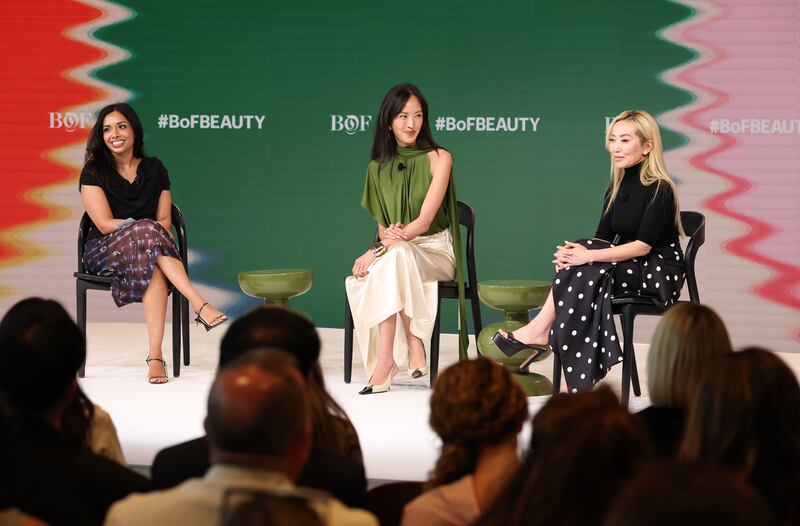
What Tina Chen Craig, founder of skincare brand U Beauty, and Chriselle Lim, founder of the fragrance brand Phlur, have in common is that neither of them anticipated or expected to become influencers or founders.
“I was the world’s most reluctant skincare founder,” said Chen Craig. “And I never saw myself as an influencer.” Instead, her path to launching U Beauty came from realising her relationship with her audience — which includes over 500,000 Instagram followers — had given her valuable insights into common pain points. “I knew how to help people identify their problems, I could take and translate that, and help them shop,” she said.
Since both Chen Craig and Lim belong to a class of established mega-influencers and have both been sharing their lives online for more than 20 years, they understand how “influence” and a large audience do not always translate to authority, trust and a platform for brand-building.
“If someone has an audience, they do have a good head start [as a founder], but that’s not all,” said Lim. “Trust compounds,” said Chen Craig. “It takes years to build and seconds to break.”
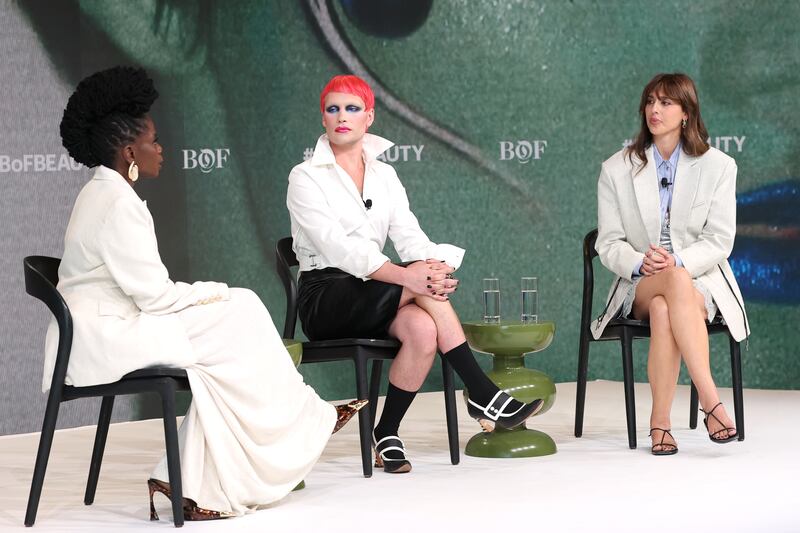
Just like “quiet luxury” made elevated basics and a neutral, logo-free palette a white-hot trend, makeup has become pared back, simple and unfussy, with the dominant trend being the spareness of “clean girl” makeup.
But for the visionary makeup artists and founders who power the cosmetics industry, this is a sticking point. Without customer appetite for colour, texture and sparkle, can makeup brands still find room for innovation and growth?
ADVERTISEMENT
“It’s not a lack of artistry or exploration that makes this trend so persistent… It’s the [social media] algorithm,” said Andrew Dahling, a makeup artist who has worked with the singer Chappell Roan. The way media is now consumed makes shoppers feel they have to conform and makes the dominant trend feel like the norm.
Danessa Myricks, the makeup artist and founder of Danessa Myricks Beauty who moderated the panel, shared that artists have a unique vantage point: “We’re on the ground, with people… we know what they really want,” she said.
The challenge for artistry-led brands often comes when they bring in external stakeholders by entering retail or signing with investors. “The brand has to know exactly who it is… But it’s a relationship. I need to understand the philosophy of the retailer, but I need to make sure they are clear on who the brand is,” said Violette Serrat, makeup artist and founder of Violette_FR.
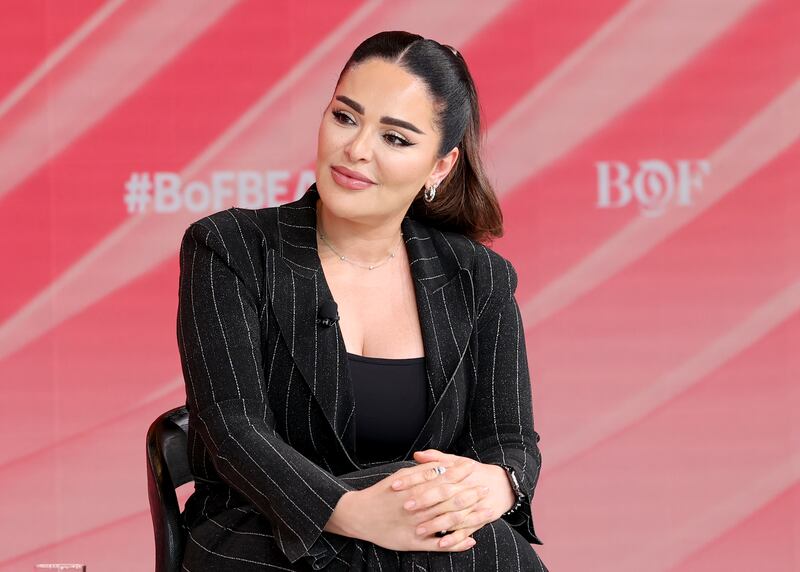
To close The Business of Beauty Global Forum 2026, Imran Amed was joined by Mona Kattan, founder of the prestige perfume line Kayali, to trace her path to newfound independence after carving out her business from her sister Huda Kattan’s company, Huda Beauty, with the assistance of General Atlantic.
“I realised I was co-dependent,” said Kattan, talking about her relationship with her family. “With partners, you have to co-create your vision and decide together what the North Star looks like. I always had to sacrifice what I wanted, because it wasn’t fully in line with what everybody else wanted.”
By taking Kayali into her own hands, Kattan set out on a journey of self-discovery as a founder, a business leader and a person. The months that followed the beginning of the carve-out were “make or break incubation” for Kayali, but Kattan’s ability to follow her own intuition and vision has allowed the business to soar. She said she has countless spreadsheets charting out possible future exit timelines, but right now, she’s focused on the present.
“I have clarity on what I’m trying to do, what I’m trying to change and where I’m going,” said Kattan.
Sign up to The Business of Beauty newsletter, your complimentary, must-read source for the day’s most important beauty and wellness news and analysis.
Loading recommended reads…
The designer is stepping down from the London-based label she founded in 2012, a year after selling her majority stake to Another Community. She will shift her focus to filmmaking and other creative pursuits.
In this week’s High Margin, a search for images that cut through our visual fatigue — with leads from M/M Paris, Ferdinando Verderi and stylist Emilie Kareh. Plus: Tod’s designer exit; Burberry’s resilient sales.
The producer price index rose 6.5% from October 2025, an acceleration from the prior month, according to Bureau of Labor Statistics data out Friday. On a monthly basis, the PPI increased 0.3%.
The creative director and strategist joins Imran Amed on The BoF Podcast to discuss the evolution of his career, the realities of shaping artist narratives and why long-term collaboration outperforms short-term marketing.