Agenda-setting intelligence, analysis and advice for the global fashion community.
Agenda-setting intelligence, analysis and advice for the global fashion community.

Like many other established beauty brands, 43-year-old skincare label Ole Henriksen found itself in a sales slump coming out of the Covid-19 pandemic. Beauty obsessives loaded up on the products in lockdown, but growth took a turn after restrictions eased. Then, in 2024, the brand got a second wind.
“The last two years have been the most successful years in the brand’s history,” said Sarah Koch, senior vice president and general manager of Kendo Emerging Brands.
The rebound was largely due to its 2024 launch at Ulta Beauty, following a nearly 20-year run as a Sephora exclusive. Henriksen and Sephora have history: the skincare brand, founded by a Danish aesthetician, came from the incubator Kendo, which used to pipe brands into Sephora; both are owned by LVMH, and the brand and retailer once shared an office in San Francisco. (The Kendo and Sephora offices are now located in adjacent buildings on the same street.)
“Ending such an important, long-standing relationship, it was so important for us to explain to Sephora how we were going to keep their business whole and exciting,” said Koch.
ADVERTISEMENT
From direct-to-consumer to TikTok Shop, young beauty labels have many launchpads to success when it comes to first sales channels. But for many, one of the most tried-and-true formulas remains securing an exclusive deal with a retailer from the jump. For years, this loyalty can mean joint brand-building, increased visibility, continuous sales growth and a loyal audience. But channel expansion has become inevitable as these brands reach maturity.
“If you want to continue to grow, you’ve naturally got to expand your retail footprint,” said Polly Wong, president of marketing firm Belardi Wong. “Usually, after two to three years, you’re ready to expand in order to drive more revenue growth.”
The first move from exclusive partner to multiple certainly brings sales growth, but beauty businesses must find a balance between the retailer that helped make them what they are and a new customer base requiring a different set of strategies.
Unlike established brands already navigating multiple retailers, the expansion from one to two is particularly a turning point for brands that were built by an existing partner. This can mean faster growth, as was the case of former Sephora exclusive Rare Beauty, which broke Ulta Beauty’s launch day sales record when it entered the retailer in February 2026. But branching out isn’t a guarantee of success; Drunk Elephant’s overall sales declined 50 percent in 2025, four years after expanding from a Sephora-exclusive partnership to enter Ulta Beauty.
For brands that enter an exclusive partnership immediately at launch, retailers often have deep involvement with areas like product development and brand positioning.
Sephora is especially renowned for this type of brand-building, displayed with successes like Fenty Beauty, Summer Fridays and Sol de Janeiro. But brands in the masstige space like haircare brand Odele and Ashley Tisdale’s body-care and fragrance brand Being Frenshe had a similar development path through Target. Meanwhile, Ulta Beauty has been ramping up the calibre of its own exclusives over the years, securing labels like Beyoncé’s Cécred, Ariana Grande’s R.e.m. Beauty and “Euphoria” head makeup artist Donni Davy’s Half Magic Beauty.
Target was a part of brand conception, product development, naming strategies, packaging and in-store display design for the wellness-oriented Being Frenshe, which launched in 2022 as a Target exclusive. The partnership has paid off, as the brand exceeded $100 million in annual sales last year. But last month, it decided to go wider with expansion into Ulta Beauty.
“Ulta is really a true beauty destination,” said Nadia Khan, senior vice president at Being Frenshe and its parent company Maesa. The brand’s expansion will help its more specialised products reach a new beauty-focused shopper base. While body spray is a top product at both retailers, its magnesium stick has been a hit in the wellness section of Ulta Beauty.
ADVERTISEMENT
Odele, meanwhile, expanded to Ulta Beauty for similar reasons, looking for a specialty beauty base for its growing array of styling products and fragrances, as its Target customers still stock up on shampoo and conditioner when shopping for home basics. The expansion also aimed to place the brand in a more upmarket setting.
“We wanted to prove that we could be successful beyond mass,” said Lindsay Holden, co-founder of Odele.
A new retail setting should expand the customer base rather than shift an existing one, said brand executives, to avoid “cannibalising” sales at a current retail partner. The move from Sephora to Ulta Beauty helped open up an entirely new geography of customers for Ole Henriksen, said Koch.
“There is literally no point in launching somewhere if it’s just offsetting the loss somewhere else. It’s really about using the retailer to go after new consumers,” she added.
Brands should not just enter new retailers and expect growth to come automatically; their expansion plans need to come with more dedicated resources and marketing strategies for each individual partnership.
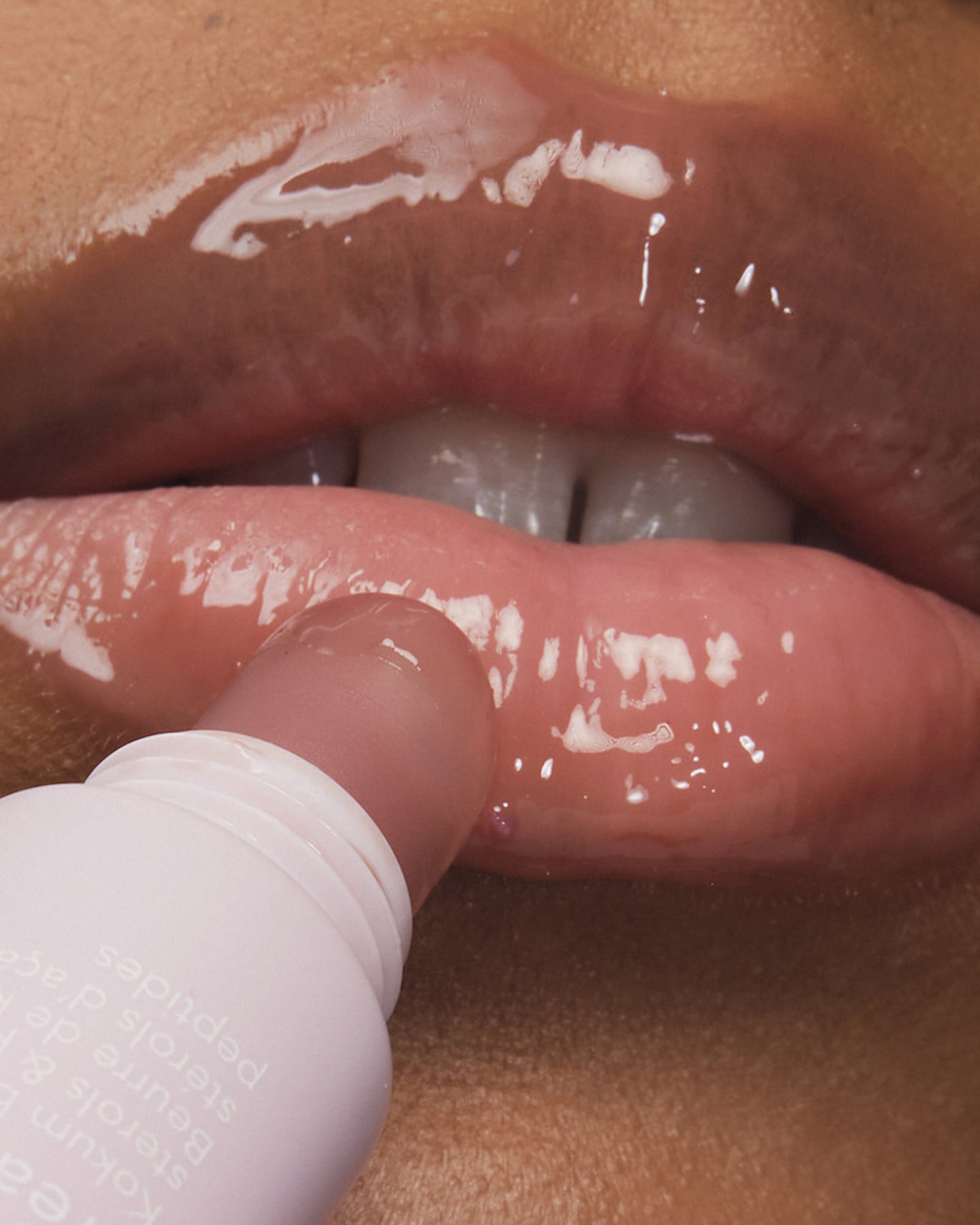
Ole Henriksen, for example, has been upping its Midwest-centred marketing. It opted to hold its first Midwest-based influencer event in Ulta Beauty’s home city of Chicago for the launch of an Ulta-exclusive shade of its Pout Preserve Hydrating Peptide Lip Treatment, which Koch said was a “massive” success.
“When we talk about these Ulta-coded influencers, a lot of them do live outside of the coastal cities,” said Koch, who invited members of the Ulta Beauty Collective of influencers to the event.
Product exclusives are a key way to keep existing partners happy. Fenty Beauty keeps entire categories exclusive to specific retailers, only selling Fenty Hair at Sephora in the US; Ole Henriksen’s peach collection maintains its Sephora exclusivity. In addition to retailer-specific shades or products, brands can tailor their exclusives to each customer base. Odele recently tapped into Target’s role as a dorm-decor destination by creating a college student-centered gift bag set that’s now on the retailer’s back-to-school-themed endcap.
ADVERTISEMENT
“Exclusivity is more meaningful when it’s a new category, or a new franchise within a category,” said Holden.
But offering product exclusives is just the start. Margin negotiations, co-funded ad campaigns with the retailer, sampling and participation in retailers’ big annual sales are all ways to stay engaged.
“There are so many different levers to keep those individual relationships healthy; it is not just about product exclusives,” said Koch. “At the end of the day, when Ulta calls and says, ‘Hey, we need a favor. Can you do this?’ I always try my best to say yes, and same with Sephora.”
And inevitably, even with investments in existing partners, brands have to accept that the nature of their formerly exclusive relationship will change.
“Sephora is excited to promote and drive their exclusive brands, and that makes absolute sense for them,” said Koch. “When you’re exclusive, you are privy to certain advantages … when you’re not, you’re not, and that’s okay.”
Sign up to The Business of Beauty newsletter, your complimentary, must-read source for the day’s most important beauty and wellness news and analysis.
Vacation’s entry into Sephora after already securing wide distribution at Ulta Beauty, Target and Costco shows both the new landscape for omnichannel beauty and the limits of the world’s most influential retailer.
Premium brands often use niche retailers to signal their luxury positioning and reach discerning customers. But with high fixed costs and a smaller footprint than major retailers, not all are worth the investment.
The beauty retailer’s chief executive spoke at day two of The Business of Beauty Global Forum about the strategies that have led to $5 billion in growth over the past three years.

Liz Flora is a Beauty Correspondent at Business of Fashion. She is based in Los Angeles and covers beauty and wellness.
Loading recommended reads…
The company’s share price notched its biggest weekly rise since 2020 as investors bet on softer gold prices to bring customers back to stores.
Workers staged fresh demonstrations in Dhaka Thursday, forcing factories to suspend operations despite government promises to raise wages before the end of the year.
The cult menswear designer and former Demna collaborator is returning to Balenciaga as owner Kering seeks to revive sales at the French house.
Just a few years ago, commentators were declaring the brand as past its peak amid multiple ownership changes and a broader streetwear cooldown. Today, consumer tracking metrics shows domestic sales and youth market share is rebounding strongly.